Backpacking Gear
Favorite Backpacking Gear: Seven Field-Tested Picks for Ultralight and Comfort
Seven backpacking picks covering shelters, insulation, sleep systems, and camp comfort, with the trade-offs worth weighing before you buy.
Introduction
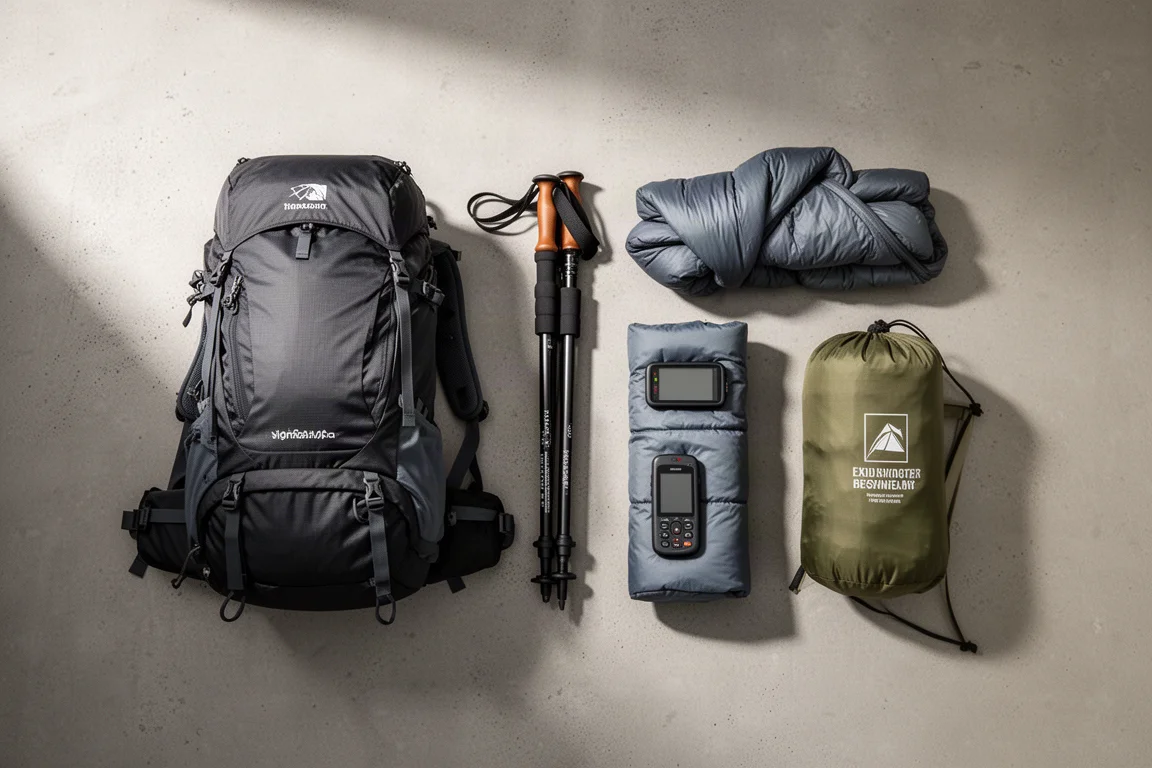
A backpacking kit is a set of compromises. Every item either saves weight on the climb or adds comfort at camp, and the useful question is not which philosophy wins but where each one is worth the cost. The seven items below sit on both sides of that line, drawn from a gear collection built over roughly 25 years of backcountry travel and more than 10,000 miles of trail time.
That background matters because it was not accumulated with a single setup. The testing behind these picks covers nearly every sleeping pad on the market, more than 70 pillows, 50 tents, and 30 packs, plus the smaller items that fill the gaps in a pack. Some of what follows is extreme ultralight gear. Some of it is heavier than it strictly needs to be, on purpose. Read together, they show how the two approaches can share one pack without fighting each other.
How These Picks Were Chosen
Two filters shaped this list. The first is weight: packs, shelters, and insulation have to stay light enough to carry comfortably over long days. The second is performance in real conditions, which means a shelter that holds in wind and rain, insulation that keeps working when the air is damp, and camp items that earn the space they take up.
The balance point is different for every category. A shelter can be stripped down to almost nothing because it only has to protect against weather and insects. A sleeping pad or a camp pillow can be heavier than strictly necessary if it reliably produces a better night of sleep. The picks below lean toward whichever side of that trade-off matters most for the item in question.
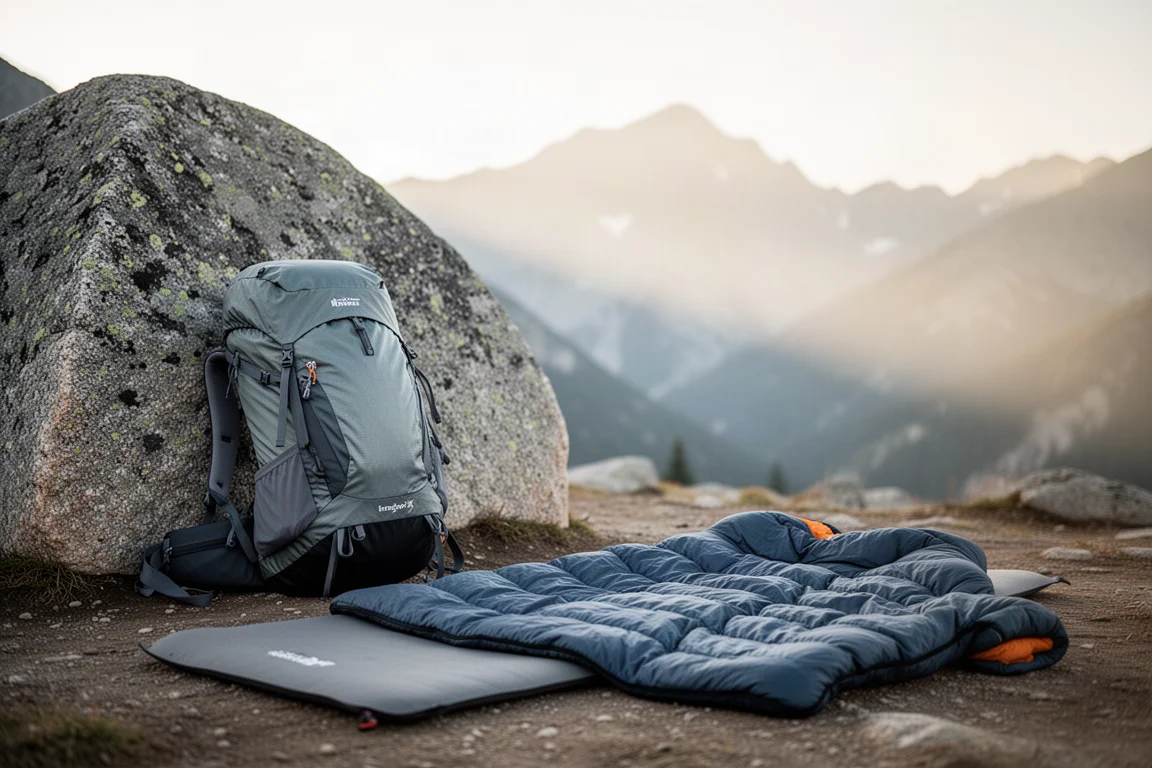
The result is a kit that mixes ultralight construction with a few deliberate comfort choices. The sections that follow cover what each piece does well, and where a buyer should think carefully before committing.
Durston Wapta 30: A Lightweight Pack That Still Carries Loads
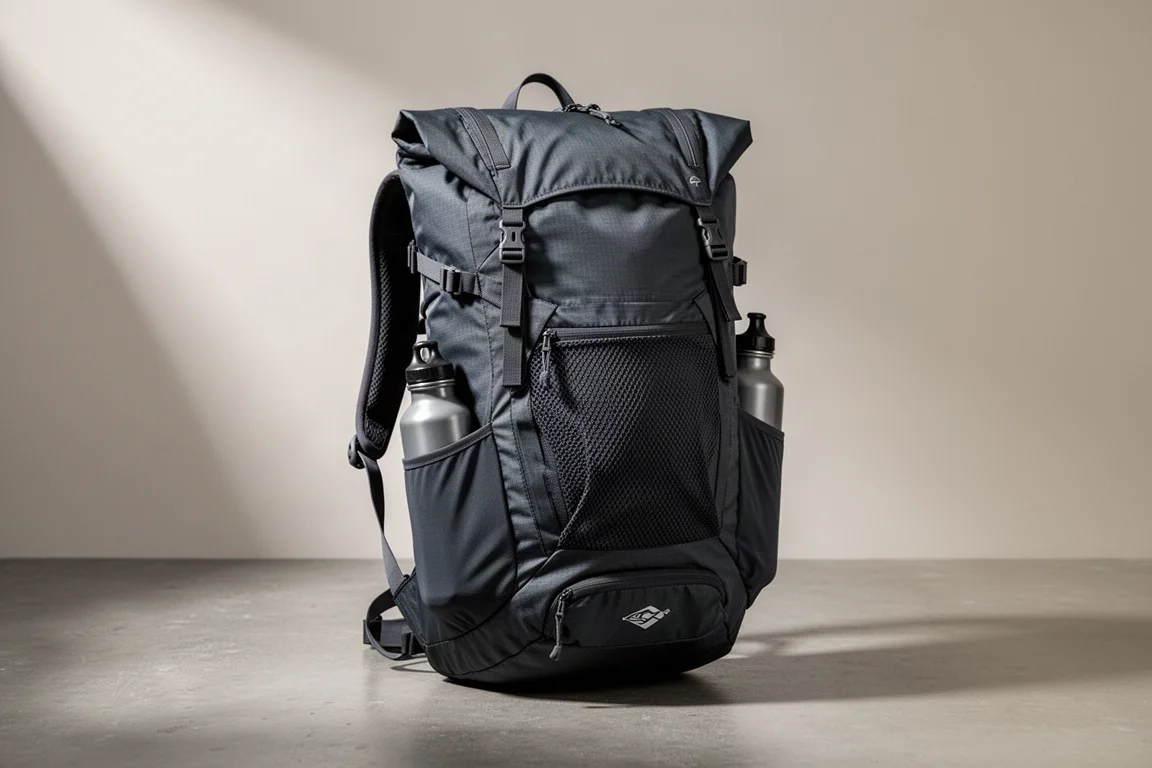
The Wapta 30 is a lightweight pack built around two requirements: low carry weight and the structure to move that weight effectively. Construction details such as the shoulder straps and a strip of foam down the back give it more support than the bare weight figure suggests.
Access is the other half of the design. There are two shoulder pockets, a bottom pocket, and a side water bottle pocket positioned so a bottle can be reached and replaced without stopping. For hikers who prefer to keep moving rather than pause for food and water, that layout matters as much as the weight.
The pack is waterproof, and it still works well with a pack liner inside. A liner acts as a barrier between dry gear and anything wet, such as a rain-soaked tent, so the contents of the pack stay protected even when the shell is doing its job. It was expected to be a niche pack for extreme ultralight trips, and instead it has become a go-to option because of how well it carries a load.
Zpacks Plex Solo Lite: Minimal Shelter, Maximum Simplicity
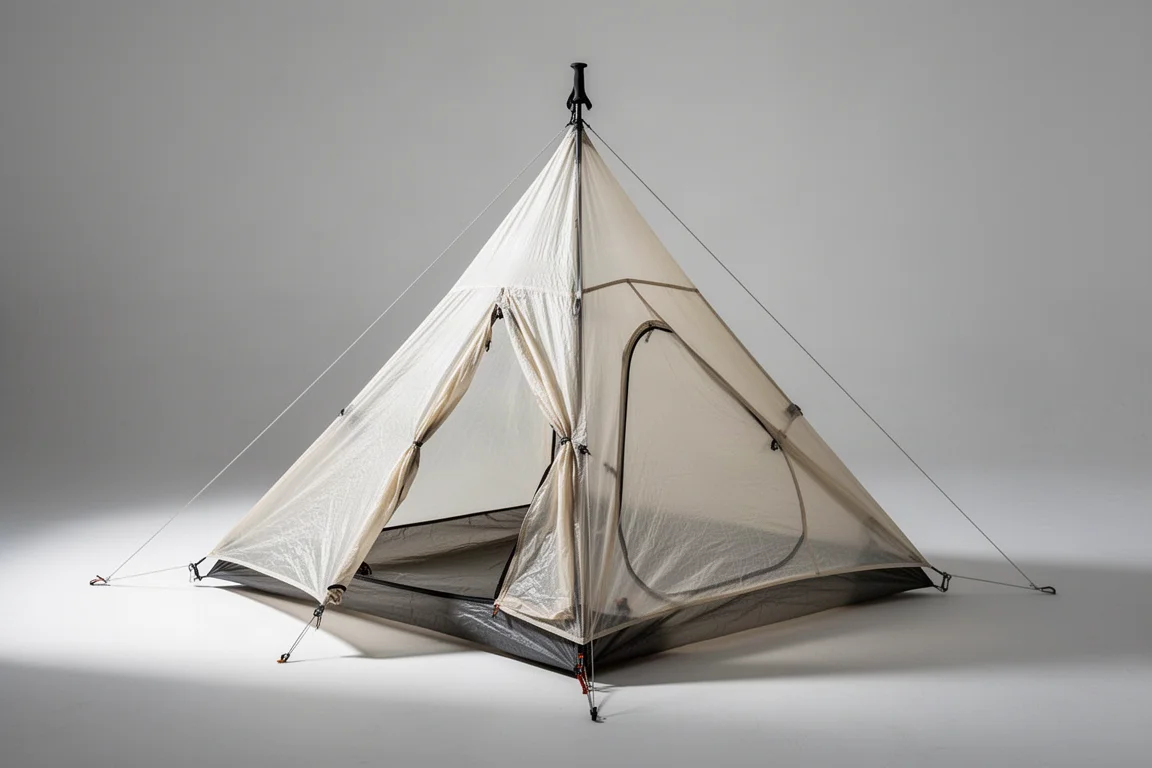
The Plex Solo Lite takes the standard Plex Solo, removes everything that is not strictly needed, and rebuilds it with a lighter Dyneema fabric. The result is a shelter aimed at hikers who want protection from weather and insects and very little else.
It is a single trekking pole tent, which brings two practical advantages. Setup is quick and straightforward, and if one trekking pole fails, the second can still pitch the shelter without hunting for a suitable stick. The interior is roomy enough for one person to spend time inside, though some hikers will find it tight.
In wind and rain the tent has held up well, which is the main thing a shelter of this type has to prove. Buyers considering it should be comfortable with a minimal interior and with the idea of using trekking poles as structural components.
Nemo Moonlight Elite: Camp Comfort That Packs Small
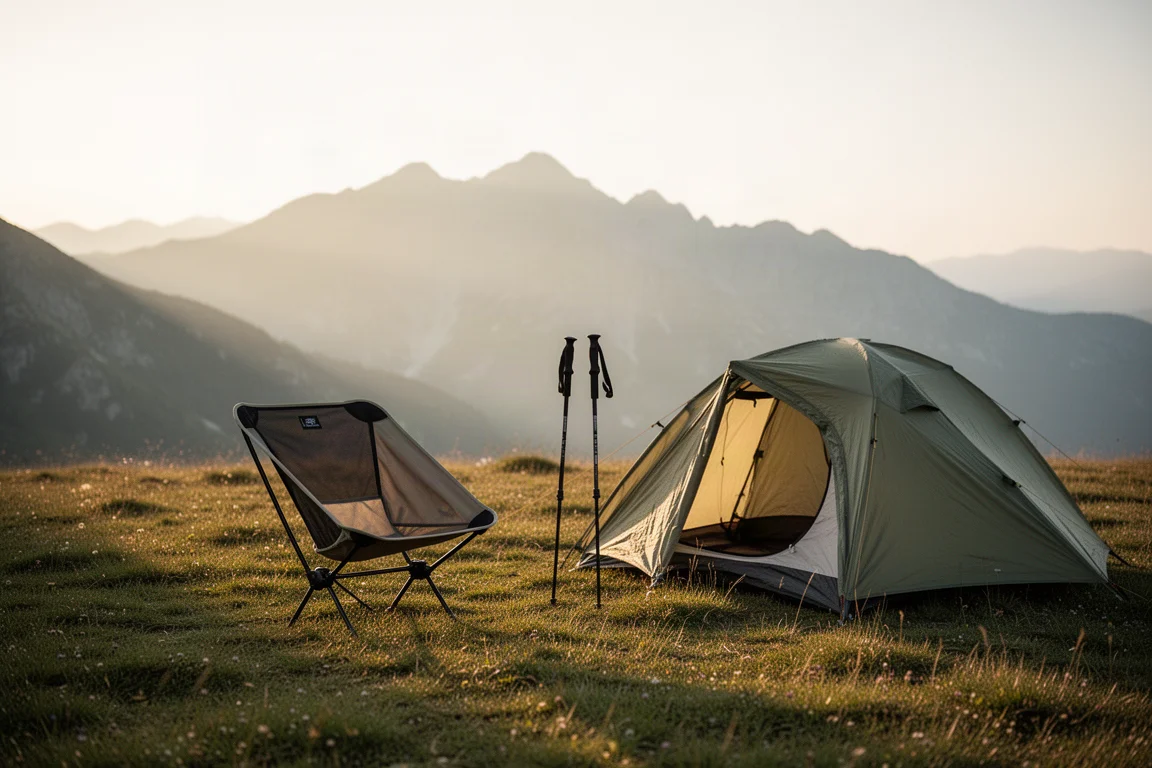
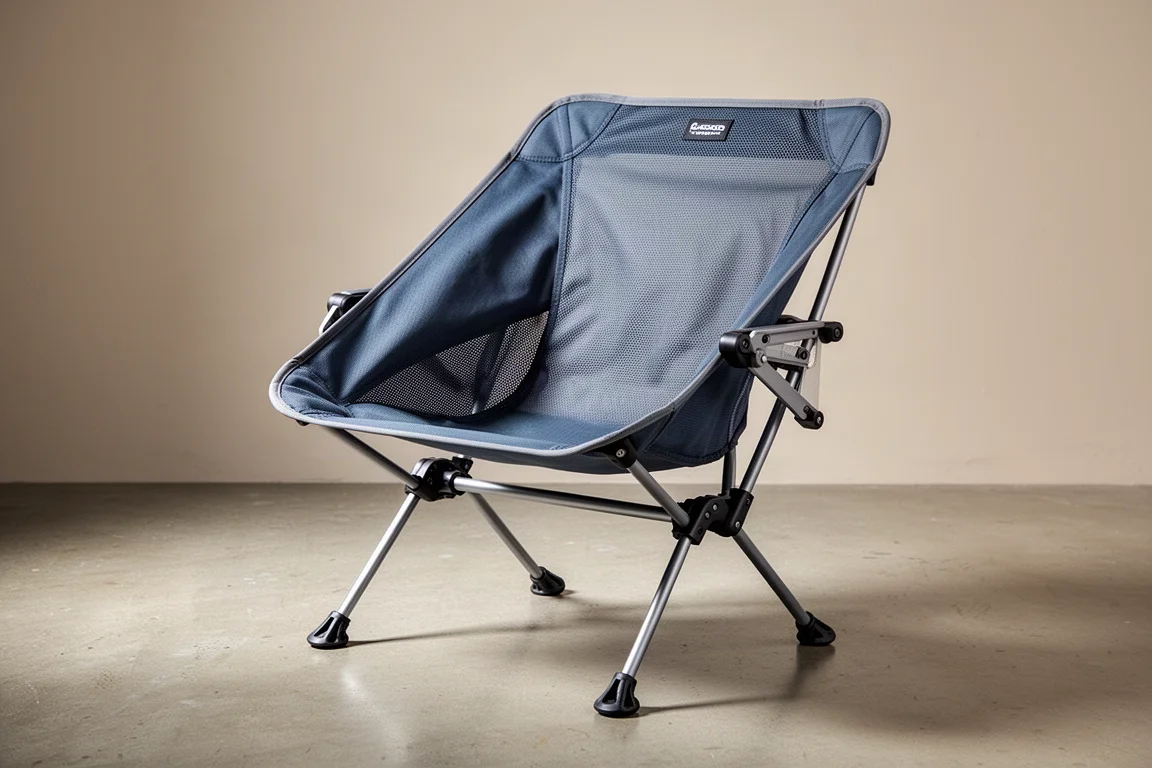
A camp chair is one of the clearest examples of comfort weight, and the Moonlight Elite keeps that weight low. At around 600 g it is not the lightest chair available, but the difference buys a feature set that many lighter chairs do not offer.
The stuff sack doubles as a ground mat, which keeps the chair legs from sinking into soft ground or sand. The other distinguishing feature is a recline mode: toggles on the side of the chair adjust the backrest, so it can be set upright for eating or sitting around a fire and then reclined for relaxing.
For hikers who count every gram, a chair like this is optional. For anyone who spends long evenings at camp, it is one of the items most likely to change how a trip feels.
Enlightened Equipment Torrid Apex Jacket: Synthetic Warmth for Damp Conditions
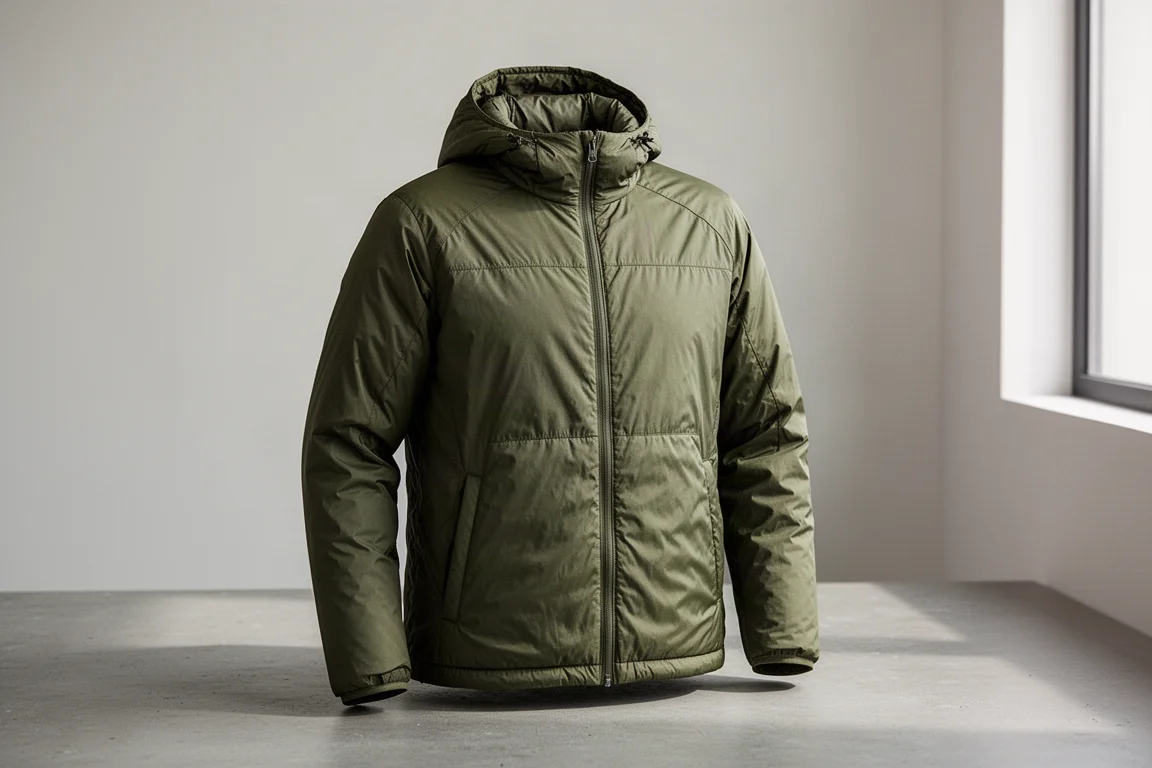
Down insulation is efficient, but it loses performance when it gets wet. The Torrid Apex jacket uses synthetic insulation instead, which handles humidity and moisture far better and keeps working in conditions that would compromise a down garment.
That makes it a sensible around-camp layer for trips where rain, fog, or high humidity are likely. It pairs well with a layering system built around lightweight fleece-style fabrics for active use, with the synthetic jacket reserved for stationary periods when heat output drops.
Garmin inReach Messenger: Simple Off-Grid Communication
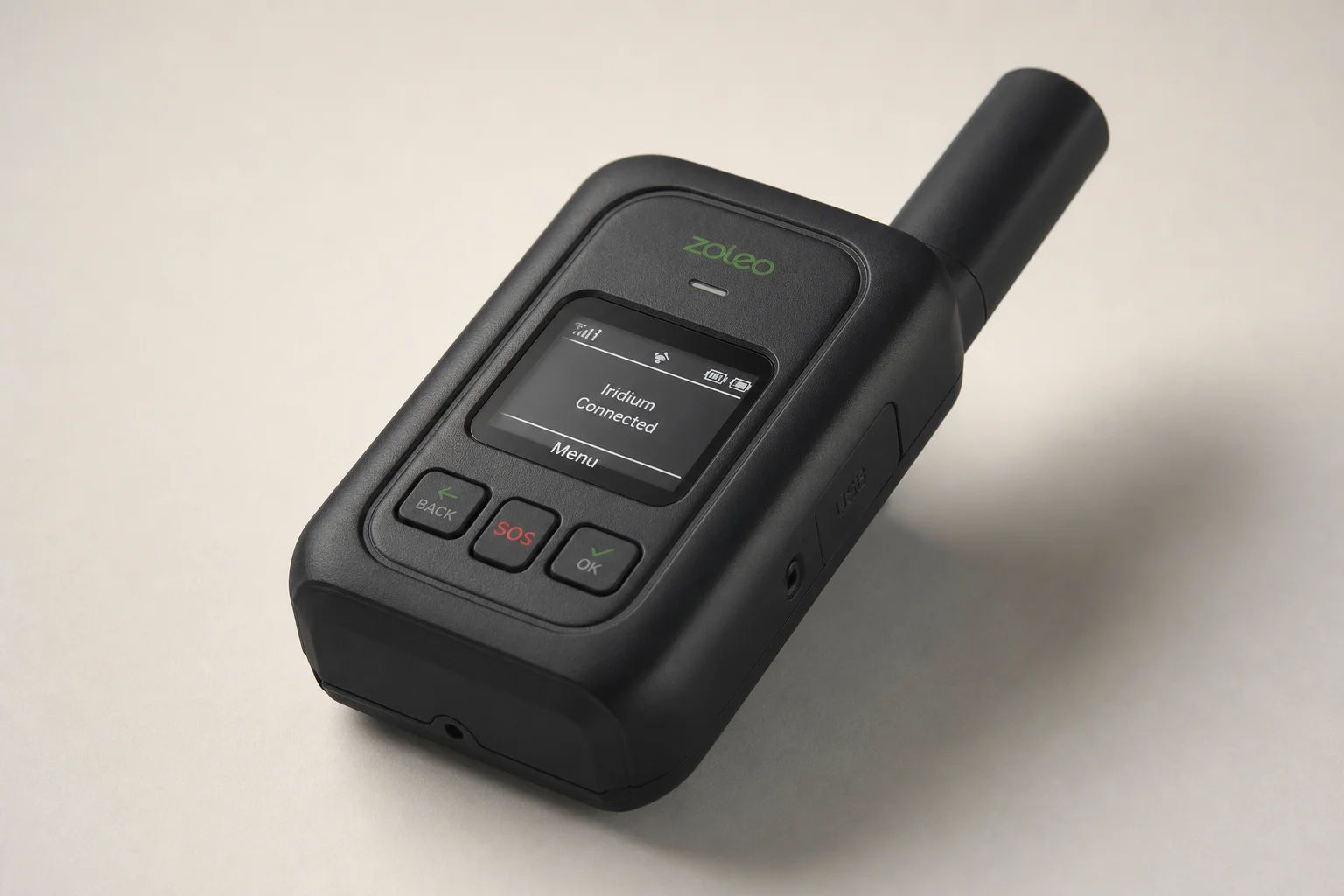
A satellite communicator has become close to essential for solo trips. The inReach Messenger covers the two functions that matter most: an SOS button for emergencies and two-way messaging that allows check-ins with people at home.
Its appeal is battery life and simplicity rather than a deep feature set. Hikers who want full navigation features will look at other models in the range, but for staying in contact and having a safety net, the Messenger does the job without extra complexity.
Rock Front 400 Basul Quilt: Draft-Free Warmth at the Limit
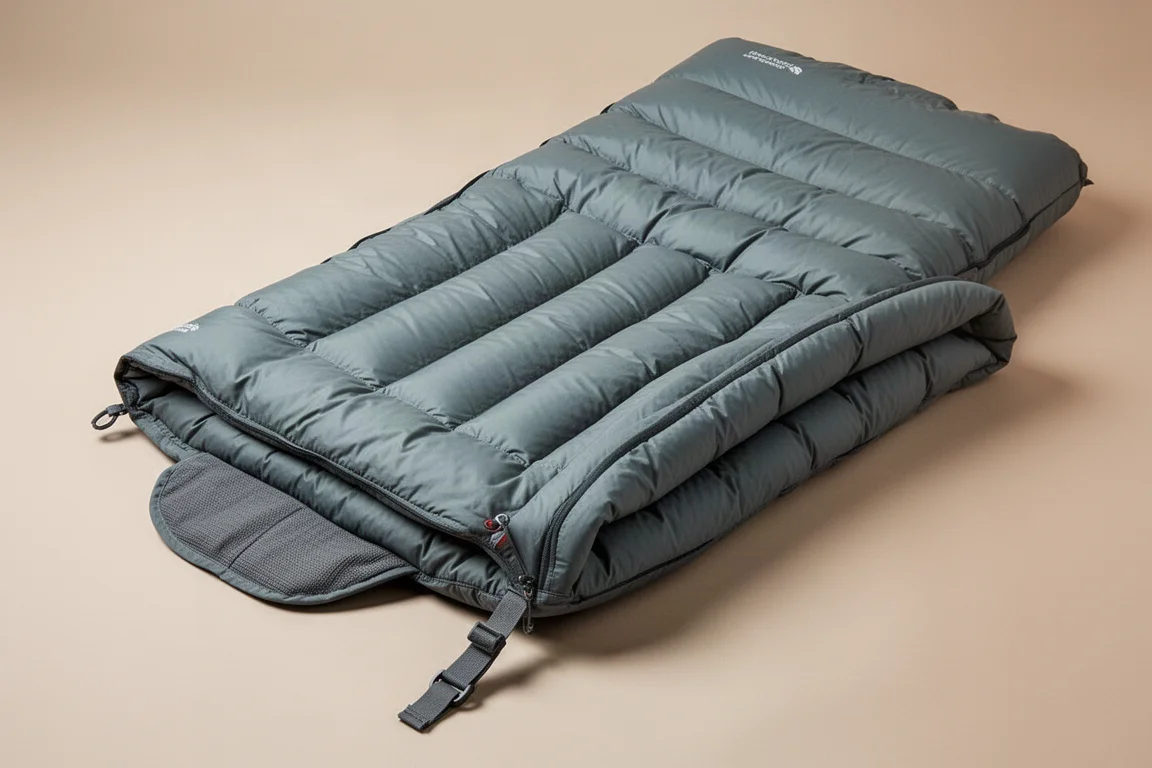
The 400 Basul quilt takes features that are scattered across other quilts and combines them in one design. Vertical baffles run through the torso with horizontal baffles elsewhere, a configuration that has proven effective at controlling down migration. A differential cut makes the outer shell wider than the inner shell, so the quilt curves over the sleeper without bunching the fabric or losing loft.
Heat retention around the neck and shoulders is handled with a snap at the opening, a cinch, and a thick draft tube. Because the draft tube is generously sized, the cinch does not need to be pulled tight, and the stretchy strap at the collar has enough give to avoid feeling restrictive when shifting position.
The most interesting detail sits along the sides, where a draft tube runs beneath the pad strap clips. Instead of the straps attaching directly at the quilt edge, the side draft tube fills the gap whenever the quilt lifts slightly off the pad. Combined with thick, low-stretch pad straps, that keeps the seal between quilt and pad intact through the night.
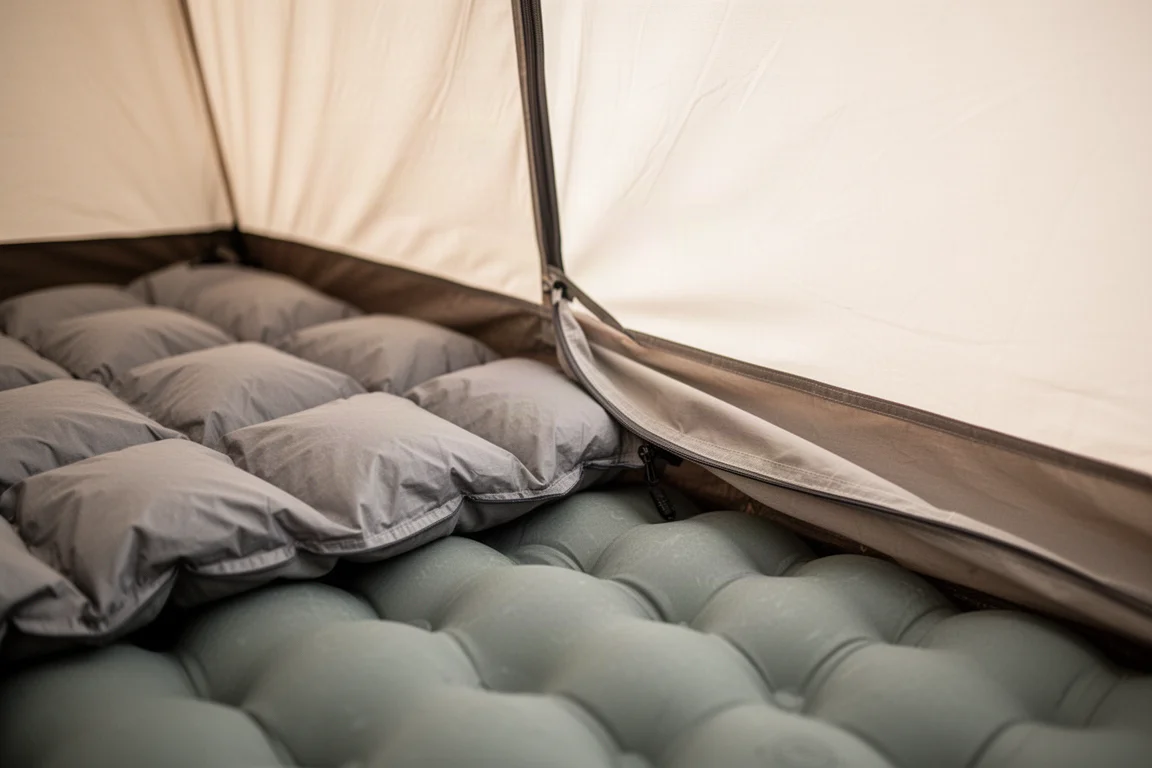
The quilt is rated to a -5°C limit, and it has been used at -4°C with no drafts and no mid-night adjustments. At $300 USD, that combination of features is a strong value for a quilt aimed at freezing and sub-freezing temperatures.
REI Helix Sleeping Pad: Comfort First
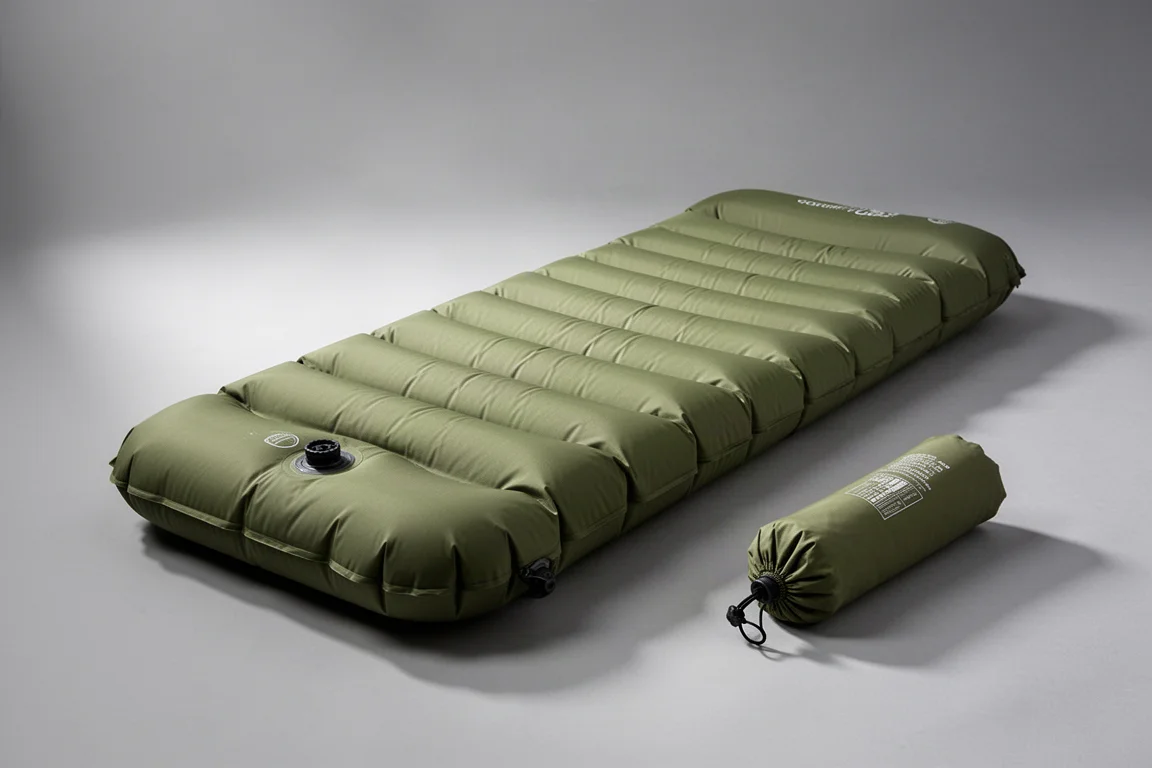
The Helix is not a lightweight sleeping pad, and it is not trying to be. Its case rests on warmth and comfort: a high R-value that stays warm well below freezing, and a dimpled baffling pattern that has proven more comfortable than the alternatives.
That comfort shows up in how much a sleeper moves. On other pads, pressure points tend to force frequent repositioning through the night; on the Helix, small shifts are usually enough. For anyone who prioritizes a full night of sleep over the lightest possible pack, that is the whole argument.
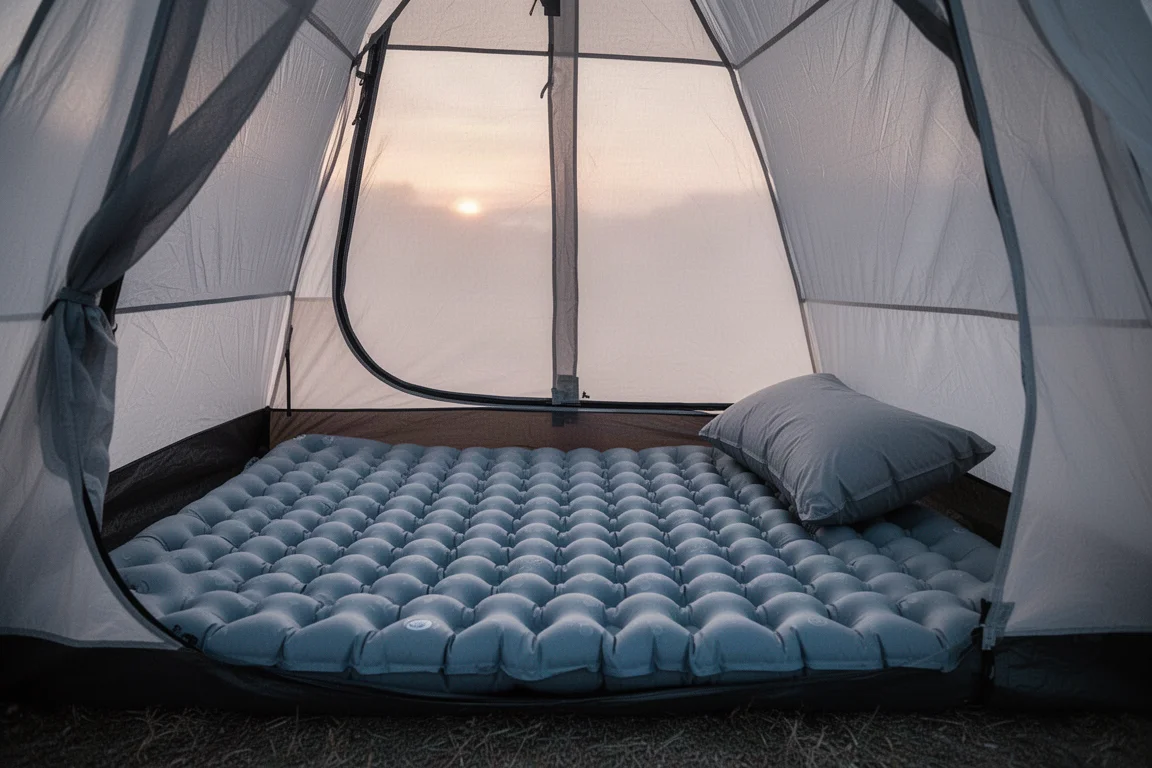
The trade-off is straightforward. The pad adds weight and bulk compared with ultralight options, and hikers counting grams for fast and light trips may prefer something thinner. For colder trips where warmth and sleep quality come first, the extra weight is easy to justify.
Overall Buying Advice
Start with the items that are hardest to compromise on. Shelter and sleep insulation determine whether a trip is comfortable and safe, so weight savings there should not come at the cost of warmth or weather protection. A quilt rated for the conditions, a pad with enough insulation for the forecast, and a shelter that pitches reliably in wind are the foundation.
Camp comfort is where personal preference matters most. A chair, a wide pillow, or a thicker pad will look like unnecessary weight to some hikers and like the best gear in the pack to others. Communication gear is a separate category entirely: for solo trips, a satellite messenger is worth carrying regardless of how light the rest of the kit is.
Finally, consider how the pieces work together. Insulation, pad straps, and quilt design interact, and small details such as a side draft tube or a low-stretch strap can matter more in the field than a headline weight figure.
Conclusion
These seven items show that ultralight and comfort-focused gear can live in the same pack. The shelter and the quilt lean light without giving up protection; the pad, pillow, and chair lean comfortable without becoming unreasonable to carry. Choosing between them is less about picking a philosophy and more about deciding, category by category, where the weight is worth spending.
Further reading
Related Reviews

Backpacking Gear
Building a 10 lb Base Weight: An Ultralight Backpacking Gear List
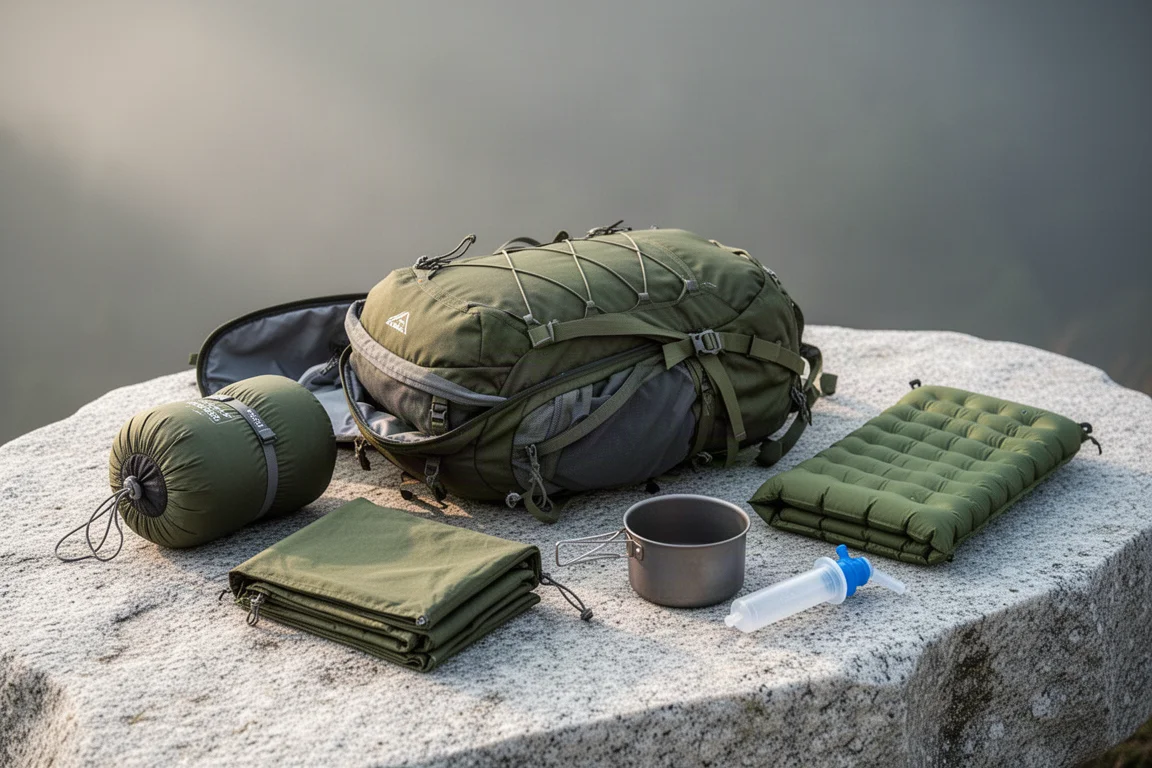
A practical walkthrough of the ultralight pieces behind a 10 lb base weight, from a 765 g pack and a roomy one-person tent to a full camp chair and a dependable water filter.
Backpacking Gear
A 15-Pound Lightweight Backpacking Gear List for Solo Trips
A beginner-friendly 15-pound backpacking setup built from easy-to-find gear, with notes on what each piece does, how it packs, and where to spend your attention.
Backpacking Gear
8 Ultralight Backpacking Gear Upgrades Worth Carrying
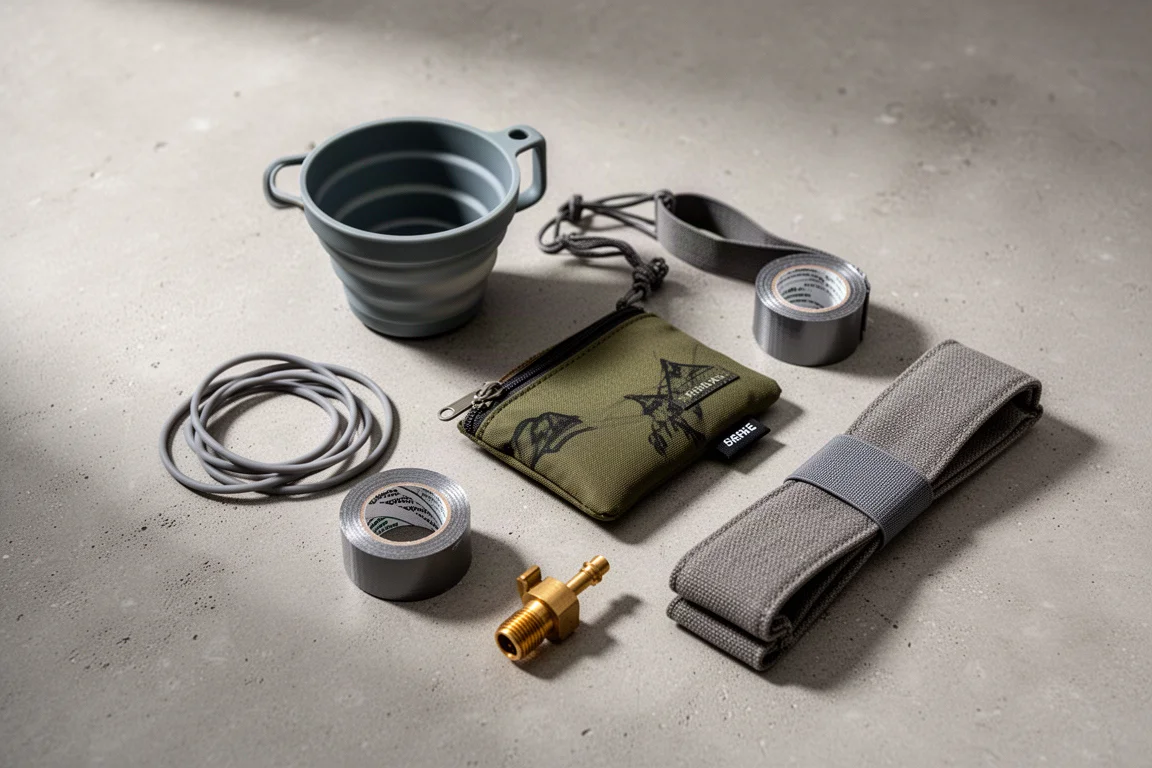
Eight small, affordable backpacking upgrades that solve real trail annoyances, from a pillow that stays put to a fuel valve that rescues leftover canister gas.