Backpacking Gear
10 Favorite Backpacking Gear Picks for Ultralight Trips
Ten backpacking items that earned a permanent place in an ultralight kit, from trail runners and a foam pad to trekking poles, a quilt, a stove, and a sun hoodie.
Introduction
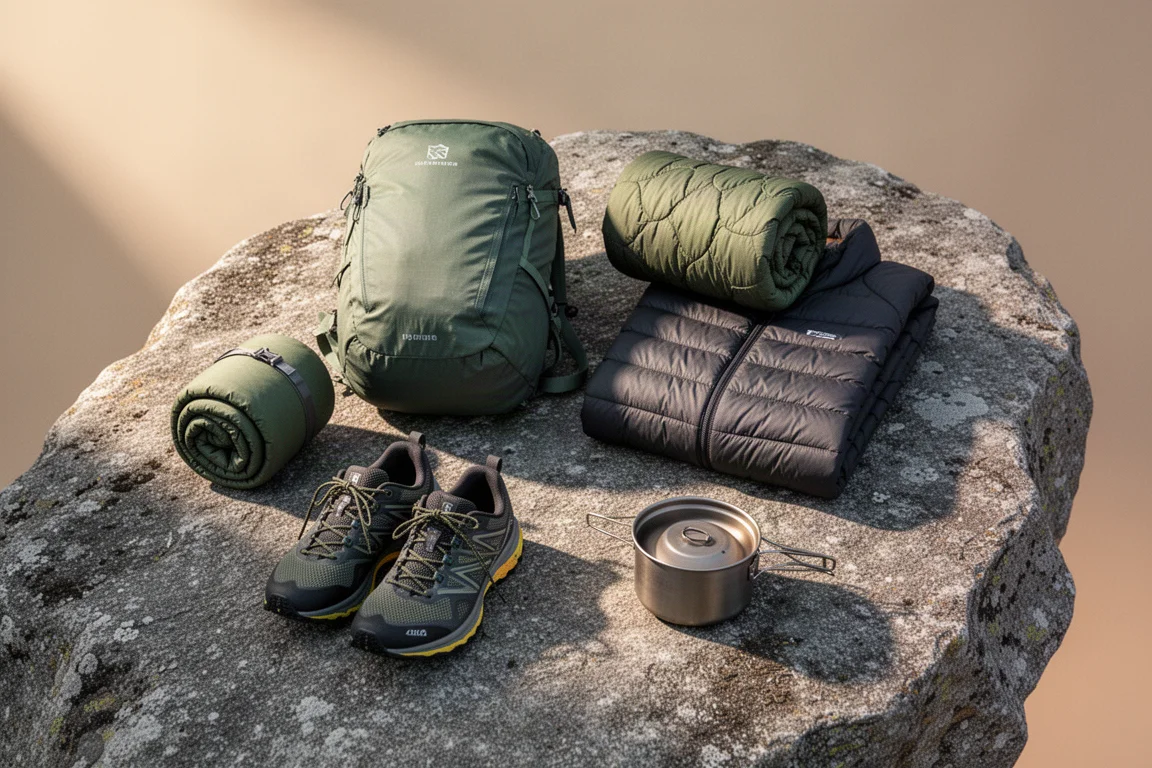
Every season, a few pieces of gear quietly earn a permanent place in the pack. This list collects ten of them: a max-cushion trail shoe, a thin foam pad, a repairable trekking pole, two custom printed DCF bags, a tiny canister stove, a down quilt, an ultralight pack, an inflatable sleeping pad, and a sun hoodie.
The common thread is usefulness over long miles. Some of these items have been on the trail for years, while others are newer additions that proved themselves quickly on backpacking trips, bikepacking overnights, desert routes, and high-elevation trails.
Every item on this list was bought at full retail price and used on real trips rather than in a showroom. Nothing here is sponsored, and each pick is included because it solved a specific problem: weight, warmth, durability, or day-long comfort.
How These Picks Were Chosen
The main filter was trail time. An item had to be used repeatedly across different conditions, from wet forest to desert heat to alpine terrain, before it could be recommended. Gear that only worked well once, or that needed constant fussing, did not make the cut.
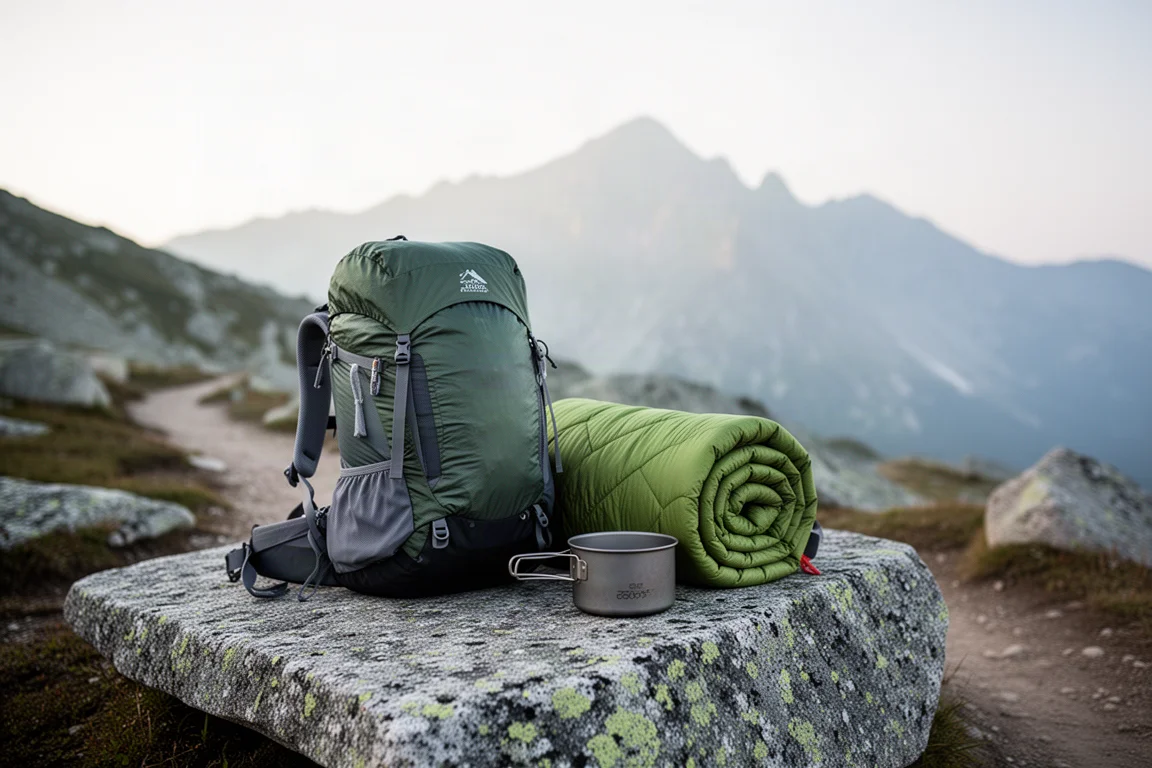
Weight matters, but it is not the only measure. Versatility, repairability, and comfort over a full day of hiking carry just as much value. A pad that doubles as a sit pad, or a trekking pole that can be repaired in the field, often earns more trail time than a lighter item that is fragile or awkward to live with.
Durability also played a role. Several picks below have hundreds of miles on them, and the notes flag the trade-offs that come with saving weight, such as thinner fabrics and materials that reward a little extra care.
Altra Olympus 4.0
The Olympus 4.0 is a max-cushion trail shoe with a wide toe box and a Vibram outsole that holds well on loose and rocky ground. This version trims some of the bulk of earlier generations, including a smaller heel, so it feels less clunky underfoot on uneven terrain.
It works for backpacking and day hikes, and the extra cushioning under the heel makes it comfortable for trail running as well. Hikers who want room for their toes and a soft ride will find it an easy shoe to wear for long days.
Gossamer Gear Thinlite Foam Pad
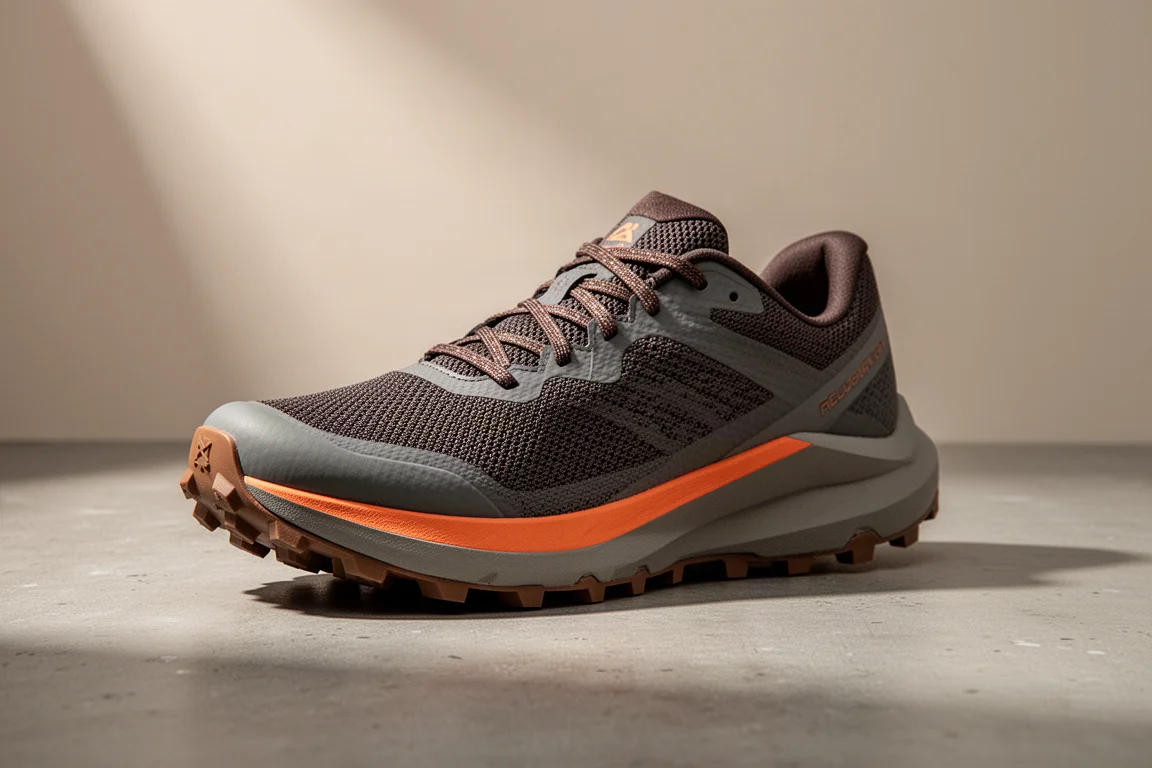
This is a thin closed-cell foam pad, and the torso-length version is the one worth packing. It is too thin to serve as a main sleeping pad for most sleepers, but it takes on four jobs at once: a sit pad for breaks, a mat for a mid-day nap, a surface for stretching or rolling out tight muscles, and an extra layer under an inflatable pad for warmth and protection from rough ground.
It weighs roughly the same as a standard sit pad, which makes the extra uses feel almost free. For hikers who already carry a sit pad, this is a straight upgrade in function without a meaningful weight penalty.
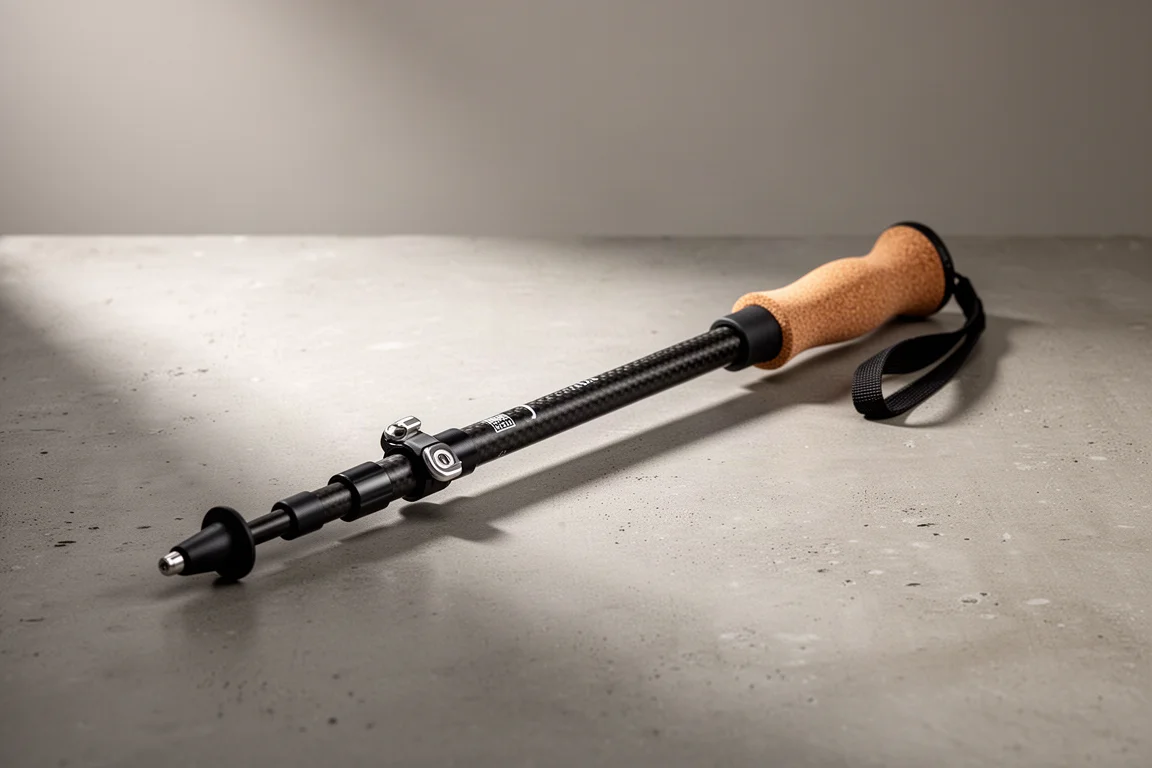
NOC Carbon Cork Trekking Pole
This pole uses a telescoping flick-lock design with carbon shafts and a natural cork grip. The design goal is field serviceability: the shaft, grip, flick locks, and carbide tip can all be removed and replaced on the trail, and replacement parts are available separately.
It extends to 64 inches, which is long enough to pitch a trekking pole shelter without extra adapters. The poles are made in the United States, in Portland, Oregon. For hikers who have snapped poles on long routes, that repairable build is the headline feature, and it is the reason this pole earns a place on the list.
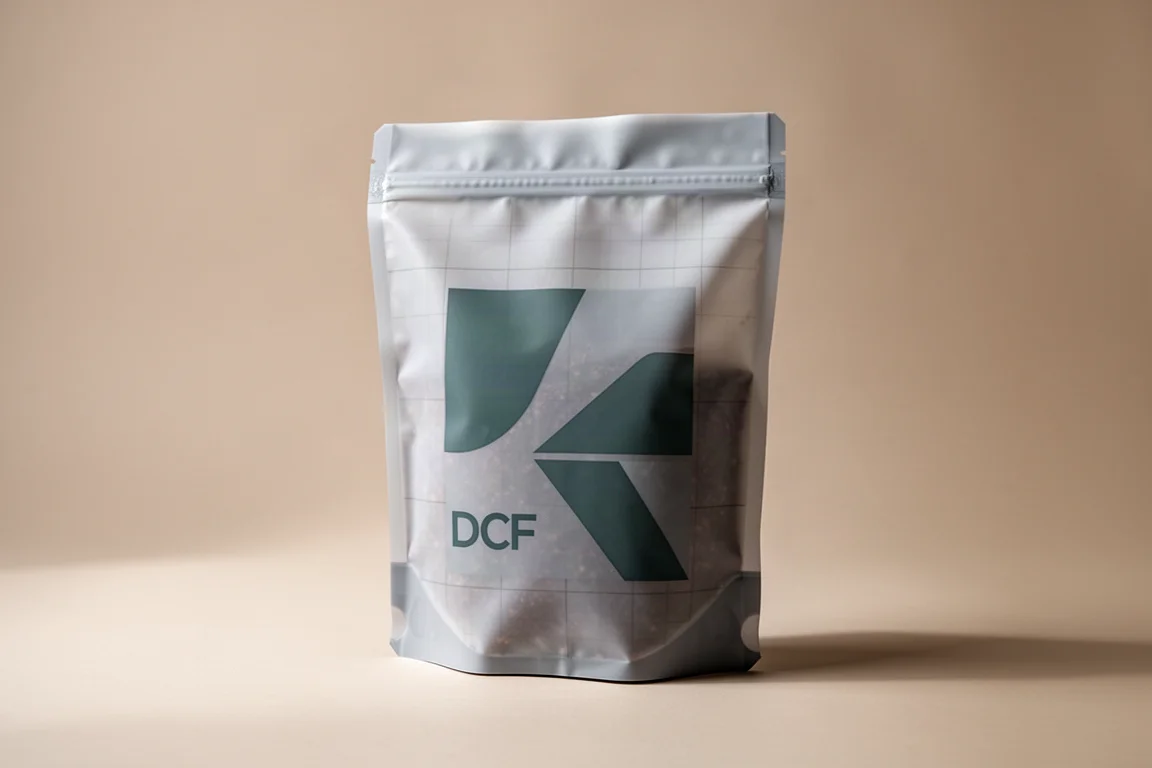
Hilltop Packs Custom Printed DCF Food Bag
DCF food bags are a common sight on long trails, and that is exactly the problem. In a shelter full of bear boxes and hanging cables, identical bags are easy to mix up at six in the morning when you are hunting for coffee.
Hilltop Packs prints custom artwork on the fabric, so your bag is instantly recognizable. The bag itself is a lightweight DCF stuff sack, so the customization adds personality without adding meaningful weight to a kit that is already counting grams.
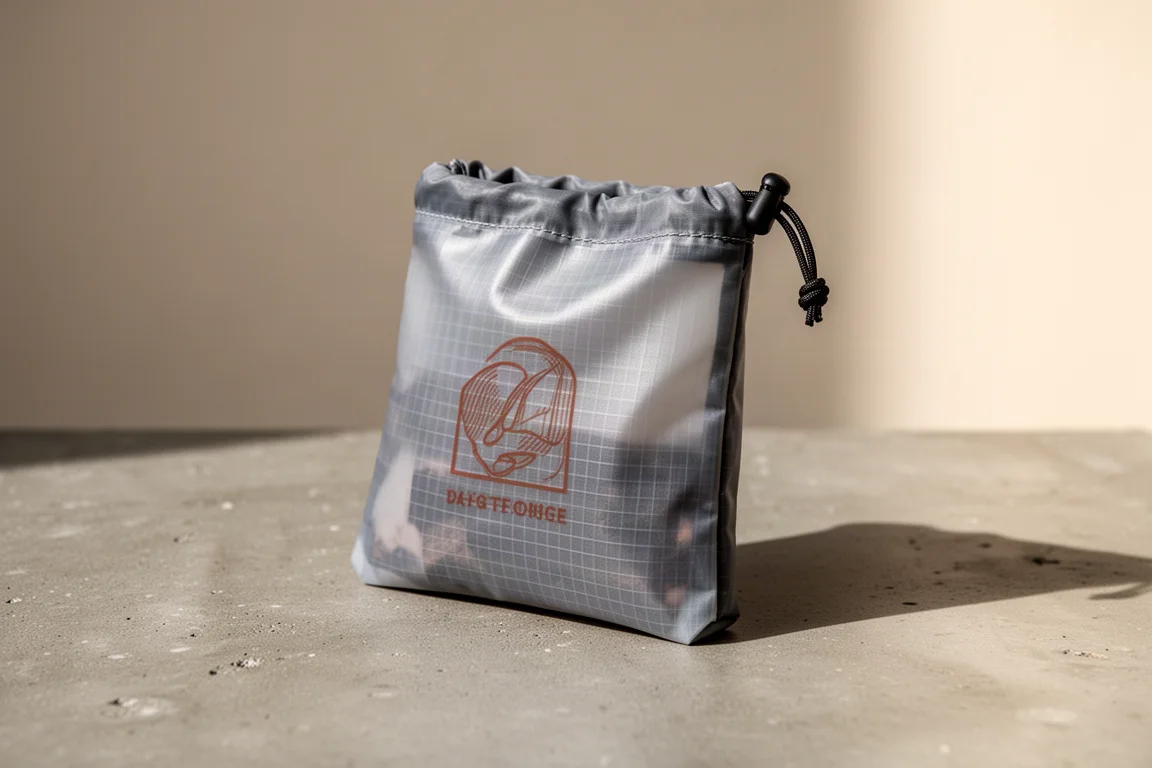
Hilltop Packs Custom Printed DCF Diddy Bag
The diddy bag is the smaller companion piece: a compact DCF pouch for organizing small items inside a pack. It takes the same custom print option, which keeps small kit sorted and easy to identify when several people are sharing a shelter.
It is a small addition to a packing system, but a useful one for anyone who likes their essentials grouped and findable rather than loose at the bottom of a pack.
BRS Ultralight Stove
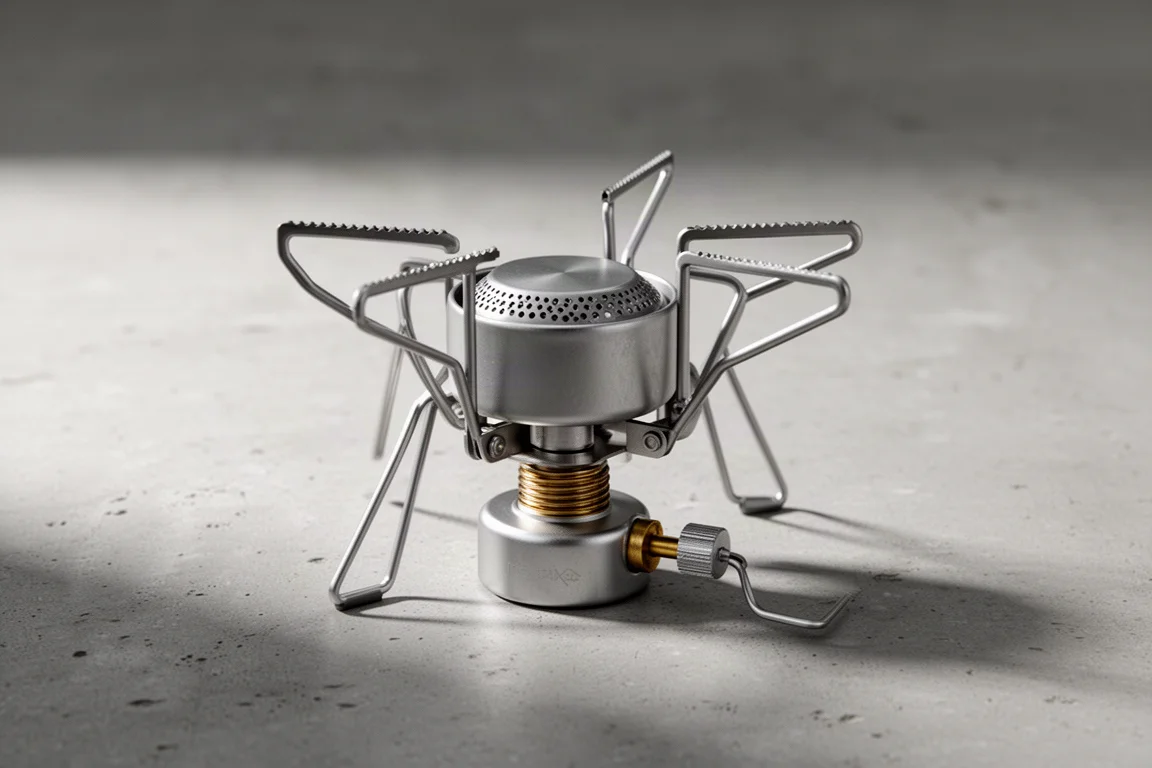
The BRS stove is a tiny canister stove that has been in rotation since 2017 and still works every time. It boils water for a morning coffee and cooks a warm dinner at the end of the day, which is all most ultralight hikers ask of a stove.
It has been used across a wide range of trips and conditions, from long-distance trails to shorter backpacking weekends, and it has never been the reason a meal did not happen. Small, simple, and dependable is a hard combination to beat in a cook kit.
UGQ Bandit XL Quilt
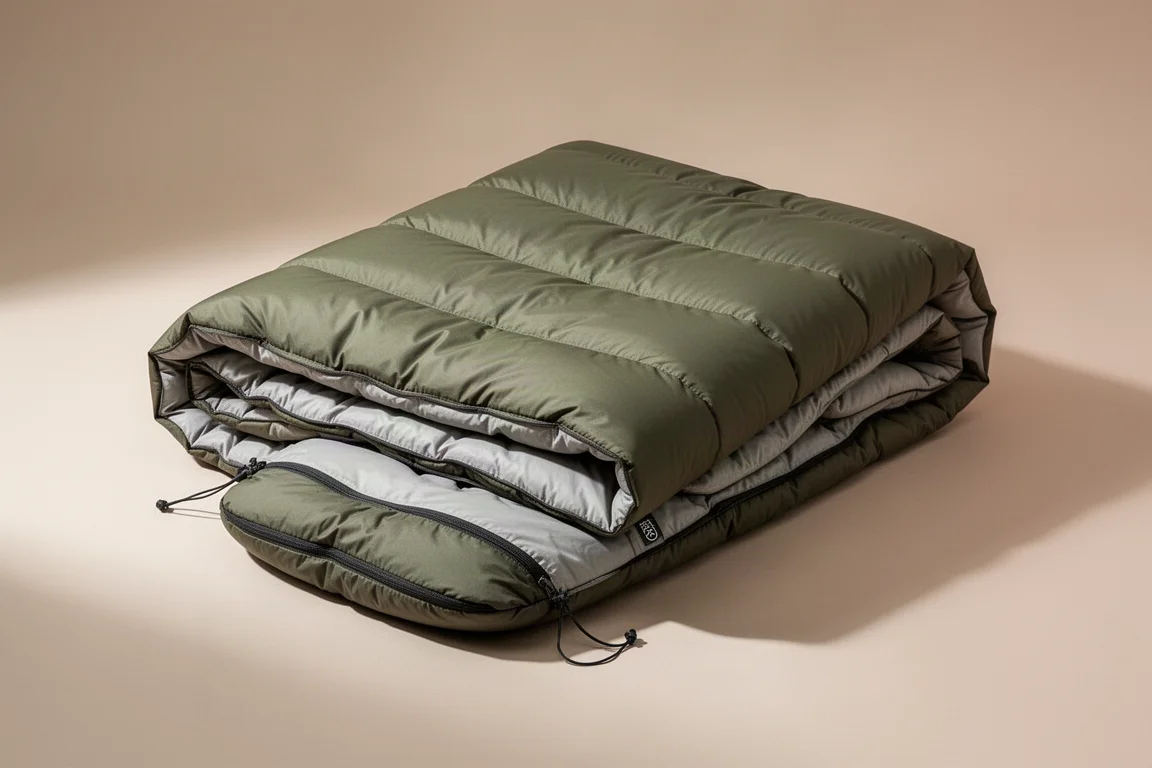
The Bandit XL is a redesigned quilt, and it is a good example of why a second look can pay off. The earlier version of this quilt did not impress, but the updated model has been in use on nearly every trip since, including desert canyons, high-elevation routes, and bikepacking overnights.
Quilts suit hikers who want to save weight and adjust ventilation through the night, and the XL cut is aimed at anyone who wants more coverage than a standard size. Paired with a pad that has adequate insulation, it has proven comfortable across a wide range of conditions rather than just one season.
Waymark Evolve Pack
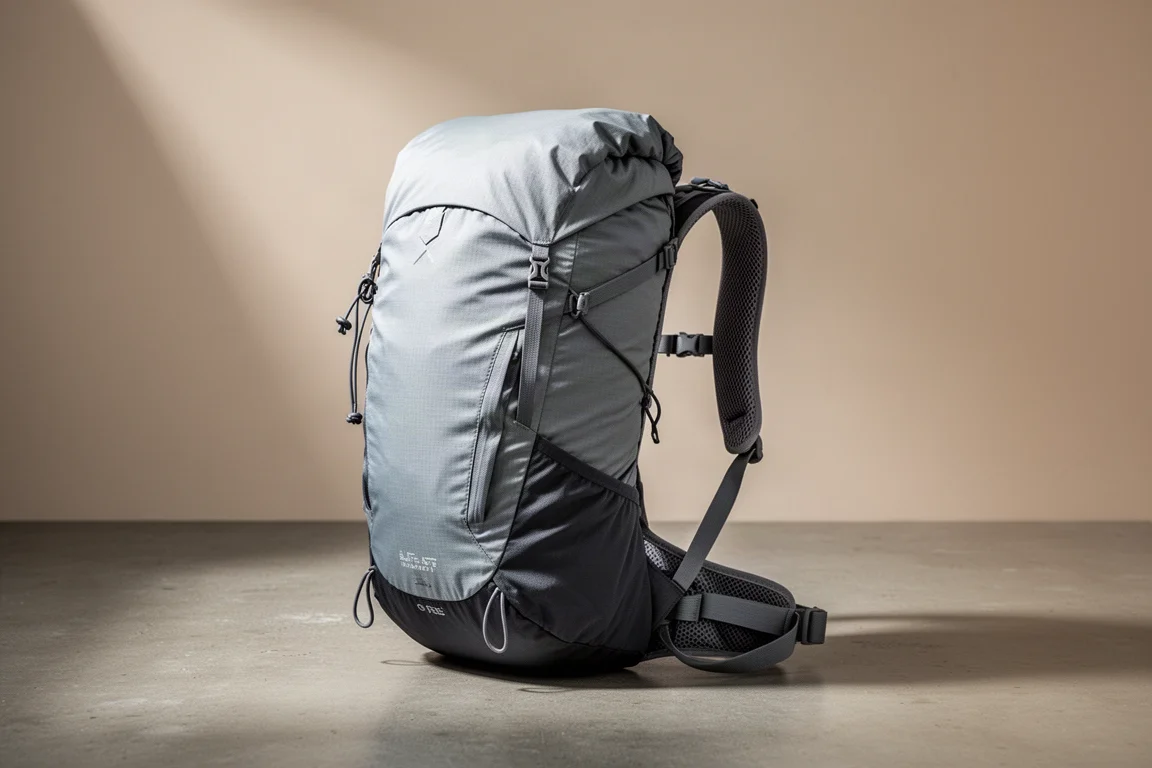
The Evolve is an ultralight thru-hiking pack built around a simple idea: a small, comfortable kit that can still carry a heavier load during a big resupply. It was developed with input from long-distance hikers, and the result is a pack that prioritizes comfort over saving the last few grams.
It has been used on long thru-hikes and shorter routes, in wet environments, at high elevation, and across desert sections, and it handled all of them. Hikers who hike big miles with a compact kit but do not want to suffer under a resupply load will appreciate what this pack is trying to do.
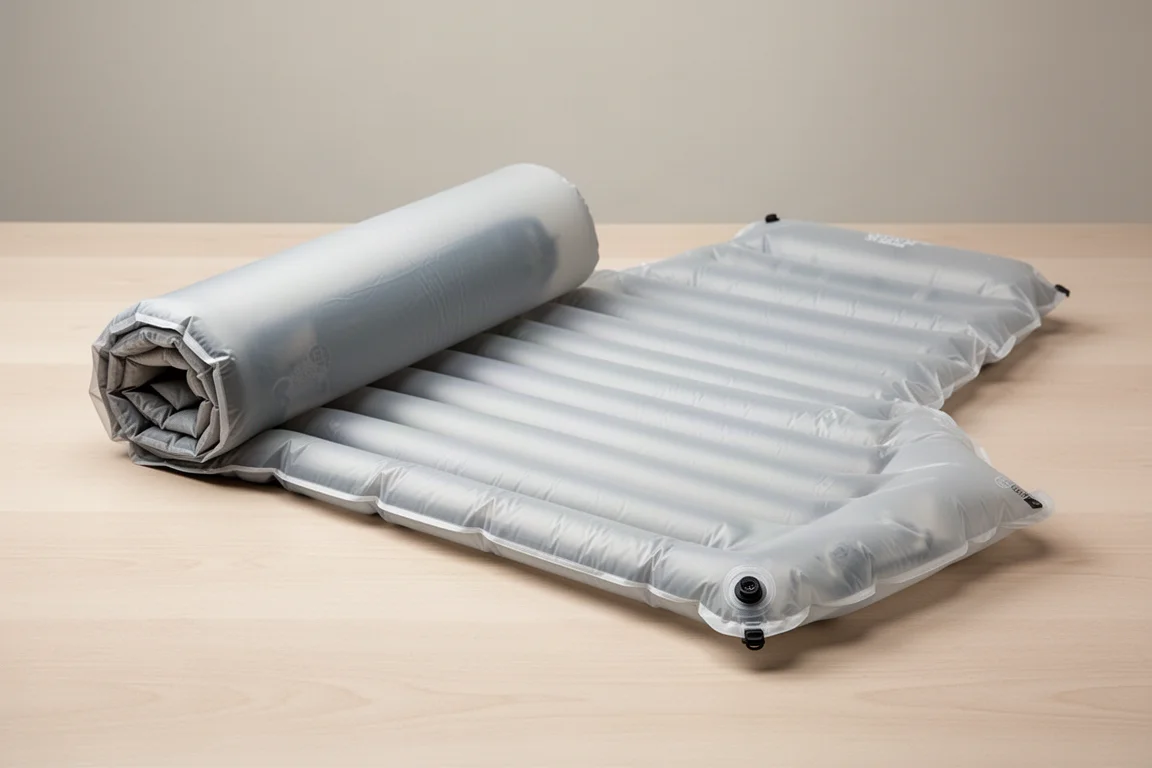
Therm-a-Rest UberLite
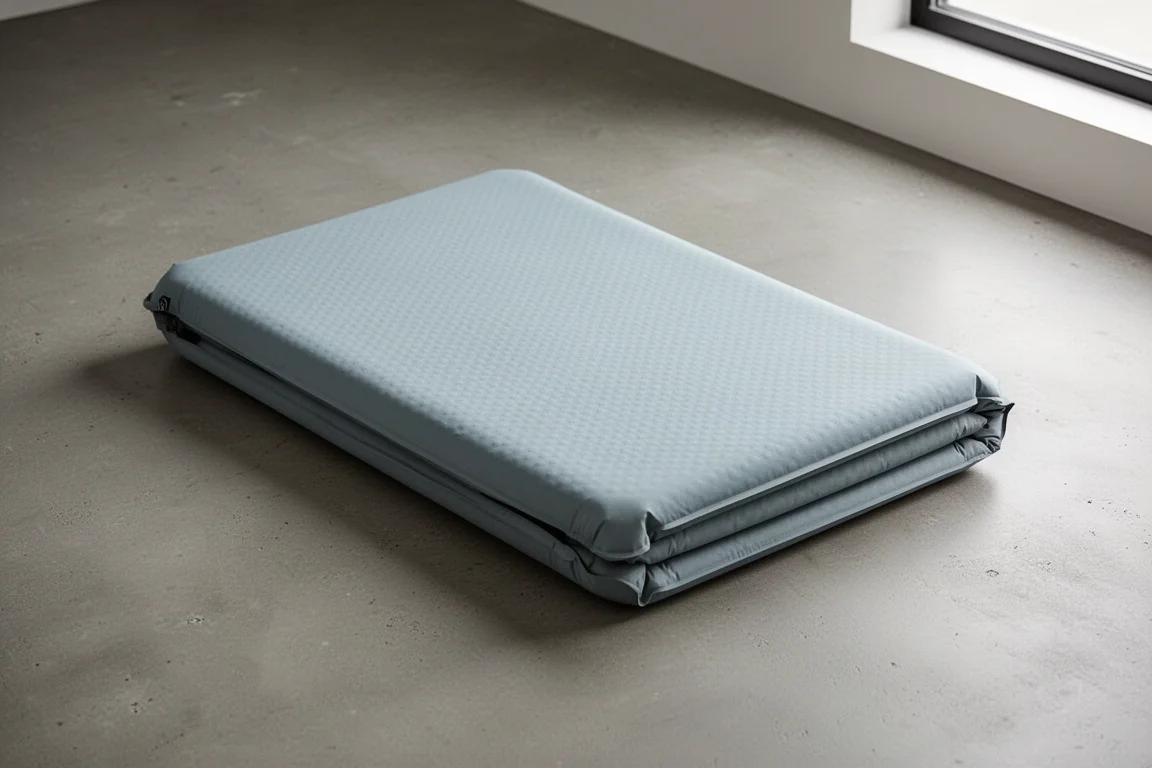
The UberLite is an ultralight inflatable sleeping pad with a thin fabric that feels softer than the classic yellow NeoAir XLite and makes far less crinkling noise at night. Over 800 miles and roughly 32 nights of use, it stayed inflated and kept its user warm without a single leak.
Durability is the trade-off to weigh. Some hikers report punctures and leaks with pads this light, so pairing it with a thin foam layer underneath, or reserving it for trips where packed weight matters most, is a sensible approach. Treated with a little care, it is an impressively light and comfortable pad.
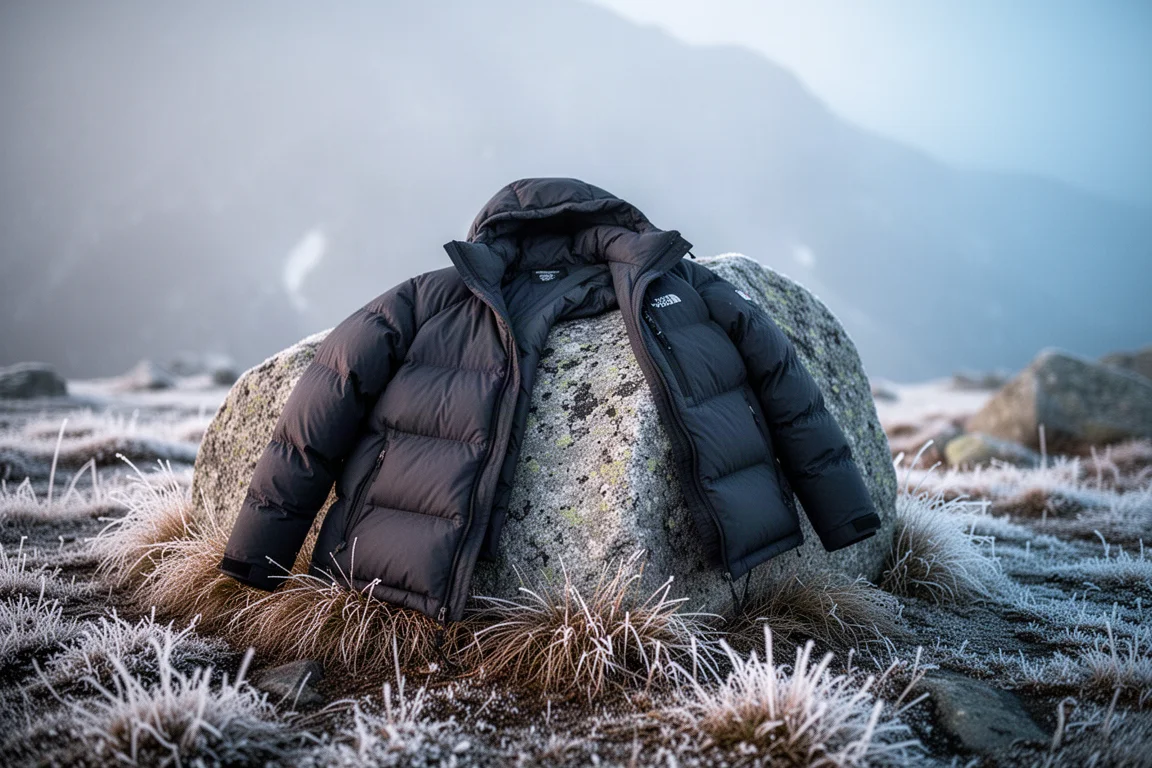
Outdoor Research Echo Sun Hoodie
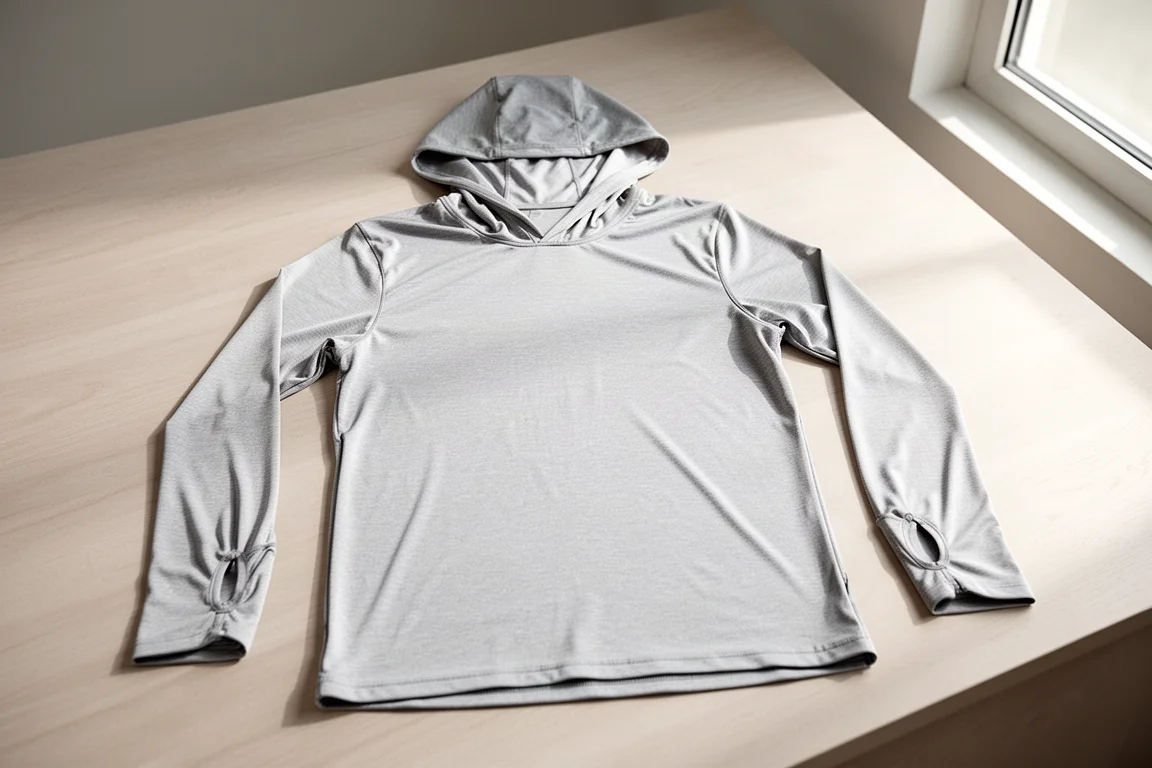
The Echo Sun Hoodie is a lightweight, breathable hooded layer rated UPF 50, with a hood and thumb holes that cover the neck, ears, and the backs of the hands. It has been worn for roughly 700 miles of hiking, plus nights of sleep and time around camp.
It works especially well in harsh sun at high elevation and in the desert, where a long-sleeve layer is cooler and more comfortable than bare arms. Hikers who have always worn a button-down hiking shirt may find this a lighter and more versatile replacement, which is why it sits at the top of this list.
Overall Buying Advice
Start with the sleeping system, because that is where comfort and pack weight are hardest to balance. A quilt plus an ultralight inflatable pad is a light combination, but it only works if the pad is insulated enough for the conditions and protected well enough to survive rough ground.
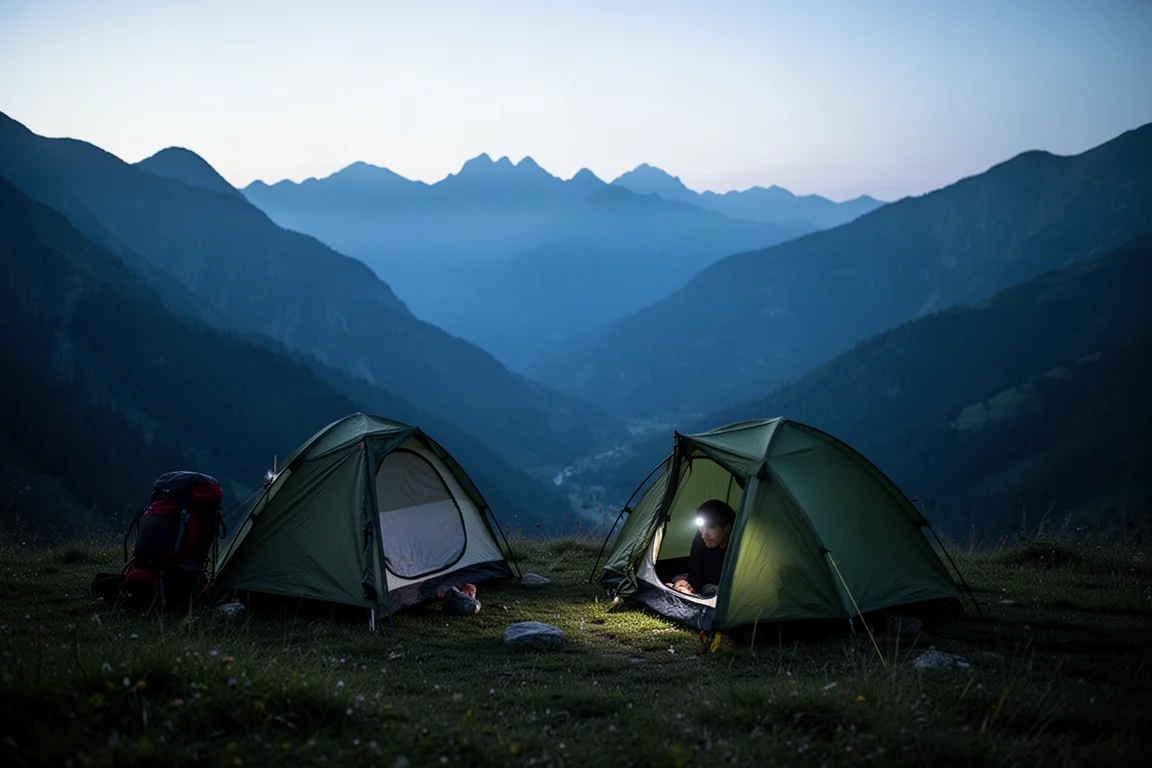
From there, match each item to the trips you actually take. A wide, cushioned trail shoe suits long days on mixed terrain, while a repairable trekking pole pays off on remote routes where a broken pole would be a real problem. Small items such as a foam pad, a compact stove, and printed DCF bags add function for very little weight, and a sun hoodie replaces several layers with one.
Buying fewer, better-chosen pieces usually beats assembling a large kit of marginal upgrades. If an item has a clear job in your pack and a track record over many miles, it is worth the space.
Conclusion
None of this gear is magic, and none of it will suit every hiker. We all move differently and prefer different things, so treat this list as a set of well-tested options rather than a prescription.
What these ten picks share is a record of real trail time: shoes, pads, poles, bags, a stove, a quilt, a pack, and a sun hoodie that each solved a problem and kept working. Start with the pieces that match the trips you are planning, and build from there.
Further reading
Related Reviews

Backpacking Gear
Building a 10 lb Base Weight: An Ultralight Backpacking Gear List
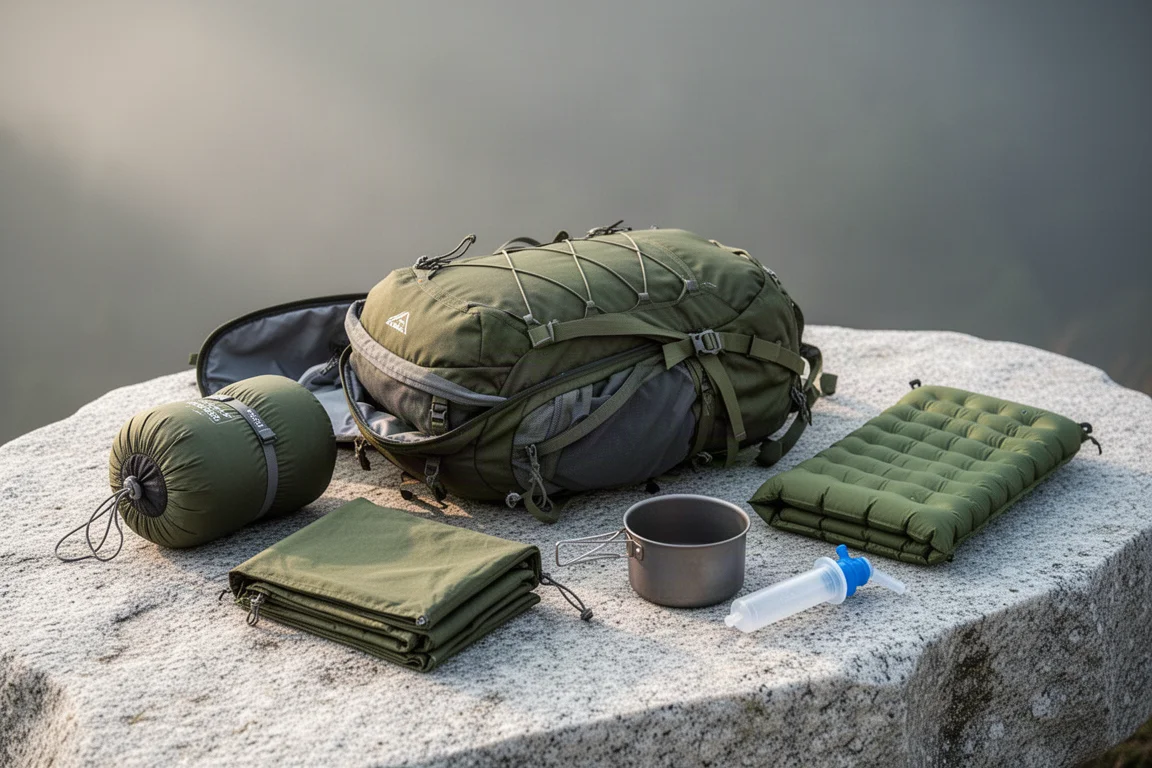
A practical walkthrough of the ultralight pieces behind a 10 lb base weight, from a 765 g pack and a roomy one-person tent to a full camp chair and a dependable water filter.
Backpacking Gear
A 15-Pound Lightweight Backpacking Gear List for Solo Trips
A beginner-friendly 15-pound backpacking setup built from easy-to-find gear, with notes on what each piece does, how it packs, and where to spend your attention.
Backpacking Gear
8 Ultralight Backpacking Gear Upgrades Worth Carrying
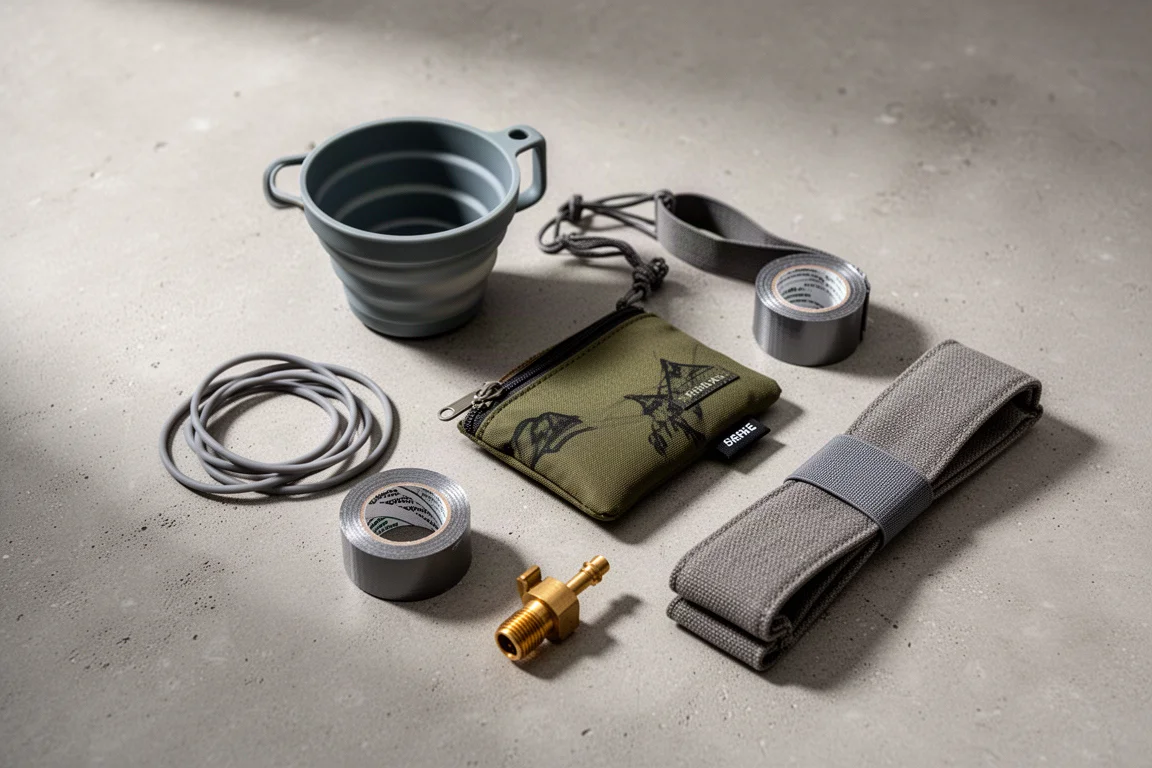
Eight small, affordable backpacking upgrades that solve real trail annoyances, from a pillow that stays put to a fuel valve that rescues leftover canister gas.