Backpacking Gear
Favorite Backpacking Gear of the Year: Seven Pieces Worth Carrying
Seven standout pieces of backpacking gear from a year of long-distance testing, from a reusable bottle to a freestanding DCF shelter.
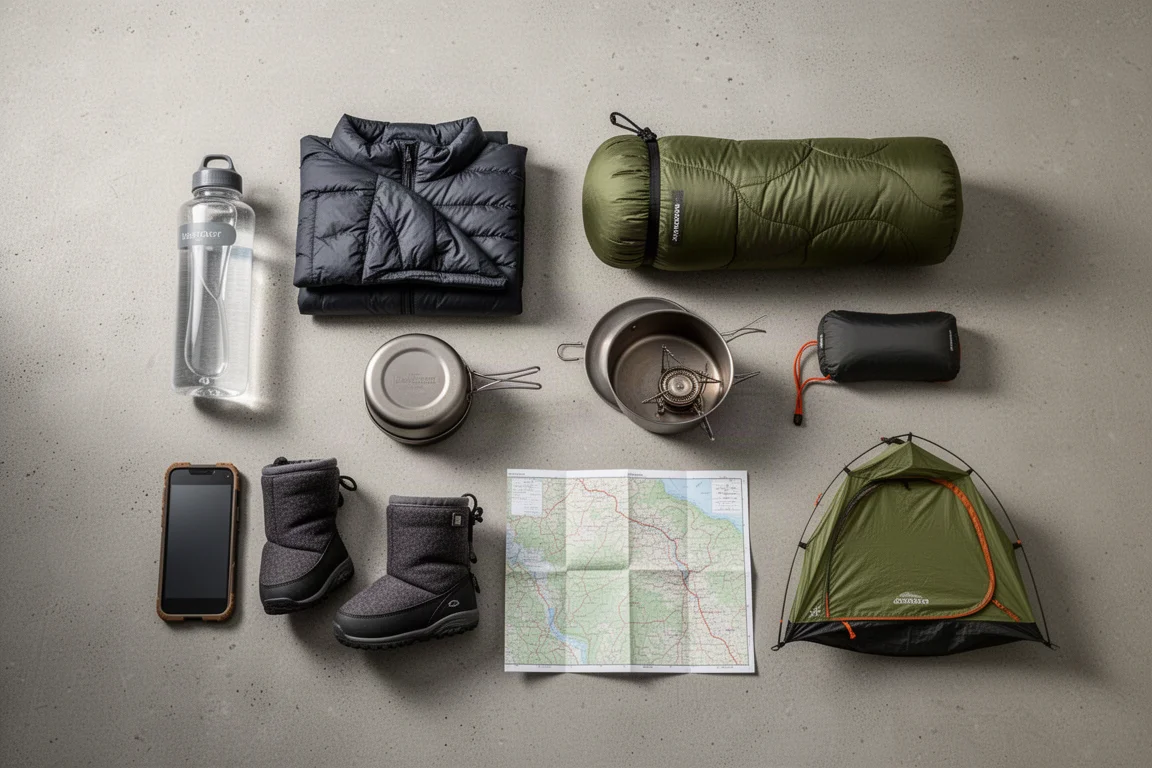
Introduction
Some pieces of gear earn a place in a pack over a single weekend. The seven items below earned theirs across more than 1,000 miles of testing, including a 400-mile through-hike and packrafting trip in the Gates of the Arctic in Alaska and an 800-mile bikepacking route through Kyrgyzstan and Tajikistan.
What ties them together is not one spec. Some are designs that took years to reach production, some are older favorites that found their way back into rotation, and some were completely new. Each one either solved a long-standing problem or changed how a whole category was viewed.
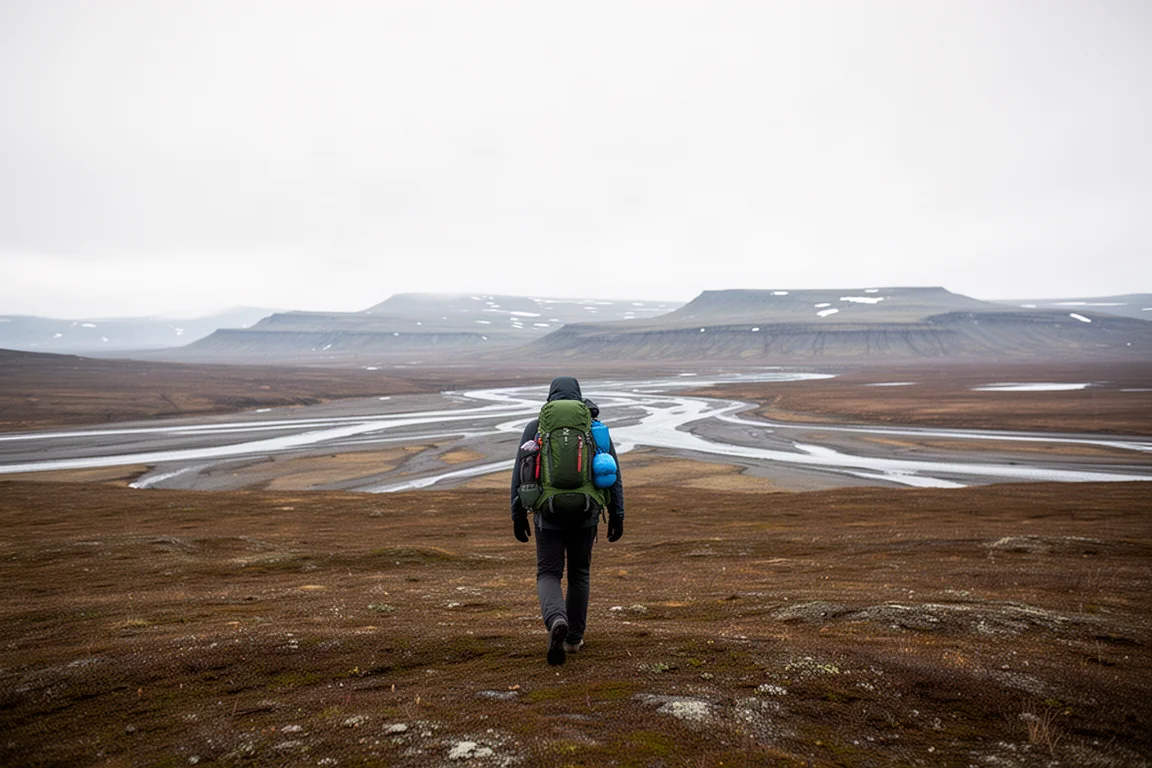
The list is shorter than usual on purpose. These are the pieces that genuinely shifted a decision, whether that meant trusting an alcohol stove on a long route, returning to down insulation after years away from it, or accepting a premium price for a shelter that handles wind.
How These Picks Were Chosen
Three things mattered. First, real use: every item here went on at least one major trip, and most went on several. Second, problem solving: gear stood out when it removed an annoyance that had been tolerated for years, such as clammy feet at night or fuel canisters that are impossible to source abroad. Third, footprint: on trips that already require a packraft, paddle, PFD, or mountaineering equipment, the space an item takes up in a pack matters as much as its weight.
Weight alone was not enough to make this list, and neither was price. An inexpensive item and an expensive one can both qualify if they change what is possible on a trip. What none of these picks have in common is a marketing claim. They are here because they behaved well in the field, in conditions that were often cold, exposed, and far from a resupply.
Cnoc Through Bottle: A Reusable Bottle That Replaces Two Others
The idea behind the Cnoc Through Bottle is straightforward: build a reusable bottle that does the job of a durable wide-mouth bottle and a thin disposable one at the same time. It is made from a plastic chosen to handle hot water, it carries volume markings on the side, and it uses a standard thread, so a sport cap, the included low-profile cap, or a screw-on water filter all fit.
In practice that means one bottle can cover camp, the trail, and filtration duty instead of three. It is built to be kept rather than replaced, and it takes stickers the way a classic wide-mouth bottle does, which is part of the appeal for anyone who likes a bottle that shows where it has been.

onX Backcountry: Planning Routes That Still Work Offline
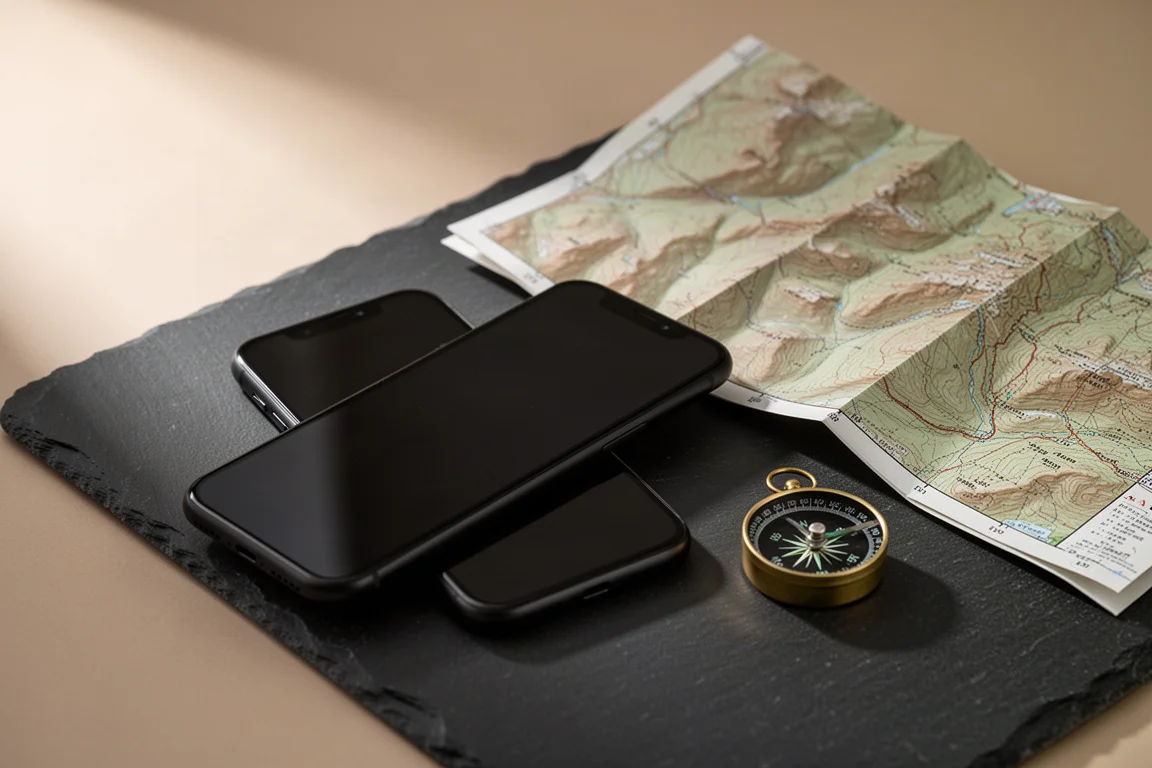
Backcountry navigation lives or dies on what happens when there is no signal. onX Backcountry starts on the desktop, where a full route can be planned and then saved to a phone as offline maps for use in the field. In the field, the multisport toggle switches between hiking, mountain biking, ski touring, and climbing, so the same tool covers very different trips.
Map layers add another kind of confidence. A current weather layer shows conditions at a planned campsite, while active wildfire and wildfire smoke layers are directly useful for anyone hiking in the Southwest. Access is subscription based, and an introductory offer of three months for $1 was available at the time of writing.
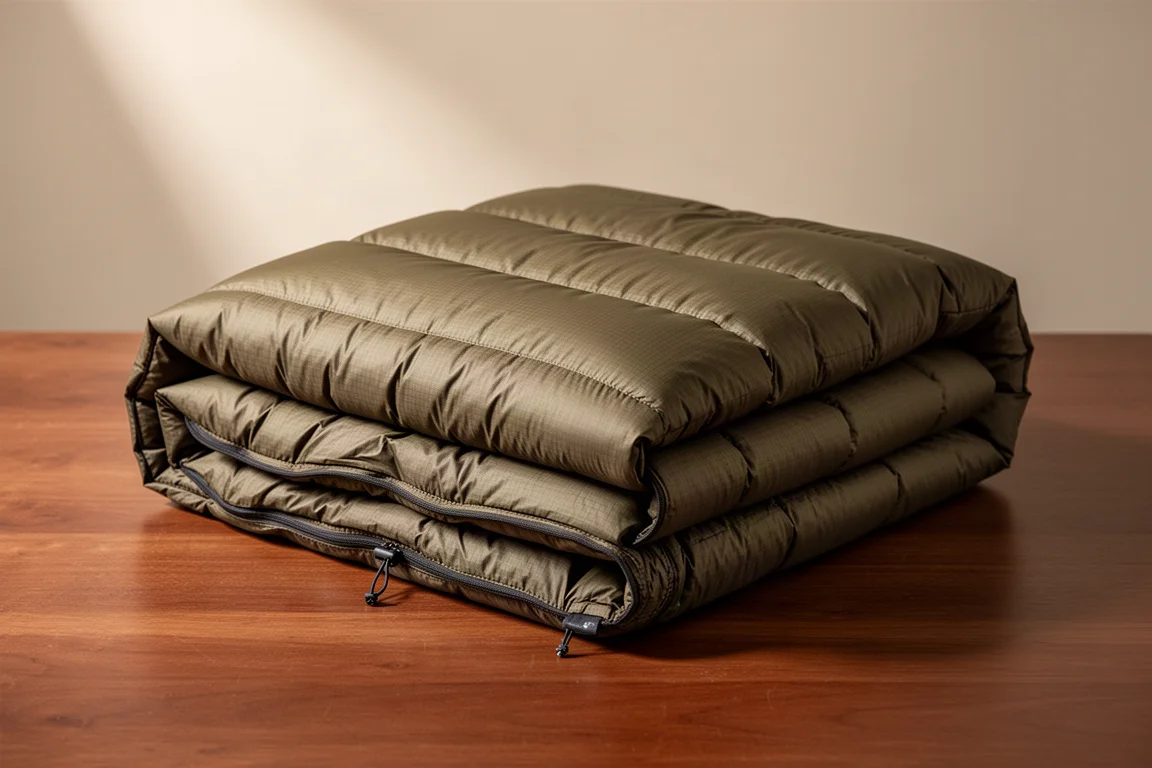
UGQ Bandit 20: A Quilt With a Roomier Foot Box
A quilt lives or dies by its foot box, and this one is cut with more room than most. For anyone with larger feet or a habit of spreading out during the night, that extra space is the difference between a warm night and a restless one. The 20-degree rating held up on a night camped at 13,000 feet in Tajikistan, and the long and wide sizing feels more generous than the equivalent cut from other makers.
It is also a proven design. The same quilt covered all 3,000 miles of a Continental Divide thru-hike, and it came back into rotation this year for trips in Alaska and Central Asia, where it was used exclusively.
That combination of a roomy foot box and a generous cut is what makes it a repeat pick, especially for taller sleepers who normally have to size up anyway.
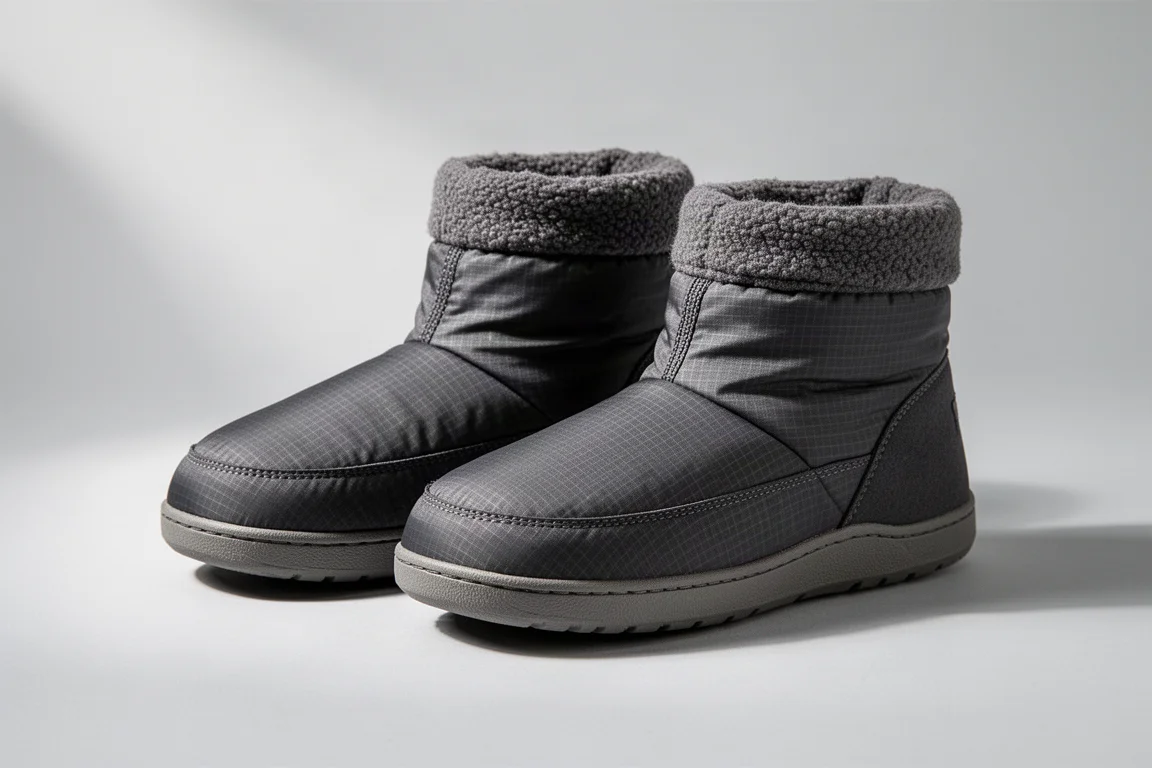
Evolve Supply Co. Evolved Booties: Warm Feet Without the Clamminess
Cold feet at night are a common complaint, and insulated camp booties are the usual fix. The catch with most of them is the lining. When the inside shell is the same thin nylon as the outside, feet get clammy, then damp, then cold once morning temperatures drop.
The Evolved Booties keep a 10D nylon outer shell and use synthetic Apex insulation, but the lining is Alpha Direct. That material is full of tiny air pockets, so it breathes far better against skin while still adding warmth. The result is a dry, soft feel inside the bootie rather than a plasticky film, which is exactly the problem this design set out to solve after a decade of using other options.
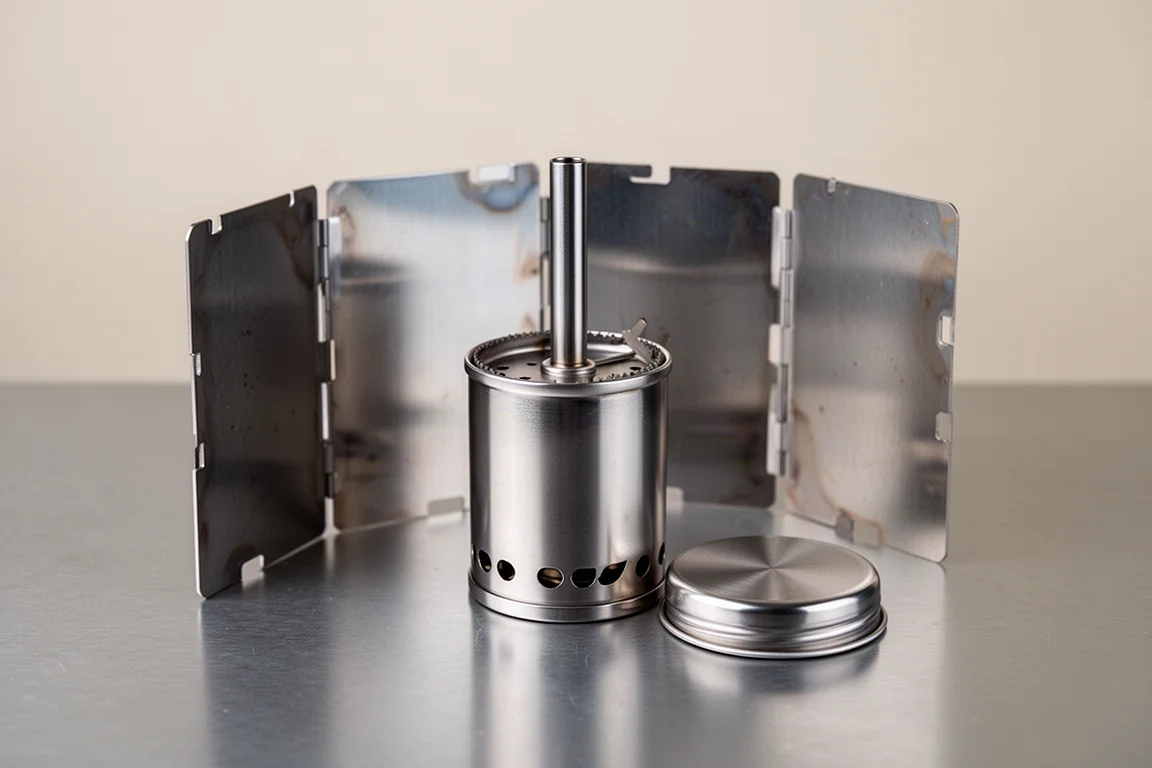
Toaks Siphon Titanium Alcohol Stove: The Piece That Changed a Mind
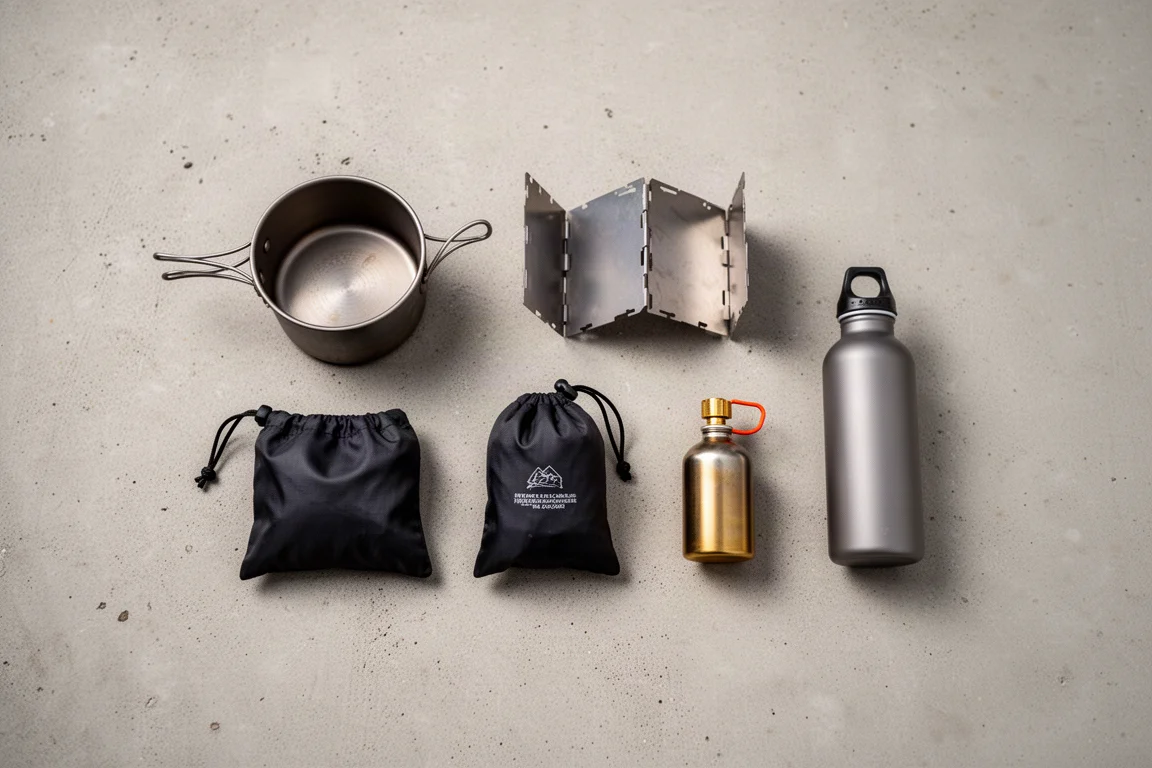
Alcohol stoves have a reputation problem, and this one is a strong counterargument. Across two long trips, one in Alaska and one in Central Asia, the Siphon proved efficient enough to become a trusted cooking system rather than a compromise. A full boil on 10 ounces of water took less than half an ounce of alcohol, so an 8-ounce bottle of fuel covered roughly 16 boils.
The wider appeal is availability. Where fuel canisters are hard to find, alcohol is often easy to buy, which matters on international routes and in remote areas. The stove works best as a small system, paired with a two-piece titanium stand, a titanium windscreen, and a 750ml titanium pot.
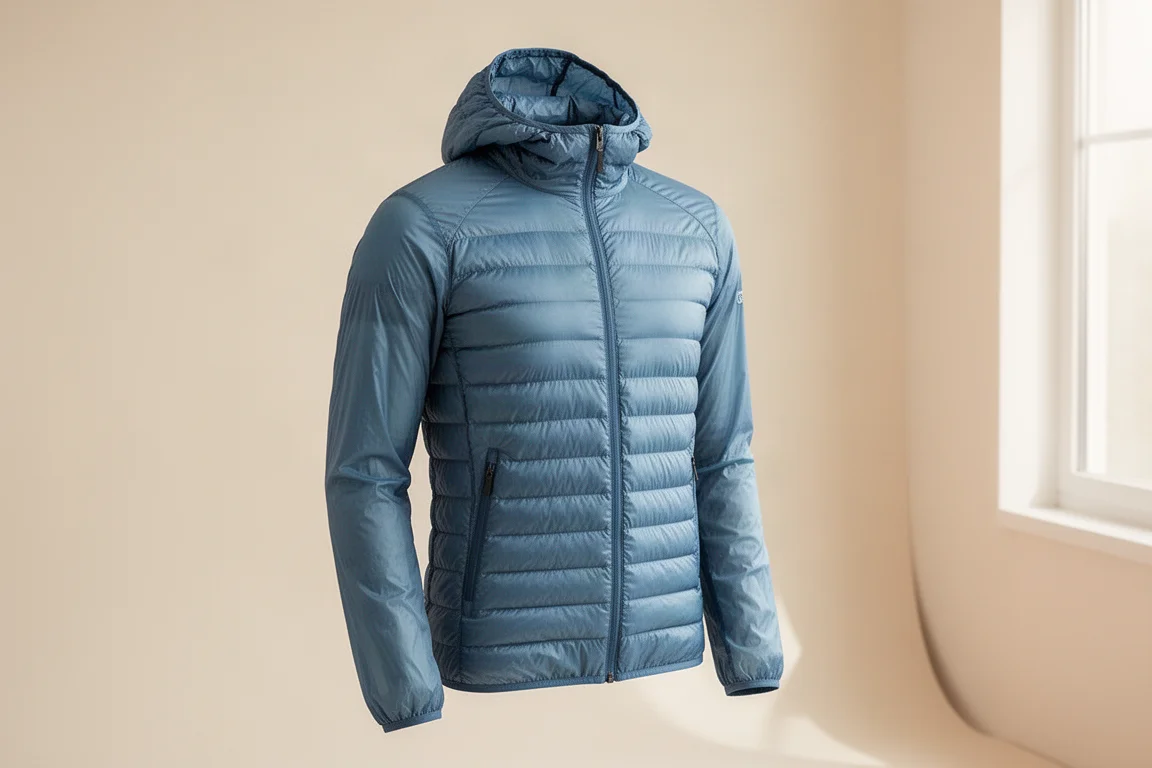
Zpacks Ultralight Down Jacket: Seven Ounces of Warmth
Down jackets had been set aside in favor of synthetic insulation for years, largely out of caution about wet weather. On trips that require a full packraft kit, paddle, PFD, or mountaineering gear, though, pack volume becomes the deciding factor. Down packs smaller and weighs less than synthetic fill for comparable warmth, and at 7 ounces this jacket is a clear example.
It has been used in the desert, in high alpine terrain, and across winter, fall, spring, and summer conditions, and it stayed warm at close to 14,000 feet. That combination of minimal packed size and real warmth is why it went back into the kit for good.
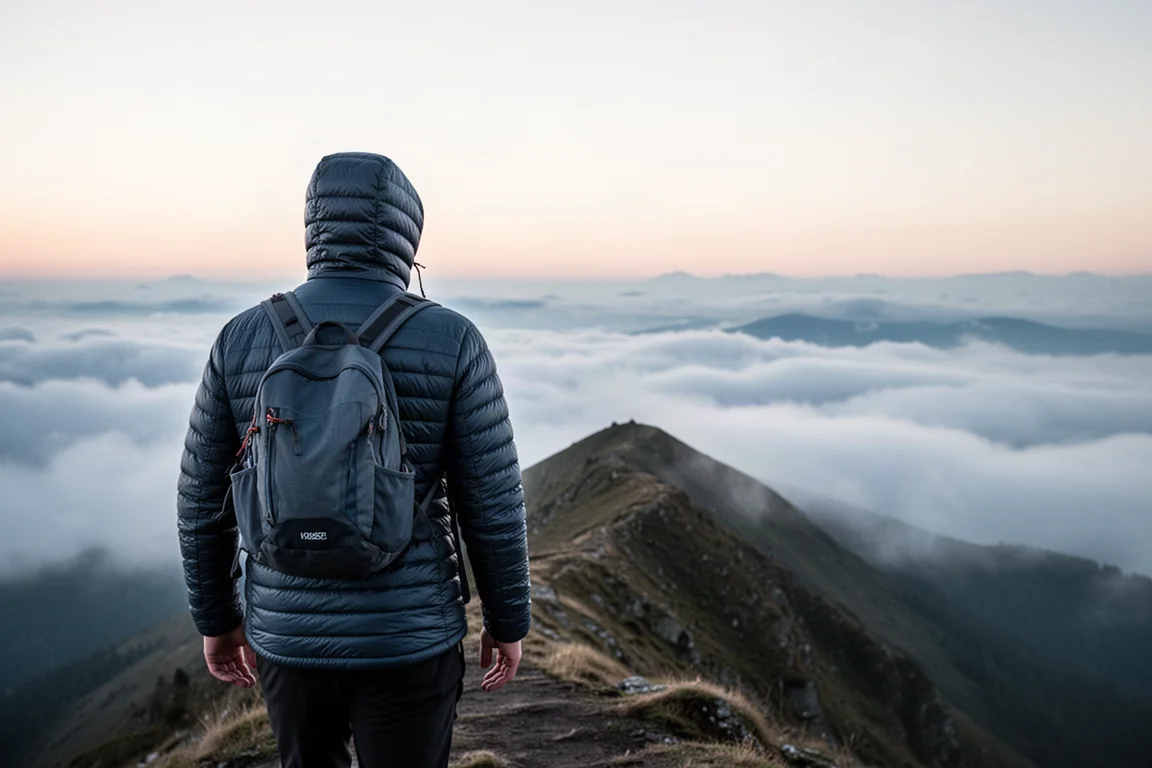
For anyone already carrying extra equipment, the space saved in the pack is often worth more than the weight saved on the back.
Samaya Instant 2: A Freestanding Shelter for Exposed Camping
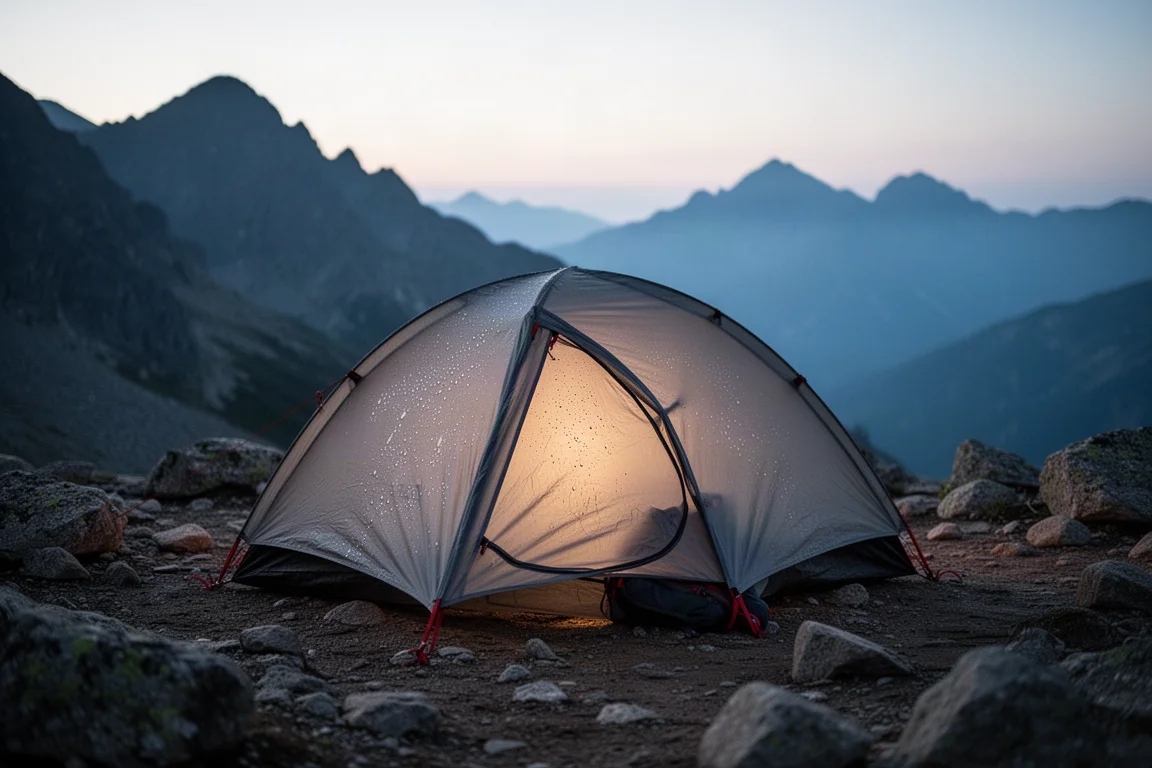
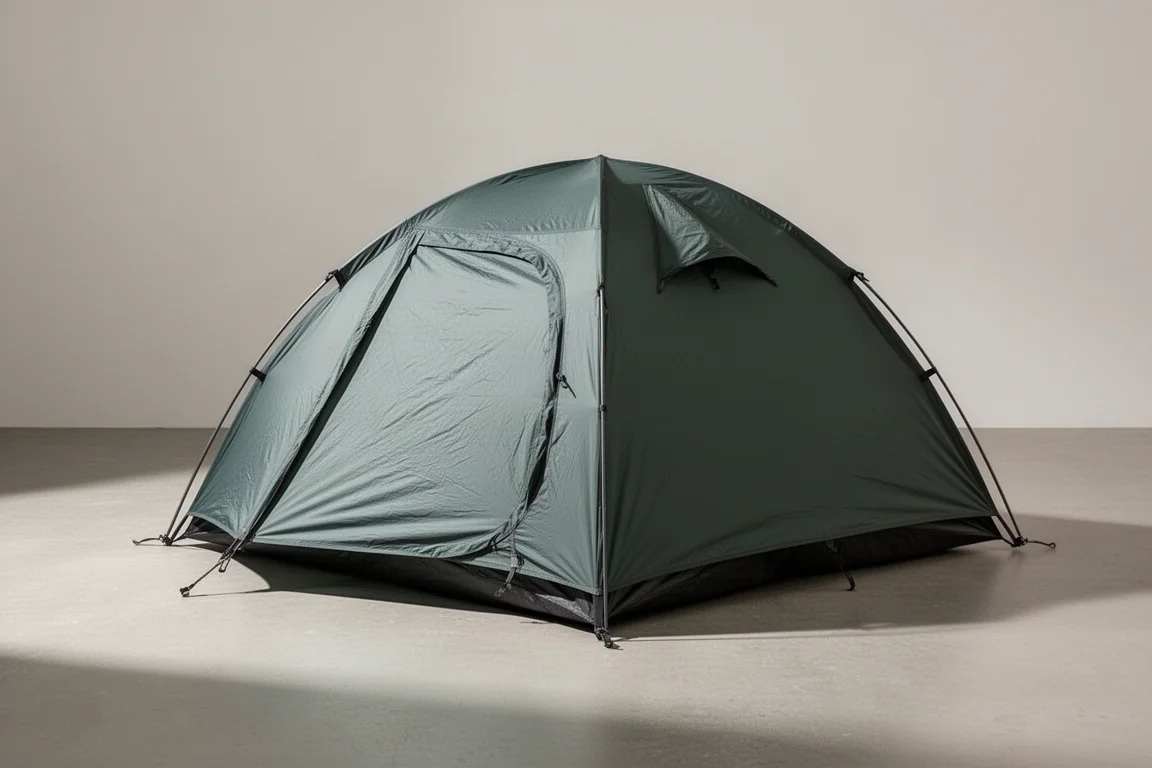
Freestanding shelters make sense on trips where a trekking pole tent is awkward, whether because of wind performance, structure, or simply not wanting to depend on stakes to hold a shape. The Instant 2 uses a classic two-pole dome with one important change: the poles cross off to the side rather than at the top, which makes the tent more aerodynamic when it goes up in wind. The opposite wall is flat rather than domed, adding headroom for taller users.
It also packs down small, with short pole sections that fit neatly into a bikepacking setup, and it has proven stable in high winds at serious altitude in Kyrgyzstan and Tajikistan. The trade-off is price. It is built from DCF, which puts it in the specialty tier. For riders and hikers who want a freestanding shelter that stays planted in exposed terrain and still offers generous interior space, that trade-off is the whole point.
Buying Advice
Start with the problem you actually have rather than the spec sheet. If fuel availability has ever disrupted a resupply, an alcohol stove solves it. If nights end with cold, damp feet, the lining material in a pair of camp booties matters more than the fill. If your pack is already full before the trip-specific gear goes in, down insulation and a shelter with a small packed footprint buy back real space.
It also helps to think about where the gear will be used. Wind exposure, altitude, wildfire smoke, and access to fuel all change which of these items earns its place. Buying for the conditions you actually camp in will always beat buying for the conditions you imagine.
Conclusion
Seven items made this list because each one changed something: a bottle that replaces two, a navigation tool that works without a signal, a quilt with room to spare, booties that stay dry inside, a stove that overturned an assumption, a jacket that earns its place through pack volume, and a shelter that stands up to wind. None of them is the cheapest option in its category, and a few are decidedly premium. What they share is that they solve a specific, real problem well enough to change how a trip is planned.
Further reading
Related Reviews

Backpacking Gear
Building a 10 lb Base Weight: An Ultralight Backpacking Gear List
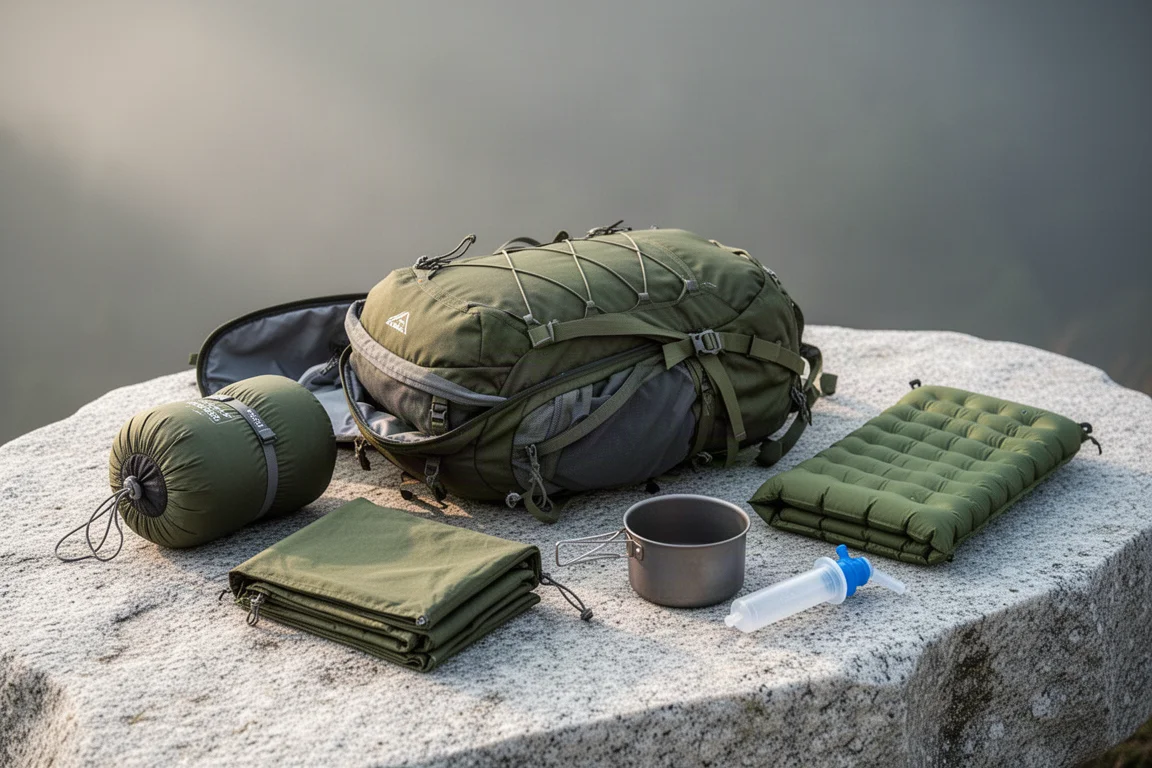
A practical walkthrough of the ultralight pieces behind a 10 lb base weight, from a 765 g pack and a roomy one-person tent to a full camp chair and a dependable water filter.
Backpacking Gear
A 15-Pound Lightweight Backpacking Gear List for Solo Trips
A beginner-friendly 15-pound backpacking setup built from easy-to-find gear, with notes on what each piece does, how it packs, and where to spend your attention.
Backpacking Gear
8 Ultralight Backpacking Gear Upgrades Worth Carrying
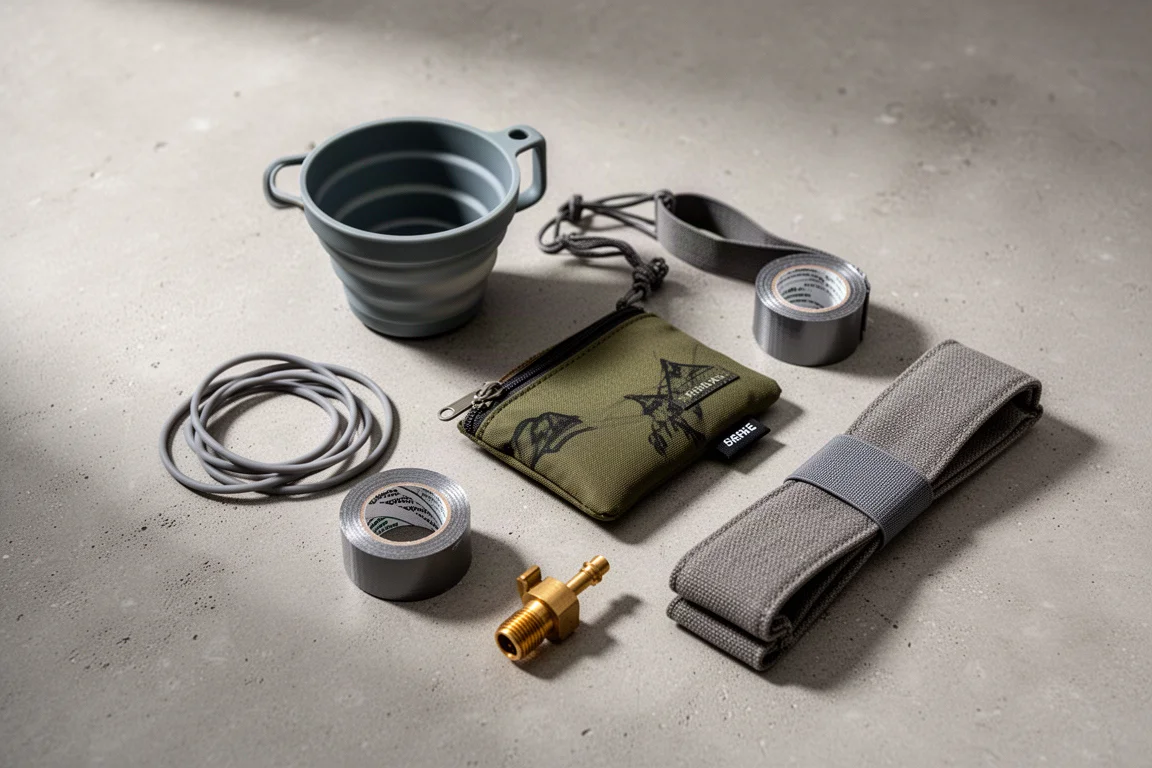
Eight small, affordable backpacking upgrades that solve real trail annoyances, from a pillow that stays put to a fuel valve that rescues leftover canister gas.