Backpacking Gear
Favorite Backpacking Gear: A Lightweight Kit for Storm-Prone Three-Season Trips
A field-tested ultralight backpacking kit covering pack, shelter, sleep, water treatment, and cooking, with the real strengths and trade-offs of each piece.
Introduction
The best moment to build a backpacking kit is when lightweight gear finally performs as well as it looks on paper. Materials, fabrics, and designs have improved quickly in recent seasons, and the practical result is that a pack can be genuinely comfortable, safe, and efficient at the same time.
That is the thinking behind this kit. It comes from hundreds of nights and tens of thousands of miles of backcountry travel, and every piece in it earned its place rather than being carried out of habit.
Three priorities drive the choices here: comfort both on trail and at camp, safety, and mental health. Those priorities map onto the obstacles that show up on real trips in the Canadian Rockies, including fast weather changes, wildlife, sleeping well, covering miles in rough terrain, staying warm, and the simple difficulty of being far from home.
This kit was carried into a subalpine valley ringed by 10,000 ft peaks with a storm forecast: strong winds and rain on the way. That is a fair test for wind resistance, waterproofing, and how quickly a camp can be set up.
How These Picks Were Chosen
Weight matters, but it is not the only filter. Every item here had to answer three questions: does it make the trail and the camp more comfortable, does it add a margin of safety when the weather turns or when wildlife is around, and does it make time away from home easier to manage?
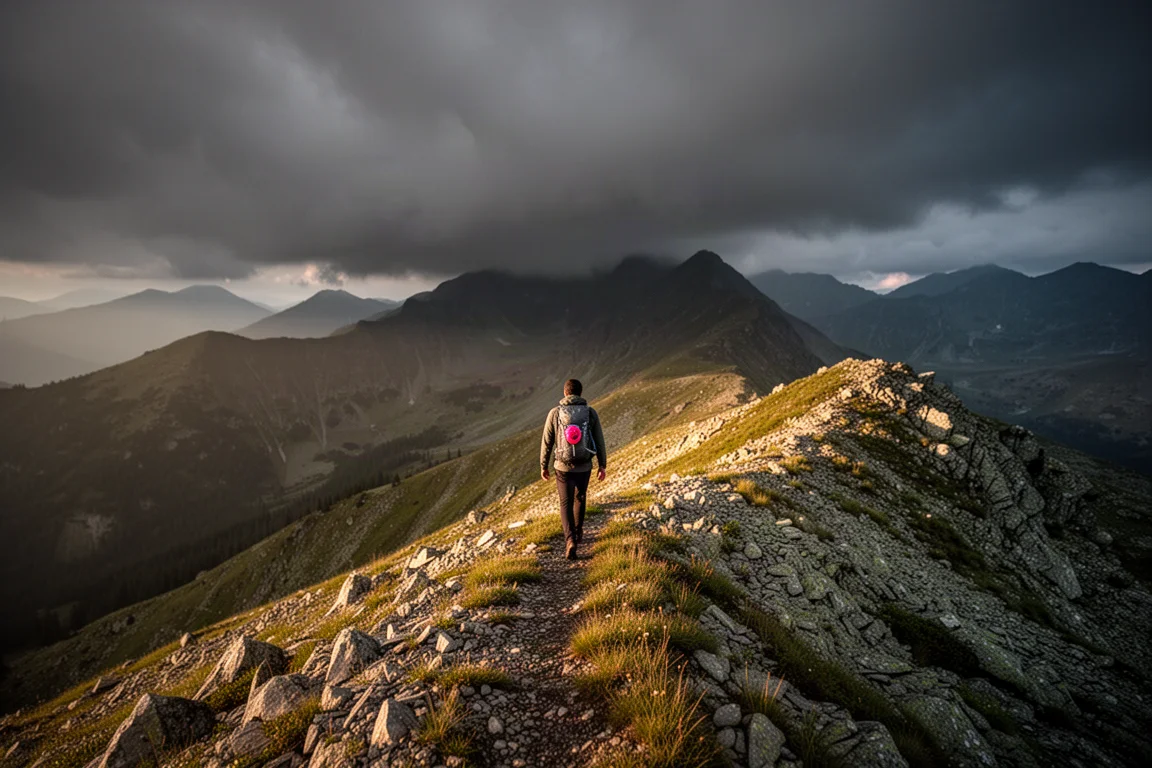
The trip itself was part of the selection process. The route climbed steadily into exposed subalpine terrain where wind and rain were forecast, so gear that only looks impressive in a spreadsheet was left behind. What stayed in the pack was gear that could be pitched quickly, wiped down easily, and trusted when conditions turned.
The Pack: Durston Wapta 30
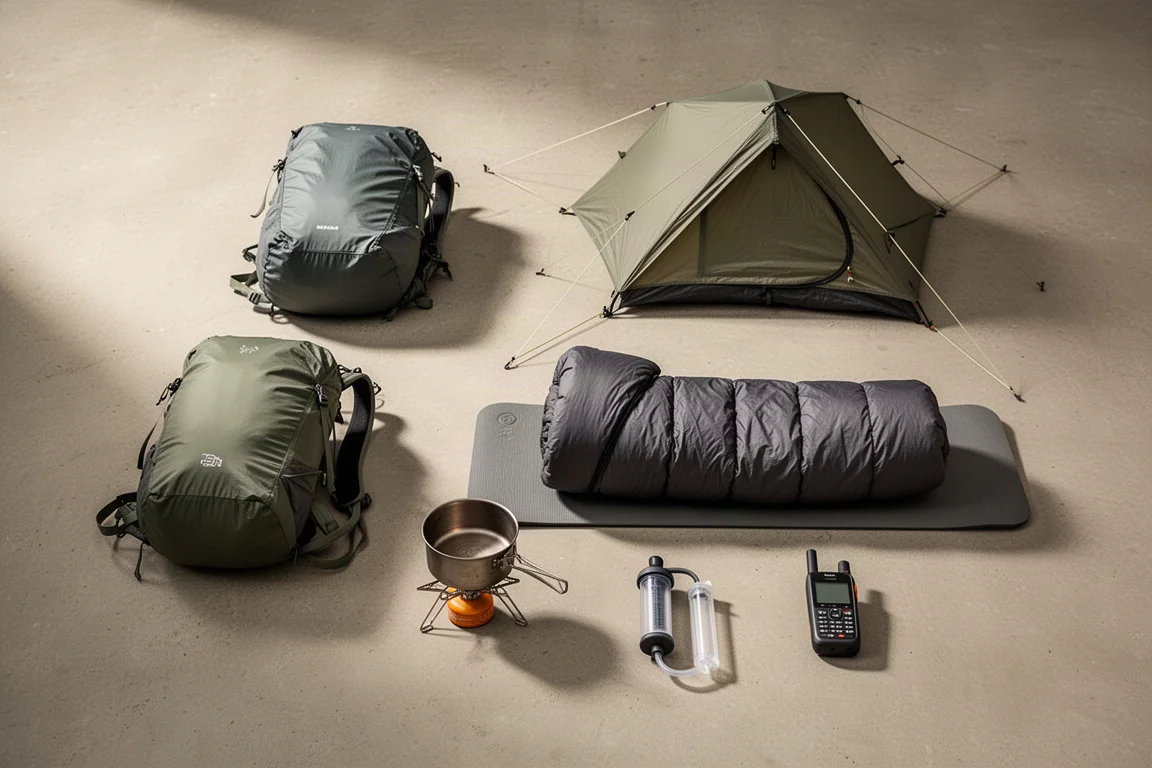
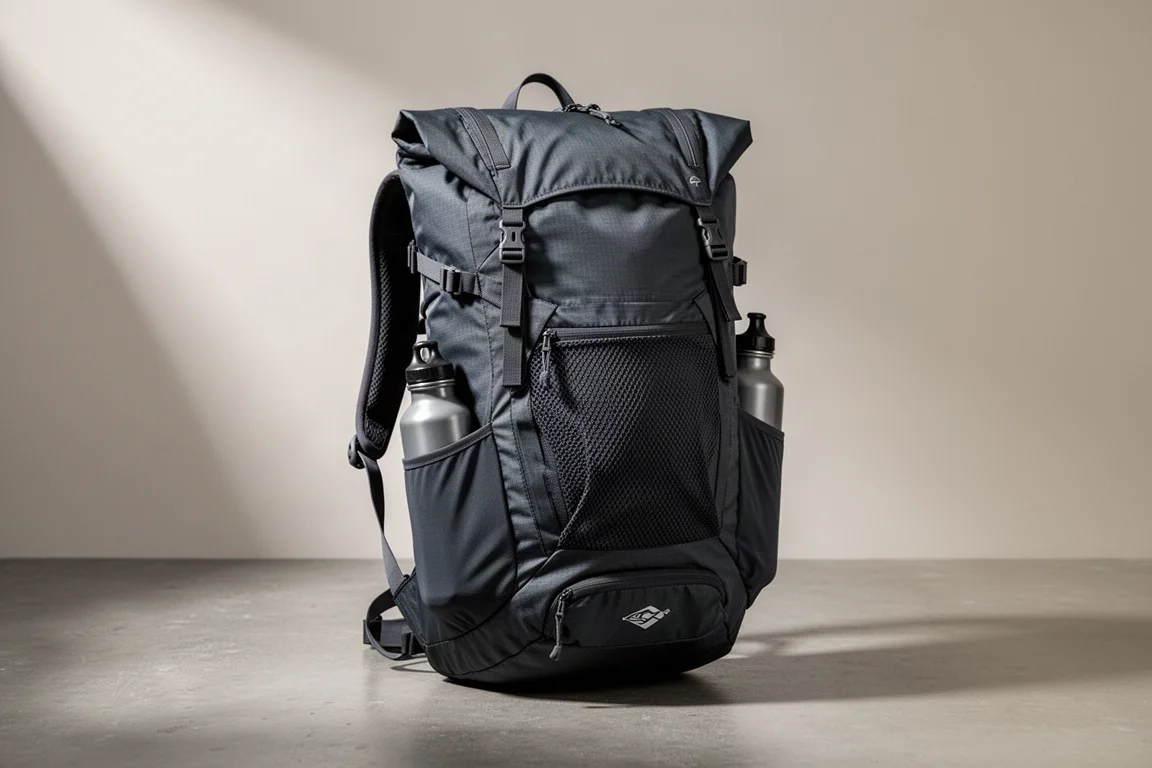
The Wapta 30 is the anchor of this kit. It weighs under 400 g when stripped down, and lands in the mid 400 g range once the optional hip belt and straps are added. A hiker in good shape can carry around 30 lb on the shoulder straps alone without the hip belt, while the comfortable sweet spot for most people sits closer to 20 to 25 lb.
Day-to-day access is a big part of why it works. There are two shoulder pockets, side pockets that can be reached while wearing the pack to grab a water bottle, a bottom pocket, and a very large front pocket. That means the items needed repeatedly through the day never have to come out of the main compartment.
The trade-off is load ceiling and bulk. This is not a pack for 40 to 50 lb loads, and it is not the right choice for long trips with bulky gear. For most hikers it suits two to three nights comfortably, and a very compact, ultralight packer could stretch it to about a week.
Water Treatment: Platypus Quick Draw
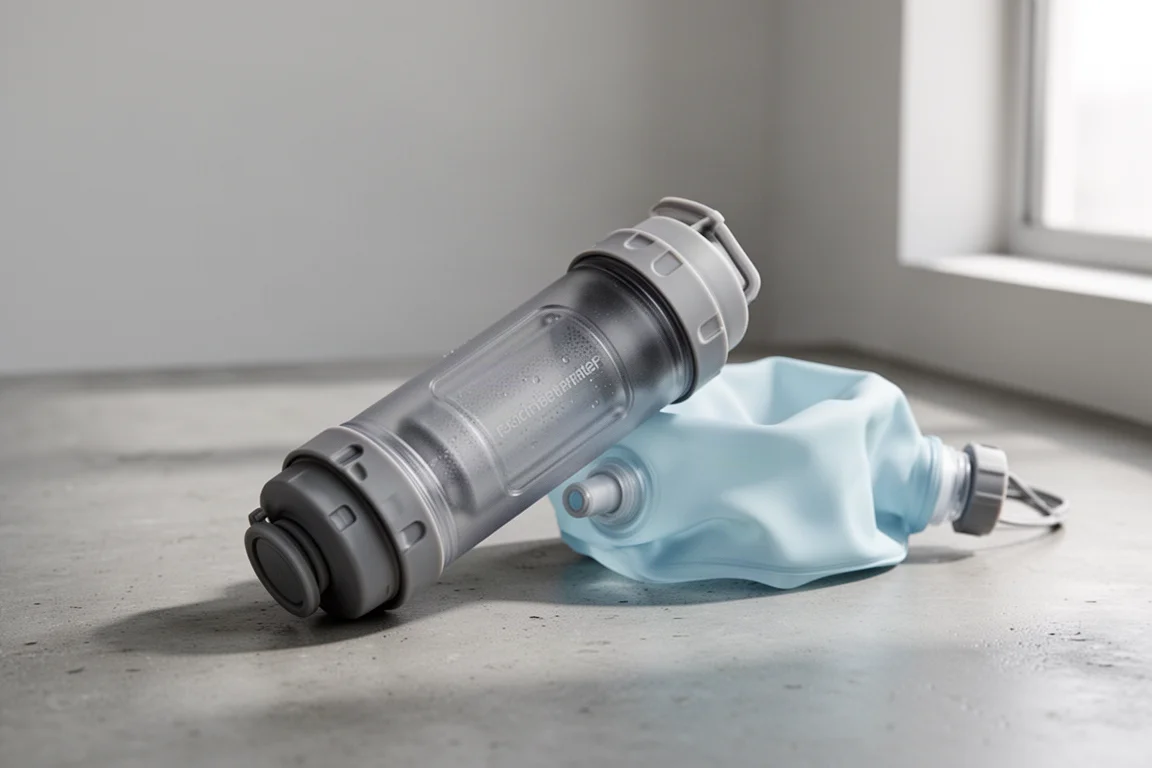
Filtering water is a daily chore, so speed and cold-weather handling matter more than spec-sheet numbers. The Quick Draw filters quickly, and its caps let you seal the filter and store it inside a sleeping bag when overnight temperatures drop below freezing.
It pairs naturally with a wide-mouth collapsible scoop bag. The wide end scoops from a creek or pool, the filter threads onto the narrow end, and water is squeezed straight through. Stored in a hip belt pocket, the whole setup can be used without taking the pack off, which keeps short water stops short.
Satellite Communication: Garmin inReach Messenger Plus
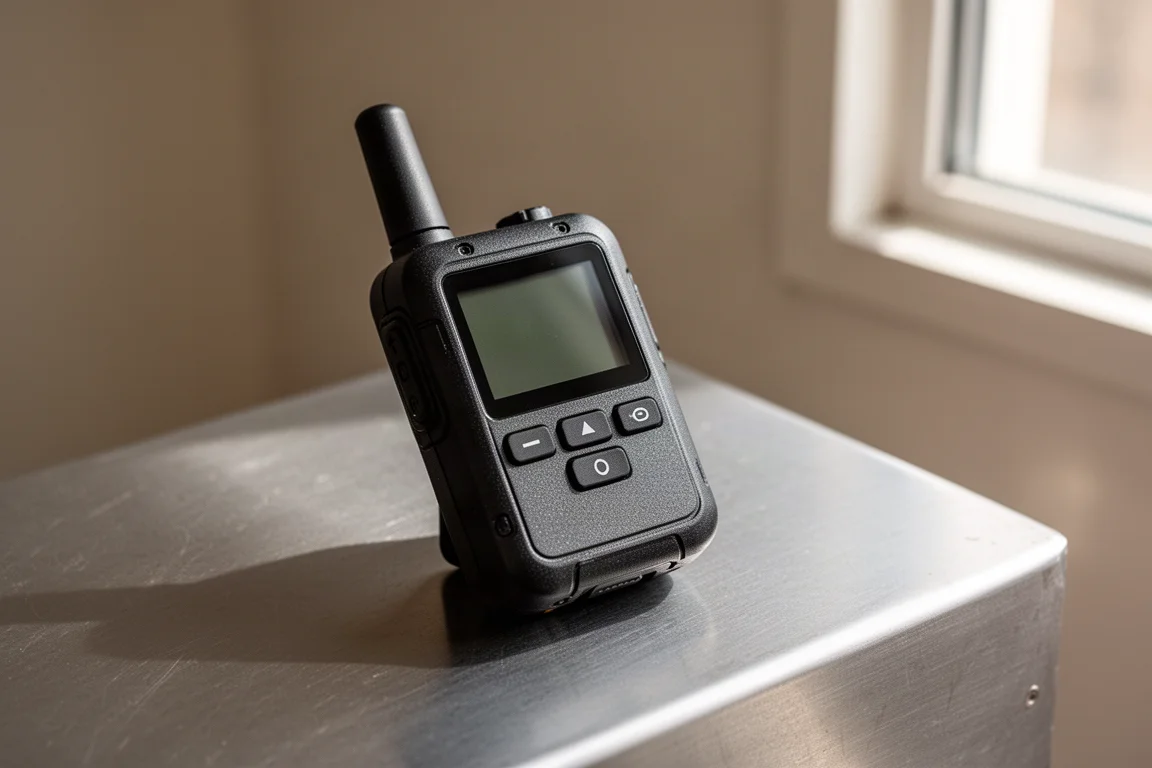
Off-grid communication is a safety item, not a convenience item. The inReach Messenger Plus handles on-device messaging, so a message or an SOS can be sent without a phone, and it also supports reverse charging to give a dying phone a boost when it is needed most.
Compared with the inReach Mini 3 Plus, the Messenger Plus comes out ahead on battery capacity and weight, while keeping the same core benefit of standalone messaging and emergency signalling.
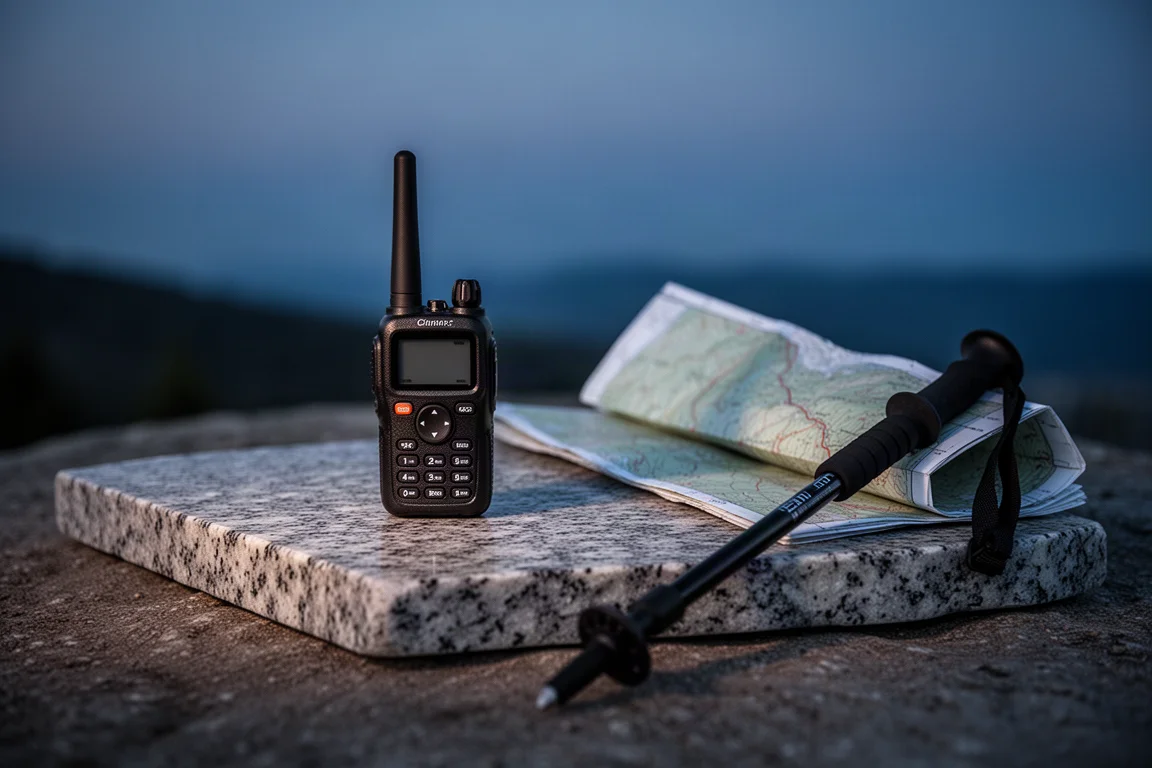
It lives in a shoulder pocket, which keeps it reachable in seconds without stopping to open the pack.
Camp Comfort: Helinox Chair Zero LT
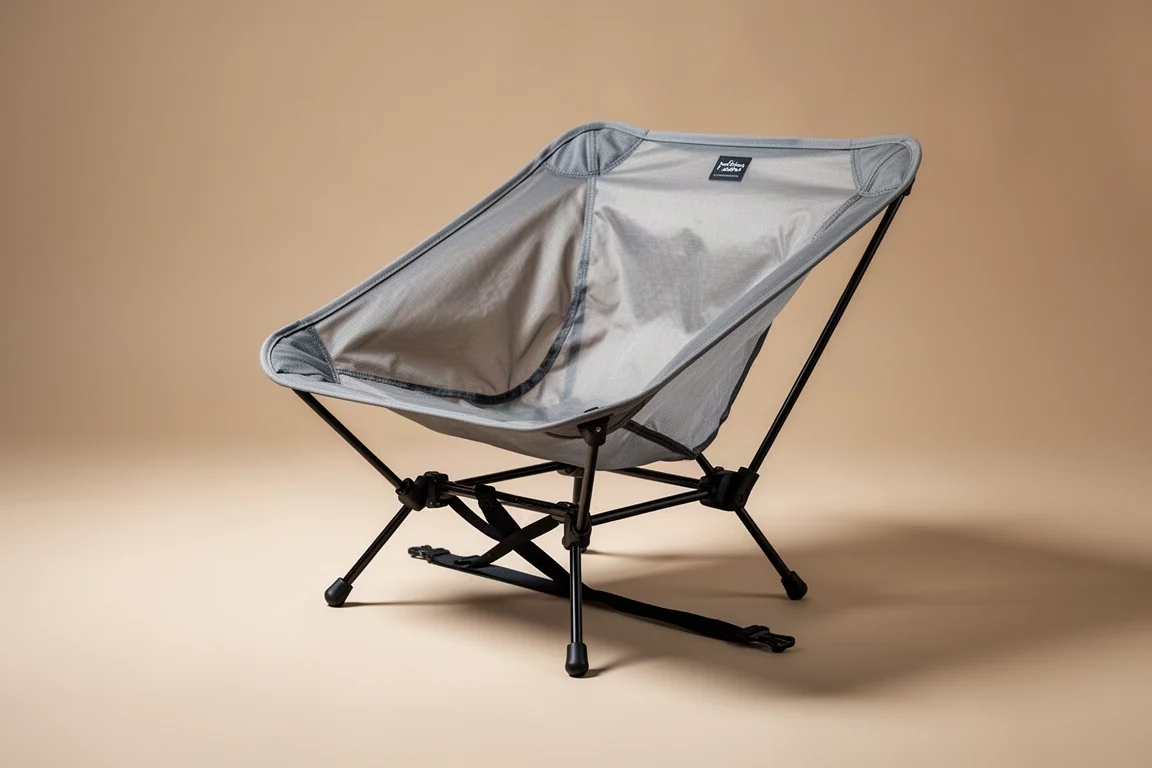
A camp chair is one of those items that seems optional until the second evening, when sitting on the ground stops being appealing. The Chair Zero LT is light and compact, and it ships with a strap that fits over the feet so the legs do not dig into soft or sandy ground.
The closest alternative considered was the Nemo Moonlight Elite, which is also an excellent chair. Weight and packed size are what settled it in favor of the Chair Zero LT. It rides on top of the pack rather than inside, simply because it is slightly too wide to fit into a smaller ultralight pack.
Rain Protection: Outdoor Research Helium Ultralight
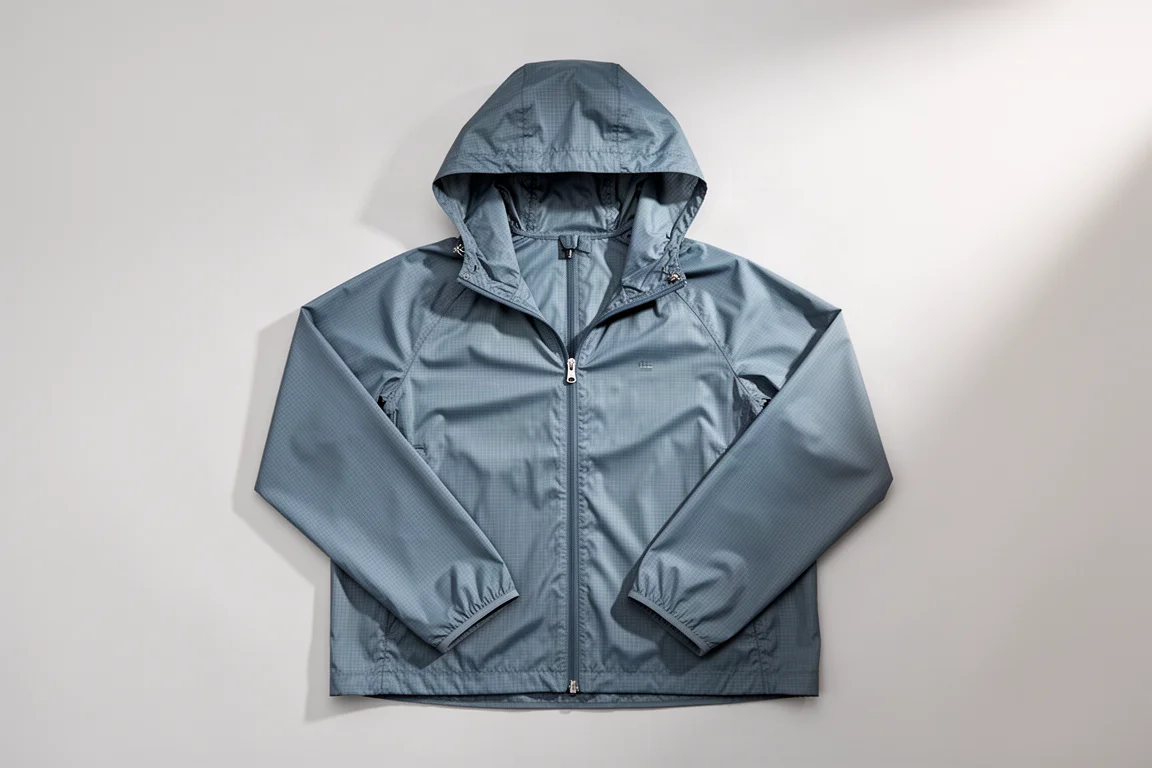
This shell was updated for 2026 with a new fabric sourced from Japan. It uses a lightweight ripstop nylon that feels breathable, packs down small, and has already been worn through rain without wetting out. So far it has kept the wearer dry and comfortable, which is exactly what a three-season shell needs to do.
Both the jacket and the matching pants were brought along. The pants are extremely light, and that lightness is worth thinking about honestly: very thin fabric can be more prone to snagging when routes involve pushing through dense brush. That is the main question to weigh before committing to them for bushy terrain.
Shelter: Durston X-Dome 1 Plus Pro
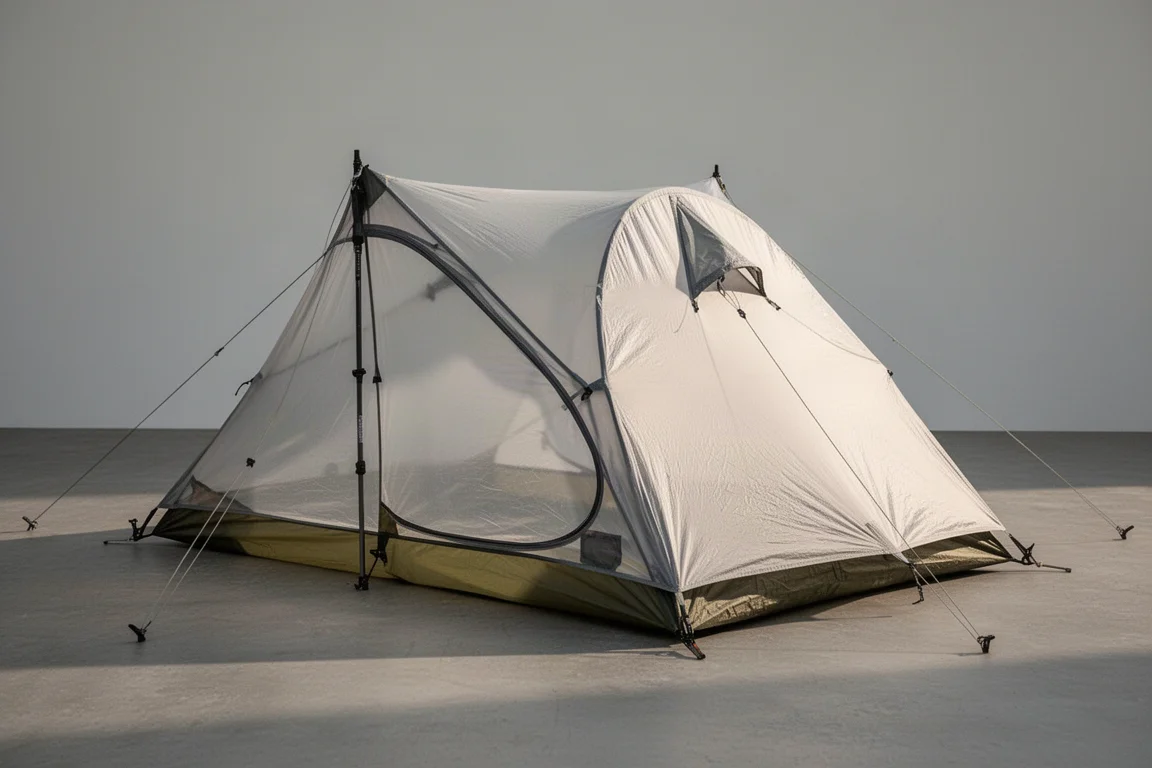
The Pro version of the X-Dome 1 Plus uses a Dyneema fly and weighs roughly 200 g less than the standard version, landing at just over 700 g. For summer trips where base weight is consistently under 10 lb, that saving is meaningful.
Dyneema brings real advantages in the field. It is very structurally sound in wind, it wipes down easily when condensation forms inside or rain sits on the outside, and it absorbs no water at all, while the silpoly used on the standard version absorbs a very small amount.
The trade-offs are cost and packing discipline. The Pro is considerably more expensive than the standard version, and Dyneema has to be folded and rolled rather than stuffed into a sack. That process is slower and noticeably harder in cold conditions, which makes this a summer tent rather than a winter one.
Everything else carries over from the standard X-Dome 1 Plus: plenty of guy lines for locking the shelter down in a storm, trekking poles that can reinforce the peaks at both ends, double-wall construction, two vents, large interior pockets, and an asymmetrical floor that creates a big vestibule plus extra storage space at the head end.
Sleep System: Nemo Eclipse
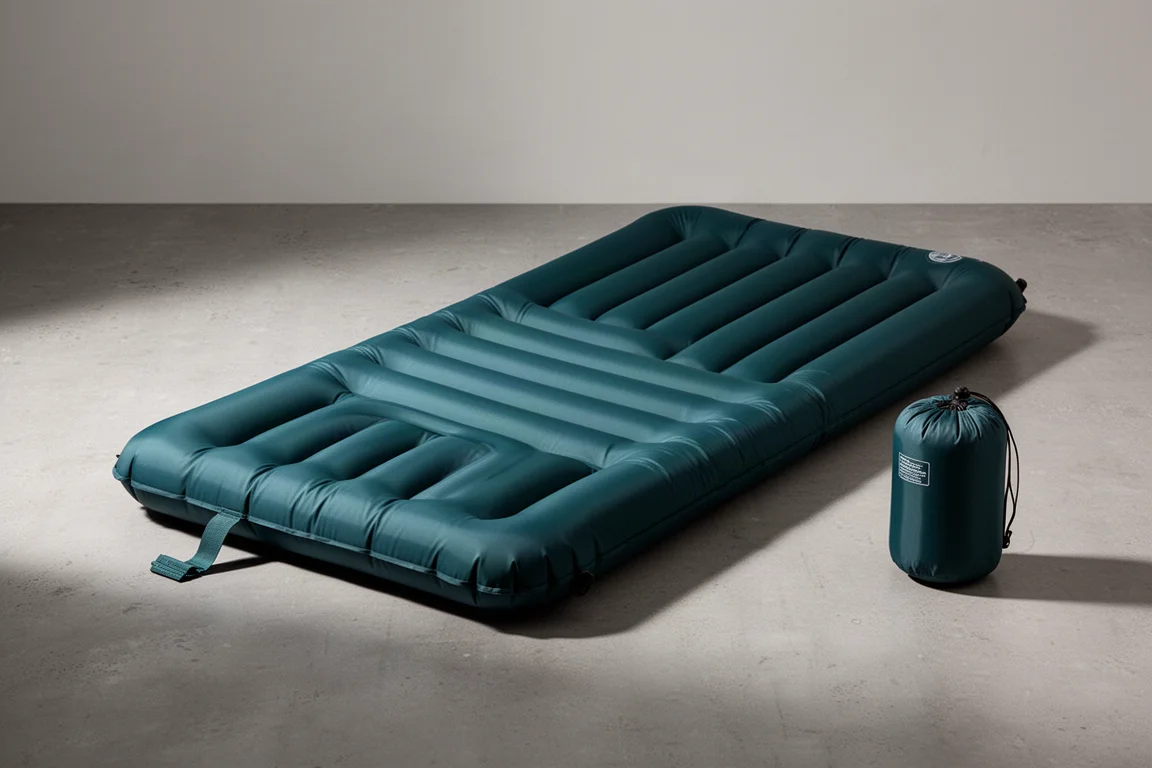
Sleep quality is where a lightweight kit can quietly fall apart, and the Eclipse is the pad that fixes it. It weighs under 600 g, is 4 in thick, and uses semi-dimpled vertical baffles that spread pressure rather than concentrating it.
Stability is the standout trait. The pad can be deflated to roughly 70 percent and still feel stable, which means more pressure relief without the feeling of rolling off. Thicker outer baffle tubes keep the sleeper centred. It is not the warmest pad available, and around minus 2 °C is where it starts to feel cool.
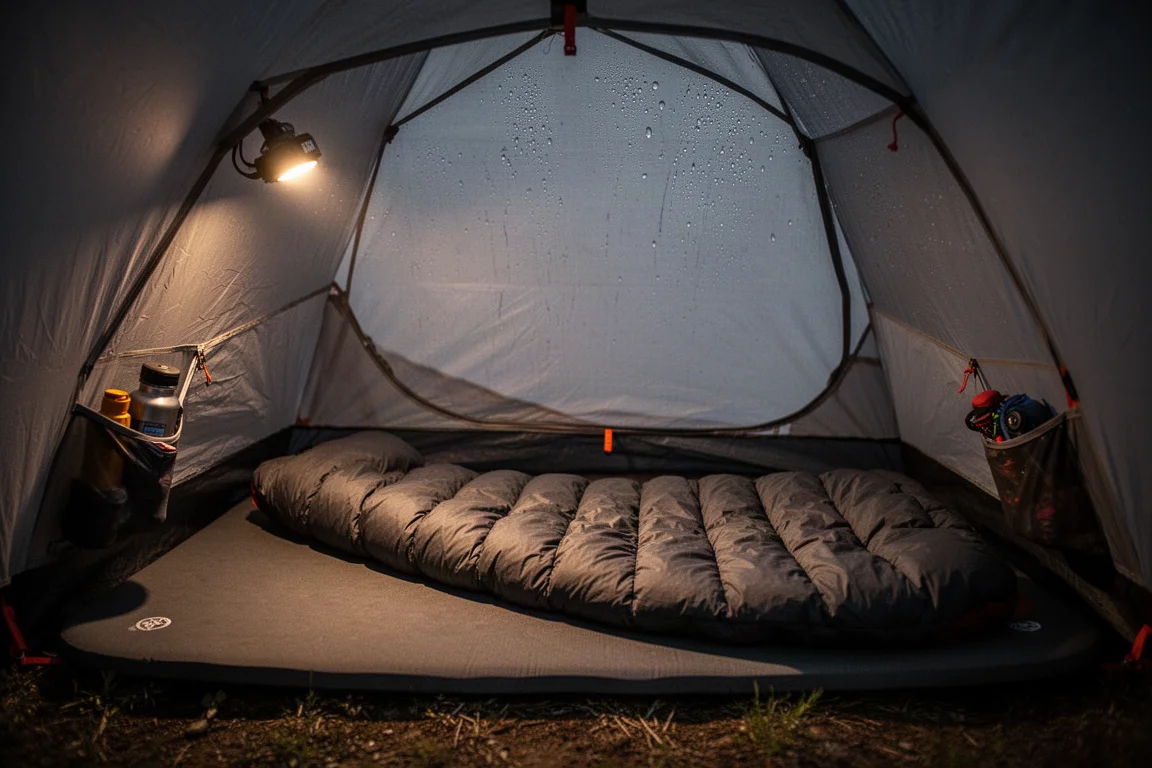
Paired with a quilt rather than a bag, it makes a light and genuinely comfortable setup for three-season use.
Sleep System: Zenbivy Ultralight Quilt
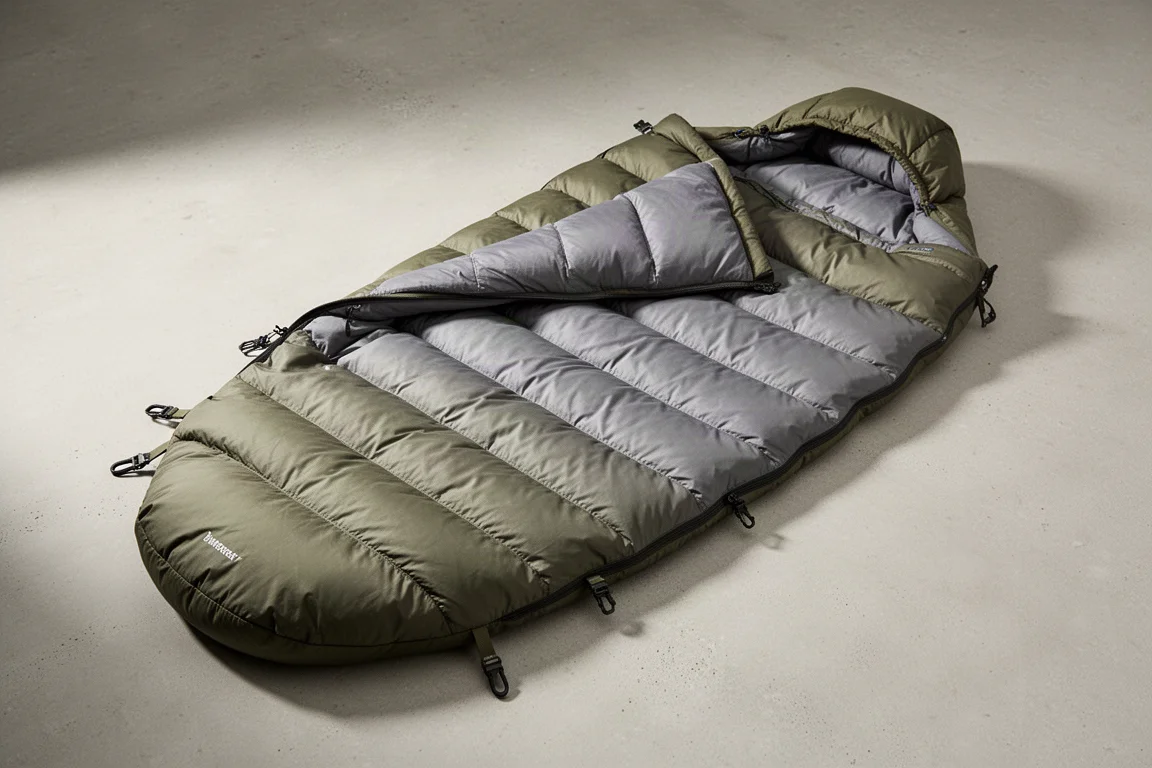
On top of the pad, the Zenbivy Ultralight Quilt keeps the system light while using high-end materials. It is rated to 25 °F but sleeps warmer than that rating suggests, staying comfortable to roughly 20 °F.
The sheet pairing matters here. Rather than the Ultralight Sheet, this setup uses the Zenbivy Light Bed Sheet, which covers the full pad instead of only the head end and uses a softer material wherever it touches skin. That reduces the sticky feeling on warm, sweaty nights. Clips hold the quilt to the sheet so no drafts sneak in, and the whole system allows normal tossing and turning. A small hood at the head end keeps the head warm and holds a pillow in place.
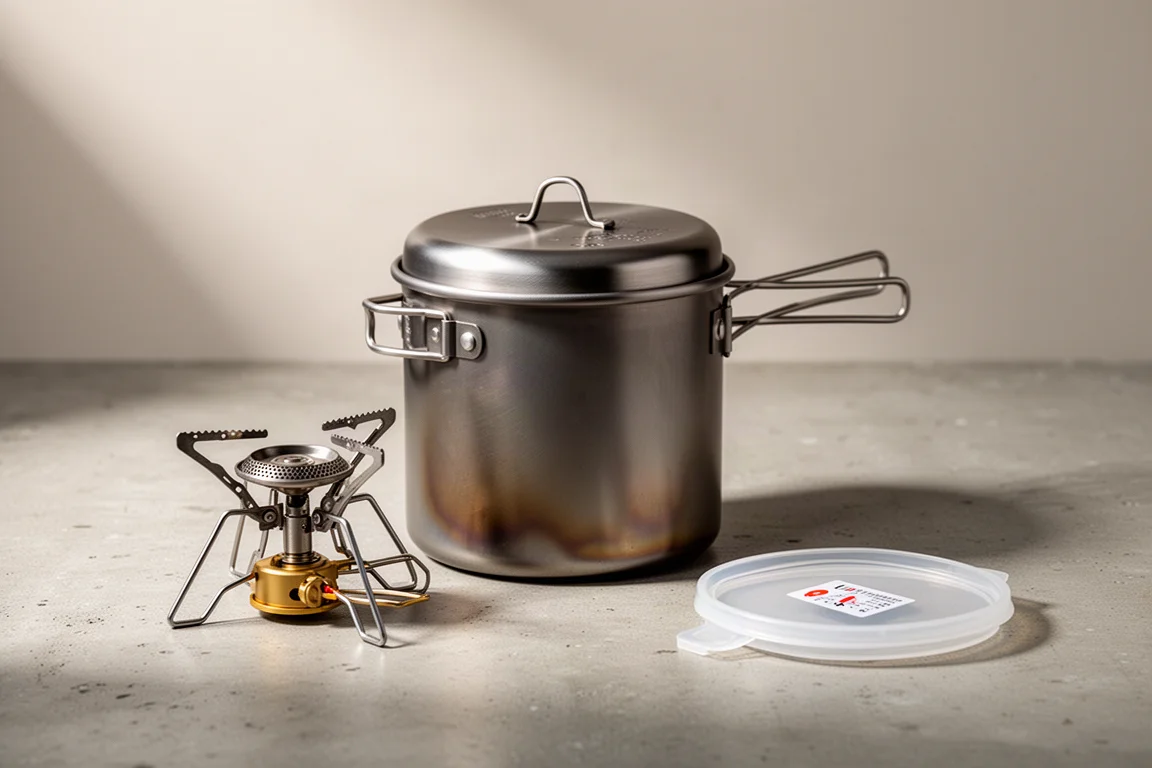
Cook System: Toaks Light Pot 550 ml
The 550 ml Toaks Light Pot is the right size for a solo cook kit. It is very light, and its capacity covers a freeze-dried meal, which needs only about 10 oz of water, with room left over for a hot drink. A temperature sticker on the side is a small but useful detail: pulling the pot off the stove at around 70 °C is enough to rehydrate a meal and stretches how far each fuel canister goes.
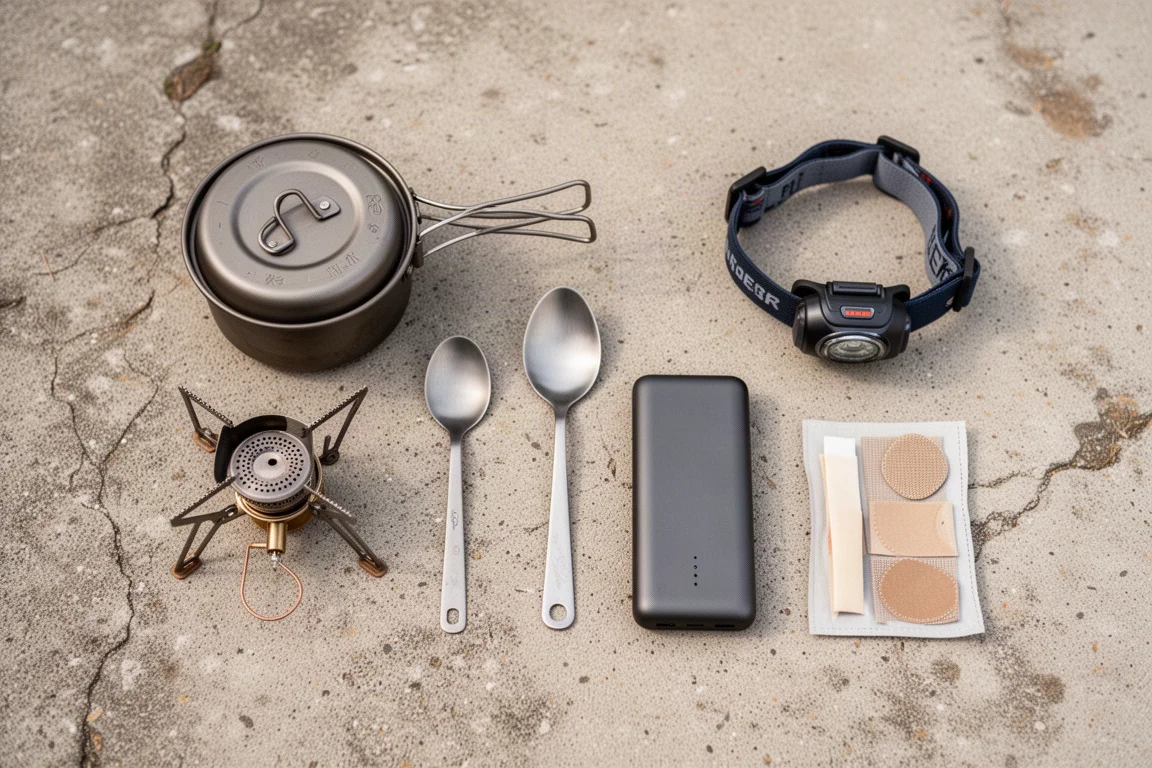
The rest of the kit is built around the pot. A 25 g folding canister stove gets the job done reliably and has proven durable over years of use, though it is not the best option in strong wind. A spring-loaded pot grabber needs no readjustment, weighs less than the pot’s own wire handles, and avoids the usual problem of grabbing hot metal with a sleeve. A snap-on lid holds the fuel canister securely and stores a lighter, and its second version is lighter, easier to attach, and made from a more durable, more heat-resistant material. A long-handled spoon with a slightly square tip reaches the corners of a meal bag, and the cutouts in its handle keep a grip even through gloves.
Buying Advice
Start with the pack and work outward from the load you actually carry. If most trips run two to three nights and the load stays around 20 to 25 lb, a light frameless pack like the Wapta 30 is comfortable and saves real weight. If loads regularly reach 40 lb or the gear is bulky, a framed pack will be the better long-term partner.
Water treatment and satellite communication are the two places where weight saving should not be the goal. A filter that clogs or freezes, or a communicator that runs out of battery, turns a good trip into a difficult one, so choose these for reliability first.
Shelter and sleep are where personal preference matters most. A Dyneema shelter rewards packers who are willing to fold and roll it carefully and who want maximum wind performance and easy wipe-downs. A silpoly shelter is more forgiving to pack and easier to handle in the cold. For sleep, the combination of a stable, comfortable pad and a quilt that clips to a full-coverage sheet delivers the biggest comfort gain per gram in the whole kit.
Finally, practice with the safety items before you need them. A satellite messenger and bear spray stored on a shoulder strap are only useful if reaching them is second nature.
Conclusion
This kit works because every piece solves a specific problem rather than chasing a number. The pack stays light without punishing the shoulders, the shelter holds up in wind and dries fast, the sleep system makes long nights comfortable, and the small items in between are chosen for reliability on trail.
For three-season backpacking in exposed mountain terrain, that combination of comfort, safety, and ease of use is what makes a trip enjoyable. Build the kit around the loads you really carry and the conditions you really meet, and each of these pieces will earn its place.
Further reading
Related Reviews

Backpacking Gear
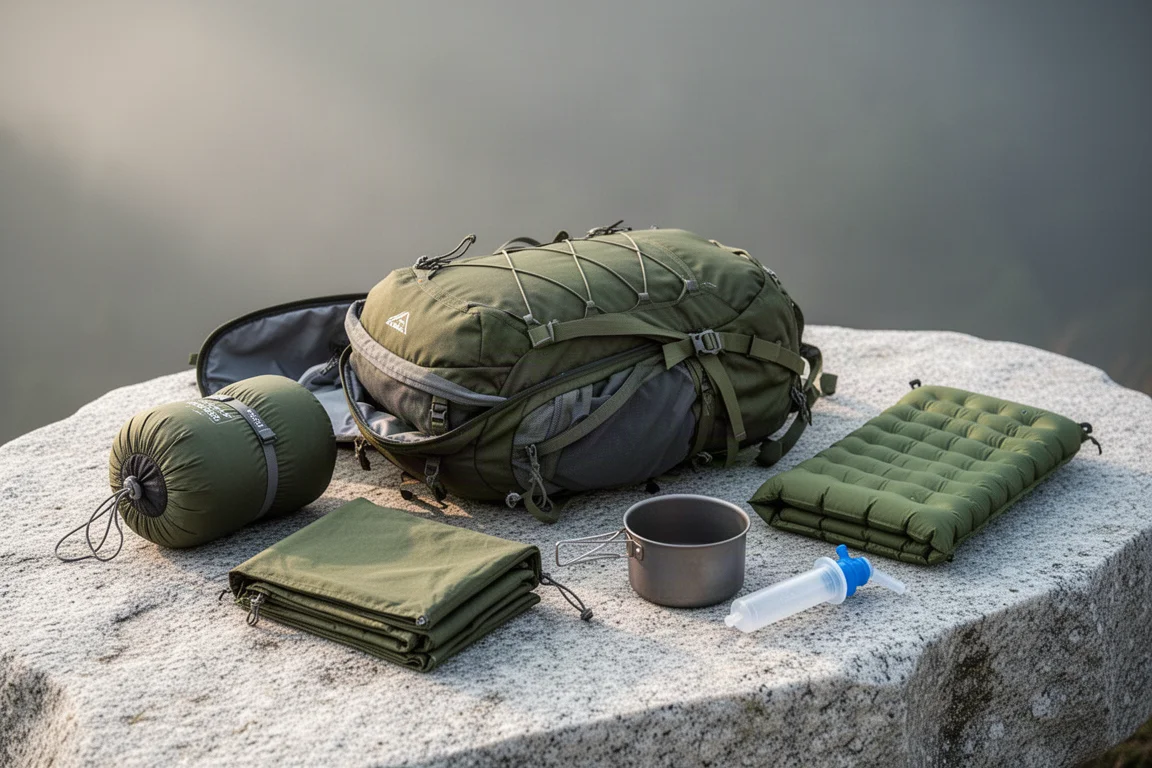
Building a 10 lb Base Weight: An Ultralight Backpacking Gear List
A practical walkthrough of the ultralight pieces behind a 10 lb base weight, from a 765 g pack and a roomy one-person tent to a full camp chair and a dependable water filter.
Backpacking Gear
A 15-Pound Lightweight Backpacking Gear List for Solo Trips
A beginner-friendly 15-pound backpacking setup built from easy-to-find gear, with notes on what each piece does, how it packs, and where to spend your attention.
Backpacking Gear
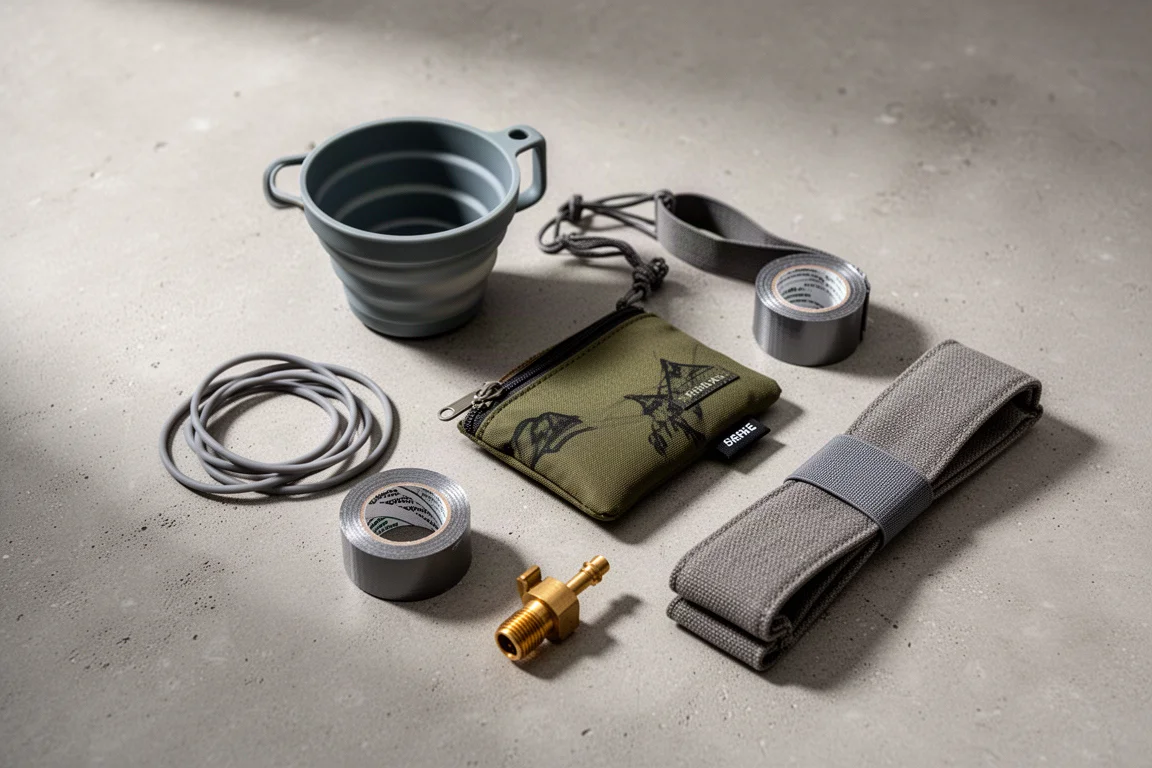
8 Ultralight Backpacking Gear Upgrades Worth Carrying
Eight small, affordable backpacking upgrades that solve real trail annoyances, from a pillow that stays put to a fuel valve that rescues leftover canister gas.