Cycling
2026 Bike of the Year and the Cycling Gear Worth Watching
A drop bar roundup for 2026 covering the Ridley Kanzo Fast 2.0, Shimano Dura-Ace Di2 R9300, Trek Checkpoint ALR Gen 3, Specialized Tarmac SL9, Garmin Fenix 9 and Insta360 X6.
Introduction
This week brought a leaked flagship road groupset on race bikes, the crowning of the best drop bar bike of 2026, and two new pieces of kit aimed at riders who like to film and track their rides. The headline: Shimano’s next Dura-Ace still leans on a wire, while the best all-round drop bar machine of the year comes from a Belgian brand with its own wind tunnel.
Below we look at six products worth knowing about, from a versatile aero gravel bike and a far cheaper route into a race frame, to a value aluminium gravel build, a premium sports watch and a 360 action camera that changes how footage gets framed.
Best Overall Drop Bar Bike: Ridley Kanzo Fast 2.0
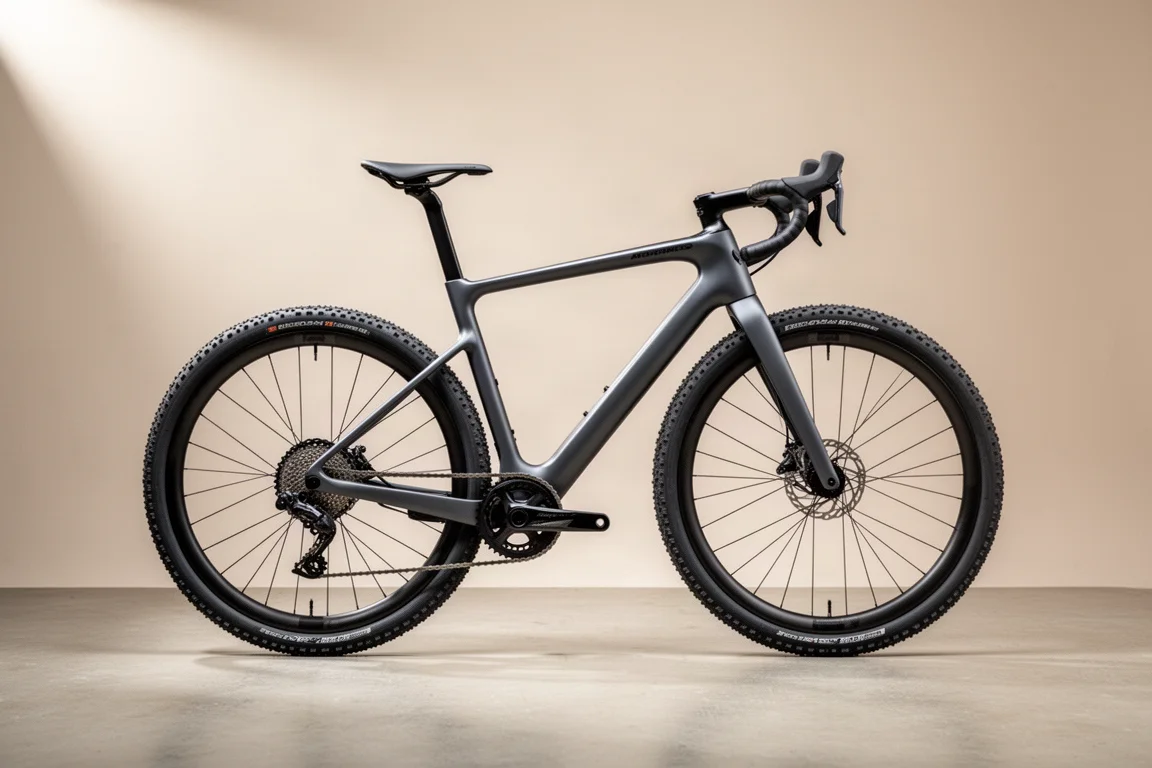
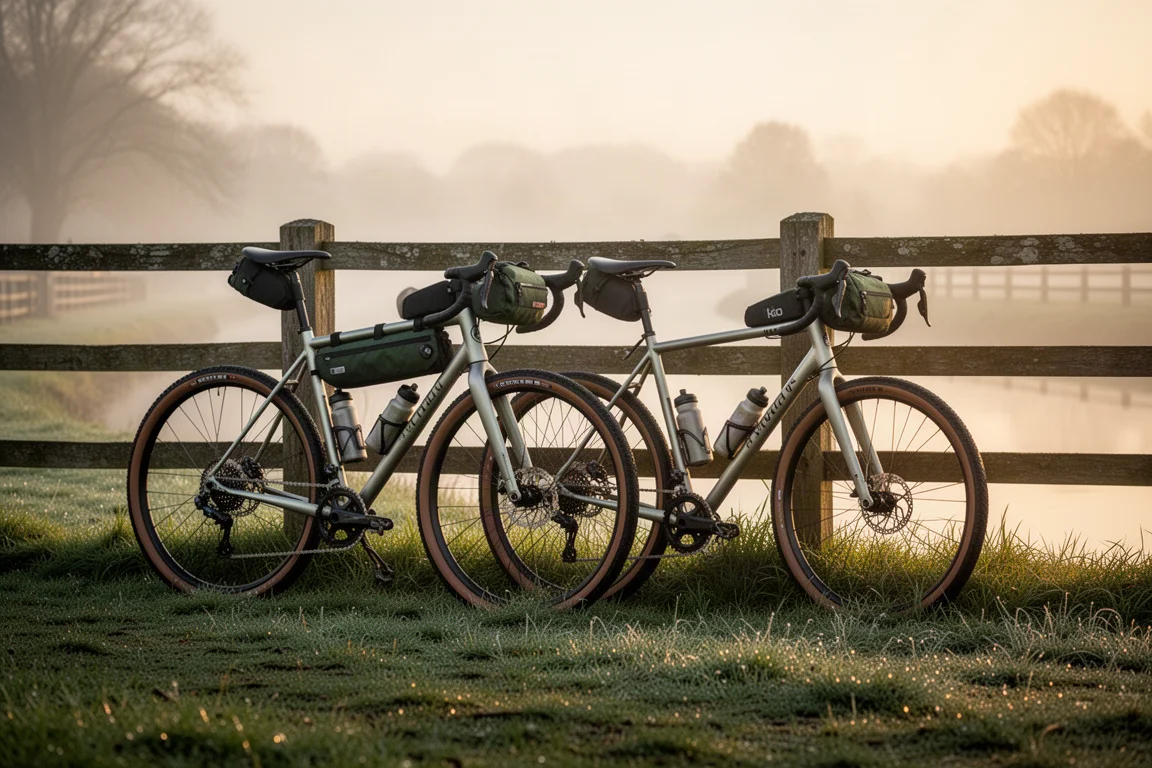
The Ridley Kanzo Fast 2.0 takes the top spot for 2026, and it does so by fixing the biggest weakness of the aero gravel category. Earlier aero gravel bikes often felt like road frames with bigger tyre clearance bolted on: quick in a straight line on smooth gravel, harsh and clumsy everywhere else.
The Kanzo Fast 2.0 keeps that aerodynamic efficiency but adds handling that feels like a rugged, trail-ready gravel bike. Ridley develops its frames in its own wind tunnel, so the aero credentials are serious, yet the details suggest it was designed by people who actually race on gravel.
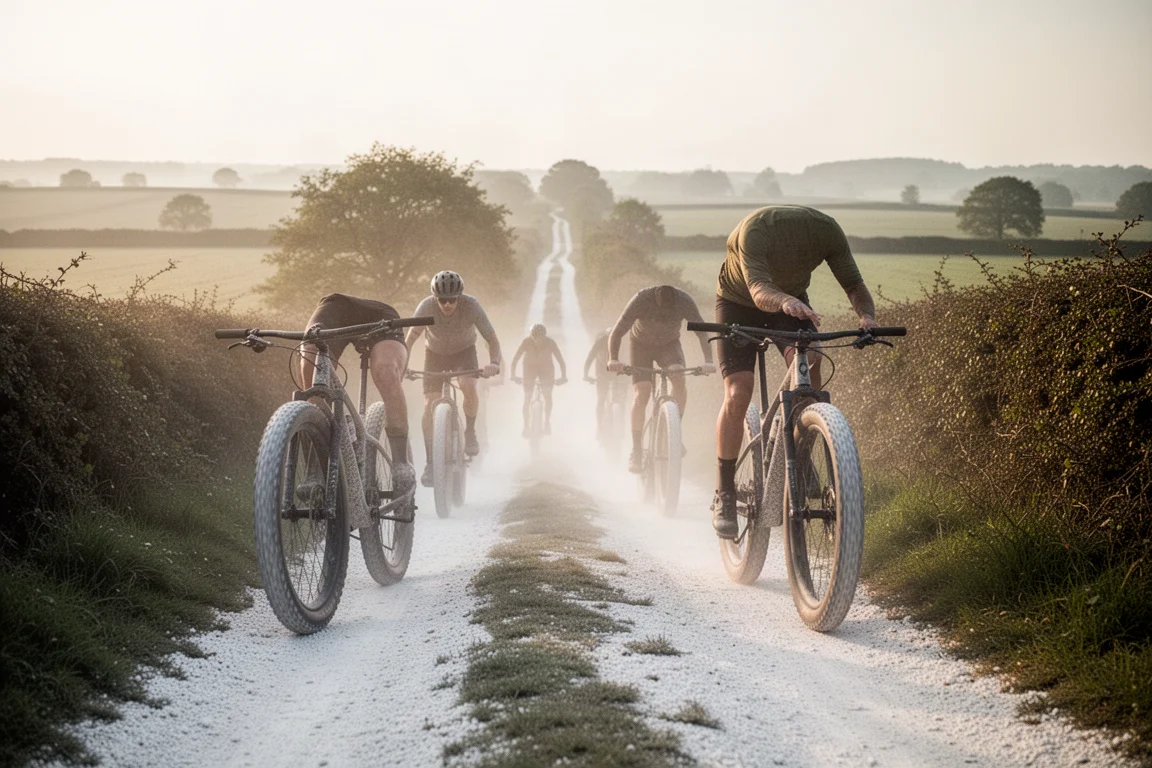
Class-leading 58mm tyre clearance means the bike ships with 55mm tyres and still leaves room to spare. The down tube storage has been moved away from underneath the bottle cages, a change made after loaded 750ml bottles rattled against the cover during long gravel races. There are also mudguard mounts, which is unusual on a full-on aero race bike and makes year-round riding a realistic proposition.
Builds pair the frame with a Force Explore groupset and a wide carbon gravel wheelset using carbon spokes, ceramic bearings and a claimed weight just over 1,300g. The package is versatile enough that the bike has been run with 50mm slicks as a one-by road machine, which is a strong argument for riders who would rather own one bike and two wheelsets than a whole garage of them.
Shimano Dura-Ace Di2 R9300: An Underwhelming First Look
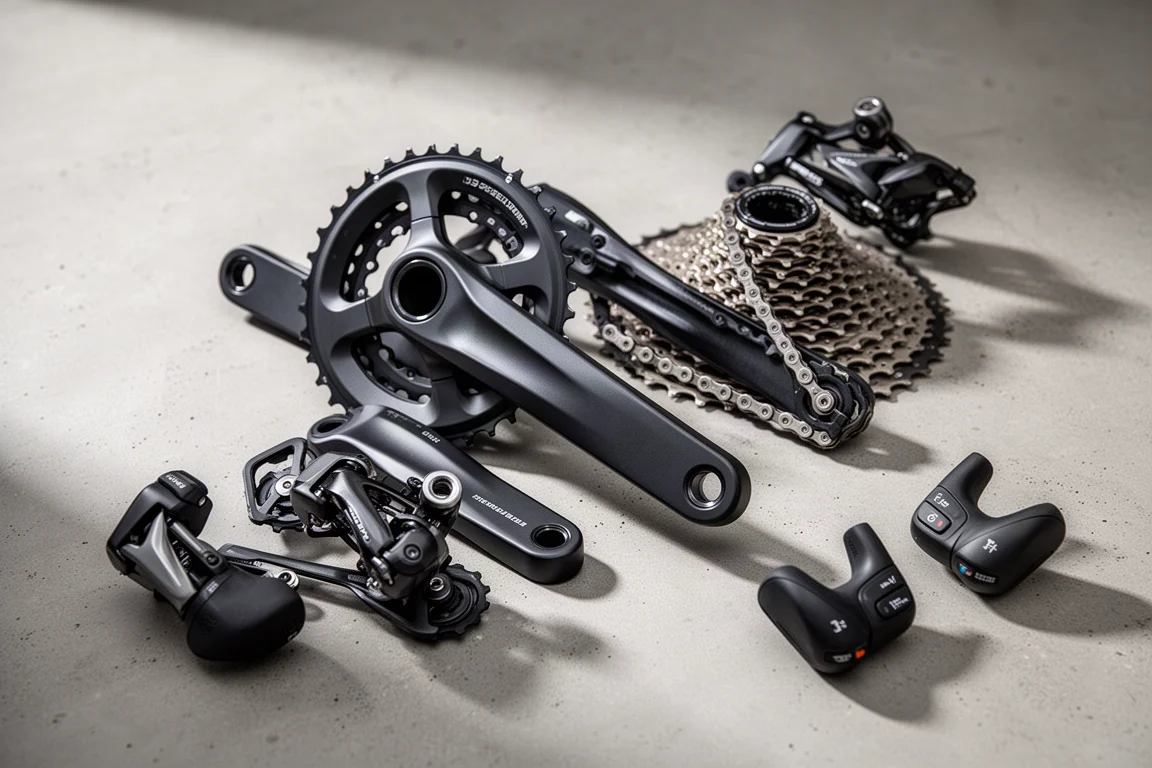
The new Dura-Ace Di2 R9300 has been spotted on race bikes, and the details confirmed so far amount to a 13-speed cassette, a semi-wireless layout, a new direct-mount crank design that hints at an updated power meter, and repositioned auxiliary buttons on the shifters. That is a thin list, and nothing in it suggests a generational leap.
The current Dura-Ace Di2 R9200 already shifts beautifully, brakes strongly and stays light, and those are precisely the qualities the new group appears to carry over. That raises an obvious question: if the only meaningful addition is a 13th sprocket, why could existing derailleurs and shifters not have been updated to support it? Modern electronic drivetrains handle extra sprockets through electronics rather than mechanical ratchets, and other brands have already shown that a wide cassette does not have to mean a completely new system.
The finish is another sticking point. The group is all black and, at a glance, reads closer to a mid-range groupset than a flagship one. Shimano has stuck with aluminium crank arms rather than carbon, which is defensible on its own terms, but coating them black to imitate carbon hides one of the few genuine points of difference instead of celebrating it.
The semi-wireless design remains the most divisive element. A wire still exits the frame through a hole in the chainstay, which looks untidy on frames that were never designed for full internal routing, and the small rubber grommet can loosen over time and start popping out. Shimano already offers fully wireless derailleurs for mountain and gravel bikes, and patents point to a fully wireless 2x13 road group in development, which makes this launch feel like an interim step rather than a destination.
There is one genuine improvement to note: the auxiliary buttons have moved back to the position first used on GRX Di2, putting them somewhere more natural rather than under the rubber on top of the hood, where they always felt vague. Expect a four-figure price tag.
Best Value Pick: Trek Checkpoint ALR Gen 3
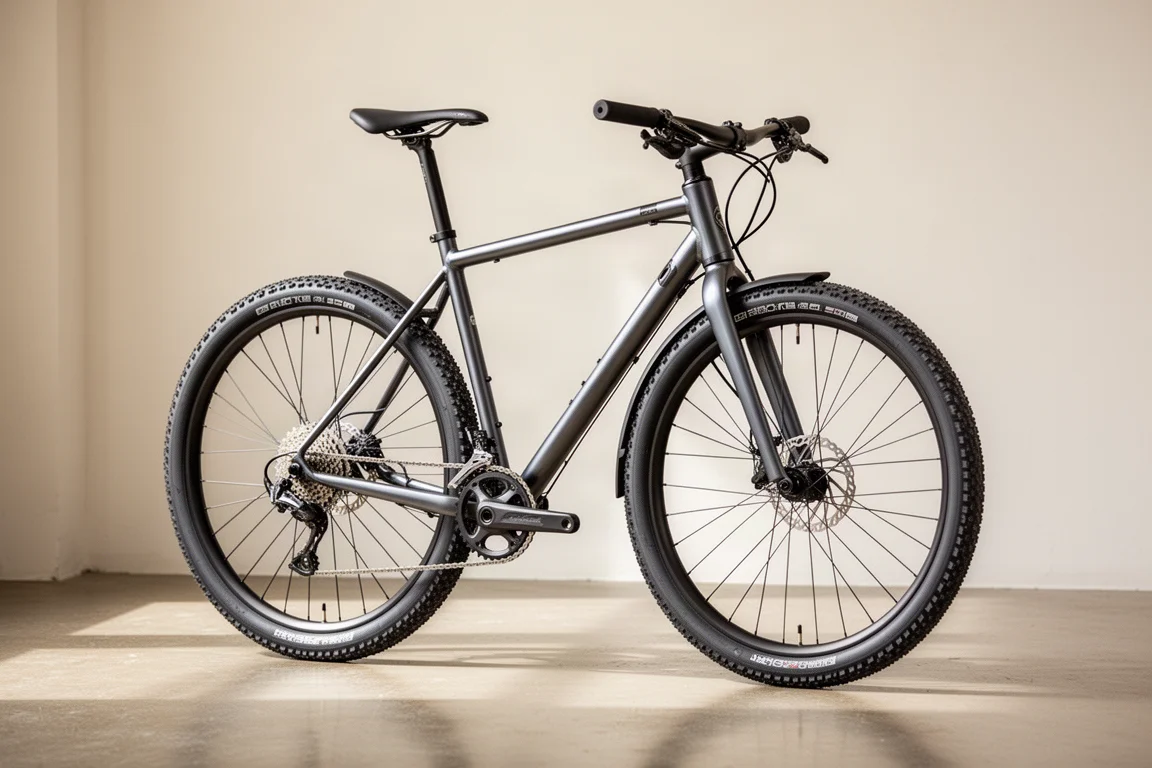
For riders who want a modern gravel bike without spending four figures, the Trek Checkpoint ALR Gen 3 is the standout. It is an aluminium gravel bike that lands under two grand while still offering current geometry and generous tyre clearance.
That combination is rarer than it should be. Aluminium gravel bikes often trail their carbon counterparts on geometry and clearance, but the Checkpoint ALR Gen 3 reads like a properly up-to-date machine rather than a budget compromise. It also sits alongside the year’s other strong value offerings from brands that have started pricing their ranges more realistically.
Specialized Tarmac SL9: A Cheaper Route to the Race Frame
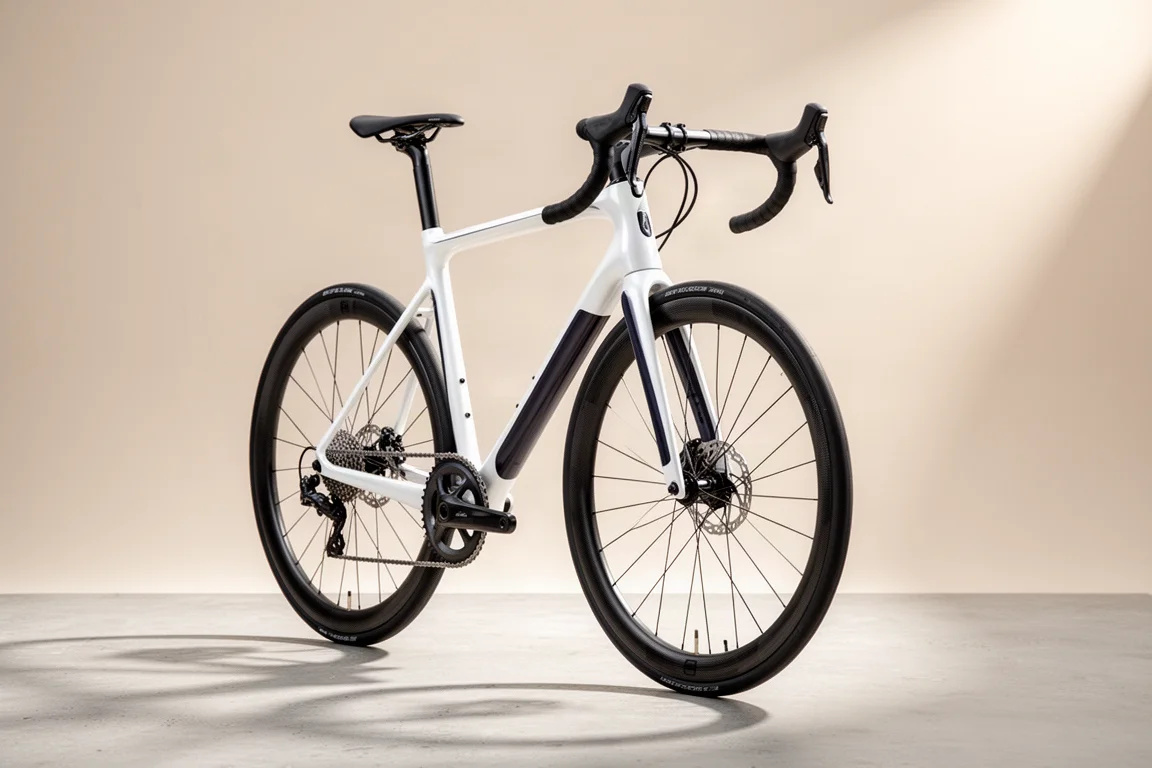
Specialized has added a more affordable tier to the Tarmac SL9 range, filling the space once occupied by the Pro model. The frame uses a 10R carbon layup instead of the 12R blend found on the S-Works, while the rest of the package is largely the same, and Specialized offers it with top-tier Red and Dura-Ace Di2 builds.
In the UK the top-spec S-Level model costs £8,799 against £12,000 for the S-Works. Some of that gap comes from specification, since the S-Level uses Roval Rapide CL wheels without carbon spokes. Specialized positions the platform as the second fastest in its line-up behind the S-Works, so the trade-off comes down to roughly half a kilo of frame weight in exchange for a substantially lower price.
For most riders the second-tier frame is the smarter purchase, because a top-tier layup rarely returns proportionate value. Choosing the slightly heavier frame and putting the savings into wheels or a riding trip is usually the better call.
Garmin Fenix 9: Premium Tracking at a Premium Price
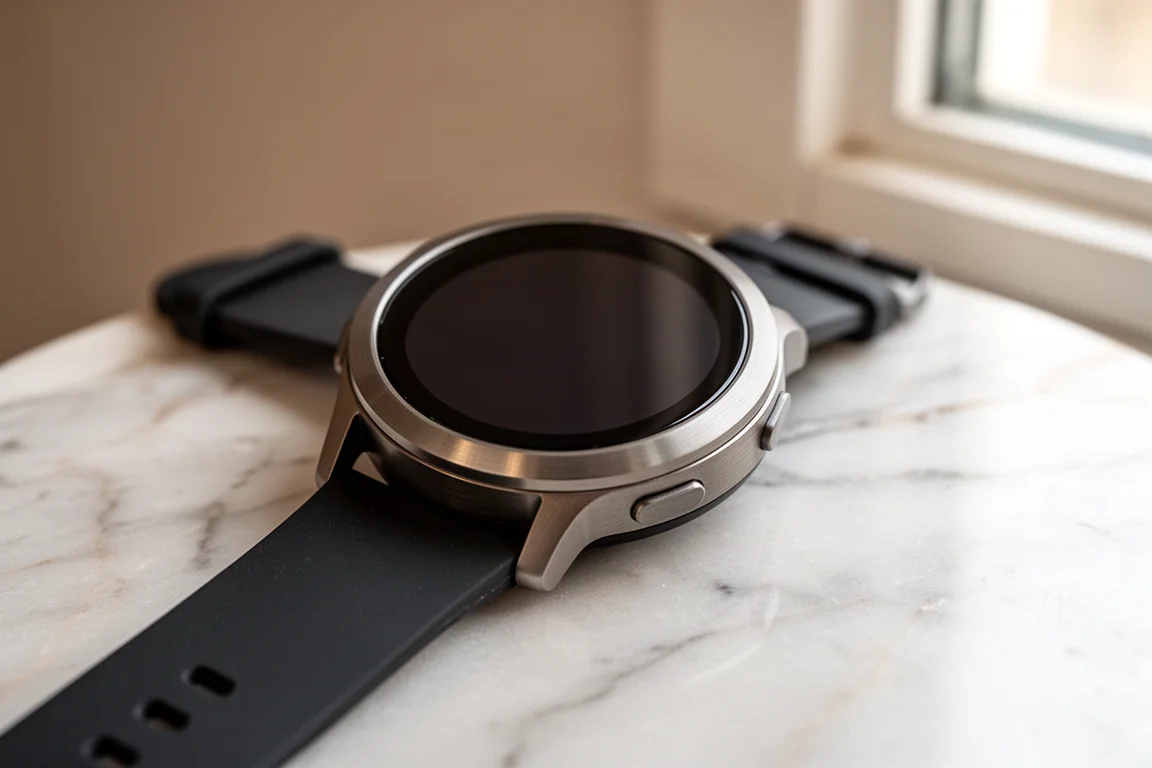
Garmin’s new flagship smartwatch brings a brighter screen, faster operation and more features, wrapped in a titanium case. Prices start at around $859.99, and solar variants cost more again.

That sits well above most dedicated bike computers, which raises a fair question for cyclists who already run a head unit. A watch adds wrist-based tracking and everyday wearability, but it is also a consumable device rather than something that holds value the way a mechanical watch does. The titanium case explains part of the cost, and Garmin has clearly been steering this line toward the premium smartwatch space rather than the purely functional sports watch.
Insta360 X6: Rethinking Action Cameras
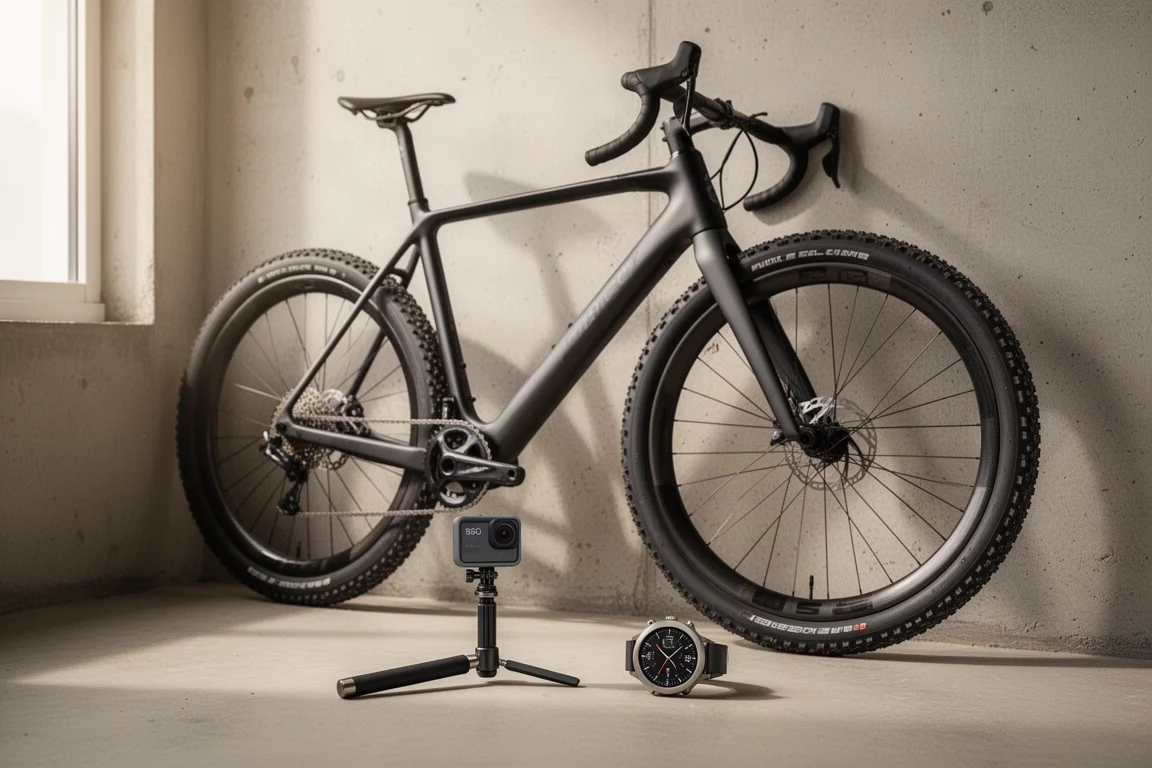
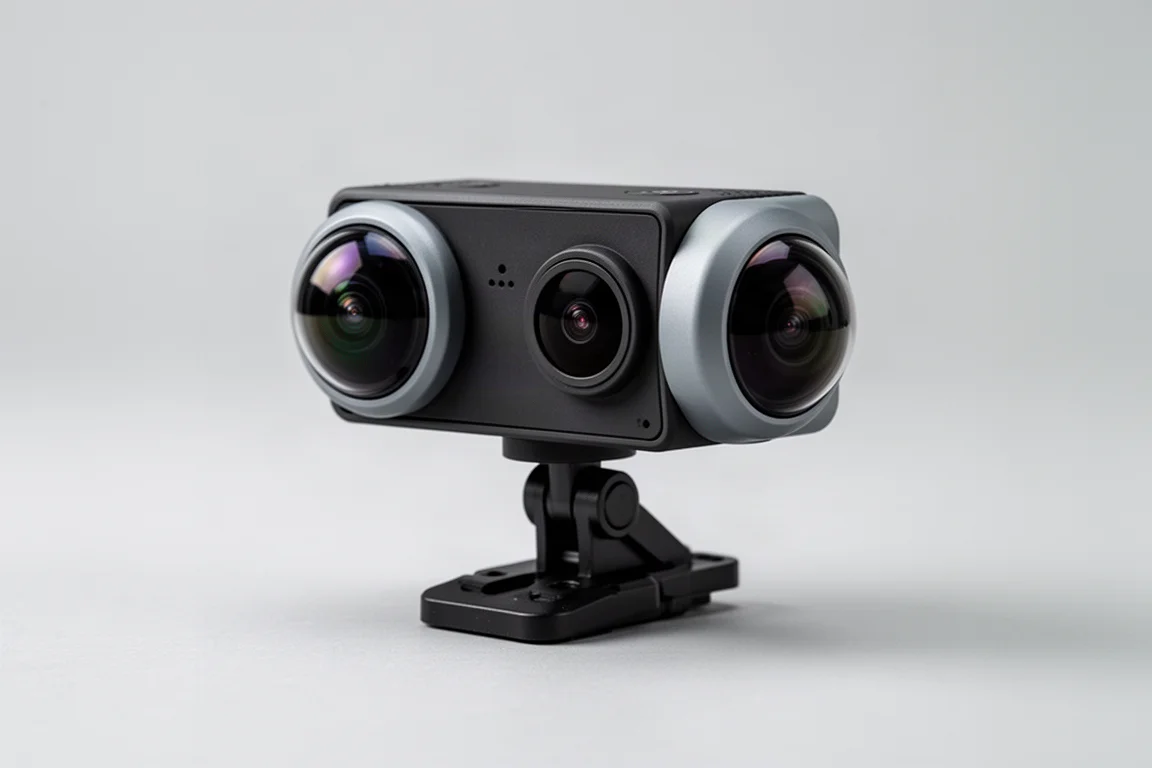
The Insta360 X6 is a 360 action camera that behaves like three devices in one. It works as a standard single-lens action camera for chest mounting, it shoots full 360 footage on and off the bike, and it pairs with a powered selfie stick that includes a joystick, letting the camera stabilise and track like a gimbal for smooth following shots.
The biggest advantage of 360 capture is that framing decisions happen after the ride rather than during it. A traditional chest-mounted camera drifts as you move between the drops or over rough ground, so the opening seconds look good and the rest often does not. Footage from a 360 camera can be reframed later, which removes that problem entirely.
The X6 records at 8K, handles low light well, processes quickly, and when it is plugged in to recharge overnight it produces an edit of the previous day’s footage automatically, without being asked.
Buying Advice
Start with the riding you actually do. A fast gravel race bike like the Kanzo Fast 2.0 makes sense if you want one machine that covers aero road riding and technical gravel, while a sub-two-grand aluminium build such as the Checkpoint ALR Gen 3 covers much of the same terrain for far less money.
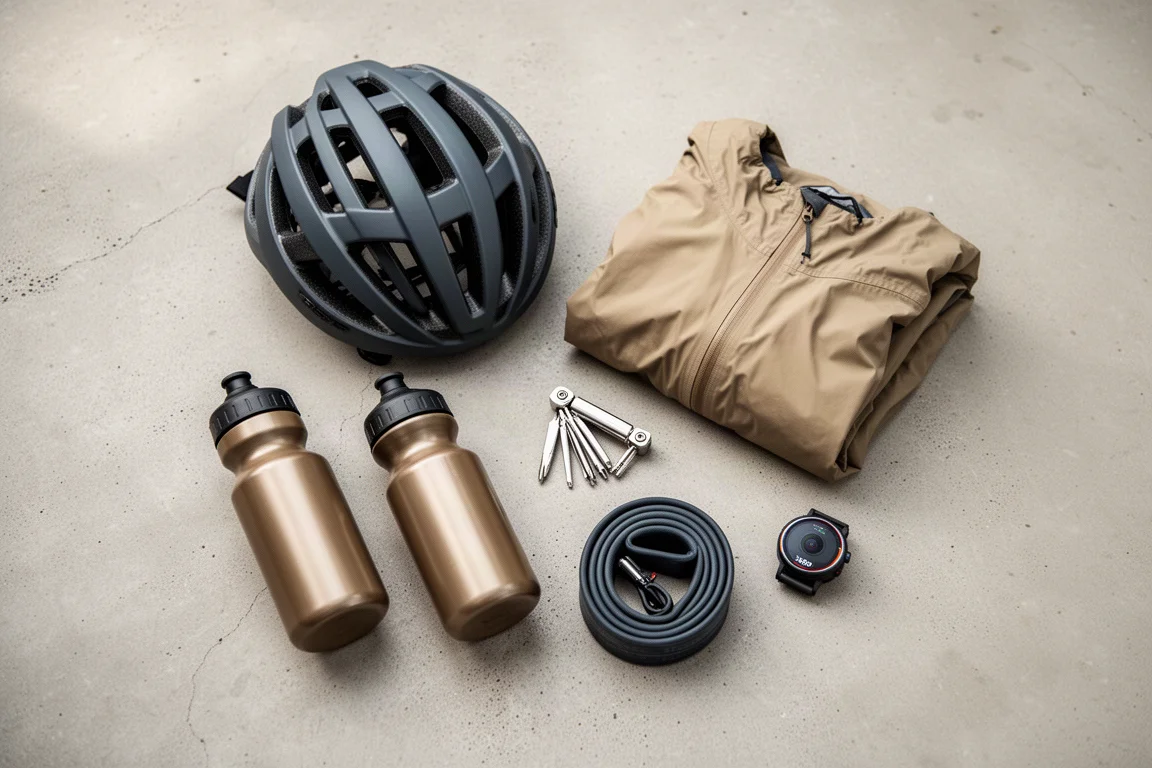
On road frames, the second-tier carbon option is usually the better buy: the Tarmac SL9 S-Level gives up a little weight, not the ride. On components, decide whether you are paying for performance or for the flagship look, because electronic groupsets across the tiers now shift and brake to a very similar standard. Riders who mainly want footage of their rides will get more out of a 360 camera than a fixed-angle action cam, and cyclists who already use a bike computer should weigh carefully whether a premium sports watch adds enough to justify the outlay.
It is also worth noting how strong the wider market looks this year. Machines such as the Giant Revolt Advanced SL 0, the Argon 18 Antimatter, the Canyon Endurace CFR SLX and the new Giant Propel show how competitive the endurance and race categories have become.
Conclusion
The year’s standout drop bar bike, the Ridley Kanzo Fast 2.0, wins because it solves a real problem rather than chasing a number. The Trek Checkpoint ALR Gen 3 makes the same category accessible on a sensible budget, and the Specialized Tarmac SL9 S-Level gives road riders a way into a race frame without paying flagship money.
On the component side, the Shimano Dura-Ace Di2 R9300 is worth watching rather than rushing toward, at least until more detail emerges. For riders who want to record what they ride, the Insta360 X6 is the more compelling proposition, while the Garmin Fenix 9 remains a strong choice for anyone who wants premium tracking on the wrist as well as the bars.
Further reading
Related Reviews
Cycling
Best All-Road Bikes 2026: Six Versatile Endurance Road Bikes Worth Considering
A practical look at six all-road and endurance road bikes, from lightweight carbon speed machines to steel all-rounders and comfort-focused mile eaters.
Cycling
Best All-Road Bikes 2026: 8 Endurance Bikes for Road and Light Gravel
Eight all-road bikes that blur the line between endurance road and light gravel, compared on tire clearance, ride character, practicality, and value.
Cycling
Best Aluminum Endurance Road Bikes: Cannondale Synapse AL and Its Closest Rivals
How the aluminum Cannondale Synapse AL compares with the Trek Domane AL, Canyon Endurace AL and Giant Contend AR, plus a cheaper route to integrated radar.