Astronomy
Father's Day Astronomy Gift Guide: Telescopes, Upgrades, and Books Worth Giving
From a backpackable smart scope to budget refractors, eyepiece upgrades, and astronomy books, these picks make stargazing gifts simple.
Introduction
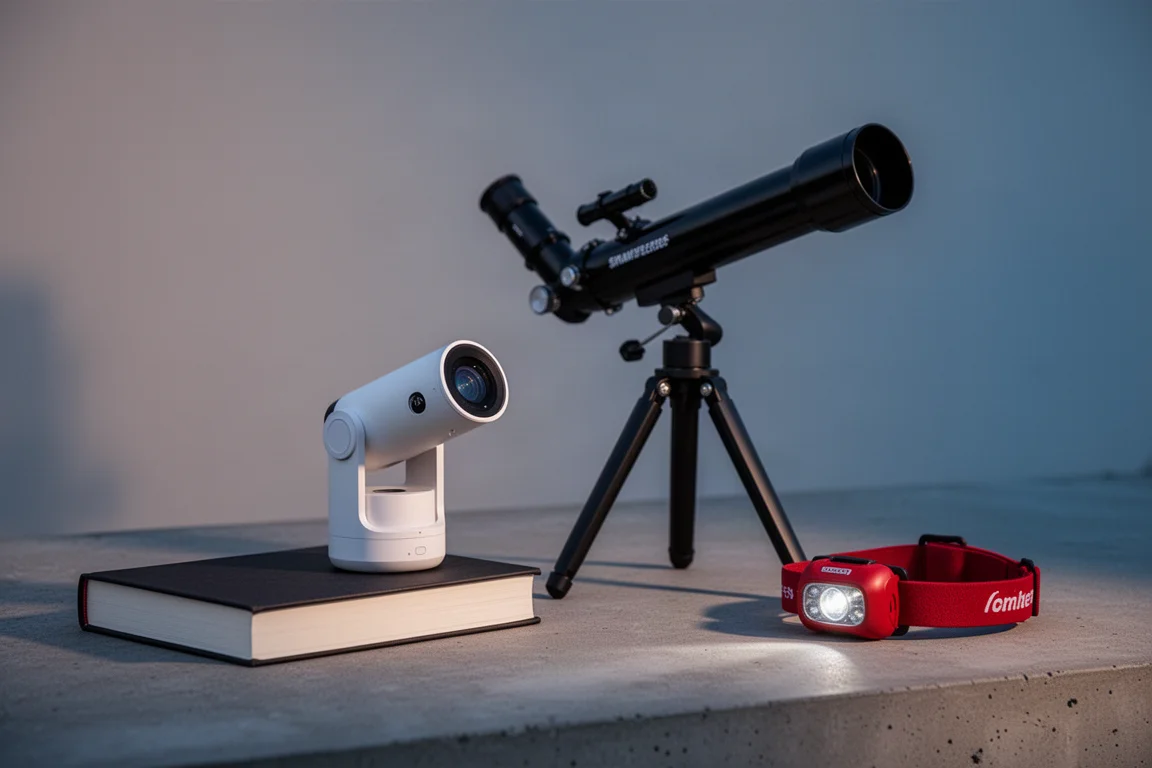
Every year brings a fresh round of astronomy gear worth gifting, and this guide pulls together the stands-outs for dads who love the night sky. It covers three kinds of gifts: telescopes for beginners, upgrades for someone who already owns a scope, and books to enjoy after the clouds roll in. The focus is on value, ease of use, and gear that actually gets used rather than gathering dust in a closet.
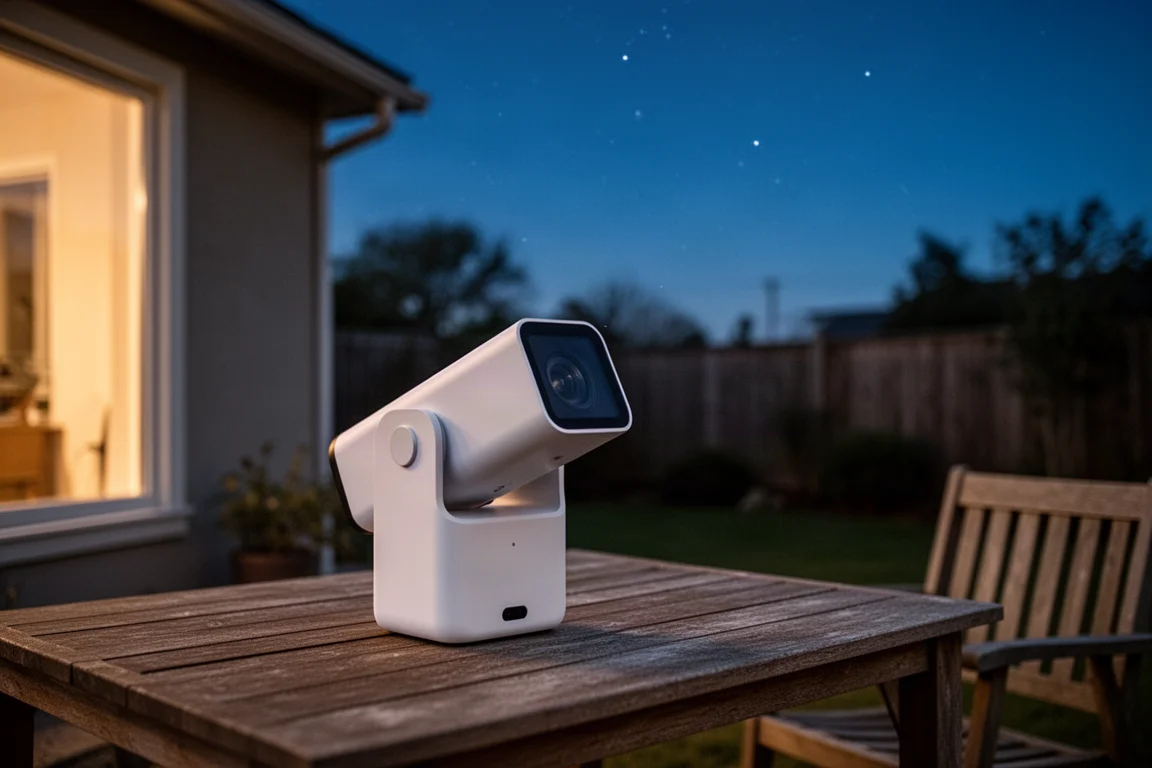
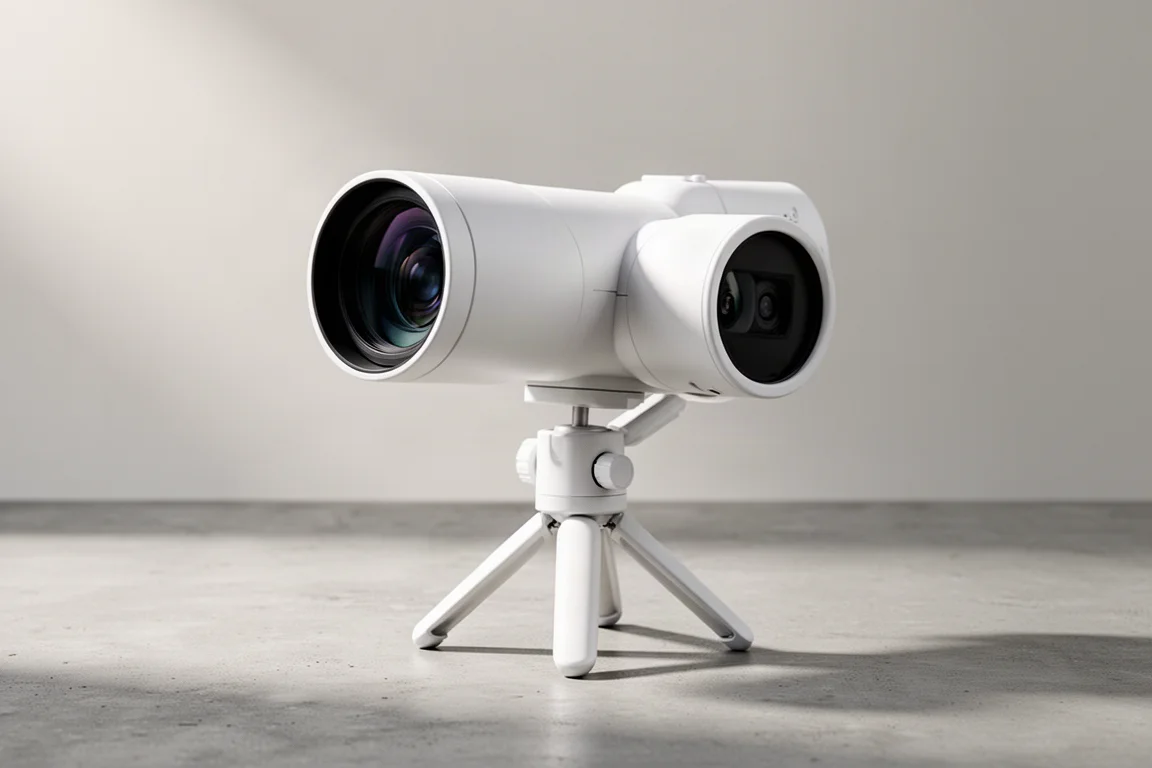
A Smart Scope That Travels: Seestar S30
The Seestar S30 is not a telescope in the traditional sense. It is really a camera that tracks the sky, and that makes it one of the easiest ways to get impressive deep-sky images without any prior experience. It is genuinely portable, small enough to fit in the bottom of a backpack, and it travels well: the compact case has passed through airport security dozens of times without issue. For a dad who wants astrophotography results without the setup ritual of a traditional rig, this is a fun, low-friction pick.
Budget Refractors: The 102mm Sweet Spot
For shoppers on a tight budget, the 102mm refractor is the lowest aperture worth recommending. It is an extremely popular size made by nearly every telescope manufacturer, and the model name always includes 102, which makes it easy to spot while shopping. Smaller budget scopes tend to come with a string of compromises that make them frustrating as a first telescope.
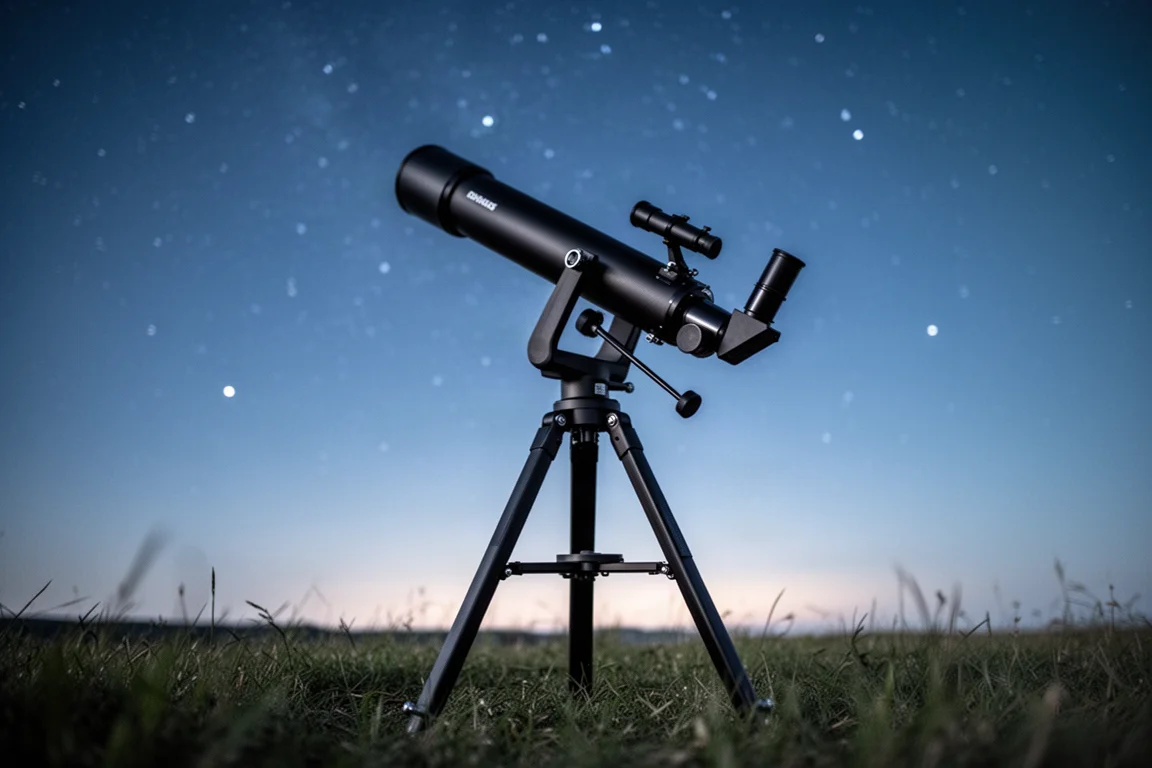
The Celestron Omni 102 is a strong example, often found for under $200 at big-box retailers. Similar options include the Nat Geo 102, also around the $200 mark, and the Celestron AstroMaster 102 and Inspire 102, which occasionally appear at similar prices. One caveat: the AstroMaster and Inspire models sit on panhandle mounts, which can feel a bit jerky when trying to center a target.
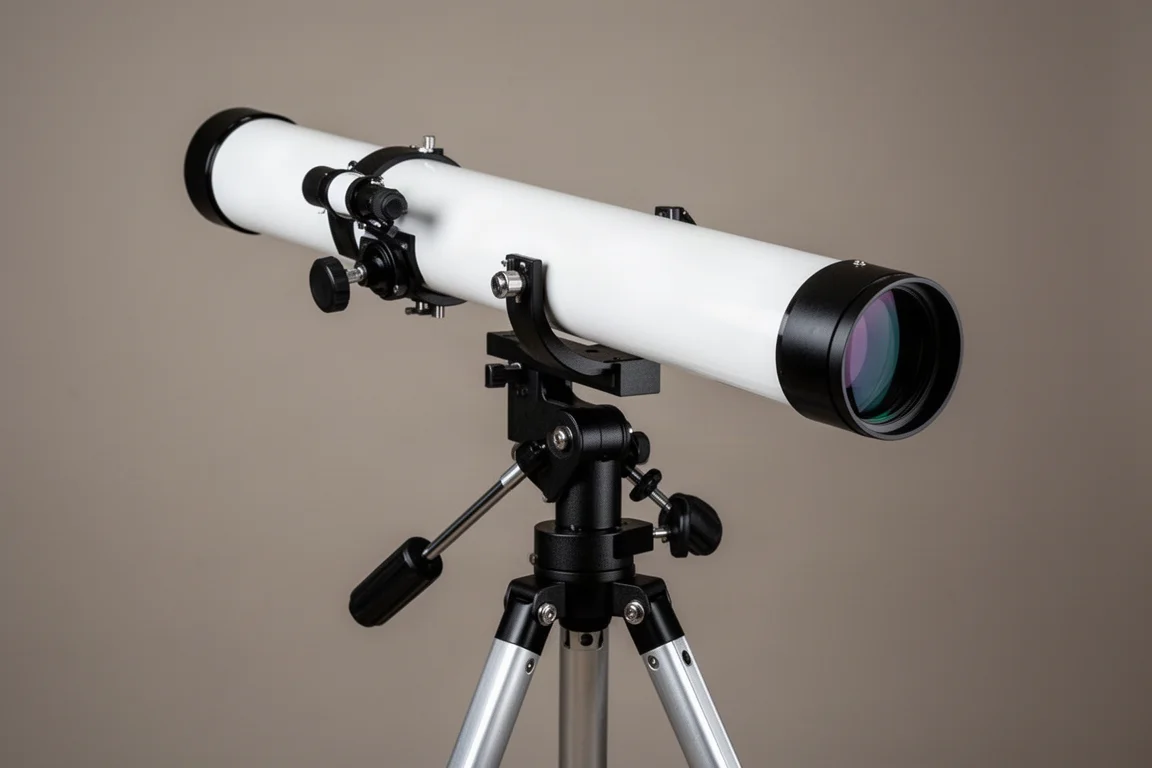
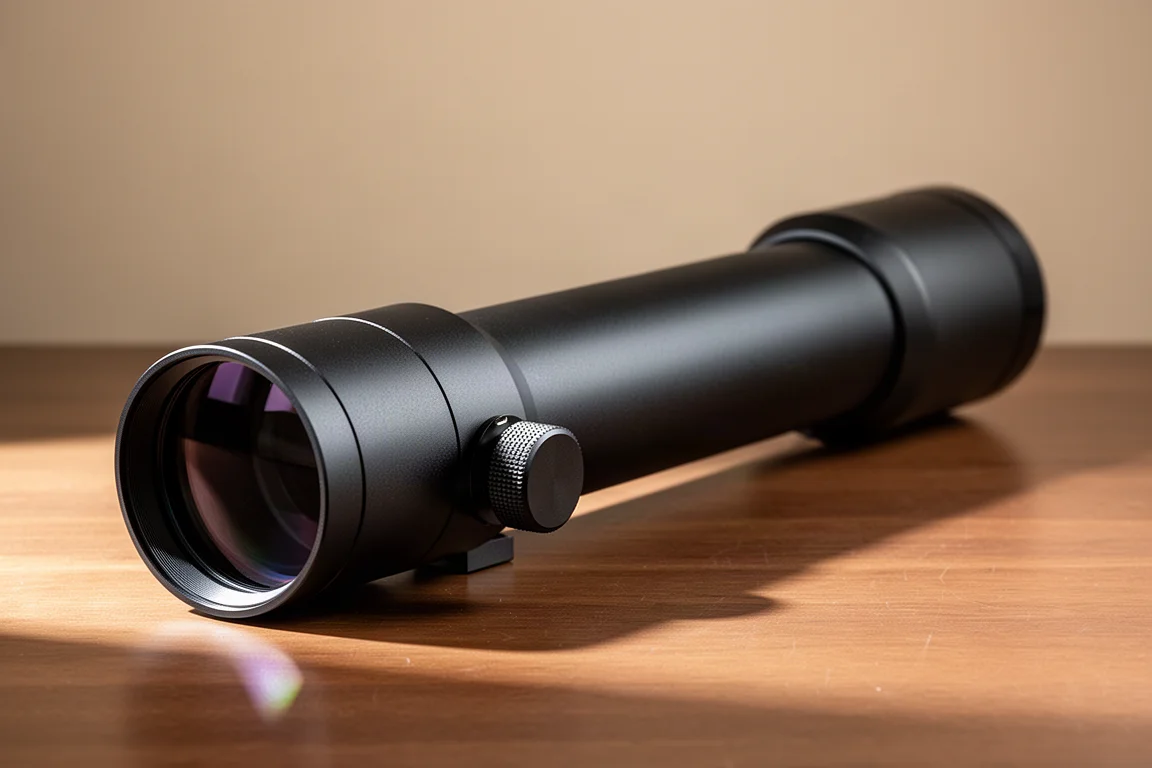
For a step up in quality within the same aperture class, the SVBONY SV48P runs around $300 and, once its early lens issue was addressed, it stands out as a favorite grab-and-go refractor. It hits a genuine sweet spot between price and optical quality for anyone who wants more than an entry-level package.
Mounts: The Part Everyone Forgets
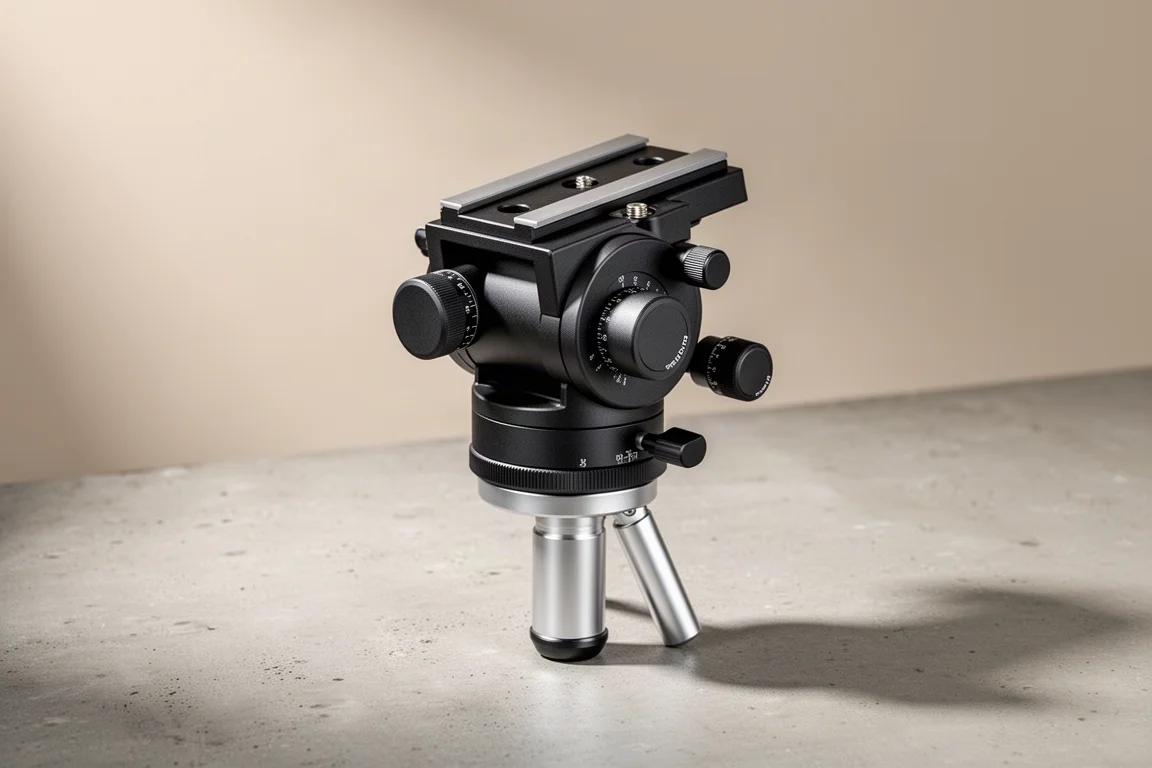
Some of the telescopes above do not include a mount, and for stargazing an alt-azimuth mount is the way to go. On a budget, a basic $99 Twilight-style mount does the job. Celestron offers a version with slow motion controls for about $129, though it can feel bulky and awkward in practice.
As of 2025, new options have arrived. The SVBONY SV225 is a mount head that sits on top of a tripod and appears to be cheapest directly from the SVBONY website. Generic alt-azimuth mount heads on Amazon will also do the trick. Sky-Watcher sells essentially the same mount as the A5, but at $500 the pricing feels excessive compared with the alternatives.
Smart Guidance: StarSense Explorer DX5 and DX8
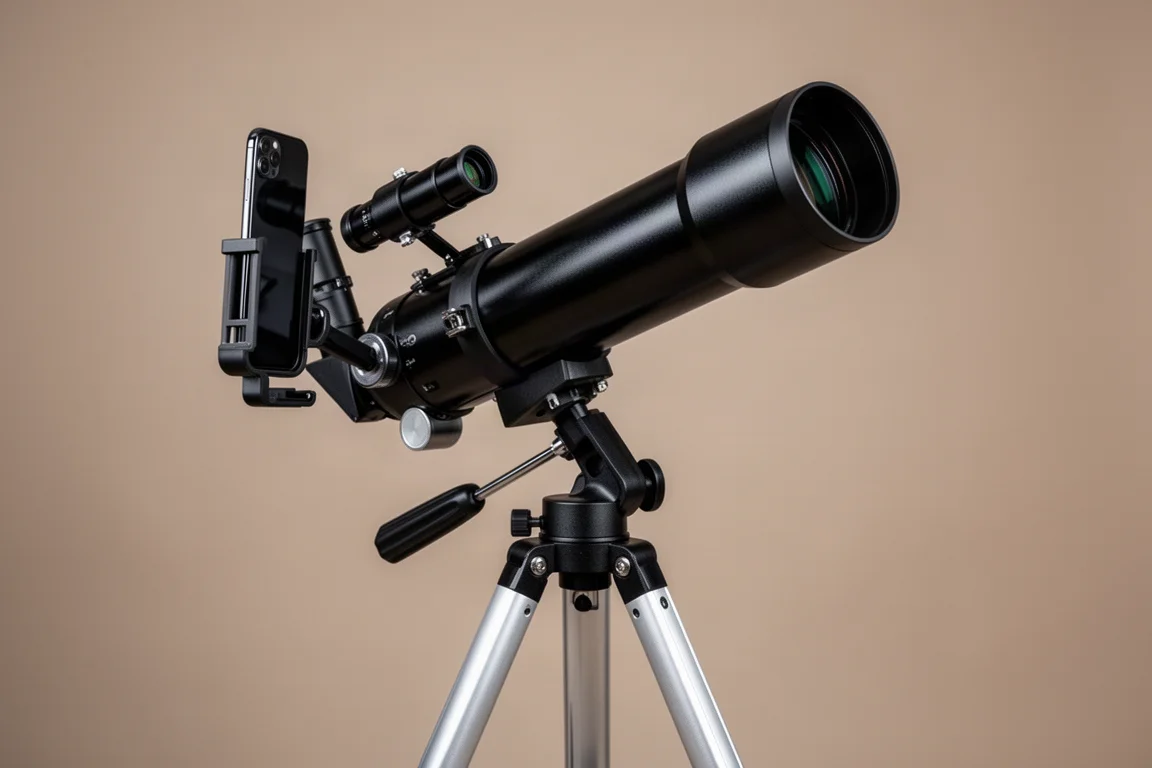
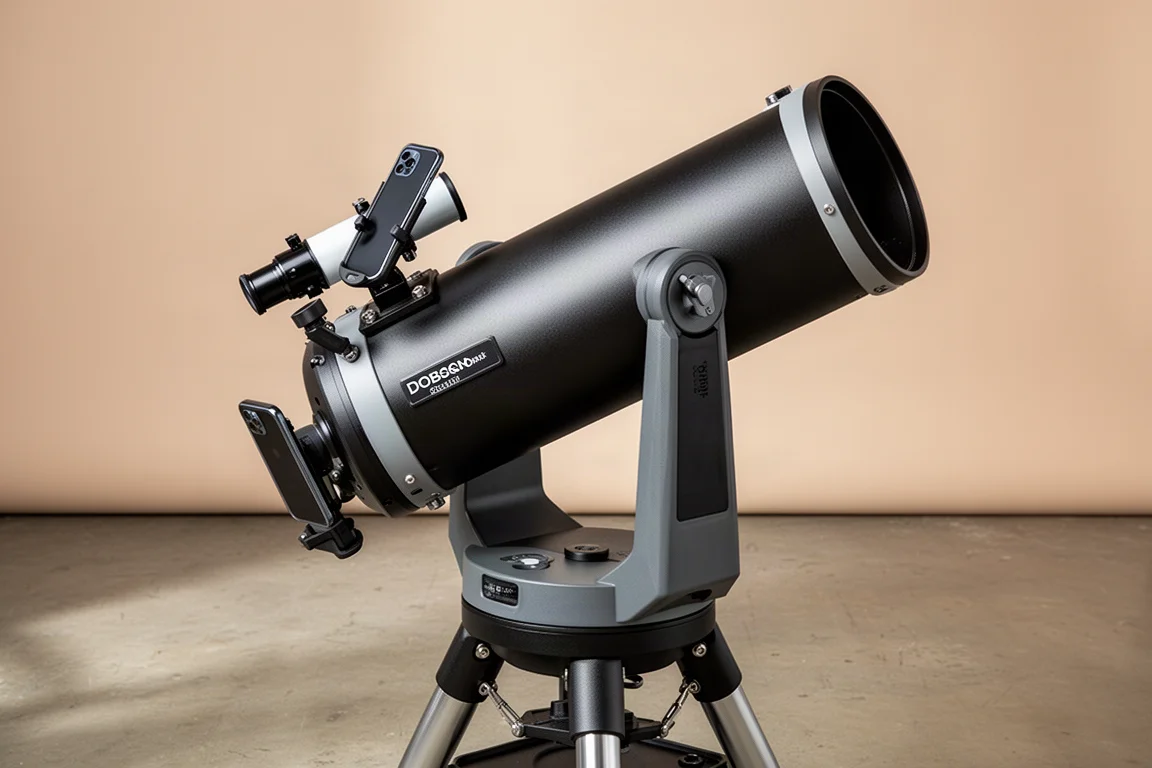
The StarSense Explorer DX series takes the stress out of finding targets, with the app-guided system pointing the way to each object. These scopes are simply a lot of fun to use, which matters more than any spec sheet when the goal is keeping someone engaged with the hobby.
The DX5 is the portability pick: it fits in a backpack while the tripod is carried separately, making it realistic to haul up a hill or across a park. The DX8 Dobsonian version is not built for travel, but it is incredibly capable and would make short work of every target in a guidebook like 110 Things to See with a Telescope.
Eyepiece Upgrades That Change the View
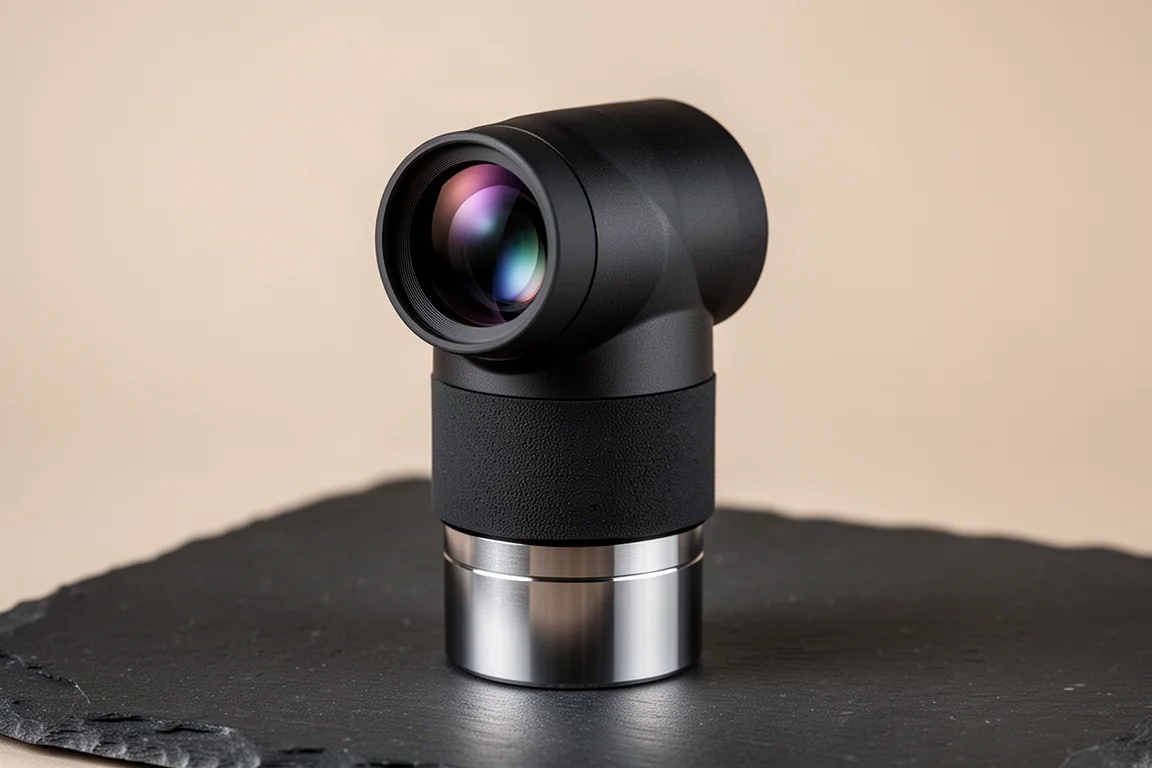
The first meaningful upgrade after getting comfortable with a telescope is usually the eyepiece. The Baader Hyperion line is a massive step up from the eyepieces that typically ship with a scope. The simplest rule of thumb is to match the focal length of the eyepiece that came with the telescope. For shorter focal length scopes like the 102mm refractors, the 5mm Baader Hyperion delivered great views of the rings of Saturn and the cloud belts of Jupiter with minimal chromatic aberration.
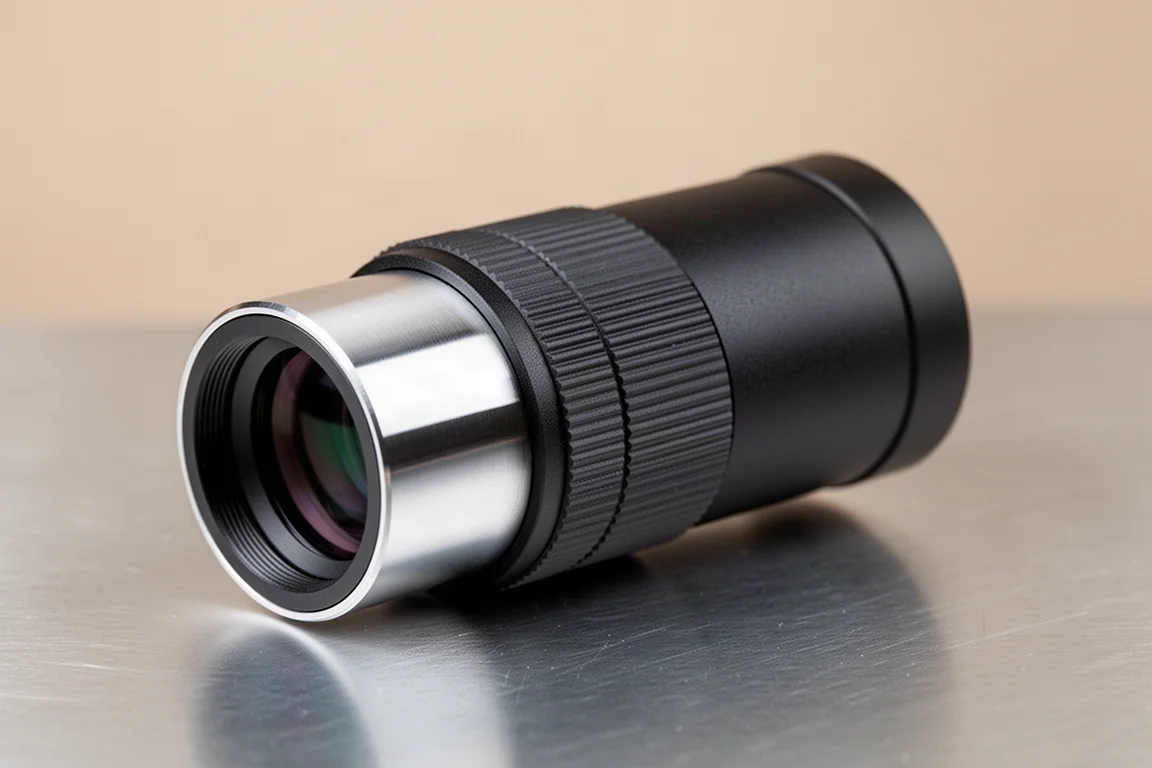
Zoom eyepieces are another route, covering a range of focal lengths in a single unit. The SVBONY SV230 premium zoom eyepiece tested wonderfully, and the SV245 from the same lineup has also been earning positive word of mouth.
Small Accessories With Big Payoffs
A few inexpensive accessories can transform a night out. Upgrading the finder is one: a red dot beats a finder telescope, and a bullseye-style finder makes working through a guidebook even easier. Before 2025 the choices were bulky Telrads or fragile quick finders, but new bullseye finders around $40 now fit straight into a telescope’s existing finder base.
Dew heaters are the second hidden gem. USB dew heaters can be found for under $20, and it helps to own two: one for the main lens and one for the finder. The eyepiece tends to stay dew free simply because it is in use. In humid regions, especially along the east coast of the Americas where humidity attacks optics aggressively, dew heaters can vastly extend a session. They pair well with small $20 portable power packs.
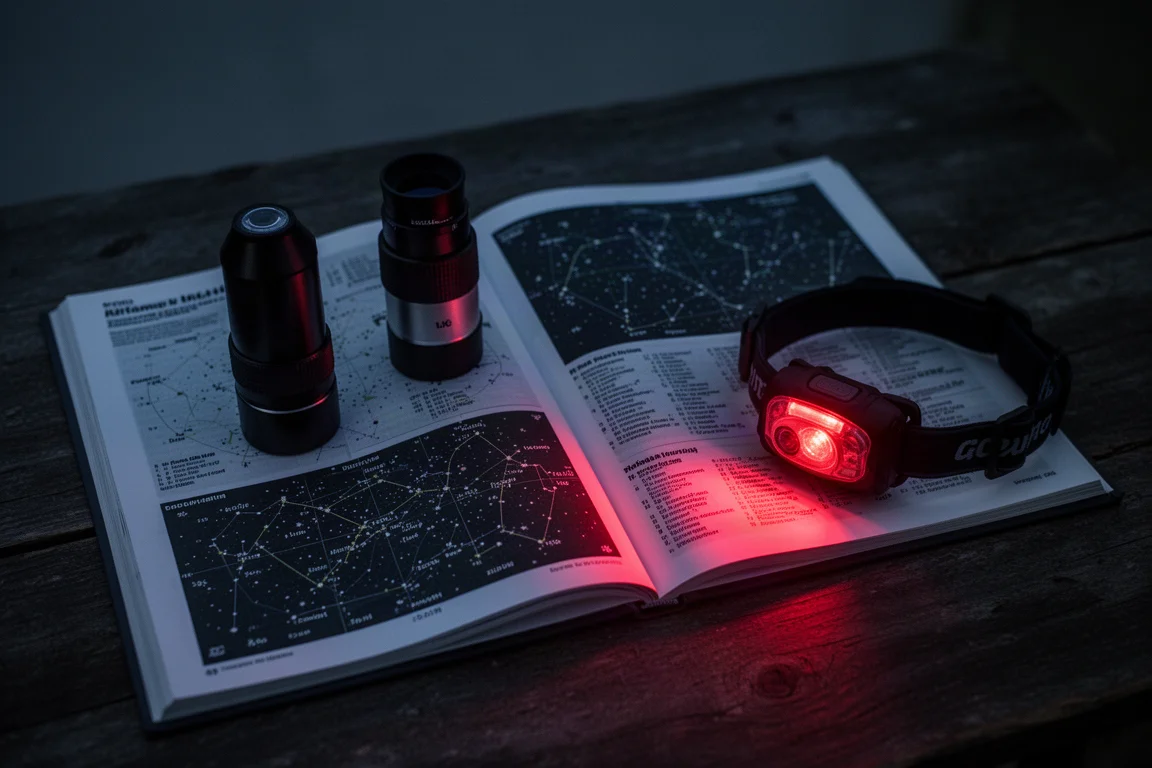
A red headlamp rounds out the kit. Red light preserves night vision while reading a guidebook or star chart, and that matters: consulting a phone app while hunting for galaxies or nebulae floods the eyes with light that makes those faint objects nearly impossible to detect. A guidebook and a red flashlight are the right tools for the job.
Books for the Stargazing Dad
Guidebooks belong in every observer’s kit. Titles like 50 Things to See with a Small Telescope, the newer 110 Things to See with a Telescope, and 50 Things to See with a Telescope for Kids give any new scope an instant target list and a reason to go outside.
For pleasure reading, The Three-Body Problem is arguably the best science fiction series in recent memory, even if the first book starts a bit slow: by the end of book two it becomes clear this is some of the best science fiction of a generation. And Seveneves by Neal Stevenson opens with one of the great first lines, “The moon blew up with no warning and for no apparent reason,” then delivers nearly 900 pages of adventure spanning thousands of years.


Buying Advice
Match the gift to the dad. If he wants photos of nebulae with zero fuss, the Seestar S30 is the pick. If he wants a classic first telescope on a budget, any 102mm refractor around $200 works, with the SVBONY SV48P as the quality step-up. If finding targets sounds like the stressful part, the StarSense Explorer DX5 or DX8 solves it outright. And for anyone who already owns a scope, an eyepiece, finder, or dew heater upgrade delivers more joy per dollar than a whole new telescope.
Conclusion
Astronomy gifts work best when they lower the barriers between a curious person and the night sky. A portable smart scope, a friendly 102mm refractor, a self-guiding Dobsonian, or even a $20 dew heater can each do exactly that. Pair any of them with a good guidebook, and the Dad in question has everything needed for many clear nights ahead.
Further reading
Related Reviews
Astronomy
Astronomy Gifts for Dads: Binoculars, Telescopes and Accessories Worth Giving
A practical gift guide covering stargazing binoculars from around $50, beginner telescopes under $500, and accessories under $100.
Astronomy
Best Filters for EAA in Light Pollution: What Short-Exposure Testing Actually Showed
Five astronomy filters and two noise reduction tools tested under light polluted skies for electronically assisted astronomy, with practical results for broadband and narrowband targets.
Astronomy
Six Premium Eyepieces That Transform a Beginner Telescope
A hands-on comparison of Tele Vue Panoptic, Tele Vue Nagler, and Baader Hyperion eyepieces, and why upgrading the stock eyepieces is the best first move in stargazing.