Fastpacking Gear
Fastpacking Gear List: Lightweight Essentials for Moving Fast
A practical fastpacking gear list covering packs, shelter, sleep systems, clothing, navigation and camp essentials, with specific products for each role.
Introduction
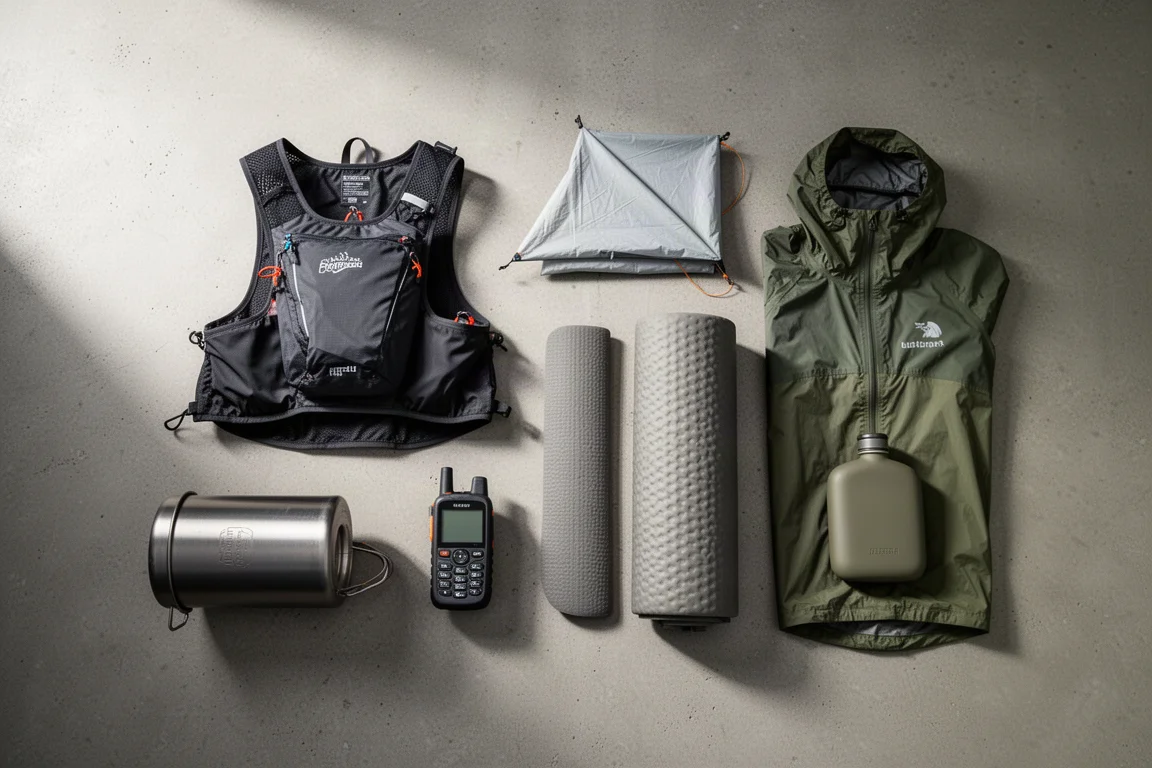
Fastpacking is backpacking with a bias toward speed. It means moving quickly and efficiently through the backcountry, sometimes running, without giving up warmth, comfort or shelter. The gear is what makes that possible: specialised, lightweight items chosen so the load stays small enough to move with rather than against.
This guide covers the categories that matter most on a fastpacking kit list, from packs and shelter through to clothing and camp essentials, with specific products that fit each role. You do not need all of them. The goal is to match each choice to the conditions you actually travel in.
What Matters Most in a Fastpacking Kit
Three priorities shape nearly every decision: keep the load light, keep it compact, and keep it reachable. Lighter gear bounces less and carries closer to the body, which matters most when you are running or moving fast on rough ground. Compact gear leaves room for the few things that genuinely keep you safe.
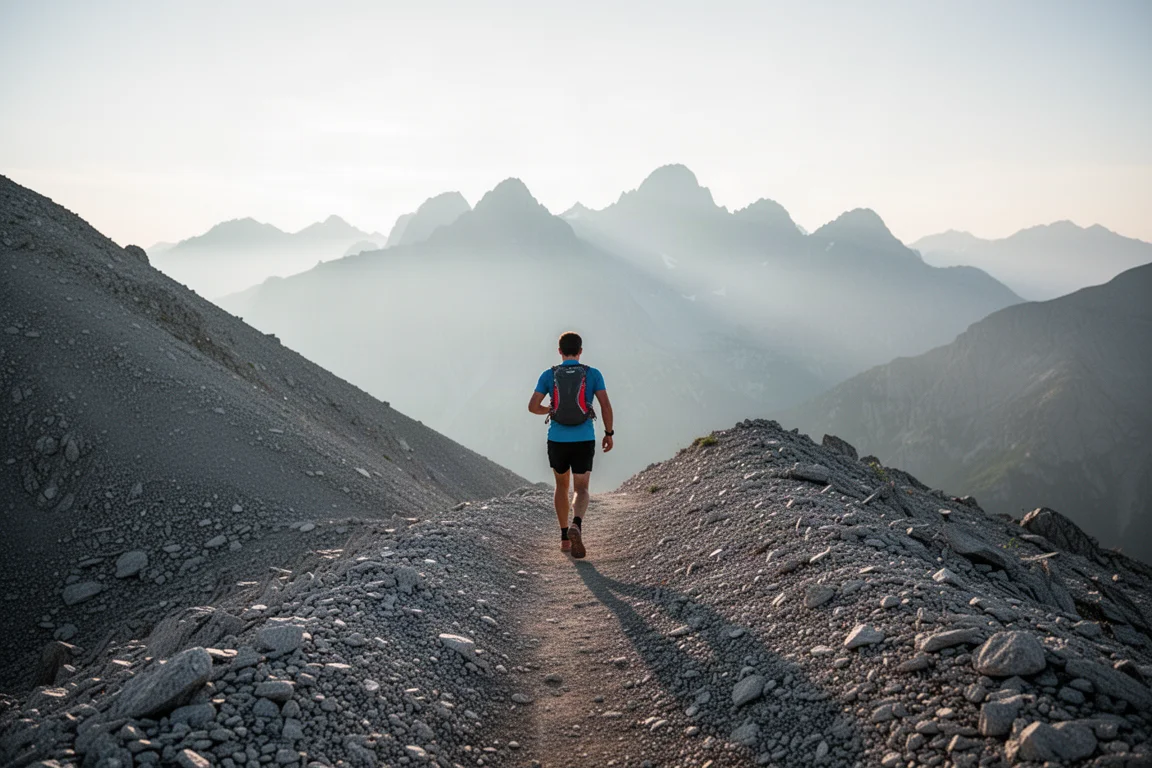
Access is the quiet half of that equation. Pockets you can reach without stopping, bottles you can drink from without taking the pack off, and a place to put a wrapper or a tube of sunscreen all reduce how often you break rhythm. Versatility counts too: an item that works while you move and again at camp does the job of two.
Condition matching is where the real savings are. A tarp is ideal when the forecast is dry and there are no bugs. A shelter with a floor and netting is the right call when there are. Choosing for the trip in front of you keeps both weight and bulk down.
Fastpacking Packs
A fastpacking pack has to carry enough, keep essentials reachable, and stay stable when you run. Capacity is the first consideration: an internal volume of roughly 20 to 30 litres, not counting external pockets, is enough for a safe and comfortable trip without encouraging you to bring too much.
The second is access. Running-style vest shoulder straps put soft flask pockets within reach, so you can bite the nozzle and drink without removing the pack. Extra pockets on the straps and sides hold snacks, sunscreen, lip balm or rubbish. A common setup is one soft flask with an inline filter and one without, so the second can be used for electrolyte powder or a supplement that you shake up and drink on the move.
The third is how the pack carries. Vest harnesses help the pack hug the body, but body shapes differ, so it is worth testing a pack at running pace before committing to it.
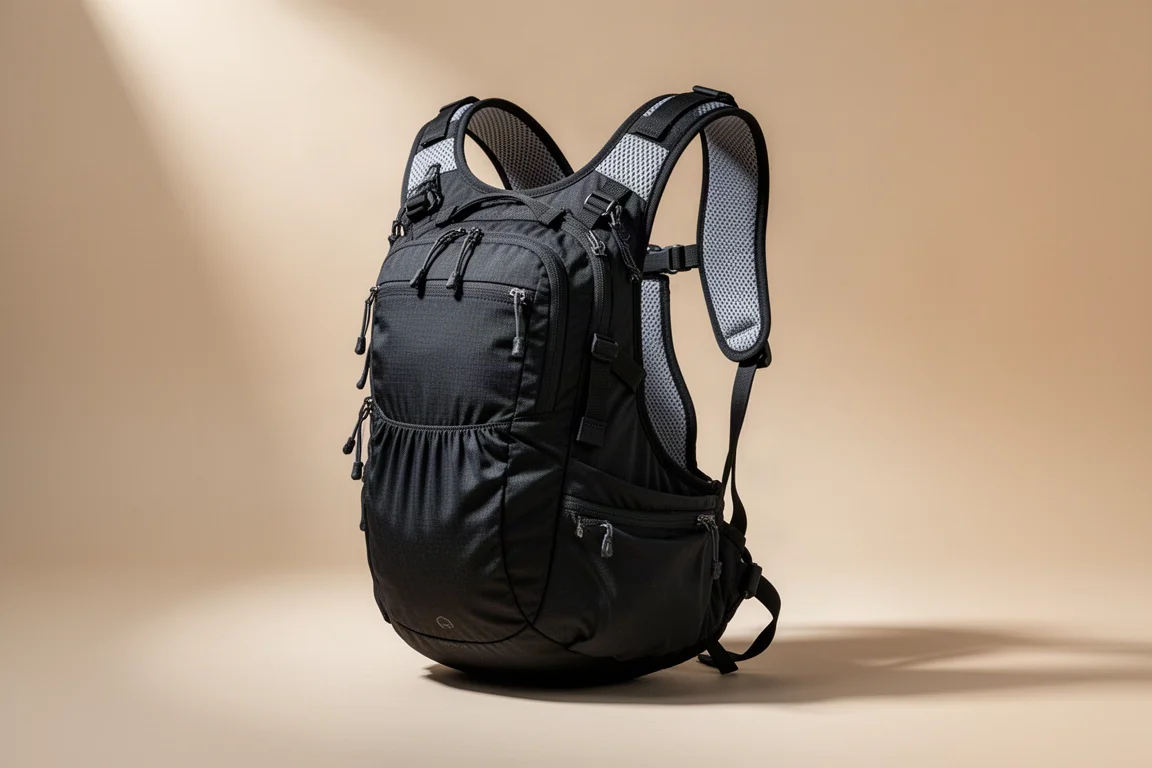
Outdoor Vitals Skyline 30
The Skyline 30 sits in the capacity range that suits most fastpacking trips, with enough internal volume for an overnight kit and running-style shoulder straps for stability. It is one of the two packs that stand out for this style of travel.
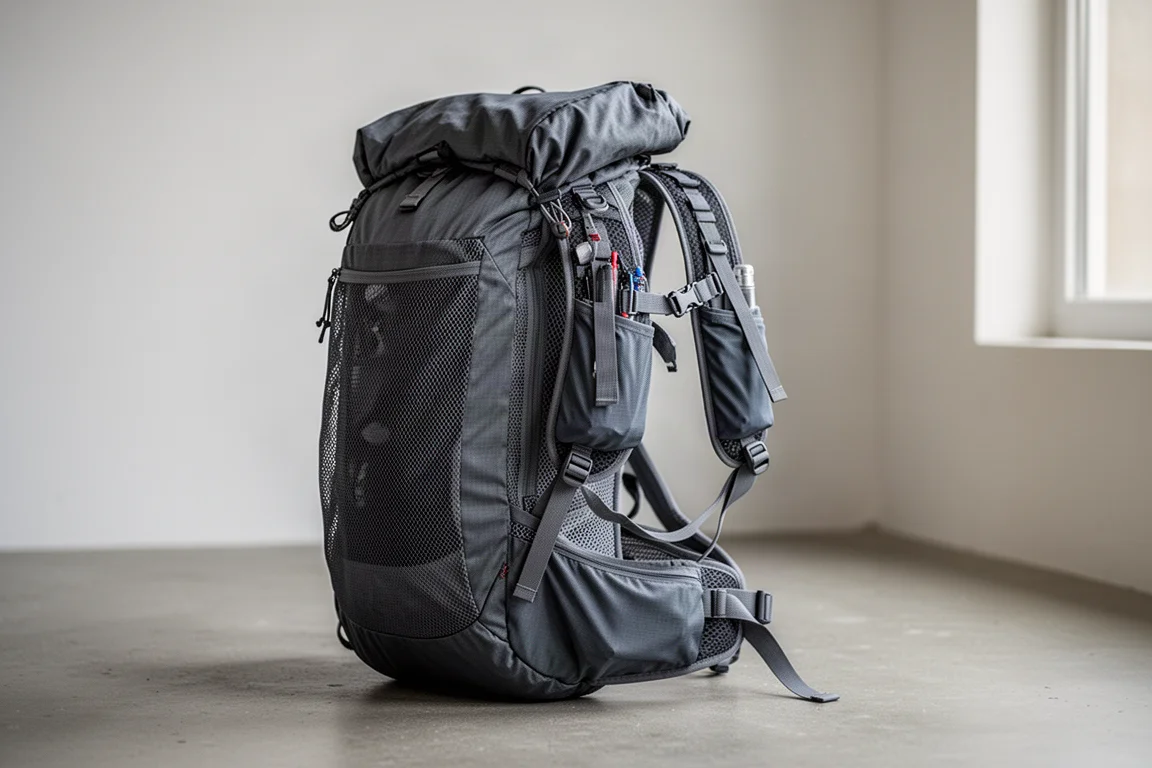
Gossamer Gear Fast Kumo 36
The Fast Kumo 36 offers more internal volume than the typical 20 to 30 litre range, which makes it a reasonable choice if you want extra room for insulation or a longer food carry. As with any fastpacking pack, it is worth checking how it carries and whether it bounces at running pace before you commit.
Shelter: Tarps and Solo Tents
Shelter is usually the largest single source of weight and bulk in a fastpacking kit, which is why the most effective choice is the most minimal one the conditions allow.
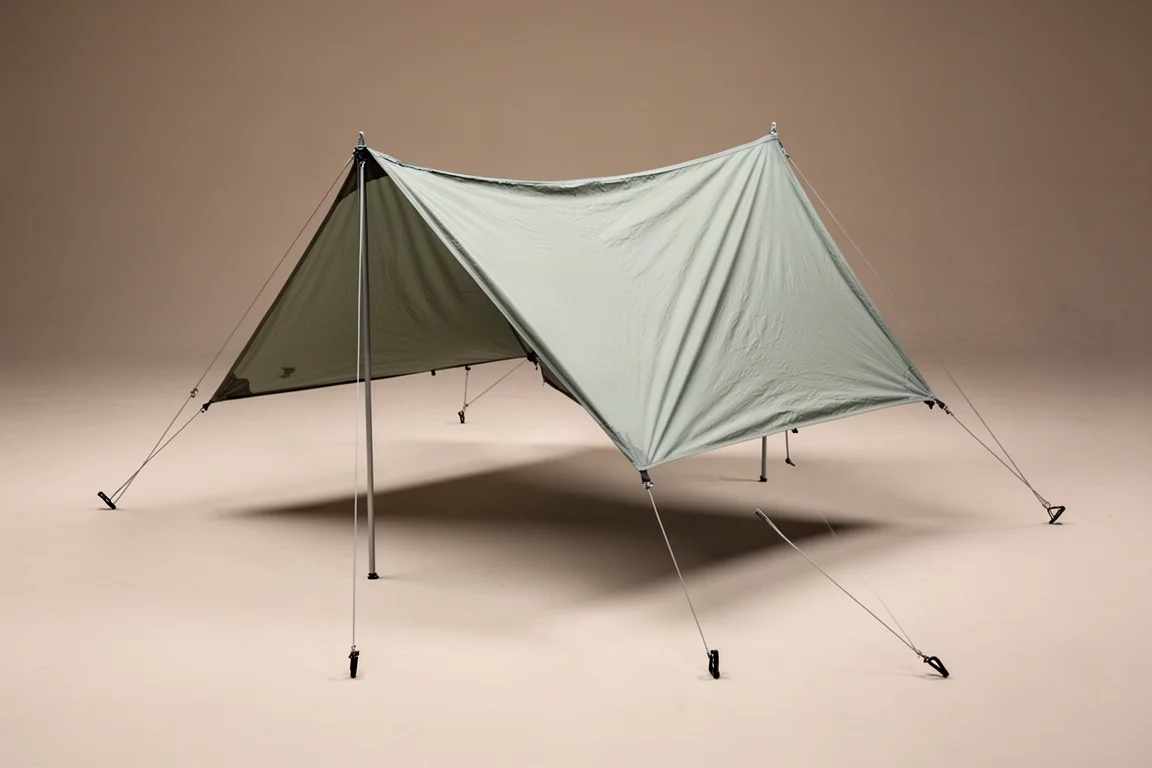
Zpacks Hexamid Pocket Tarp
The Hexamid Pocket Tarp weighs under 200 g and is essentially a tarp that goes over the top of you. It provides more shelter than its size suggests and works well when you do not need a floor or any netting. In dry, bug-free conditions it is hard to beat on weight.
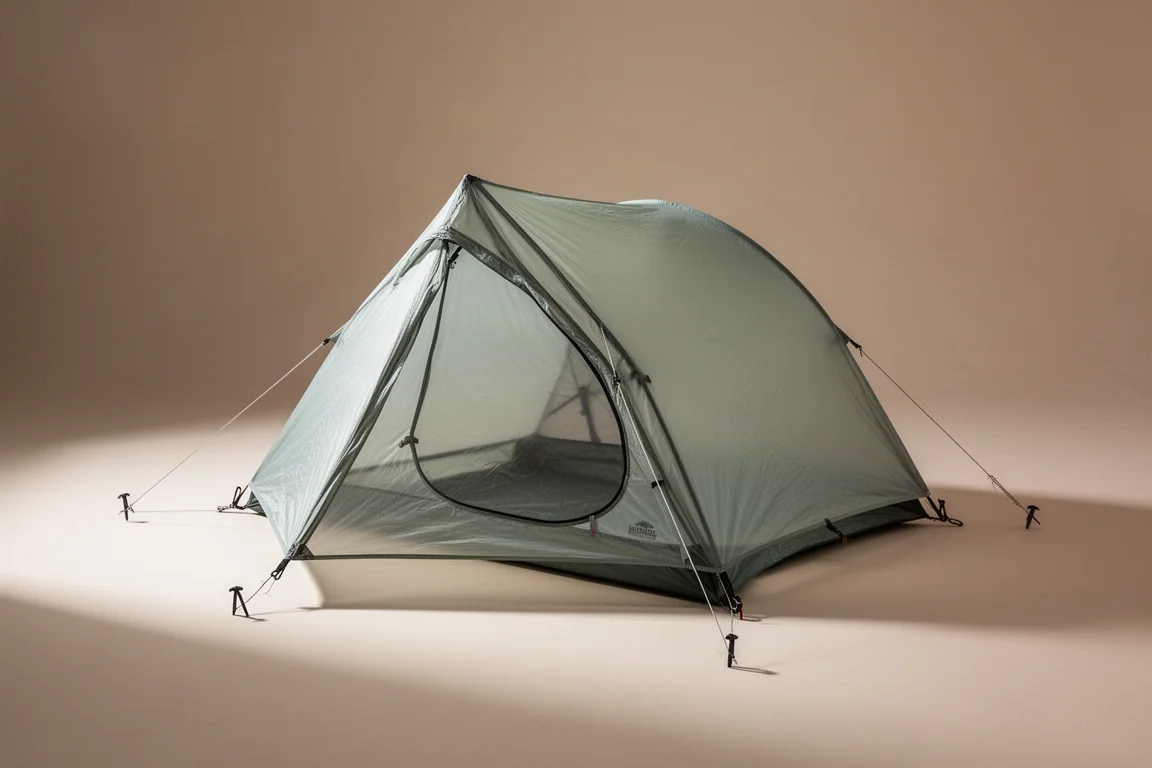
Zpacks Plex Solo
When there are bugs, or when the weather looks more serious, the Plex Solo adds a floor and netting to keep insects out. It weighs roughly twice as much as the Pocket Tarp and packs considerably larger, which is the trade-off for the extra protection.
Sleep System: Quilts and Pads
A sleep system needs to be as compact and light as possible while still keeping you warm. A down quilt covers both requirements well: a 950 fill power down quilt with a 7 denier shell fabric is about as light and compressible as the category gets. Quilts rated around 20°F to 30°F are a versatile range, warm enough for cold nights and still usable in milder weather.
Sleeping pads follow the same logic. When conditions are warm, a very small and light pad is the right pick. When temperatures drop, an insulated pad becomes necessary.
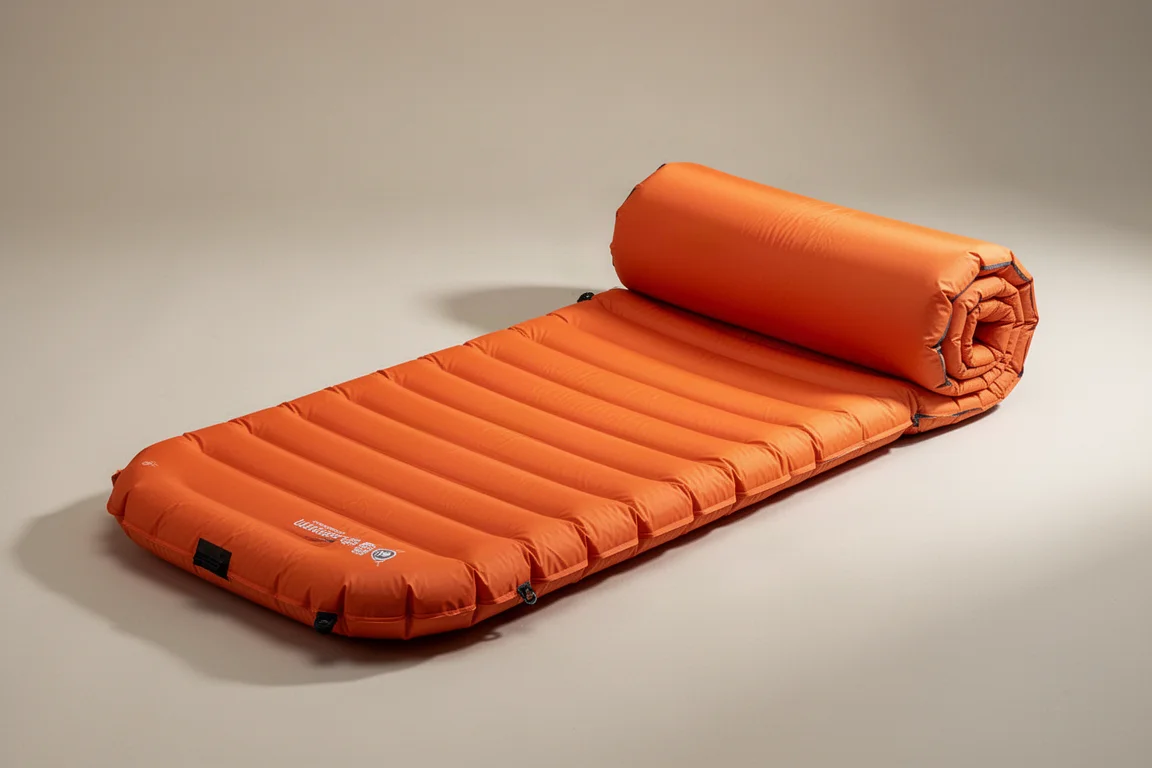
Big Agnes Zoom UL
The Zoom UL is very small and very light, which is exactly what you want when packed size is the priority. It is not a cold-weather pad, and at a 20 inch width it is narrower than many sleepers would choose at home, but it is a comfortable pad for that width.
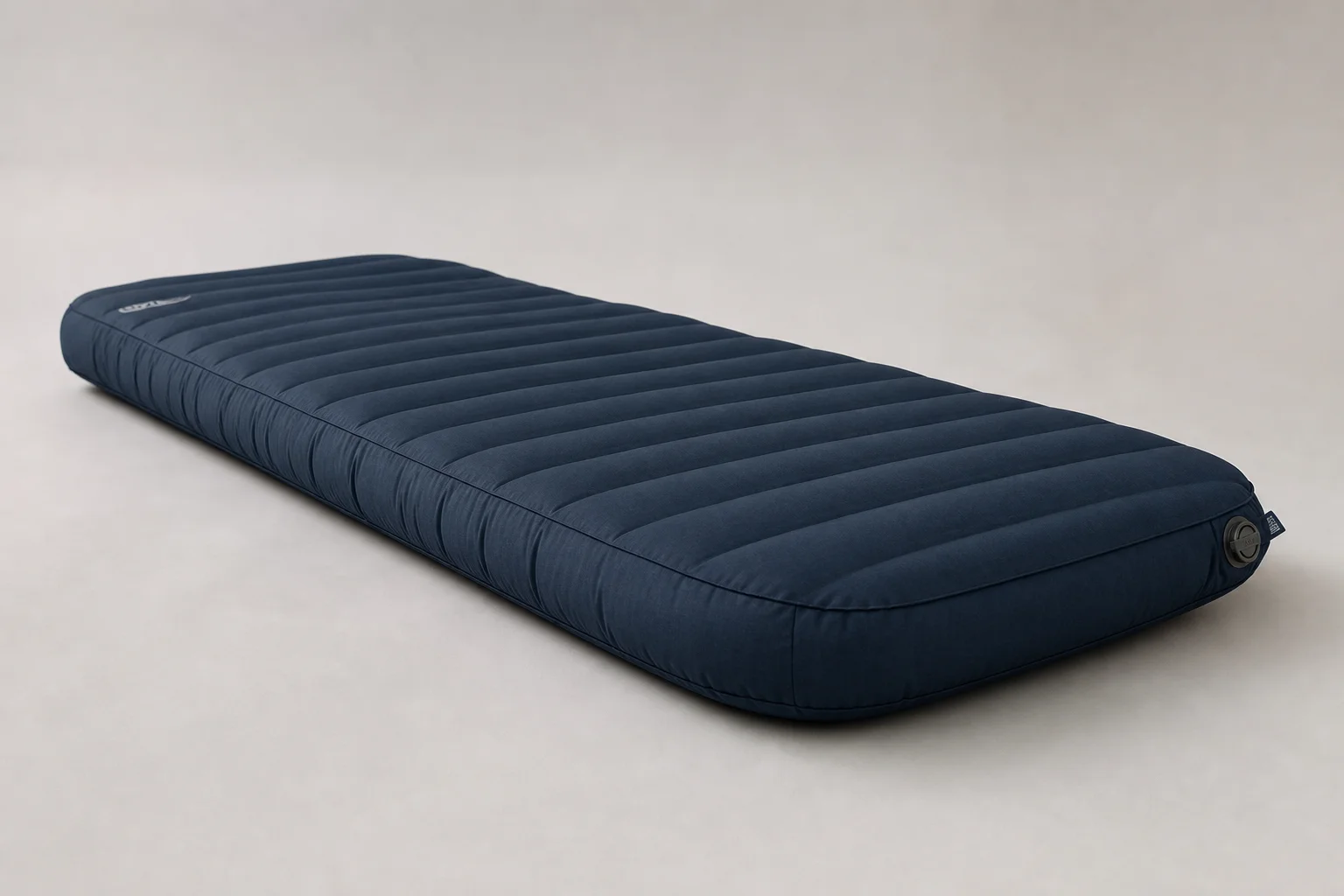
Therm-a-Rest NeoAir XLite
The NeoAir XLite is the cold-conditions option here. It is the pad to bring when a minimal summer pad will not keep you warm enough overnight.
Hydration and Electrolytes
Electrolytes matter more than usual on a high-exertion activity like fastpacking. Sweat losses are high even in cold weather, and failing to replace them shows up as feeling slow, cramping or lightheaded.
LMNT Electrolytes
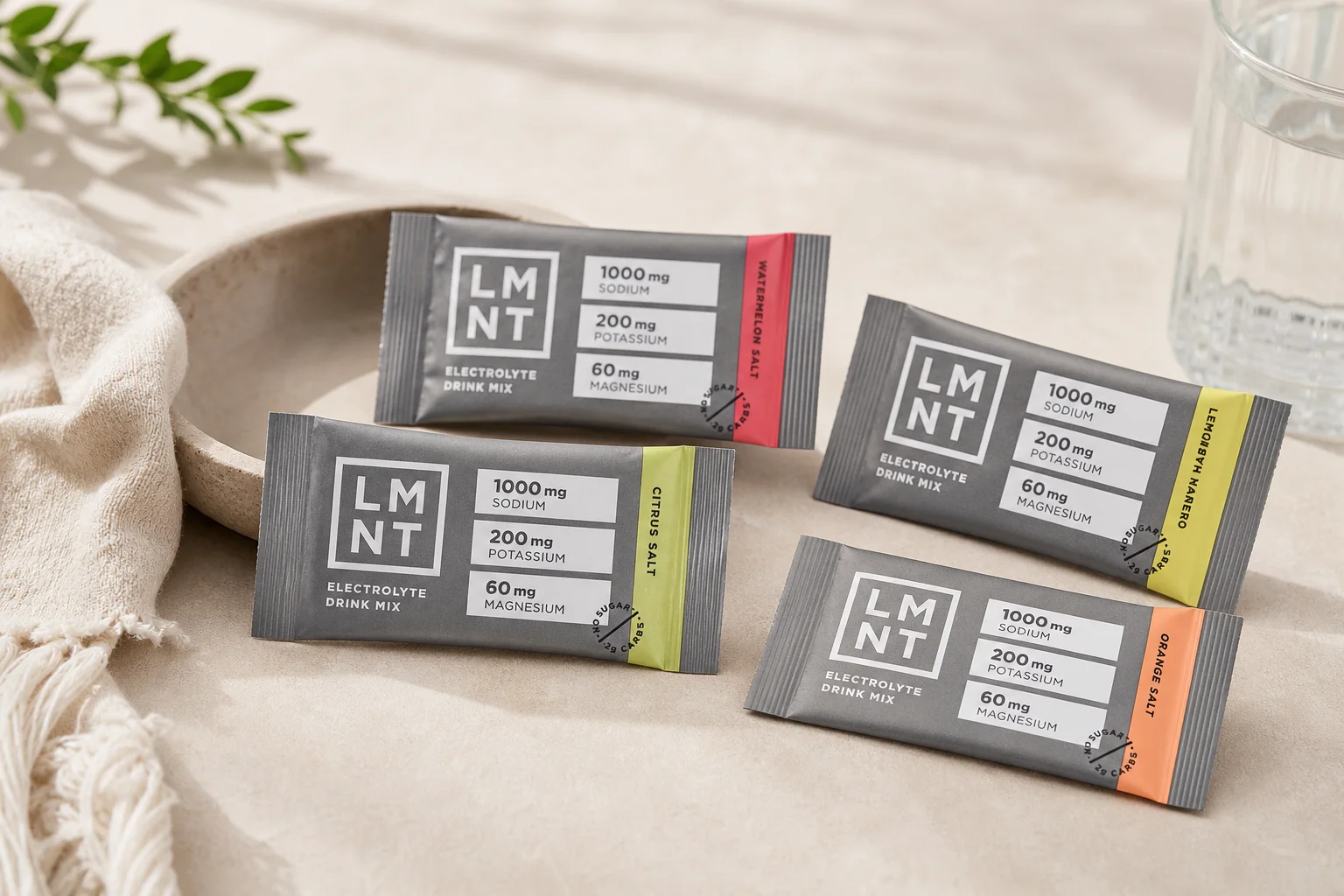
LMNT lists a notably high sodium content per packet, roughly three to four times what many competing mixes provide, which means one packet usually does the job instead of several. That keeps both cost and pack weight down. Watermelon and citrus are the standout flavours.
Navigation and Satellite Communication
A watch is the most convenient navigation tool on a fast trip. Routes loaded as breadcrumb trails give you a line to follow with your position marked on it, and some watches go further with a full topographic map and a touchscreen for zooming in on rivers, junctions and side trails. Watches also make it easy to watch heart rate and pace at the same time, which is how you avoid burning out early.
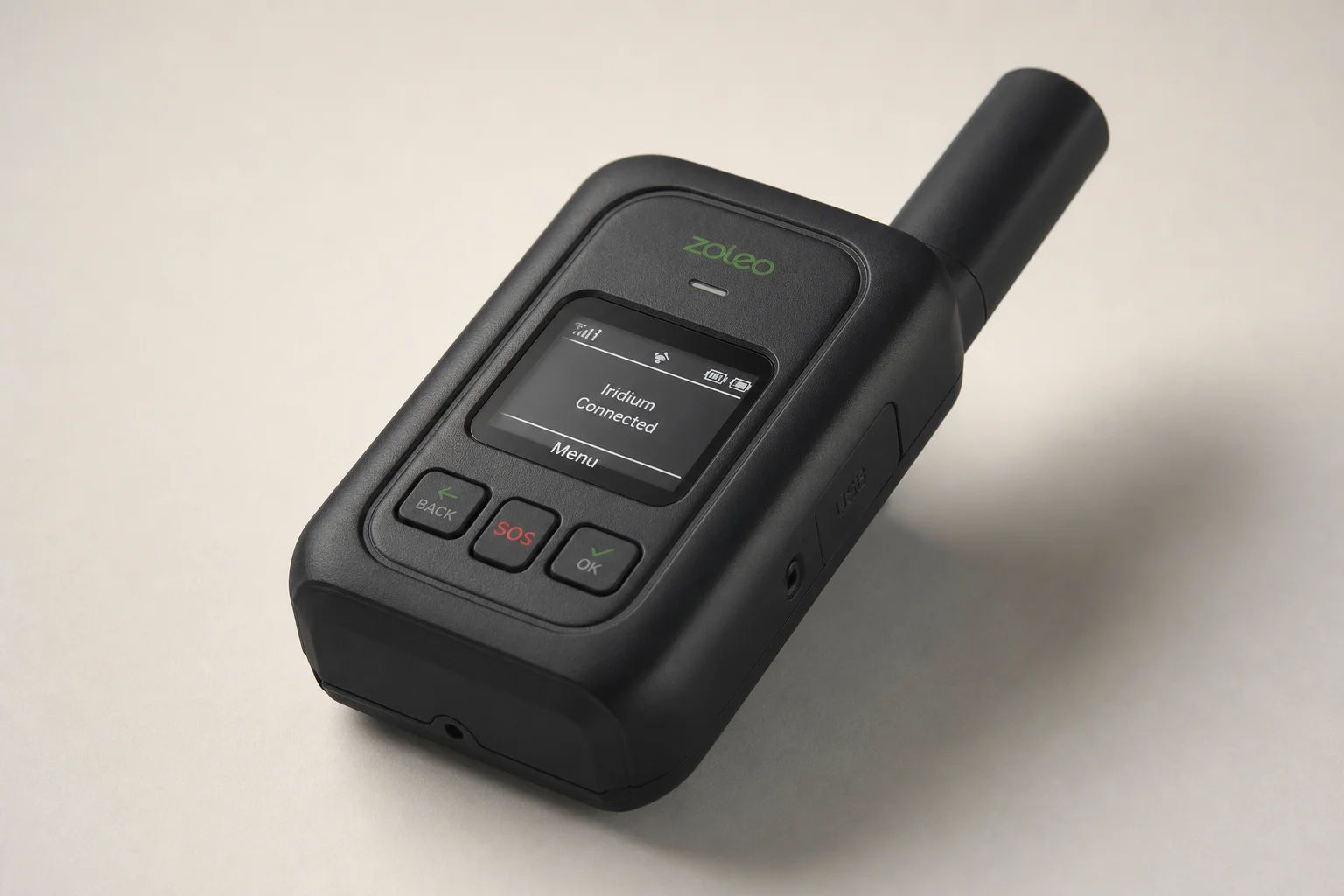
Satellite communication is the other half of the safety picture. On a fast trip you are moving quicker, so the odds of a slip, a turned ankle or a fall go up, and an SOS function is what turns a bad situation into a recoverable one.
Garmin inReach Messenger
The inReach Messenger is the more fully featured satellite communicator, with messaging capability well beyond a basic SOS function. It suits trips where you expect to send regular check-in messages.
Motorola Defy Satellite Link
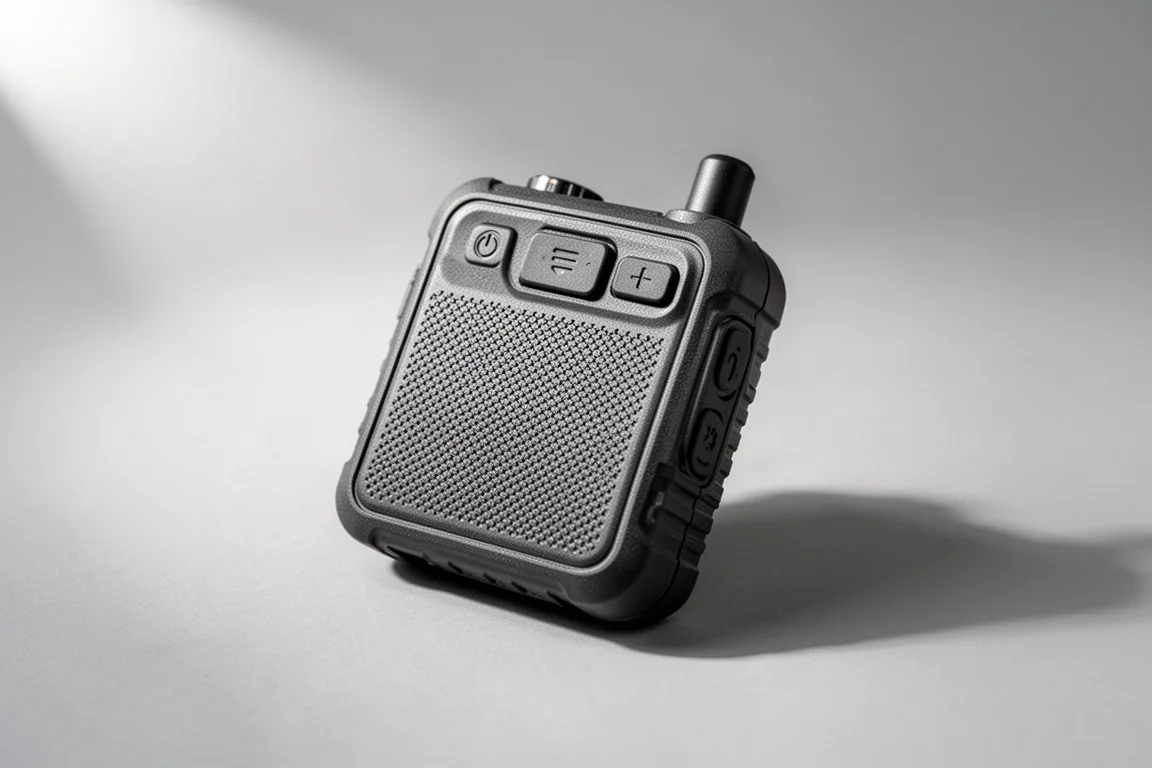
The Defy Satellite Link takes the opposite approach. It weighs 69 g, is very slim, and concentrates on the SOS function rather than extras, which is exactly what a fast trip usually needs. It is a no-frills, affordable option, with plans starting at around $5 per month.
Footwear and Socks
Footwear matters more on a fastpacking trip because you are moving more, which means more friction between foot and shoe and more sweat. Both open the door to blisters.
Trail runners are the natural choice because they are built for running. Look for a fit with no pressure points, especially around the toes, and a toe box wide enough for your foot without being so wide that your foot slides around. A snug fit matters when you are running downhill.
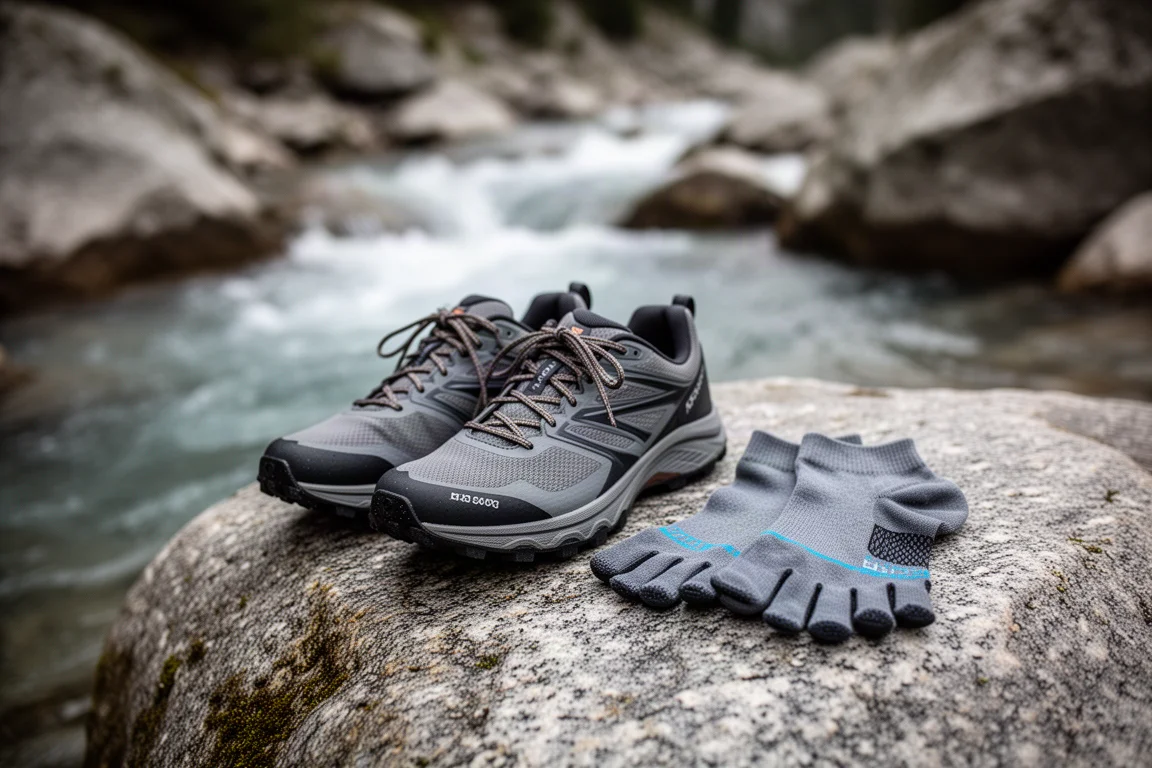
Socks deserve the same attention as shoes. Choose something snug that dries quickly and does not hold moisture. Cotton and merino wool are poor choices here because they stay wet once they get wet, while nylon and polyester blends dry far faster. Toe socks are worth considering as well, since keeping toes separated reduces blistering between them when feet are sweaty.
Clothing for Moving Fast
What you wear on your legs and torso comes down to personal comfort and what you like to run in. The principle is the same: light layers that work while moving and can double up at camp.
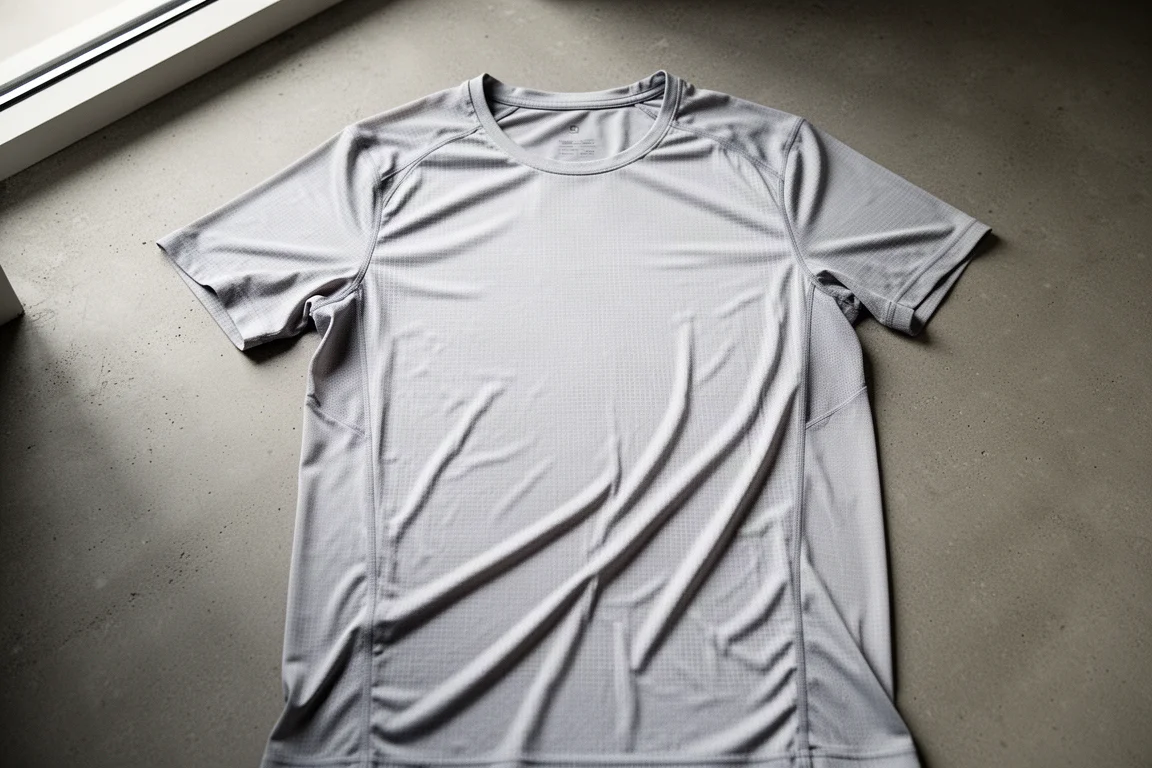
Outdoor Research Echo
For very warm conditions, a light shirt such as the Echo is enough. It is the simple option for hot days when shorts and minimal coverage are comfortable.
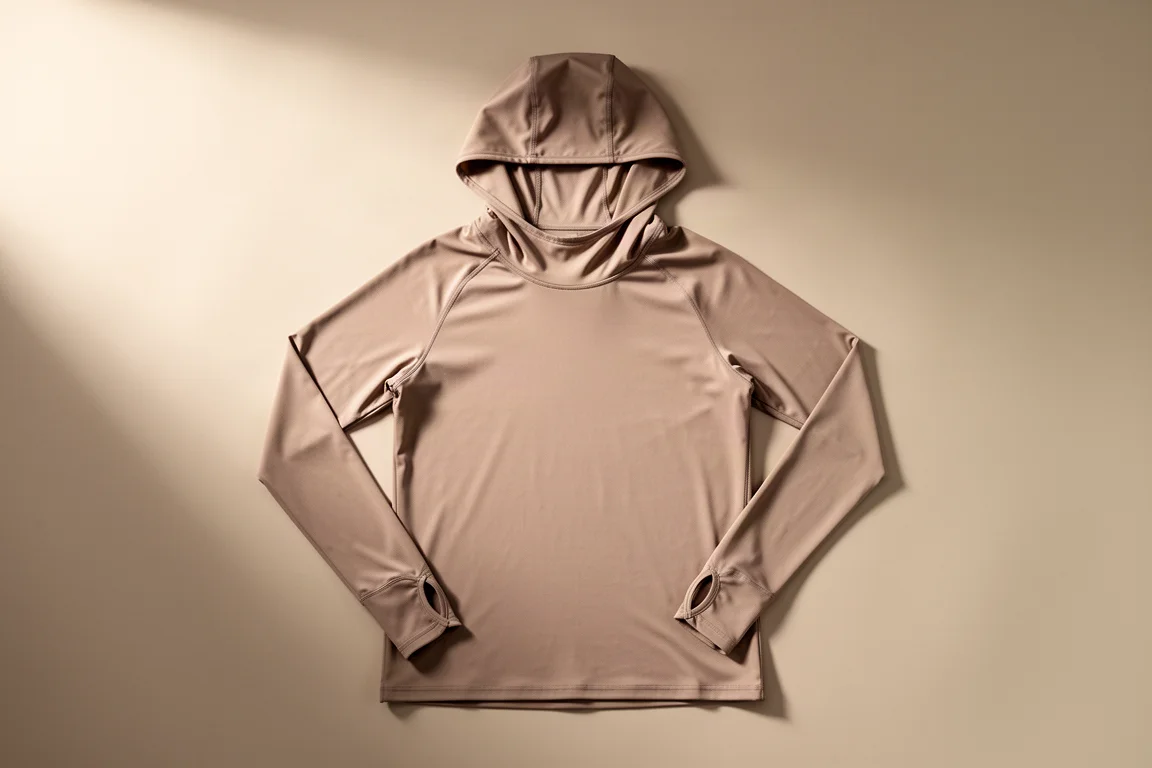
Alpaca 80/20 Sun Hoodie
The 80/20 Sun Hoodie is a little warmer while still performing well in high temperatures. It keeps you cool on the move and comfortable once you reach camp, which lets it double as a sleep shirt as well as a running shirt.
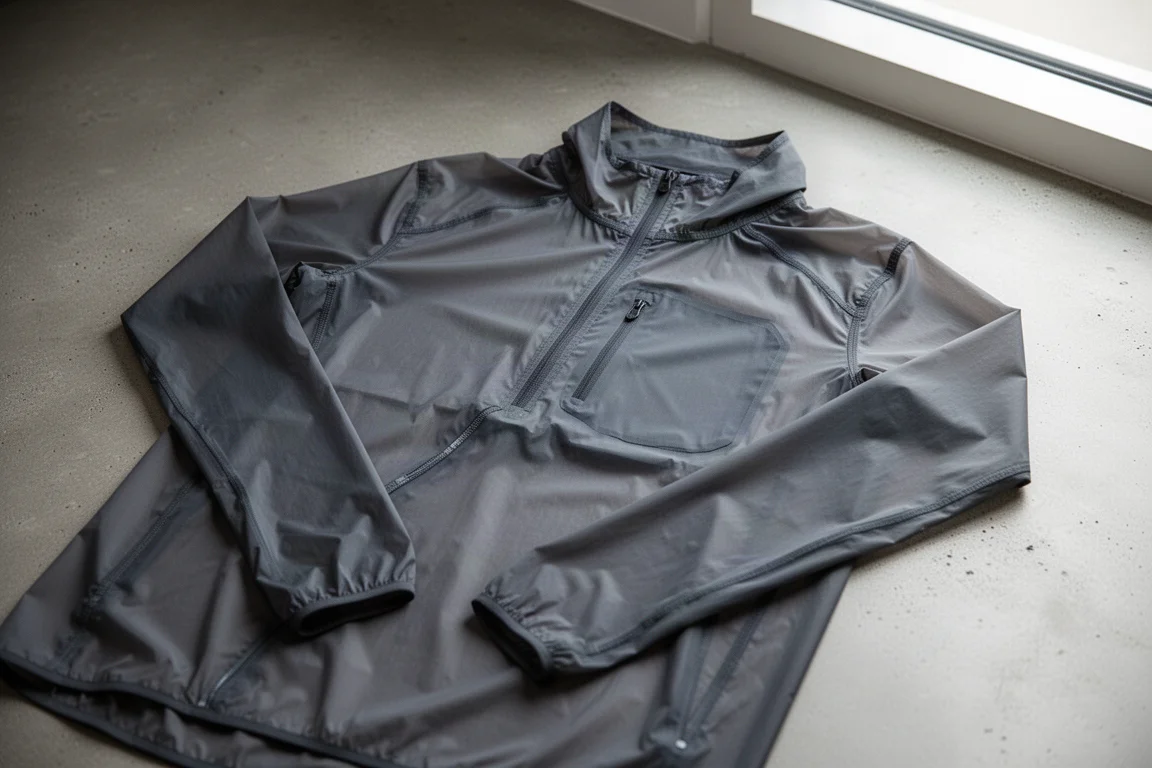
Rab Phantom
A rain jacket is important even on a fast trip. The Phantom is a very small, very compact pullover that keeps rain off in ordinary wet weather. It is not the right choice for a torrential downpour, but as a just-in-case layer for trips where you would rather not be out in those conditions anyway, it fits the brief.
Insulation and Warm Layers
In warm weather insulation barely matters. In shoulder season, which is one of the best times for fastpacking, it does: you will be comfortable while running and cold the moment you stop. A down puffy is the most compressible answer, and there is a wide range available, from budget options to much more expensive ultralight versions.
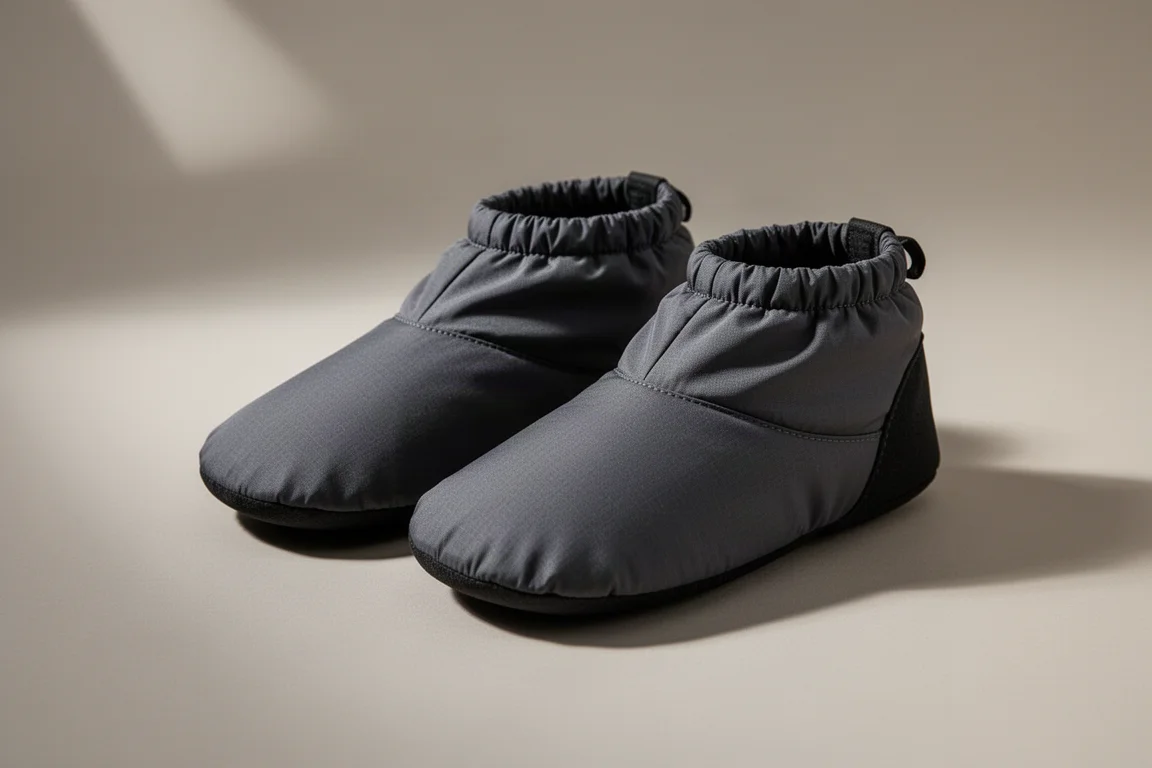
Enlightened Equipment Torrid Booties
Camp socks are often left behind on fast trips, but a pair of synthetic booties is a light and compact way to keep feet warm once you stop. The Torrid Booties do that job without adding meaningful weight. A buff is another small item worth carrying: it works as a hat, can be pulled down over the face, or worn as a headband.
Small Essentials and Camp Comfort
Small items still matter. A minimal wash kit, a light and a way to inflate a sleeping pad cover most of what you need beyond the big three.
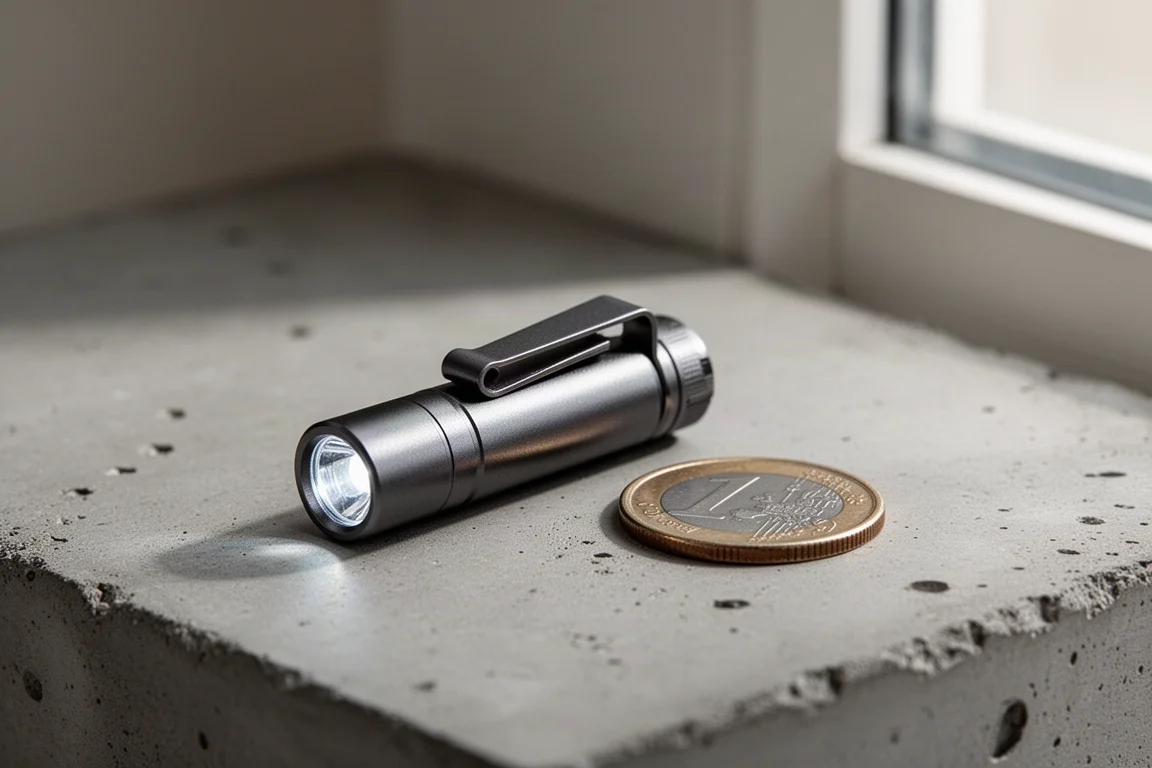
RovyVon A5
The A5 is very small and light, with strong output for its size and a long runtime. It handles the darker parts of a day without the bulk of a headlamp, though it is not hands-free.
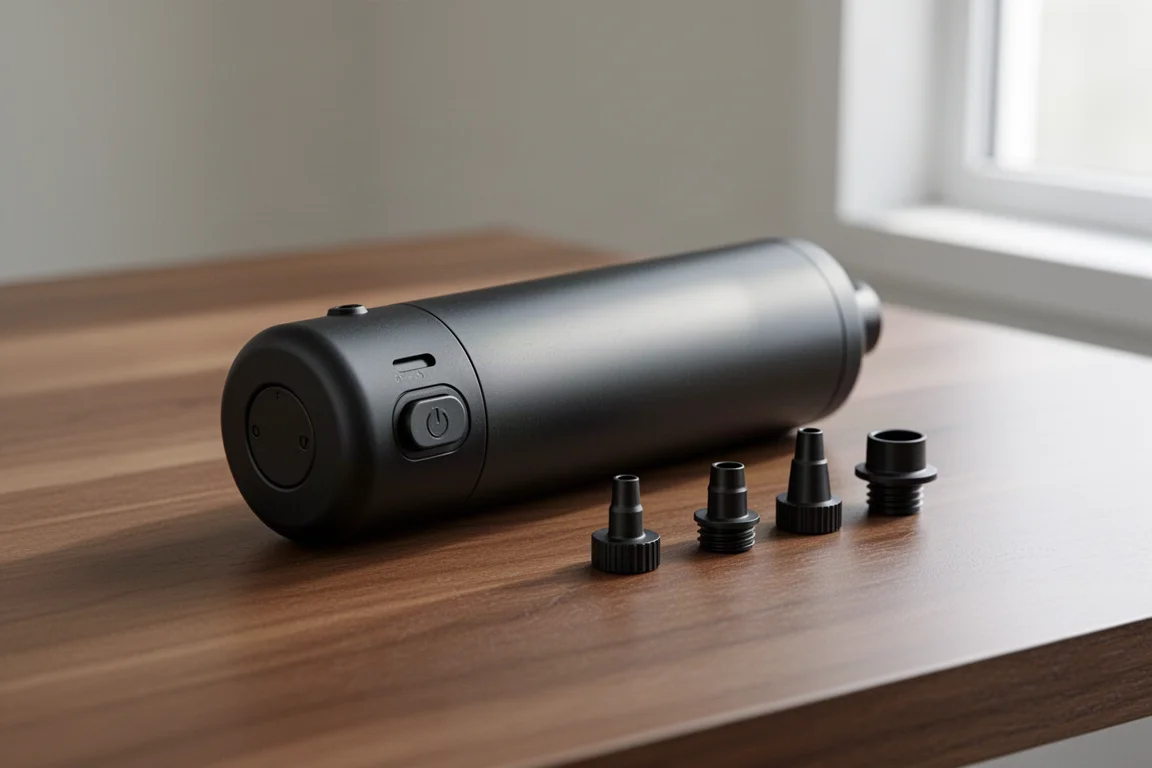
Flextail Zero Pump
The Zero Pump is a small luxury that earns its place. It is very light and inflates a sleeping pad at camp, so you are not spending breath you have already used all day on blowing up a pad.
Food and Cooking
There are two approaches to food on a fastpacking trip, and the choice comes down to how much comfort you want at camp.
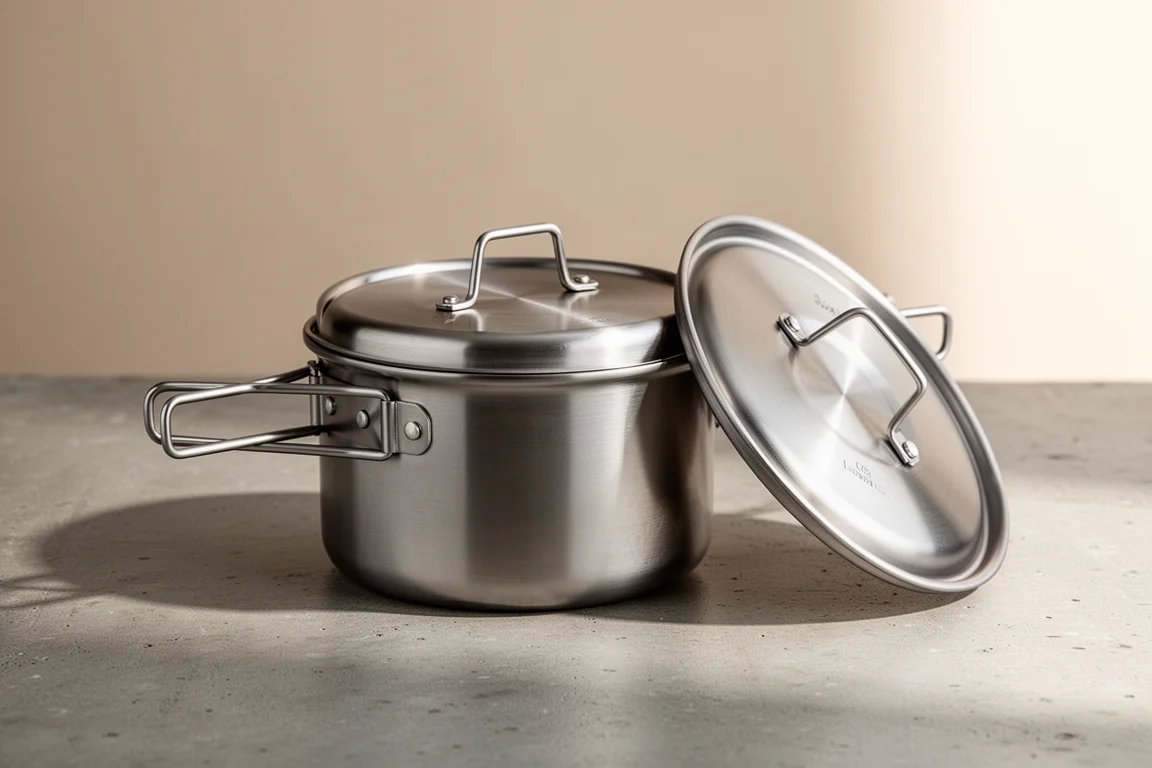
Toaks 550 Titanium Pot
A cook kit does not have to be heavy. The 550 titanium pot forms the base of a compact system that holds a canister, a small stove, a pot gripper and a lighter in the lid. It is not a lot of extra weight, but every bit counts on a fast trip.
No-Cook Versus Cook Options
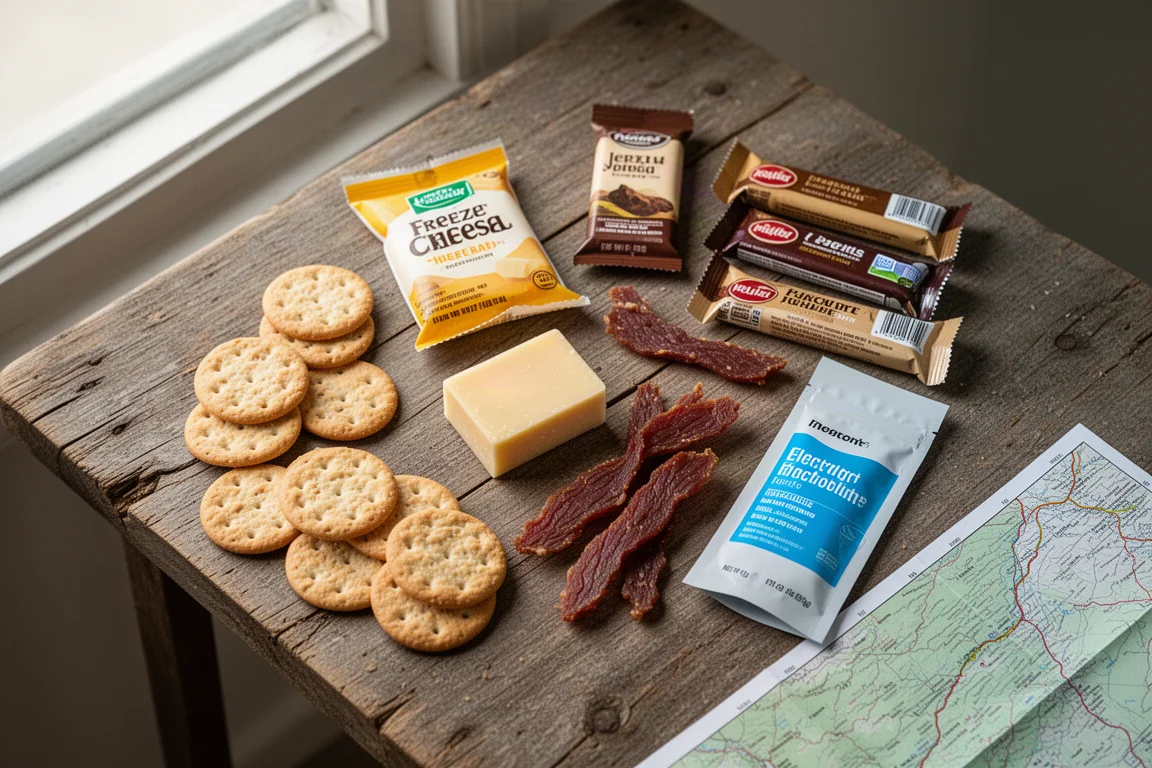
The no-cook approach is the lighter one: bars and cold food only. A simple version of this works well with crackers, freeze-dried cheese and jerky for dinner, and cold oatmeal or bars for breakfast.
The cook option adds a little weight and bulk in exchange for hot food and drinks. It is a reasonable choice if you are not covering a huge distance and want the extra comfort. If you can comfortably leave the stove at home, though, that is weight you will not miss.
Hygiene and Leave No Trace
Leave No Trace practice still applies when you are moving fast. A simple kit covers it: a trowel for digging a hole and a small amount of soap. The bottle without a filter can be used as a backcountry bidet system, with soap to wipe off afterwards. There is no need for a dedicated bag either, since the whole kit can go into a pocket.
Putting a Kit Together: Buying Advice
Start with the conditions rather than the gear list. A dry, bug-free forecast points toward a tarp, a minimal pad and a light shirt. Bugs or unsettled weather point toward a shelter with a floor and netting, an insulated pad and a rain shell.
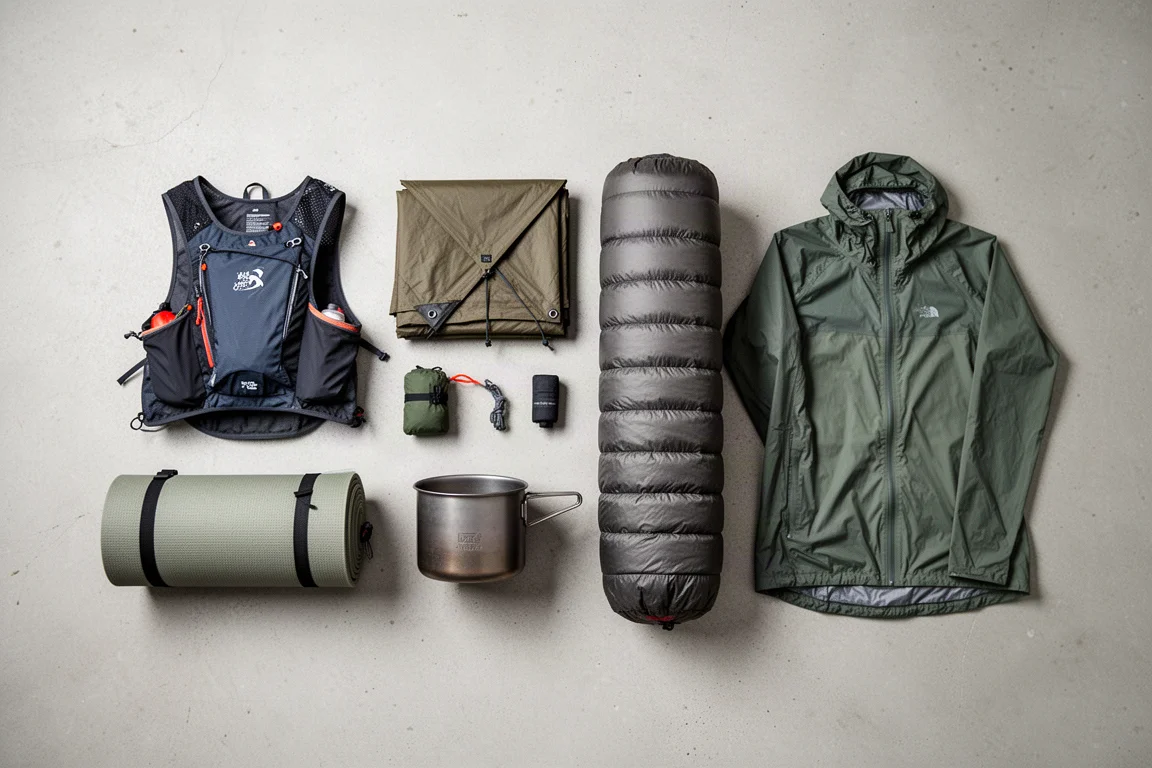
From there, weigh each item against the three priorities: light, compact, and usable while you move. Versatility is the best value in a fastpacking kit, because a piece that works on the move and at camp replaces two pieces you would otherwise carry.
Two categories are worth spending on. Shelter and the sleep system account for most of the weight and bulk, so getting them right for your conditions has the largest effect. Safety equipment is the other: an SOS device is a small, light addition that covers the scenarios you cannot plan for.
Finally, test the fit-dependent items. Packs and shoes behave differently on different bodies, and both are worth trying at pace before a long trip.
Conclusion
A fastpacking kit is less about owning the lightest version of everything and more about matching each item to the trip. Keep the load light and compact, keep the essentials reachable, and choose shelter and insulation for the conditions you expect. The list here covers the categories that matter, and the right combination is the one that lets you move quickly while staying warm, comfortable and safe.
Further reading
Related Reviews

Backpacking Gear
Building a 10 lb Base Weight: An Ultralight Backpacking Gear List
A practical walkthrough of the ultralight pieces behind a 10 lb base weight, from a 765 g pack and a roomy one-person tent to a full camp chair and a dependable water filter.

Road Bikes
10 New Road Bikes Worth Watching: Aero, Titanium, Steel and Endurance Standouts
A practical roundup of 10 new road bikes, from aero flagships chasing single-watt gains to titanium, steel and endurance platforms built for real roads.
Bikepacking Gear
11 Bikepacking Essentials for Long-Distance Cycling
Eleven bikepacking essentials for long-distance cycling, from a steel gravel frame and a two-person tent to helmet lights, packable gloves, and a frame bag that puts weight in the right place.