Backpacking Gear
Fast and Light Backpacking Gear: A Sub-8 kg Three-Season Kit
A complete fast and light backpacking loadout built around a 44 litre pack, a sub-1 kg trekking pole tent, and a sleep system that handles cold nights.
Introduction
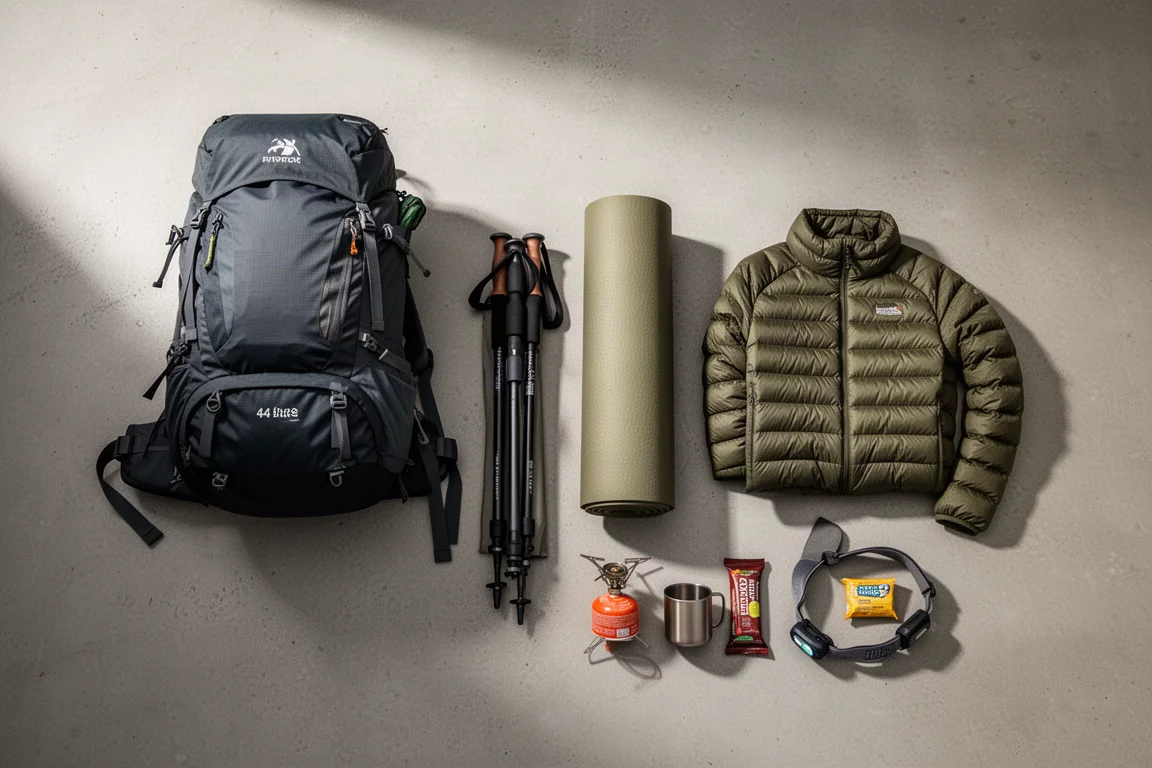
Fast and light backpacking is not the same thing as travelling with almost nothing. The aim is a complete three-season kit that still lets you cover long days comfortably, and that is exactly what this loadout is built around. Everything except water comes in at 7.745 kg, which covers two days out: shelter, sleep system, cooking kit, spare layers, food and safety equipment.
The pack is the starting point, and from there every item has to justify its place. A litre of water weighs a kilogram, so the more weight you save on the kit itself, the more flexibility you have on the route.
How This Fast and Light Kit Comes Together
This setup is built for three to four seasons, which makes it a good fit for spring through autumn conditions. Two variables change it most: temperature and rain.
If temperatures drop below freezing, the sensible move is to add warmer layers rather than push the same kit harder. If the forecast looks like sustained rain, lightweight waterproofs should be swapped for full waterproofs. Breathability matters a great deal here, because a fast and light pace means you will run hot and sweat, and fully taped, breathable fabrics cope far better than basic shells.
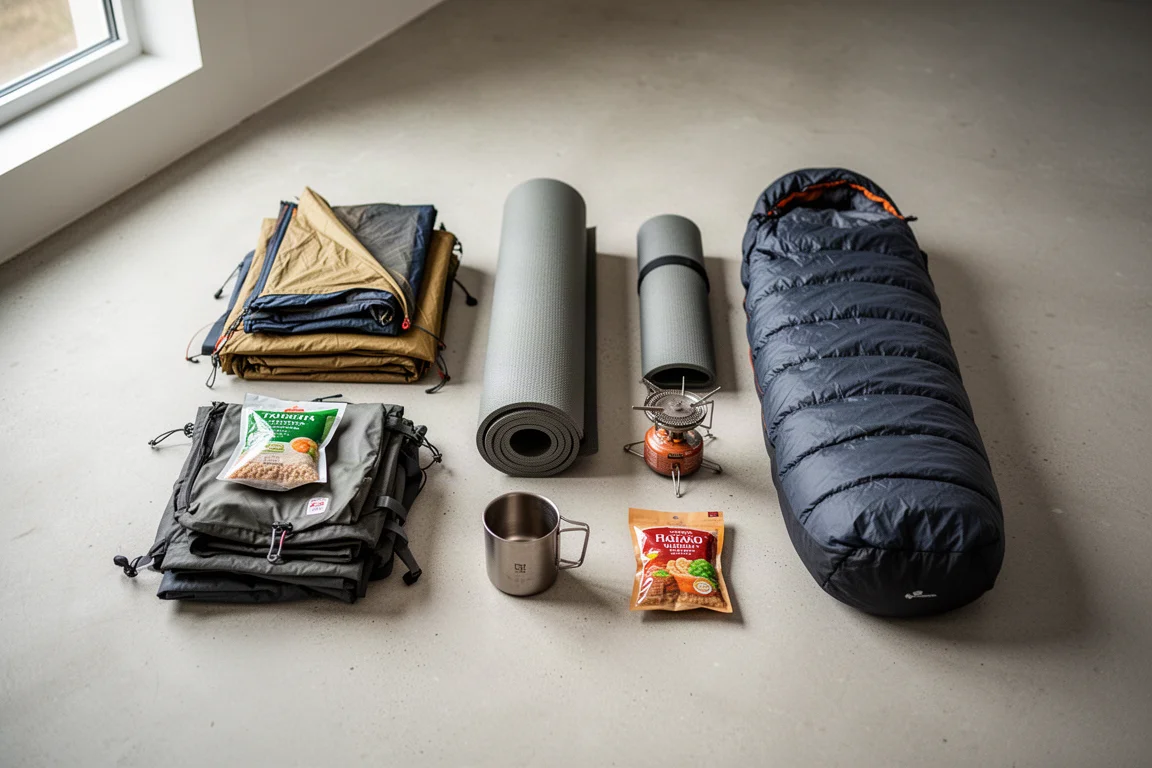
Weight discipline is the other half of the equation. Fuel is carried in a 100 g or 200 g canister, and the full canister weighs around 225 g. Water is carried at one litre to start with, and refills are taken from fresh running water higher up the route where it can be drunk straight, which removes the need for a filter.
Montane Trailblazer 44: The Pack That Carries It All
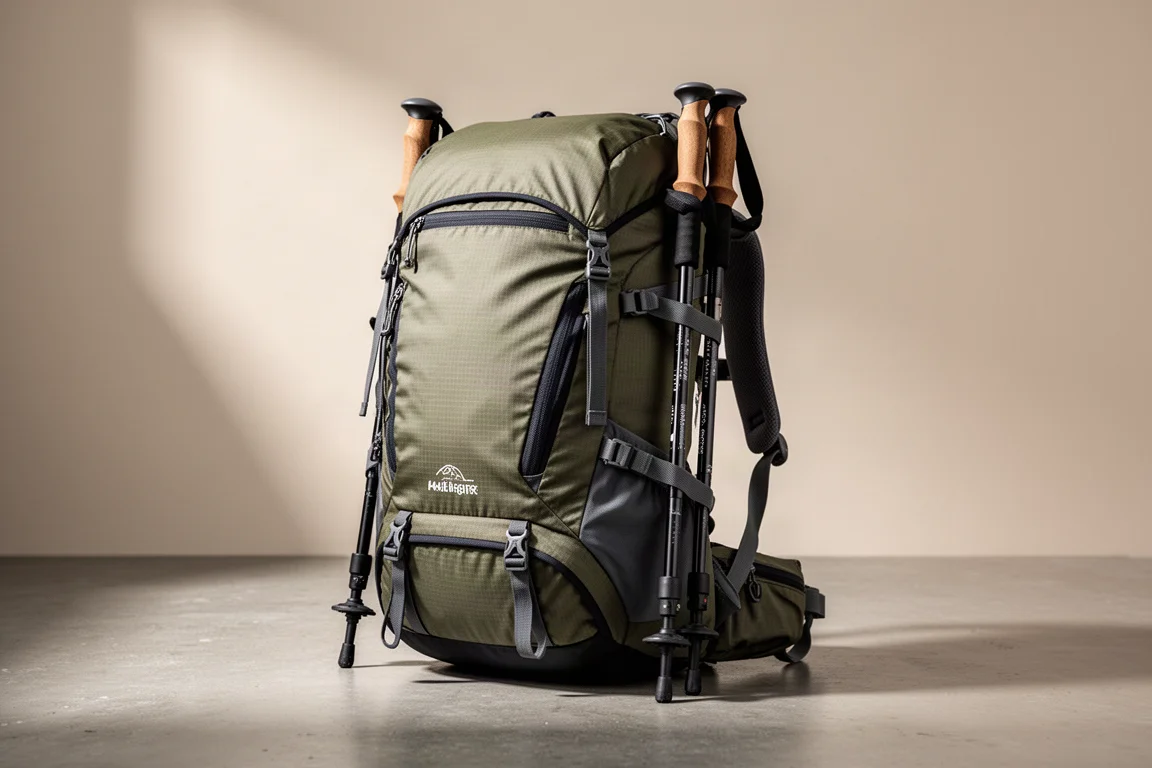
The Montane Trailblazer 44 is a 44 litre pack that weighs just under 1 kg, which makes it a sensible starting point for a lightweight loadout. It takes the full kit without needing to be overstuffed, and it keeps the weight close to your back where it matters most on long days.
The exterior layout does a lot of the work. Lightweight waterproofs, a jacket and a pair of trousers, ride on the outside of the bag, along with a hat, gloves and a neck warmer in the zip pocket. Two rubbish bags sit in a side pocket. A map and compass go on the front, and trekking poles are strapped outside so they are ready for pitching a trekking pole tent.
Lifesystems Nano First Aid Kit: The Side Pocket Essential
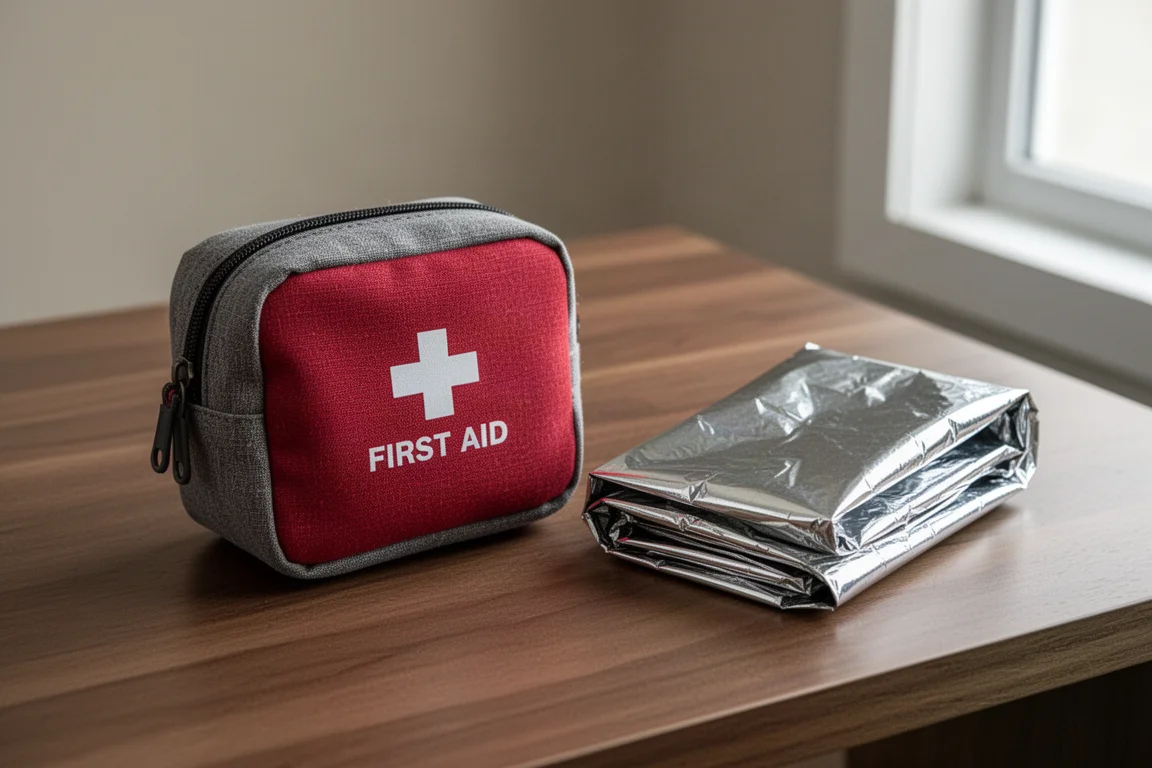
The Lifesystems Nano first aid kit lives in a side pocket, where it can be reached without unpacking the whole bag. It is one of those items that weighs very little and earns its place the moment something goes wrong on a remote route. Alongside it, an emergency bivy bag from the same brand adds a compact backup layer of protection that takes up almost no space.
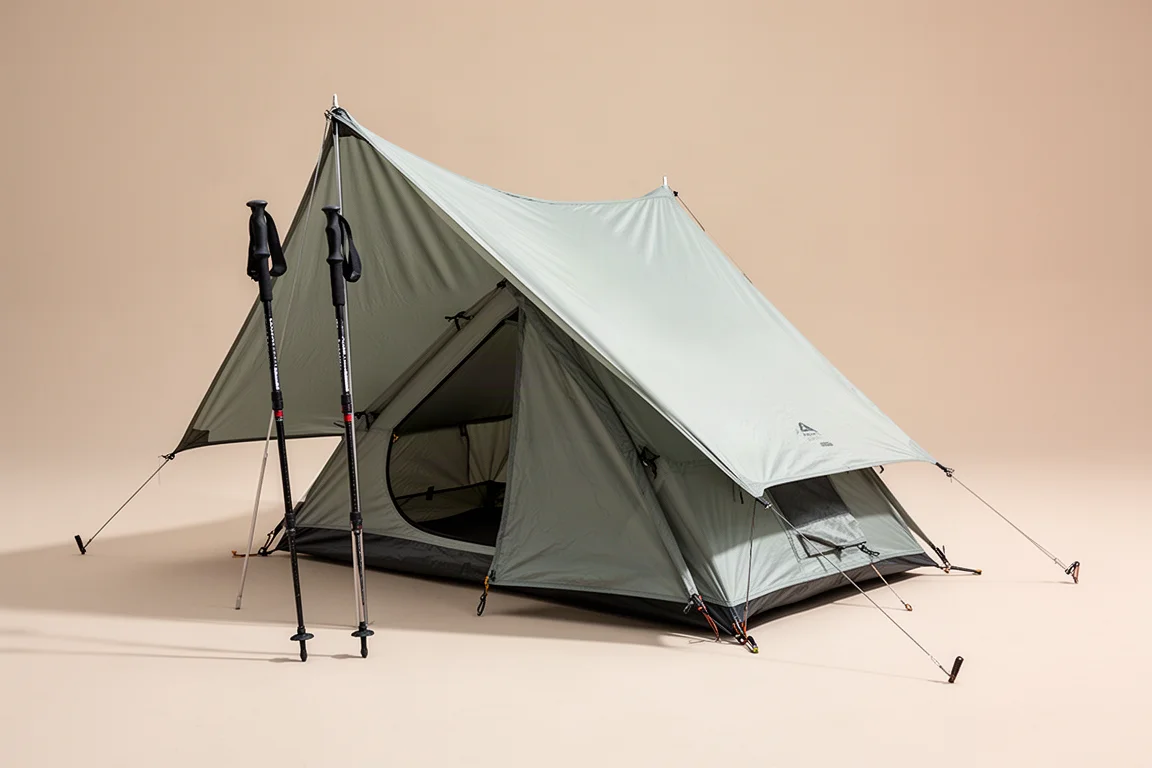
Durston X-Mid 1 Solid: Shelter Just Under a Kilo
The Durston X-Mid 1 Solid is a trekking pole tent that weighs just under 1 kg. A fully enclosed one-person shelter at that weight is what makes it a natural fit for trips where every gram is scrutinised.
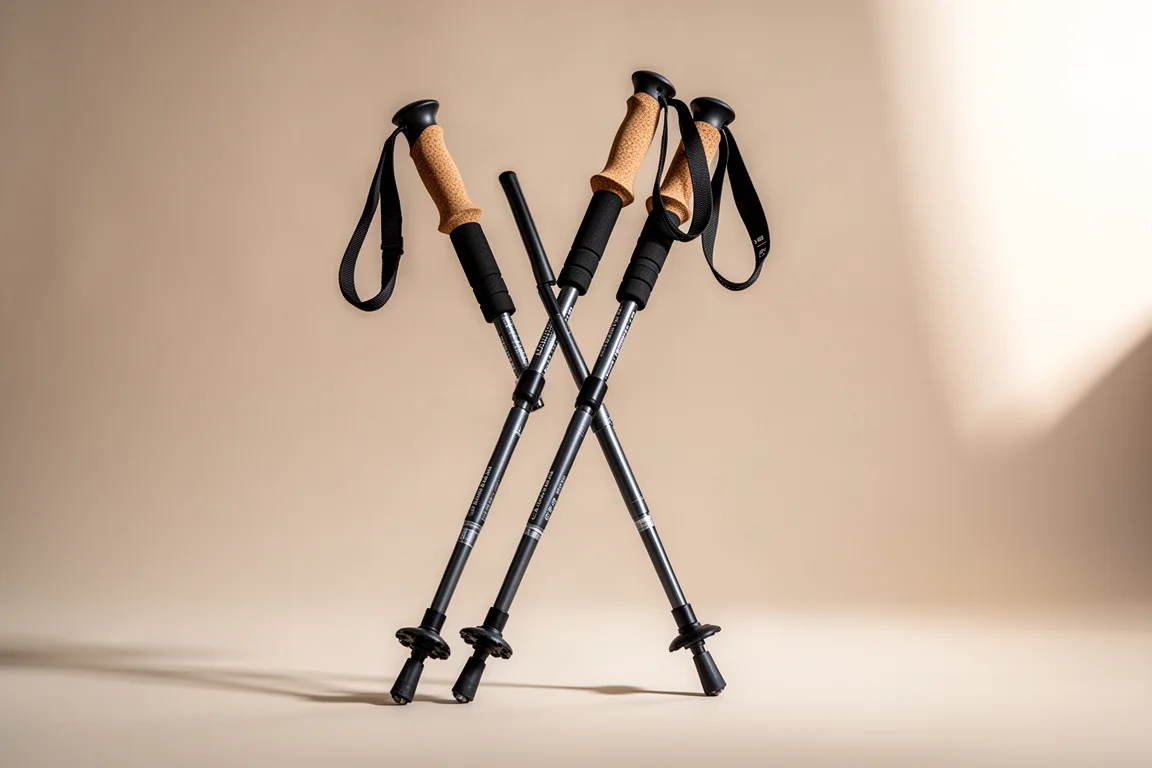
It also explains the packing order. Because the shelter relies on poles you are already carrying, the Leki Makalu trekking poles stay strapped to the outside of the pack, ready to be deployed the moment you stop for the night.
Big Agnes Rapid SL: Comfort From the Ground Up
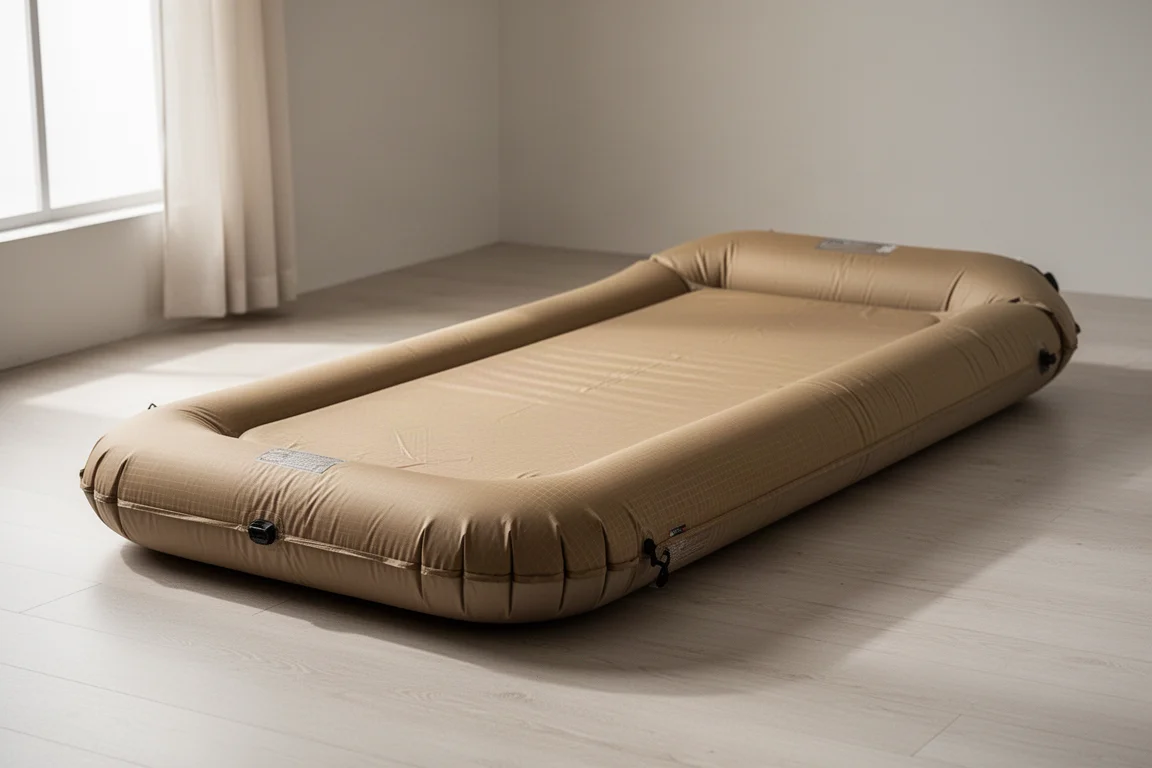
Sleeping well is what makes a fast and light trip sustainable, and the Big Agnes Rapid SL is the insulated sleeping pad in this setup. It provides the cushioning and insulation that separate a good night from a long one, and it packs down small enough to disappear inside a 44 litre load.
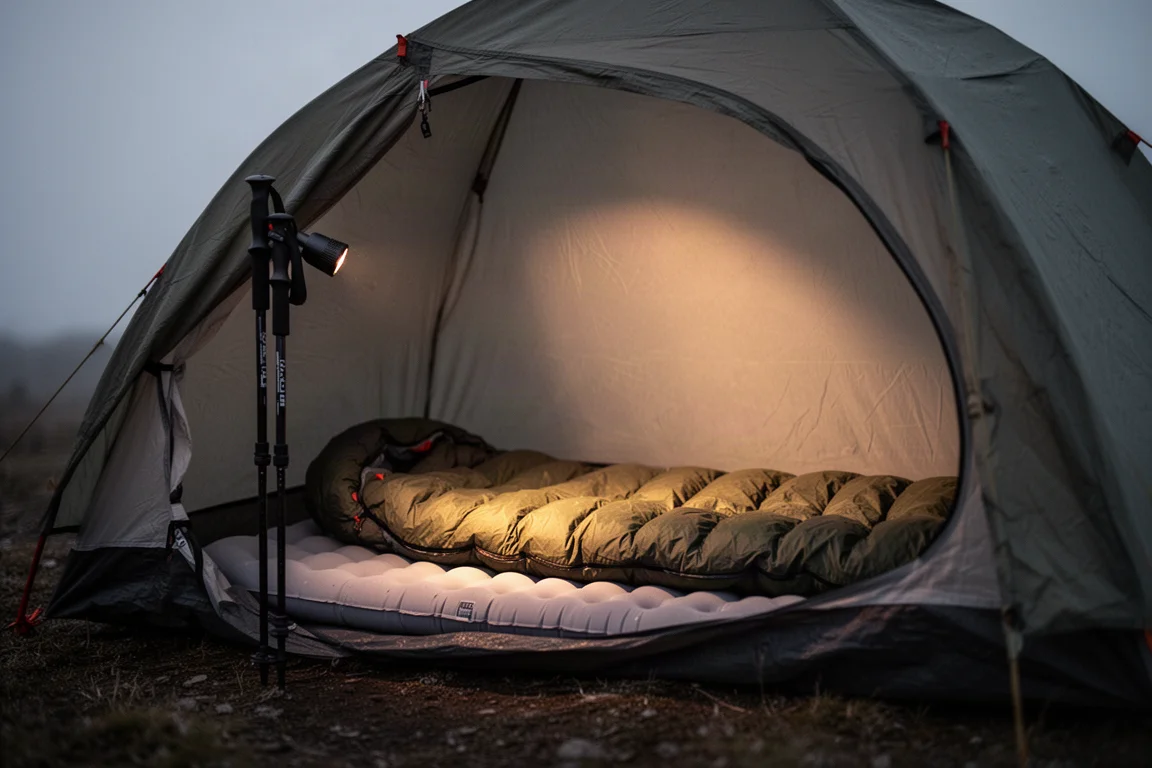
Because it is inflatable, it pairs neatly with a small pump rather than lung power, which keeps moisture out of the pad. That detail is worth caring about if the pad is going to be used trip after trip rather than replaced every season.
Sierra Designs Cloud 20: Sleep Warm Below Zero
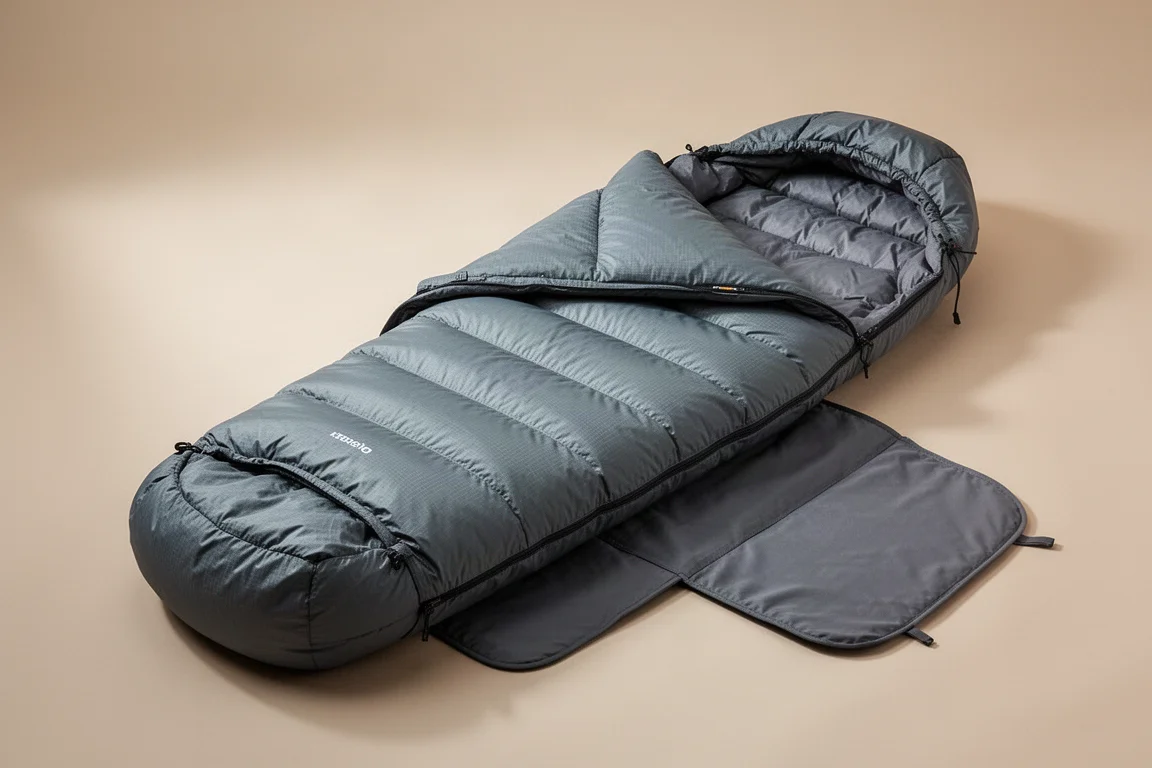
The Sierra Designs Cloud 20 is a sleeping bag and quilt hybrid that will take you below zero. It is an award-winning design, and the comfort it delivers is a large part of why it stays in this kit. For a three-season setup that has to handle cold nights, this is the piece that makes the biggest difference to how the trip feels.
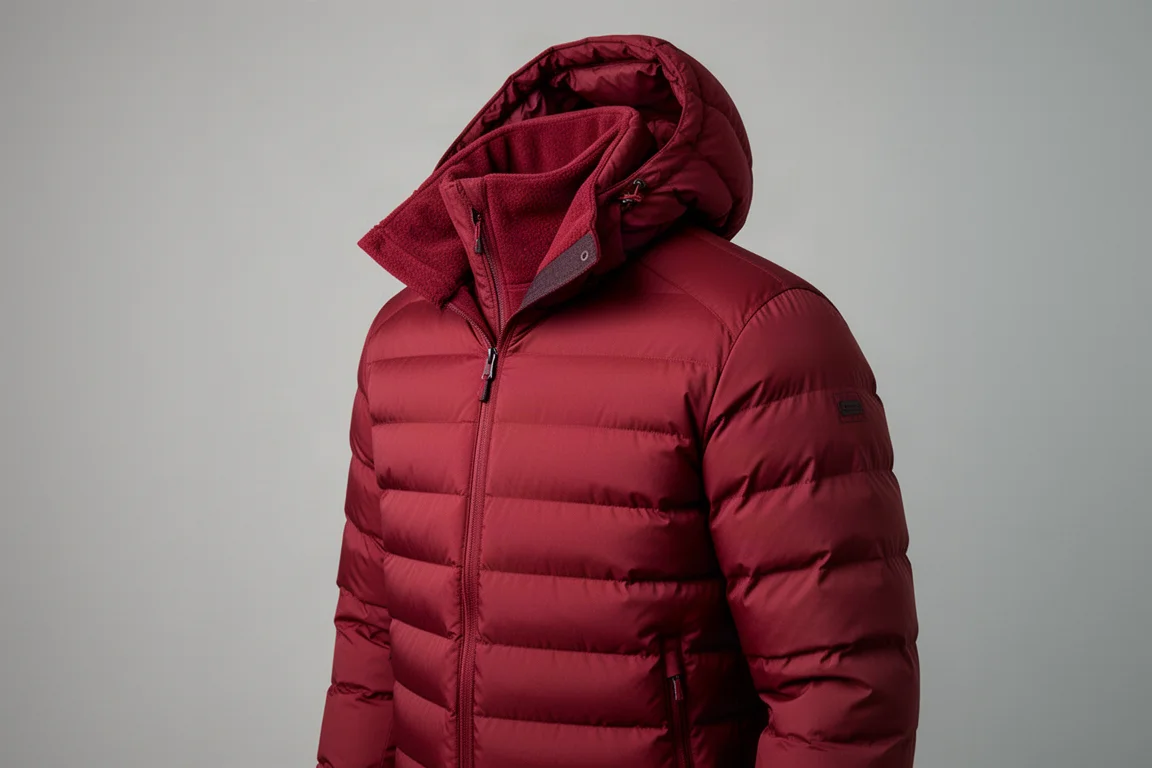
Rab Microlight Alpine Down Jacket: Warmth That Packs Small
The Rab Microlight Alpine down jacket is genuinely warm despite packing down to a very small size. It covers camp evenings and cold starts, and it takes up so little room in the pack that there is no real argument for leaving it behind.
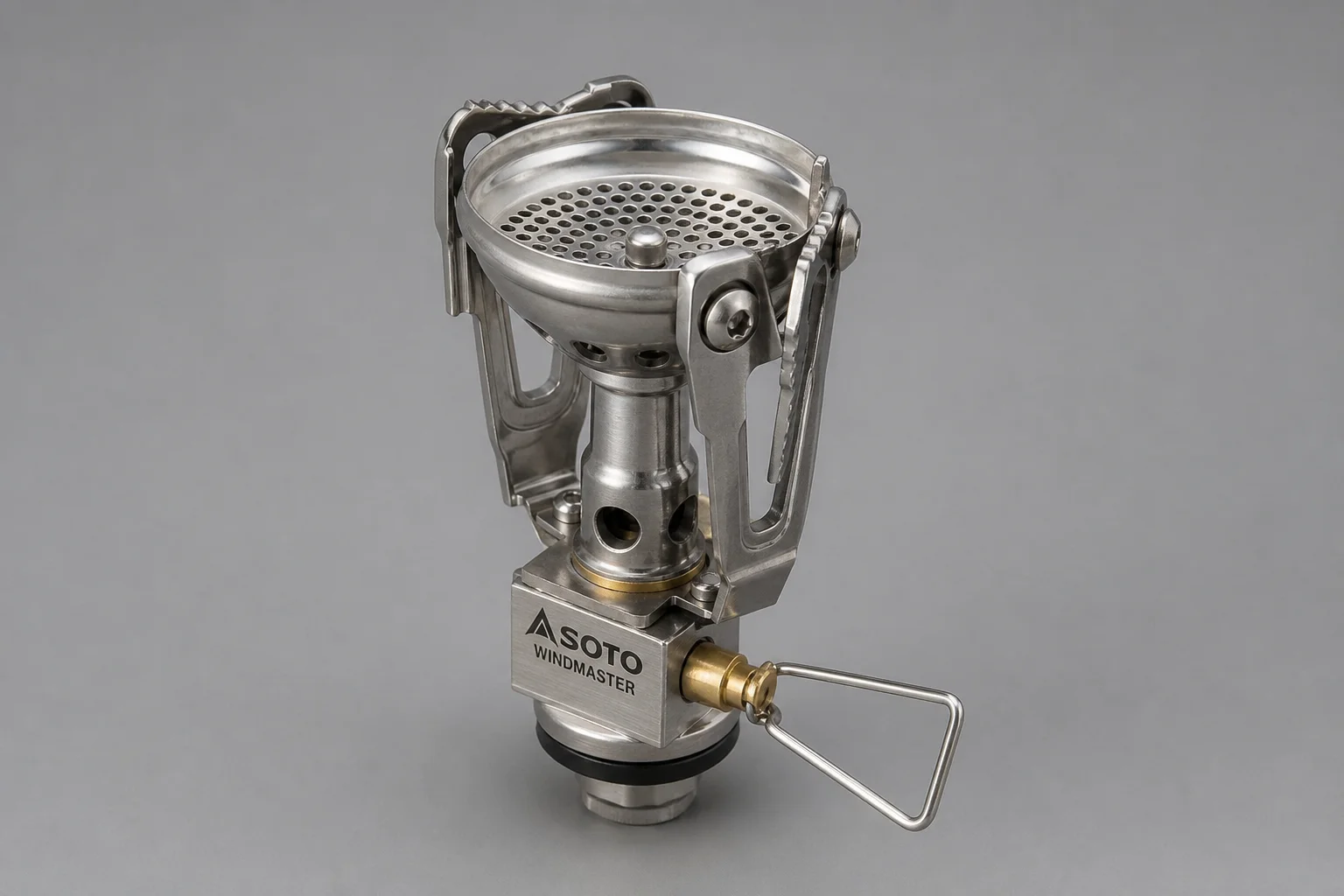
Soto WindMaster: Cooking That Handles a Breeze
The Soto WindMaster handles the cooking. It runs on a 100 g or 200 g canister, which weighs around 225 g in total, and it is paired with a titanium mug from a lightweight cook set. That is enough for coffee in the morning, a hot drink at night and rehydrating a packet meal after a long day.
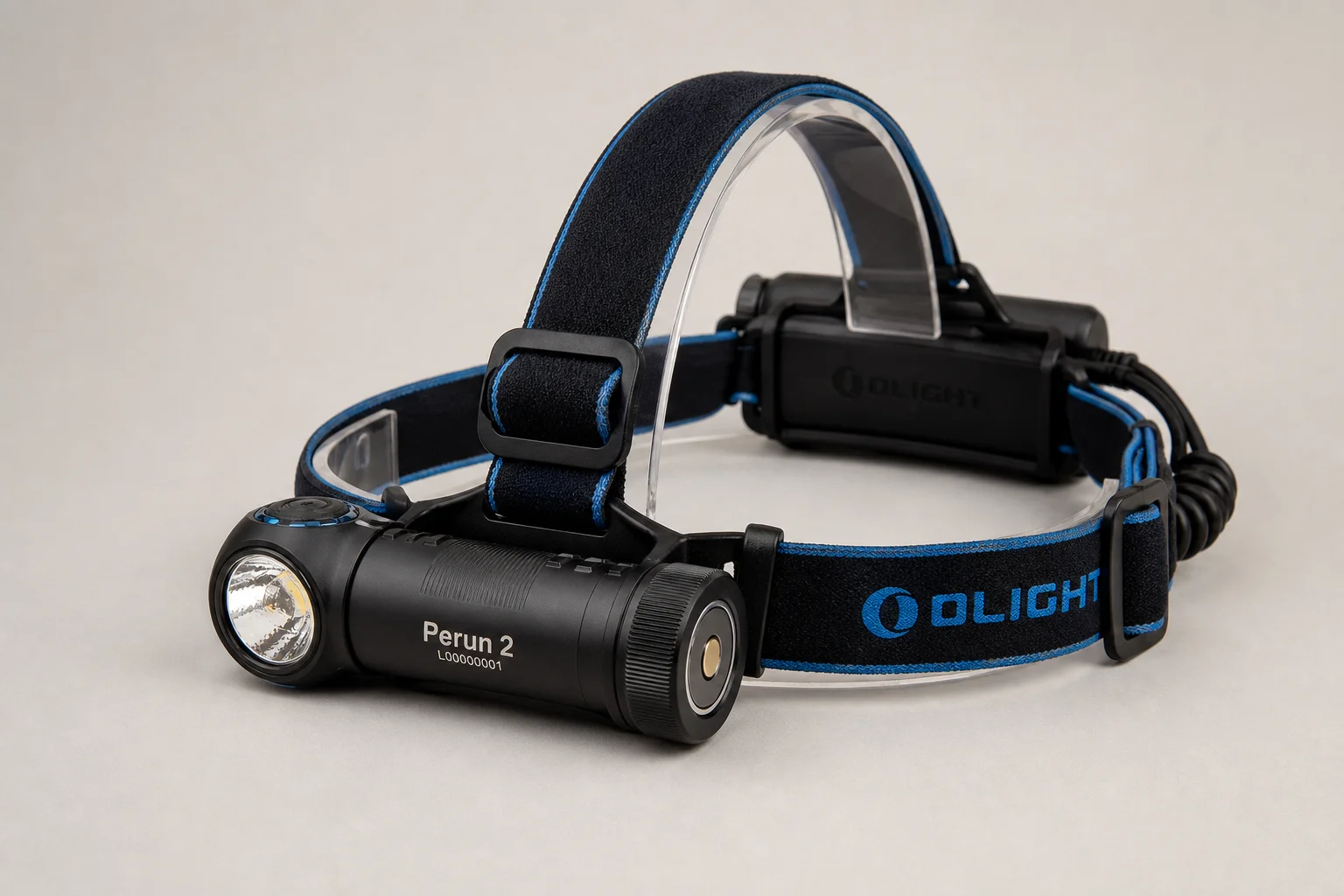
Olight Perun 2: Light for Camp and Trail
The Olight Perun 2 is the head torch in this loadout, and it covers both camp admin and moving after dark. A dependable light is not optional on a fast and light trip, because late arrivals and early starts are simply part of the format.
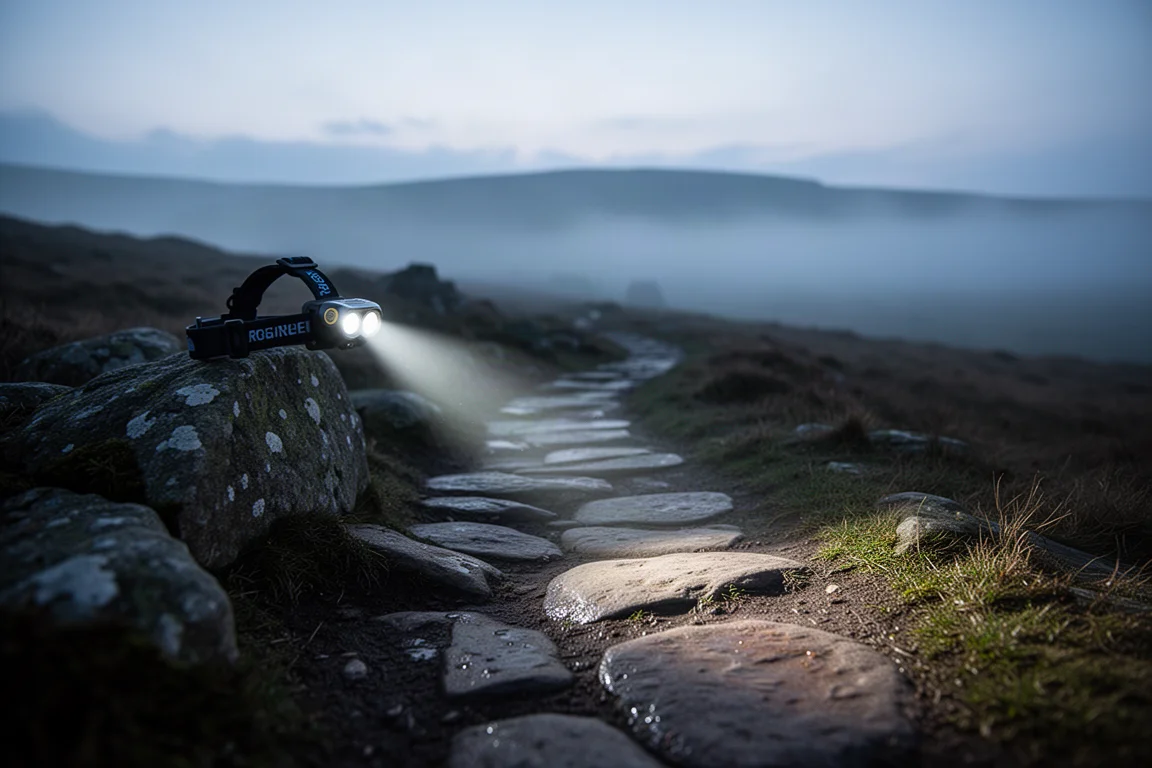
For anyone who regularly finishes a route after sunset, a torch that feels solid and predictable is worth more than a lighter one that leaves you guessing.
Flextail Tiny Pump 2X: Inflate, Deflate, and Light the Tent
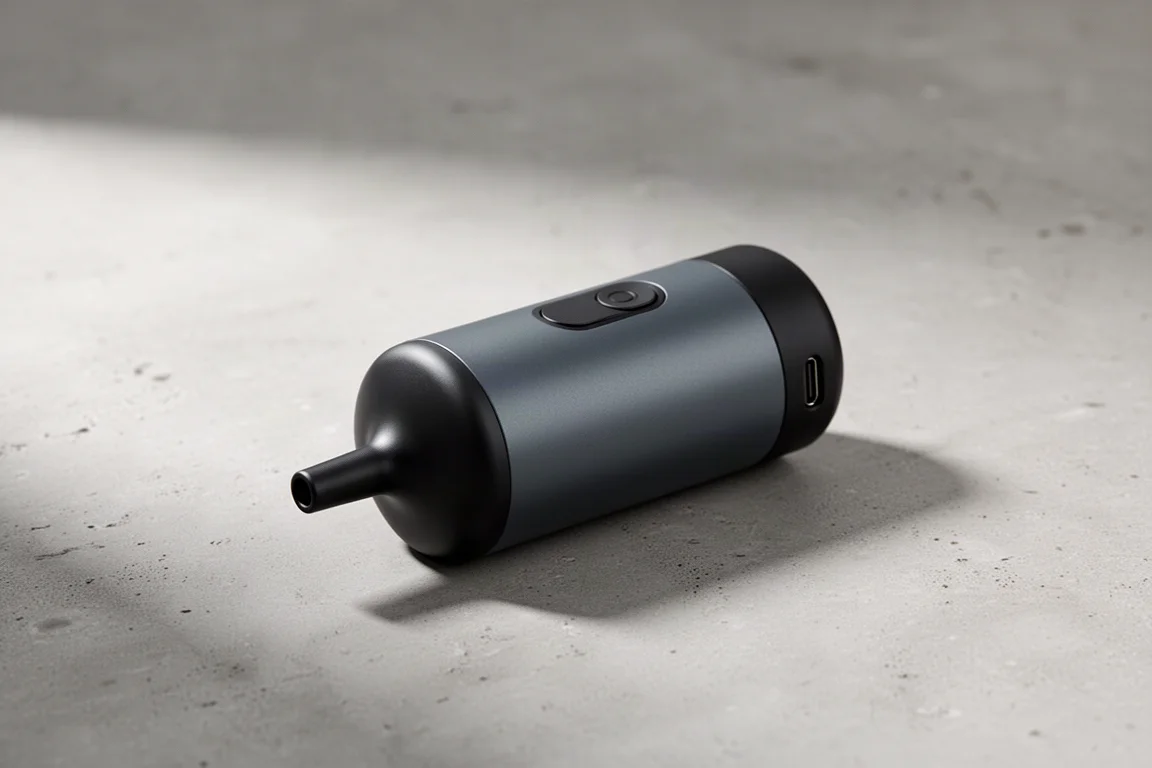
The Flextail Tiny Pump 2X is a small pump that doubles as a lantern. It inflates an air pad without leaving you breathless, and it can deflate one as well, which helps keep moisture out and stops the pad going mouldy between trips. The lantern function is a bonus that means one less item to carry.
Leki Makalu Trekking Poles: Support for the Long Miles
The Leki Makalu trekking poles serve two jobs here. They provide support and rhythm over long miles, and they double as the structure for the trekking pole tent, which is why they ride on the outside of the pack rather than buried inside it.
Smaller Items That Round Out the Load
- Spare clothing: boxers, a base layer top and spare socks, plus running tights that double as base layer bottoms for sleeping.
- A Nemo Fillo pillow and a small microfibre towel, for a bit of comfort and hygiene at camp.
- Tiny soap and shampoo tablets from Sea to Summit and Lifesystems, a toothbrush, toothpaste and a large spoon for packet meals.
- A lightweight power bank with a carbon fibre casing, plus a phone cable, so a phone and a torch can both be topped up on a multi-day route.
- Harvey Maps sheets and a compass, with a Rite in the Rain notepad and pencil for notes in wet weather.
- Food: a Fell Store raspberry, coconut and hemp seed breakfast, three Veloforte energy bars, a Torq recovery shake and a couple of hydration tabs for electrolytes.
- An emergency bivy bag and two rubbish bags, both light enough that there is no reason to leave them out.
Overall Buying Advice
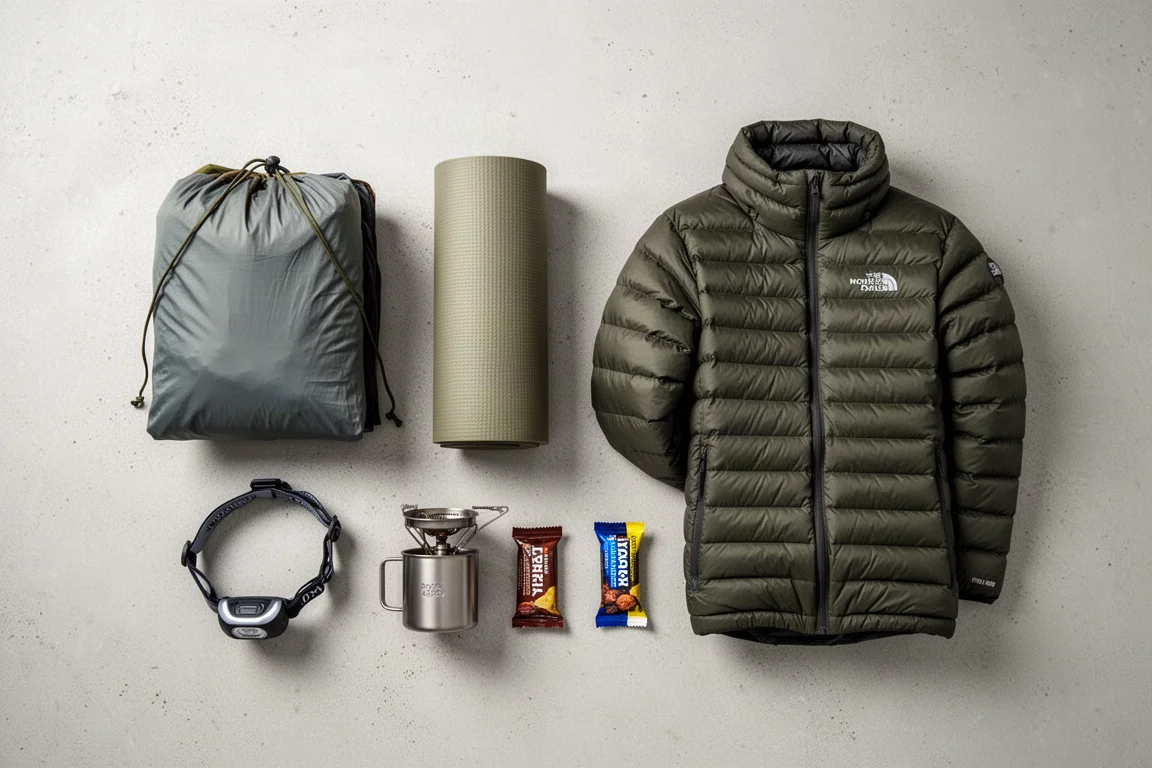
If you are building a fast and light kit from scratch, spend your money in order of impact. The pack, the shelter and the sleep system change a trip more than anything else, because they decide how comfortably you carry the load and how well you recover overnight. Get those three right and the rest of the list becomes easy to tune.
From there, weight savings get smaller and more personal. A pump and a lantern in one tool, a stove that works with a canister you can buy almost anywhere, and a torch that handles both camp and trail use are the kind of choices that quietly remove small frustrations. Items like the first aid kit and the bivy bag should be treated as fixed, because they are the ones you hope never to use.
Finally, resist the urge to buy everything at once. Take the kit out for a short overnight trip, note what you reached for and what stayed buried, and adjust from there. That process does more for a fast and light setup than any single upgrade.
Conclusion
This loadout is a complete three-season setup at 7.745 kg without water, and it covers everything a two-day trip needs: a sub-1 kg pack, a trekking pole shelter just under a kilogram, an insulated pad, a sleeping bag that goes below zero, a warm down layer, a reliable stove and light, and a first aid kit that lives within reach. It is a strong template for anyone who wants to move quickly without giving up the basics, and it scales sensibly for longer trips with a little more food and a few extra essentials.
Further reading
Related Reviews

Backpacking Gear
Building a 10 lb Base Weight: An Ultralight Backpacking Gear List
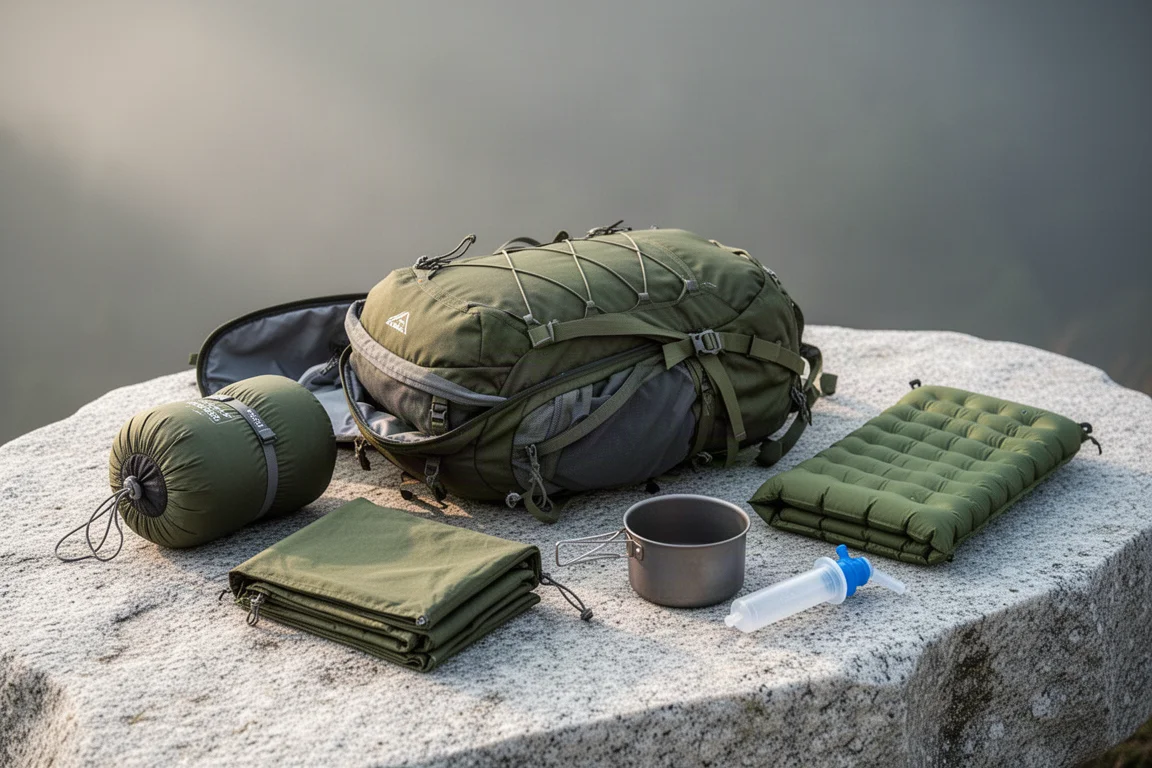
A practical walkthrough of the ultralight pieces behind a 10 lb base weight, from a 765 g pack and a roomy one-person tent to a full camp chair and a dependable water filter.
Backpacking Gear
A 15-Pound Lightweight Backpacking Gear List for Solo Trips
A beginner-friendly 15-pound backpacking setup built from easy-to-find gear, with notes on what each piece does, how it packs, and where to spend your attention.
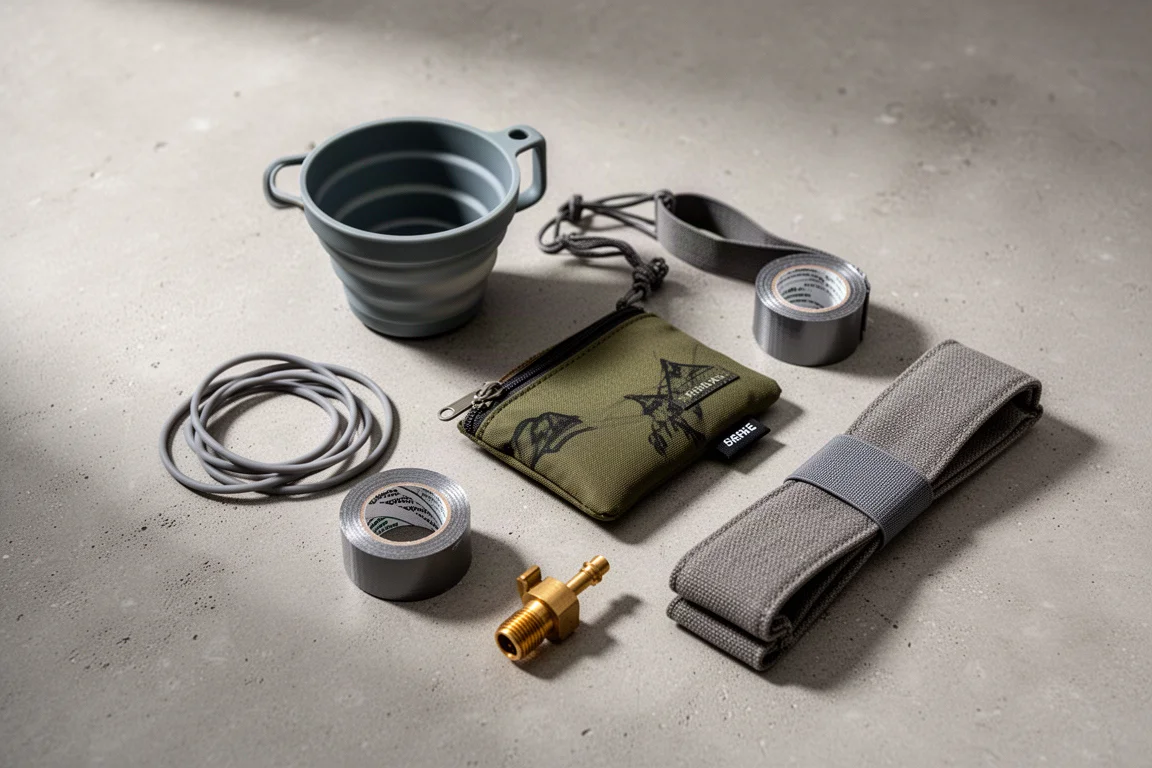
Backpacking Gear
8 Ultralight Backpacking Gear Upgrades Worth Carrying
Eight small, affordable backpacking upgrades that solve real trail annoyances, from a pillow that stays put to a fuel valve that rescues leftover canister gas.