Family Camping Gear
Family Camping Gear Upgrades: 7 Pieces That Made the Trip Easier
Seven family camping upgrades tested on a real trip, from a low insulated loveseat to a six-person tent, a washable sleeping pad, and a baby sleep setup.
Introduction
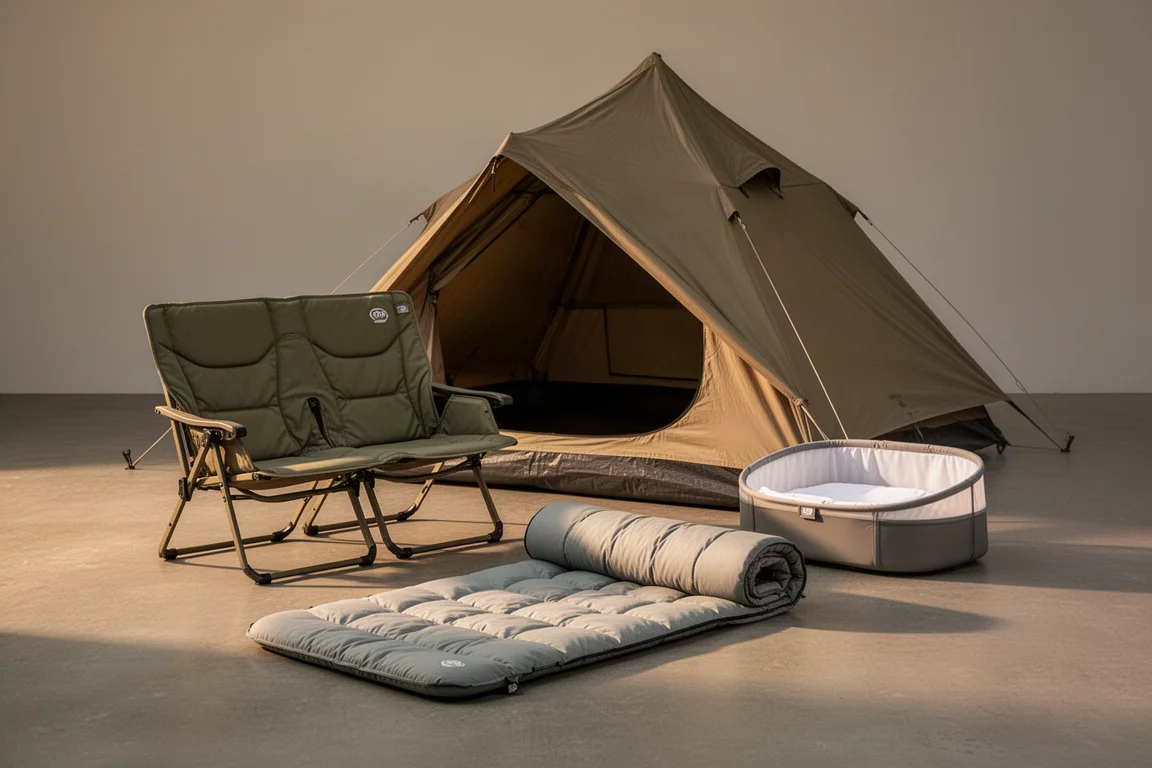
Most camping gear can be picked up cheaply secondhand, and there is nothing wrong with that. The question this guide answers is a different one: once the basics are covered, which pieces genuinely make a family camping trip easier, warmer, and more comfortable?
These seven items were packed, set up, and slept on during a real trip with a baby and a dog, on a night that dropped to 7°C. Some earned a permanent place in the car. Others come with trade-offs that are worth knowing before you spend.
What We Looked For
Every item was judged against the same handful of questions. Does it make the trip more comfortable or more enjoyable? Does it make a specific job easier, whether that is feeding a baby, getting a child to sleep, or cooking dinner? How much space does it take up in the car? And does it still work when the temperature falls after dark?
Camping with a small child changes the priorities. A chair a toddler can climb onto safely matters more than one that simply looks good. A sleep setup that keeps a baby contained and warm matters more than a tent with an extra feature. The gear here was chosen with those realities in mind.
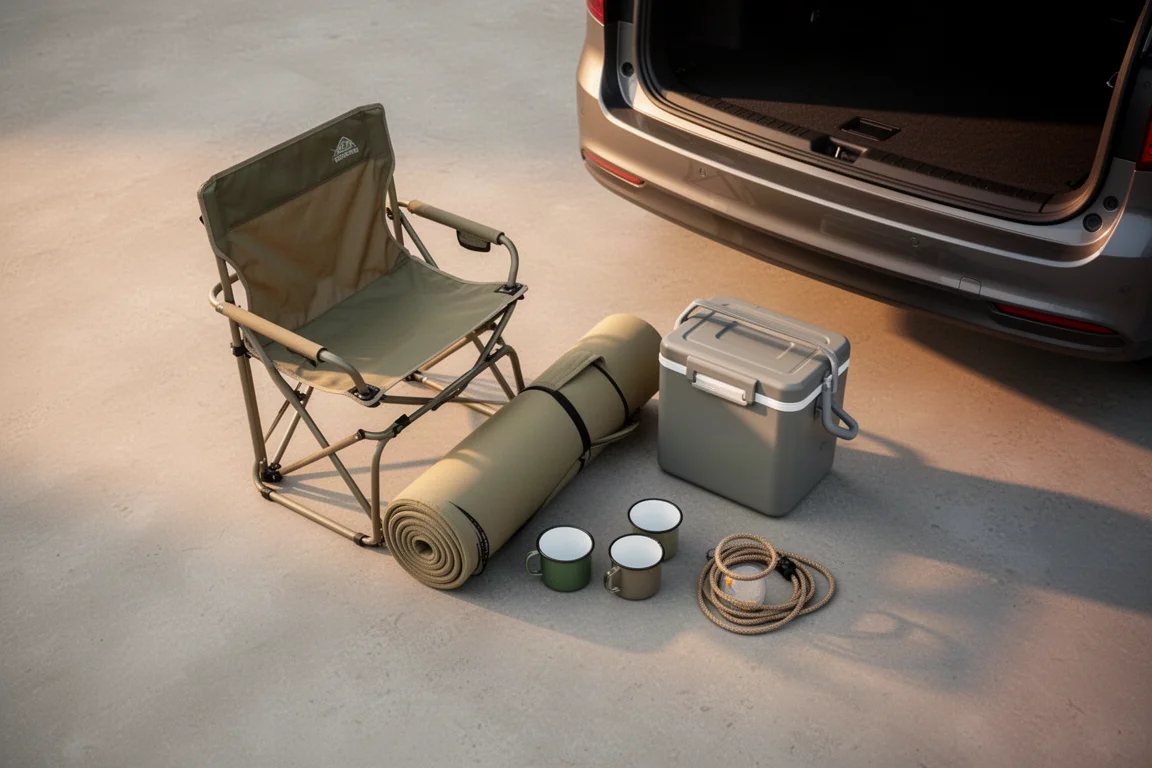
Value counts too. Several of these products sit at the higher end of their category, and at least one can be matched in comfort by much cheaper alternatives. Where that is the case, it is said plainly.
Kelty Love Seat: Low, Cozy Seating for Two
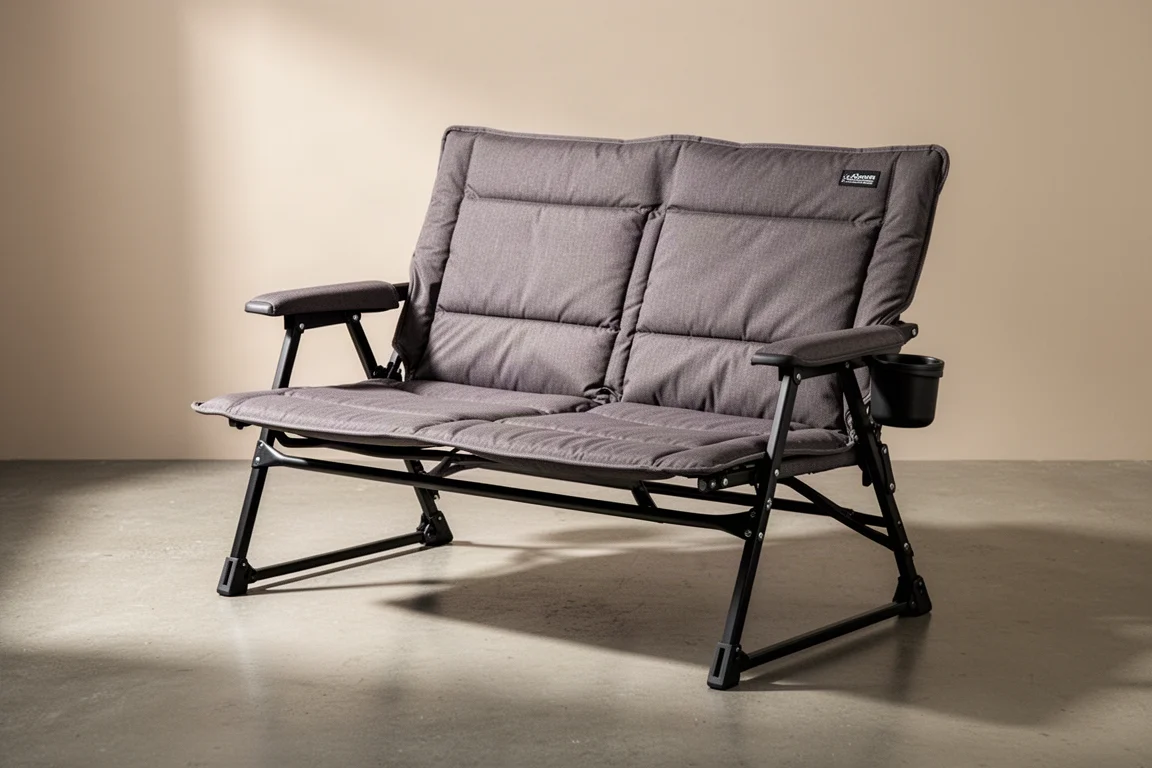
The low seat height is the defining feature. Sitting close to the ground lets you stretch your legs out and lounge rather than holding them straight up, which takes pressure off the hamstrings and makes long evenings around a fire noticeably more pleasant.
The low profile has a second benefit when children and dogs are part of the trip. Both can climb on and off without help, and a tumble from this height is far less worrying than a fall from a taller loveseat.
This insulated version holds warmth against your back and seat, which is a real advantage on cool summer nights. A mesh version is also available for warmer climates where ventilation matters more than insulation.
It is also roughly half the size of a typical larger loveseat, and it holds a wine glass without drama. The trade-offs are worth naming: the centre section is slightly raised, so a small child sitting alongside an adult is not especially comfortable, and there is no belted pillow for reclining. Even so, it was the chair chosen over the older, taller one for future trips.
Nemo Aurora High-Rise: Room for the Whole Crew
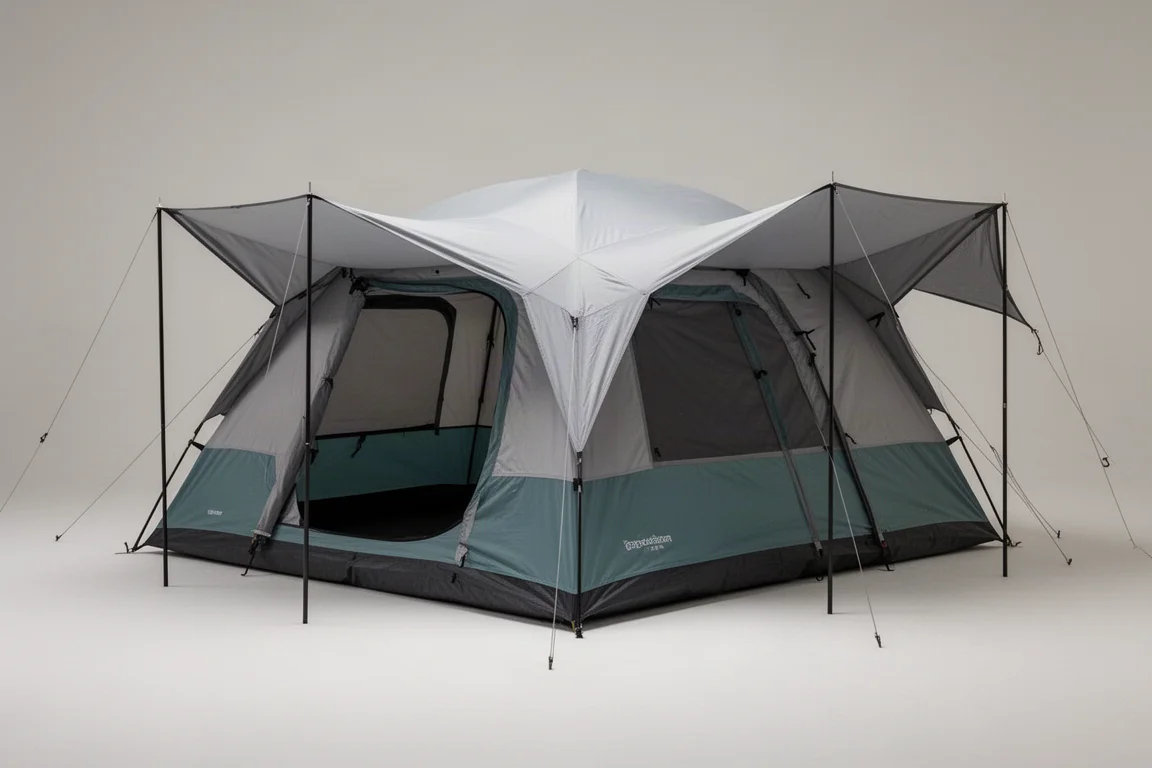
The tent was upgraded from a four-person model to a six-person one, keeping the same design that had already become a favourite on previous trips. The reason is straightforward: a household that now packs a dog and a baby’s sleep setup needs more floor area, and the larger footprint delivers it.
If you already trust this design, the six-person version is a natural step up rather than a switch to something unfamiliar. The trip itself included a night at 7°C, with the tent acting as the base for the whole family setup.
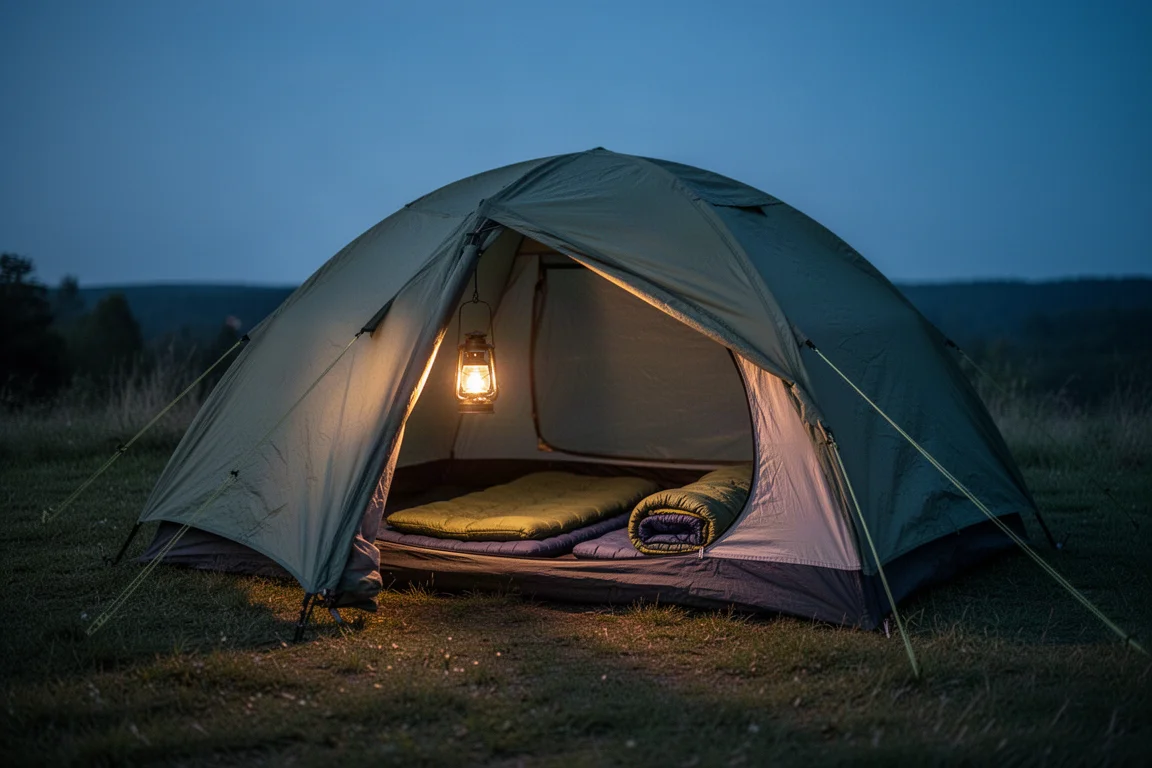
Packing a larger tent is a genuine consideration when car space is tight, so it is worth measuring your boot before committing to the bigger model.
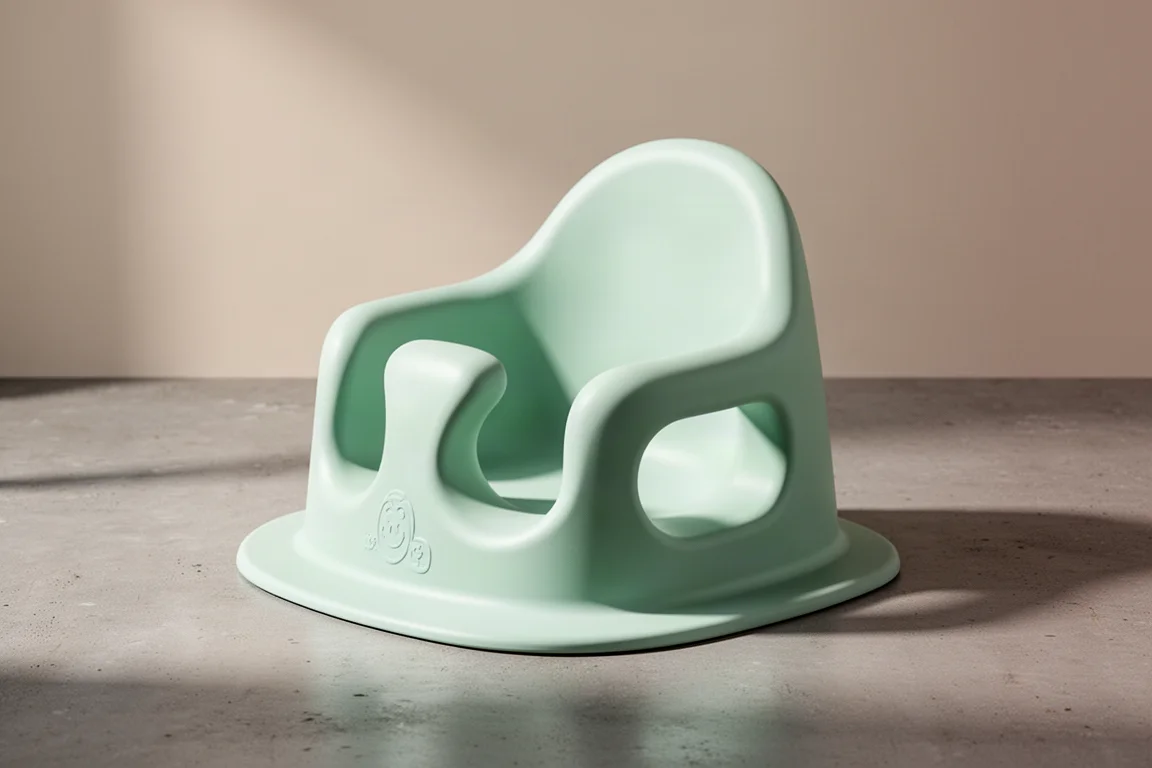
Bumbo: A Familiar Seat Away From Home
A moulded floor seat that a baby already knows from home, used at restaurants, on the kitchen counter, and at camp for dinner. On a campsite that familiarity is the whole point: a baby who recognises the seat settles into mealtime instead of resisting it.
It is small, light, and easy to wipe down, which matters when the car is already full. It also gives a baby a stable, upright position for eating without anyone needing to hold them.
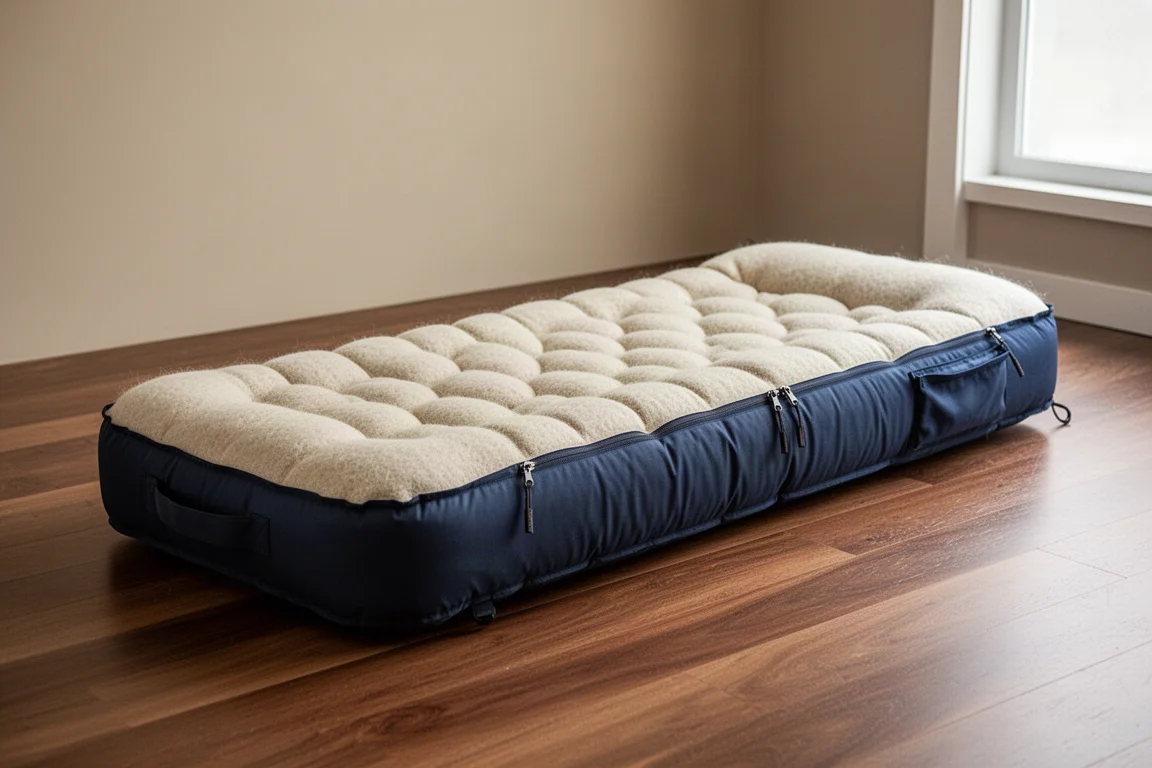
Xped Lux Mat: Warmth and Comfort Underneath
The standout detail is the soft quilted wool topper, which lifts off and can be washed when it gets dirty. Underneath sits a genuinely thick pad that delivered on the two things a sleeping pad has to do: it was warm and it was comfortable on a night that fell to 7°C.
A zipper runs along either side, so a single mat can be joined to another to form a double. That is a useful option for couples who would rather share one surface than sleep on two separate pads.
At the head end there is a zippered pocket plus a stretchy mesh pocket, ideal for lip balm, earplugs, and other small items that would otherwise disappear into the tent. The sheet is soft enough that sleeping directly on the mat would be pleasant in warm weather.
The honest caveat: this pad is not obviously more comfortable than foam pads that cost a fraction of the price, and similar-looking alternatives are widely available. If warmth and comfort are your only requirements, compare carefully before paying a premium for the topper and the pockets.
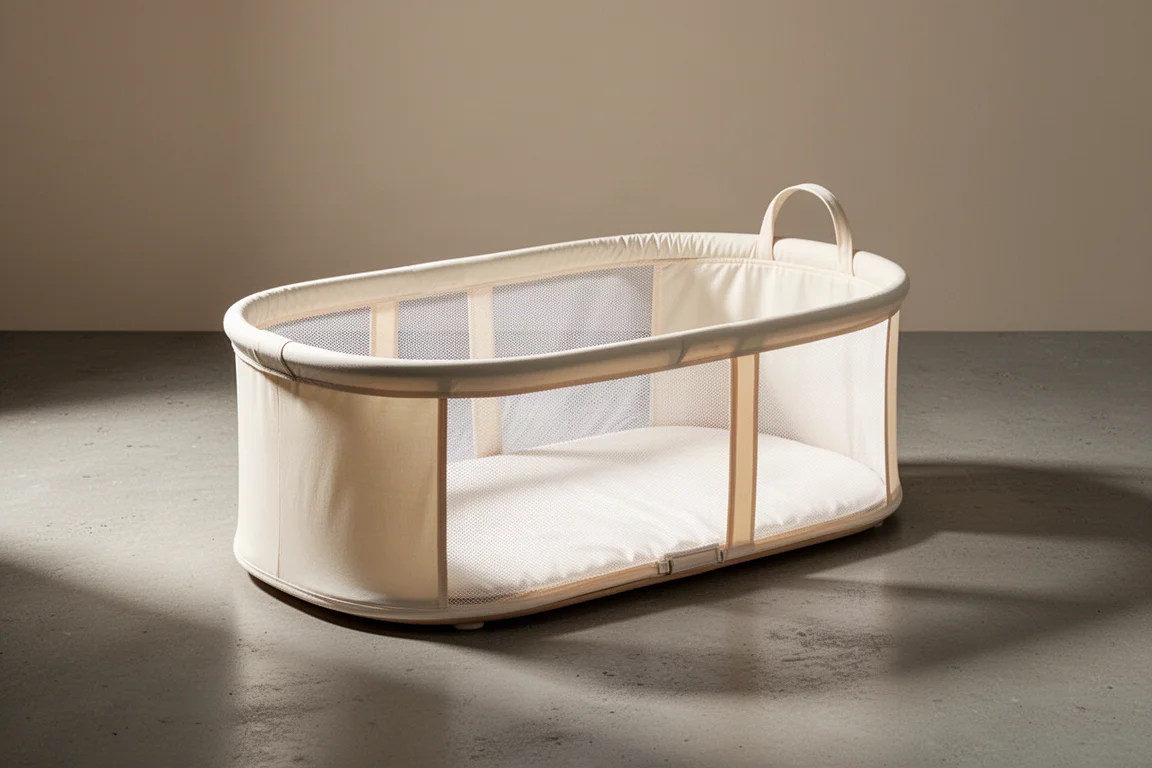
Peepod: A Contained Sleep Space for a Baby
A portable sleep pod that sits on top of foam mattresses and keeps a baby in one place through the night. On this trip it did exactly what it promises: the baby settled and slept inside it, right next to the adults, with a battery-powered white noise machine running alongside.
Two things made bedtime slower than usual. It stayed bright until about 10pm, which is a lot of daylight for a baby used to a dark room, and the early evening was warm enough that a sleep sack was too much. A darker tent, or some way to black out the sleeping area, would have helped a great deal.
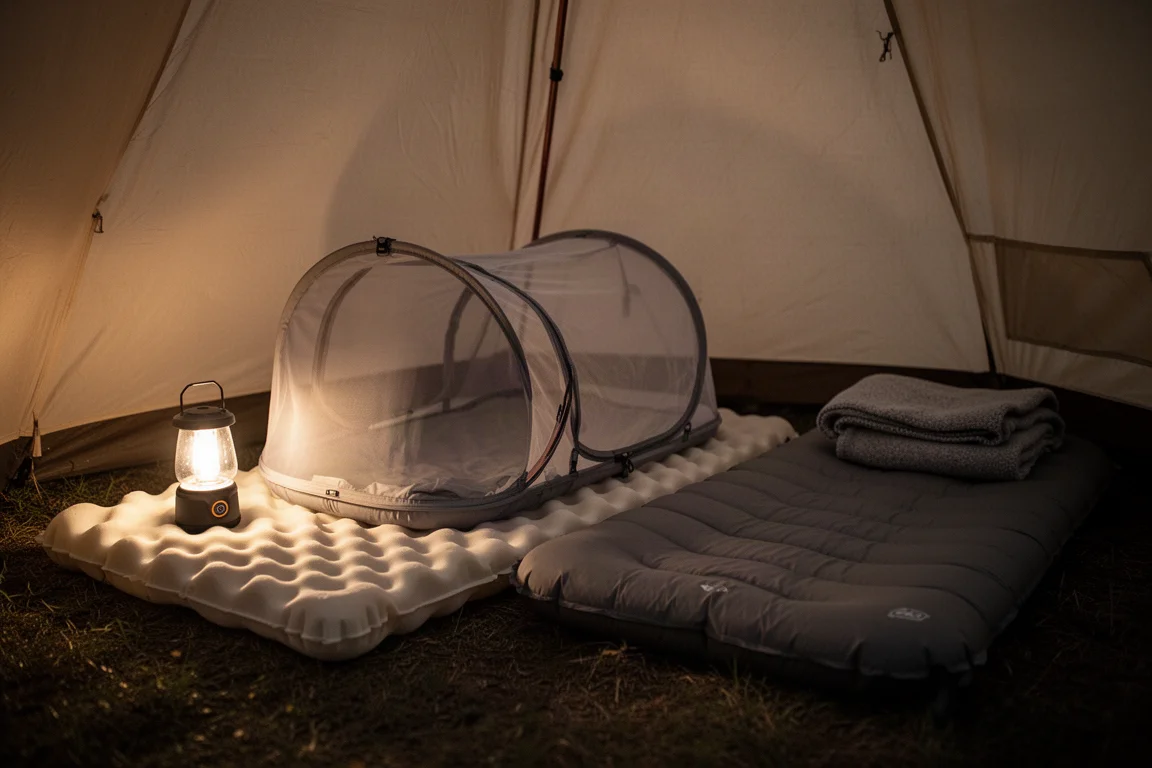
For a first camping trip with a baby, having a defined, familiar-feeling sleep space that moves easily from the car to the tent is a meaningful advantage.
Morrison Sleep Sacks: Layering for Cooler Nights
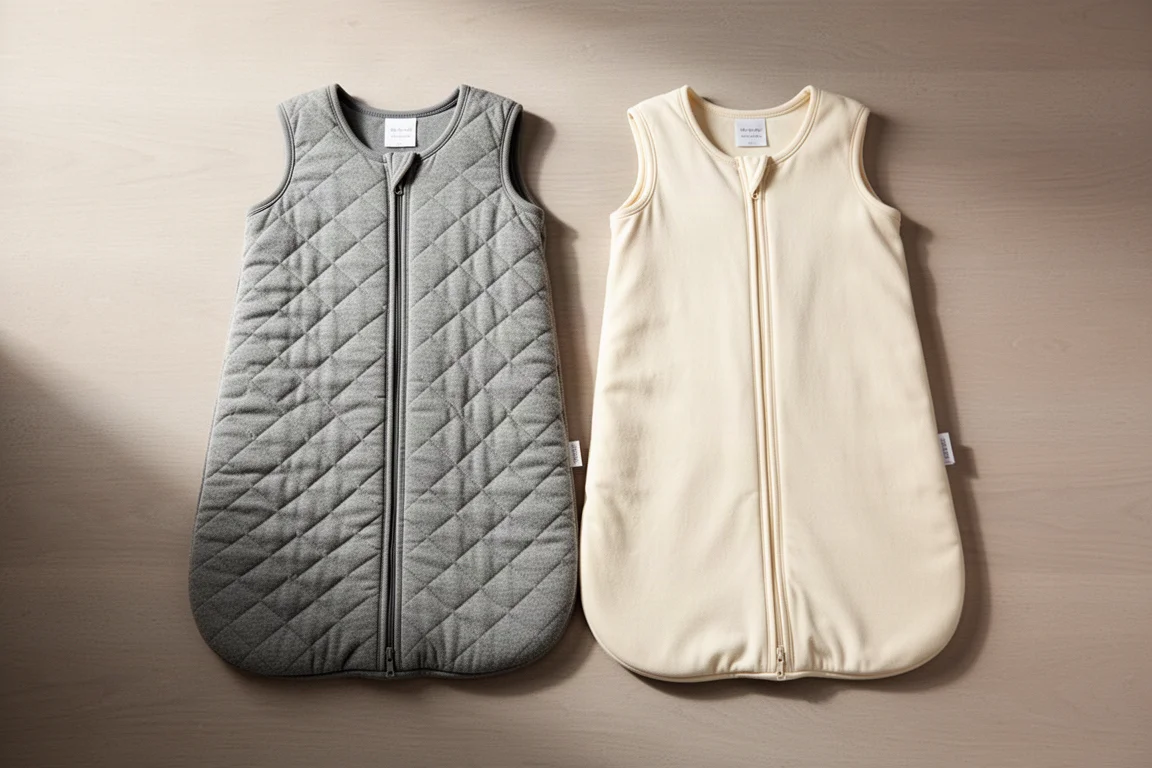
Two versions were packed, a warmer one and a lighter one, so the choice could be made on the night rather than weeks in advance. The lighter synthetic version proved to be the right match for a night that dropped to 7°C.
Bedtime was still warm enough that a sleep sack was too much, so the baby went into the pod in a onesie for the first stretch. The plan for future trips is to pack a fleece or lighter sack for naps and the early evening, then move to a warmer layer as the temperature drops.
Nemo Jazz Sleeping Bags: Familiar Comfort at Night
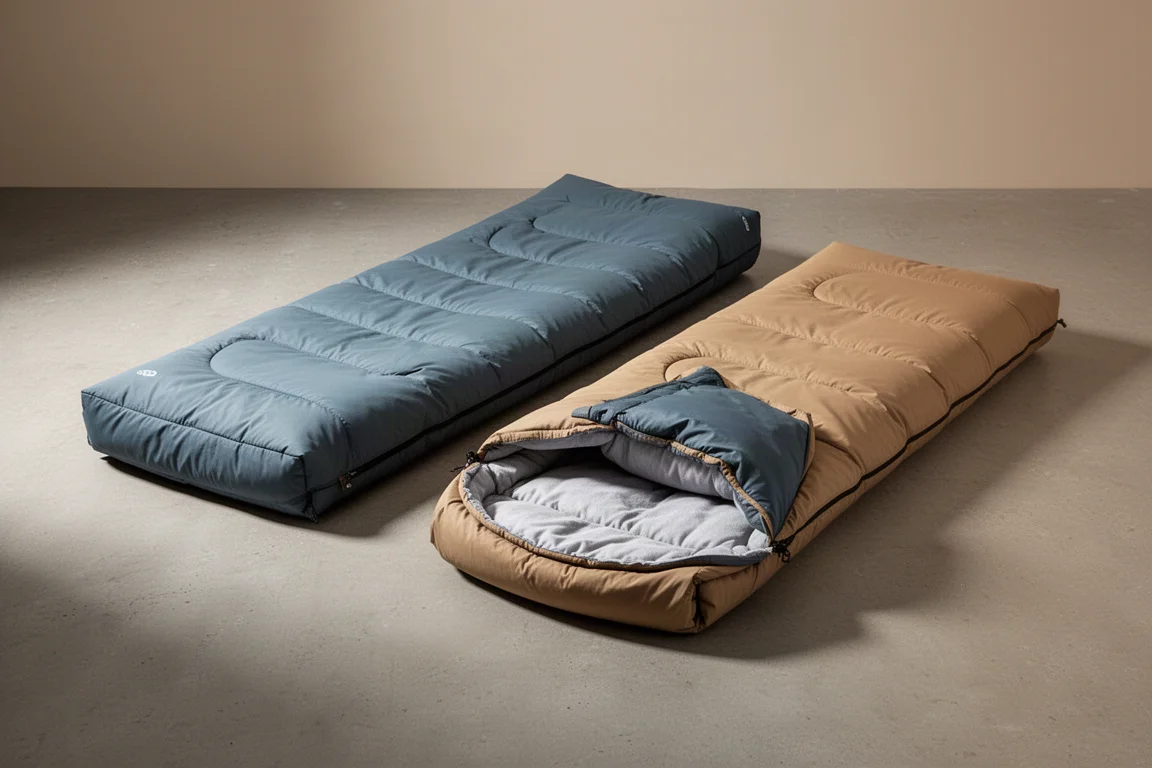
The adults slept in these bags, paired with pillows brought from home. That detail is worth repeating, because a good pillow does more for a night’s sleep in a tent than most gear upgrades, and it costs nothing to bring.
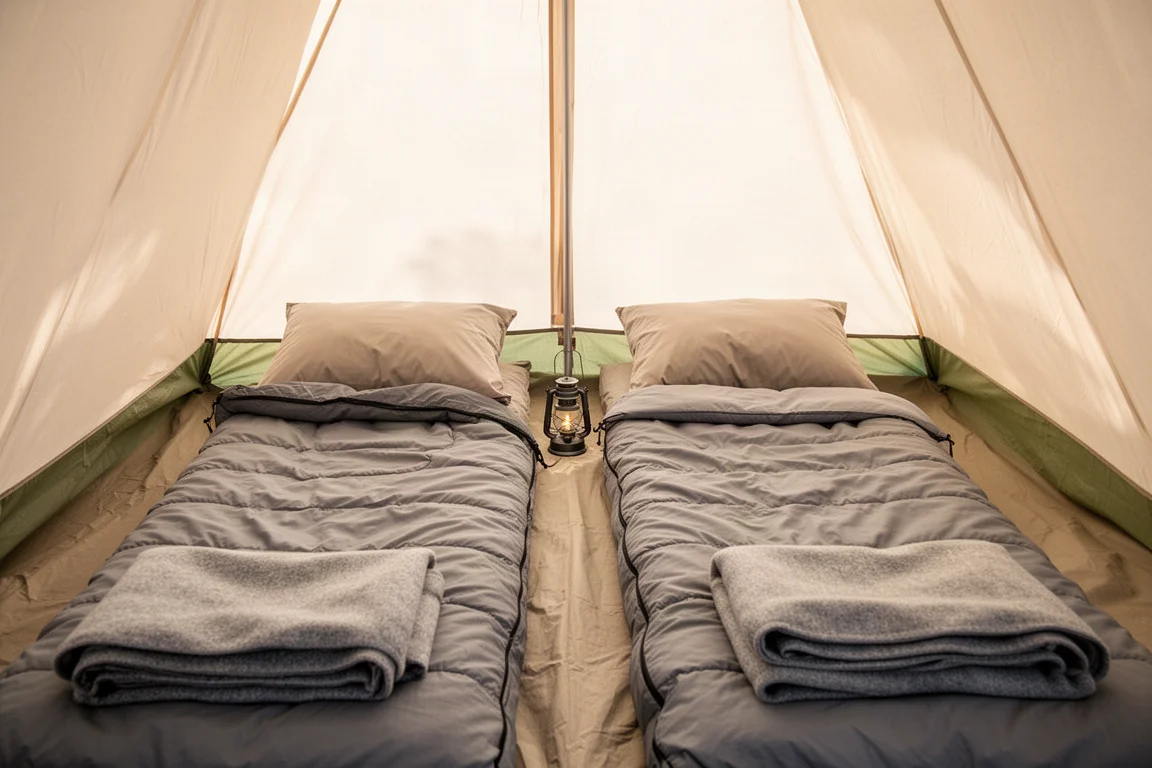
Sleeping well at camp is usually about the whole system rather than one item: a warm, comfortable pad underneath, a bag suited to the forecast, and the pillow you already use every night.
Overall Buying Advice
Match each purchase to a real problem. A loveseat earns its space if you spend evenings sitting around a fire and want to stretch out; the insulated version suits cool nights, while the mesh version makes more sense in hot, humid conditions. For cooking and evening heat, a propane fire pit is easier to manage than a wood fire and does not leave everything smelling of smoke.
For babies, the sleep system is where money is best spent. A contained pod, a sleep sack matched to the forecast, and a way to darken the tent address the two things that most often disrupt a first camping trip: light and temperature.
For tents, size up when the household grows rather than switching to an unfamiliar design, and measure your boot before committing. Some gear is bulky, and that can be acceptable when it solves a real problem: a large family tent and a shade canopy with bug netting sides both take up serious space, yet the canopy gave a crawling baby a safe place to play on the ground and was the one item that would not have been left behind.
Conclusion
The pattern across all seven items is consistent: the upgrades that earn their place solve a specific, recurring problem. A low insulated loveseat makes long evenings comfortable and safe for a toddler. A six-person tent gives a growing family the floor space it needs. A familiar floor seat turns mealtime into something a baby recognises. A thick pad with a washable topper keeps a camper warm on a 7°C night, though cheaper foam options deserve a look. A contained sleep pod and sleep sacks matched to the forecast are what make a baby’s first camping trip workable. And the sleeping bags that pair with your own pillow round out the system.
Pick the ones that answer a problem you actually have, and the rest of the trip takes care of itself.
Further reading
Related Reviews

Backpacking Gear
Building a 10 lb Base Weight: An Ultralight Backpacking Gear List
A practical walkthrough of the ultralight pieces behind a 10 lb base weight, from a 765 g pack and a roomy one-person tent to a full camp chair and a dependable water filter.
Road Bikes
10 New Road Bikes Worth Watching: Aero, Titanium, Steel and Endurance Standouts
A practical roundup of 10 new road bikes, from aero flagships chasing single-watt gains to titanium, steel and endurance platforms built for real roads.
Bikepacking Gear
11 Bikepacking Essentials for Long-Distance Cycling
Eleven bikepacking essentials for long-distance cycling, from a steel gravel frame and a two-person tent to helmet lights, packable gloves, and a frame bag that puts weight in the right place.