Backpacking Gear
Family Backpacking Gear: A Three-Person Tent, a Toddler Carrier, and Merino Socks
A practical look at three items for family overnight trips: a three-person Dyneema shelter, a framed child carrier with 36 L of storage, and a merino blend sock with a lifetime warranty.
Introduction
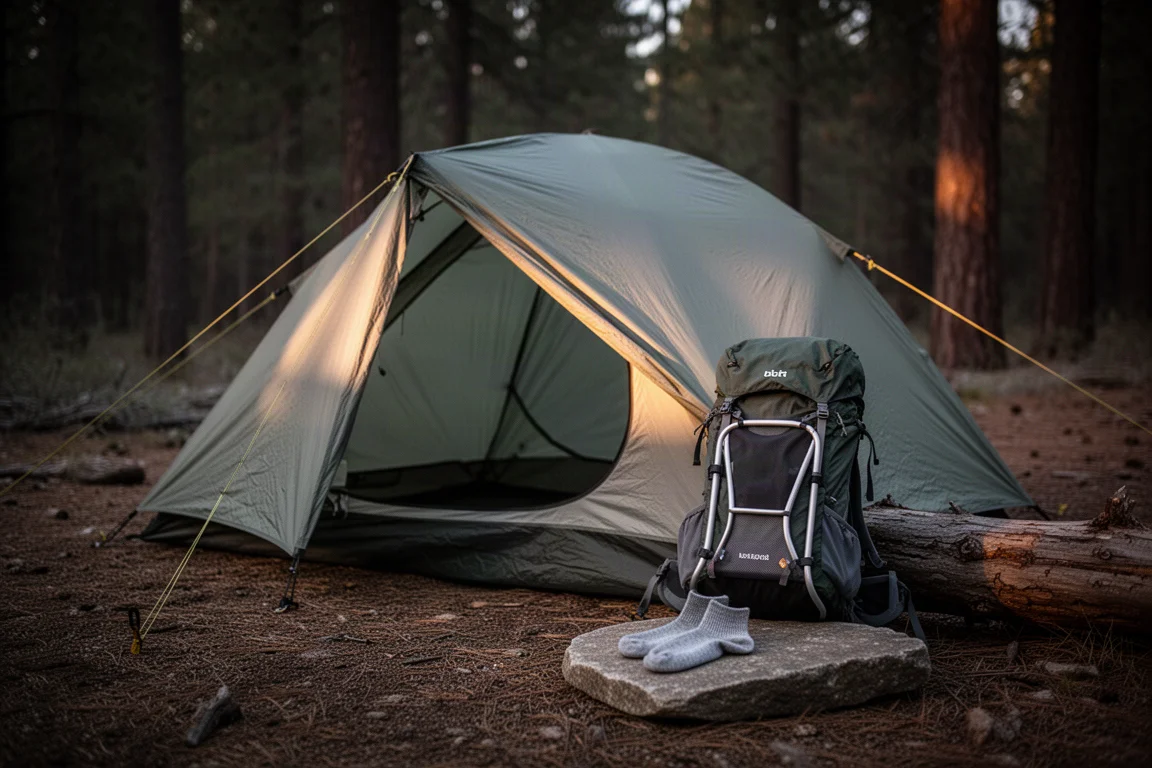
Packing for a family overnight trip is a different exercise from packing for a solo hike. The shelter has to hold more bodies, someone has to carry a small passenger along with that passenger’s kit, and everyone’s feet still need to hold up over the miles. This lineup addresses those three problems directly: a three-person Dyneema shelter, a framed child carrier with genuine storage, and a merino blend sock that is being put up against well-known trail brands.
Each item was chosen for a specific role on an upcoming overnight shakedown trip, and each comes with trade-offs worth understanding before you spend.
What This Gear Lineup Is For
The logic behind the list is simple: cover shelter, transport, and foot comfort, then test all three on a short trip before committing to anything longer. The shelter is sized for two adults plus a toddler, the carrier is sized for a child plus gear, and the socks are the cheapest and easiest of the three to evaluate honestly.
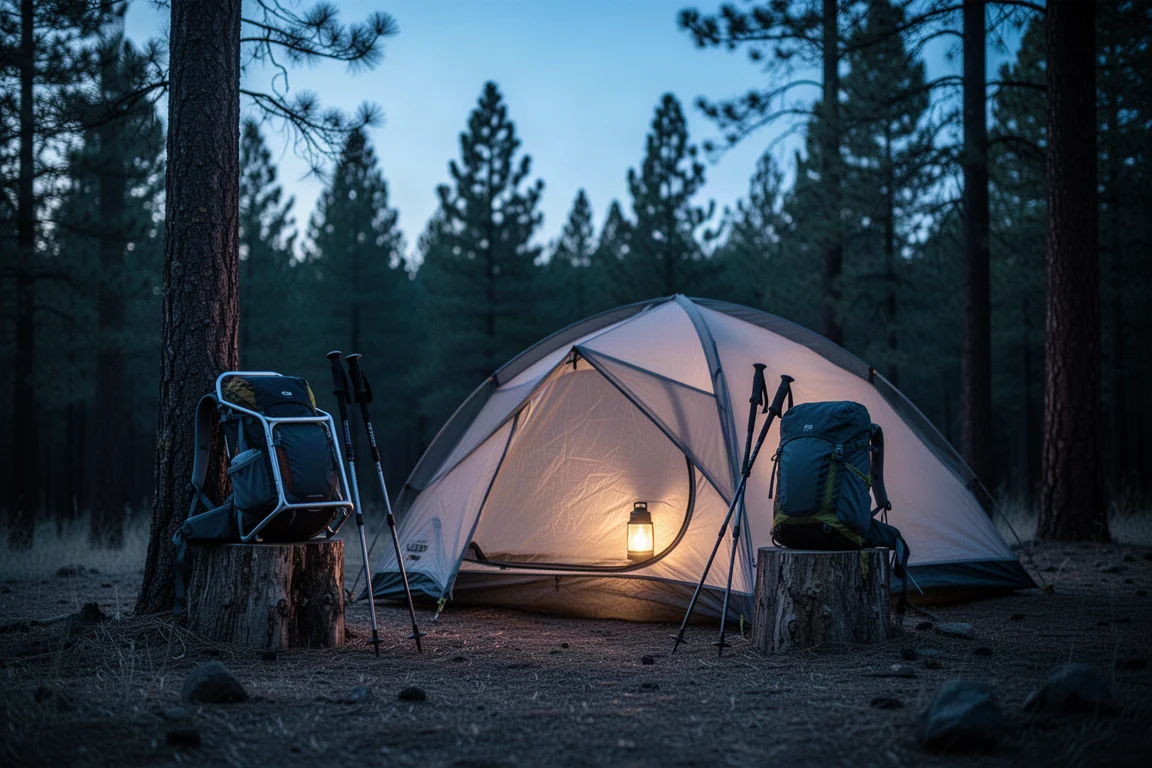
That test trip matters more than the spec sheets. A shelter that feels roomy in the yard can feel tight with three bodies and condensation on the walls, and a carrier that fits well on a twenty-minute walk can behave very differently after five miles. Short overnight trips are the cheapest way to find those answers while returns are still possible.
Zpacks Trio Pivot Tent: A Three-Person Dyneema Shelter
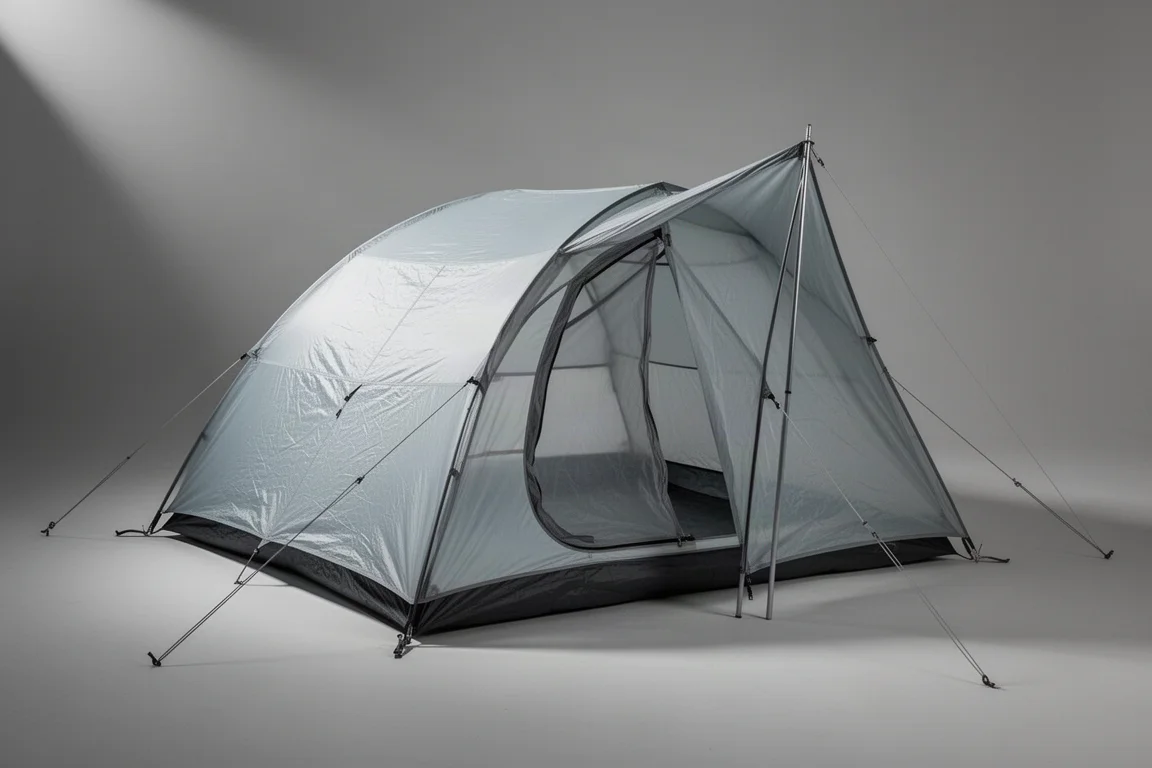
The Trio Pivot is a three-person shelter built from Dyneema with a floor area that is close to the Triplex, which makes it a familiar footprint for anyone who has used that model. The sizing rule here is straightforward: one person more than the number of sleepers, so two adults plus a small child lands on a three-person tent rather than a two-person one.
Two details stand out as upgrades. The storm doors are zippered, which closes up the vestibule properly against wind and rain and feels more secure than an open or partially covered entry. The mesh doors are also zippered now and cut in an L shape rather than the older half moon shape, so you can still get in from either side of the mesh without wrestling with the opening.
The feature likely to matter most on a trip with a toddler is the headroom. A single included tent pole props up the walls on one side, which adds usable head or foot space depending on how you orient the tent. That extra height helps in two ways: a small child has more room to roll around, and an adult’s jacket hood is less likely to press against the wall. On a single-wall shelter, contact with the fabric is where condensation turns into a damp sleeping bag, so a little extra clearance is a real comfort gain rather than a cosmetic one.
The trade-off is inherent to the category. This is still a single-wall Dyneema tent, so condensation remains something to manage with ventilation and site selection. Dyneema is also light and strong but not immune to abrasion over many miles, which is the reason a long-serving ultralight shelter eventually gets retired rather than repaired indefinitely.
Osprey Poco Premium Baby Carrier: A Load-Bearing Toddler Seat
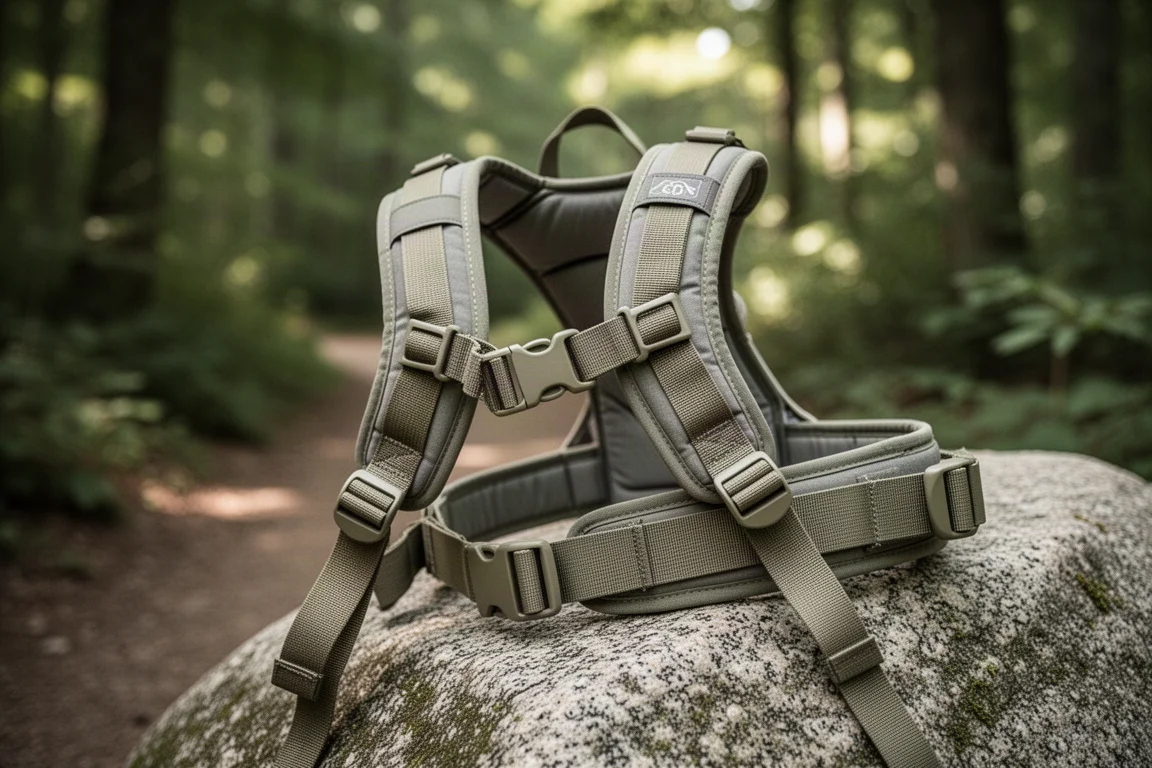
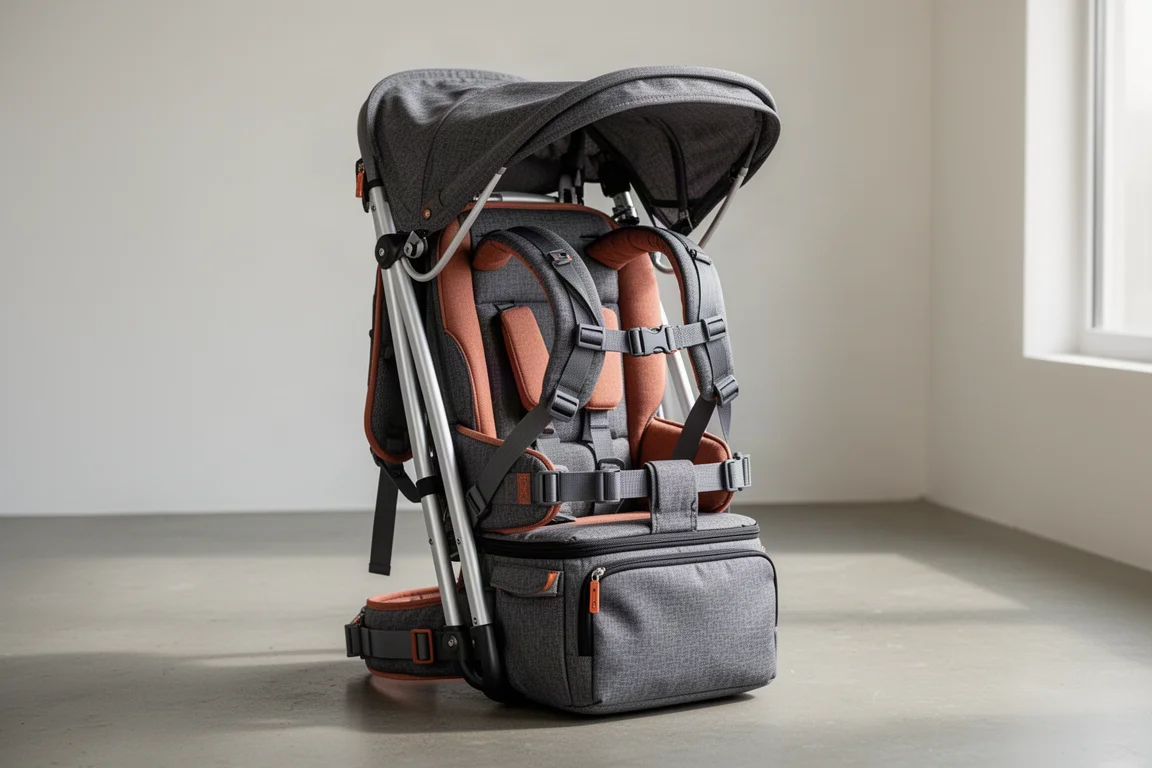
The Poco Premium is a framed child carrier made from nylon with a waterproofing treatment and an internal aluminium frame. The frame is what turns a child seat into a load-hauling pack, and it is the main reason a carrier like this can be worn comfortably for hours rather than minutes.
The numbers are worth memorising before you load it. Storage comes to 36 L, which is enough for a child’s clothing, snacks, and a small camera kit. Total weight capacity is 48.5 lbs, and that figure covers everything: the child, the gear you stuff into the carrier, and the carrier itself. The carrier alone weighs 8 lb 5.4 oz, so a meaningful share of the capacity is spent before anything goes inside. Price is $420.
It is worth knowing that the Poco line comes in several versions. Lighter and cheaper options exist, and the Premium was chosen specifically for the extra carrying space rather than for any weight advantage. If your child is small and your gear list is short, a simpler version of the same carrier could serve you just as well for less money. If you are hauling a toddler plus camera equipment plus a day of supplies, the extra storage is what makes the Premium worth the step up.
Bombas Merino Blend Socks: Merino Without the Hype
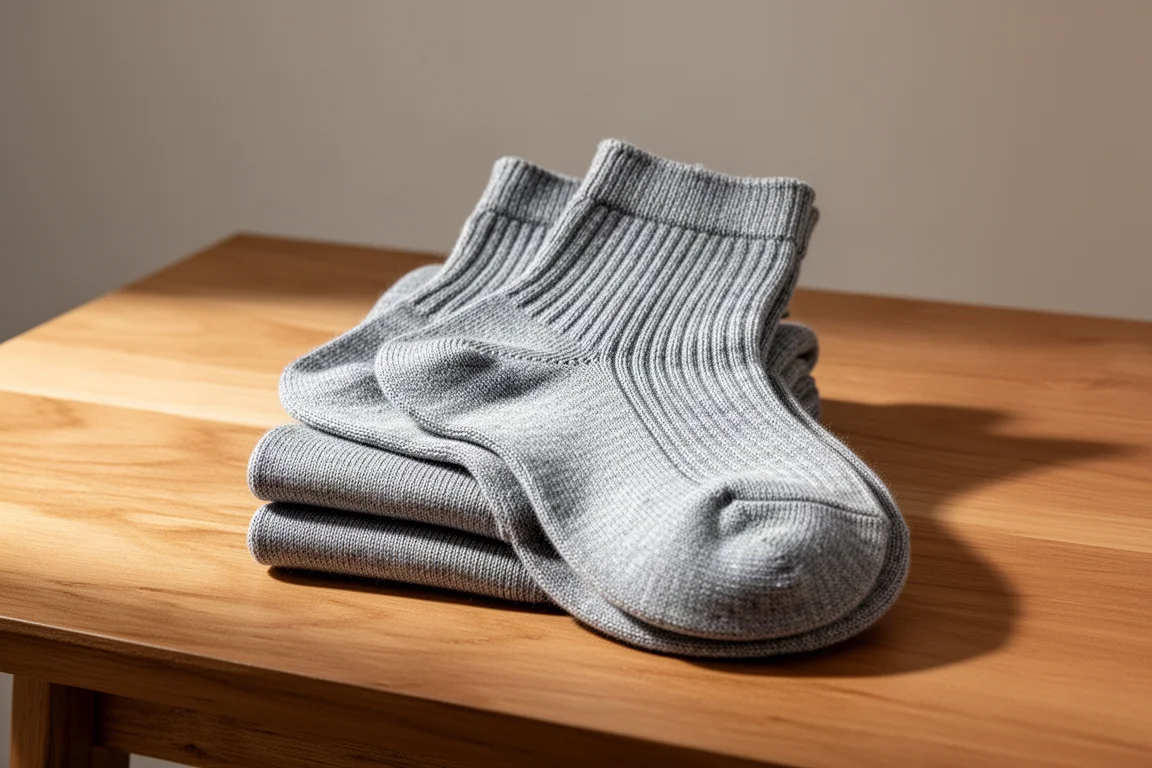
The Bombas merino blend ankle socks use a 60% merino wool, 34% nylon, and 6% elastane blend. That is a sensible trail composition: merino for temperature regulation and odour resistance, nylon for durability and shape retention, and a small amount of elastane to keep the sock locked to the foot.
At $24 for the pair, the price sits in the same territory as established merino hiking brands, so the comparison is fair rather than apples to oranges. The most interesting part of the offer is the lifetime warranty, which is described as covering worn-out socks even when they have holes in them or have been chewed up by a dog. That is a strong claim, and it is the kind of policy that only pays off if the brand honours it consistently over years of use.
The open question is durability on trail. Reputation and warranty aside, a merino blend sock either survives repeated washing and long days in boots or it does not, and that is something only real mileage answers. Treating the first pair as a test run against whatever you already wear is the sensible approach.
What to Weigh Before You Buy
Start with the sizing rule for shelters: one berth more than the number of sleepers. Two adults and a toddler is a three-person tent, even if the toddler takes up half the space of an adult, because the extra floor area is what keeps packs and bodies from piling on top of each other.
Then do the load maths on the carrier before you buy it. A stated capacity of 48.5 lbs sounds generous until you subtract the carrier’s own 8 lb 5.4 oz and then add a growing child. Storage volume and weight capacity are two separate limits, and you will hit one of them first depending on whether you pack bulky items or heavy ones.
Finally, decide where the money should go. The shelter and the carrier are the two significant purchases here, and both are the kind of gear you expect to use for years. Socks are the low-risk experiment: at $24 a pair with a lifetime warranty, they are the cheapest way to find out whether a merino blend suits your feet before you restock your whole drawer.
Fit, Returns, and Trying Gear Before You Commit
Fit is the variable no specification can settle. A framed child carrier has to sit correctly on your hips and shoulders with a loaded child inside, and a shelter has to feel right when you are actually crouched in the doorway in the rain. Neither can be judged from a product page.
That is why the return policy matters as much as the spec sheet on a purchase this size. Some retailers offer members a return window of up to a year, and in some cases that window still applies to gear that has been used on the trail. It is not a policy to exploit, but it does make an expensive carrier or shelter a far less risky decision when you genuinely cannot tell whether it will work for your body and your family until you have tried it outdoors.
A short overnight trip is the ideal test. It is long enough to expose fit problems and short enough that a bad night is not a ruined week.
Durability and Long-Term Value
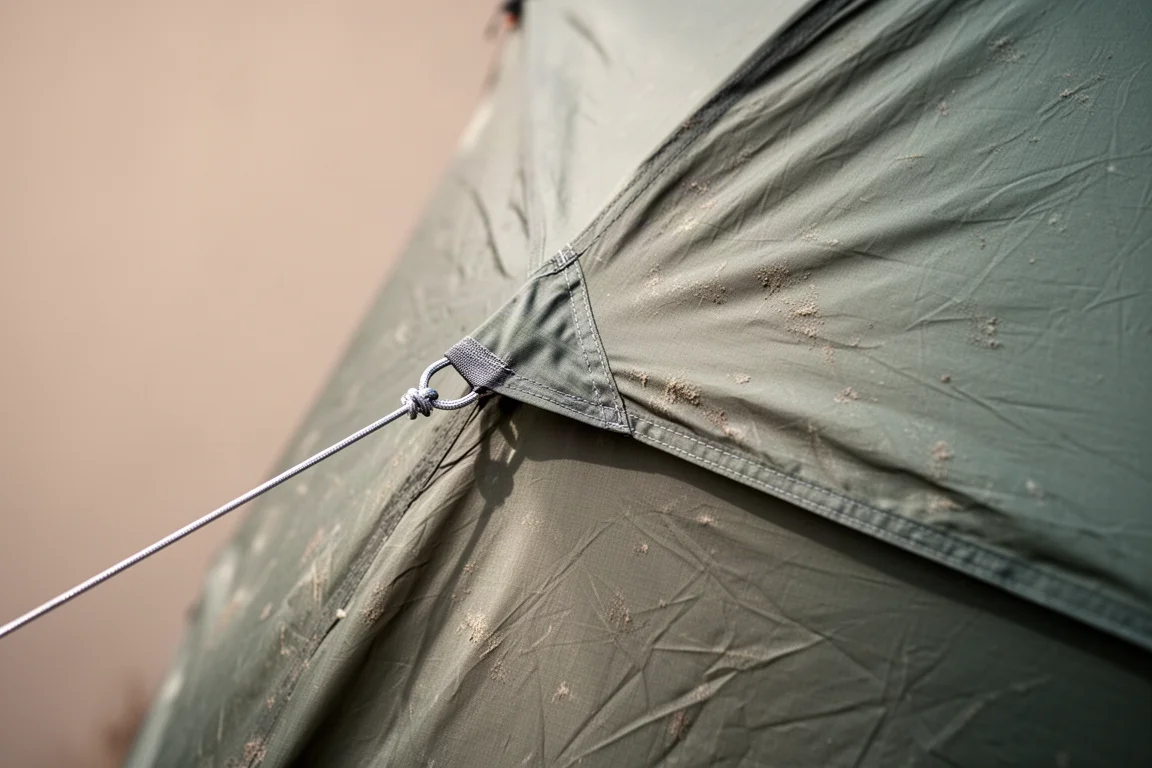
Ultralight shelters live and die on fabric condition. Dyneema is prized for its strength-to-weight ratio, but abrasion from years of packing, pitching, and ground contact is what eventually ends a shelter’s life, and a tent that has served many miles is usually retired rather than patched forever. Buying a Dyneema shelter is therefore a long-term commitment: excellent performance per gram, with a finite service life that rewards careful handling.
The carrier sits at the other end of the spectrum. A framed carrier with an aluminium frame and waterproof-treated nylon is built to be used hard and handed down, and the expectation is several years of service rather than a single season. The socks fall somewhere in between, with a lifetime warranty standing in for a durability guarantee, provided the brand keeps honouring it.
Read together, the lineup is a reasonable spread of risk: two durable core purchases and one inexpensive test item that tells you whether a fabric blend deserves a permanent place in your kit.
Conclusion
For a family overnight trip, the priorities are room to sleep, a carrier that handles the load, and feet that stay comfortable. The Trio Pivot answers the first with a three-person Dyneema shelter, zippered storm and mesh doors, and a support pole that buys extra headroom. The Poco Premium answers the second with an internal aluminium frame, 36 L of storage, and a 48.5 lb capacity that includes the child, the gear, and the carrier itself. The Bombas merino blend socks answer the third at $24 a pair, with a lifetime warranty that takes most of the risk out of trying them.
Match each item to the trip you actually take, test everything on a short overnight first, and buy from a seller whose return window gives you room to change your mind.
Further reading
Related Reviews

Backpacking Gear
Building a 10 lb Base Weight: An Ultralight Backpacking Gear List
A practical walkthrough of the ultralight pieces behind a 10 lb base weight, from a 765 g pack and a roomy one-person tent to a full camp chair and a dependable water filter.
Backpacking Gear
A 15-Pound Lightweight Backpacking Gear List for Solo Trips
A beginner-friendly 15-pound backpacking setup built from easy-to-find gear, with notes on what each piece does, how it packs, and where to spend your attention.
Backpacking Gear
8 Ultralight Backpacking Gear Upgrades Worth Carrying
Eight small, affordable backpacking upgrades that solve real trail annoyances, from a pillow that stays put to a fuel valve that rescues leftover canister gas.