Backpacking Gear
Family Backpacking Gear Roundup: Zpacks Trio Pivot, Osprey Poco Premium, and Bombas Socks
Three pieces of family backpacking gear worth a closer look: a three-person Dyneema shelter, a framed child carrier with 36 L of storage, and a merino blend sock with a lifetime warranty.
Introduction
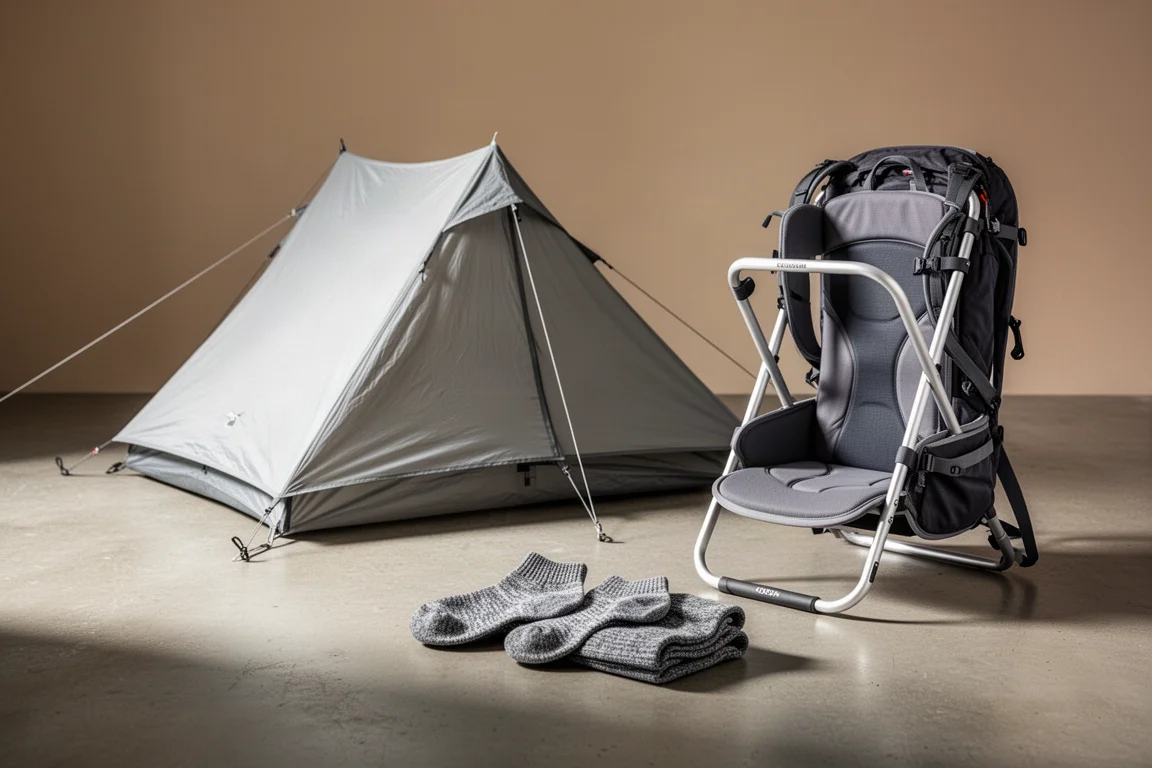
Gear lists get more interesting when they stop being about one person. The three items in this roundup were chosen for a short family overnight on the Appalachian Trail, the kind of trip where sleeping space, carrying capacity, and foot comfort all have to work at the same time.
That means a shelter with room for two adults and a toddler, a carrier that can take a small passenger plus a load of gear, and socks that can handle a rocky, damp trail without giving out early.
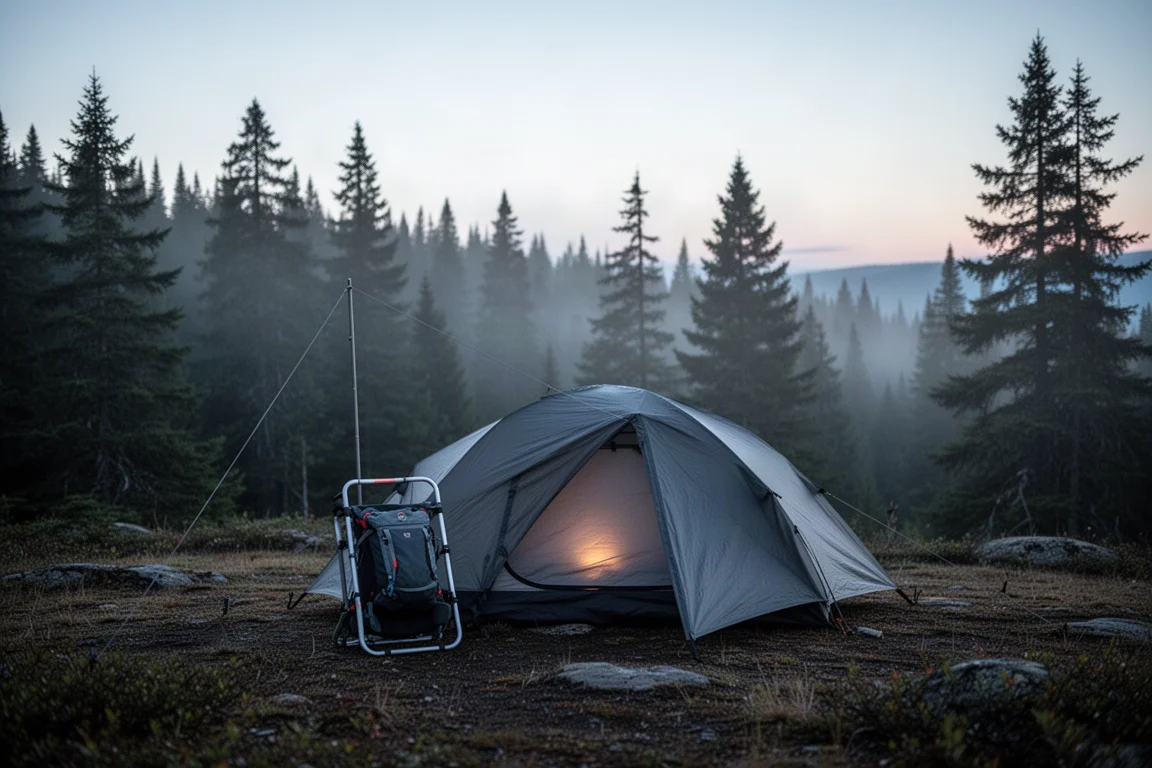
None of these are impulse purchases. Each one answers a specific problem, and each one comes with trade-offs worth understanding before you spend the money.
What follows is a closer look at what each piece offers, where it fits, and what to weigh before buying.
What to Look For in Family Backpacking Gear
Start with capacity math. A useful rule is to size a shelter for one more person than you actually sleep, which is why a three-person tent makes sense for two adults and a small child rather than a two-person model.
For carriers, the number that matters is total weight capacity rather than the child’s weight alone. The child, whatever you pack into the carrier, and the carrier itself all count toward that figure, so a large cargo compartment only helps if the capacity rating is generous enough to cover it.
Construction comes next. Water-resistant treatments and internal frames shape how a carrier behaves under a loaded day, while shelter fabric choice affects weight, packed size, and how the tent handles condensation.
Finally, look past the purchase itself. Warranty terms and return policies matter more on expensive, high-commitment items, because a carrier that does not fit or a shelter that does not suit how you sleep is an expensive mistake to live with.
Zpacks Trio Pivot Tent: A Three-Person Dyneema Shelter
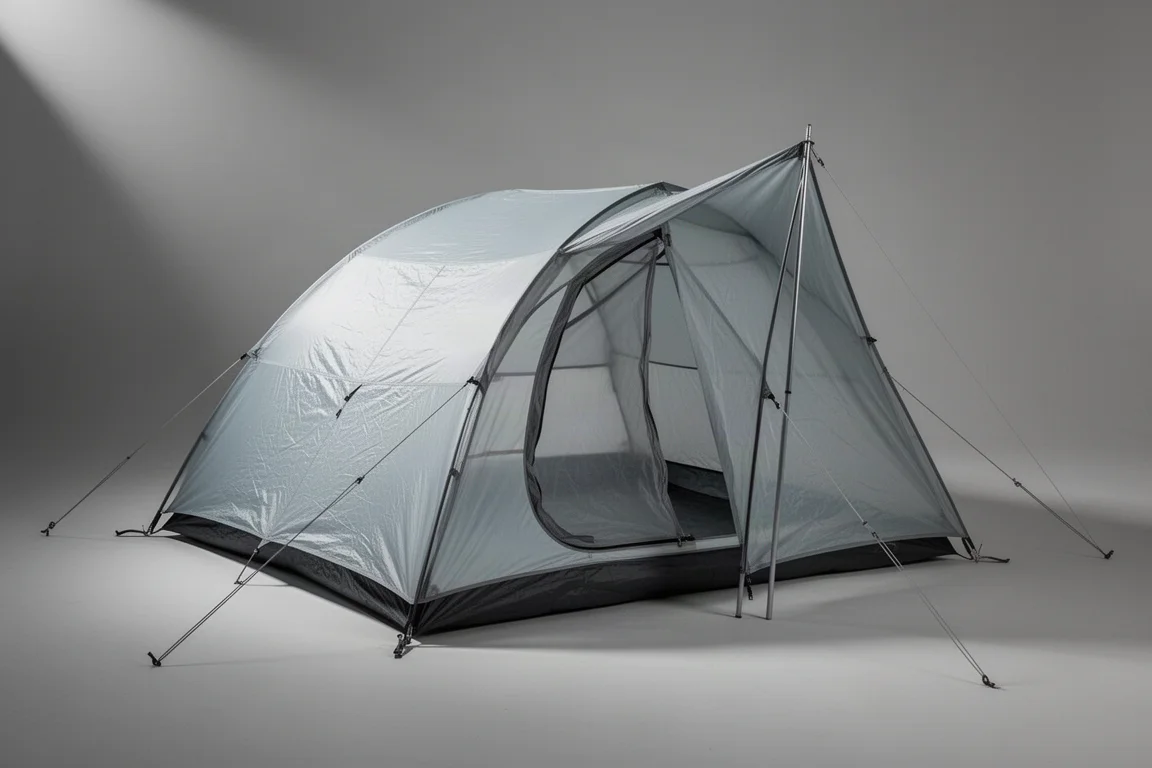
This is a three-person single-wall shelter built from Dyneema composite fabric, with a floor area close to the long-running Triplex. It is the piece that makes the trip work for two adults and a toddler, and it keeps a familiar footprint while changing a few details.
The storm doors are zippered, the way they were on the Duplex, which gives a more protected vestibule and better shelter from wind and rain. The mesh doors are zippered as well, and they use an L-shaped opening instead of the older half-moon shape. That keeps entry convenient from either side while sealing more completely.
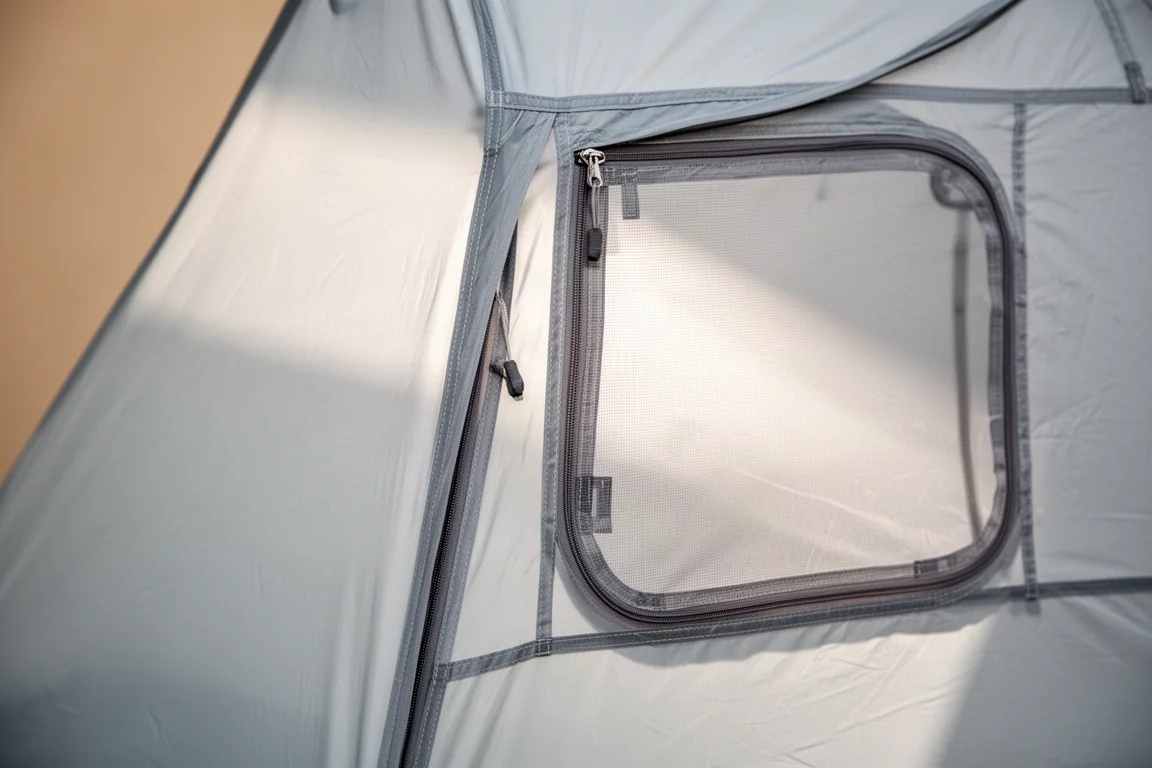
The feature that stands out most is the head room. A single tent pole props up the walls on one side, adding usable space at whichever end you treat as the head or the foot of the tent. For a toddler who spends the night rolling around, that extra volume is genuinely useful, and it also helps with a familiar annoyance in single-wall shelters: a jacket hood pressing against a damp wall overnight.
Condensation is still part of the picture with a single-wall design, so ventilation habits and site selection remain as important as ever. Fabric abrasion is the other long-term consideration. This shelter replaces an older three-person Dyneema tent that covered a lot of miles before it was retired over concerns about wear in the material, so high-contact points are worth watching over the years.
Osprey Poco Premium: A Framed Child Carrier With Cargo Space
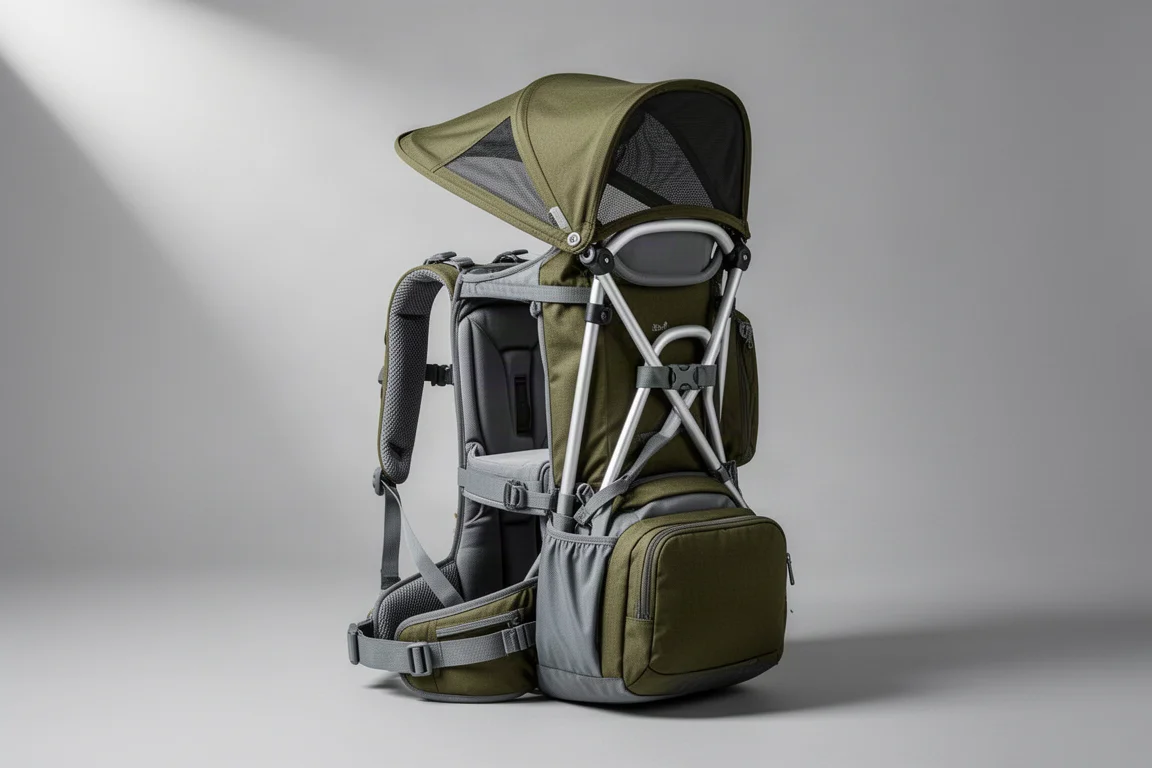
The Poco Premium is a framed child carrier made from nylon with a waterproofing treatment, built around an internal aluminium frame. That frame is what turns a small passenger into a manageable load on a long climb.
The storage is the reason to look at this version rather than the lighter, less expensive options in the same range. There is 36 L of cargo space in addition to the child seat, which is enough for a child’s clothing and sleep system, plus a camera pouch or two.
Total weight capacity is 48.5 lb, and that figure includes the child, everything packed into the carrier, and the carrier itself. The carrier alone weighs 8 lb 5.4 oz, so the arithmetic is worth running before you load it up.
It is priced at $420, which places it firmly at the premium end of the child carrier market. For families who need the storage and plan to use it across years of trips, the cost is easier to justify than for occasional use. Because fit matters so much on a carrier this heavy, buying somewhere with a generous membership return policy makes the decision noticeably less risky.
Bombas Merino Blend Socks: Merino at a Fair Price
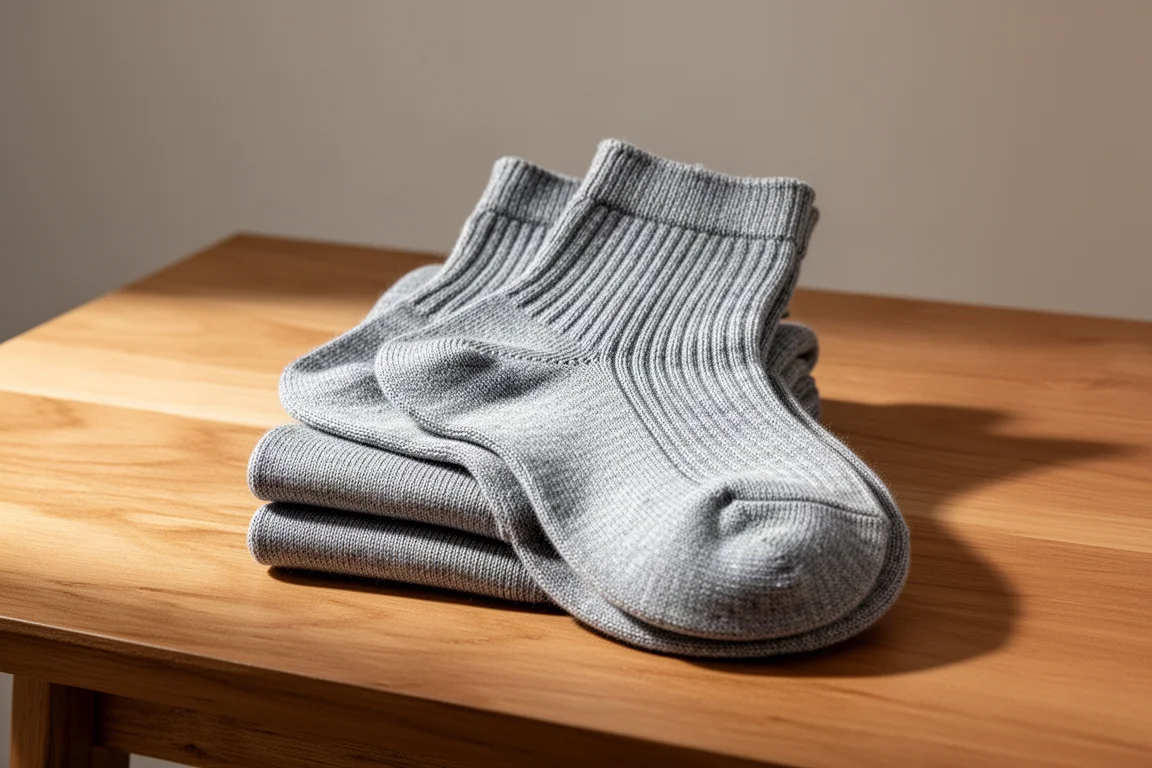
The ankle socks are a blend rather than a pure wool build: 60% merino wool, 34% nylon, and 6% elastane. That mix is a practical one for hiking, since the nylon adds abrasion resistance and the elastane holds the fit through repeated wash cycles.
At $24 for the pair, the price sits in the same territory as other technical wool sock brands, so the question is not whether they are cheap but whether they stay comfortable and hold together over long days.
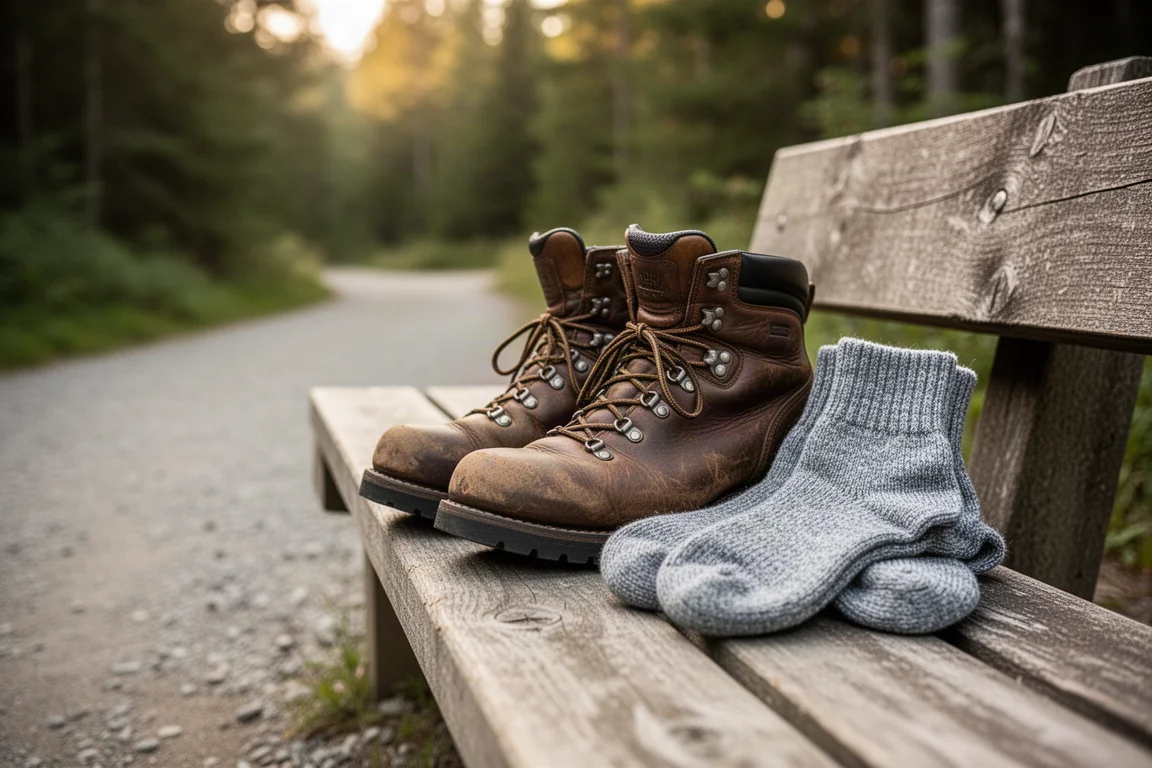
The warranty is the strongest part of the pitch. Bombas covers these with a lifetime guarantee, and the brand’s policy extends to replacements for socks that develop holes or get chewed up, which is a meaningful commitment for a consumable item that usually wears out quietly.
Worth noting: with 34% nylon and 6% elastane, this is not a pure merino sock, and that is a deliberate design choice rather than a shortcoming. For hikers who want warmth and moisture management with better durability than an all-wool knit typically offers, the blend makes sense.
Load Planning for a Family Overnight
Weight distribution decides how a family trip actually feels. With a carrier that weighs 8 lb 5.4 oz empty and holds 36 L of cargo, one adult can end up with the child, the child’s gear, and a camera pouch, while the other carries the shelter and the bulk of the shared kit.
That split works, but only if the second pack is big enough for a three-person shelter and everything else. Planning the load before the trip is far more useful than adjusting it on the trail.
Inside the tent, a floor area close to the Triplex is comfortable for three sleepers when one of them is small. The added head room helps most at night, when a toddler is moving around and everyone is trying to keep sleeping bags clear of the walls.
Buying Advice: Matching Gear to the Trip
Match each purchase to how you actually travel. A three-person shelter makes sense for two adults and a small child, or for two adults who want room to spread out, but it is more tent than a solo hiker needs.
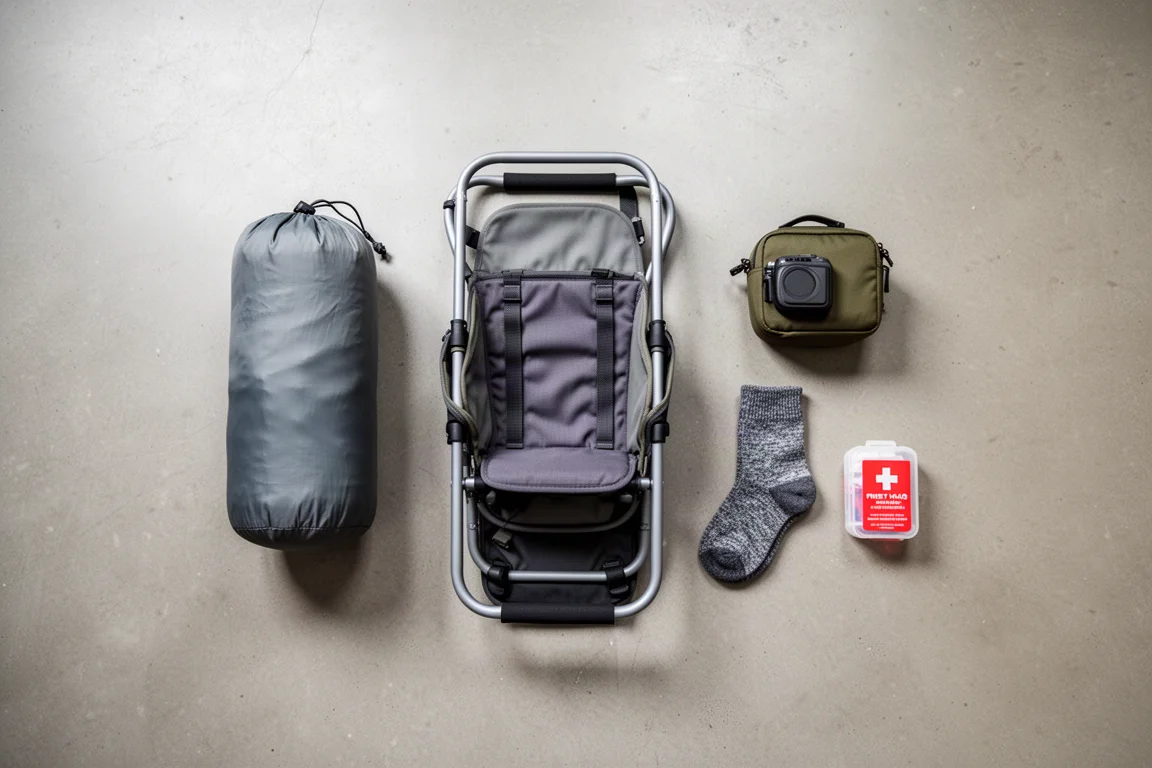
On carriers, decide on storage before price. Lighter and cheaper options exist in the same family, and they are the right call for day hikes and short outings. If you need to carry a child’s overnight kit alongside your own camera gear, the 36 L compartment and 48.5 lb capacity change the calculation.
For socks, compare the blend, the price, and the warranty together rather than in isolation. A $24 pair with a lifetime guarantee is a different proposition from a $24 pair without one, especially for an item that wears out faster than almost anything else in a pack.
Finally, treat return policies as part of the value on expensive items. A generous window that covers used gear turns a high-commitment purchase into a decision you can walk back if the fit or the feel is wrong.
Conclusion
These three pieces cover the practical core of a family overnight: somewhere secure to sleep, a way to carry a small passenger and their gear, and socks that can keep up with the mileage. The shelter brings meaningful head room to a proven single-wall layout, the carrier trades weight for storage and structure, and the socks pair a durable merino blend with a warranty that outlasts the trail.
Check the capacity numbers, the fit, and the return terms before you buy, and each of these can earn its place in the pack.
Further reading
Related Reviews

Backpacking Gear
Building a 10 lb Base Weight: An Ultralight Backpacking Gear List
A practical walkthrough of the ultralight pieces behind a 10 lb base weight, from a 765 g pack and a roomy one-person tent to a full camp chair and a dependable water filter.
Backpacking Gear
A 15-Pound Lightweight Backpacking Gear List for Solo Trips
A beginner-friendly 15-pound backpacking setup built from easy-to-find gear, with notes on what each piece does, how it packs, and where to spend your attention.
Backpacking Gear
8 Ultralight Backpacking Gear Upgrades Worth Carrying
Eight small, affordable backpacking upgrades that solve real trail annoyances, from a pillow that stays put to a fuel valve that rescues leftover canister gas.