Backpacking Gear
Fall Backpacking Gear: Nine Cold-Weather Swaps for Shoulder Season
Nine practical gear swaps for fall backpacking, from a roomy white Dyneema pyramid shelter to an honest 20°F down bag, a comfortable pad, a light down jacket, a GPS watch and a winter pack.
Introduction
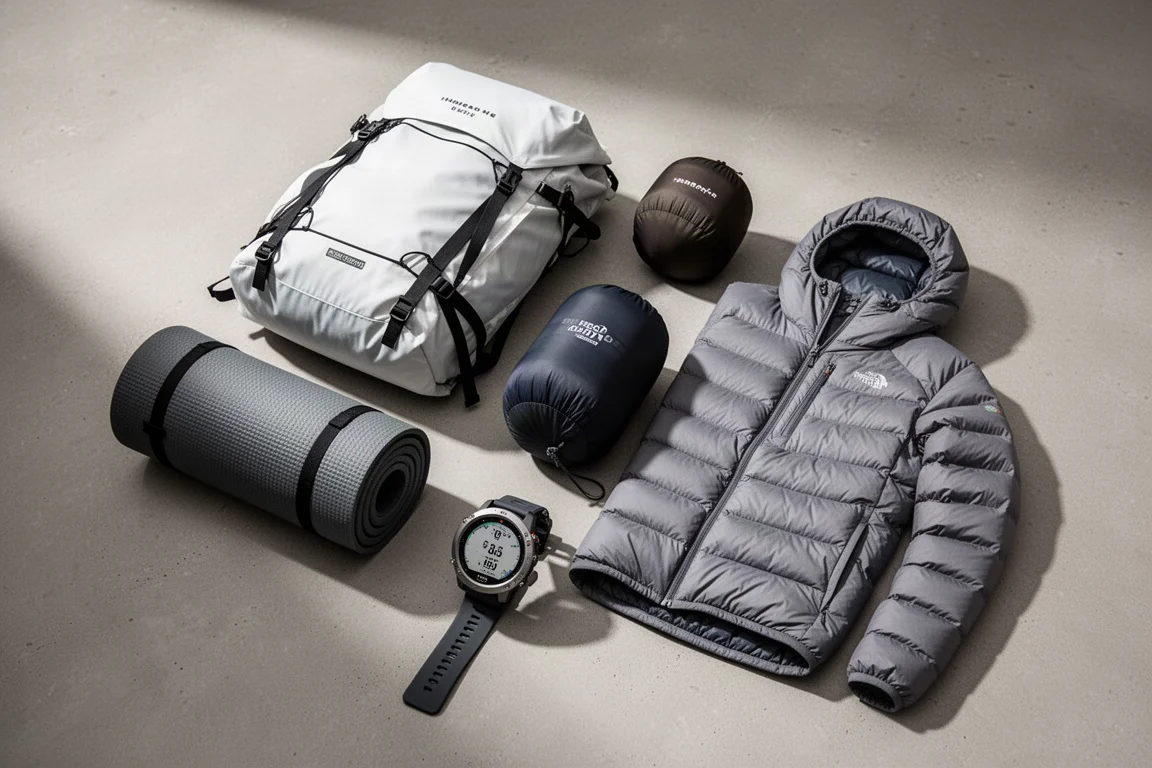
Fall is the season when a summer kit quietly stops being enough. Nights arrive earlier, temperatures fall fast once the sun drops, and a route that felt relaxed in August can turn genuinely cold by the time you pitch a shelter. The fix is rarely a full gear rebuild. It is a set of deliberate swaps that push a three-season setup toward shoulder season and early winter conditions.
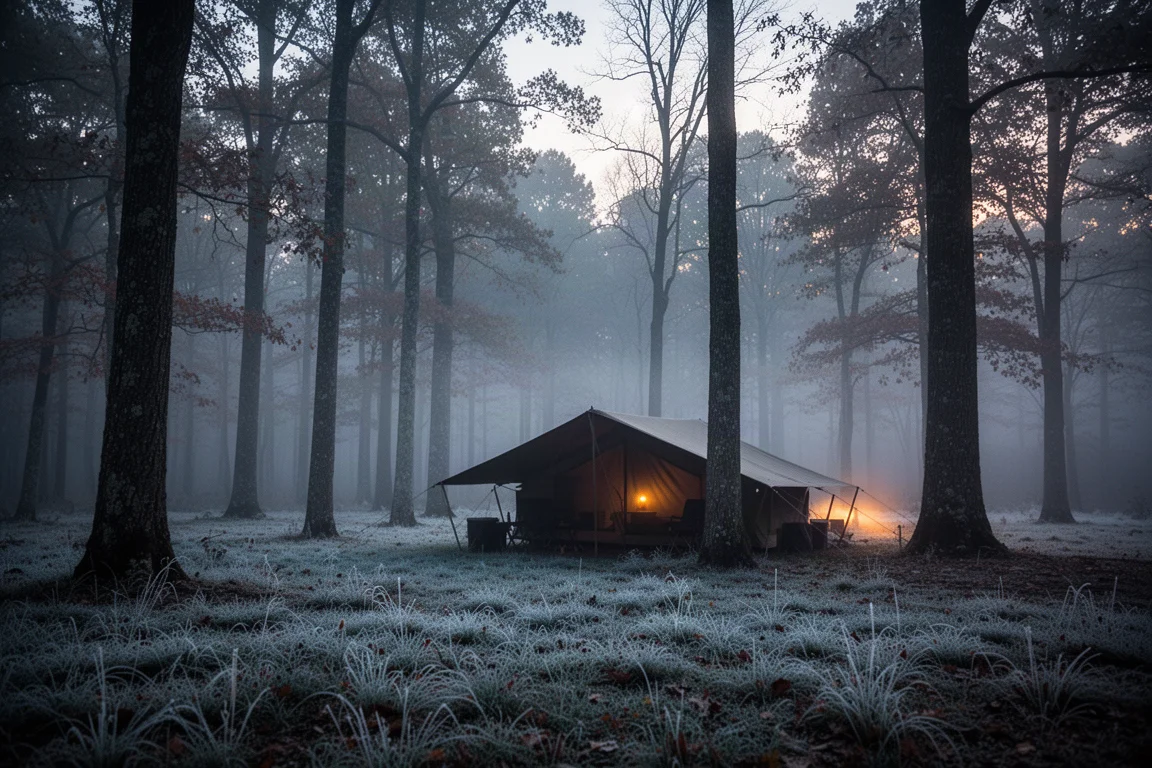
The nine items below cover the categories where those swaps matter most: shelter, sleep insulation, worn insulation, navigation, and pack volume. Some are new additions being tested for the first time. Others are proven pieces coming back into rotation for the colder months. Each one is here because it solves a specific cold-weather problem rather than because it looks impressive on a spec sheet.
What This Fall Gear List Covers
The list is organized around five decisions that change most when the temperature drops.
Shelter comes first, because a larger and more weather-resistant structure changes how much time you can comfortably spend in camp when daylight is short. Sleep insulation comes next, with a warmer pad and a bag rated for genuine sub-freezing comfort. Worn insulation follows, in the form of a lightweight down jacket that works on its own in mild cold and as a layer when conditions get serious. Navigation matters more in low light and poor visibility, which is where a wrist-mounted GPS earns its place. Finally, pack volume, because cold-weather insulation and bigger shelters take up space a summer pack cannot spare.
Small material details matter more than they sound. A white shelter is easier to keep discreet in snow, and a solid outer pocket keeps gear dry when a pack is set down on wet ground.
Shelter
A cold-weather shelter has to do two jobs: protect you from the weather and give you enough room to live in when the days are short. The setup here is a single-pole pyramid paired with a matching insert.
Hyperlite Mountain Gear Ultamid 2
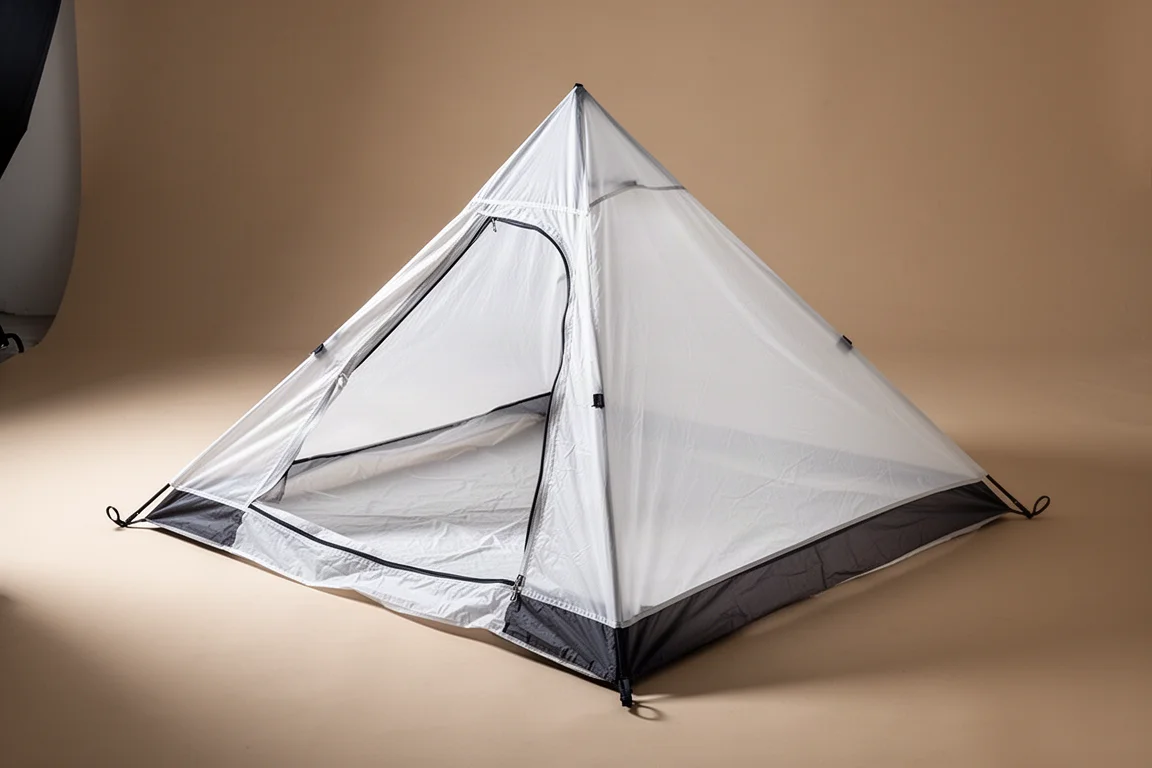
The Ultamid 2 is a trekking-pole pyramid shelter with an eight-by-eight foot footprint and a build that feels close to indestructible. The white Dyneema fabric is exceptionally durable, and the color has a practical benefit in winter: it blends into snow, which makes discreet camping easier when you would rather not be visible from a distance.
Interior volume is the real story. There is enough floor space to spread out a full sleep system and keep a pack, boots and wet layers inside rather than leaving them in a vestibule or on the snow. The design is positioned as usable in four-season conditions, even though it is not built specifically as a four-season shelter.
Two things are worth watching. A shelter this large has more air to heat, so warmth retention will depend on how well the insert and sleep system fill the space. And a single-pole pyramid carries snow differently than a multi-pole design, so heavy accumulation is something to monitor on the first trips out.
Hyperlite Mountain Gear Ultamid 2 Half Insert
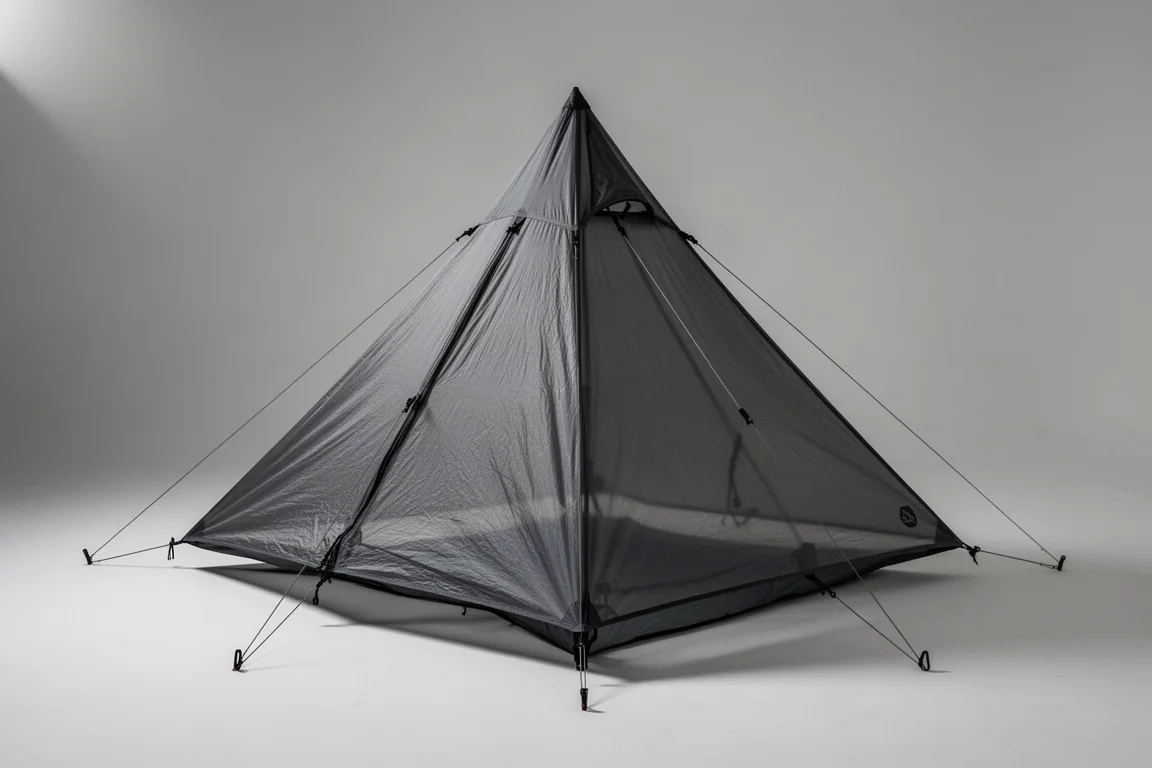
The half insert pairs with the Ultamid 2 to cover part of the footprint and create a defined sleeping area. That suits solo trips, where the rest of the pyramid stays open as living space for gear, cooking and changing layers out of the weather.
Hyperlite Mountain Gear Ultamid 2 Full Insert
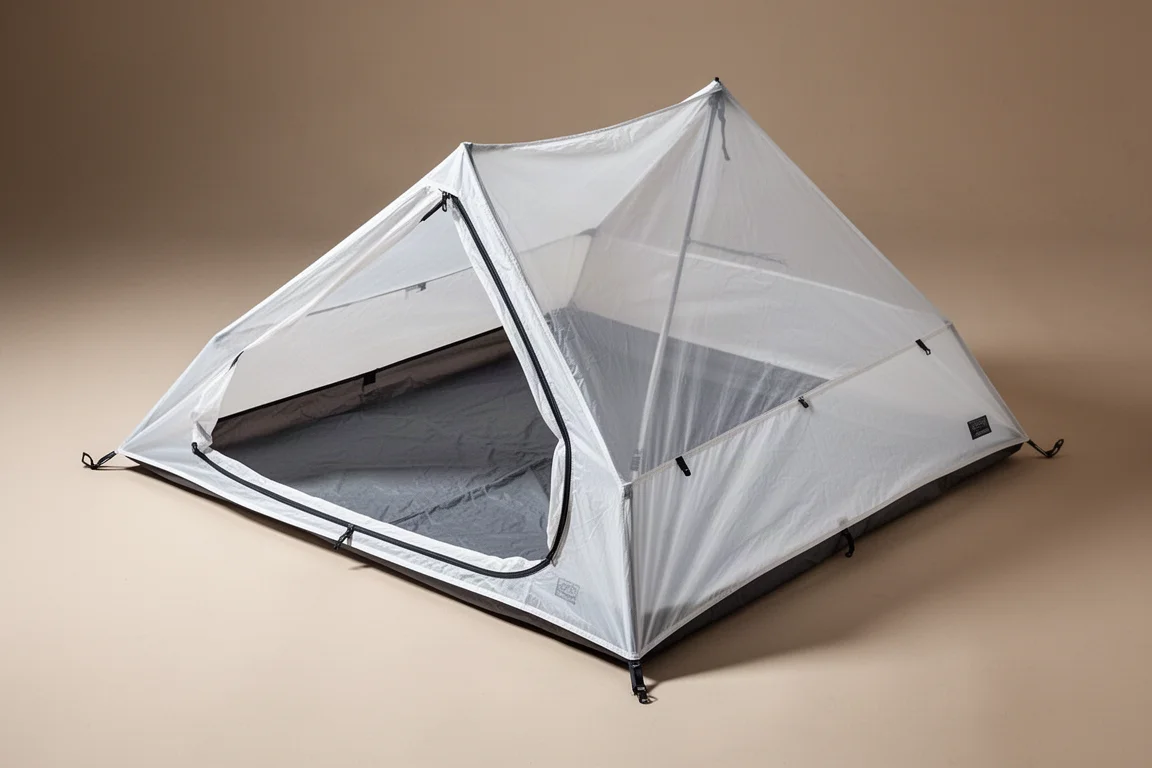
The full insert covers the entire footprint, which is the configuration for two people or for anyone who wants the whole interior enclosed. It is the natural pairing for the Ultamid 2 when a second person is coming along, or when you simply prefer a fully defined floor across the shelter.
Sleep System
Sleep insulation is where cold-weather comfort is won or lost. The plan for fall is a comfortable pad and a down bag with an honest temperature rating.
Nemo Tensor Insulated
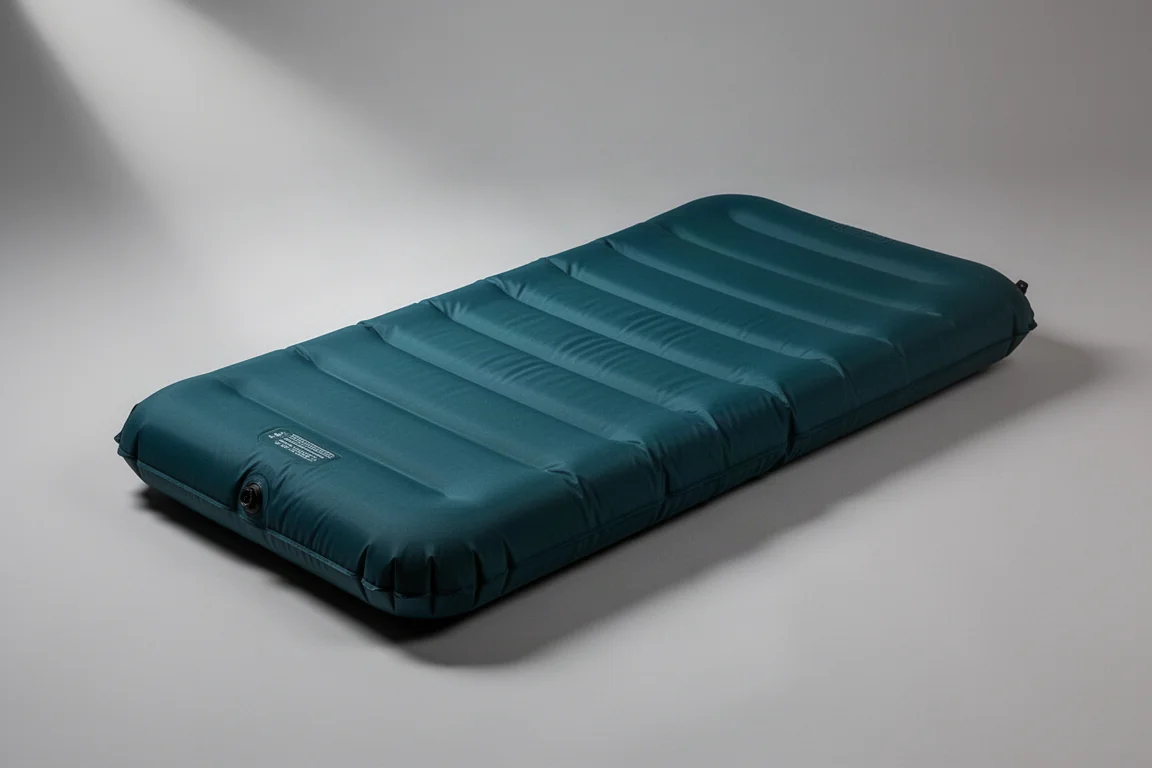
The Tensor Insulated returns to the rotation for fall. It is not the lightest pad available, and that is a deliberate trade: comfort is the reason it stays in the kit. This is a pad you can sleep on properly rather than tolerate through the night.
Nemo now publishes R-values across its pad range, which makes insulation easier to compare honestly instead of guessing. Realistically this is a pad for cool and cold conditions rather than deep winter. Pushed hard, it stays comfortable to roughly the 20°F mark, which covers most of the fall calendar when paired with a warmer bag and layered clothing.
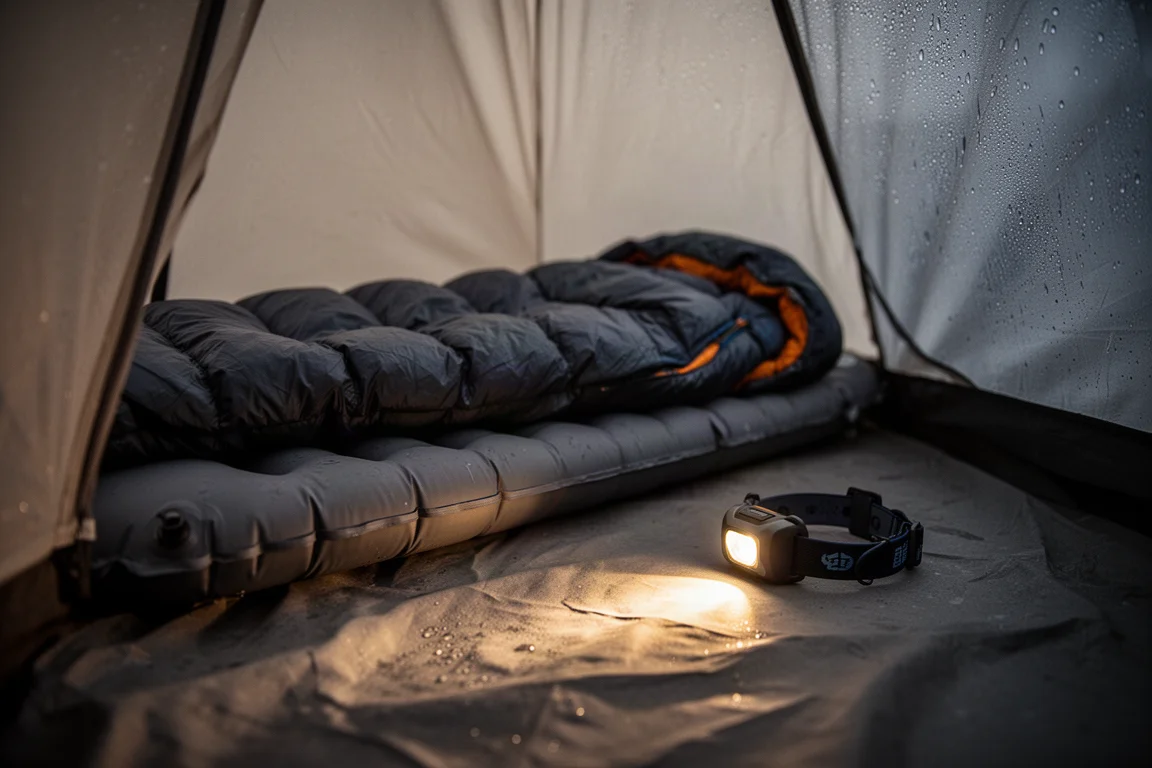
For anyone upgrading a single item before a fall trip, a pad that keeps you warm from below is often the difference between sleeping well and lying awake counting the hours until daylight.
Western Mountaineering AlpineLite
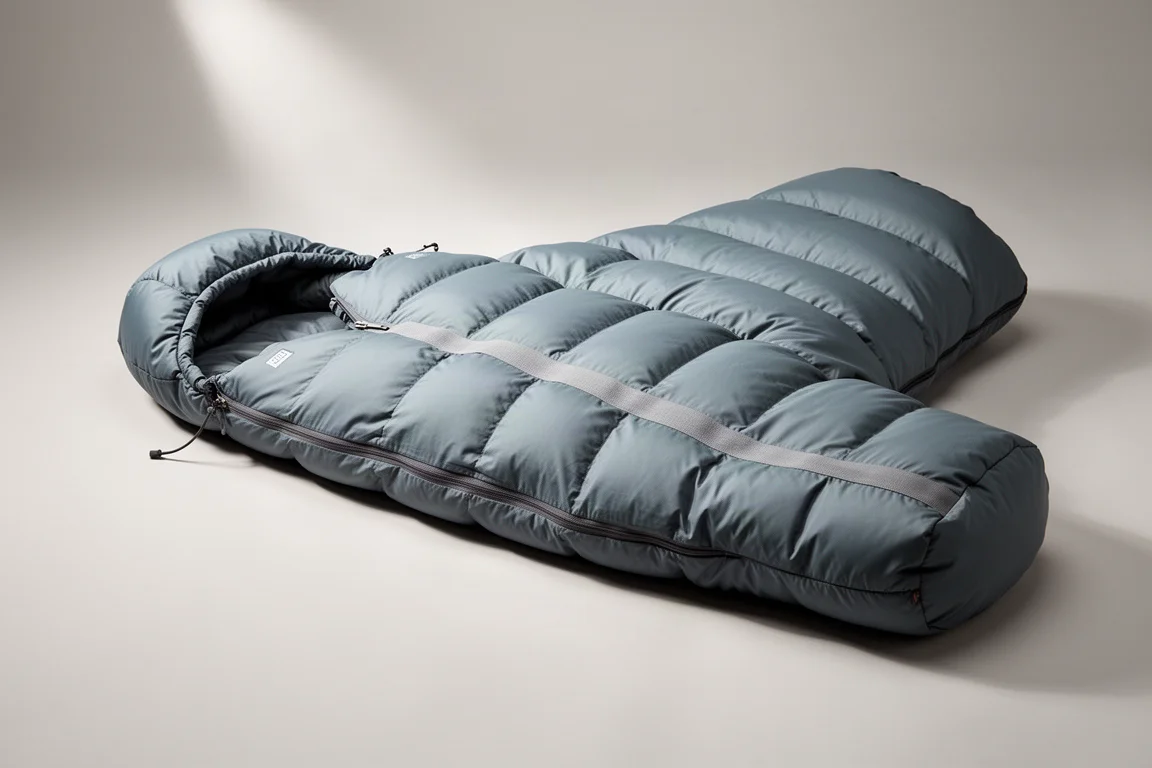
The AlpineLite is a 20-degree down bag, and with the optional overfill it is a genuinely honest 20-degree bag. The standard rating is a comfort figure of around 25°F; adding three ounces of down lowers that by roughly five degrees, which is how the true comfort rating lands at 20°F. When the forecast says 20°F, that is a number you can plan a trip around rather than gamble on.
The details support it. A strip of tape along the zipper keeps fabric from snagging when the bag is opened and closed in the dark. The hood is well shaped, and the interior has enough room to move around without feeling either cramped or cavernous. Fill power is listed conservatively at 850, though the down inside is 900 fill power.
It is also an expensive bag, and that is worth stating plainly. The case for buying it is a comfort rating you can rely on, not a bargain on a spec sheet.
Worn Insulation
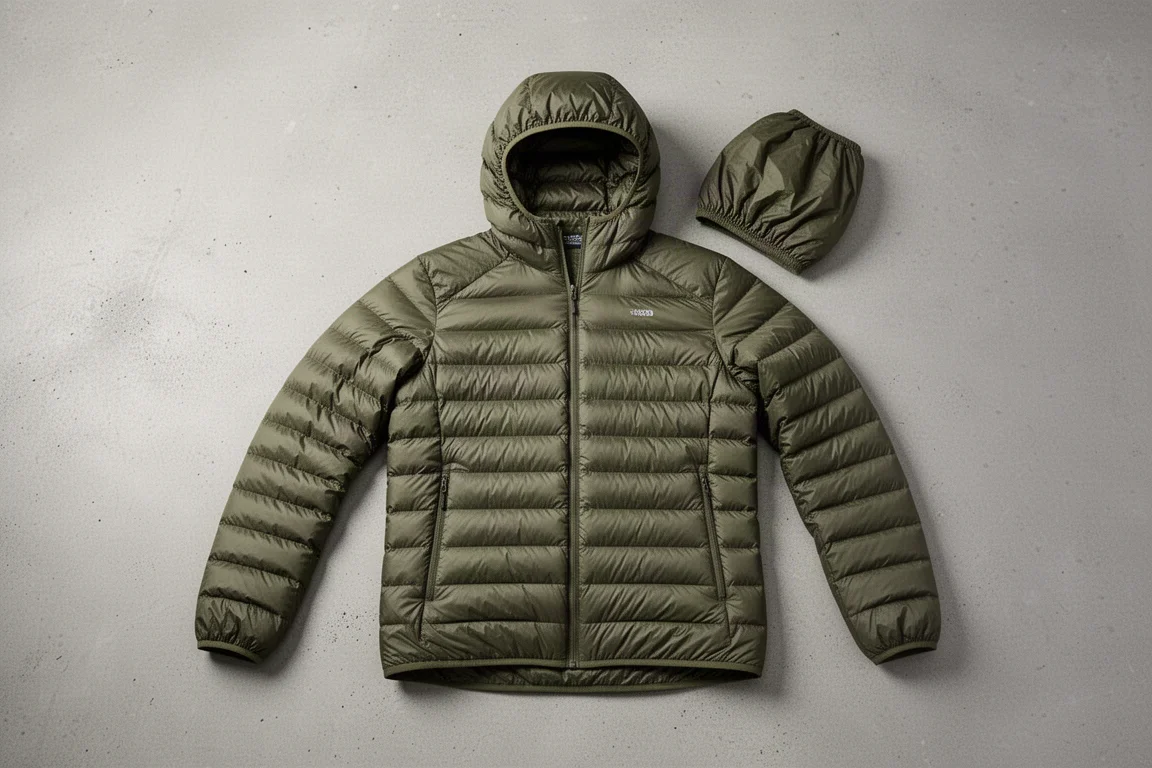
Mountain Hardwear Ghost Whisperer 2
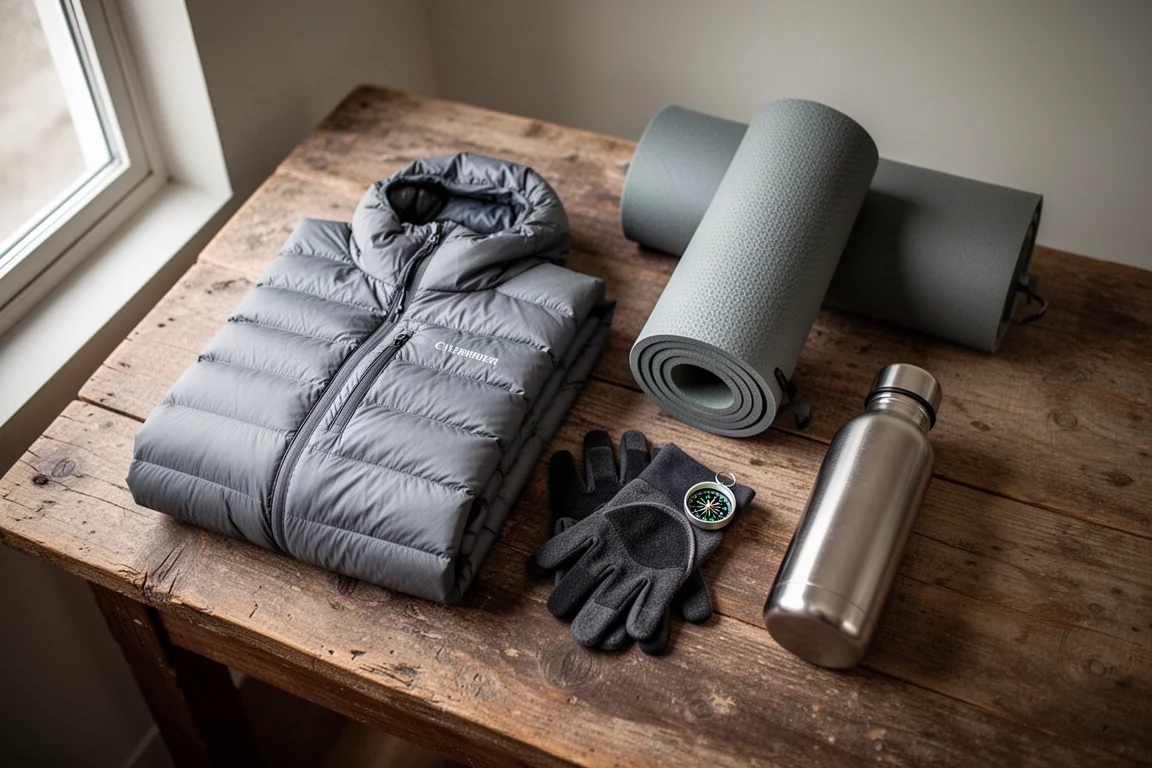
The Ghost Whisperer 2 is the worn insulation layer for fall. It is a lightweight hooded down jacket that stays comfortable into the mid-30s°F on its own, and it layers cleanly under a shell when temperatures fall further. Compared with the original Ghost Whisperer, the second version feels noticeably warmer, though an older jacket that has lost some loft will naturally feel cooler than a new one.
For genuinely cold conditions, a heavier down jacket is the better answer, and the trade-off is roughly double the weight. The Ghost Whisperer 2 sits in the middle: light enough to carry without thinking about it and warm enough for the shoulder season.
Navigation
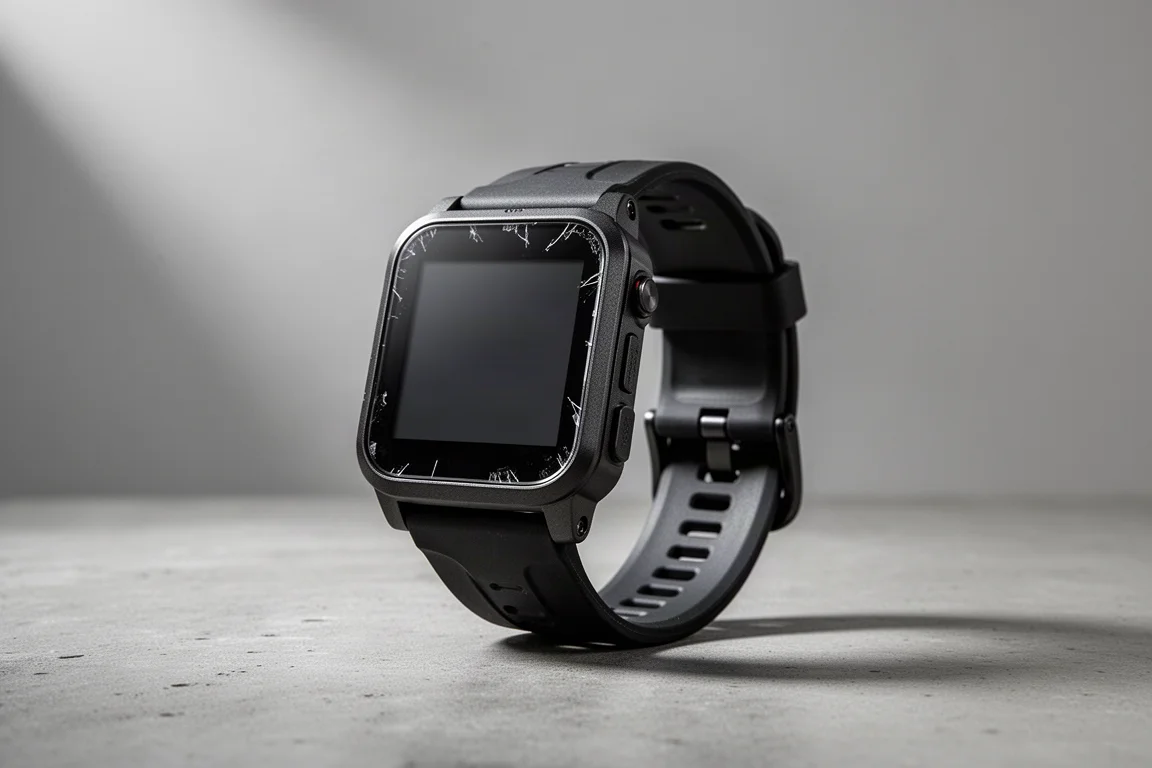
Garmin Fenix 6X Sapphire
The Fenix 6X Sapphire is the navigation upgrade for this season. The sapphire edition was chosen specifically so the face resists scratching in the backcountry, which matters for a watch worn through brush, rock and snow.
Functionally it is a standalone GPS watch. Routes can be imported and followed from the wrist, and it beeps if you drift off course, which is useful when visibility drops or attention wanders on a long day. Battery life is the other headline: a full weekend on GPS, or roughly two weeks without it.
Packs
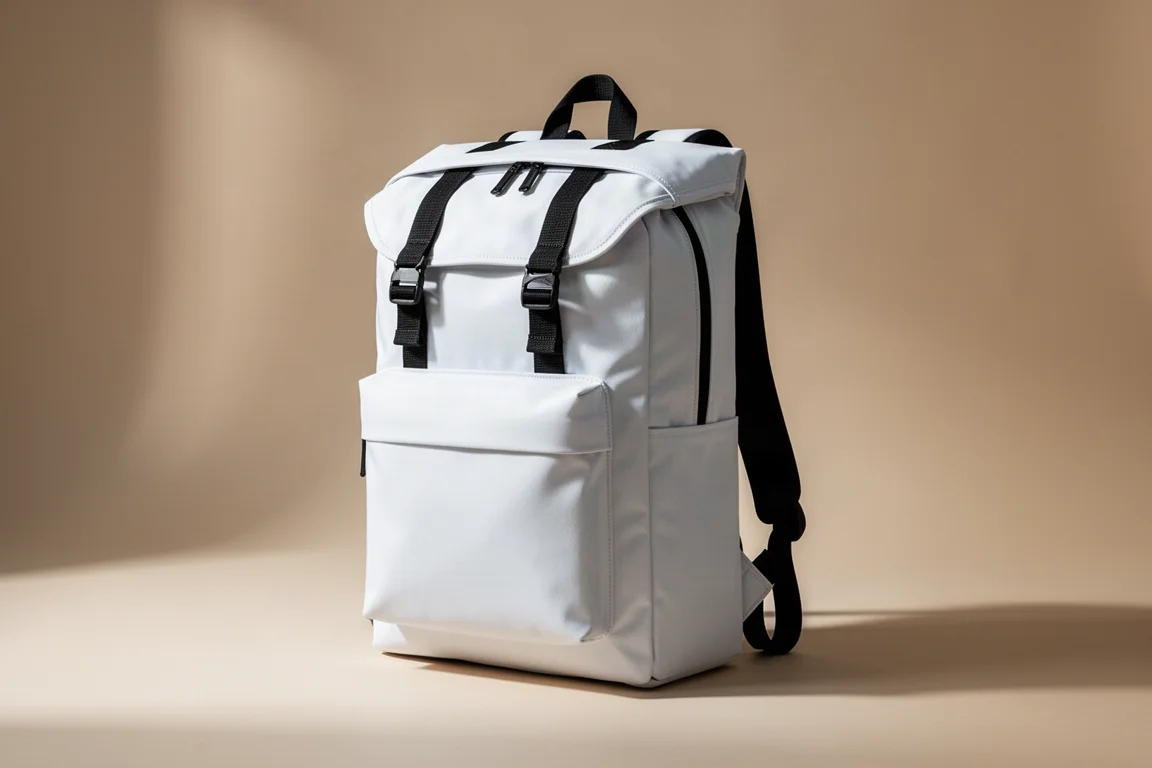
Cold-weather loads are bulkier than summer loads, and pack volume is the simplest fix. Both packs here come from the same family and share the detail that matters most in snow: a solid outer pocket instead of mesh, so gear stays dry when the pack is set down on wet ground.
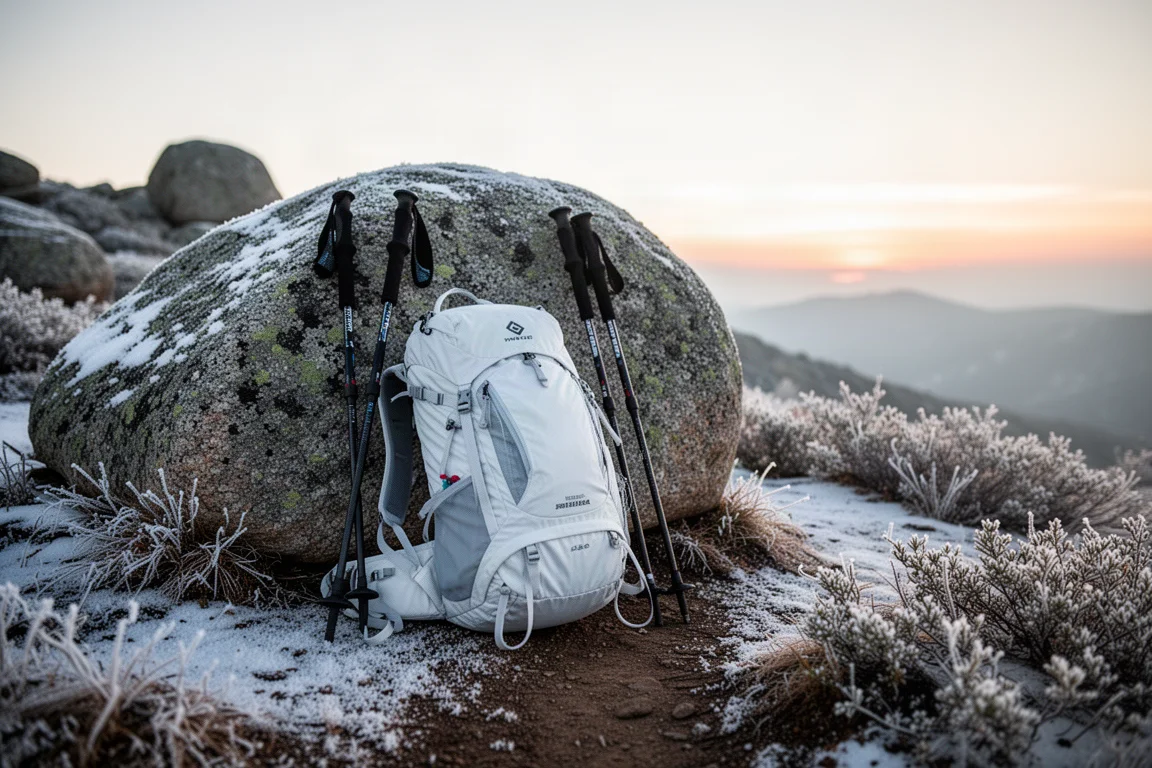
The choice between them comes down to trip length and how much insulation you are carrying.
Hyperlite Mountain Gear Southwest 3400
The Southwest 3400 is the winter pack at 55 liters, against the 40 liters of its smaller sibling. That extra volume is what makes room for bulkier insulation and a larger shelter without strapping gear to the outside. The carry is comfortable and handles weight well across the shoulders and hips, which matters once the load gets heavy.
It is an expensive pack, and the capacity is more than a three-season kit needs. For fall and winter trips, though, the volume is the point.
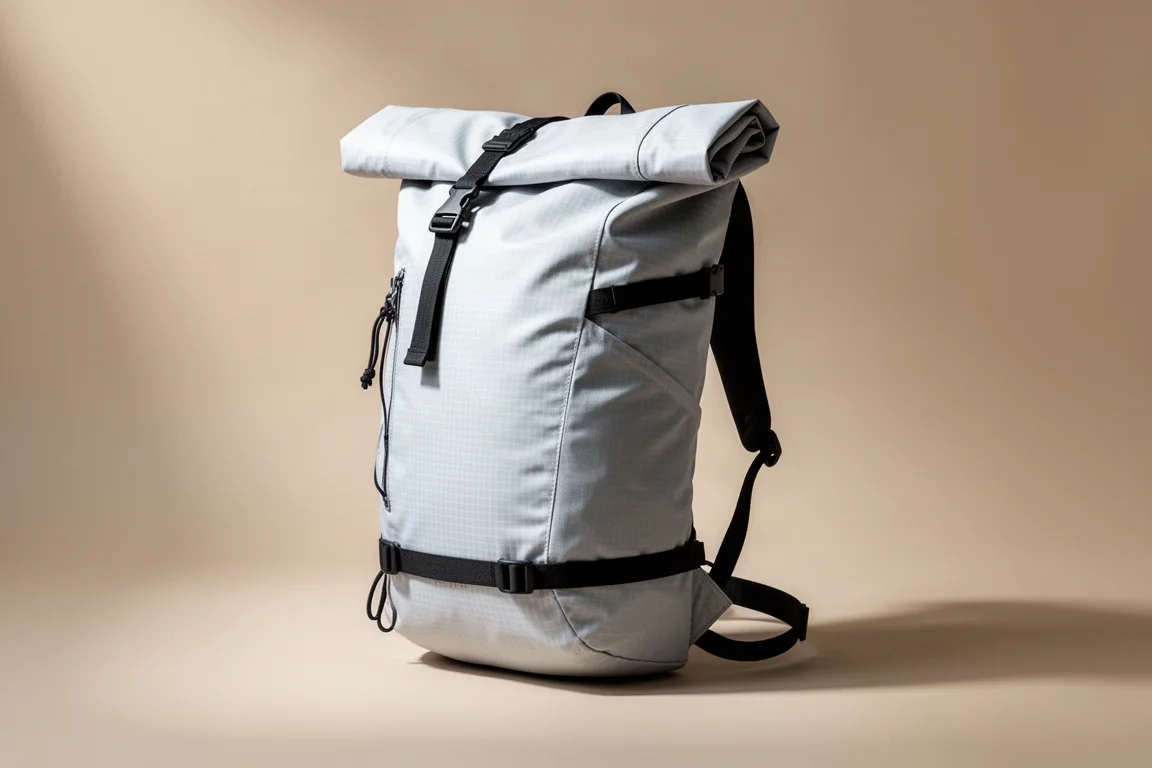
Hyperlite Mountain Gear Southwest 2400
The Southwest 2400 is the 40-liter version, in white, and it has been the default for lighter three-season loads. For early fall trips with moderate bulk, it is still enough pack. Once the shelter grows and the sleeping bag gets heavier, the 3400 earns its place instead.
Overall Buying Advice
If you are upgrading one part of a kit at a time, start with sleep. A warmer pad and a bag with an honest comfort rating change how a cold trip feels more than any other single purchase, because a bad night is what ends trips early. Worn insulation comes next: a lightweight down jacket is the piece you reach for most often, from rest stops to camp.
Shelter and pack volume are about space and weather protection, and they are the easier swaps to postpone if your current setup still handles the conditions you actually camp in.
It is also worth being realistic about cost. Several of these pieces sit at the expensive end of their categories, and the value case depends on how many cold trips you take each season. Cheaper alternatives exist in every category here, and in most cases a mid-priced option covers the same conditions for a fraction of the price. Match the gear to the trips you take, not to the trips you would like to take.
Conclusion
Cold-weather backpacking is mostly a gear problem with a straightforward solution: keep the sleep system warm, keep the insulation light and layered, keep the shelter roomy enough to live in, and carry a pack that swallows the extra bulk. The nine items here are one way to do that, built around a roomy pyramid shelter, a comfortable pad, a bag with a real 20°F comfort rating, a light down jacket, a navigation watch and a pack sized for winter loads.
Test new pieces on shorter trips first, especially a large single-pole shelter, and adjust from there.
Further reading
Related Reviews

Backpacking Gear
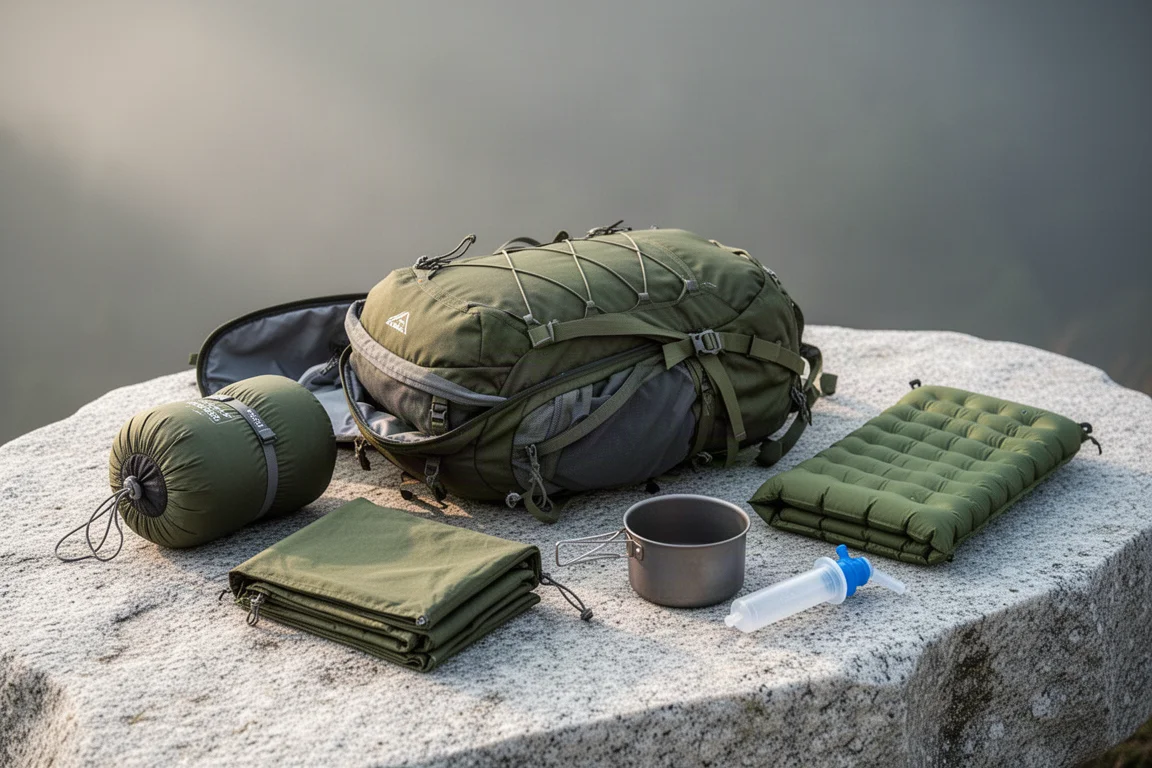
Building a 10 lb Base Weight: An Ultralight Backpacking Gear List
A practical walkthrough of the ultralight pieces behind a 10 lb base weight, from a 765 g pack and a roomy one-person tent to a full camp chair and a dependable water filter.
Backpacking Gear
A 15-Pound Lightweight Backpacking Gear List for Solo Trips
A beginner-friendly 15-pound backpacking setup built from easy-to-find gear, with notes on what each piece does, how it packs, and where to spend your attention.
Backpacking Gear
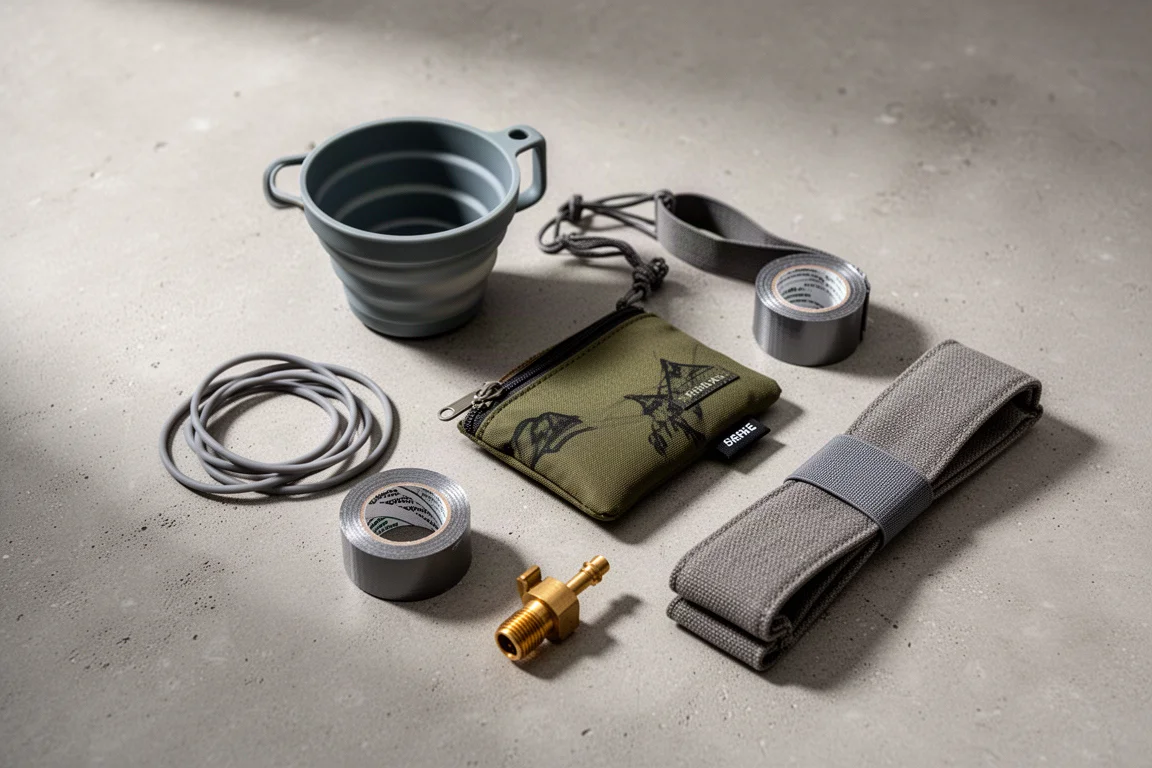
8 Ultralight Backpacking Gear Upgrades Worth Carrying
Eight small, affordable backpacking upgrades that solve real trail annoyances, from a pillow that stays put to a fuel valve that rescues leftover canister gas.