Backpacking Gear
Fall Backpacking Gear Loadout: Six Lightweight Pieces for Colder Weather
Six lightweight pieces for fall backpacking, including a draft-free down sleep system, a three layer jacket combination, and cold weather accessories that earn their place.
Introduction
Fall backpacking sits in an awkward middle ground. Nights are cold enough that a summer quilt starts to feel marginal, mornings are chilly enough to want a wind shell from the first step, and daylight disappears earlier than expected. The answer is not to carry more gear, but to carry the right pieces in the right combination.
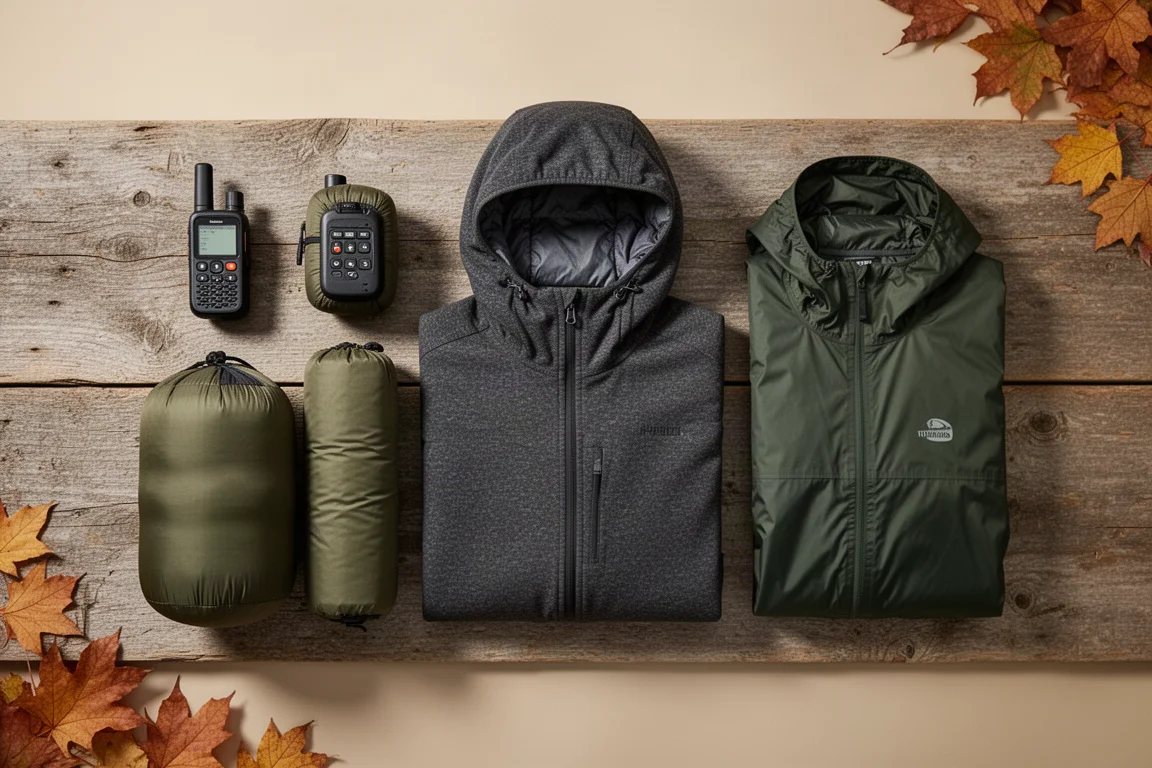
This loadout covers six items that make shoulder season trips comfortable without adding much weight: a satellite communicator for peace of mind, a down balaclava for genuinely cold nights, a down sleeping bag that removes drafts, and a three piece upper body system that handles camp, sleep, and cold morning miles.
What Changes for Fall Backpacking
The first shift is underneath the sleeping pad and around the hands. A longer foam pad, sixty inches rather than forty, adds coverage and a little more insulation value beneath the main sleeping pad. This time of year it also makes sense to aim for a pad in the three to four R value range, since that is where most of the warmth under a sleeper comes from.
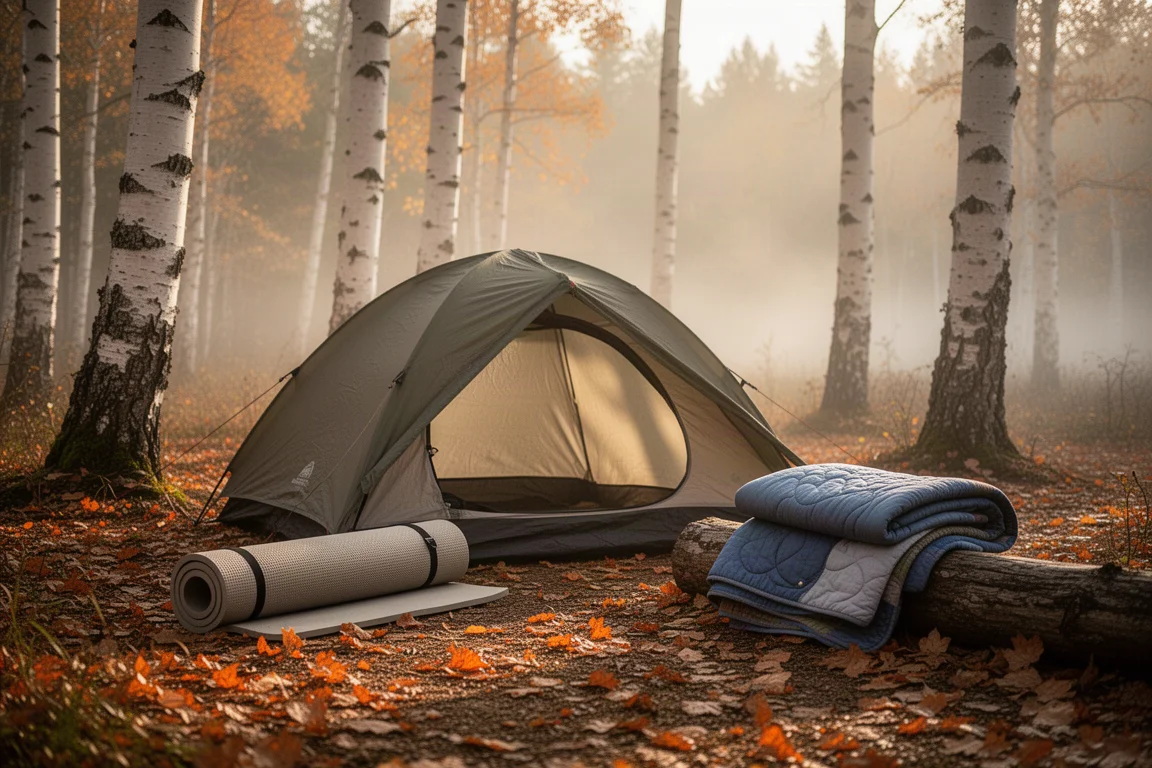
Hands get a simple two part solution. Light wool liner gloves provide warmth on their own, and layering a windproof shell over them keeps the wind from stripping that warmth away. Insulated gloves can wait until later in the season. For the legs, lightweight fleece leggings paired with wind pants cover cold mornings well. The wind pants go on over the leggings at the start of a hike to hold in the heat a moving body generates, and come off easily once things warm up.
Head and foot layers round out the changes. A down beanie handles most evenings, with a down balaclava reserved for the nights that actually demand it. Down booties are a small comfort item that can extend a sleep system when temperatures push its limits.
Summit Down Sleeping Bag: A Draft-Free Sleep System
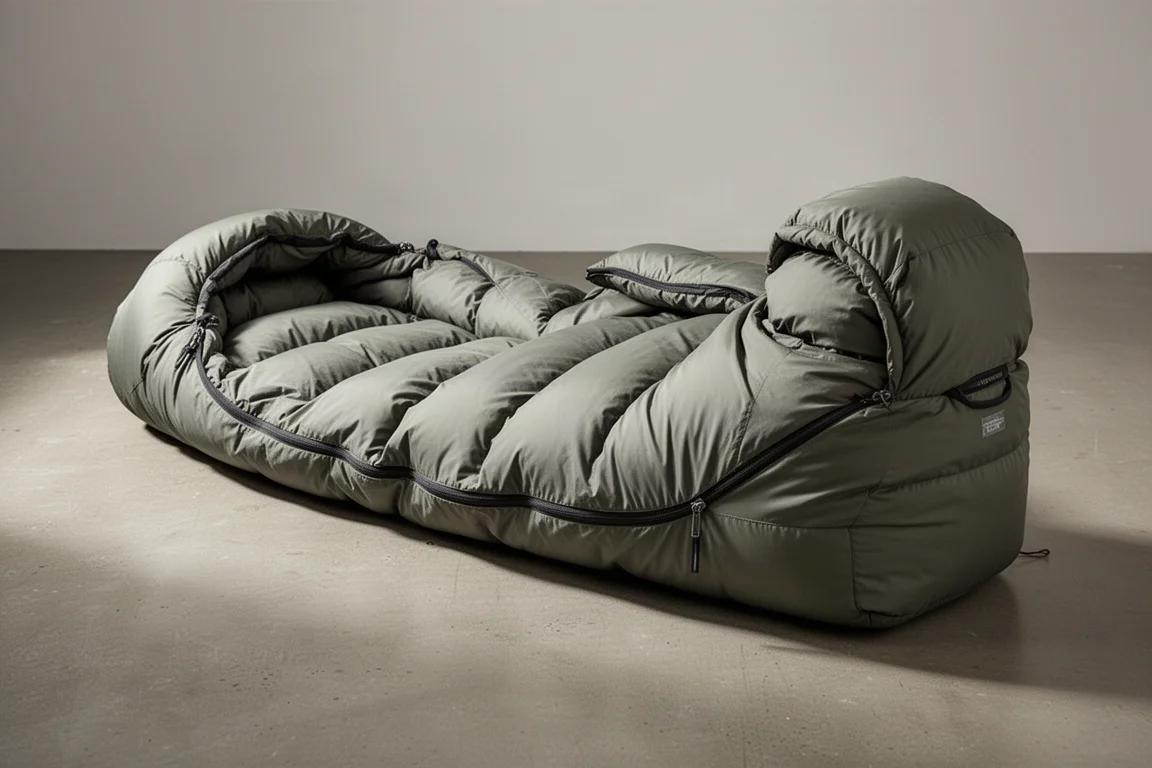
For cooler trips, a down sleeping bag replaces a quilt. The reasoning is straightforward: a bag has no drafts, and it can be supplemented by layering extra clothing underneath when a night turns colder than expected. It also pairs with a top quilt when more warmth is needed, which keeps the system flexible as the season deepens.
That combination makes the bag a dependable cool weather sleep system rather than a single fixed rating. The trade off is weight, which matters less on shorter trips and more on long days.
LoftTek Balaclava: Warmth for the Head and Face
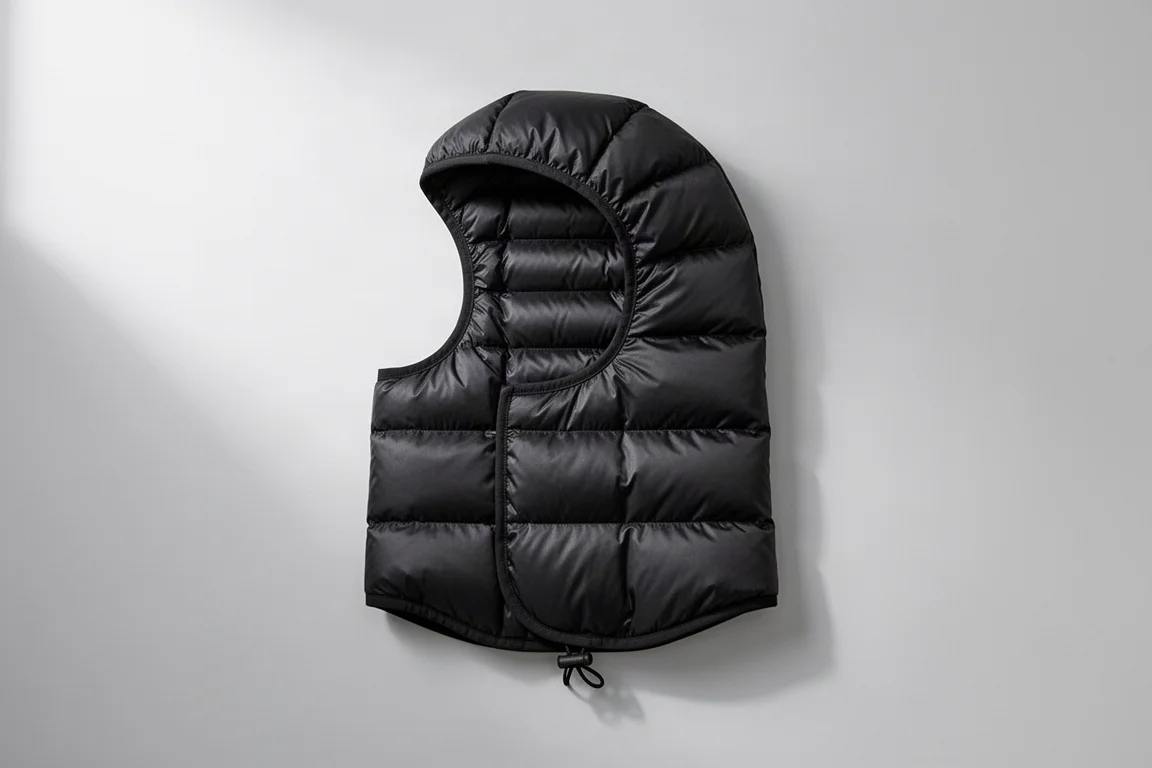
The LoftTek Balaclava is a down filled hood for the head and face, and it is one of the smallest items in this loadout with one of the clearest jobs. It pairs naturally with a down sleeping bag to extend comfort on cold nights, and because it packs down small, it is easy to justify carrying for the one or two nights when it matters.
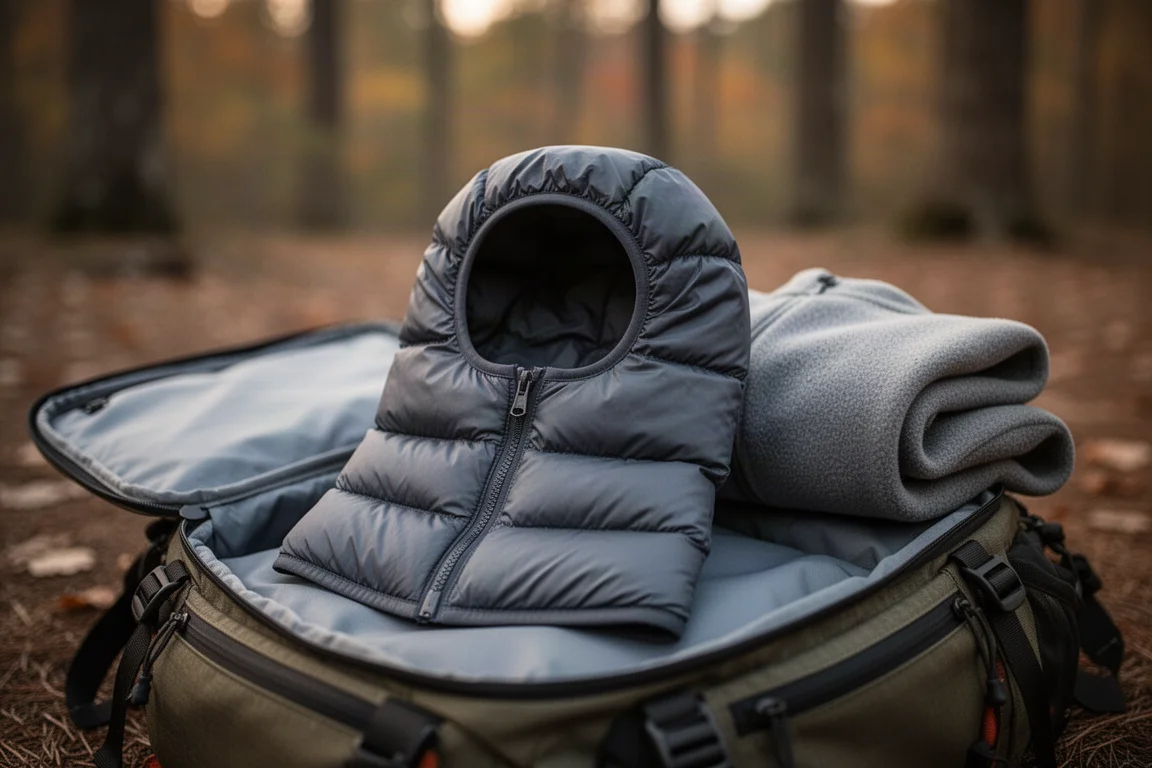
It is also a piece that can wait. Until temperatures demand it, a lighter down beanie covers most situations comfortably, and the balaclava gets added as the season progresses.
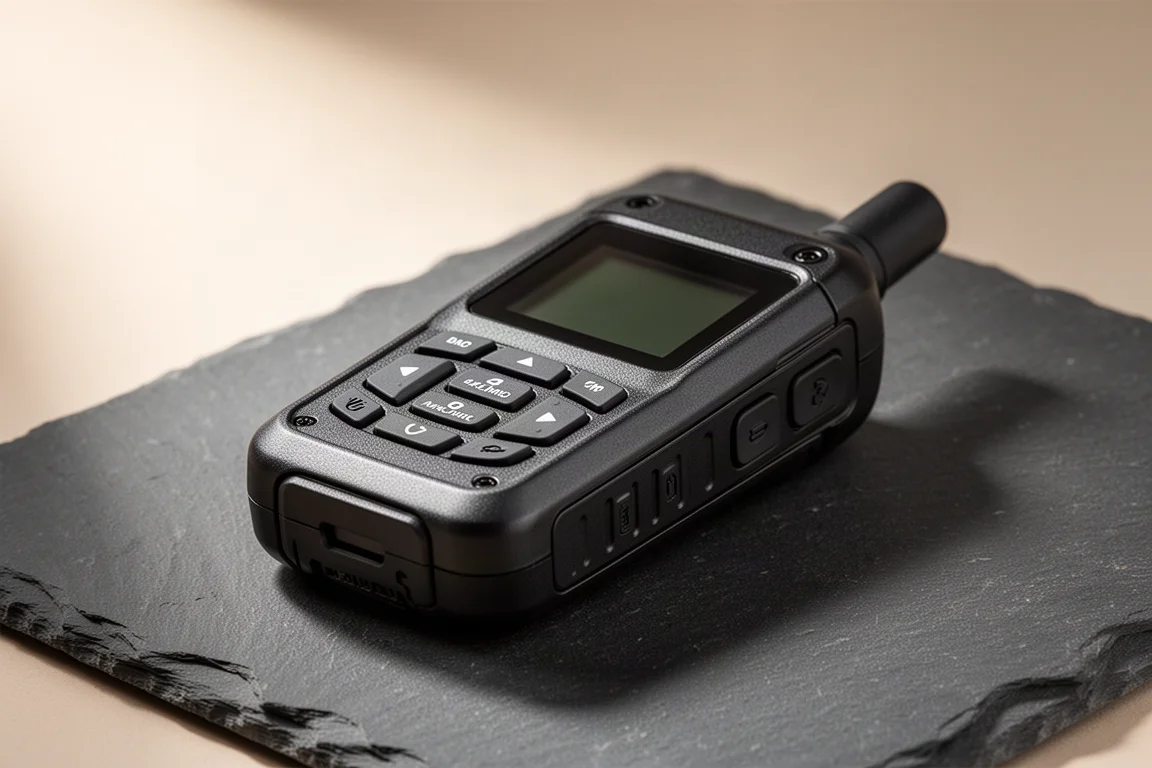
Garmin inReach 2: Communication Beyond Cell Coverage
A satellite communicator belongs in an easy to reach pocket rather than buried at the bottom of a pack. The Garmin inReach 2 handles messaging and location sharing where cell coverage ends, which matters more in fall when trails are quieter and days are shorter.
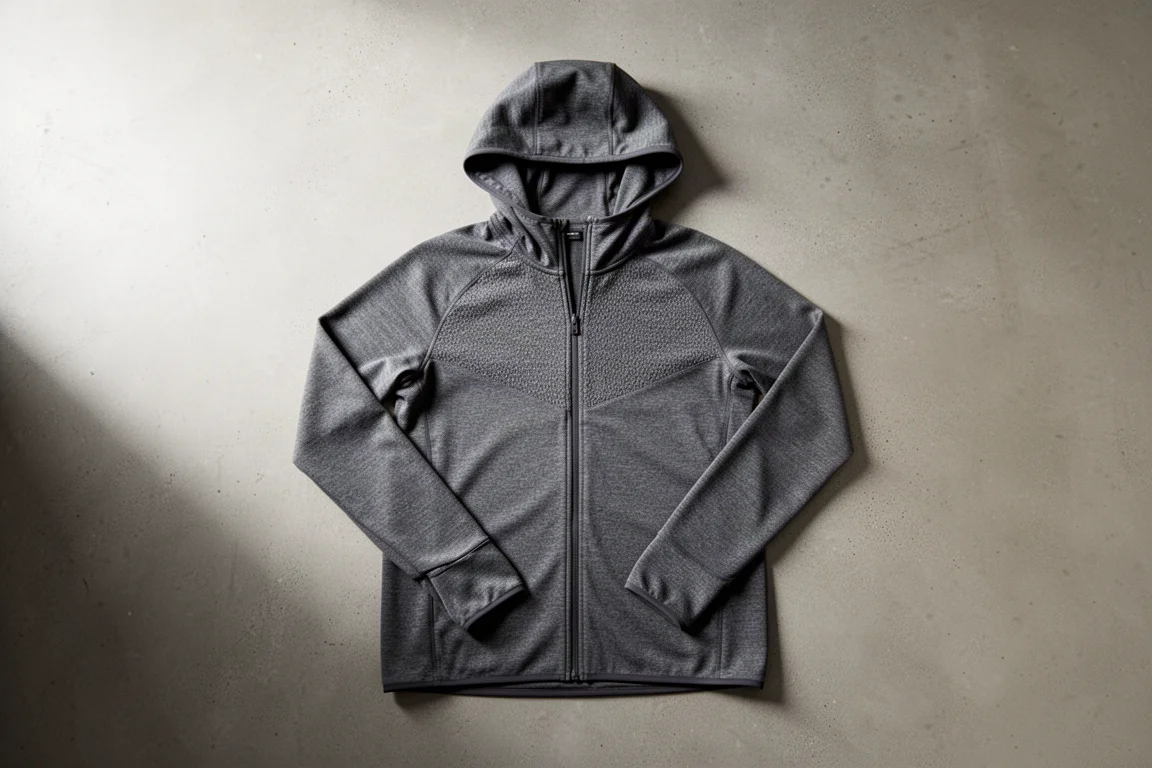
Ventus Hoodie: The Layer You Live In
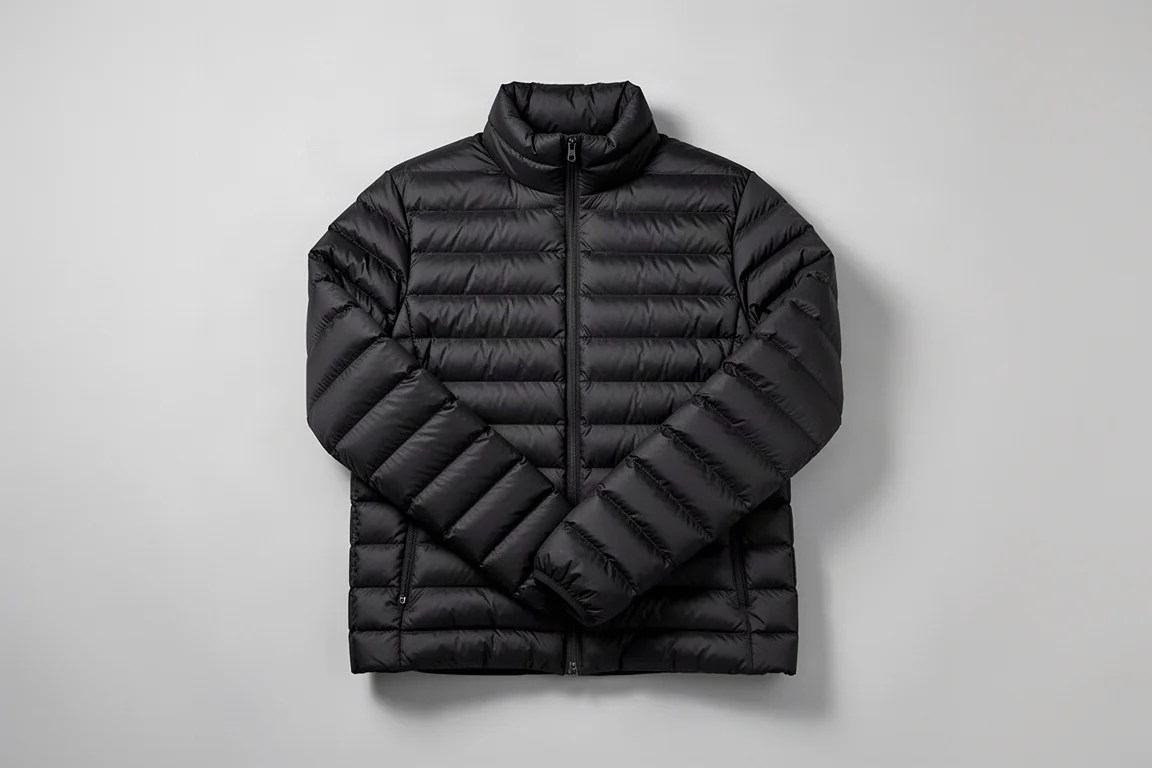
The Ventus Hoodie is the piece that stays on. At around seven ounces it is light enough to wear while moving and comfortable enough to sleep in, and it regulates temperature well across a wide range of conditions. It is also the layer to start a cold morning hike in, before the body has generated any warmth of its own.
Nova UL Jacket: The Static Camp Layer
The Nova UL Jacket is a down piece built for camp rather than the trail. It blocks wind and holds a great deal of warmth for its weight, but it does not breathe well, so it is not the right layer for hiking. At around twelve ounces it is the piece to pull on while pitching a tent, cooking, or sitting still through the coldest part of the evening.
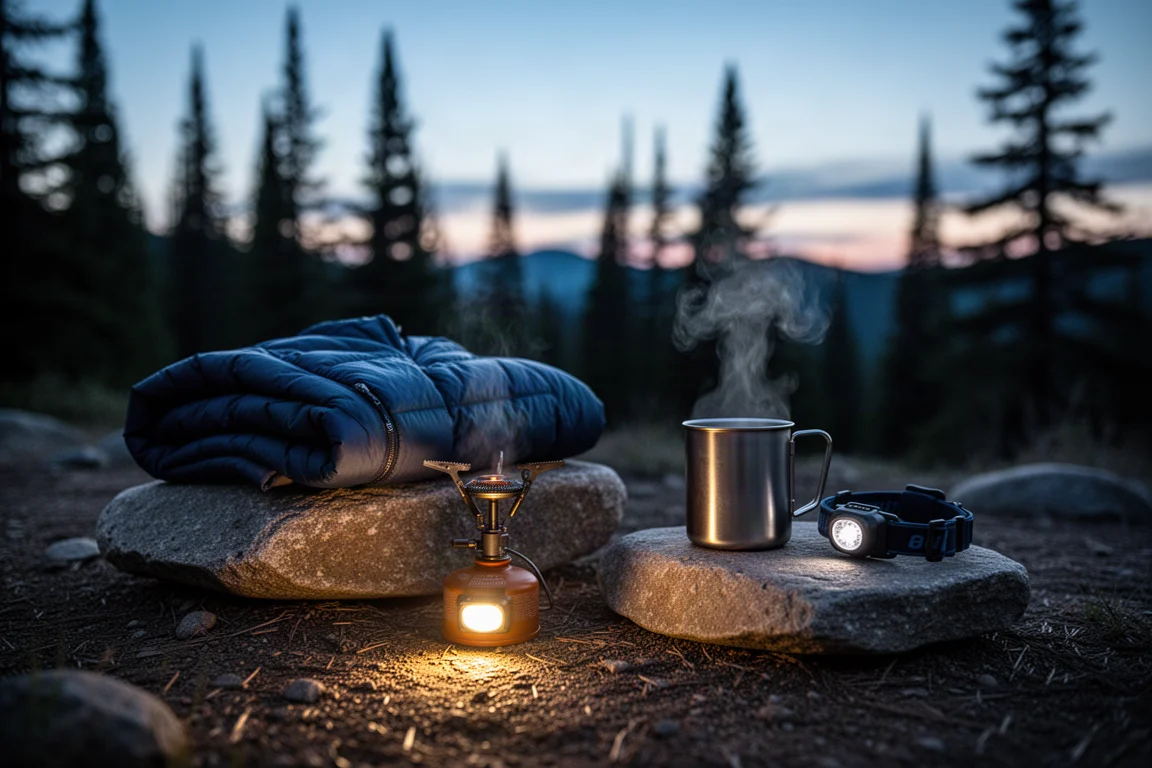
Worn over a hoodie, it covers the coldest hours and makes the difference between a comfortable evening and an early retreat into a sleeping bag.
Tushar Rain Jacket: Wind and Weather Protection
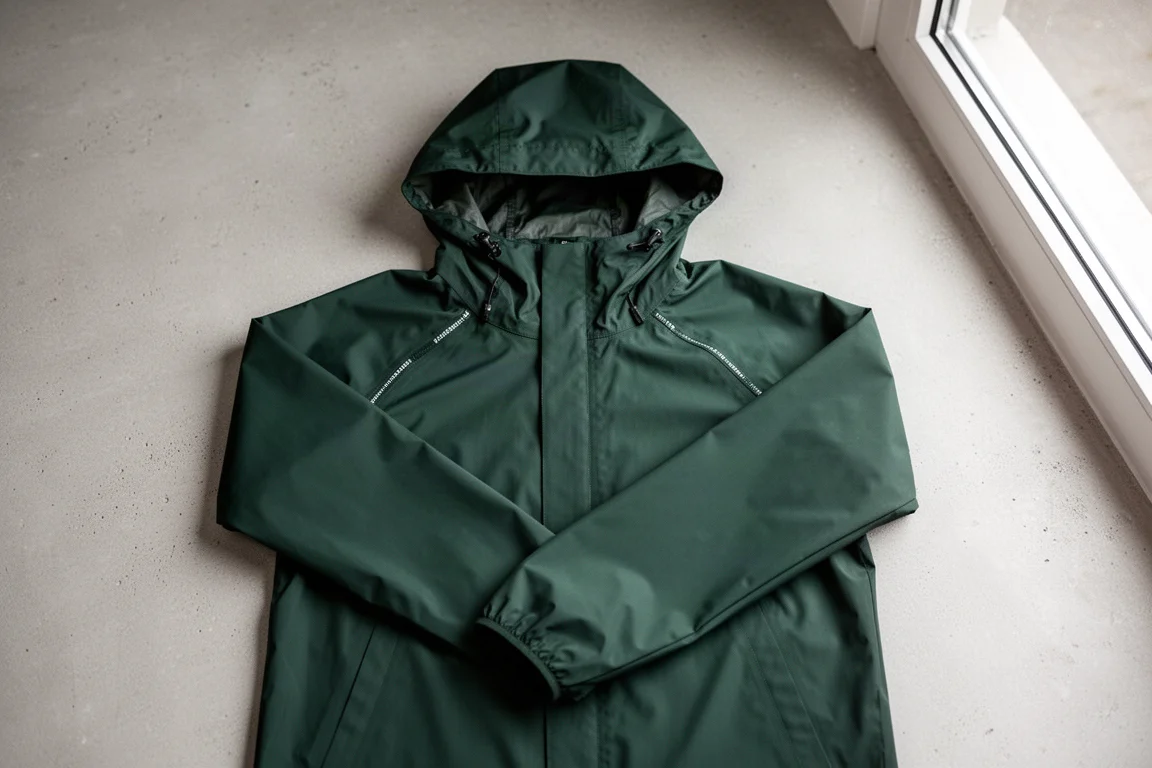
The Tushar Rain Jacket weighs around seven ounces and does an excellent job of stopping wind. That makes it the layer to hike in on a cold morning, when wind would otherwise pull heat away from a moving body. Worn over a midlayer, it keeps the warmth being generated by hiking where it belongs.
How the Pieces Work Together
The three upper body pieces weigh roughly seven ounces for the rain jacket, seven ounces for the hoodie, and twelve ounces for the down jacket. Together they cover sleeping, hiking, and camp in cold conditions, and each one has a defined role rather than overlapping with the others. Because they layer, the set is more adaptable than a single heavier jacket.
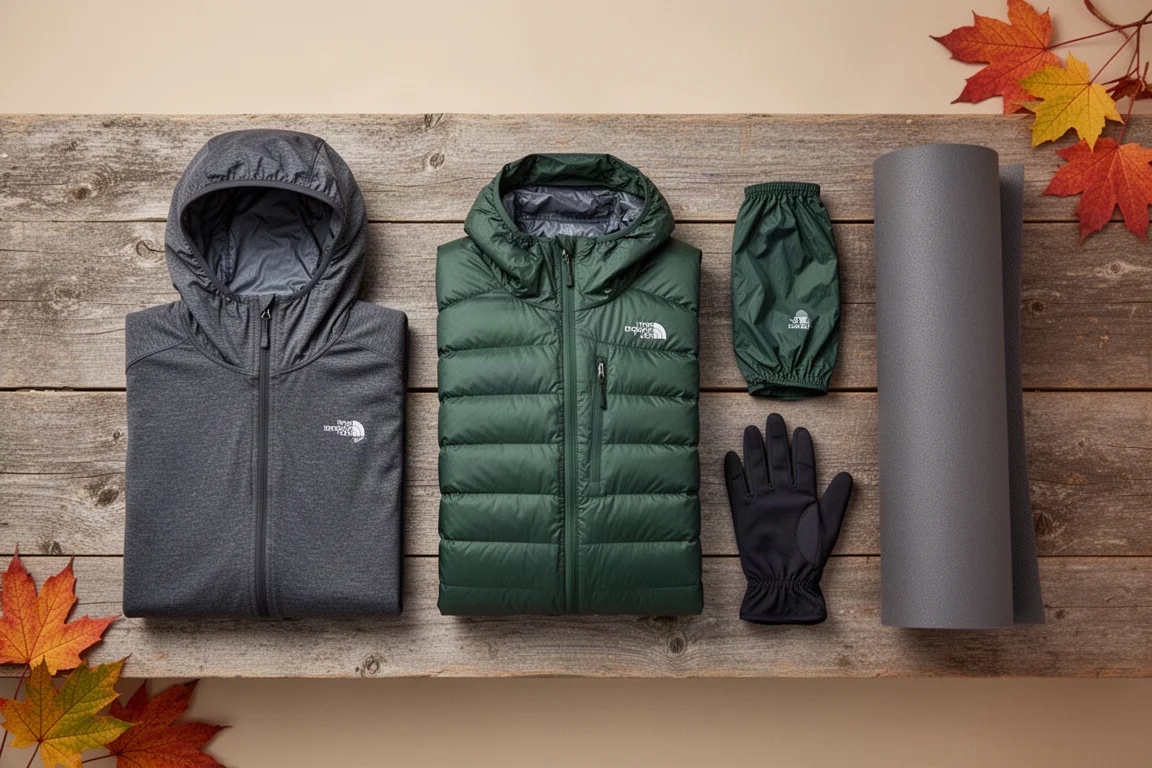
The practical buying advice is to match each piece to a specific moment of the trip. Start with the layer you will hike in, add the static layer for camp, and only then look at the insulated pieces that extend the sleep system. Building a kit this way keeps the pack light while still leaving room to add warmth as conditions change.
Conclusion
Fall backpacking comfort comes from small, deliberate choices: a longer foam pad, a windproof shell over liner gloves, a sleeping bag that removes drafts, and a layering system where every piece has a job. The six items here cover the shoulder season without much weight, and each one can be added or left behind as the weather dictates.
Further reading
Related Reviews

Backpacking Gear
Building a 10 lb Base Weight: An Ultralight Backpacking Gear List
A practical walkthrough of the ultralight pieces behind a 10 lb base weight, from a 765 g pack and a roomy one-person tent to a full camp chair and a dependable water filter.

Backpacking Gear
A 15-Pound Lightweight Backpacking Gear List for Solo Trips
A beginner-friendly 15-pound backpacking setup built from easy-to-find gear, with notes on what each piece does, how it packs, and where to spend your attention.

Backpacking Gear
8 Ultralight Backpacking Gear Upgrades Worth Carrying
Eight small, affordable backpacking upgrades that solve real trail annoyances, from a pillow that stays put to a fuel valve that rescues leftover canister gas.