Backpacking Gear
Fall Backpacking Gear List: 9 Additions That Keep Summer Trips Warm
A practical fall backpacking gear list covering sleep systems, camp clothing, fire tools, cold-weather cooking, water treatment, and pack capacity.
Introduction
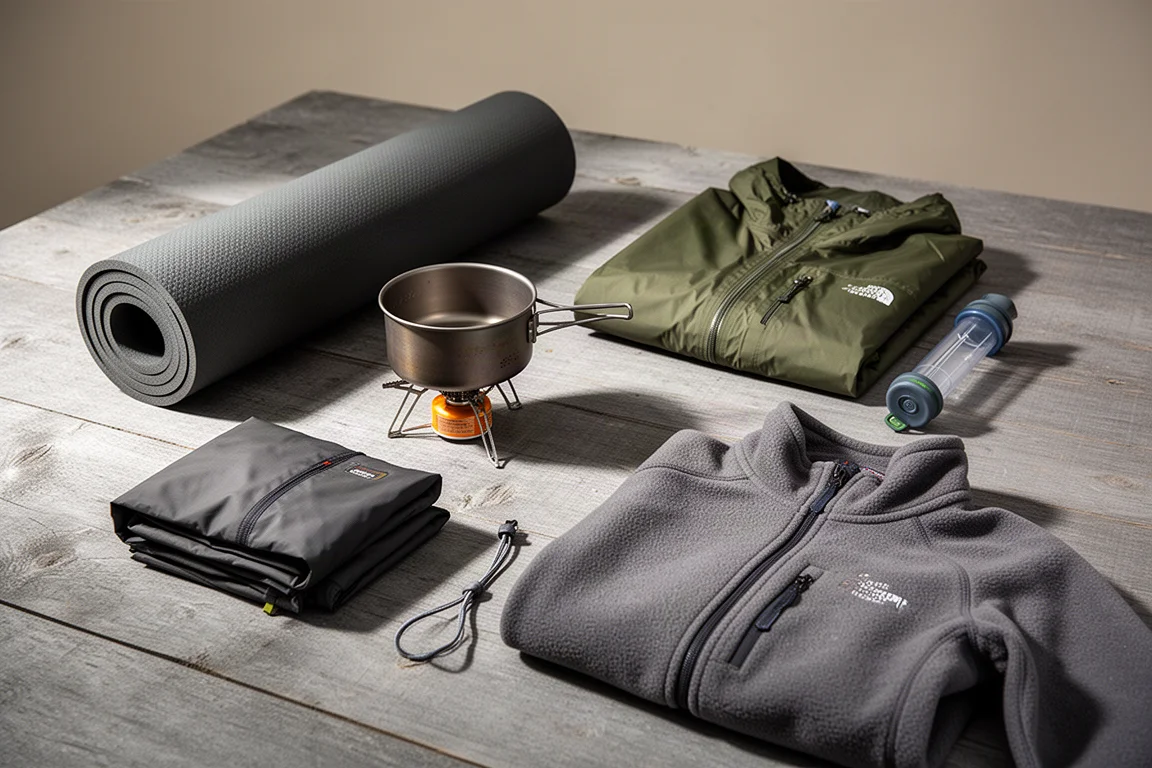
Fall backpacking asks a summer kit to do more than it was built for. Nights arrive earlier, temperatures fall further, and the hours spent sitting in camp grow while the hours spent moving shrink. None of that has to mean replacing a setup that already works. In most cases the fix is a small number of additions, chosen for the job they do rather than for the number of features on a spec sheet.
This list covers the additions that make the largest difference on cold-weather trips: a synthetic over quilt, a warmer sleeping bag, a sleeping pad with a higher R-value, insulating camp clothing, fire tools for long evenings, a regulated stove, a water filter that survives freezing nights, and a pack with room for the extra bulk.
What Changes When the Season Turns
Two things shift once summer ends. The first is heat loss at night. Colder ground pulls warmth out of a sleeping pad, and colder air pulls it out of a quilt or bag, so the same sleep system that felt generous in July starts to feel marginal. The second is the shape of the day. Fall trips tend to involve more time around camp and less time moving, which makes insulation you wear rather than sleep in far more valuable than it was in summer.
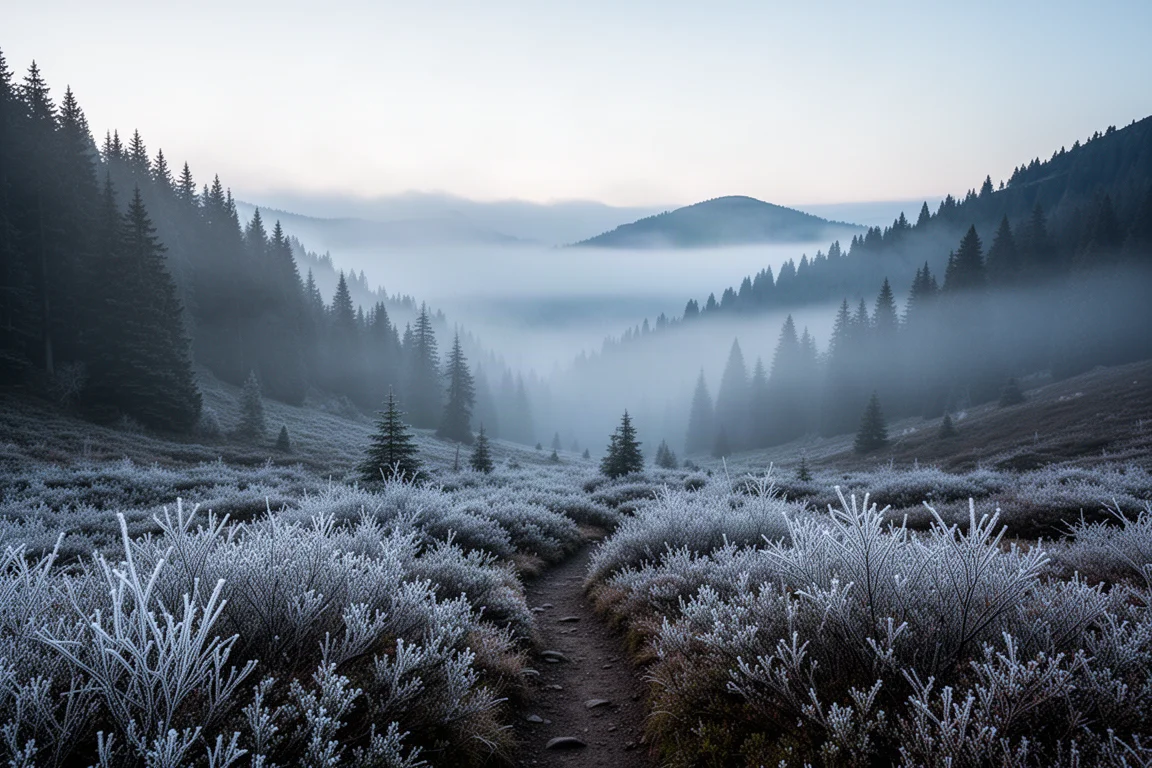
A few thresholds are worth keeping in mind when planning. For fall camping, a sleeping pad with an R-value above 4.5 is a sensible target, and pads rated over 6 cover the colder end of the season. On the cooking side, unregulated canister stoves start to lose flame quality below roughly 5°C, which is the point where a regulated stove earns its place in the pack. Water treatment needs a plan too, because a filter that freezes overnight is a filter that no longer works.
Sleep System Upgrades
Sleep is the part of a fall kit that deserves attention first. A cold, restless night drains the enjoyment out of the following day more than any other single problem. There are three practical routes: supplement an existing summer sleep system, buy a dedicated warmer bag, or combine both as the season deepens.
Synthetic Over Quilt: Enlightened Equipment Apex Enigma
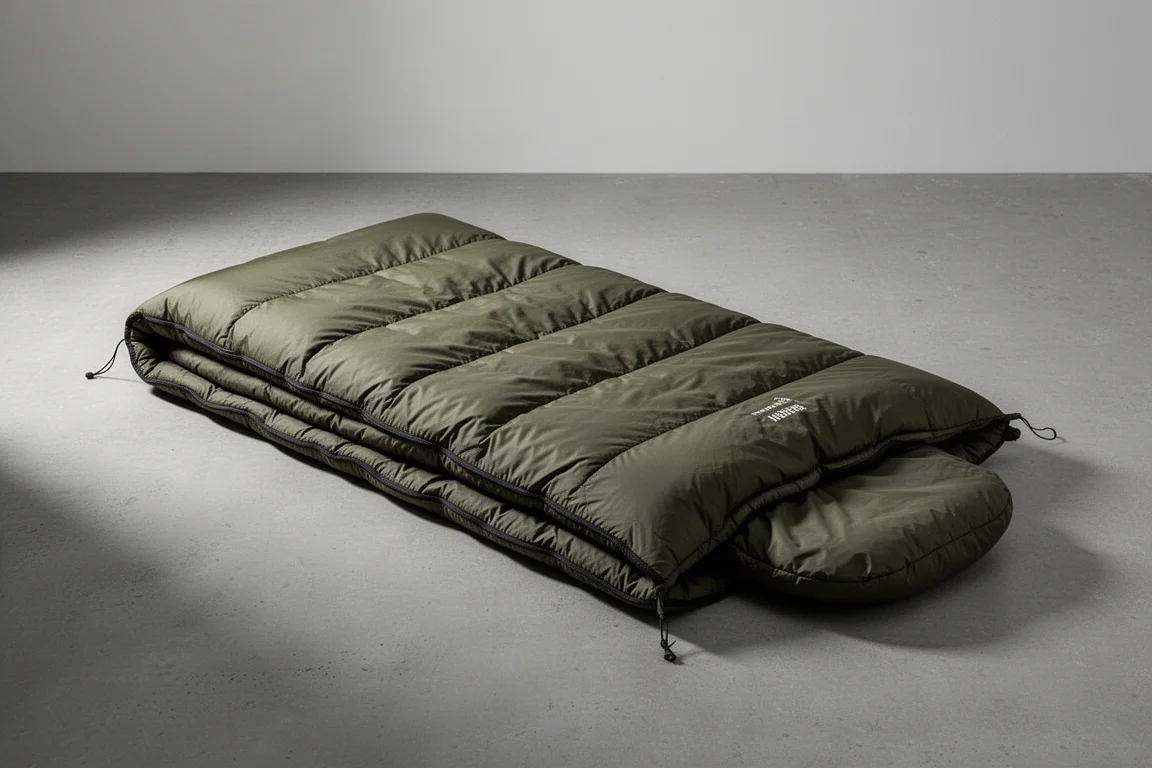
An over quilt is the most flexible way to extend a summer setup. The Enlightened Equipment Apex Enigma is a 50 degree synthetic quilt, and 50 degrees is a good balance point: synthetic fill does not compress as efficiently as down, so choosing a lighter rating keeps packed size and weight reasonable.
Synthetic fill also handles moisture better. Condensation inside a shelter affects down more severely, because wet down loses its loft and with it most of its insulating value. Synthetic fill holds up better in damp conditions and dries faster when there is sun or airflow available. Paired with a 20 degree down quilt, this combination has been used at temperatures below 0°F.
Warm Sleeping Bag: Sea to Summit Spark
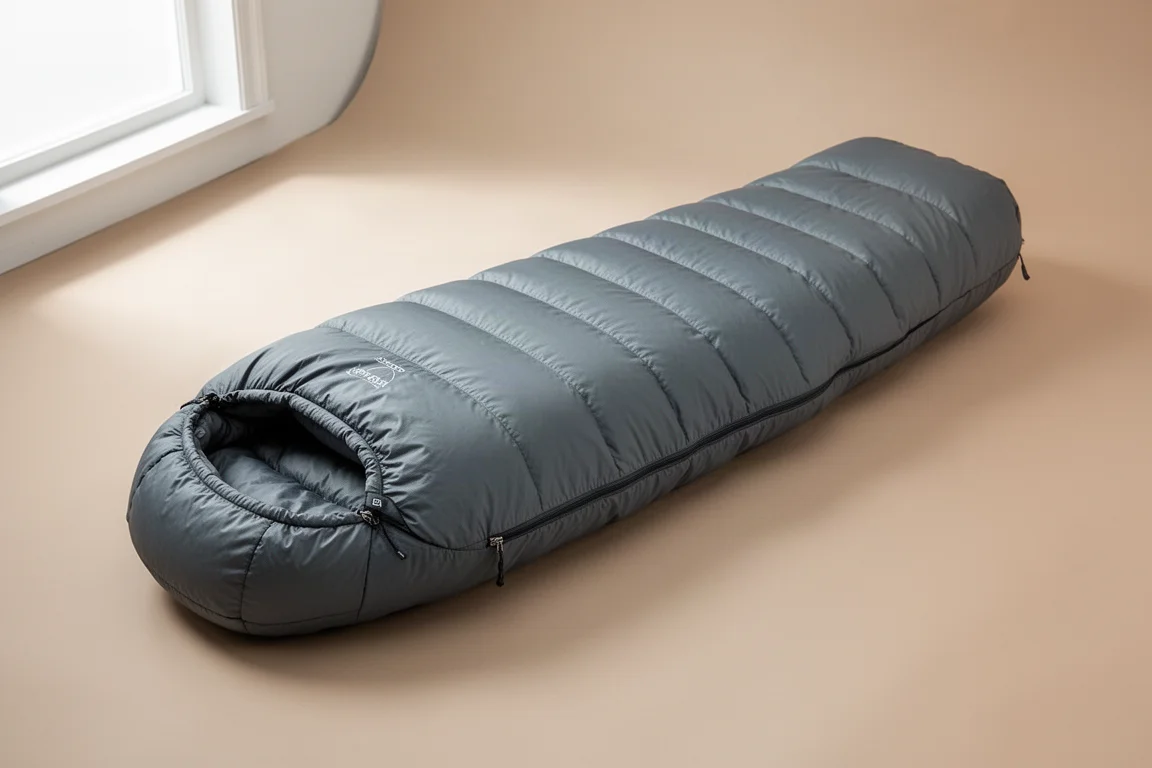
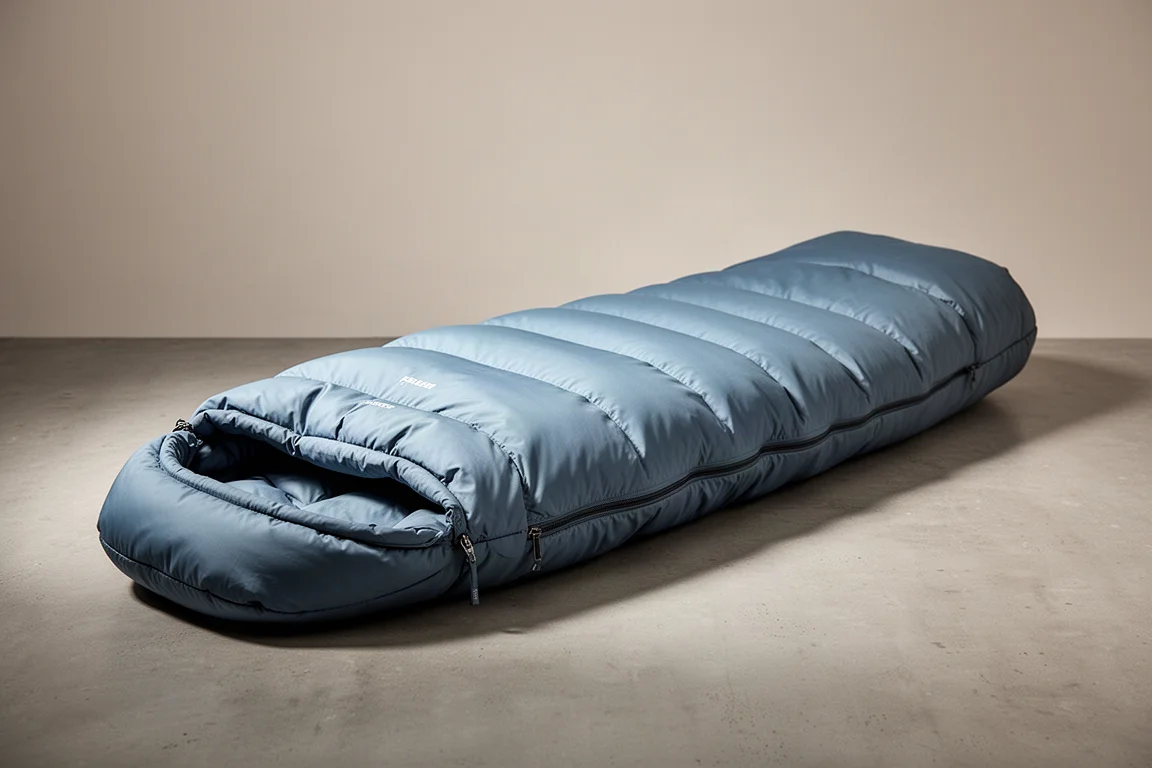
Buying a dedicated cold-weather bag is the simplest option when the budget allows. The Sea to Summit Spark carries a comfort rating of -9°C and a limit rating below -10°C, which places it firmly in three-season-to-winter territory. A bag like this also becomes the foundation of a winter kit later, since it can be combined with the quilt strategies above.
Quilts remain more versatile for temperature management, because a sleeping bag encloses you while a quilt lets you move a leg or an arm out when you warm up. For anyone who sleeps cold, a warmer bag is still the most direct fix. A fleece sleeping bag liner is a lower-cost supplement that works with either format: it goes inside a bag, or under a quilt with the quilt over the top.
Sleeping Pad: Sea to Summit Ether Light XT
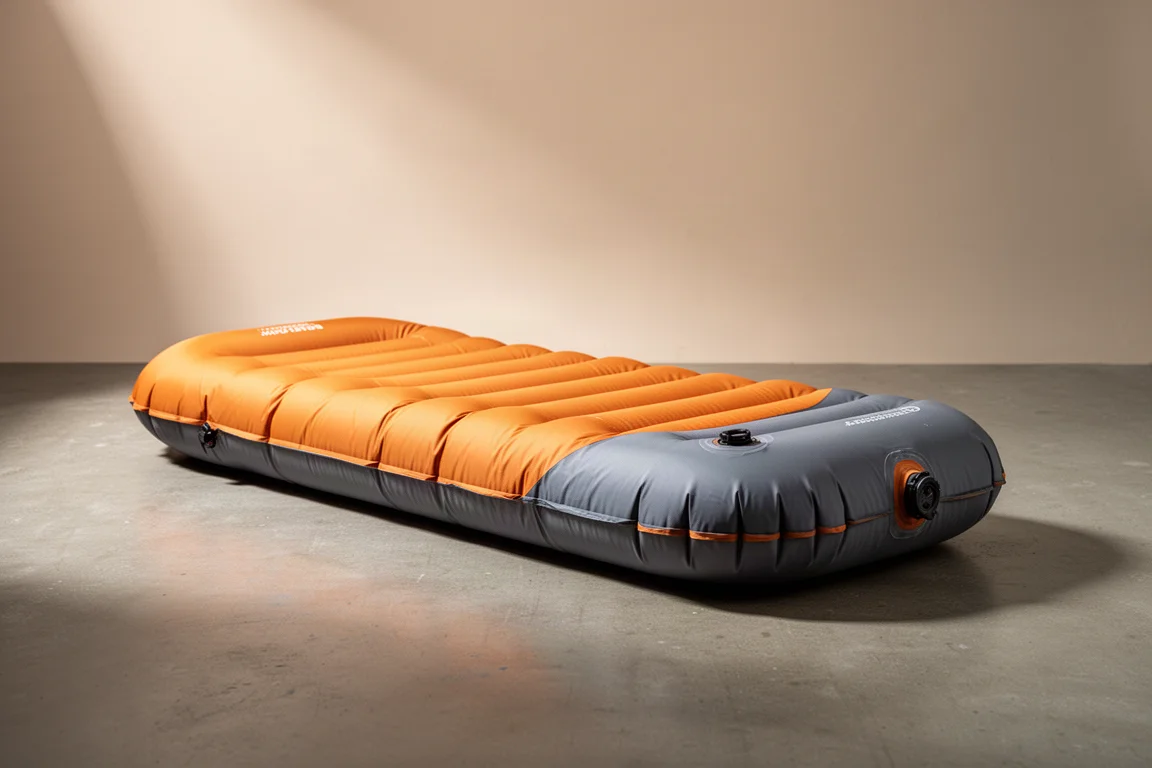
Ground insulation is where a lot of fall warmth is won or lost. The Sea to Summit Ether Light XT has an R-value above 6, comfortably past the 4.5 threshold that suits fall conditions and useful for those who feel the cold more than most.
If replacing a pad is not part of the plan, a closed-cell foam pad placed underneath a summer pad is an effective workaround. The Ether Light XT Insulated, rated at 3.2, combined with a foam pad adds roughly 1 to 1.5 to its R-value, bringing it into the region of 4.5. That approach costs less and keeps an existing pad in service.
Camp Clothing for Cold Evenings
Cold-weather camping involves more stationary time, and stationary time is when insulation matters. If a puffy jacket is the only insulating layer in the pack, adding fleece pants and a fleece sweater is a worthwhile step. The Decathlon fleece layers are budget friendly, warm, and still light enough to justify carrying.
Footwear deserves a mention as well. Camp slippers add insulation underfoot on cold evenings, which makes a noticeable difference when sitting around outside. Options come from Mountain Equipment Co-op, and Baffin makes comparable pairs.
Down Jacket Upgrade: Decathlon Trek 900
The Decathlon Trek 100 is a reasonable baseline puffy for fall and covers most evenings around camp. Anyone who feels the cold more acutely can step up to the Decathlon Trek 900, a warmer down jacket that also serves as a winter layer. It is a bigger investment than fleece, so it makes sense to add the fleece layers first and treat the jacket as the next step.
Fire Tools for Longer Evenings
Summer trips often skip fires altogether, since the priority is covering distance and reaching camp. Fall evenings change that calculation. Longer nights and earlier darkness mean more time sitting around a fire with company, so a small toolkit earns its weight: a hatchet, a saw, a knife for kindling, and reliable fire starters.
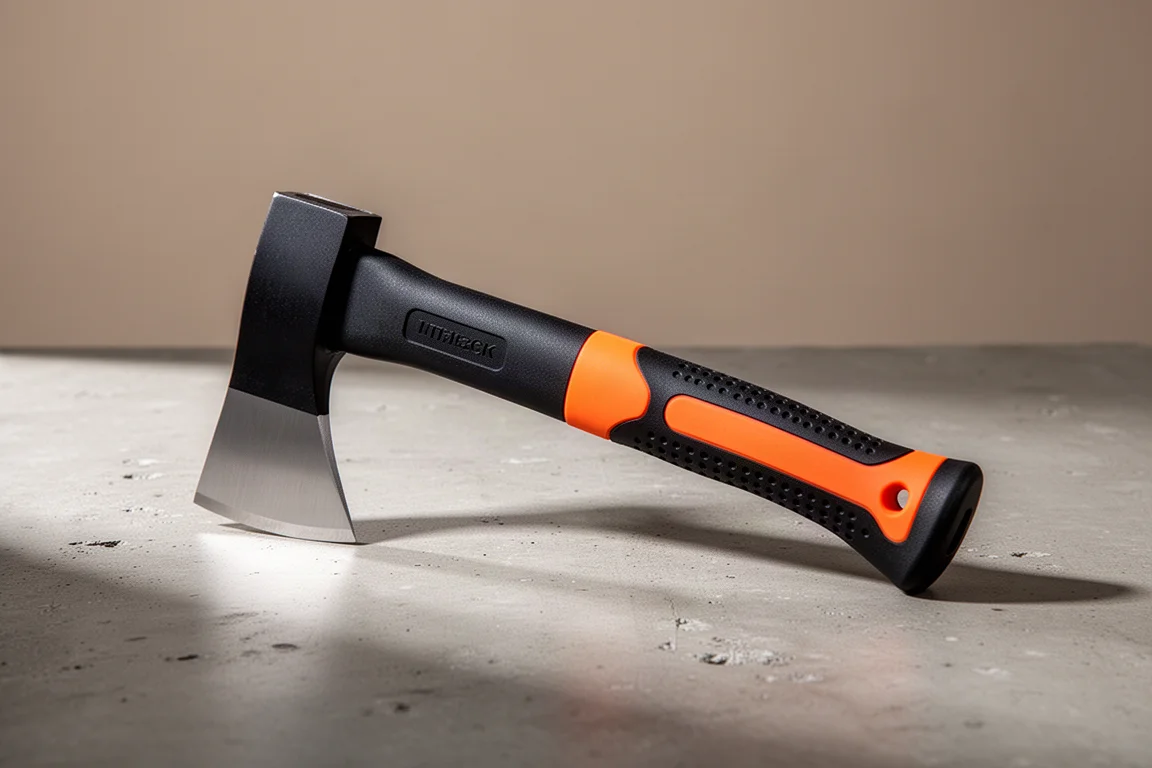
A hatchet splits and reduces wood, and its edge can also be used to scrape fine shavings for ignition. A knife handles smaller kindling. Fire starters are the simplest part of the system: break one apart, light it, and it burns for roughly three to five minutes, long enough to get damp wood going. Stored in a first aid kit alongside a ferro rod, they catch from a single spark.
Hatchet: Fiskars X7
The Fiskars X7 is light for a hatchet and effective at the jobs a fall fire requires. Budget options exist, including smaller hatchets from Lexa Bond that are durable and functional, though they may not hold an edge as long as the Fiskars. For occasional camp fires, the difference is manageable.
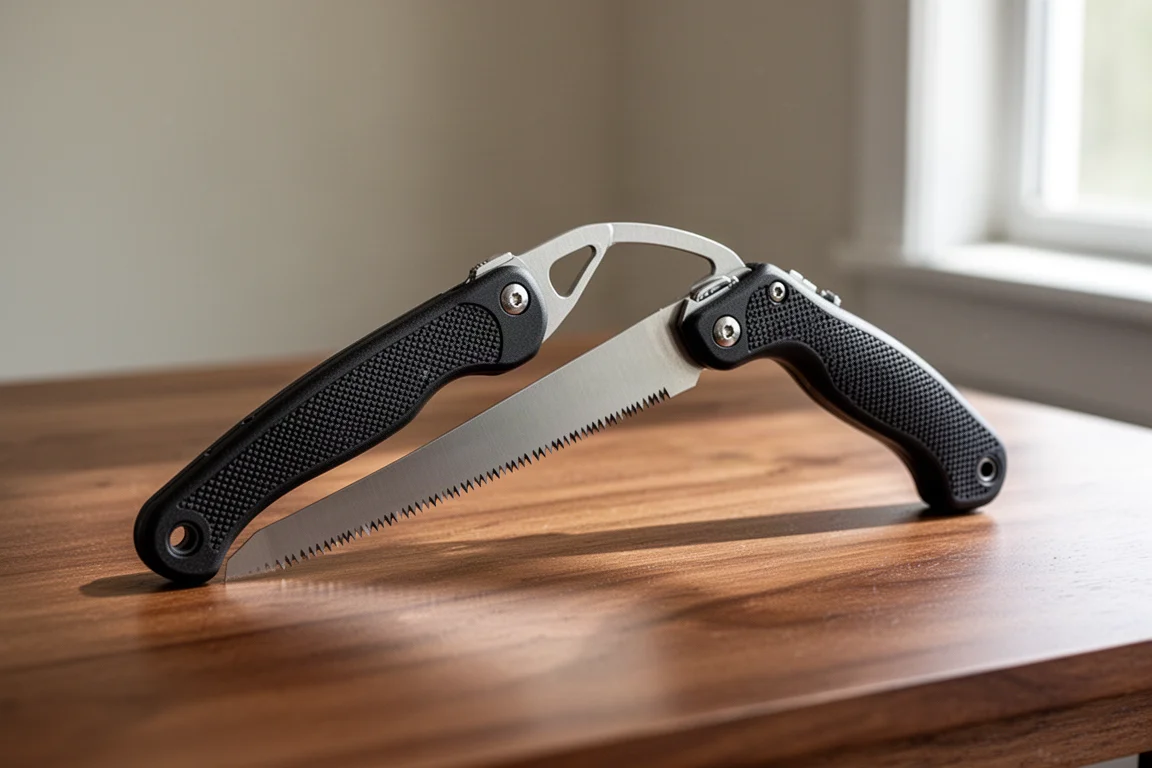
Folding Saw: Silky Pocket Boy
A saw does more for firewood than any other tool in the kit, and the Silky Pocket Boy cuts through logs with very little effort. It costs more than many comparable saws, which is the main trade-off to weigh.
Cooking and Water in Cold Weather
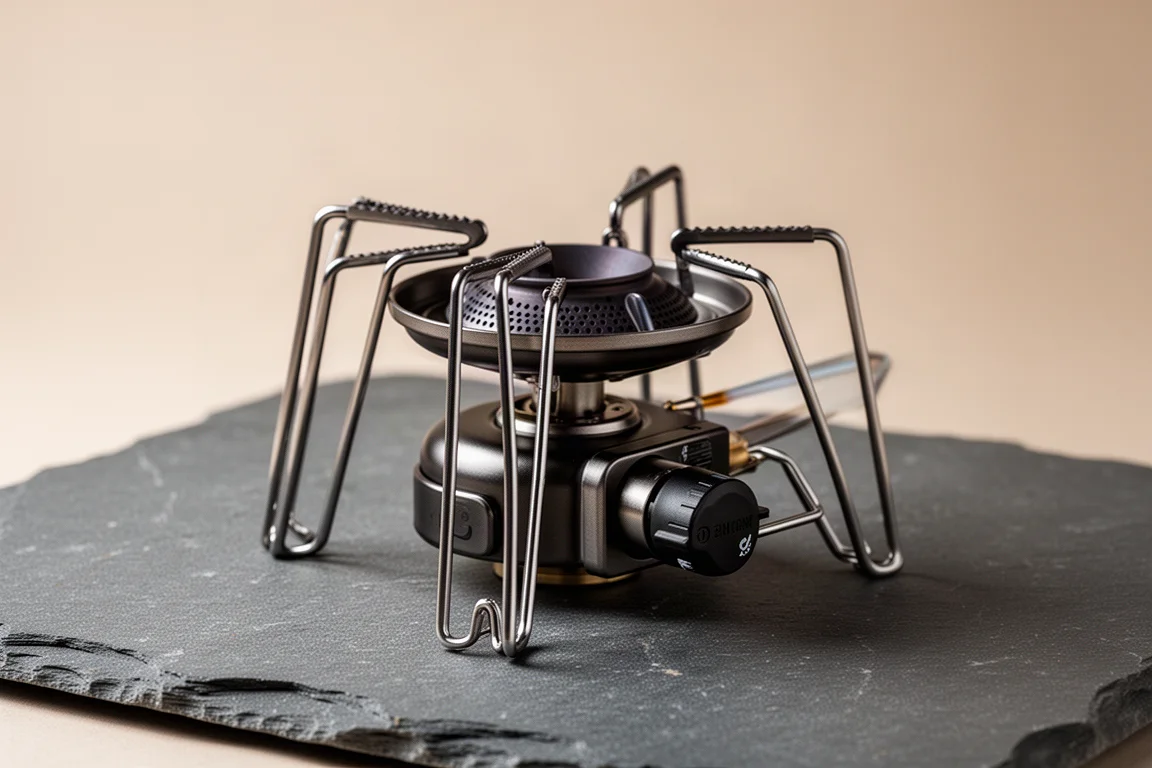
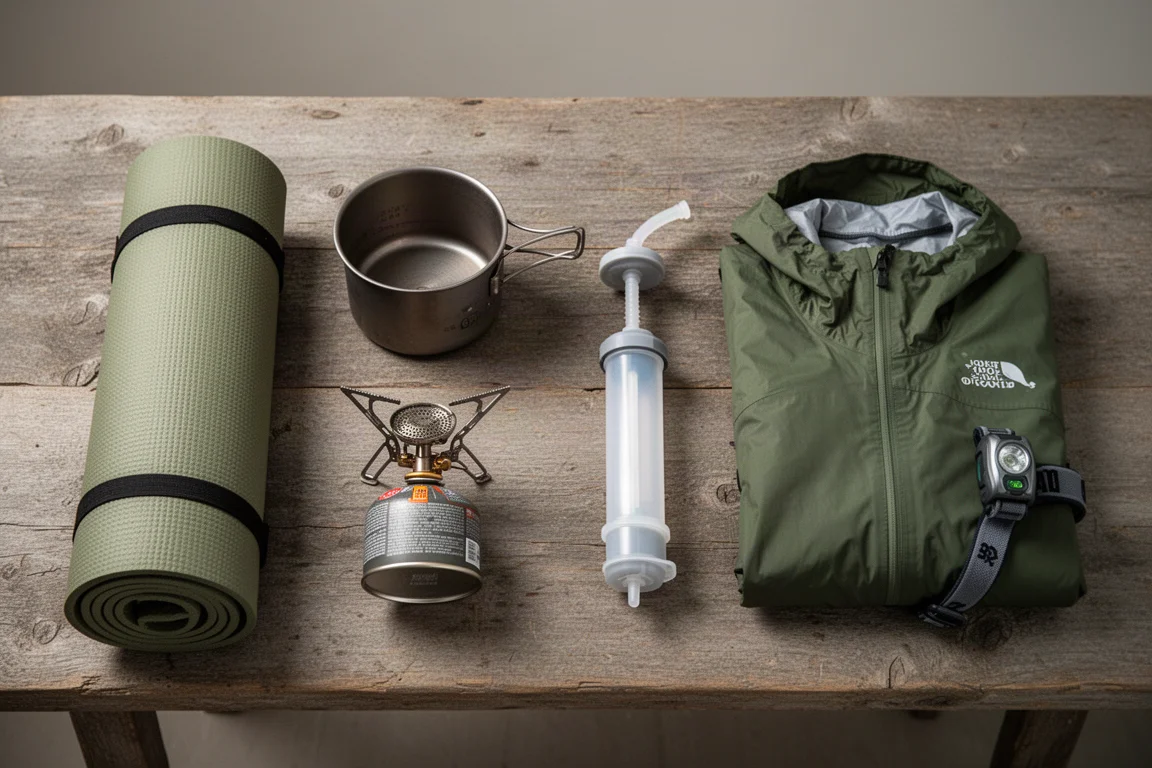
Cold temperatures change how a stove behaves. The BRS 3000 works well in warm conditions, but below about 5°C and approaching freezing it starts to lose its ability to put out a steady flame. A stove with a regulator manages fuel delivery more precisely and keeps performance consistent in the cold.
Consumables need a second look too. Liquid soap freezes in freezing conditions, which is inconvenient at best. Powdered soap does not freeze, weighs less, and is cleaner and easier to use.
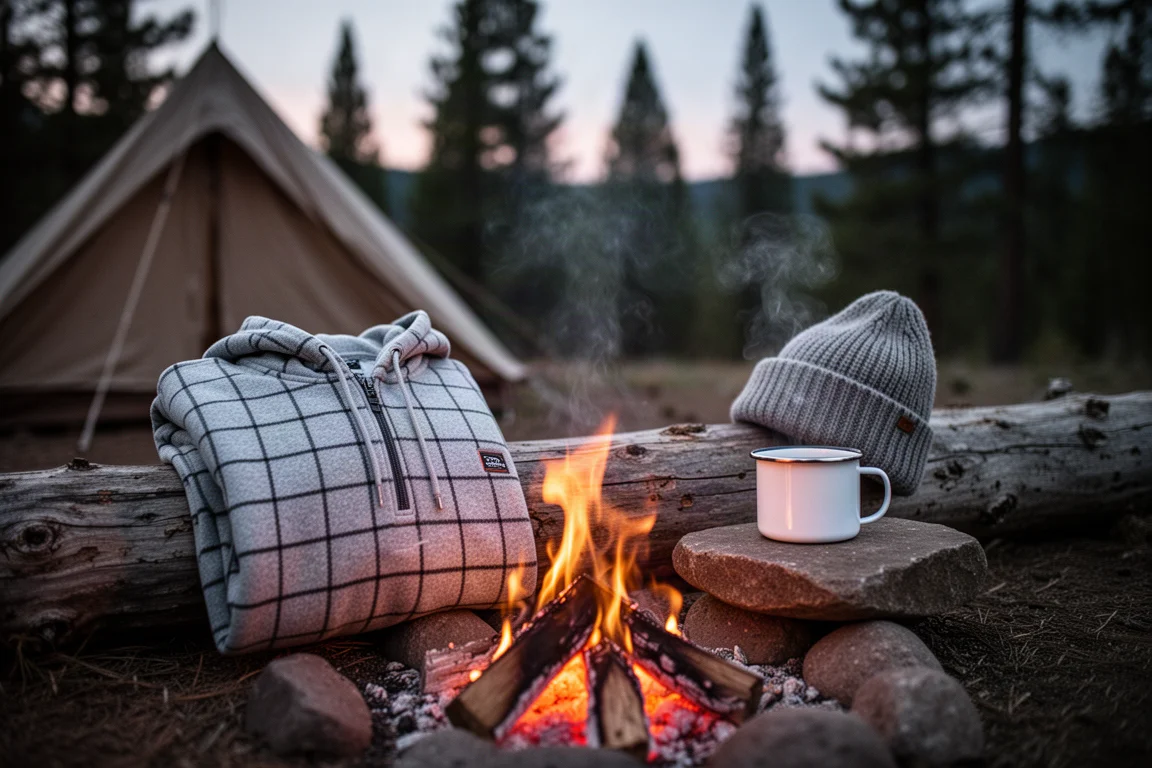
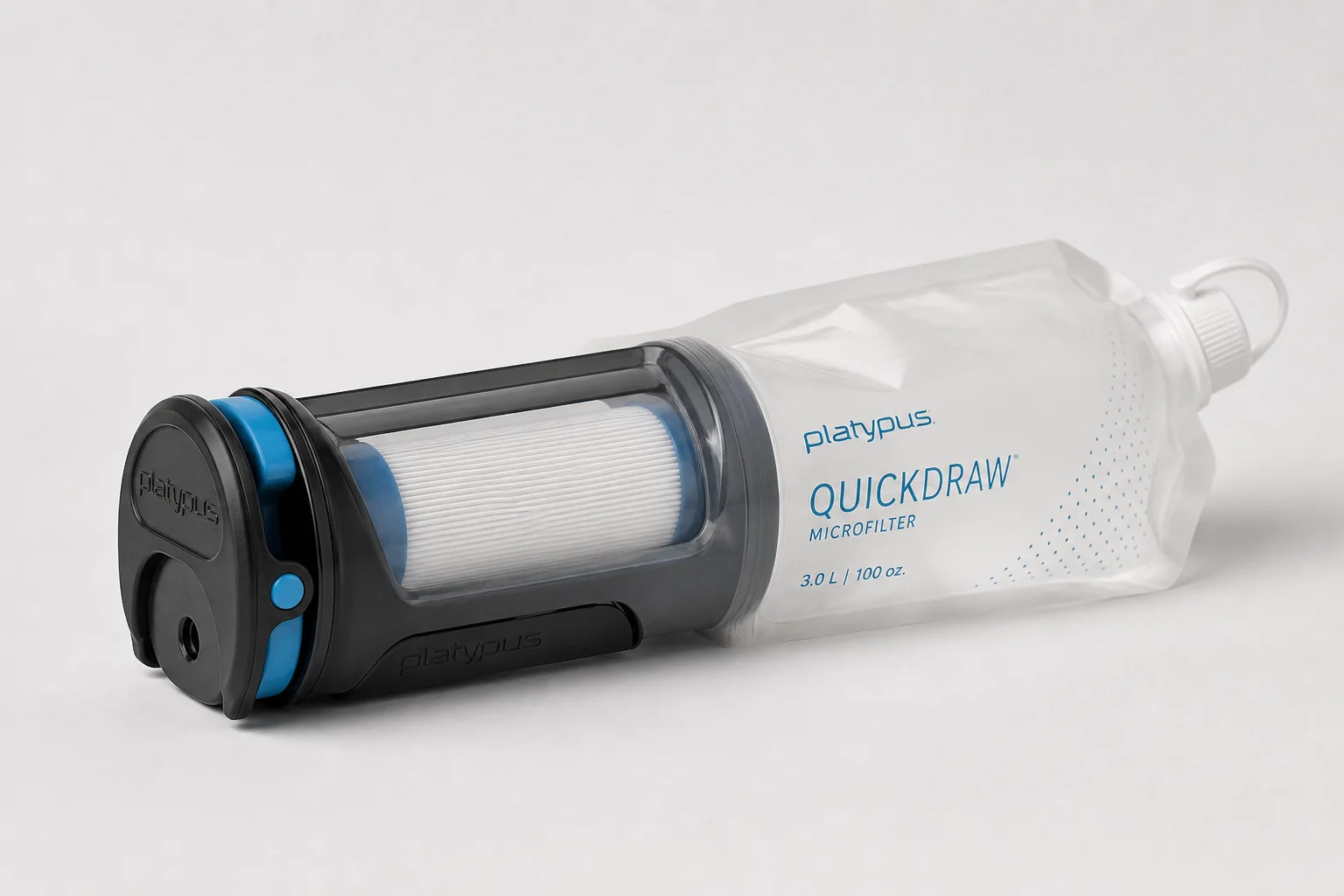
Water treatment is the third piece. In fall there is no snow to melt, so a filter still does the work, but a filter that freezes overnight is ruined. The safe habit is to take the filter into the sleeping bag at night.
Regulated Stove: MSR PocketRocket Deluxe
The MSR PocketRocket Deluxe uses a regulator to keep fuel flowing evenly, which avoids the sputtering flame that unregulated stoves produce in low temperatures. It has worked effectively at -6°C (20°F), which covers the conditions most fall trips will encounter.
Water Filter: Platypus QuickDraw
The Platypus QuickDraw is straightforward to close up, with a cap on one end and a snap lid on the other, which makes it easy to seal and store. Keeping it inside a sleeping bag overnight protects the filter membrane from ice crystals, which would otherwise damage it and compromise the protection it provides.
Carrying the Extra Load
Everything on this list adds volume, and volume is what forces a pack change. A small ultralight summer pack is often the first thing that stops working once insulation, tools, and a bulkier sleep system are added.
Frameless Pack: Waymark Gear Thru
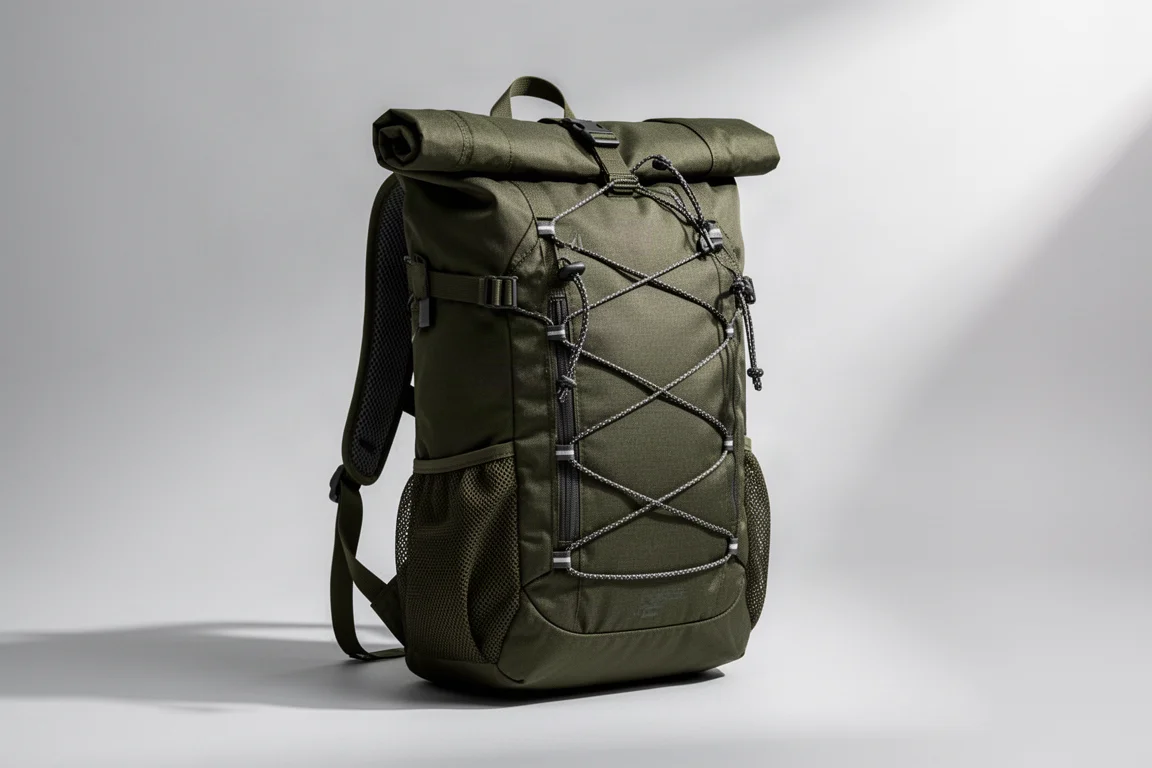
The Waymark Gear Thru is a frameless pack with good capacity. It holds a full cold-weather load, stays light, and carries weight well. It also works as a summer pack for many people. Those with especially bulky gear should look at packs in the 55 to 60 litre range and above instead.
Buying Advice
The order of spending matters more than the total. Start with the sleep system, since a cold night undermines everything else. A higher R-value pad or a foam pad layer is usually the cheapest way to raise comfort, and an over quilt is the most flexible next step. Camp insulation comes after that, beginning with fleece layers and moving to a warmer down jacket only if needed.
Fire tools and a regulated stove sit at the affordable end of the list, and they can be added over time as trips get colder. A larger pack should be the last purchase, once the rest of the kit has settled and the real volume is known.
Conclusion
Extending a summer kit into fall does not require a second set of gear. A synthetic over quilt, a warmer bag, a pad with more ground insulation, fleece layers, a hatchet and saw, a regulated stove, a filter that stays unfrozen, and a pack with room to carry it all will cover the shoulder season and lay the groundwork for winter trips.
Further reading
Related Reviews

Backpacking Gear
Building a 10 lb Base Weight: An Ultralight Backpacking Gear List
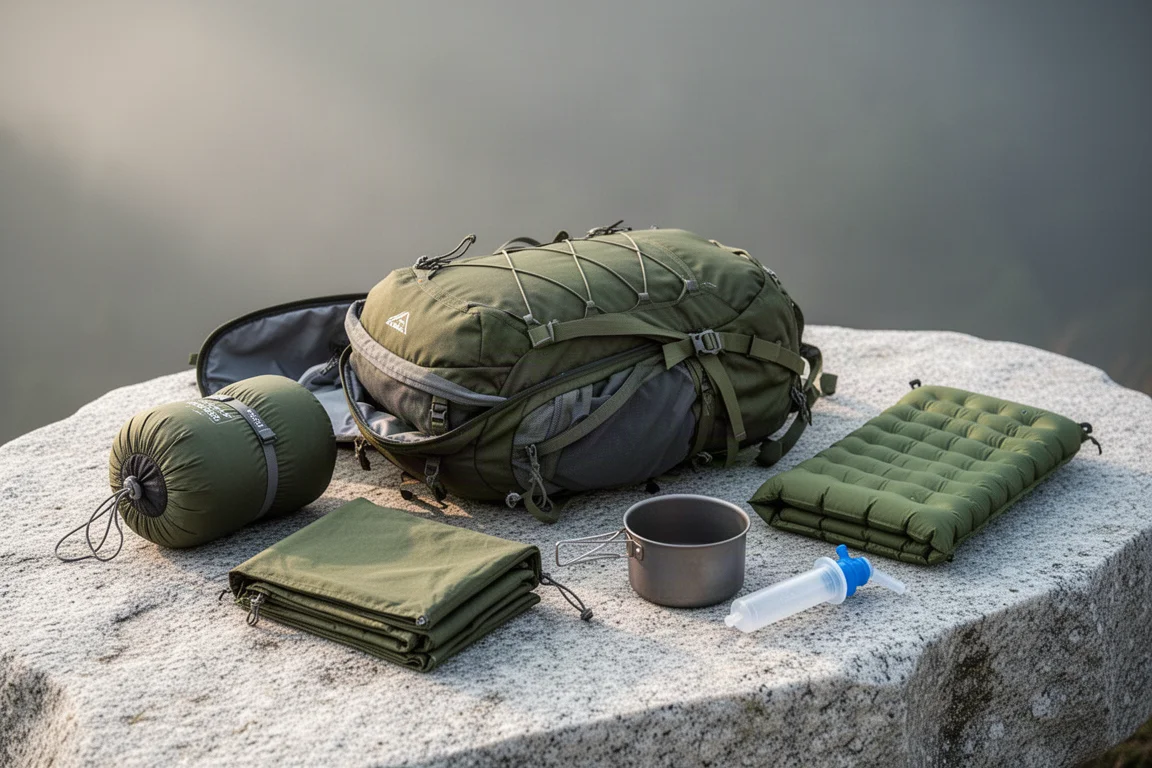
A practical walkthrough of the ultralight pieces behind a 10 lb base weight, from a 765 g pack and a roomy one-person tent to a full camp chair and a dependable water filter.
Backpacking Gear
A 15-Pound Lightweight Backpacking Gear List for Solo Trips
A beginner-friendly 15-pound backpacking setup built from easy-to-find gear, with notes on what each piece does, how it packs, and where to spend your attention.
Backpacking Gear
8 Ultralight Backpacking Gear Upgrades Worth Carrying
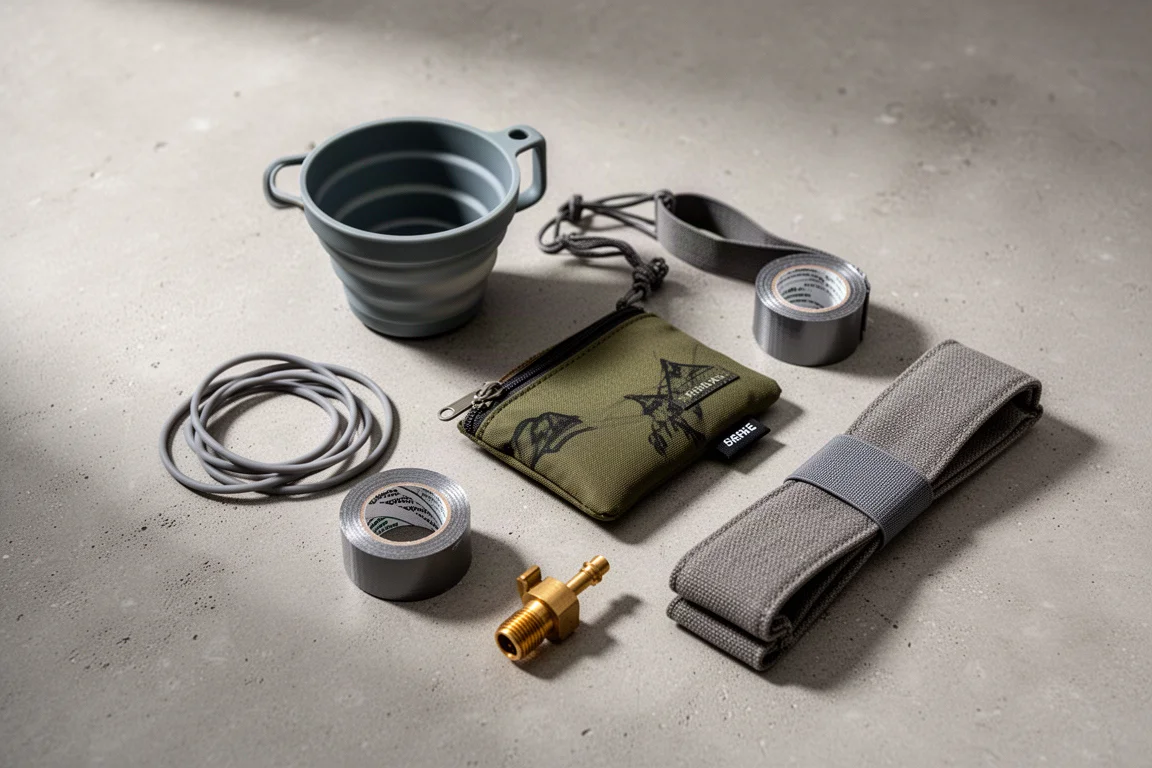
Eight small, affordable backpacking upgrades that solve real trail annoyances, from a pillow that stays put to a fuel valve that rescues leftover canister gas.