Backpacking Gear
Fall Backpacking Gear: Six Items That Keep Cold-Weather Trips Warm and Comfortable
Six practical pieces of fall backpacking gear, from regulated canister stoves to insulated camp booties, a warm sleeping pad, and reliable lighting for early sunsets.
Introduction
Fall has a strong reputation among backpackers. The leaves change, the bugs disappear, and the trails empty out. The catch is that fall conditions reward preparation in a way that summer does not. Cold-weather trips ask different things of your kit, and the gap between a comfortable night and a miserable one usually comes down to a handful of items.
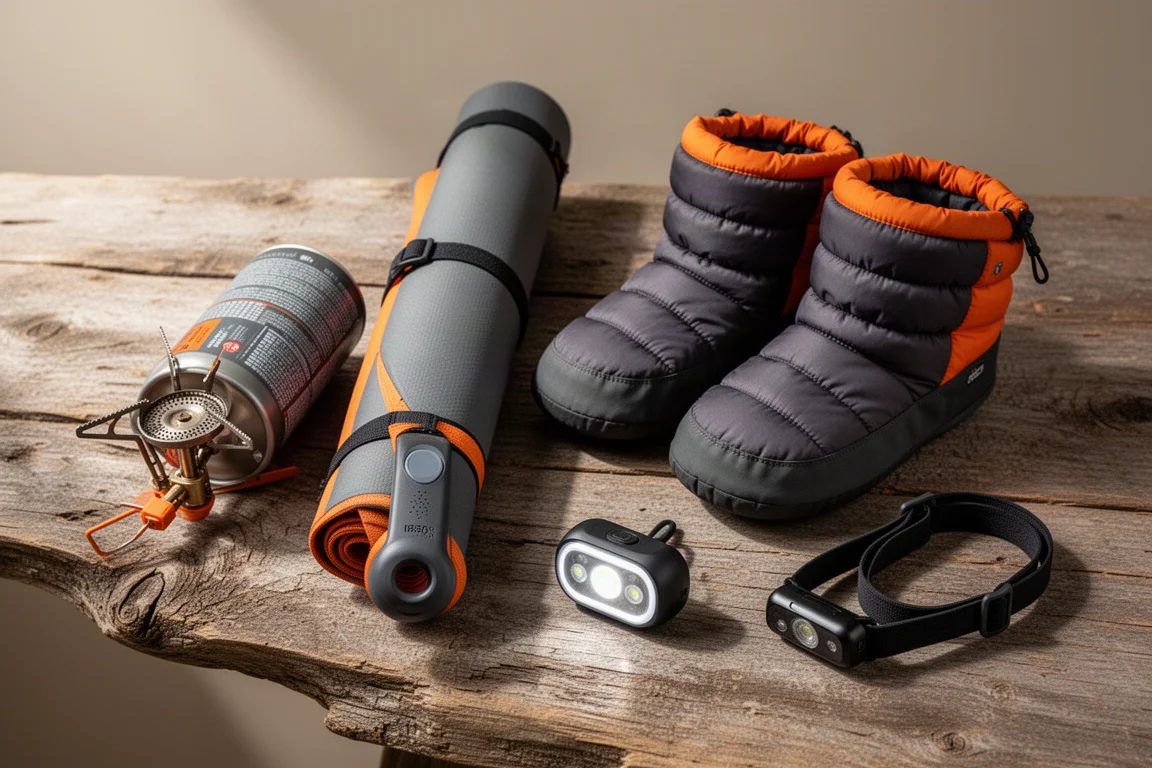
The six products below target the problems that show up once temperatures fall: canister fuel that loses pressure, feet that will not warm up, heat draining into cold ground, moisture trapped inside a sleeping pad, and darkness arriving at 7 pm or earlier.
What Changes When the Temperature Drops
The most technical change involves fuel. Inside a canister at 70 degrees Fahrenheit, pressure sits around 45 PSI. As outside temperatures fall, the canister cools and that pressure drops with it. On an unregulated stove, lower pressure means lower output, so the same pot of water takes noticeably longer to boil. Regulated stoves are built to hold their output at the lower pressures found in cold conditions, generally operating between 15 and 20 PSI. That means a drop in canister temperature does not automatically become a drop in cooking performance.
The second change is simpler to picture. Cold air moves. It flows under a camp chair, around the edges of a sleeping pad, and past any thin layer of fabric. A thin sit pad placed under you in a chair, or a neck gaiter pulled up over the nose at night, does more than the fabric alone suggests, because it interrupts moving air rather than simply adding a layer.
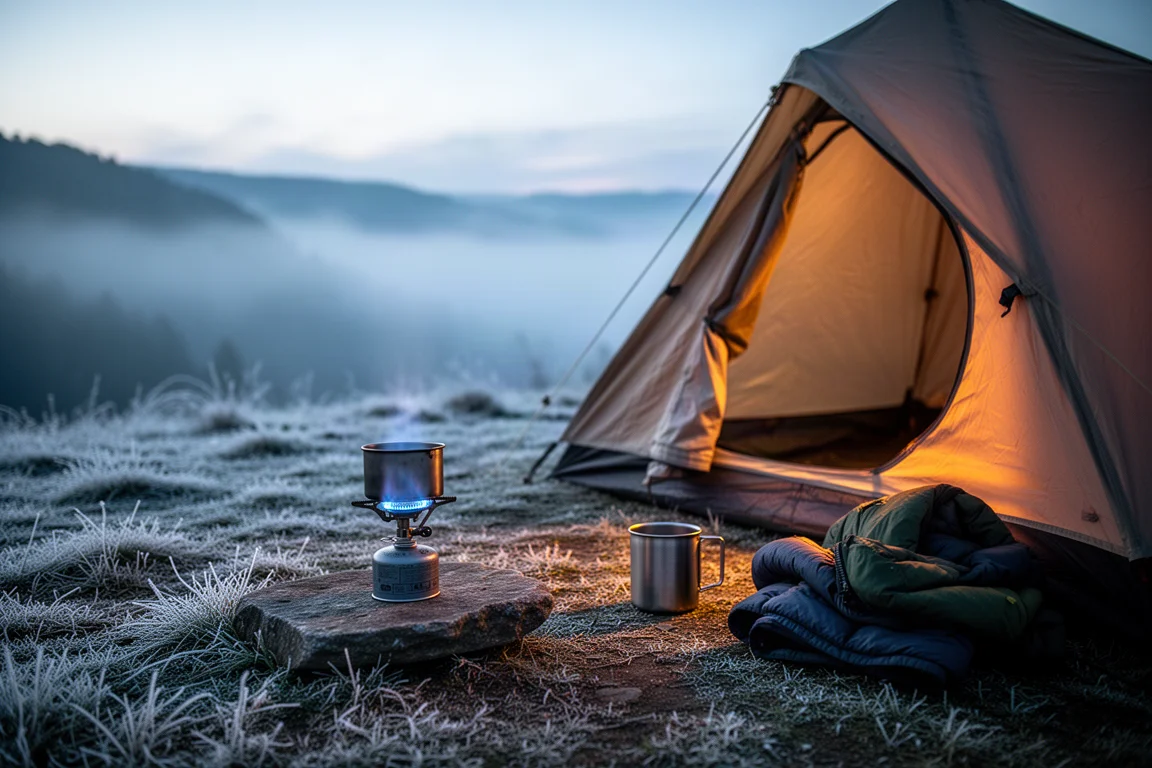
The third change is light. In the Canadian wilderness during fall, it can be dark by 7 pm or earlier, which pushes cooking, camp chores, and reading past sunset. Reliable illumination becomes part of the daily routine rather than an optional extra.
Soto WindMaster: Regulated Output for Cold Mornings
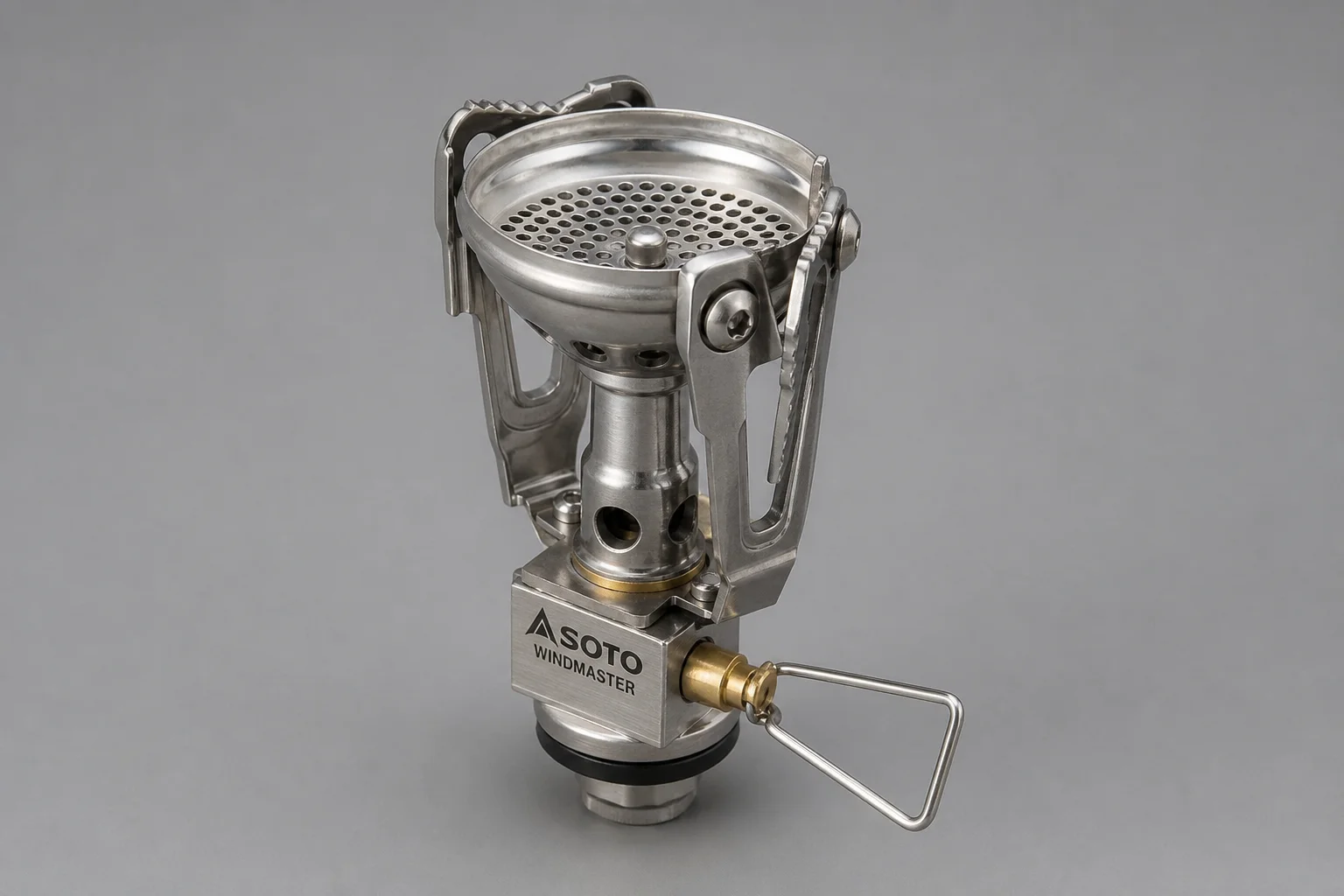
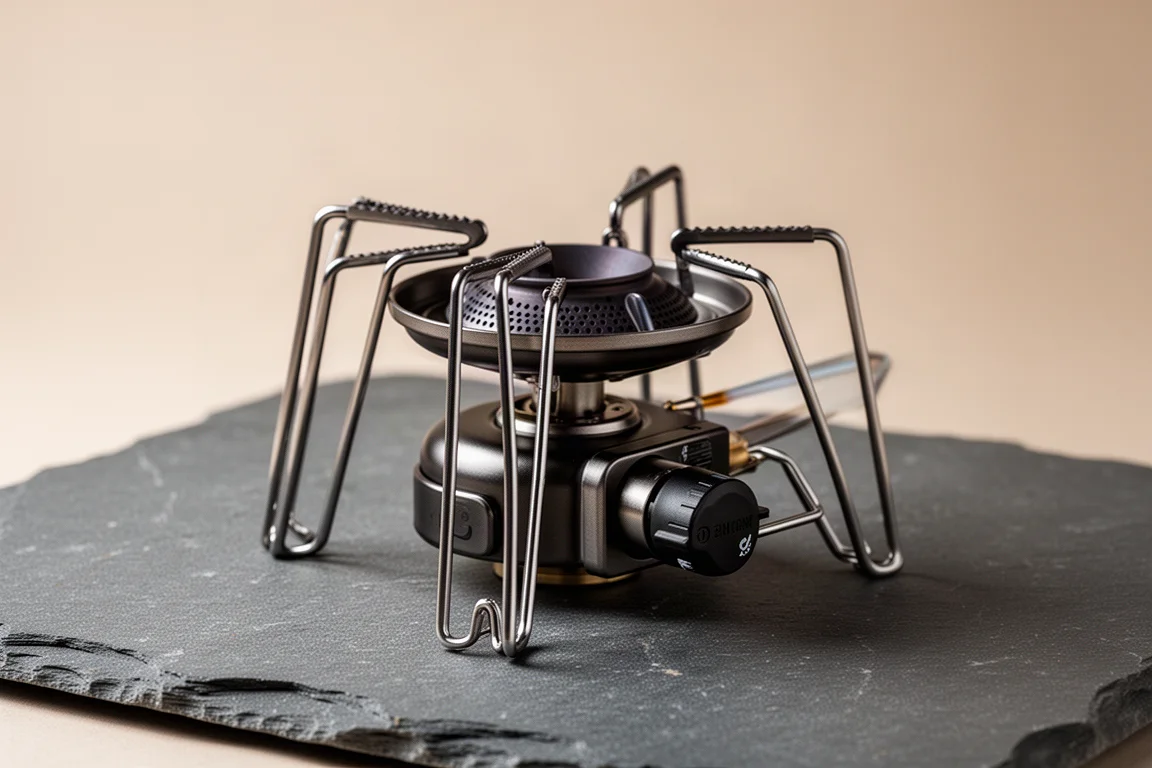
If hot coffee or a hot meal in the morning matters to you, a stove with a built-in regulator is the most useful upgrade you can make for fall trips. The Soto WindMaster is one of two regulated stoves here, and the regulator is what separates it from a basic canister burner. Where an unregulated stove loses output as the canister cools, the WindMaster is designed to keep working at the lower pressures that come with cold weather.
That behavior matters most in the first hour of the day, when the canister is at its coldest and you want water boiling quickly. The same steady output is useful in the evening, when a hot drink before bed is part of staying warm.
MSR PocketRocket Deluxe: Regulated Performance in Deep Cold
The MSR PocketRocket Deluxe takes the same regulated approach. Its output stays consistent as canister pressure falls, so you are not stuck waiting on a weakening flame on a frosty morning. This stove has been used down to minus 20 degrees Celsius and still boiled water quickly at those temperatures, which is well beyond the cold most fall trips will throw at you.
There is a limit worth knowing. If conditions get cold enough that canister pressure falls below the 15 to 20 PSI range these stoves are designed for, you would need to switch to an inverted canister setup. For typical fall temperatures, that is unlikely to become necessary.
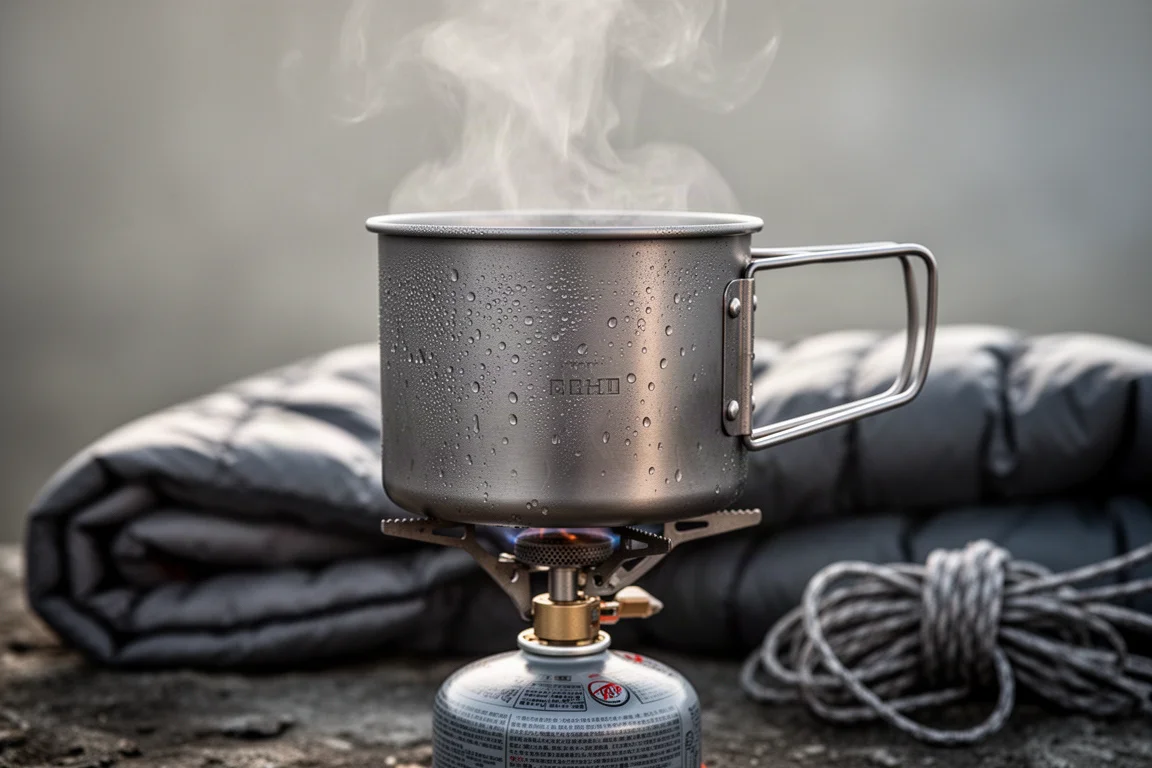
In practice, that makes the PocketRocket Deluxe a strong choice for anyone who wants a compact regulated stove and would rather not think about fuel pressure while cooking.
Enlightened Equipment Torrid Apex Booties: Warm Feet That Stay Warm When Damp
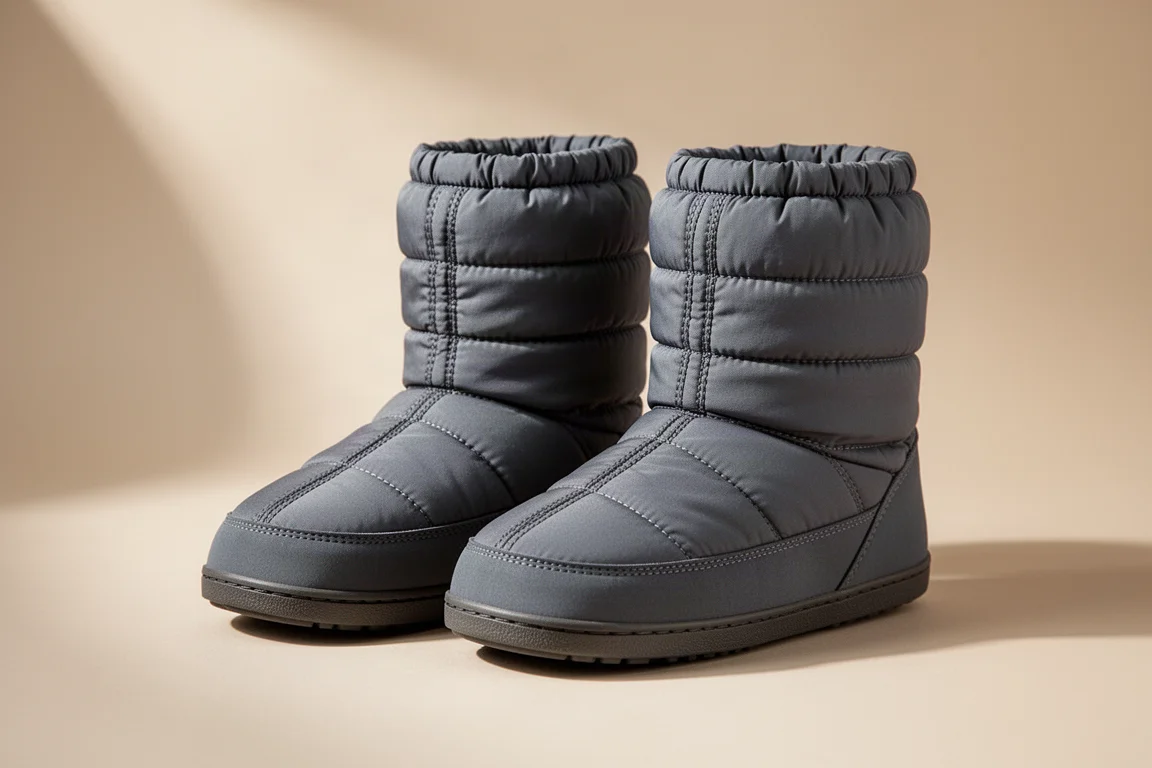
Cold feet are one of the most common reasons a night in a tent goes badly. Feet that will not warm up are uncomfortable, and they can keep you awake long after you have settled in. The Enlightened Equipment Torrid Apex Booties address that directly. Their synthetic insulation keeps its loft and warmth even when slightly damp, which matters because feet tend to sweat a little even when they feel cold. That makes them a better fit than down for this particular job.
Despite the synthetic fill, they still pack down small and stay lightweight in a pack. They are also useful around camp in the evening, since changing into them before bed means your body is not spending energy trying to warm cold feet once you are already in your sleeping bag.
Therm-a-Rest XTherm: Warmth From the Ground Up
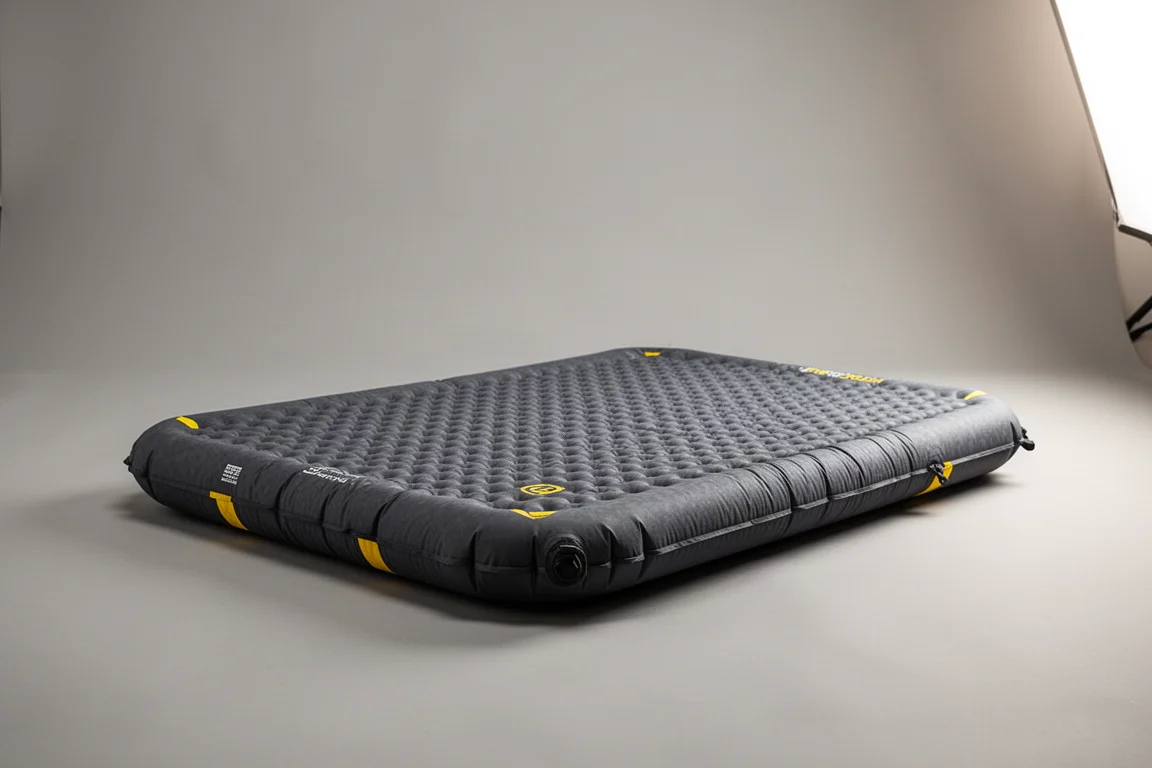
Heat loss to the ground is easy to underestimate. A sleeping bag compresses underneath you, which leaves your pad doing most of the insulating work. The Therm-a-Rest XTherm is described as the warmest sleeping pad available, and it is the option to consider when overnight temperatures start to fall and your current pad no longer feels like enough.
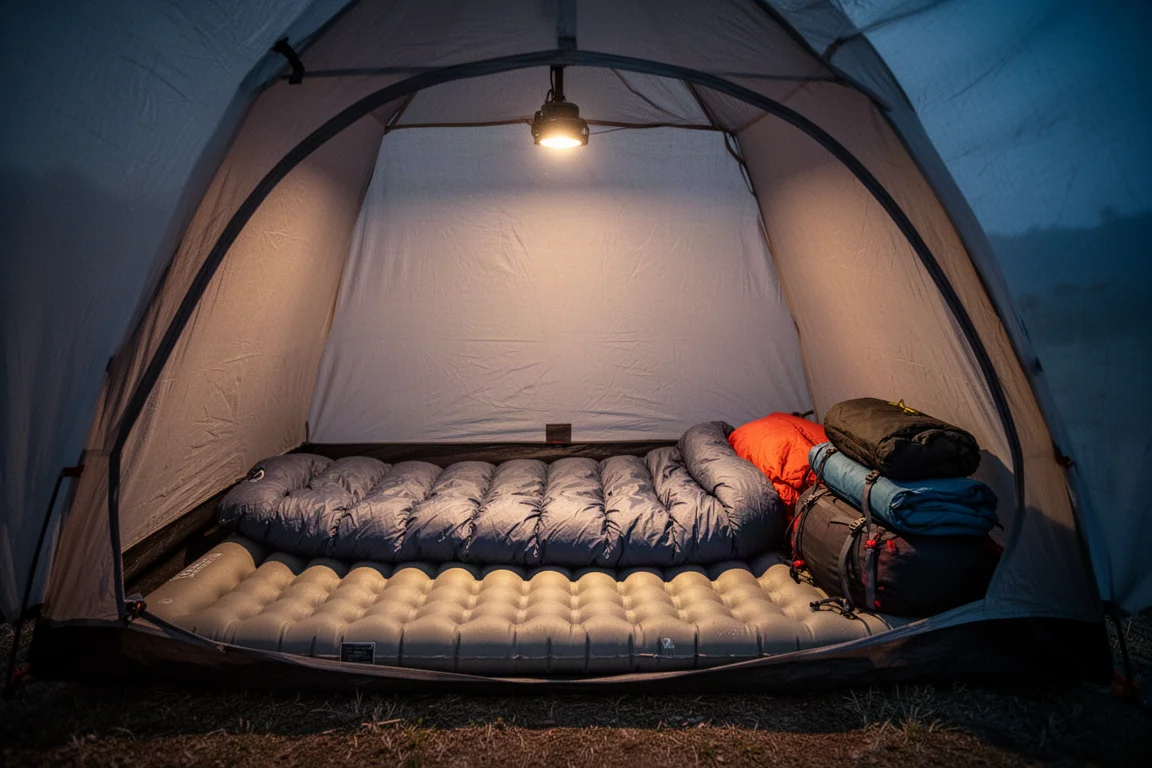
For fall trips, pairing a warm pad with insulated footwear covers the two places where cold most often interrupts sleep.
Flextail Tiny Pump X2: Inflate Your Pad Without Adding Moisture
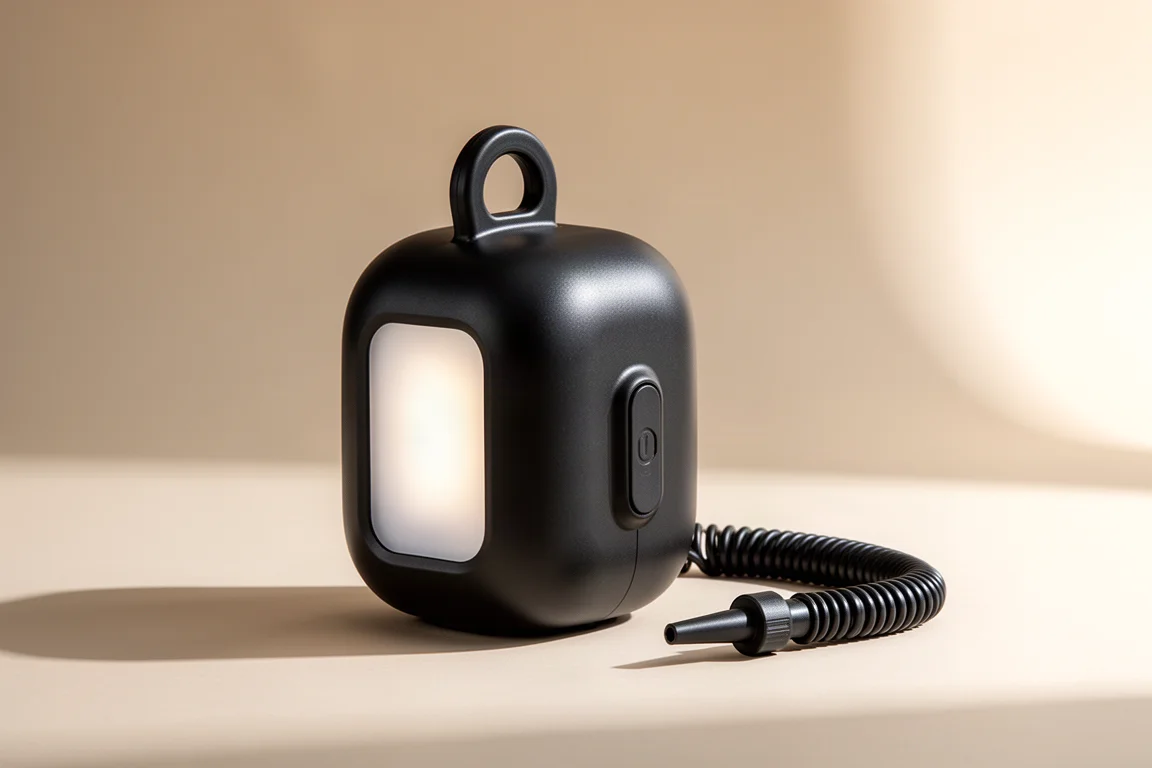
Inflating a sleeping pad by breath pushes warm, moist air inside it. As the pad cools overnight, that moisture condenses, and the pad gradually loses firmness just when you want it to stay supportive. The Flextail Tiny Pump X2 inflates a pad without introducing that moisture, which makes it a small but genuinely practical item for cold-weather trips.
The pump also has a built-in light. It can be hung inside a tent to work as a lantern, or set on a picnic table for games in the evening, which covers a second need with the same piece of kit.
Nitecore NU25: Hands-Free Light for Early Sunsets
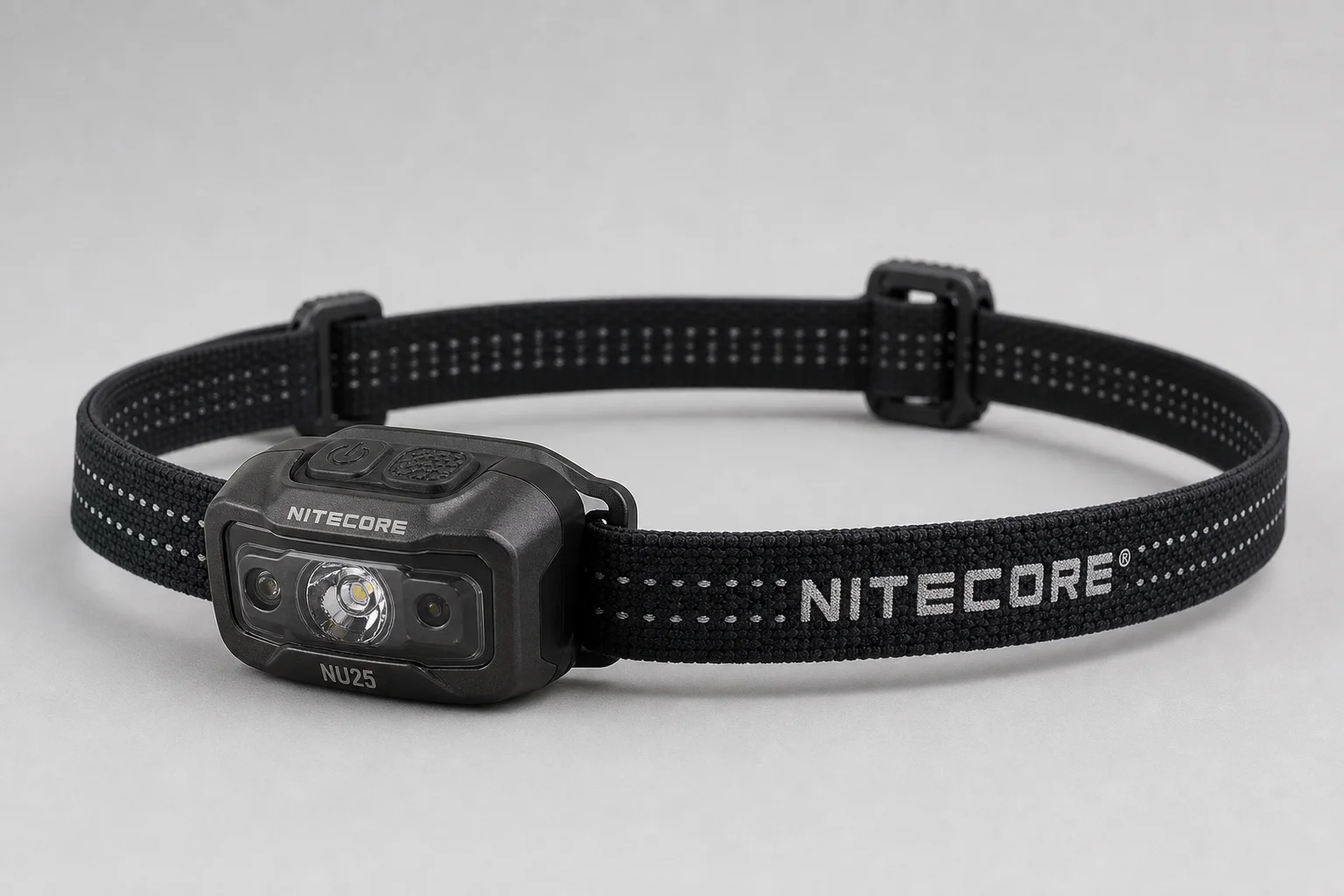
With sunset arriving early, lighting deserves more attention in fall than it does in summer. The Nitecore NU25 is very bright, recharges over USB, and includes a red light mode. It provides hands-free light, which is what you want for cooking, sorting gear, or walking away from camp after dark.
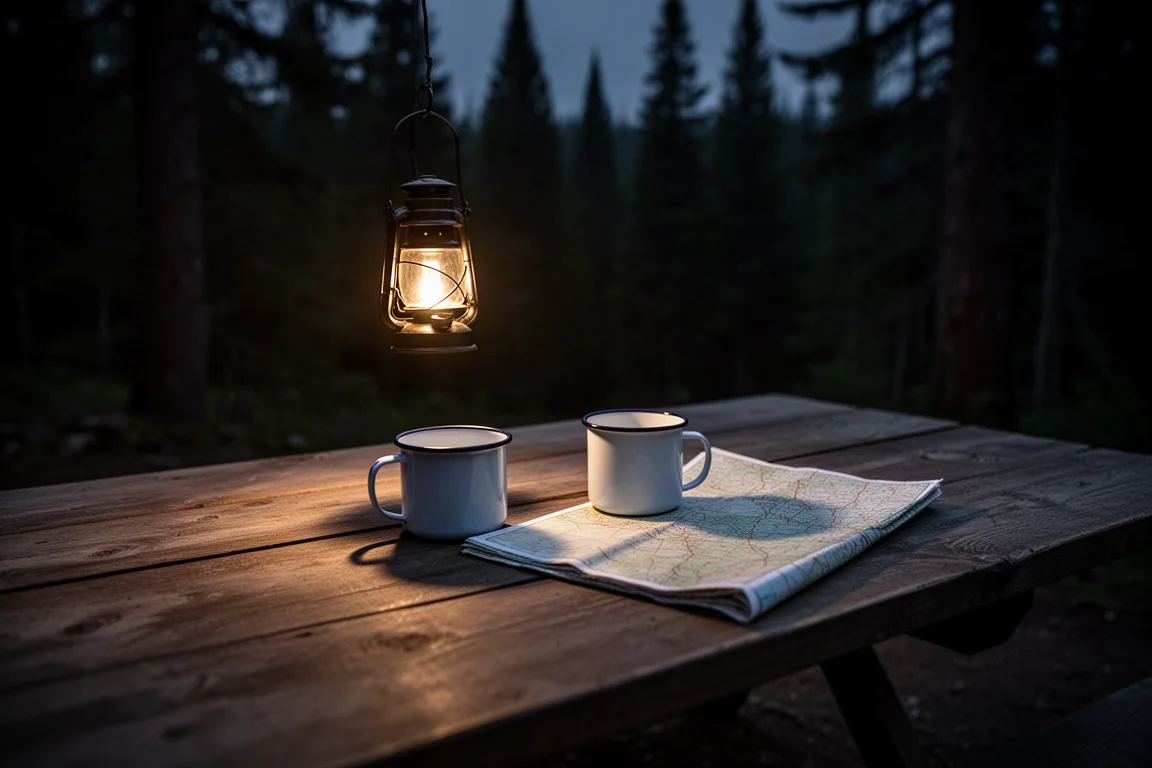
A headlamp and a lantern serve different purposes. The headlamp puts light exactly where you are looking, while a broader light fills a tent or a table so a group can share it. Carrying both covers the whole evening.
Overall Buying Advice
You do not need all six items to have a good fall trip, but the order of priority is fairly clear. If hot food and hot drinks matter to you, start with a regulated stove, since it solves a problem that no amount of layering will fix. If you sleep cold, look at insulated footwear and a warmer sleeping pad next, because cold feet and heat loss to the ground are the two most common reasons a night goes wrong. Lighting comes after that, driven by how early the sun sets where you hike.
The pump is the most optional item on the list, though it earns its place if you inflate a pad regularly or want one less thing to carry for evening light.
Conclusion
Fall backpacking is worth the effort, and the gear that makes it comfortable is not complicated. Regulated stoves keep output steady as canisters cool, insulated booties keep feet warm even when damp, a warm pad stops heat draining into the ground, a small pump keeps moisture out of your sleeping pad, and a bright headlamp handles the early darkness. Match the items to the problems you actually run into, and cold-weather trips stop feeling like a gamble.
Further reading
Related Reviews

Backpacking Gear
Building a 10 lb Base Weight: An Ultralight Backpacking Gear List
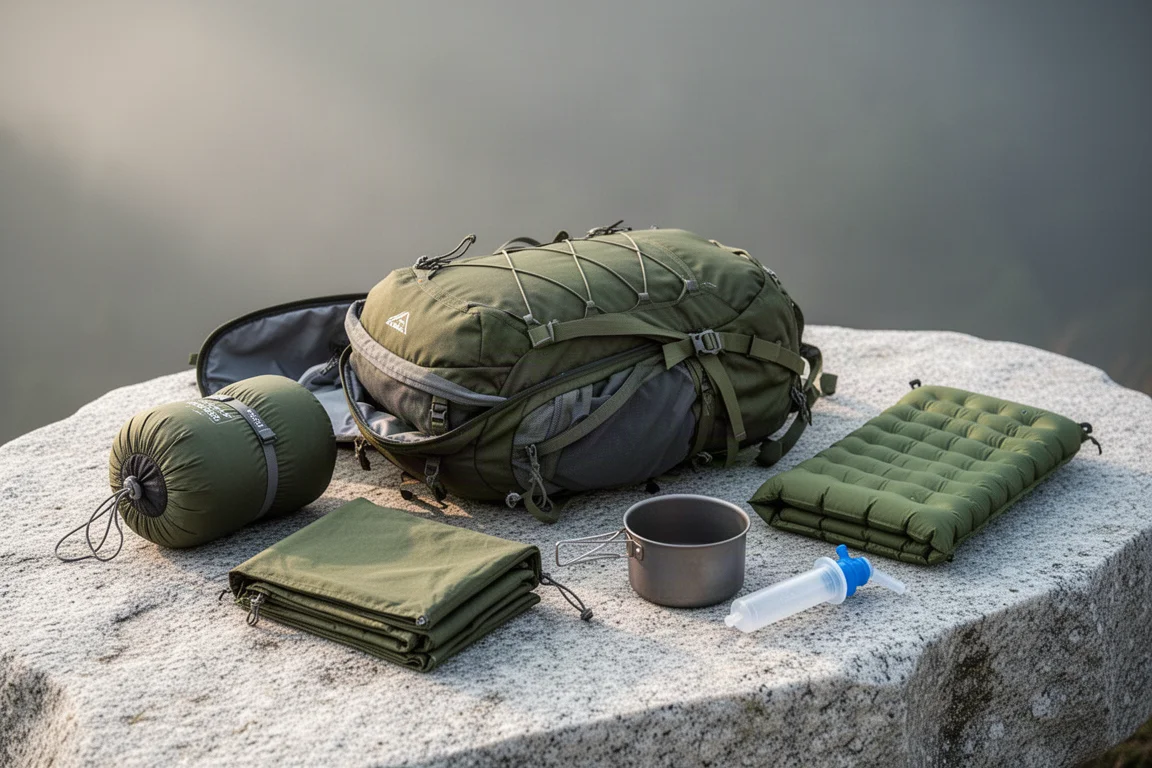
A practical walkthrough of the ultralight pieces behind a 10 lb base weight, from a 765 g pack and a roomy one-person tent to a full camp chair and a dependable water filter.
Backpacking Gear
A 15-Pound Lightweight Backpacking Gear List for Solo Trips
A beginner-friendly 15-pound backpacking setup built from easy-to-find gear, with notes on what each piece does, how it packs, and where to spend your attention.
Backpacking Gear
8 Ultralight Backpacking Gear Upgrades Worth Carrying
Eight small, affordable backpacking upgrades that solve real trail annoyances, from a pillow that stays put to a fuel valve that rescues leftover canister gas.