Backpacking Gear
Fall Backpacking Gear: 9 Upgrades That Keep Cold-Weather Trips Comfortable
A practical fall backpacking kit built around a warmer sleep system, regulated cooking and a pack with room for bulkier layers.
Introduction
Summer backpacking is forgiving. A light quilt, a small canister stove and a pack that barely holds a weekend of food are usually enough, because the weather rarely argues with you.
Fall is a different proposition. Overnight temperatures drop, daylight shortens, and camp becomes somewhere you linger rather than somewhere you pass through on the way to sleep. That shift changes both the gear you carry and the way you plan a trip.
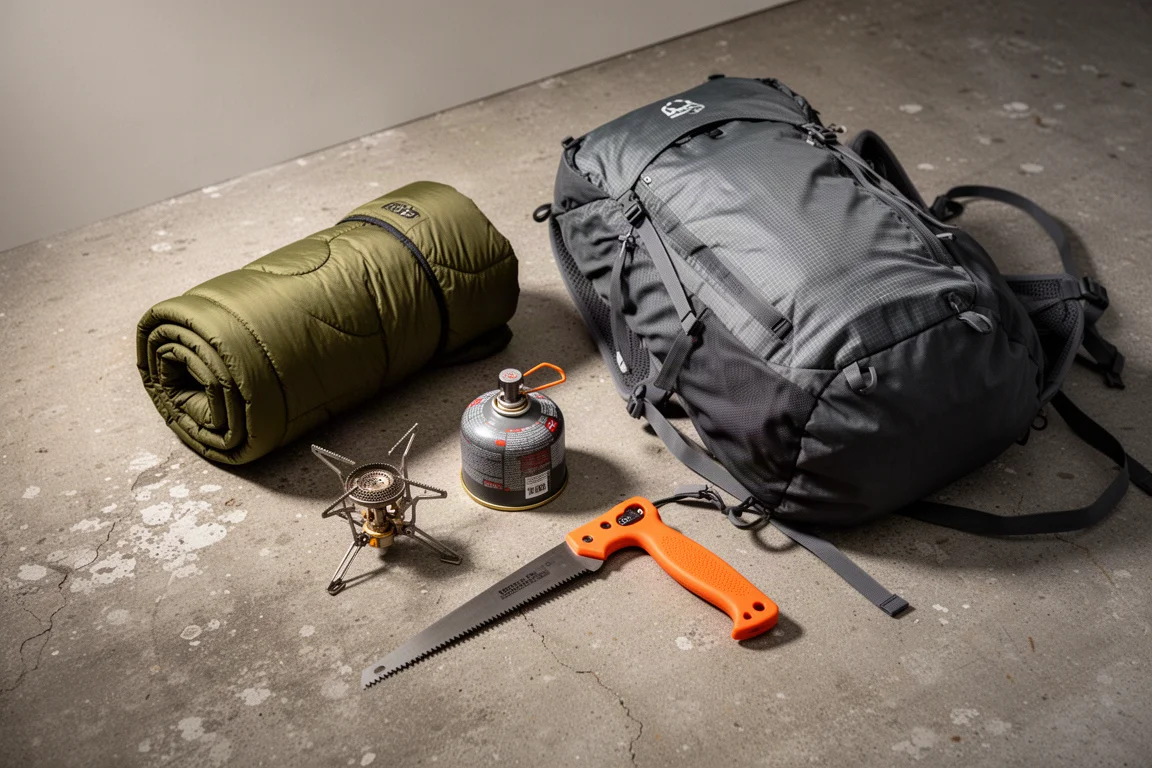
The kit below is built around that change. It covers a warmer sleep system, layers that hold heat while you sit still, tools that make a fire quick, a stove that keeps burning as the thermometer drops, and a pack with room for the extra bulk.
What Changes When the Season Turns
Cold-weather backpacking fails in predictable places. Sleep comes first. If you cannot stay warm at night, no amount of strong hiking during the day rescues the trip, and a summer quilt that felt generous in July can leave you shivering by October.
The second shift is how you spend your time. Summer trips often follow a rhythm of walking hard, arriving late, eating and sleeping. Fall evenings are longer and colder, and you are far more likely to sit around a fire with friends. That means carrying more insulation for stationary hours, plus tools that make firewood processing fast rather than tedious.
Fuel and water are the third factor. Canister stoves lose performance as temperatures fall toward freezing, and anything holding liquid water becomes a liability once the overnight low drops below zero.
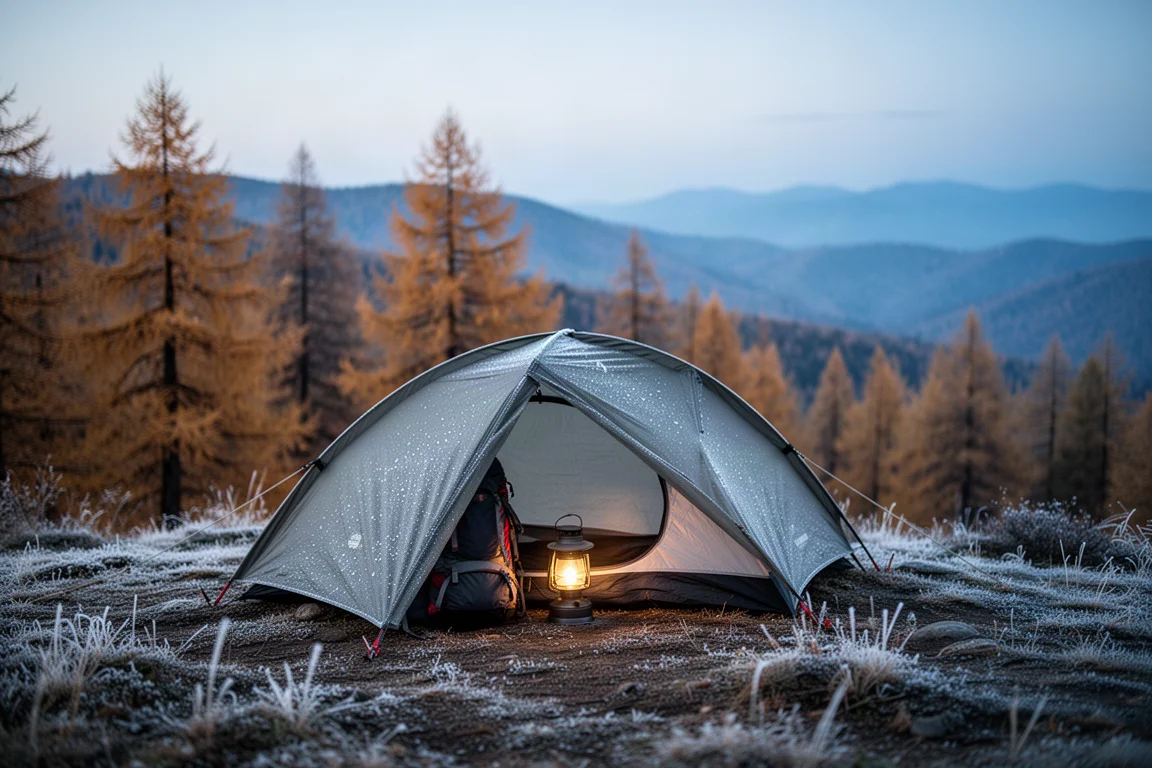
There is a packing consequence too. Warmer layers and a heavier sleep system take up more space, so a summer pack that was perfectly sized in July often runs out of room. Upgrading capacity is usually the last piece to solve, not the first.
Sleep System Upgrades
Your sleep system is where fall comfort is won or lost, and there are three practical routes: add insulation on top of what you already own, add a little warmth inside your existing bag, or replace the whole setup with something warmer.
The first route is the most flexible. An over quilt layered on top of a summer quilt or bag adds a meaningful amount of warmth without committing you to a single temperature range.
A fleece liner is the simplest version of the second route. It slips inside the bag you already own and works just as well under a quilt, which makes it a low-cost way to take the edge off a cold night.
Enlightened Equipment Enigma Apex Synthetic Quilt
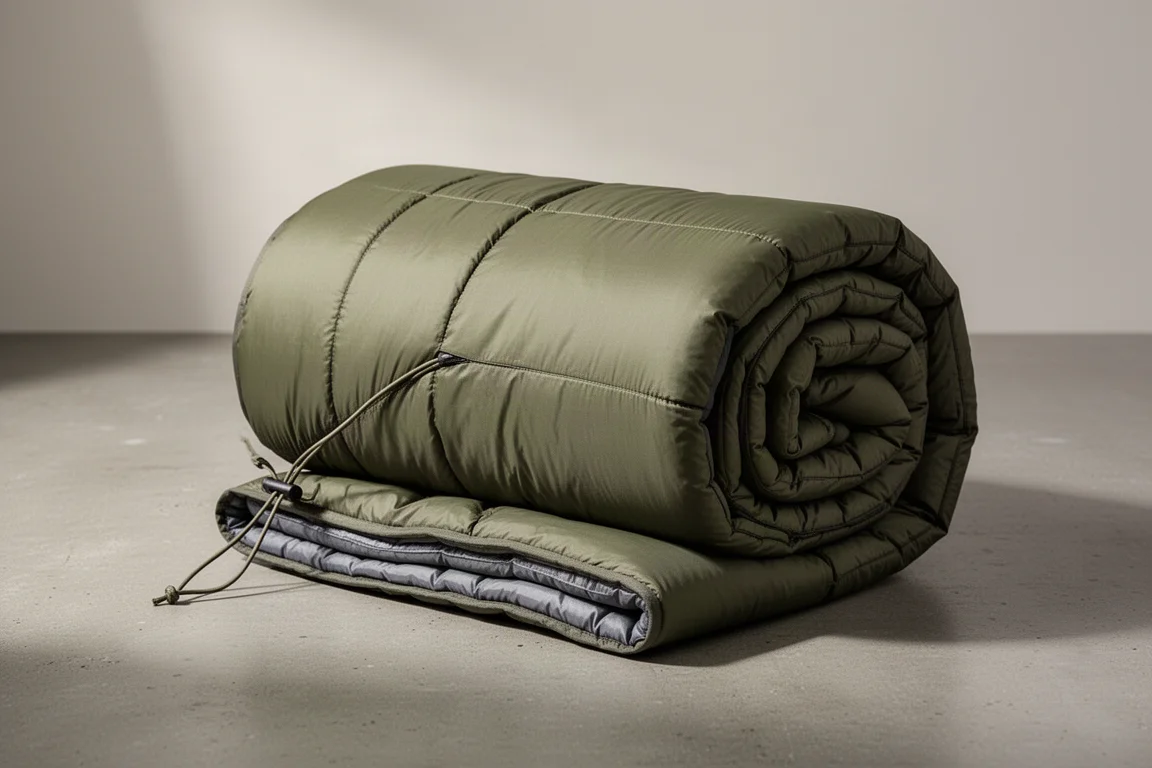
An over quilt is the easiest way to stretch a summer sleep system into fall, and the Enigma Apex from Enlightened Equipment is a strong example. It is a 50 degree synthetic quilt, which lands in a useful middle ground: synthetic insulation does not compress as aggressively as down, so a 50 degree rating keeps bulk and weight in check while still adding real warmth.
Synthetic fill also behaves better in the conditions you meet in fall. Condensation inside a tent is common, and down loses its loft, and with it most of its insulating value, once it gets wet. Synthetic insulation keeps working when damp, and it dries far faster when you get a sunny window to air it out.
The layering potential is the real argument. Combined with a 20 degree down quilt, this system has been used below zero degrees Fahrenheit, which puts genuinely cold conditions within reach without buying a dedicated expedition bag.
Sea to Summit Spark Sleeping Bag
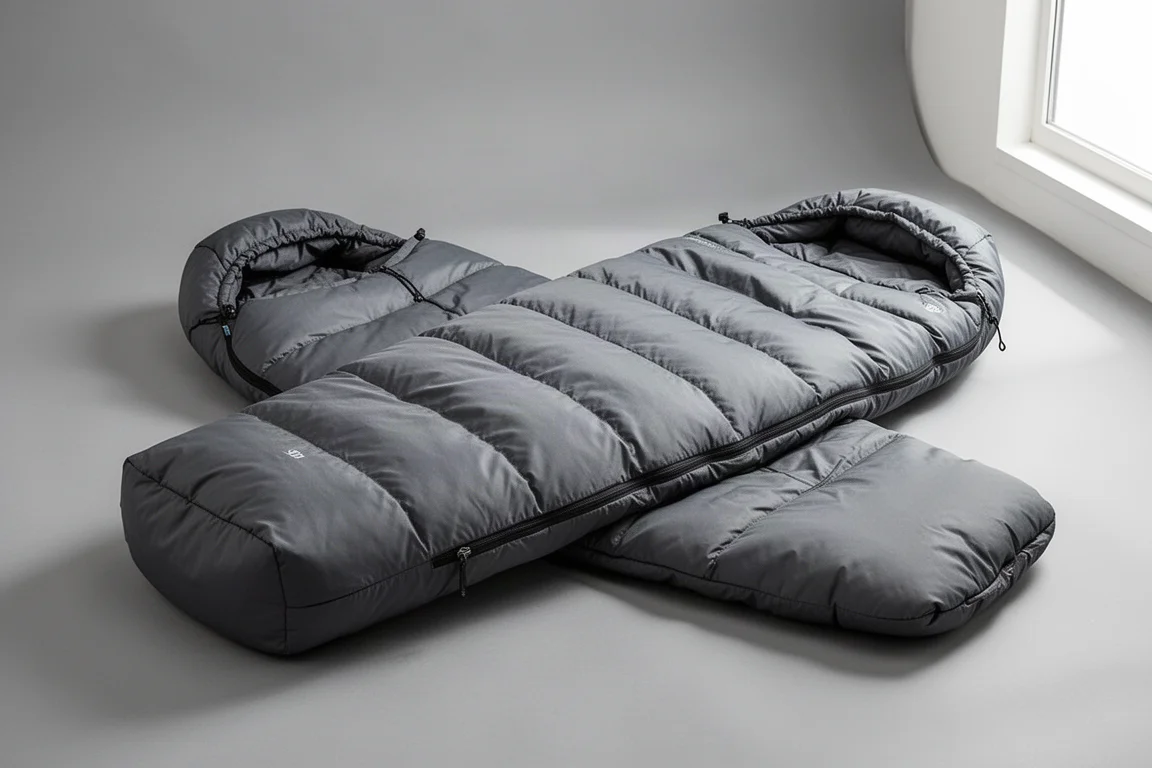
If the budget allows, the simplest answer is a dedicated warmer bag. The Sea to Summit Spark has a comfort rating of -9 degrees Celsius and a limit rating below -10 degrees Celsius, which covers late fall comfortably and gives you a foundation for winter trips when combined with a quilt or a liner.
The trade-off is versatility. A sleeping bag zips closed and cocoons you, while a quilt lets you put a leg or an arm out to manage your body temperature through the night. If you already own an equivalently rated quilt, it can often handle spring, summer and fall on its own for exactly that reason.
Sea to Summit Ether Light XT Sleeping Pad
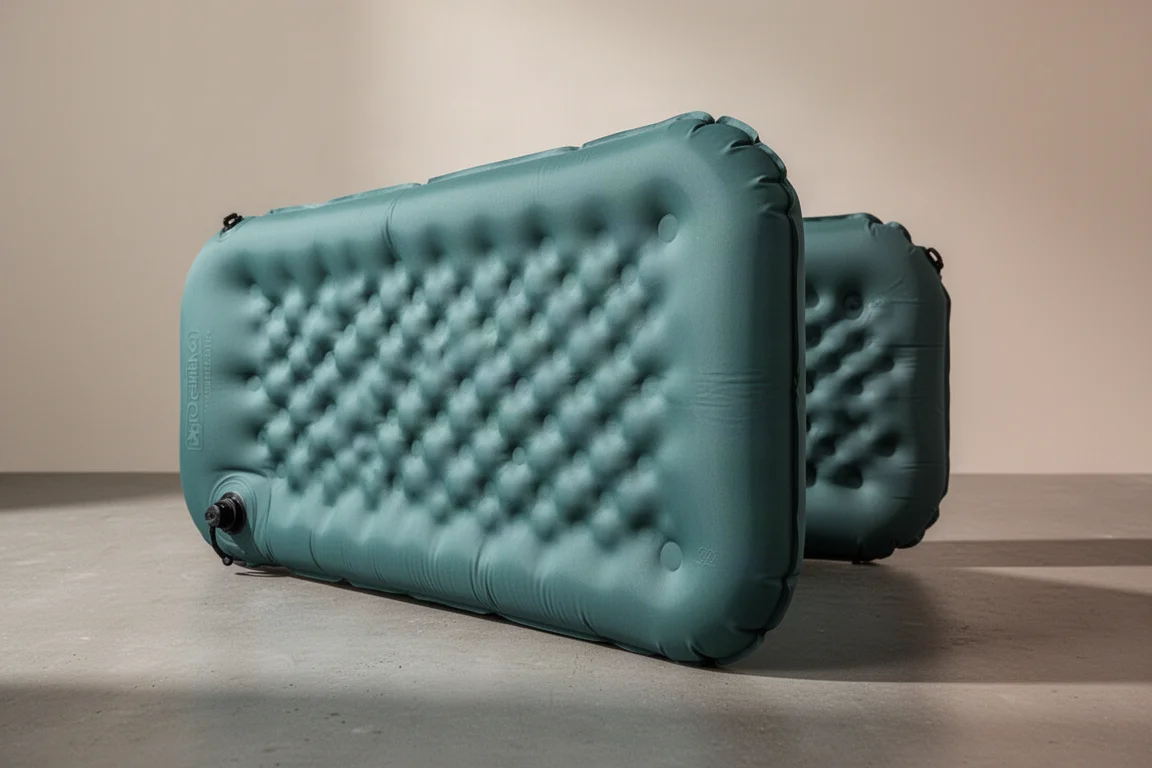
A warm bag only gets you so far if the ground pulls heat out of you. For fall camping, an R-value above 4.5 is a sensible target, and the Ether Light XT sits above 6, which leaves a comfortable margin for colder nights and the early edge of winter.
If you would rather not buy a second pad, a closed-cell foam pad underneath your existing three-season pad is a cheap fix. Adding foam under a pad rated around 3.2 typically lifts the combined value by roughly 1 to 1.5, which is enough to clear the 4.5 threshold.
Warm Layers for Cooler Camps
Hanging around camp is a different problem from walking. Hiking generates heat, while standing still in the evening does not, and that is where an extra layer earns its place in the pack.
Fleece pants and a fleece sweater are the budget-friendly answer. They are warm, light and inexpensive, and they add a lot of comfort during long evenings. If you run cold, the next step is upgrading the puffy jacket you already carry, and if your feet get chilly while you sit, insulated camp footwear is a small addition that makes a real difference.
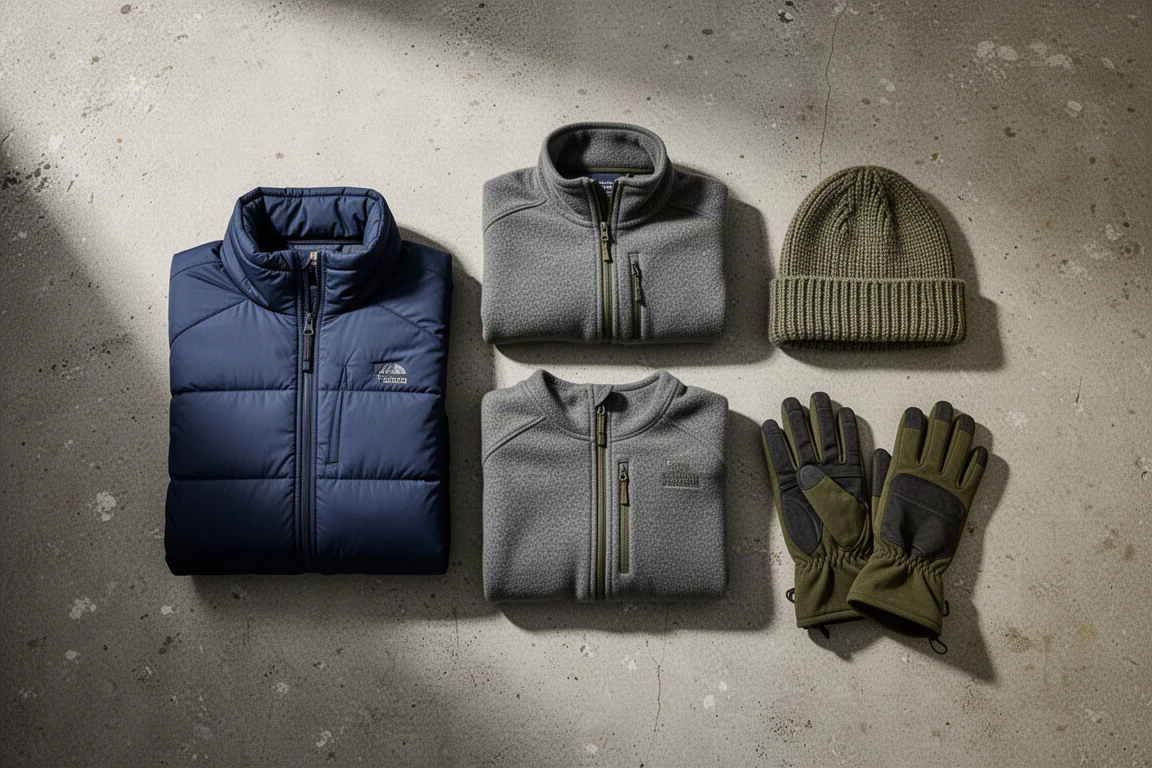
The main constraint is pack volume. Layering is cheaper than buying a single warmer jacket, but each piece takes space, which is worth factoring in if you are already tight on capacity.
Decathlon Trek 900 Down Jacket
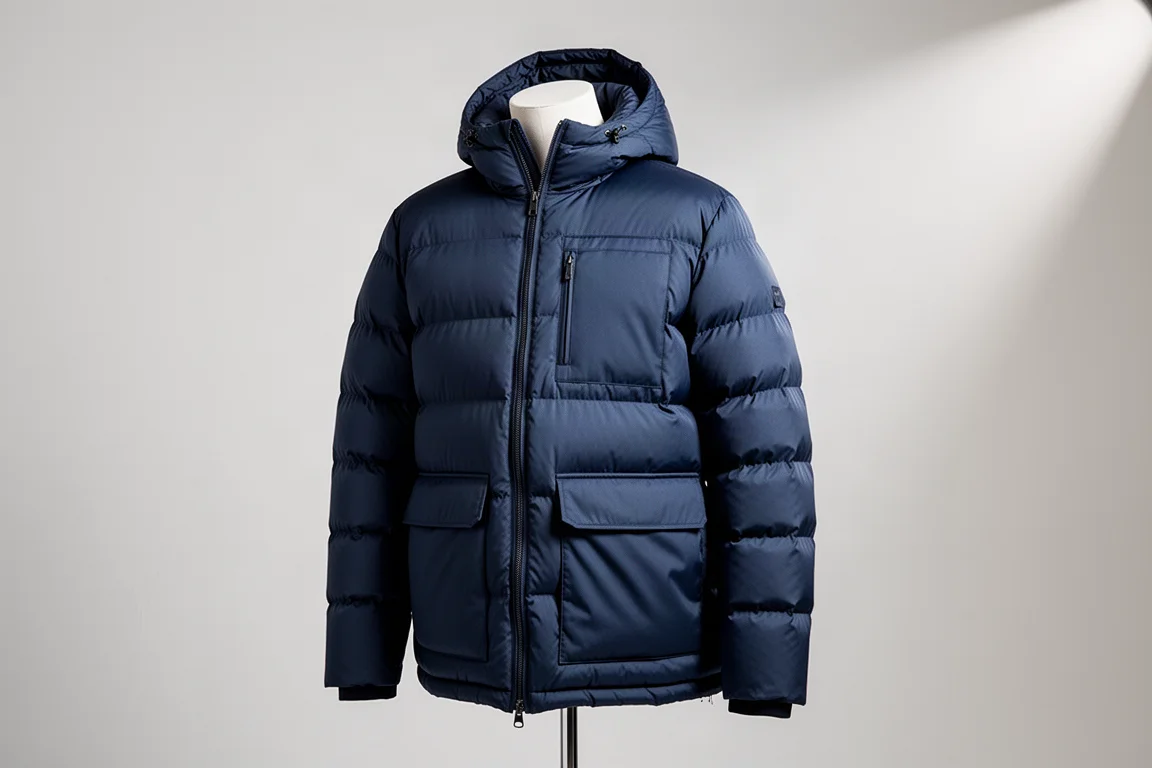
The Trek 900 is a very warm down jacket, warm enough that it is normally reserved for winter use. For fall campers who feel the cold easily, that is exactly the point: it turns a mild evening at camp into a comfortable one, and it stays useful once the season turns properly cold.
It is a step up rather than a replacement. If your current puffy is a lighter three-season jacket, the Trek 900 is the warmer option to consider, and the lighter jacket stays useful for hiking and for milder trips.
Fire and Camp Tools
Summer trips often skip fires altogether. Days are long, you arrive at camp late, and a fire is more effort than it is worth. Fall is the opposite: evenings are long and dark, you are sitting still with friends, and a fire becomes the centre of the night.
Two tools do most of the work. Something to split wood, and something to cut it to length.
Fiskars X7 Hatchet
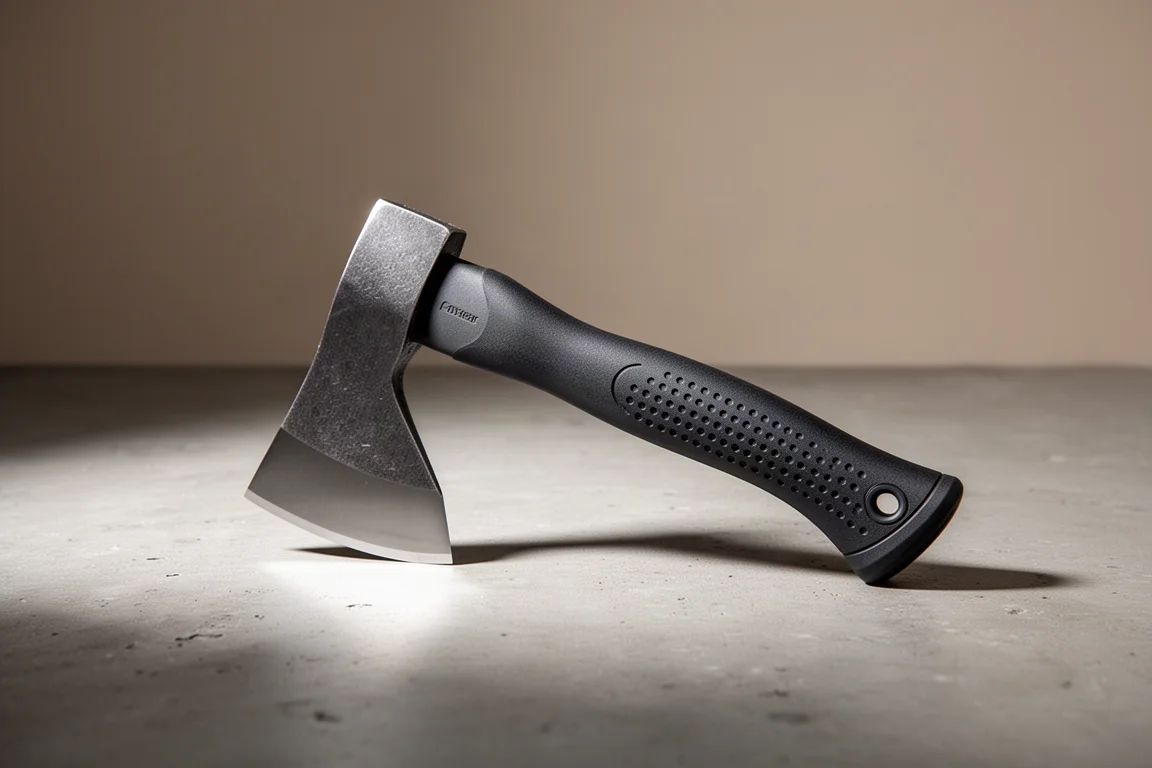
The Fiskars X7 is light for a hatchet and effective at splitting kindling, and it holds an edge well. That combination matters more than raw size at camp, where you are processing small wood rather than felling anything.
A hatchet is not strictly essential. If you would rather not carry the weight, a saw plus a small folding knife covers most firewood tasks, and the knife is also useful for shaving fine kindling to get a fire started.
Silky Pocket Boy Saw
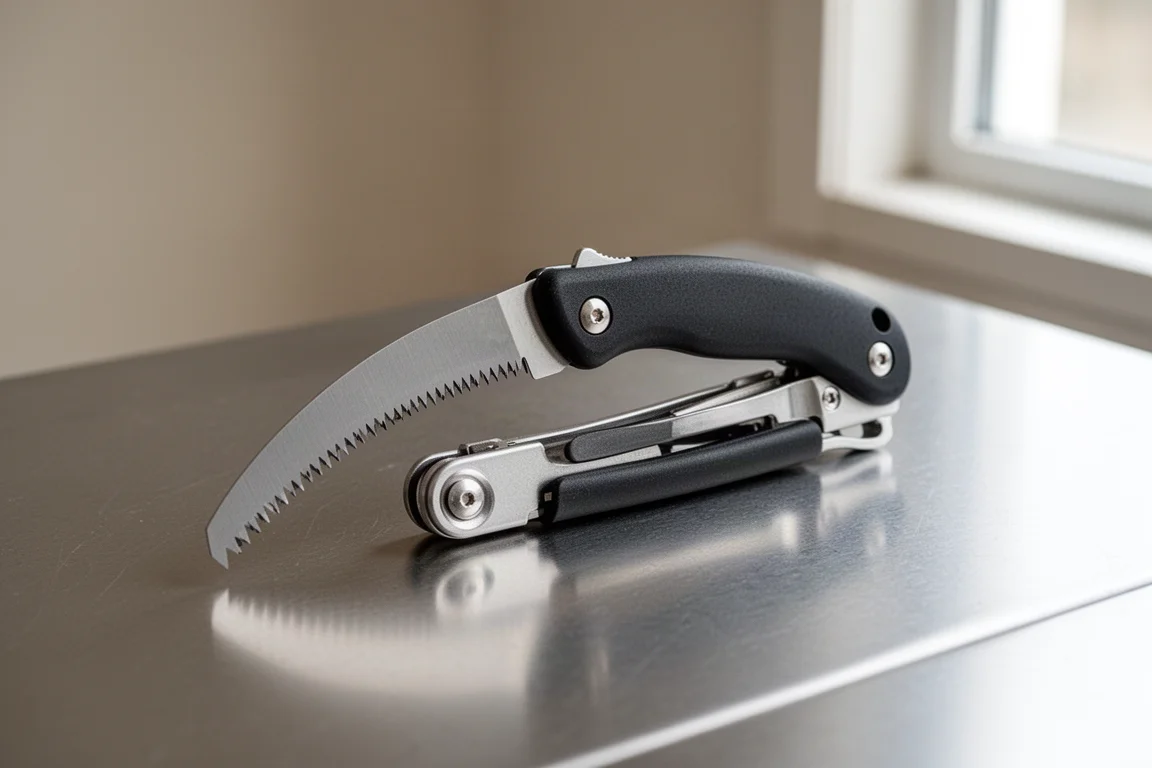
A saw is the one fire tool that is hard to substitute. The Silky Pocket Boy cuts through logs with very little effort, and it folds down small enough to disappear into a pack. It costs more than budget saws, and the cutting performance is the reason to pay the difference.
Fire starters are the other half of the equation. Small break-apart starters kept in a first aid kit alongside a ferro rod burn for three to five minutes each and light from a single spark, which makes getting a fire going far less fiddly in cold, damp conditions.
Cooking and Water in Near-Freezing Conditions
Canister stoves are excellent in warm weather and noticeably less so as temperatures fall. A simple unregulated stove works well in summer but starts to struggle below roughly 5 degrees Celsius, producing a weak, sputtering flame just when you want a hot drink most.
A stove with a regulator solves this by controlling the fuel that reaches the burner, which keeps performance steady in the cold. Water is the other cold-weather problem: liquid water freezes, and a frozen water filter is a broken water filter.
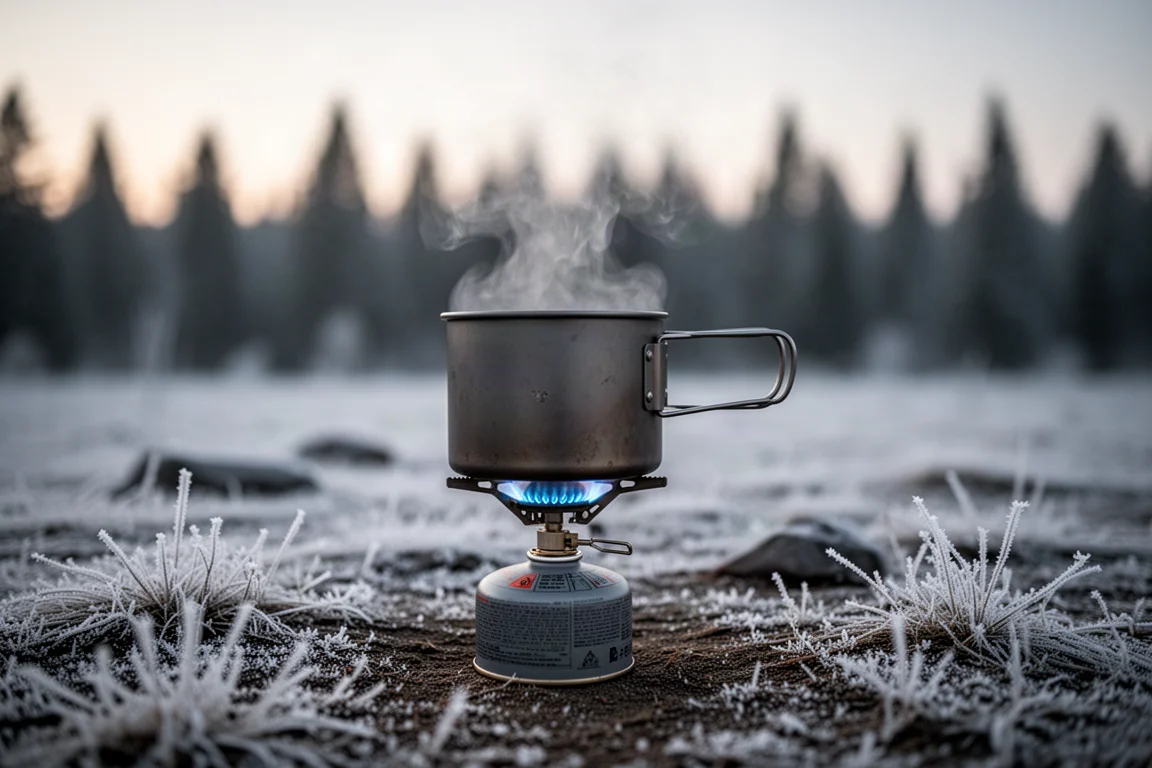
The fix for filters is simple. Keep the filter with you overnight, inside your sleeping bag, so the water inside it never turns to ice. Powdered soap is worth switching to as well, since liquid soap freezes solid in sub-zero temperatures and is heavier to carry besides.
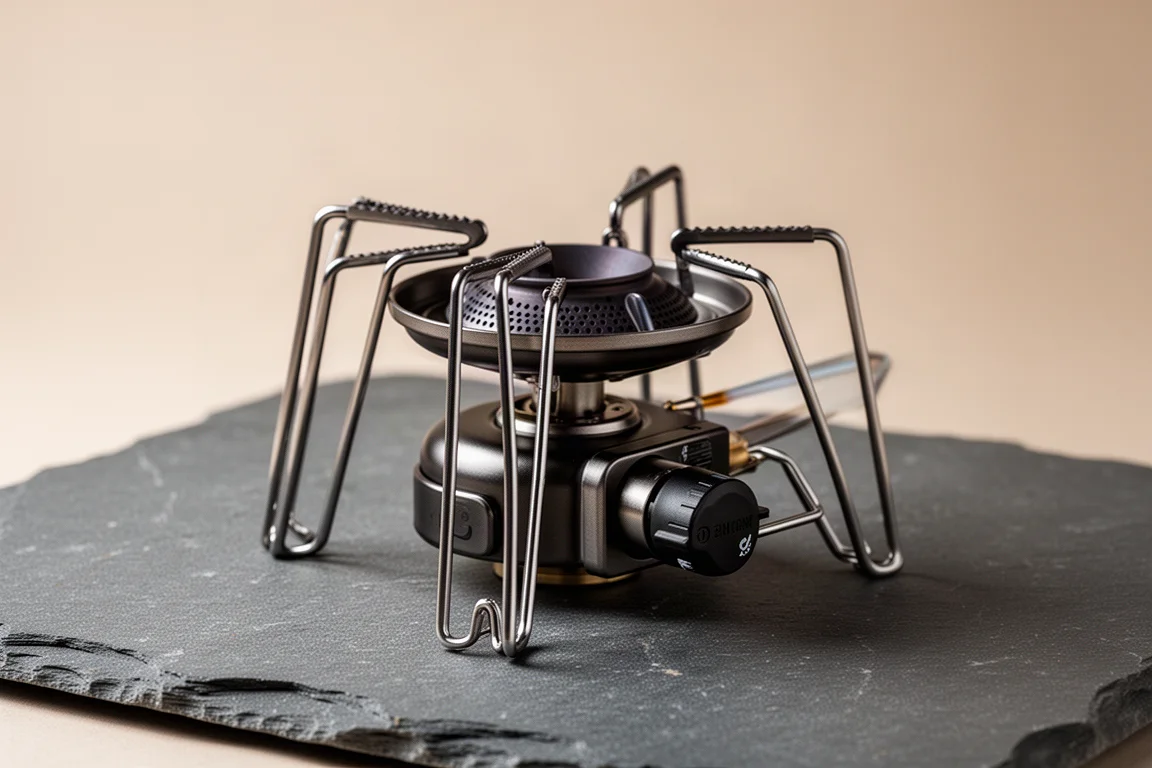
MSR PocketRocket Deluxe
The PocketRocket Deluxe is a regulated canister stove, and it has been used effectively at -6 degrees Celsius (20 degrees Fahrenheit). That is the difference between a reliable flame and a frustrating one on a cold morning.
If your trips stay mild, a basic unregulated stove is fine and cheaper. Once overnight lows approach freezing, the regulator is the feature that justifies the upgrade.
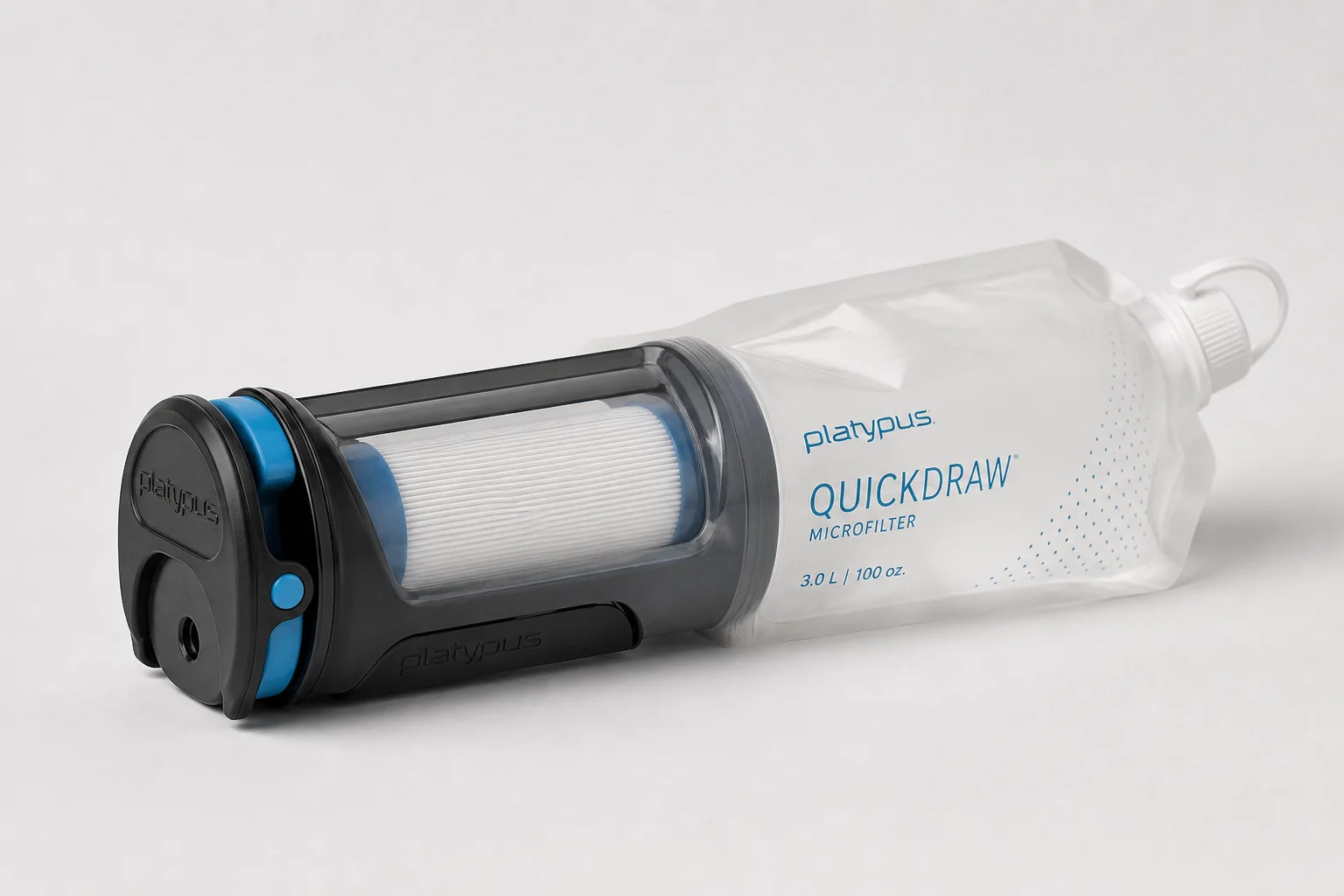
Platypus QuickDraw Water Filter
The QuickDraw closes up easily, with a cap on one end and a snap lid on the other, which makes it straightforward to seal and stow. That matters in cold weather, because the overnight routine is to grab the filter before bed and keep it inside your sleeping bag.
The reason is worth repeating. If the water inside a filter freezes, the crystals damage the membrane that keeps pathogens out of your drinking water, and the filter has to be replaced. Keeping it warm overnight is far easier than replacing it on the trail.
Pack Capacity for Bulkier Loads
Everything above adds volume. A heavier sleep system, extra layers, fire tools and a bulkier stove kit all take up space that a summer pack may not have.
If your gear is genuinely bulky, a pack in the 55 to 60 litre range or larger is the practical answer. If your kit is reasonably compact, a lightweight frameless pack can carry the load comfortably, and many people use the same pack through summer as well.
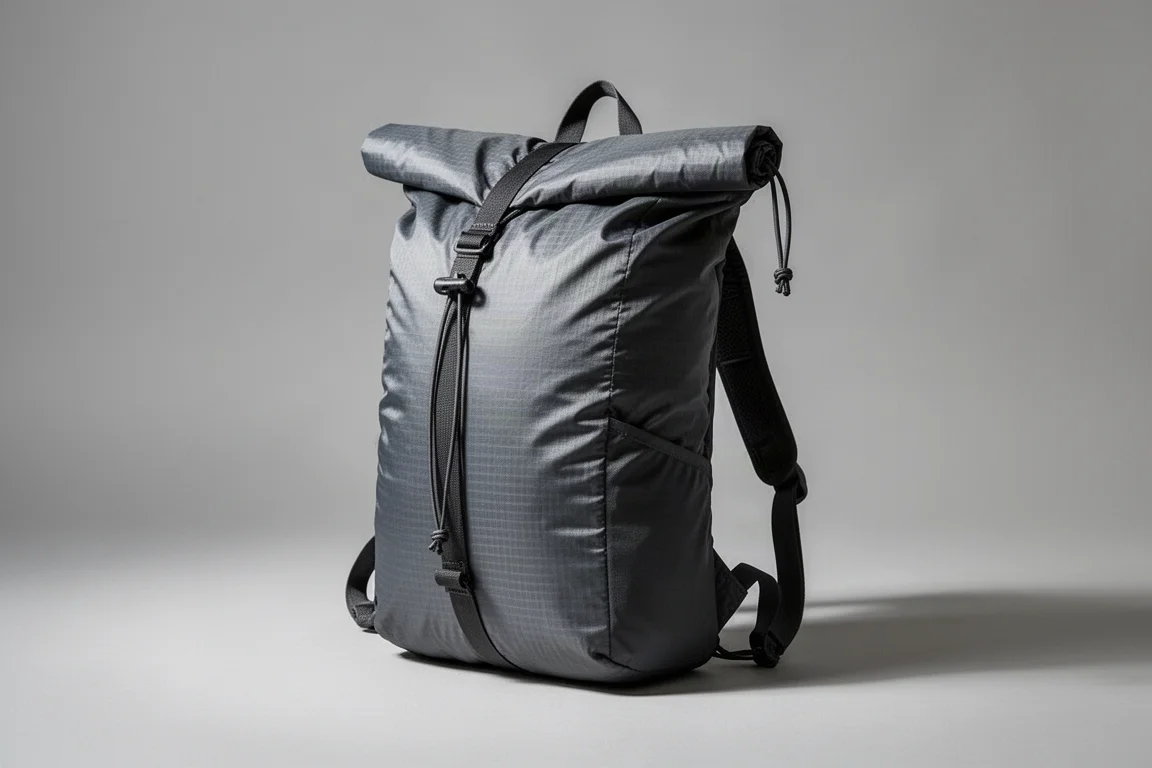
Waymark Gear Thru Frameless Backpack
The Thru from Waymark Gear is a frameless ultralight pack with good capacity. It holds a full cold-weather load, including a heavier sleep system and extra layers, while staying light and carrying weight well on the move.
It is not the right answer for everyone. Very bulky gear still needs more volume, and the Thru works best when the rest of your kit is reasonably compact.
Buying Advice
If you are building a fall kit from scratch, work in order of impact. The sleep system comes first, because a cold night undermines everything else. Warmth for stationary hours comes second, since that is where fall trips differ most from summer ones. Stove performance and fire tools come third, and pack capacity comes last, once you know how much space the rest of the kit actually needs.
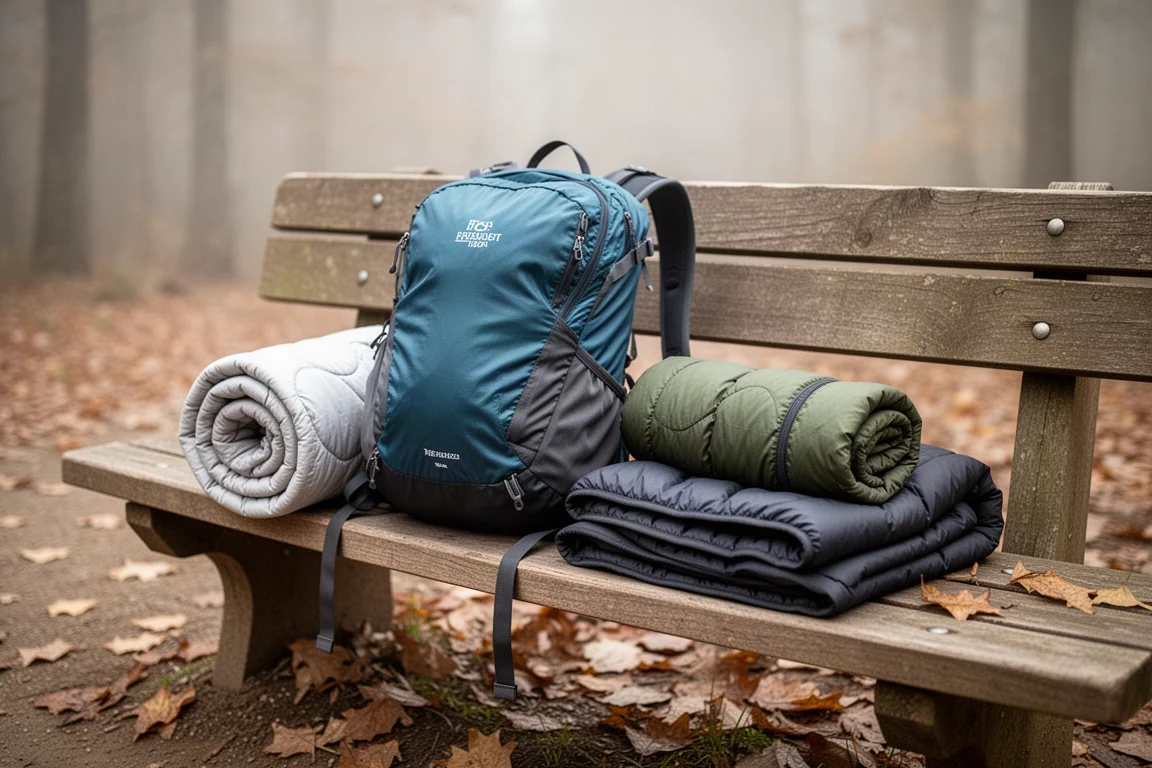
You do not need to buy all of it at once. An over quilt is the single most useful addition for most people, and it layers with gear you already own. A foam pad under an existing sleeping pad is a cheap way to test how much warmth you actually need. Regulated stoves and fire tools can wait until you know your trips will run cold enough to justify them.
The goal is a kit that keeps you comfortable enough to enjoy the season rather than endure it, and that usually means a handful of targeted additions rather than a full replacement.
Conclusion
Fall backpacking rewards a little planning. A warmer sleep system, a layer for sitting still, a stove that copes with the cold and a pack with room for the extra bulk turn a summer setup into one that works well into autumn.
Start with sleep, add warmth where you feel the cold first, and let the rest of the kit follow the way you actually camp.
Further reading
Related Reviews

Backpacking Gear
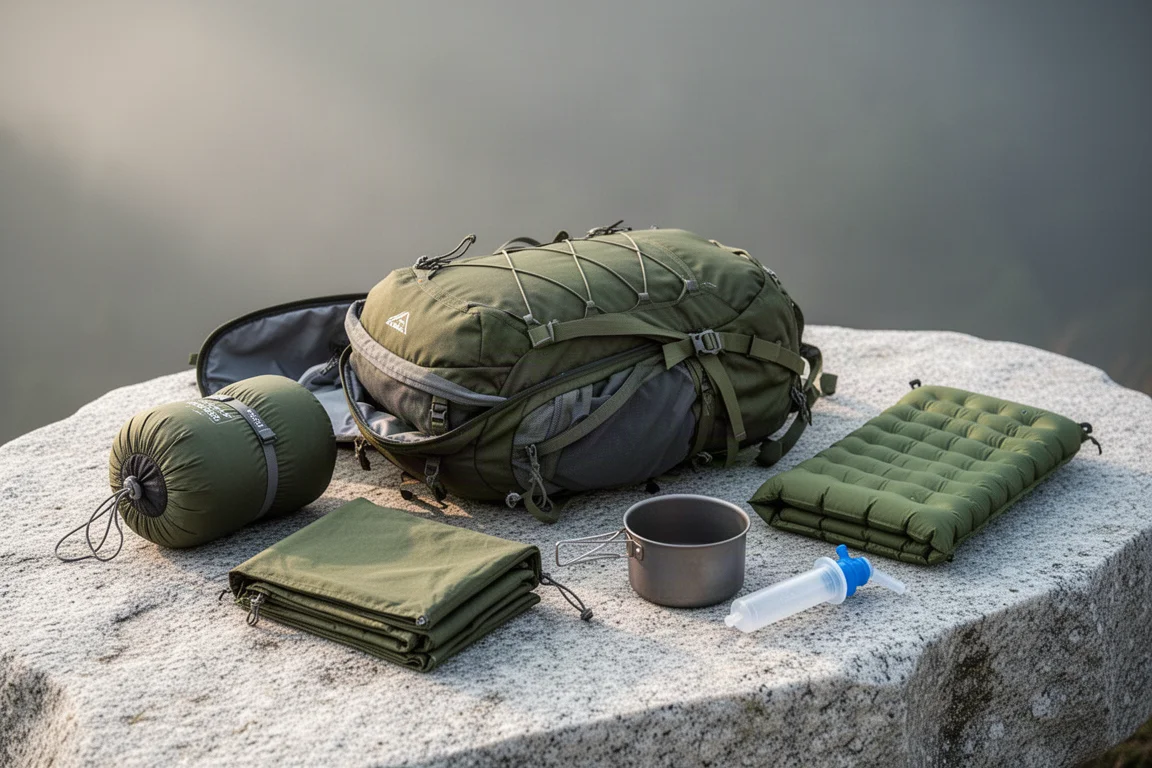
Building a 10 lb Base Weight: An Ultralight Backpacking Gear List
A practical walkthrough of the ultralight pieces behind a 10 lb base weight, from a 765 g pack and a roomy one-person tent to a full camp chair and a dependable water filter.
Backpacking Gear
A 15-Pound Lightweight Backpacking Gear List for Solo Trips
A beginner-friendly 15-pound backpacking setup built from easy-to-find gear, with notes on what each piece does, how it packs, and where to spend your attention.
Backpacking Gear
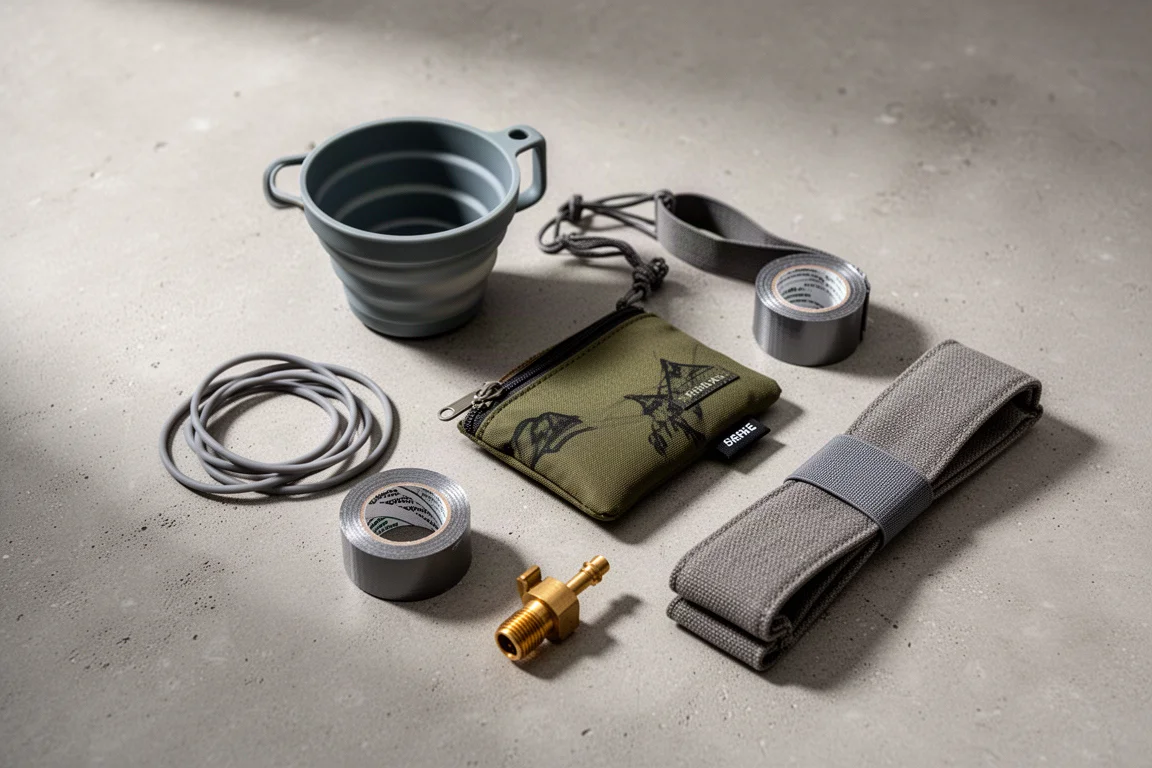
8 Ultralight Backpacking Gear Upgrades Worth Carrying
Eight small, affordable backpacking upgrades that solve real trail annoyances, from a pillow that stays put to a fuel valve that rescues leftover canister gas.