Cycling Frames
Fairlight Strael 4 and Secan 3: Two Steel Frames, Two Clear Briefs
The Strael 4 and Secan 3 share a steel philosophy but solve different problems. Here is how the two frames differ and which one suits your riding.
Introduction
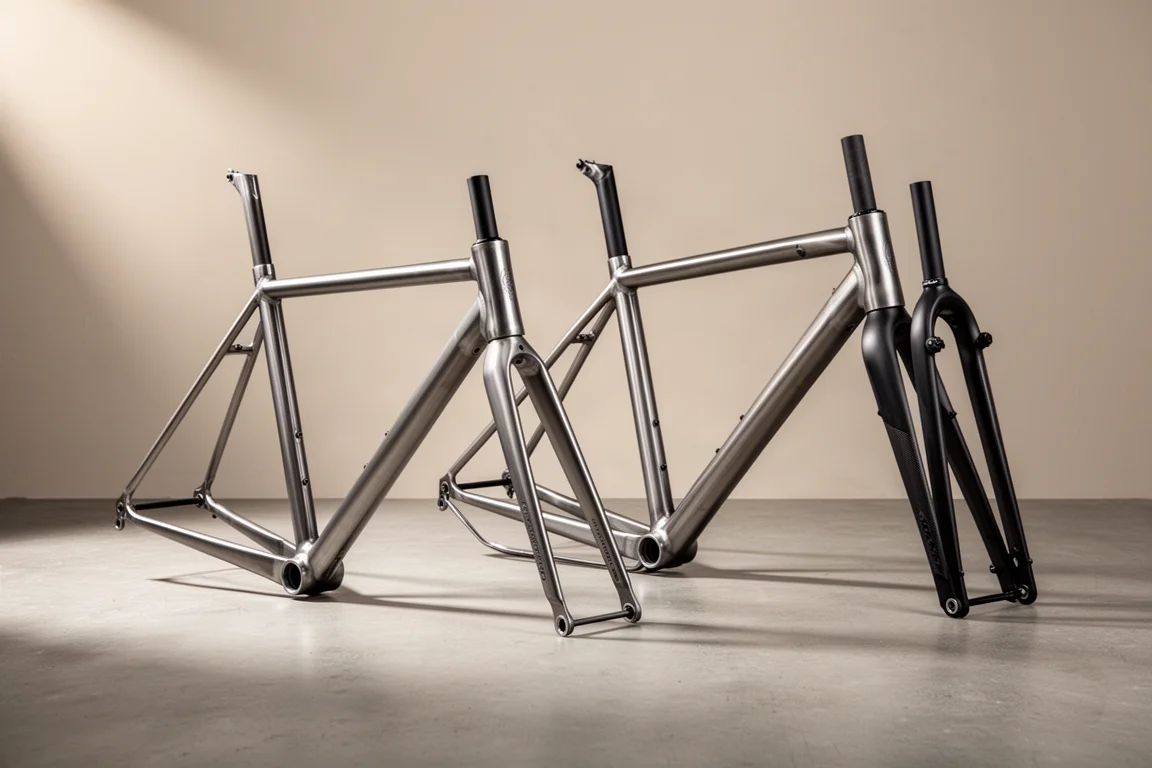
Fairlight Cycles has spent roughly eight years refining a deliberately small range of steel frames, and the latest pair shows how far that process has travelled. The Strael 4 is the fourth generation of the brand’s original road platform. The Secan 3 is the third generation of its gravel counterpart. Both look familiar beside their predecessors, but very little underneath has been carried over.
On the Strael 4, every tube except the head tube is new, along with the fork, the dropouts and even the bottom bracket shell. Each of those parts required new tooling. On the Secan 3, the front triangle carries over while the rear end and the fork are rebuilt. The result is two frames that share a design philosophy but serve genuinely different riders.
How the Strael 4 and Secan 3 Differ
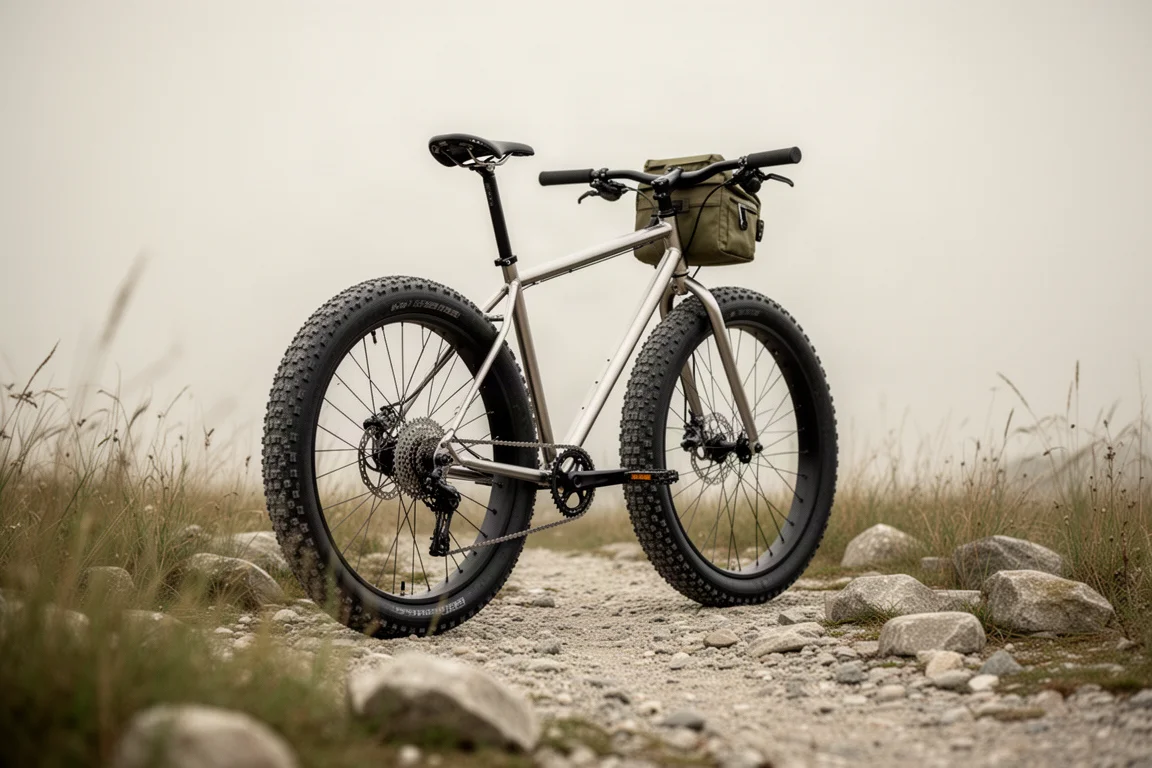
The cleanest way to separate them is tire clearance and geometry. The Strael 4 is a road bike that now accepts up to 39 mm tires, up from 36 mm on the previous generation. The Secan 3 is designed around much larger rubber: it fits a measured 53 mm tire with 6 mm of clearance on each side, which meets the relevant ISO requirement, and with 650b wheels it takes up to a 2.4 inch tire.
Fairlight positions the Secan at the road end of the gravel sector rather than as a drop-bar mountain bike. The company is also direct about the fact that the Secan is effectively the answer to the frequent request for a gravel version of the Strael. Fitting bigger wheels means a longer chainstay, a longer fork, higher leverage at the front end, stronger tubes, a slacker head angle and more standover height. Those compromises, taken together, are what turn a Strael into a Secan.
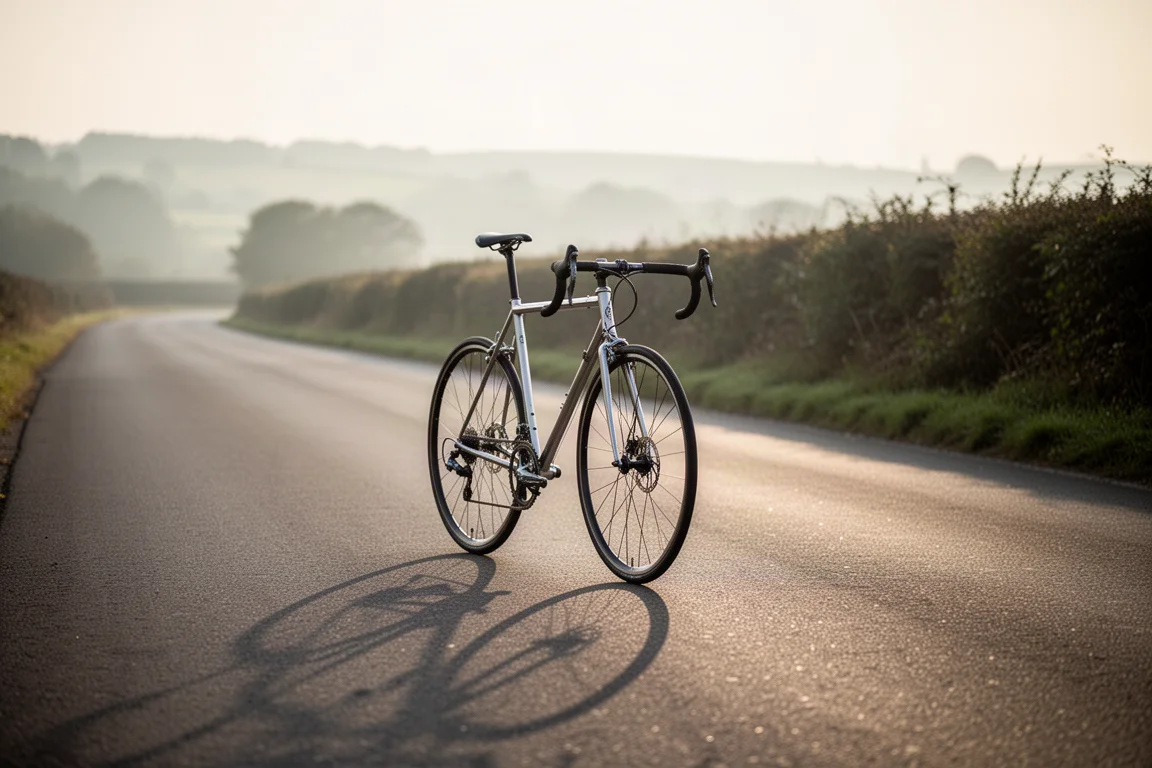
Both frames keep a road-influenced feel. The Strael 4 retains road geometry, its fork length is unchanged, and its chainstays grew by just 1 mm, a change that still required a completely new set of chainstay molds because the whole point of molds is extreme accuracy. The Secan 3 stretched its chainstays by 2 mm over the 2.5 generation and slackened the head angle by around half a degree to suit larger tires.
Fairlight Strael 4: The Road Frame, Refined
The headline figure for the Strael 4 is weight. The frame comes in 280 g lighter than the Strael 3, and a painted 56R frame weighs 1.64 kg without the dropout parts and bolts. That saving came from a full rework rather than one clever change: new tubing, a new fork, new dropouts, a revised bottom bracket shell and new tooling for essentially every part.
The tubing is a new Reynolds 853 set called 853 Road DZB, exclusive to Fairlight. The brand designed the butts itself and paid for the tooling to produce them. DZB stands for double zone butted, meaning there is an extra butt at one end of the tube. It was first used on mountain bikes, then adapted for the brand’s gravel frame, and now appears in a road-specific form.
Strength and weight were pursued together rather than traded against each other. The previous generation needed five rounds of testing before it passed, with small design evolutions after each failure. The Strael 4 passed ISO fatigue testing first time despite the weight reduction. That testing programme includes pedal fatigue cycles at a set force and cadence alongside several other load cases.
Where the Strael 4 Weight Savings Come From
The gains are spread right across the frame. On the down tube, a thicker 0.9 mm section was added where stress is highest while the centre section was reduced to 0.4 mm, saving around 40 g on that tube alone and, according to the brand, making it stronger in the process. The top tube gained a DZB section at the front end.
The seat tube changed at both ends. The lower section dropped from 0.9 mm to 0.8 mm, and the upper section came down from 1.2 mm to 1.05 mm, a thickness that became possible through improved welding techniques and the use of heat sinks. That saved roughly 30 g and required a new seat clamp, developed with Hope, sized at 29.5 mm instead of 29.8 mm and using a steel bolt rather than aluminium.
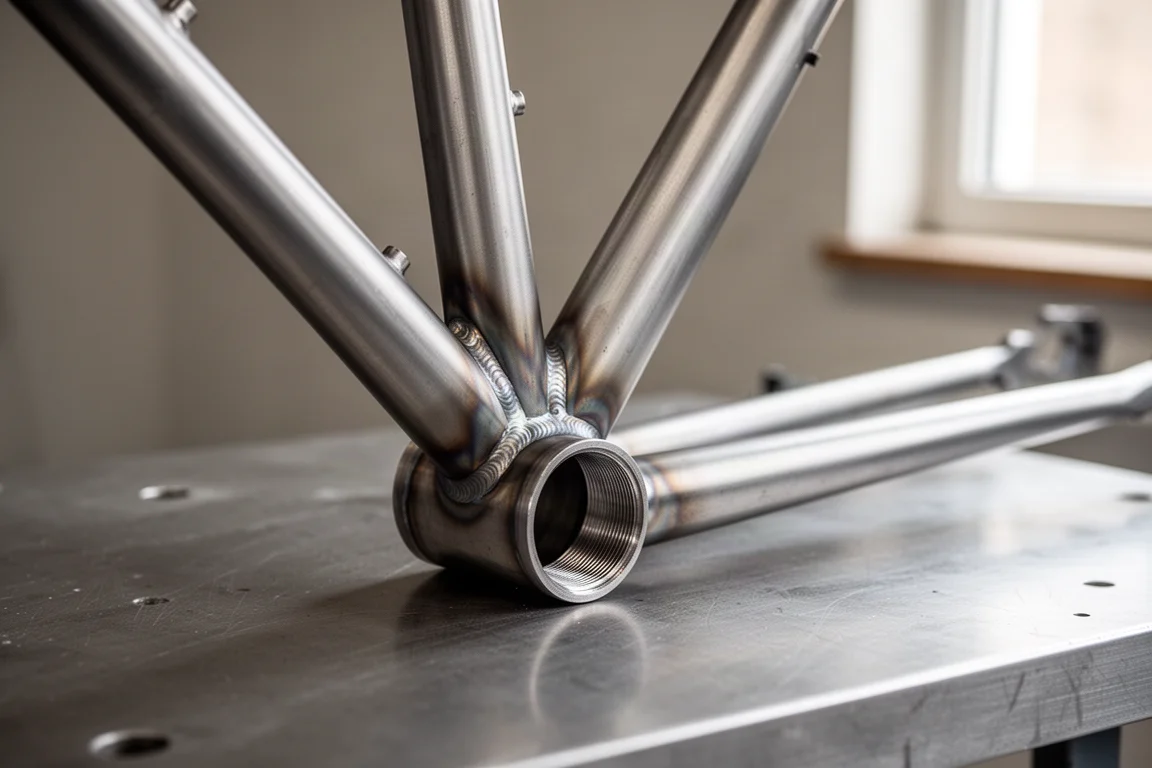
The bottom bracket shell changed as well. It moved from a 39 mm outside diameter to 38.1 mm. The frame is welded with a solid 3 mm thick threadless shell, which resists distortion during welding, and the threads are then cut and the shell relieved in a single machining pass afterwards. That step saved 87 g and produces clean, accurate threads.
The seat stays also changed shape. A 14 mm round tube became a 16 mm tube flattened down to 12 mm, with a very subtle curve that follows the tire clearance. New molds were required for that, and the change is more obvious on a raw unpainted frame than under paint.
Fairlight Secan 3: More Clearance for Bigger Tires
The Secan 3 follows the 2.5 generation and responds to the same trend as the Strael, only more emphatically. Gravel riders keep moving to larger tires, so Fairlight gathered a broad selection of 50 mm tires, many of which were in practice 29 x 2 inch mountain bike tires, mounted them on rims and measured them. They came out between 50 mm and 53 mm. The frame is therefore designed around a measured 53 mm tire with 6 mm of clearance per side, satisfying the relevant ISO requirement. With 650b wheels, up to a 2.4 inch tire fits, measuring around 62 mm and suiting heavily loaded touring setups.
The front triangle carries over from the previous generation, using the same Reynolds 853 gravel DZB tube set. The development work went into the rear end and the fork instead.
Where the Secan 3 Changed
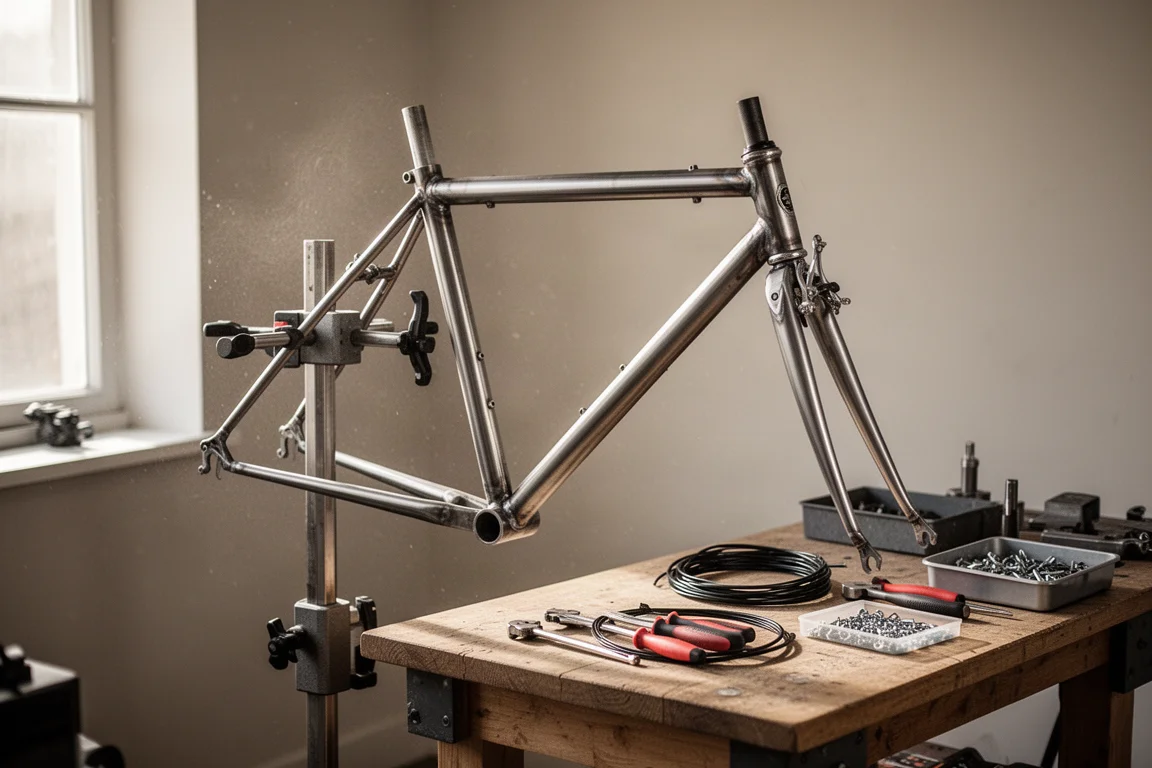
The rear end is entirely new. The chain stays and seat stays use the forming process developed for the Strael, with flat oversized tubes, flex points on both stays and a shape that follows tire and chainring clearance closely. The parts are made in machined steel forming molds rather than with traditional hand dies, because the level of repeatability needed cannot be achieved any other way.
The fork is new as well. A CNC aluminium insert is bonded into the carbon crown, triangular in shape so it cannot pull out, and provides a mounting point for a front rack. It adds 14 g but a significant amount of strength, and makes it practical to run a randonneur-style bag up front. The fork layup was also revised after lab testing in which the fork was clamped and loaded, producing around a 6 percent increase in compliance in both directions. The new layup recovered more weight than the insert added.
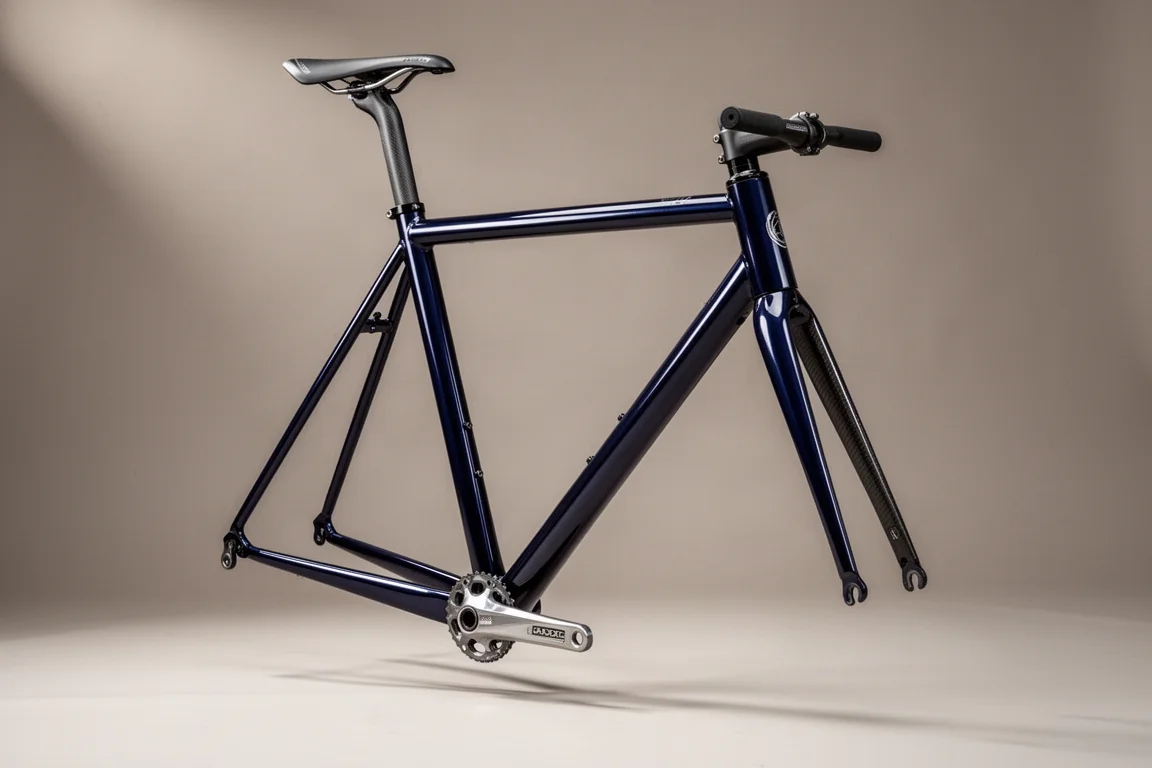
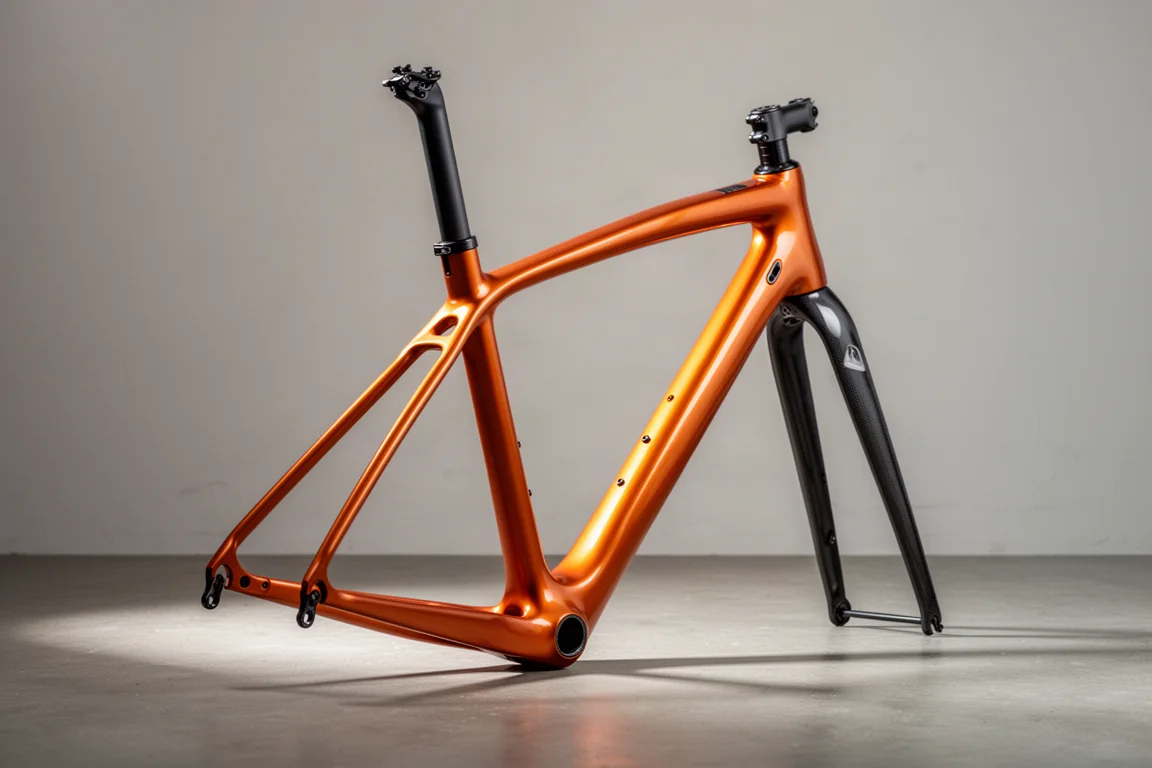
Braking capacity grew too. The Secan 3 has a native 160 mm mount that can step up to 180 mm, where the previous version was 140 mm native with an adapter to reach 160 mm. The fork follows the same 160 to 180 mm range. The example shown here is finished in a Porsche orange with new graphics.
Routing, Dropouts, and Long-Term Ownership
Fairlight keeps gear cables external on both frames, and the reasoning is weight rather than tradition. On the Strael 4 in particular, running a brake hose inside the frame would require a hole in a controlled wall thickness, a reinforcement insert and a longer butt section, all of which add grams to a frame that was designed to shed them. Internal routing would also introduce a rattle risk that needs foam tubing to manage.
The external hardware is properly considered. Brake clips and cable guides are CNC parts, and the bottom bracket guide is a Fairlight design that routes front and rear derailleur cables, clips the brake hose and provides a hole for a dropper post plus two for dynamo wiring.
The dropouts are the third generation of the brand’s Bentley design, made in collaboration with Mark Bentley. The mechanical version uses a machined aluminium plate with a removable cable stop, so electronic drivetrains leave no unused hardware on the frame. There is a standard hanger, a direct mount option and a T-type version for SRAM’s direct mount system. The parts are machined rather than cast because the finish and quality justify the cost, and the modular layout leaves room to design new hangers or brake mounts if standards change, extending the frame’s usable life.
Buying Advice
Choose the Strael 4 if you ride predominantly on tarmac and want the lightest, most road-focused steel frame the brand has built. The 39 mm clearance adds useful flexibility for wider rubber and rougher surfaces without moving the bike out of road territory, and the 280 g weight saving is meaningful on long climbs. The geometry stays road-oriented, the fork length is unchanged, and the frame passed its testing on the first attempt.
Choose the Secan 3 if your riding regularly leaves the tarmac. The measured 53 mm tire clearance, the 650b option, the front rack mount and the increased brake capacity all point to a frame built for mixed surfaces, light touring and loaded riding. It is worth being clear about what it is not: Fairlight positions it at the road end of gravel rather than at the extreme end, and the front triangle is carried over from the previous generation.
What the two frames share matters as much as what separates them. External routing keeps maintenance straightforward, the modular dropout system is designed to accommodate changing standards rather than force a new frame, and the brand publishes detailed design notes covering the reasoning behind each decision. Neither frame is designed as a disposable purchase, and both are built around the idea that the right compromise is more valuable than a headline number.
Conclusion
The Strael 4 and Secan 3 are the same idea applied to two different surfaces. The Strael 4 is the road frame pushed hard on weight, with a 280 g reduction, a new Reynolds 853 Road DZB tube set and 39 mm clearance, and it passed its testing first time. The Secan 3 is the gravel frame built around a measured 53 mm tire, with a newly formed rear end, a rack-ready fork and a native 160 mm brake mount.
If your rides are mostly paved with occasional rough patches, the Strael 4 is the more natural fit. If your routes regularly mix surfaces, carry luggage or head onto loose ground, the Secan 3 is built for exactly that. Both are worth considering for riders who value steel, external routing and a frame designed to stay useful for years.
Further reading
Related Reviews

Backpacking Gear
Building a 10 lb Base Weight: An Ultralight Backpacking Gear List
A practical walkthrough of the ultralight pieces behind a 10 lb base weight, from a 765 g pack and a roomy one-person tent to a full camp chair and a dependable water filter.
Road Bikes
10 New Road Bikes Worth Watching: Aero, Titanium, Steel and Endurance Standouts
A practical roundup of 10 new road bikes, from aero flagships chasing single-watt gains to titanium, steel and endurance platforms built for real roads.
Bikepacking Gear
11 Bikepacking Essentials for Long-Distance Cycling
Eleven bikepacking essentials for long-distance cycling, from a steel gravel frame and a two-person tent to helmet lights, packable gloves, and a frame bag that puts weight in the right place.