Mountain Bikes
Factor Lando XC Review: A Serious Cross-Country Race Bike
Factor's first mountain bike frame is a lightweight cross-country machine built around flex stays, a threaded T47 bottom bracket, and a race-first geometry. Here is what to know before buying.
Introduction
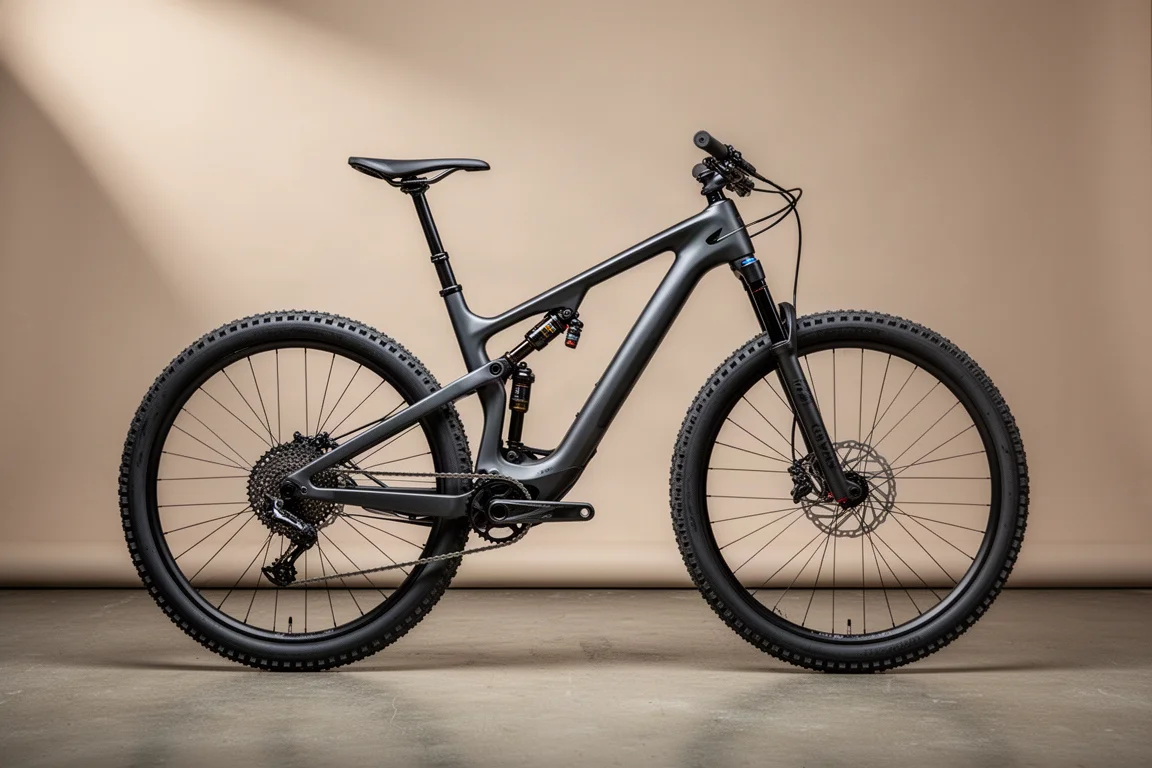
Factor built its reputation on road race bikes, and the Lando range marks the brand’s first dedicated mountain bike line. Two frames launched together: the Lando HD, a hardtail with 110 mm of front travel, and the Lando XC, a full suspension cross-country bike with 120 mm up front and 115 mm at the rear.
Both are available now, with the full suspension bike retailing from £6,999 or $9,199 and the hardtail from £5,399 or $7,099. That places the Lando XC firmly in race-bike territory, and the bike made its competitive debut at Cape Epic with a team focused on creating international racing opportunities for East African riders.
This review concentrates on the full suspension Lando XC and what a prospective owner should weigh up before committing.
Who the Lando XC Is For
The Lando range is not aimed at the broadest possible audience. Factor has targeted cross-country racing and fast, extended off-road epics, the kind of riding where a rider wants to chase a fastest known time over a long mixed route.
That positioning shows in the priorities. The frame is built to be light, the geometry is race-oriented rather than trail-friendly, and the component spec leans toward efficiency over plushness. Riders who split their time between marathon events and long self-supported days out are the natural audience here.

If your riding is mostly technical descending, lift-served terrain, or casual trail centre loops, the Lando XC is a narrower fit than its price suggests. It rewards fitness and pace rather than forgiving mistakes.
Suspension Layout and Frame Details
The Lando XC uses a single link arrangement with flex stays. The rear triangle is a single piece, which removes the need for pivots at the seat stays and keeps the structure simple. A single swingarm pivot handles the main movement.
The rear shock is mounted vertically. Factor’s reasoning is that this concentrates forces in the bottom bracket area, which in turn allows material and weight to be removed elsewhere on the frame. It is a design decision driven by the same goal that runs through the whole bike: reducing mass wherever possible.
Factor quotes a frame weight of 2.1 kg including shock and hardware, though the size for that figure is not specified. A complete build weighed by hand came in at around 10.59 kg, which is competitive for a bike in this class and consistent with the race brief.
There are also practical touches beyond the numbers. Both the XC and HD frames carry multiple mounting points for bolt-on equipment, on top of the top tube and underneath it. The down tube uses a mechanically mounted anti-rotation rubber guard to protect the carbon in the event of an over-steered fork. For riders who like to load a bike up for long days out, those details matter.
Geometry, Bottom Bracket, and Headset
The headline geometry figures are a 67 degree head tube angle and a 75.5 degree seat tube angle. Those numbers are quoted with a 120 mm fork running 51 mm of offset and a zero offset seat post, so they describe the bike as it will most likely be ridden.
The bottom bracket is one of the more interesting choices. The Lando XC uses the T47 standard, an oversized version of a threaded BSA bottom bracket, in the 88.5 mm variant derived from PF92. Factor developed it together with CeramicSpeed. The wider shell allows a broader and stronger down tube and contributes to tyre clearance of up to 2.4 inches.
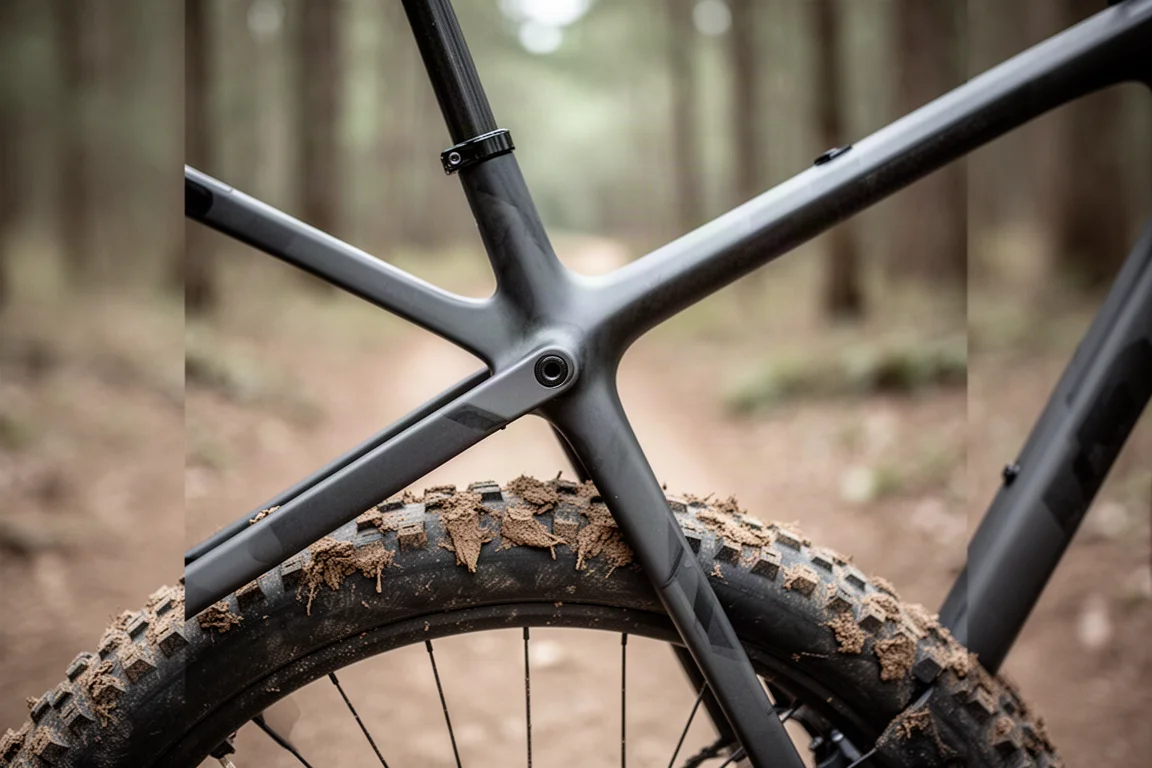
Up front, the bike runs CeramicSpeed SLT headset bearings, which stands for solid lubrication technology, and they carry a lifetime warranty. CeramicSpeed claims a very long maintenance cycle and a low likelihood of wearing out, which is a meaningful promise on a race bike. The trade-off is access: because of the level of integration, changing a headset bearing means undoing the brake lines.
Cable routing is flexible. You can run conventional internal routing, or go fully integrated if you prefer the cleaner look.
Black Inc Finishing Kit and Mounting Points
Factor’s in-house component brand, Black Inc, launched new parts alongside the frames. The Black Inc 27 wheelset is a 29 inch wheel with a 27 mm internal rim width and depth, a hookless rim bed, and CeramicSpeed hub bearings. The claimed weight is a very light 1,459 grams per pair.
The bar stem is claimed at 320 grams in a 760 mm width that can be trimmed down. Factor includes an out-front mount with a double or single interface, so it can carry a computer or a light depending on what you need. There is also a rigid two-bolt carbon seat post in 31.8 mm.
That seat post is the one part of the spec worth pausing on. A rigid post keeps weight low, which suits the race brief, but many riders in this category will want a dropper for technical sections. If you fall into that group, budget for a swap.
Things to Consider Before Buying
Price is the first consideration. At £6,999 or $9,199 for the full suspension build, the Lando XC sits among serious race bikes, and it is worth being honest about whether your riding justifies that outlay.
The frame weight figure of 2.1 kg is quoted without a specified size, so it is a guide rather than a like-for-like comparison against other frames.
The headset design cuts both ways. A long-life bearing with a lifetime warranty is appealing, but the integration means brake lines have to be disconnected for a bearing change, which turns a small job into a workshop task.

Finally, the rigid carbon seat post and the race-first geometry mean the bike is happiest on courses and long routes rather than technical descents. Riders who want a more forgiving, more versatile mountain bike may find a different category of bike better value.
Buying Advice
The Lando XC makes the most sense for riders who already know they want a light, efficient full suspension cross-country bike and who will use it the way it was designed: racing, marathon events, and long fast off-road efforts. In that context, the low complete weight, the flex stay rear end, and the CeramicSpeed bearing spec all point to a coherent package.
If you are buying one, plan the seat post decision early. Riders who want a dropper should factor that into the build, and riders who service their own bikes should be aware of what headset bearing replacement involves on an integrated front end.

The mounting points on the top tube open the bike up to bikepacking and long self-supported rides, which broadens its appeal beyond pure race day use. If that combination of race pace and load-carrying practicality is what you are after, the Lando XC is a defensible purchase rather than an impulse one.
Conclusion
Factor’s move into mountain biking arrives with a clear point of view. The Lando XC is not a do-everything trail bike, it is a cross-country race bike with a light frame, a simple flex stay rear end, a threaded T47 bottom bracket developed with CeramicSpeed, and a finishing kit from Black Inc that keeps weight down.
The compromises are equally clear: a premium price, a rigid seat post that many riders will want to change, and an integrated front end that makes some maintenance more involved. Buy it for the discipline it was built for, and it should feel like money well spent.
Product link
View more details for Factor Lando XC
This product is mentioned in the review. Check the specifications, options, and compatibility before buying.
View more details for Factor Lando XCFurther reading
Related Reviews
Mountain Bikes
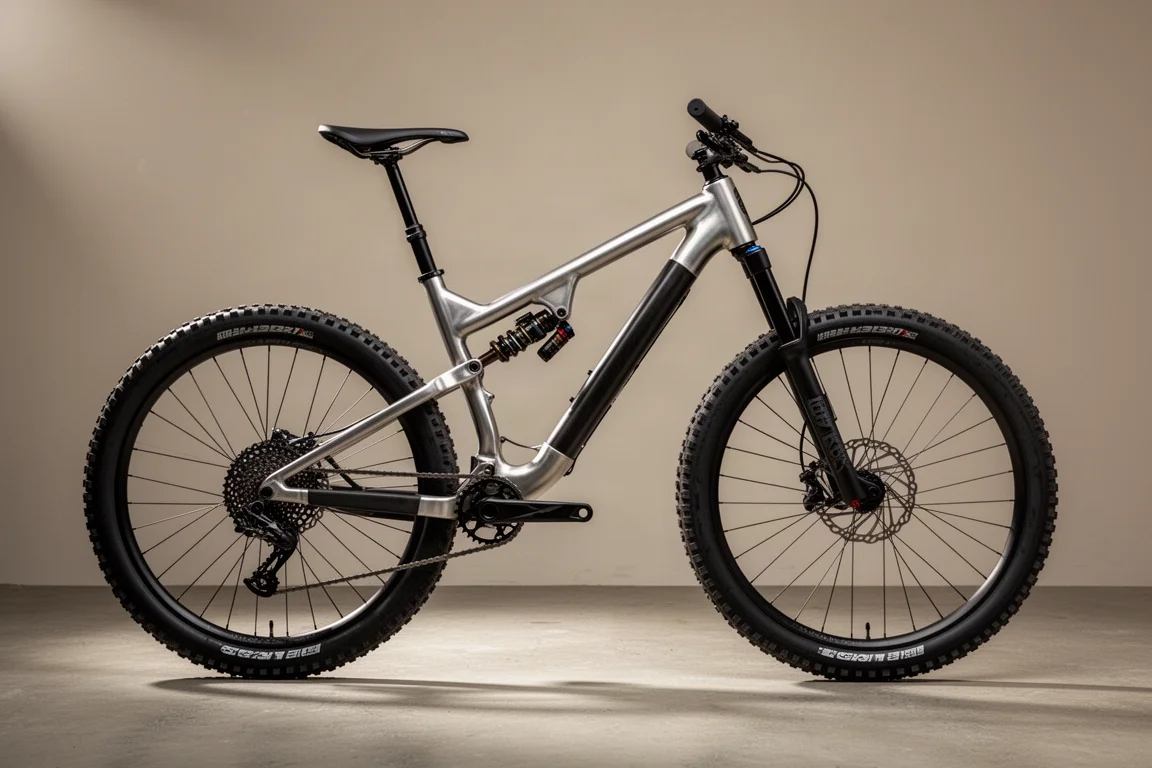
Atherton AM.130 Review: 3D-Printed Titanium Lugs and a 130mm Trail Bike That Descends Like a Bigger Machine
The Atherton AM.130 pairs 3D-printed titanium lugs with carbon tubes and a DW6 suspension platform. Here is how it rides, what the build delivers, and who it suits.
Mountain Bikes
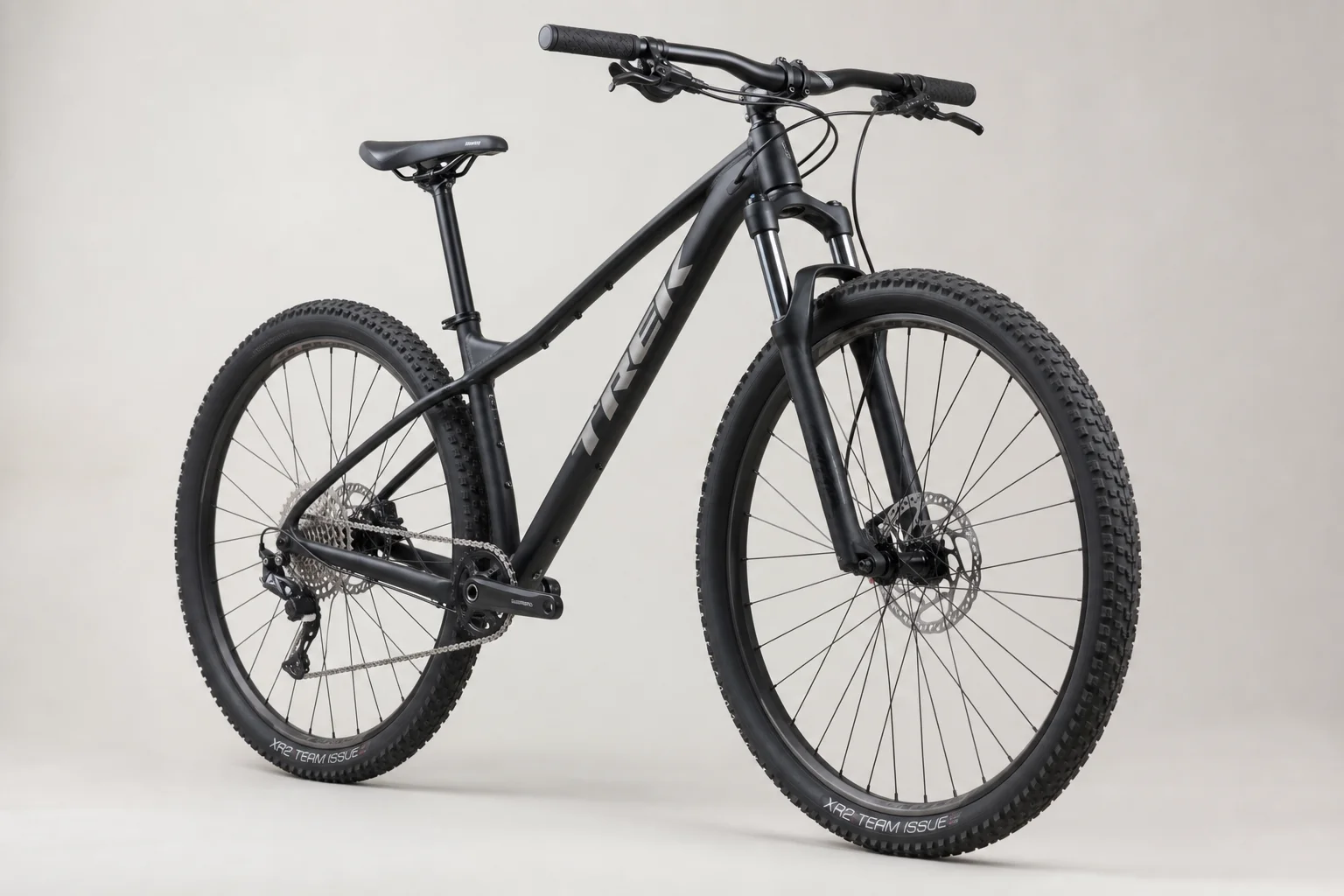
Beginner Mountain Bike Buying Guide: What to Look For in a Trailworthy Hardtail
A practical framework for evaluating beginner mountain bikes, whether new or used, by examining key components that indicate real trail capability.
Mountain Bikes
Best Aluminum Mountain Bikes 2026: Five Alloy Bikes Worth Your Attention
Five aluminum mountain bikes that show how far alloy has come, from a 120mm trail bike and a versatile machined frame to a 180mm freeride machine.