Camping Tents
Extremist Pop-Up Camping Tent Review: Fast to Pitch, Not Built for Rain
A field test of the Extremist pop-up camping tent after a night of steady rain, covering its fast setup, its thin stakes and guy lines, and why it leaks.
Introduction
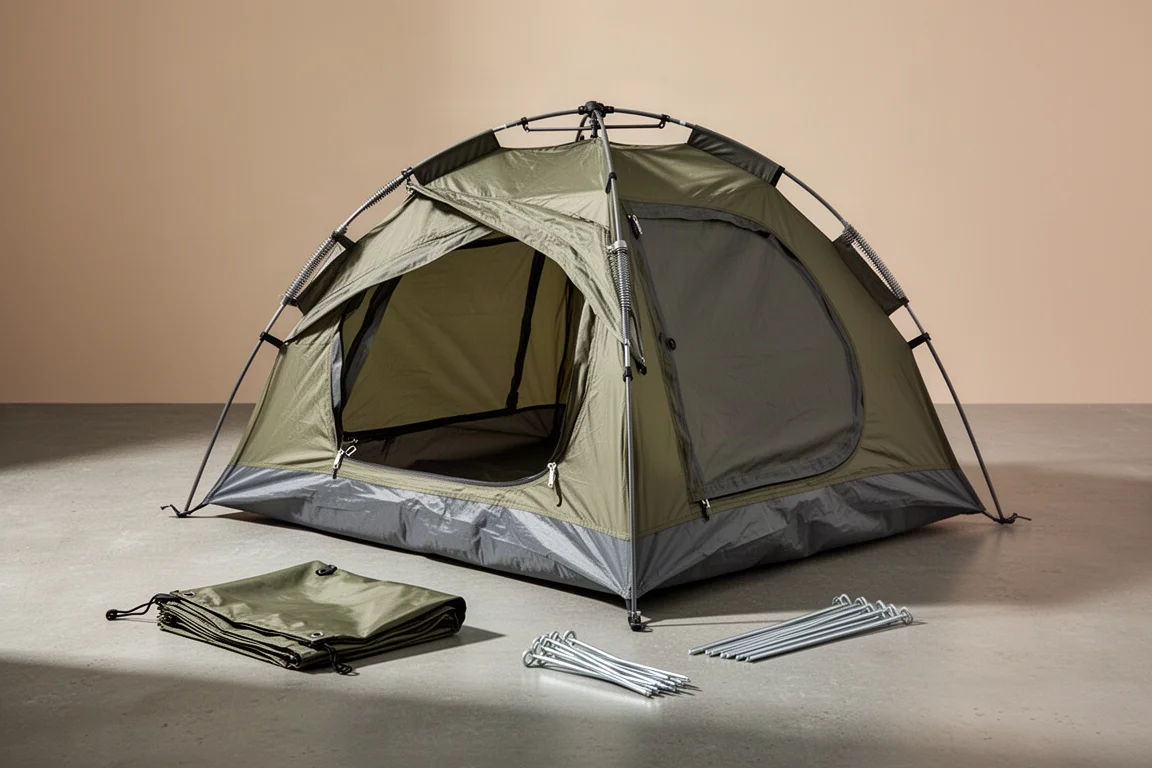
Pop-up tents promise a campsite pitched in seconds, and that promise is exactly why they keep selling. The Extremist pop-up camping tent follows the familiar formula: unfold the bundle, pull the frame up until it locks, stake the corners, and clip on the small rain fly. Setup really is that quick.
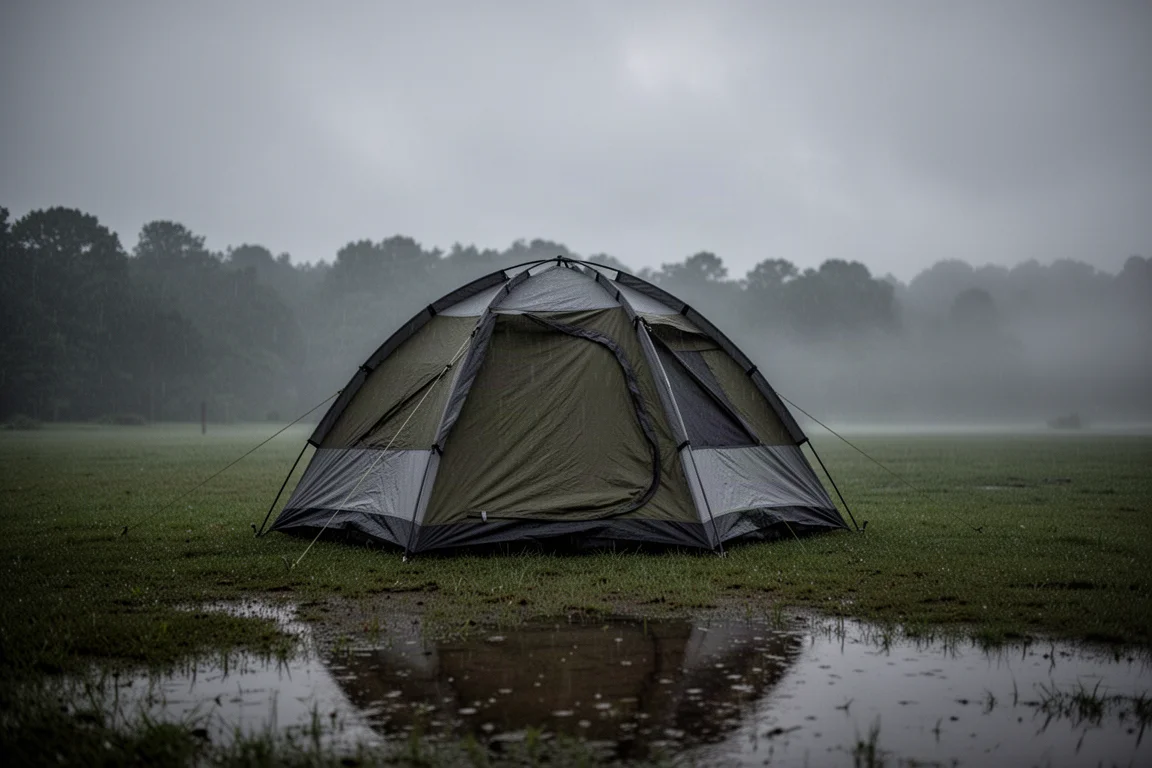
The more useful question is whether a tent built this way can keep weather out. This one was pitched through an evening of light rain that turned moderate overnight and continued for most of the night, roughly an inch and a half of water in total. That is not a storm, but it is a realistic wet night for spring or autumn camping, and it is enough to expose a shelter that cannot handle water.
What follows is what this tent does well, where it falls short, and who should realistically consider buying one.
Who This Tent Is For
The Extremist pop-up is a fair-weather shelter. It makes sense for dry overnight trips, backyard camping, and festival weekends where the forecast is settled and the priority is getting the tent up quickly and packed away just as fast.
It is a two-season tent at best. Anyone who camps where rain is likely, or who needs a shelter they can trust through a wet night, should look at a conventional design instead.
Pop-up tents of this type are produced by a number of companies and most behave in a similar way. This one is lighter and less substantial than most of them, which is worth knowing when comparing quick-pitch options.
Setup and Build Quality
Pitching is the strongest part of the experience. Fold it out, pull it up, let the frame lock into place, then stake the corners and fit the fly. The kit includes tent stakes, guy lines, a small fly, and setup instructions.
The hardware around the frame is where things come apart. The supplied stakes are extremely thin, the kind that bend under light hand pressure instead of driving into firm ground. The guy lines are very short and flimsy, and their ends are fraying because they are not finished off. Neither part inspires confidence on a breezy night.

Inside, the body arrived with a hole in the fabric, and the side panels show numerous micro holes. The vents are not well secured, which leaves an opening for water. Stitching is uneven in places, with loose threads hanging from the seams. The floor is not waterproof either: moisture came through it during the initial pitch, before the rain had properly set in.
Main Strengths
Deployment speed is the headline. This tent goes up faster than almost any conventional pole tent, and it packs down just as quickly.
It is also lighter and less bulky than many pop-up tents, which matters if you are carrying it any distance.
The layout is a genuine point in its favour. This tent has one door and two vents. Comparable pop-up models, including the Reactive pop-up tent that is promoted heavily on social media, use nearly identical materials and the same basic functionality, but pair two doors with no vents at all. For dry camping, vents are the more useful of the two features because they give humid air somewhere to go.
How It Held Up in the Rain
The rain began in the afternoon, turned moderate overnight, and lasted through most of the night. By morning, roughly an inch and a half had fallen.
The tent leaked. Water ran down the walls and dripped into the interior, a puddle formed on the floor near one corner, and a steady trickle came down one side. A few smaller drops appeared elsewhere. The floor stayed damp throughout, which is consistent with a groundsheet that is not waterproof.
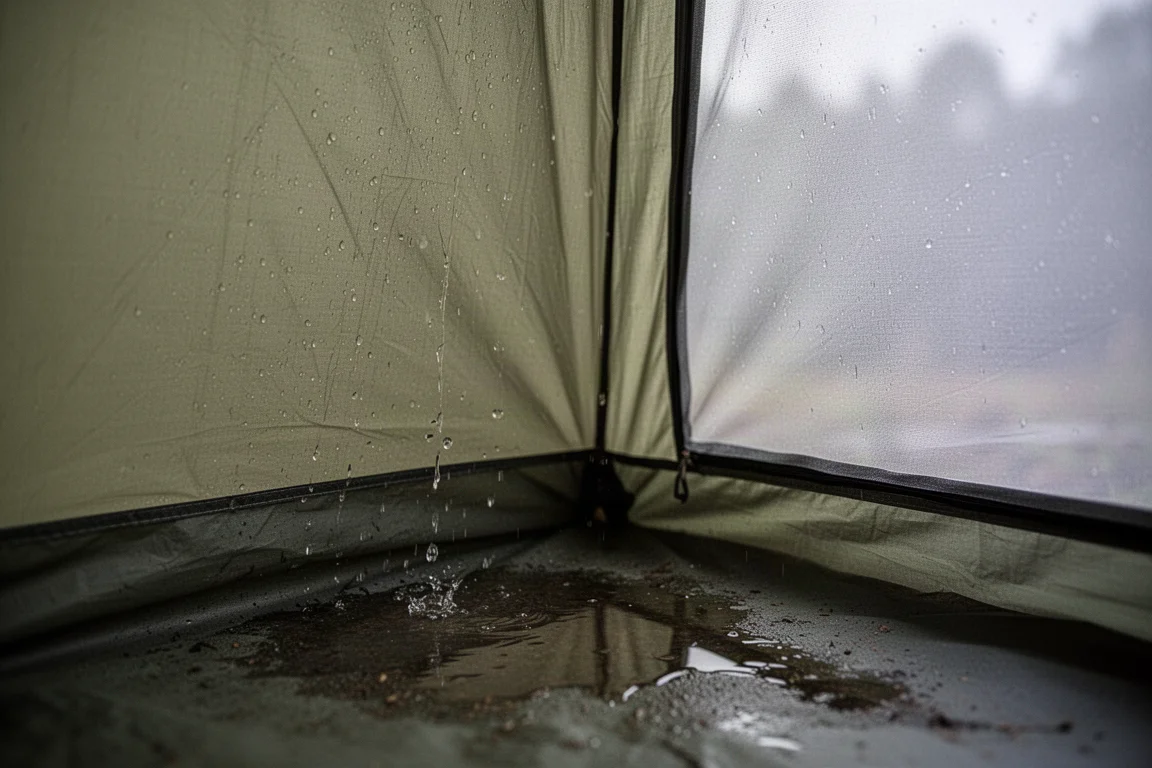
The honest summary is that this tent is not waterproof. It is, however, more water resistant than its construction suggests. For a shelter with visible holes in the body fabric and unsealed vents, it held up better than expected during a real rain event, even though the interior ended the night wet. A ventilation and condensation test was not possible because the inside was already soaked.
Things to Consider Before Buying
The stakes and guy lines are the first thing most buyers will want to replace. Thin stakes will not hold in firm or damp ground, and short, unfinished guy lines limit how well the tent can be tensioned.
Water resistance is the bigger issue. Rain reaches the interior through the walls, the vents, the floor, and a hole in the body fabric. This is a dry-weather shelter, not a wet-weather one.
Build quality is inconsistent. There are loose threads at the seams, the vents are poorly secured, and the overall finish feels inexpensive.
Price is the final consideration. At around $80, this tent sits in the same bracket as conventional two and three-season tents with taped seams and a full-coverage fly. The pop-up mechanism does not offset fabric that lets water through.
Buying Advice
Buy this tent only if speed of setup is the priority and you are confident you will not be camping in rain. It suits short dry trips where the tent goes up and comes down in minutes.
If you do buy it, plan on replacing the stakes and guy lines, and treat the included fly as a light accessory rather than weather protection.
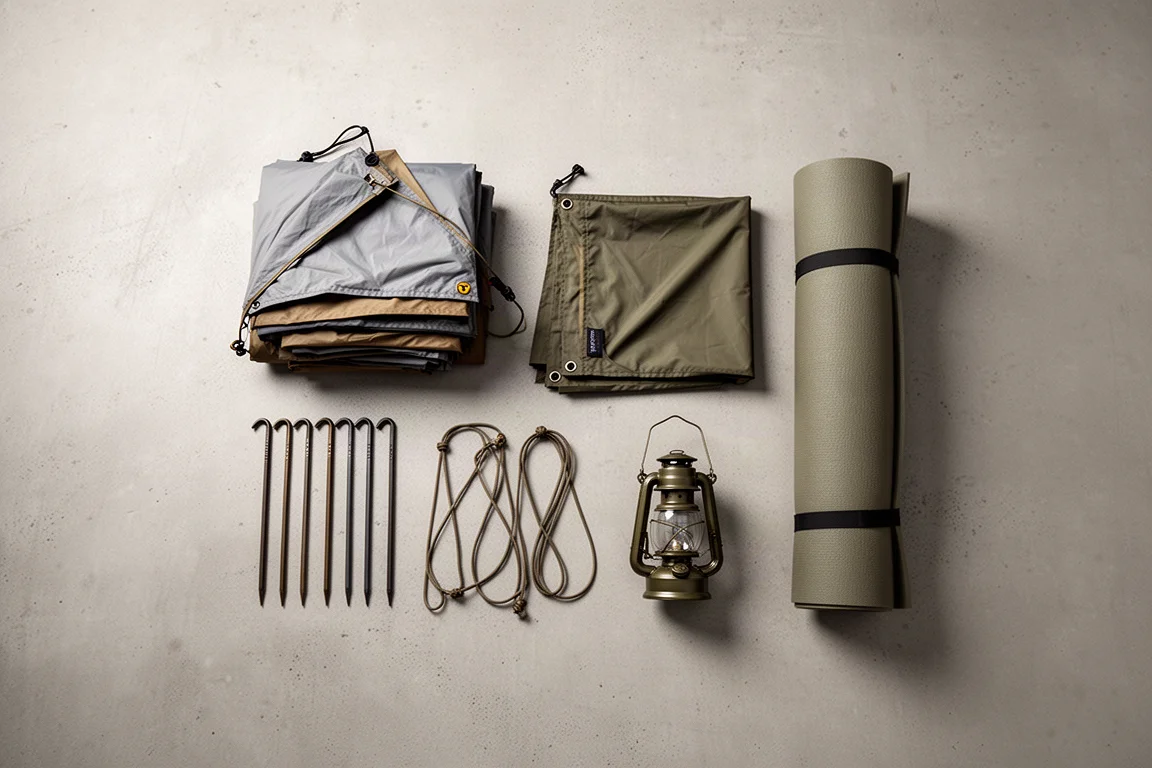
For anyone who camps where rain is possible, the money is better spent on a standard pole tent with sealed seams and a waterproof floor. The convenience of a pop-up frame is real, but it does not make up for a shelter that cannot keep a night of rain outside.
Conclusion
The Extremist pop-up camping tent is fast to pitch, light for its type, and better ventilated than comparable pop-up designs. It is also poorly finished, supplied with inadequate stakes and guy lines, and not waterproof. It leaked through a night of steady rain, though less than its build quality would suggest.
For dry, settled conditions it does the job it was designed for. For anything wetter, it is not the tent to rely on.
Product link
View more details for Extremist Pop-Up Camping Tent
This product is mentioned in the review. Check the specifications, options, and compatibility before buying.
View more details for Extremist Pop-Up Camping TentFurther reading
Related Reviews
Camping Tents
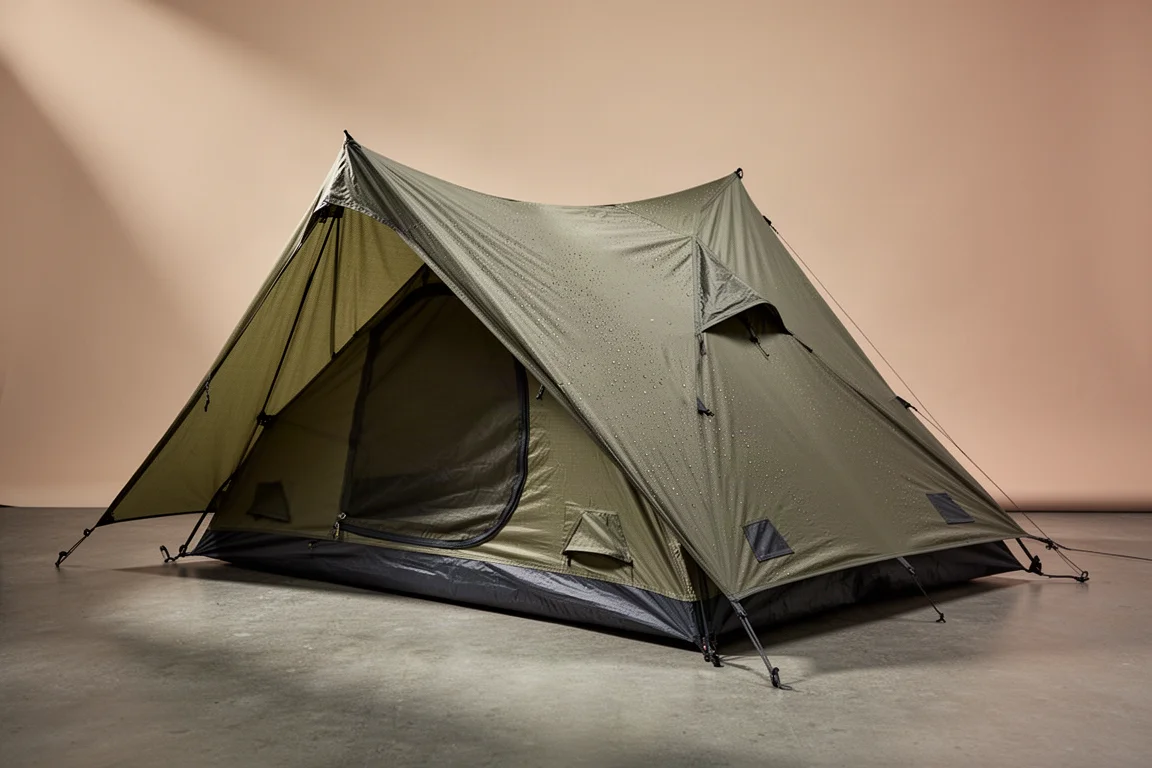
3F UL Gear Taiji Two-Person Tent Review: Field Waterproofing Results and Buying Advice
The Taiji pairs an attached fly with a removable inner, but sustained rain exposed untaped vent seams that need sealing before this shelter can be trusted.
Camping Tents
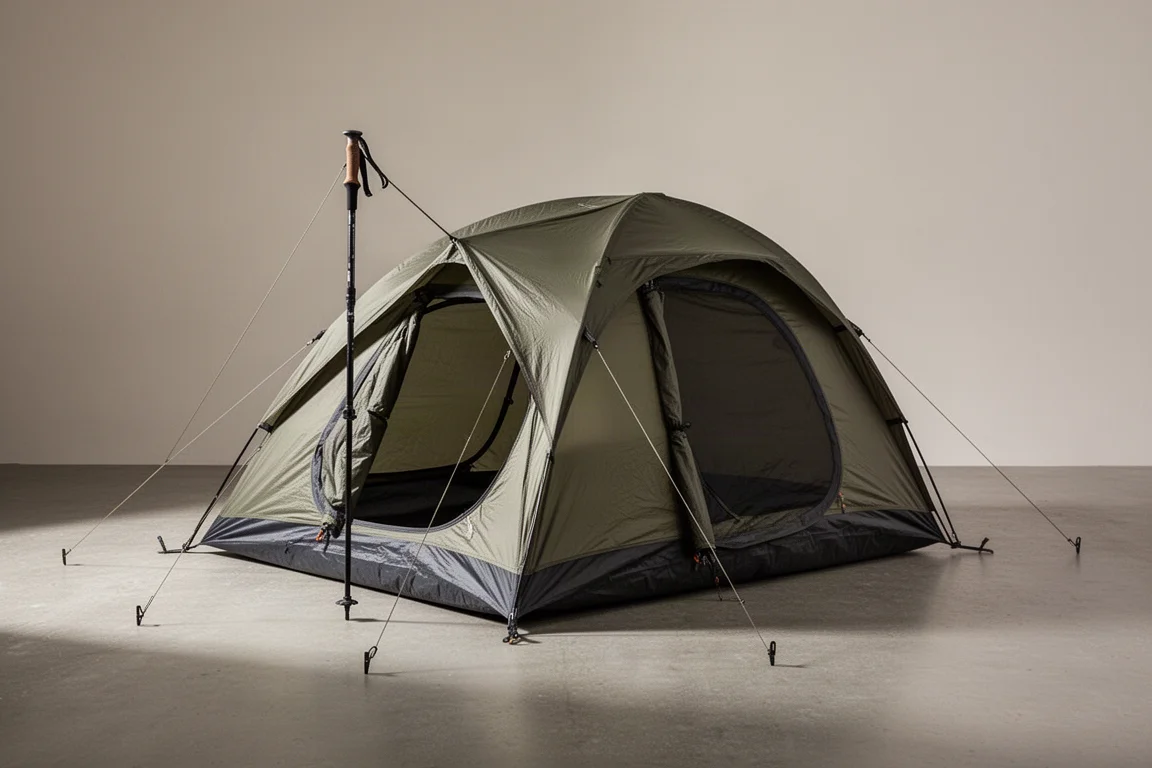
3FUL Gear Lanshan 2 Pro 4-Season Review: A Sub-$200 Single-Wall Trekking Pole Tent
An early look at the 3FUL Gear Lanshan 2 Pro 4-Season, covering its straightforward pitch, generous interior space, and the condensation and seam-sealing questions that come with any single-wall shelter.
Camping Tents
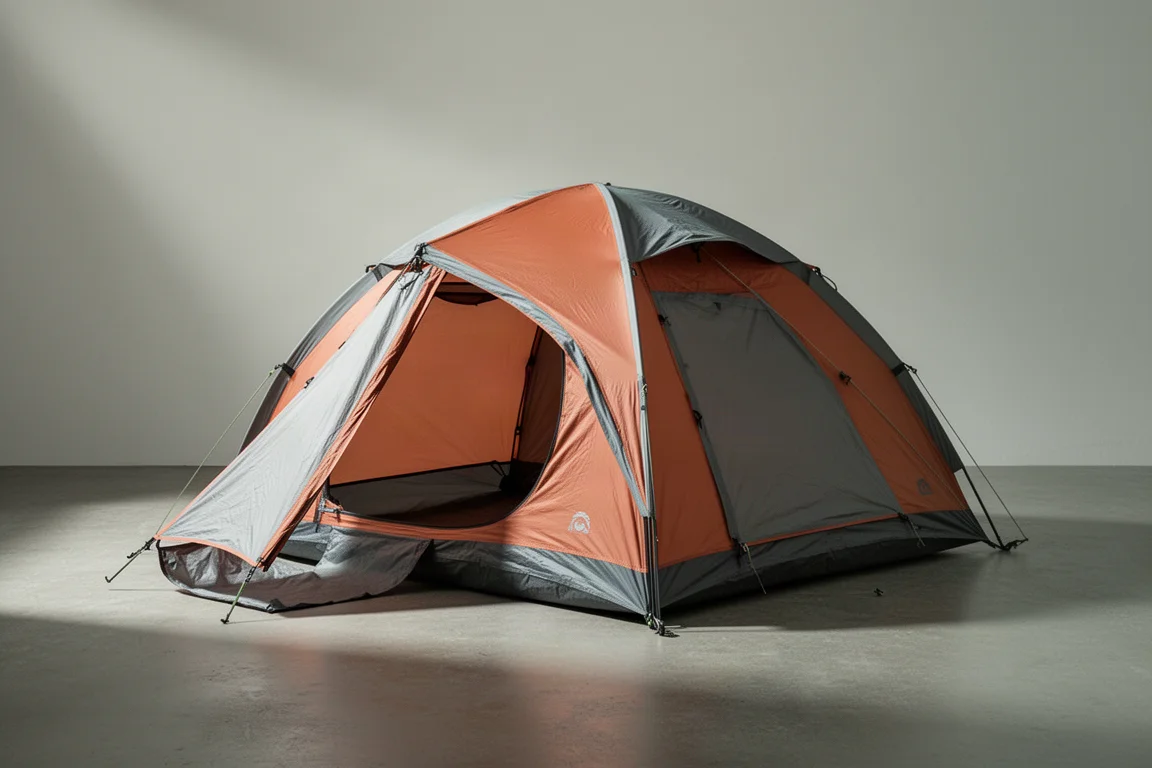
Alps Mountaineering Lynx 1-Person Tent Review: Big Value in a Small Budget Tent
A close look at the Alps Mountaineering Lynx 1-Person Tent, covering real interior dimensions, materials, setup time, ventilation limits, and who should buy it.