Astronomy
Explore Scientific 100° Series Eyepieces: The 20mm and 5.5mm Ultra-Wide Pair
Two massive 100-degree eyepieces that deliver a spaceship-porthole view of the night sky, with honest notes on coma, focus travel, and telescope balance.
Introduction
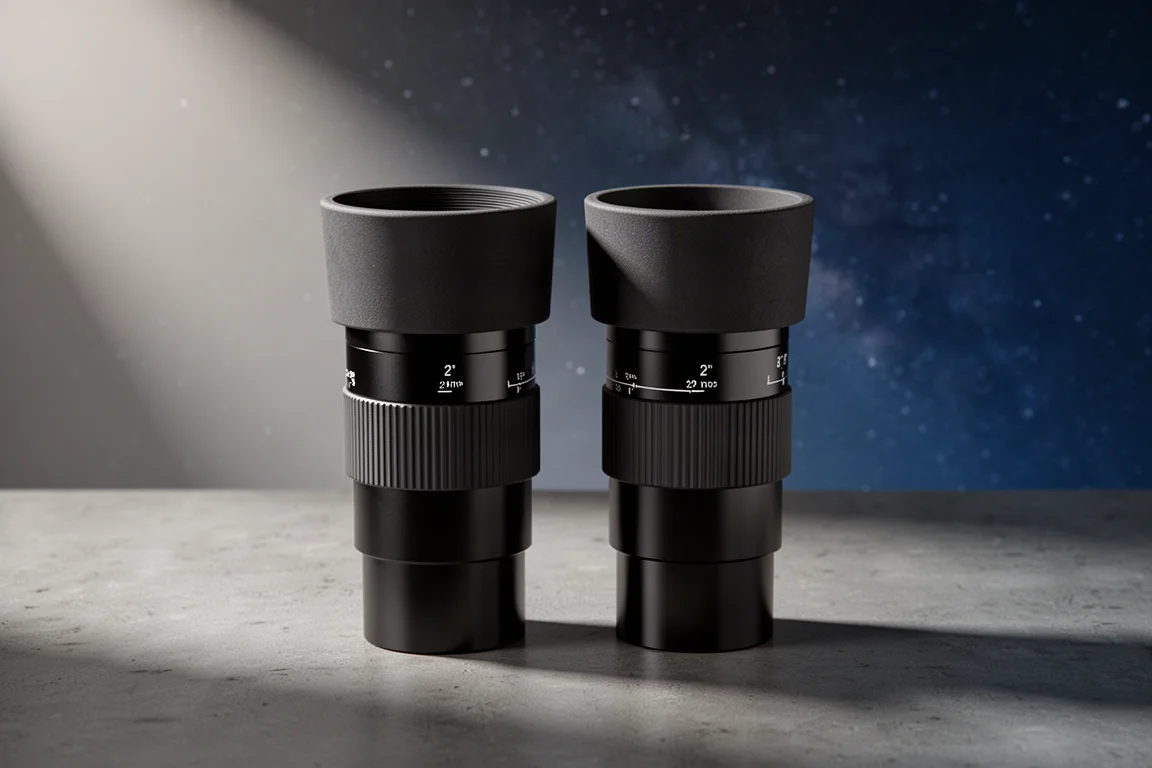
Most eyepieces live somewhere between 50 and 82 degrees of apparent field of view. These two do not. The Explore Scientific 100° series eyepieces in 20mm and 5.5mm offer a full 100-degree apparent field of view, which is wider than a right angle and, in practice, wider than anything most observers have ever looked through.
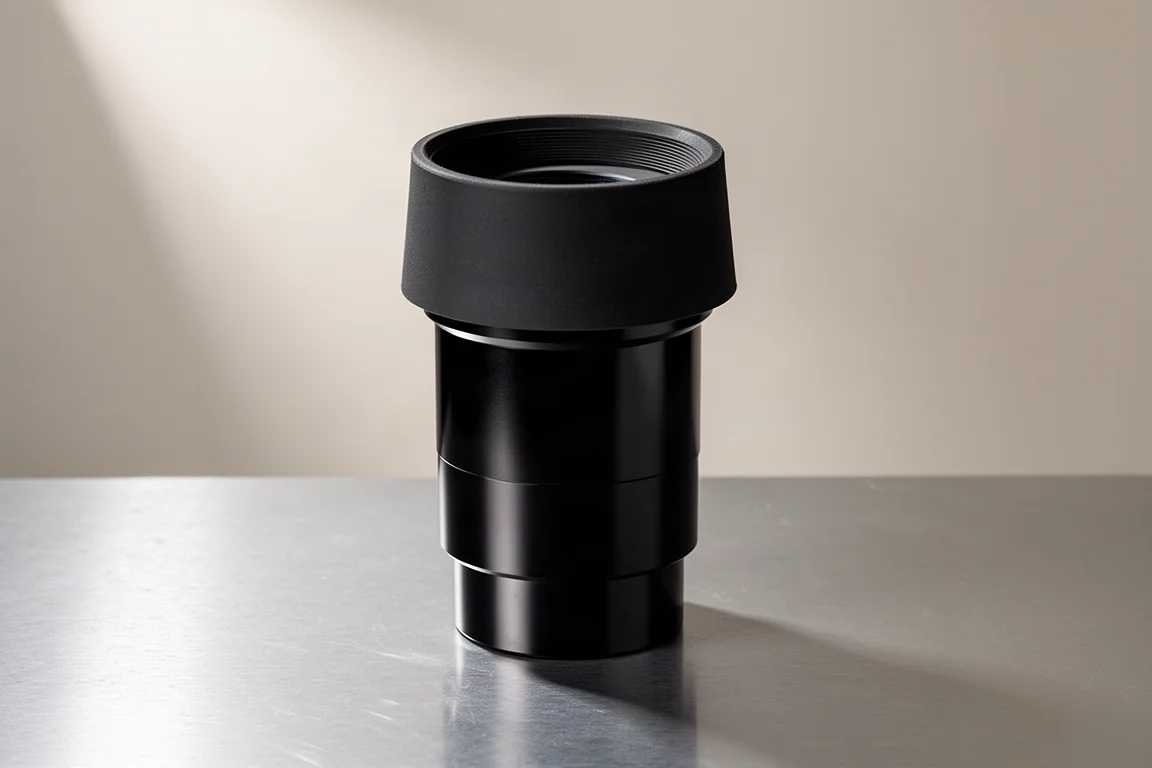
Both use 2-inch barrels, and both are physically enormous. The 20mm weighs roughly 1 pound 15 ounces, and the 5.5mm comes in around 1 pound 5 ounces. These are beasts by any eyepiece standard, and they behave like it in use. Here is what the experience is actually like, and what you should check about your telescope before committing.
What a 100° Field of View Actually Feels Like
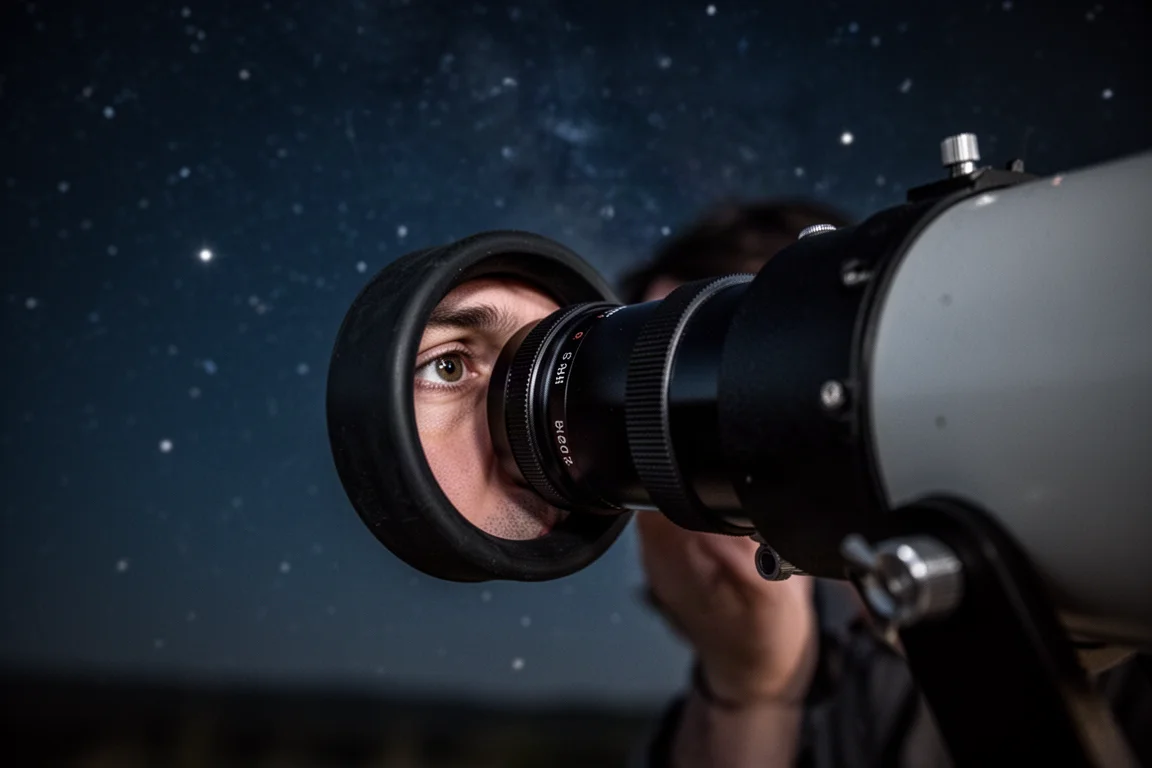
The defining trait of these eyepieces is how wide the view is. When you look through one, you have to move your eyeball side to side just to see the edges of the field. Some observers compare it to looking through the porthole of a spaceship out into the darkness of space, and the comparison holds up. The effect is genuinely disorienting the first time you use one.
That immersive quality is the entire point. If you want the most immersive visual experience astronomy can offer at the eyepiece, this is the kind of optic that delivers it.
Field of View and Magnification, Briefly
A quick refresher helps make sense of what you are buying. The 100° printed on the eyepiece is the apparent field of view, describing the angular cone of light exiting the eyepiece. The telescope gathers light, focuses it to a sharp bright image inside the focuser tube, and the ratio of telescope focal length to eyepiece focal length gives you magnification. On an 8-inch Dobsonian with a 1,200mm focal length, a 12mm eyepiece yields about 100x.
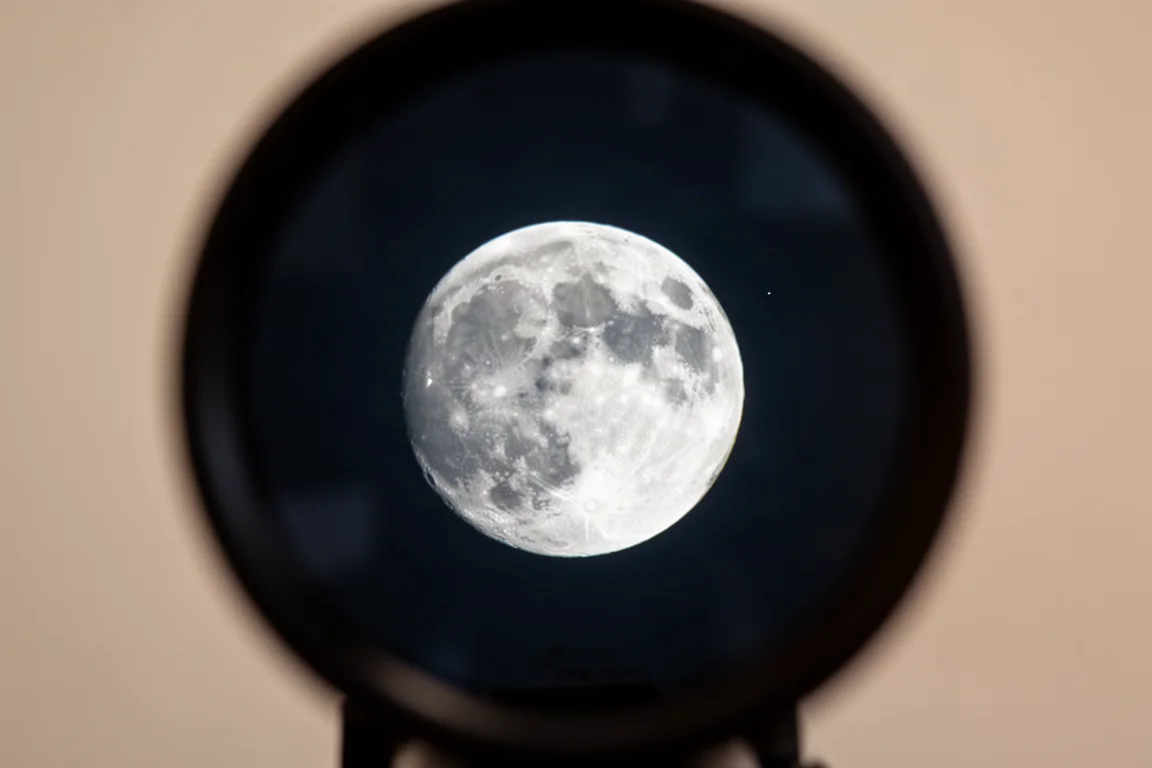
The telescope does shrink the true field of view you see on the sky. A rough approximation: true field of view equals apparent field of view divided by magnification. A 50-degree Plossl at 100x gives roughly half a degree, just enough to fit the full moon, which is itself about half a degree wide. The 100° eyepiece at the same magnification doubles that usable window.
The difference is easy to see in practice. Comparing 20mm eyepieces side by side on the moon, an old Huygens with roughly a 30 to 35-degree field shows a tiny circle. A 50-degree Plossl shows more. The 100° view simply swallows the scene entirely, so wide that a smartphone camera could not even capture its edges.
Coma: The Trade-off You Should Know About
Wide-field eyepieces are where coma becomes visible. Coma stretches stars near the outer edges of the view into little comet shapes, and it shows up mainly in wide-angle eyepieces used in telescopes with small focal ratios. The focal ratio is the telescope’s focal length divided by its mirror diameter.
In testing, coma was not noticeable in telescopes with a focal ratio of f/6 or higher, which is good news for 8-inch Dobsonian owners. A faster 12-inch Dobsonian at f/4.9 did show slightly blurry stars at the far edges. The fix is a coma corrector, an accessory that works like a large corrective lens. It resembles a big barlow but does not change magnification, and it includes adjustment and a locking ring for different eyepieces. Note that coma is more pronounced in lower magnification, longer focal length eyepieces like a 20mm or 30mm than in the 5.5mm, though all wide-field eyepieces can benefit from a corrector.
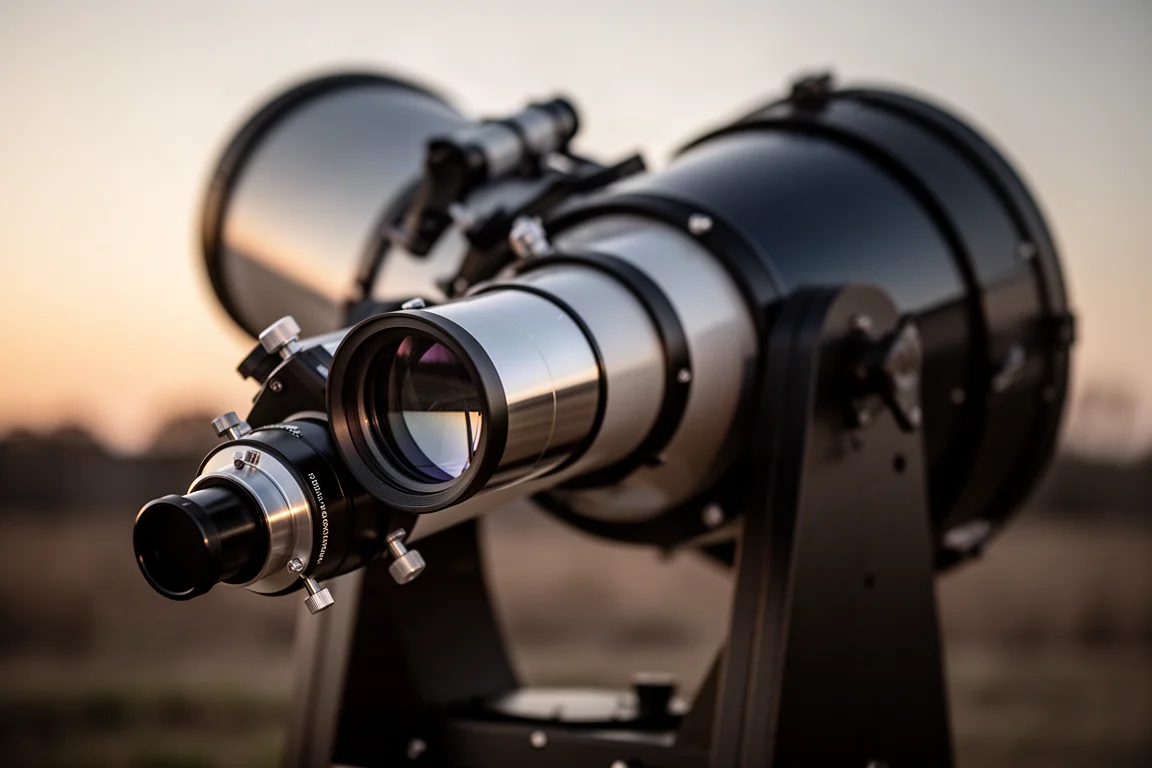
There is one practical catch. On a 12-inch f/4.9 Dobsonian, the coma corrector cleared up the 5.5mm but the focuser tube was too short to reach focus with the 20mm, a problem that would require moving the primary mirror forward and longer collimation screws. The 20mm still works fine without the corrector; it just shows a little edge blur on fast scopes. On the opposite end, reaching focus with the 5.5mm on an 8-inch Dobsonian required pulling the eyepiece out about a quarter inch because the focuser hit its extension limit.
Practical Handling Notes
These eyepieces are heavy enough to cause slight balance problems on the telescope. Adding counterweights is a simple fix worth planning for before your first night out.
One more accessory to know about: 2-inch barlow lenses exist, and they matter here. A barlow doubles the magnification of any eyepiece, turning the 20mm into an effective 10mm, and importantly it does not affect the apparent field of view. You keep the wall-to-wall 100° experience while gaining flexibility. Given the cost of each of these eyepieces, a good 2-inch barlow is a practical way to expand your magnification range without buying another ultra-wide eyepiece.
The 5.5mm for Planets and the Moon
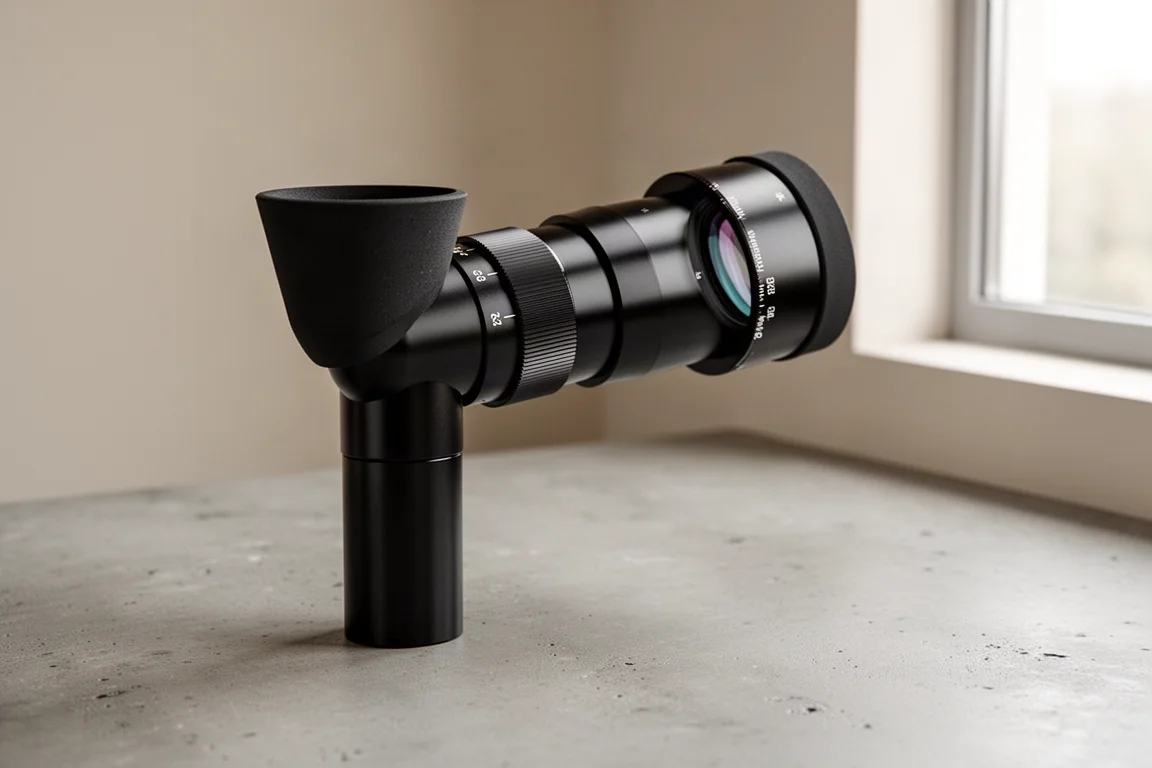
The 5.5mm is the high-magnification half of this pair, and it is excellent for planets. It also turned out to be one of the most fun eyepieces possible for viewing the moon. It does not just bring the lunar surface close; the massive field around it makes the whole experience feel larger than life. Going back to a conventional narrow-field eyepiece afterward is a genuine shock.
Buying Advice
Before buying, check three things about your telescope. First, your focal ratio: f/6 or higher means coma will likely not bother you, while faster scopes should budget for a coma corrector. Second, your focuser travel, since reaching focus with very short or very long focal length eyepieces can push a focuser to its limit. Third, your balance setup, because a pound-and-a-half eyepiece changes the weight distribution of most Dobsonians.
If your telescope can accommodate them, these are the eyepieces to choose when you want maximum immersion rather than a incremental upgrade. The 20mm covers rich-field, low-magnification sweeping, and the 5.5mm handles planets and lunar detail, and together they cover both ends of the ultra-wide experience.
Conclusion
The Explore Scientific 100° series 20mm and 5.5mm eyepieces live up to the spaceship-porthole promise. They are heavy, demanding of your telescope’s focuser and focal ratio, and absolutely not budget items, but nothing else delivers a view this wide. For observers who have already settled on a solid telescope and want the most immersive eyepiece experience available, this pair is a memorable choice.
Further reading
Related Reviews
Astronomy
Astronomy Gifts for Dads: Binoculars, Telescopes and Accessories Worth Giving
A practical gift guide covering stargazing binoculars from around $50, beginner telescopes under $500, and accessories under $100.
Astronomy
Best Filters for EAA in Light Pollution: What Short-Exposure Testing Actually Showed
Five astronomy filters and two noise reduction tools tested under light polluted skies for electronically assisted astronomy, with practical results for broadband and narrowband targets.
Astronomy
Six Premium Eyepieces That Transform a Beginner Telescope
A hands-on comparison of Tele Vue Panoptic, Tele Vue Nagler, and Baader Hyperion eyepieces, and why upgrading the stock eyepieces is the best first move in stargazing.