Backpacking Gear
Experienced Backpacker Gear List: 10 Field-Tested Picks Worth Considering
Two experienced backpackers, one trail, two very different kits. A practical look at the packs, shelters, sleep systems, and layers that earned a place in each pack.
Introduction
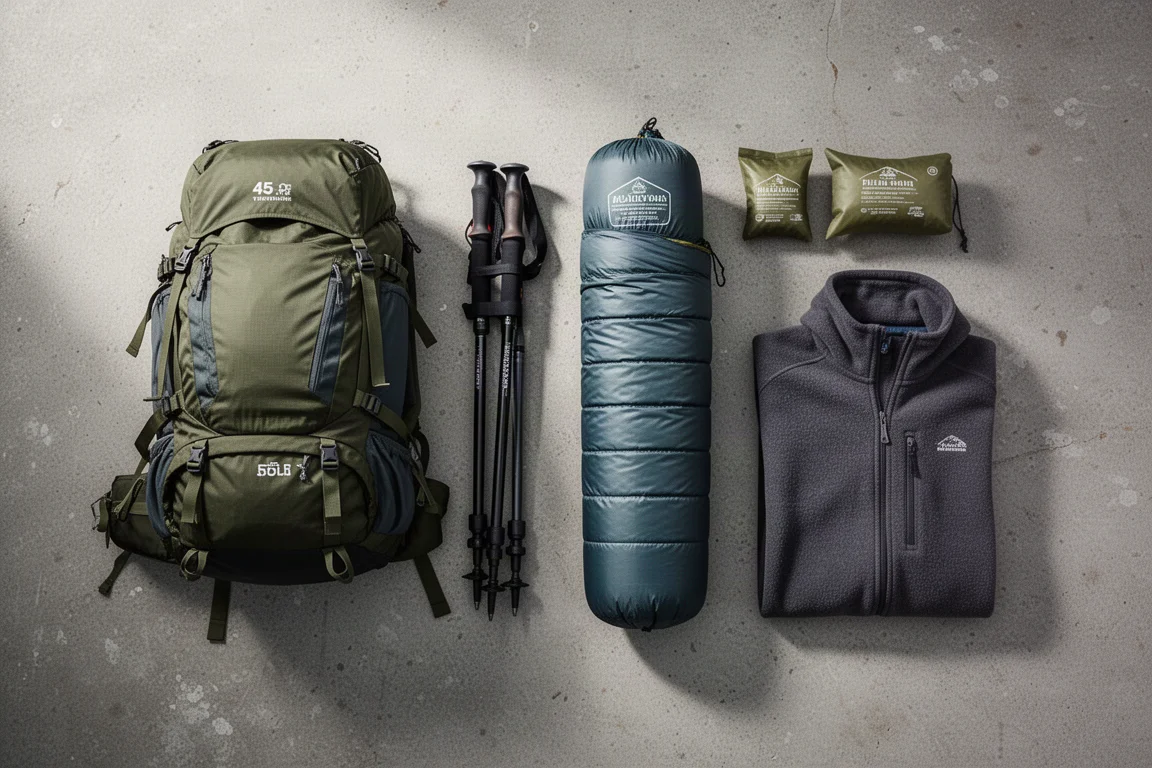
Two experienced backpackers. Same route, same weekend, two kits that look almost nothing alike. That contrast is the useful part. An experienced gear list is not a universal answer key, it is a set of decisions shaped by body size, sleep habits, the terrain someone walks most, and how much weight they are willing to trade for comfort.
What follows is a walk through the packs, shelters, sleep systems, and layers that came out of two backpacks on one trip. Some items have been in service for years. Others are on their first outing. Both kinds tell you something worth knowing before you spend money.
How Two Different Kits Approach the Same Trail
One hiker describes an early obsession with low weight, pushed almost to the point where comfort suffered. Over time the arithmetic changed. A closed-cell foam pad is no longer tolerable, and a cushy inflatable pad plus a camp chair now earn their place in the pack. The big three stay light, and those savings pay for comfort elsewhere. The long 25 to 30 mile days are in the past, so the kit no longer has to be built for them.
The other hiker tests a lot of gear and points out that without that job, the kit would probably stay static for years. Good gear that has not failed and still checks the boxes is not a reason to replace it. An upgrade makes sense when something breaks, leaks, or stops being the right tool for the job.
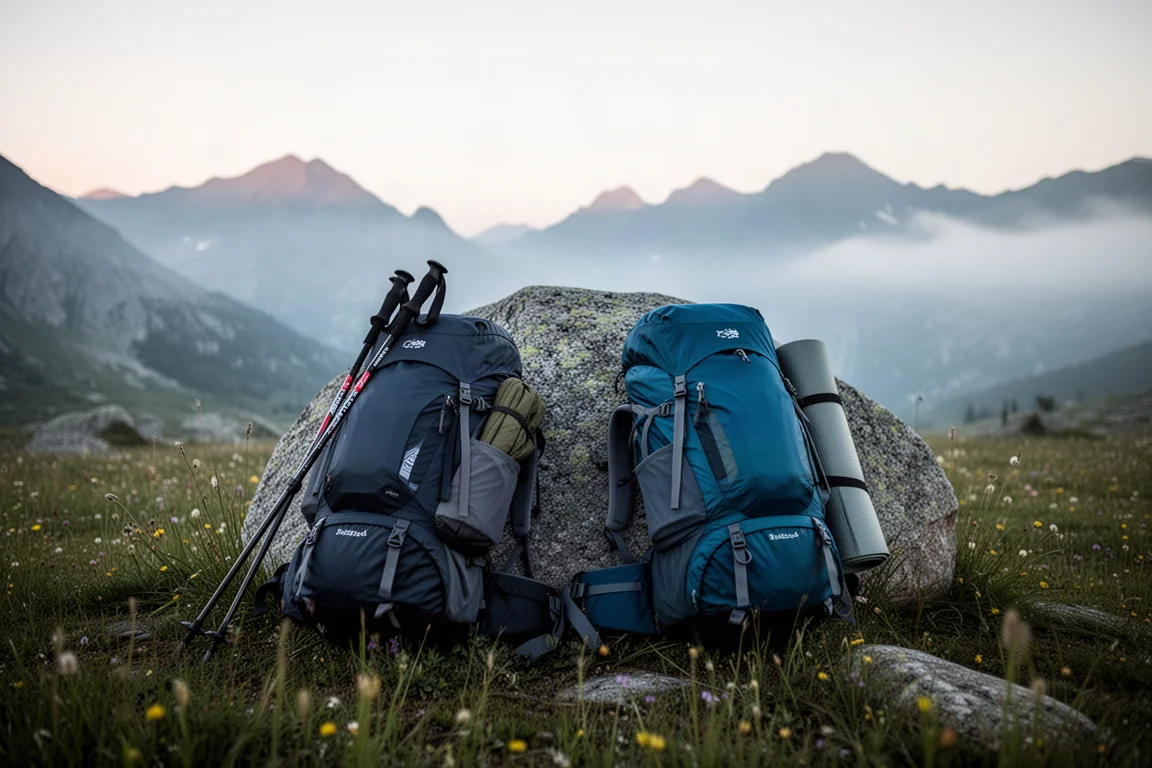
A practical number to hold onto: a base weight somewhere between roughly 10 and 14 pounds is realistic and entirely fine. A six-foot, 230-pound hiker in the group runs about 14.5 pounds, because every layer, quilt, and pad has to come in a larger size. Body size changes the arithmetic more than most gear lists admit.
Best Budget Backpack: Osprey Kestrel LT 45
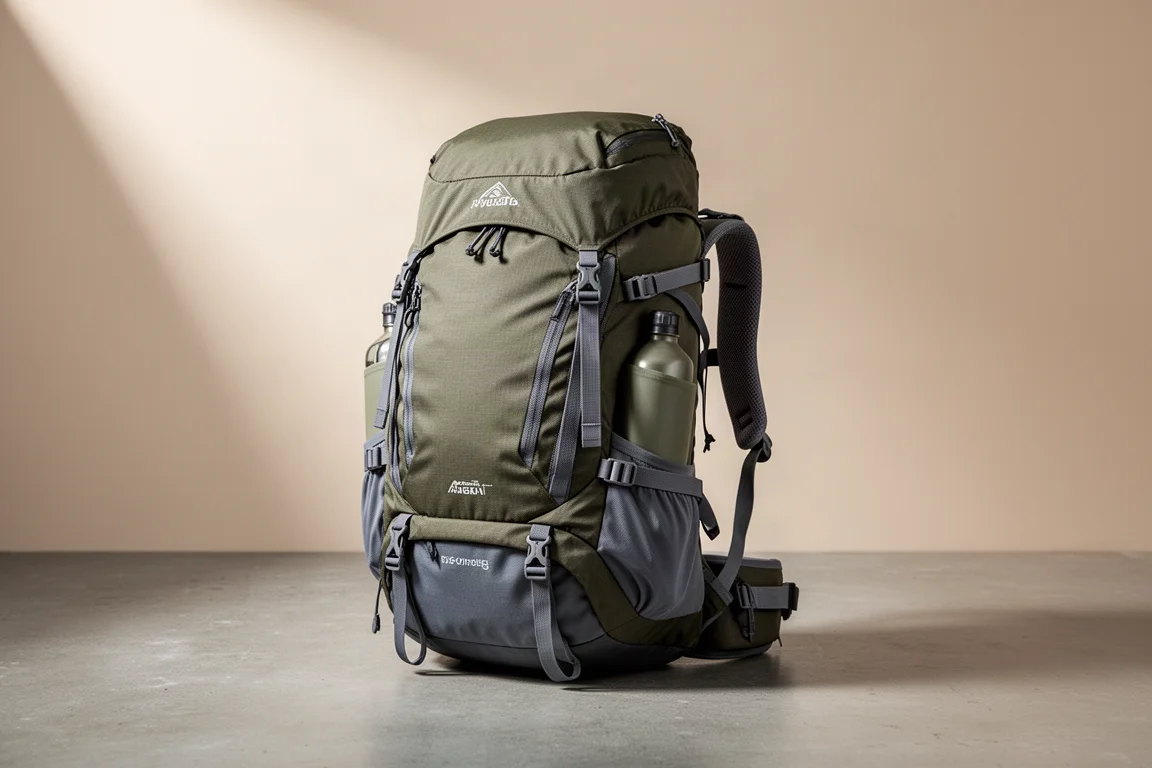
The Kestrel LT 45 is the lower-cost, full-featured option in this comparison, and it was on its first trip out. The appeal is straightforward: a mainstream pack with a complete feature set at a price that is easier to justify than a cottage-made frame. The trade-off is mass, roughly 4 pounds, which is exactly where the weight gap against a 27-ounce framed pack comes from.
For anyone who hikes a handful of trips a year, or who wants a pack that can double as a general camping and travel bag, that trade is often a reasonable one.
Best Custom-Framed Pack: Pilgrim Roan 45 L
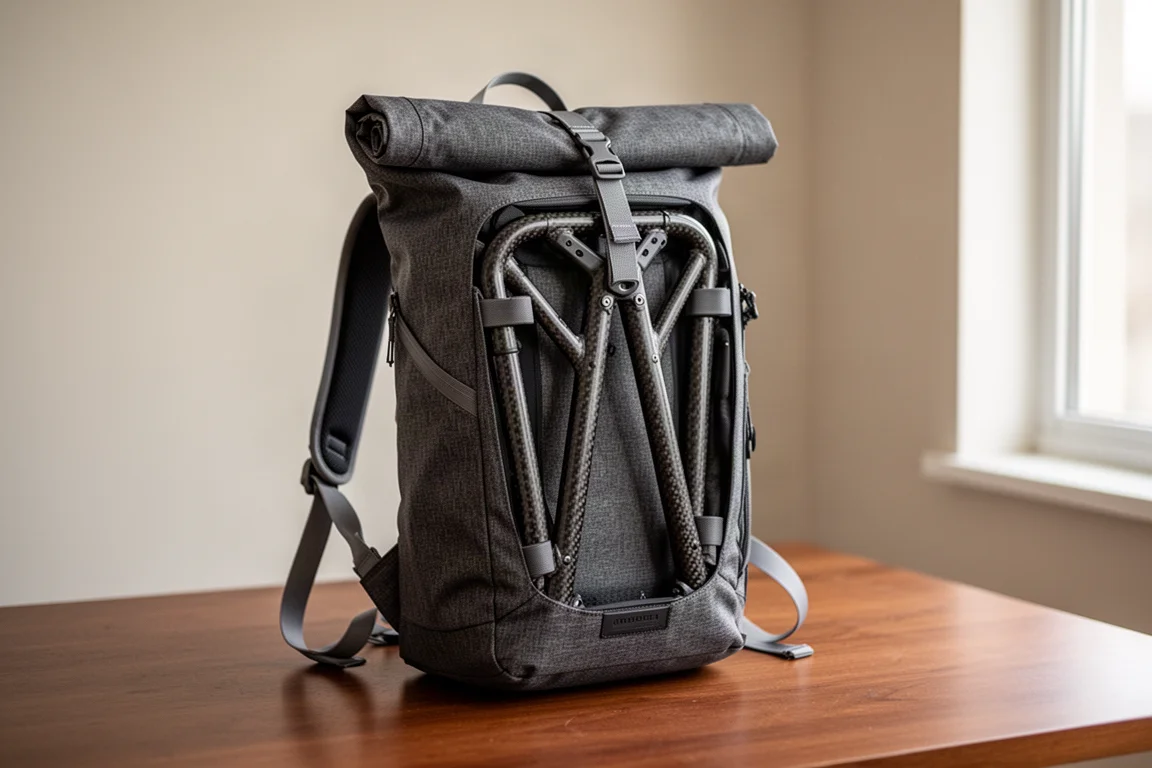
The Roan 45 L is a custom-built pack made in Utah, and it has been the primary pack for about a year of hard use, including desert trips. It weighs around 27 ounces despite a carbon internal frame, which is remarkable for a fully framed pack. The feature set is complete: somewhat adjustable torso length, comfortable shoulder pads, and a full hip belt. Despite visible wear and tear, there have been no hot spots or pressure points, which is the real test of a frame and harness.
Sizing is worth a note. The listed torso range originally stopped at 20 inches, and a 22-inch torso request led to an extra-large size being added. Tall hikers who normally struggle to find a fit should ask directly.
Best Ultralight Solo Shelter: Outdoor Vitals Cirque
A one-person trekking pole tent that comes in under 2 pounds is a genuinely light shelter, and this one has performed well in testing. The caveat is interior volume. With a 25-inch wide pad inside, it feels tight, and because the rear wall has no zipper, there is no way to push that space outward into a closed vestibule. That footprint-to-usable-space ratio is a familiar weakness in single-person trekking pole shelters.
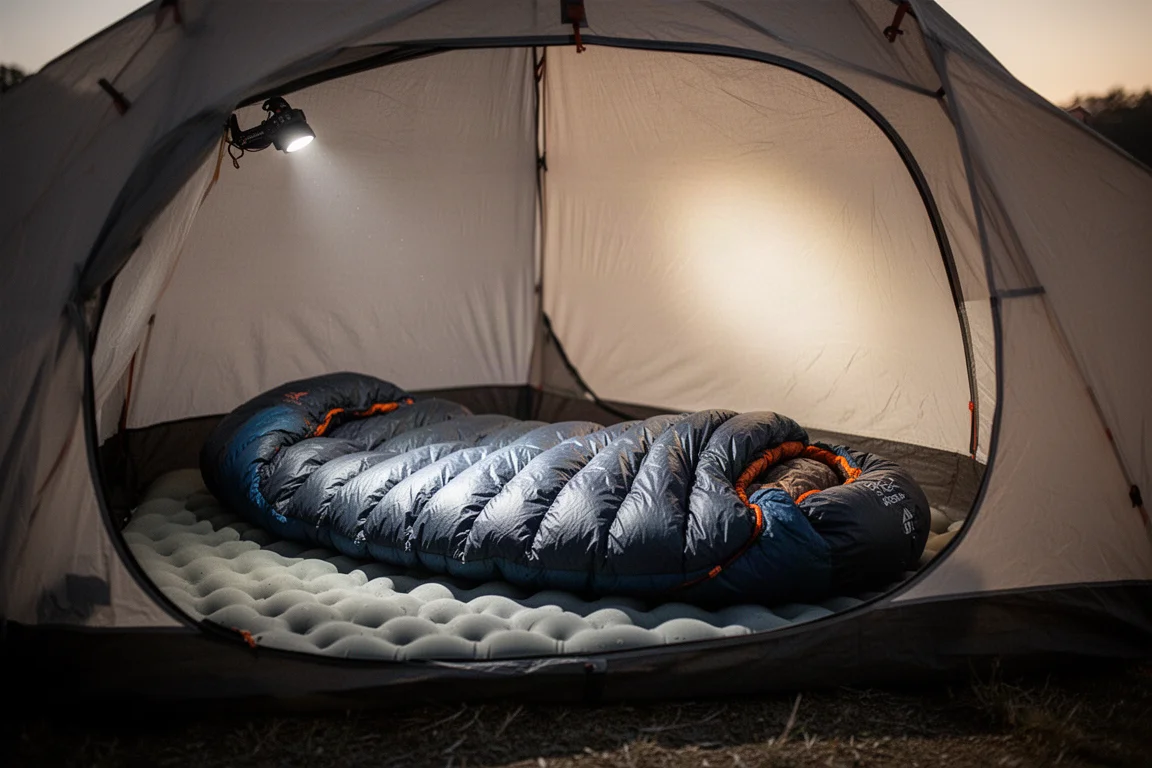
If you sleep compactly and count every gram, this is a strong choice. If you use a wide pad and like room to spread out, a two-person shelter is the more comfortable answer.
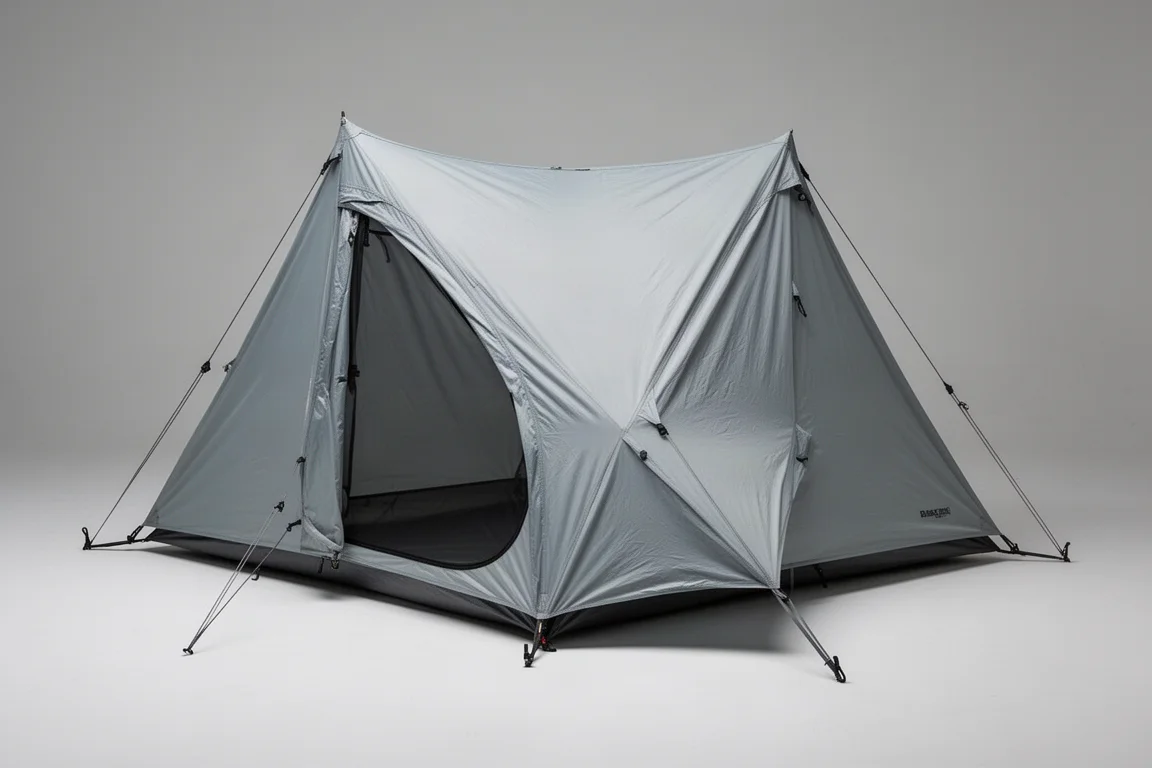
Best Two-Person Trekking Pole Tent: Durston X-Mid 2
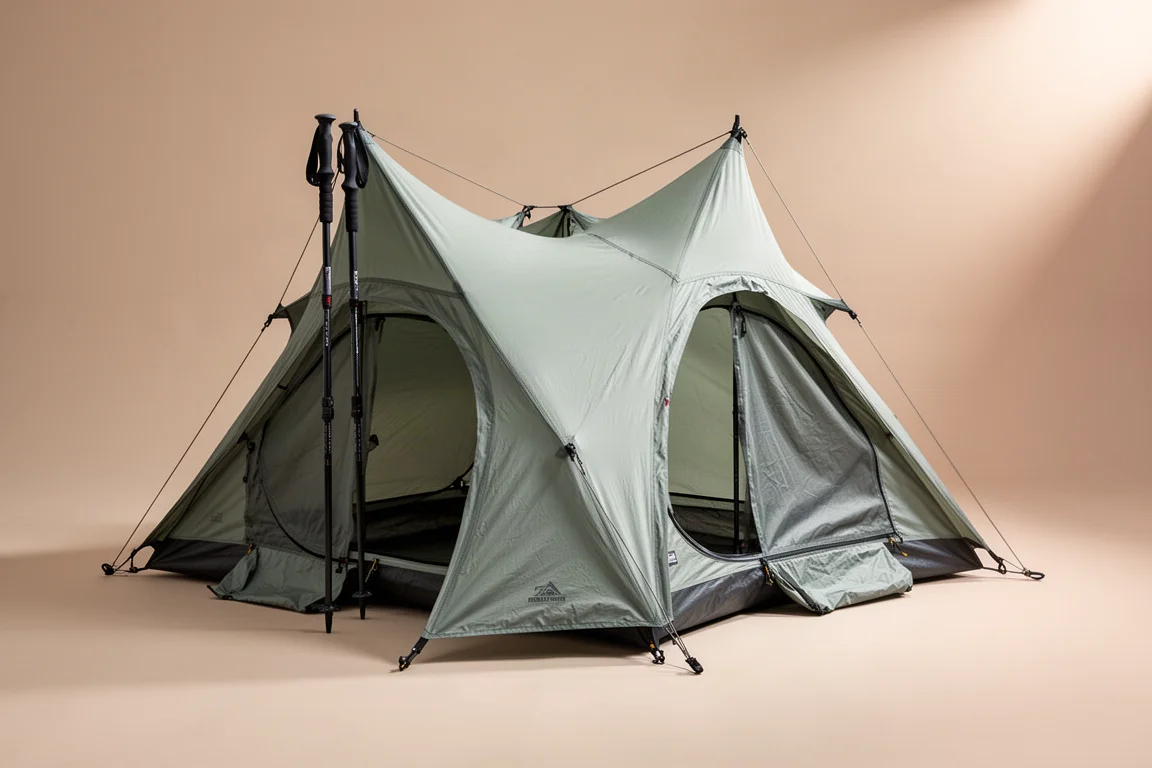
This is an early version of the X-Mid 2, still in service and still doing its job. It has been the shelter of choice when a large dog comes along, because a smaller one-person-plus design proved cramped for a hiker and a 50-pound German Shepherd. The model has gone through several revisions since this version, and the honest lesson is that the earlier tent still works. Newer does not automatically mean necessary.
Best Custom Down Sleeping Bag: Cumulus X-Lite
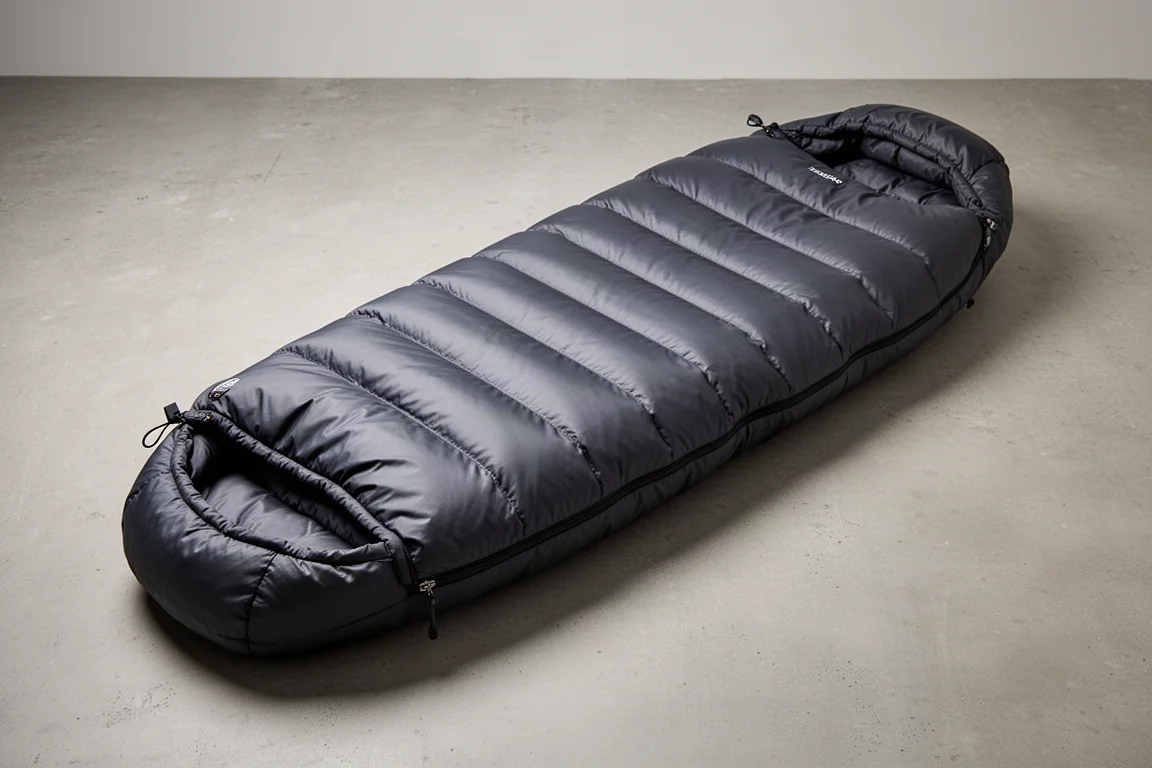
Custom sleeping bags are rare. Most made-to-order options in backpacking are quilts, so the ability to choose fill power, extra down, fabrics, colours, and zipper length in a bag is unusual. This build lands around 18 to 20 ounces with a 28°F comfort rating and, importantly, sleeps well. The catch is price, roughly $600 as configured, which puts it firmly in premium territory.
Best Value Sleeping Pad: Paria Outdoor Products Elevate XL
At about $140 for a 25-inch wide, 76-inch long pad with a stated 5.4 R-value, this is one of the better value propositions in the sleep system. It uses three layers of insulation and is offered in one of three sizes. The intent is similar to far more expensive pads from larger brands: a wide, warm, comfortable surface for a fraction of the cost.
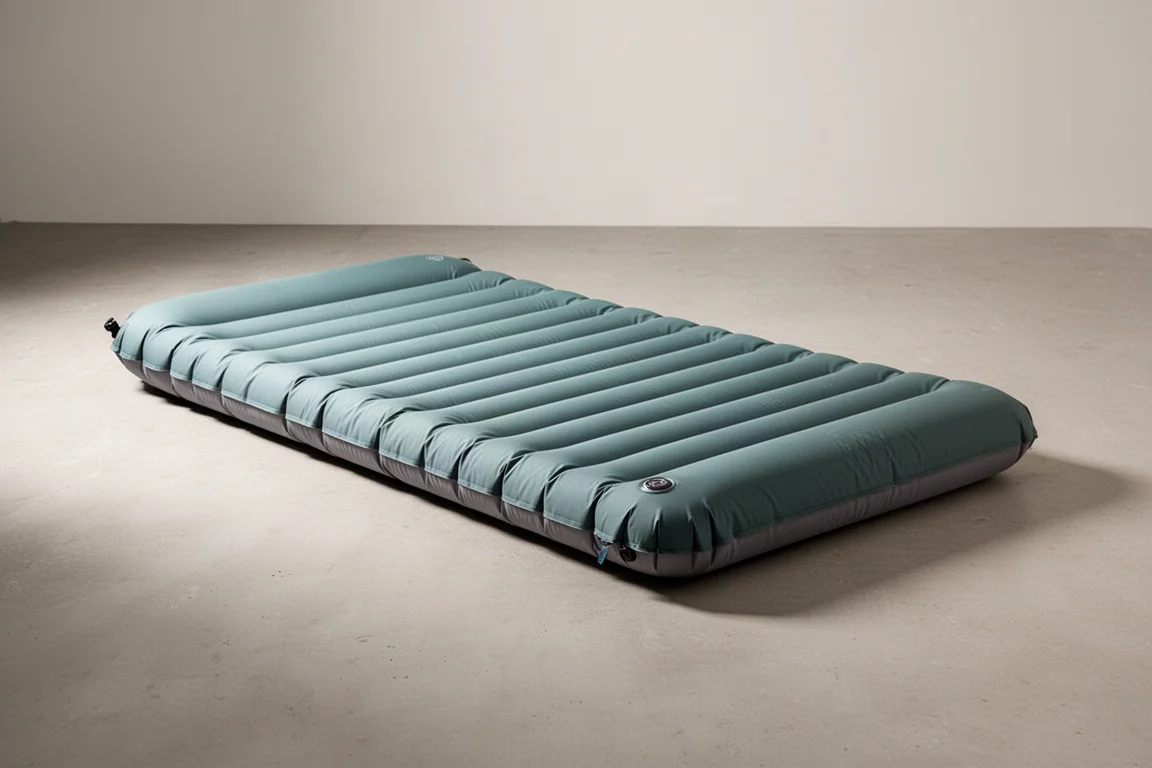
Best High R-Value Sleeping Pad: Nemo Eclipse
The Eclipse, in regular wide, is the pad that fixed a long-running sleep problem. It is thicker than the previous generation, with reoriented baffles and a different material, and it carries a 6.2 R-value at around $160. On paper that specification looks like it should cost well over $200. The warranty experience is worth mentioning too: a pad that developed a leak was replaced without argument.
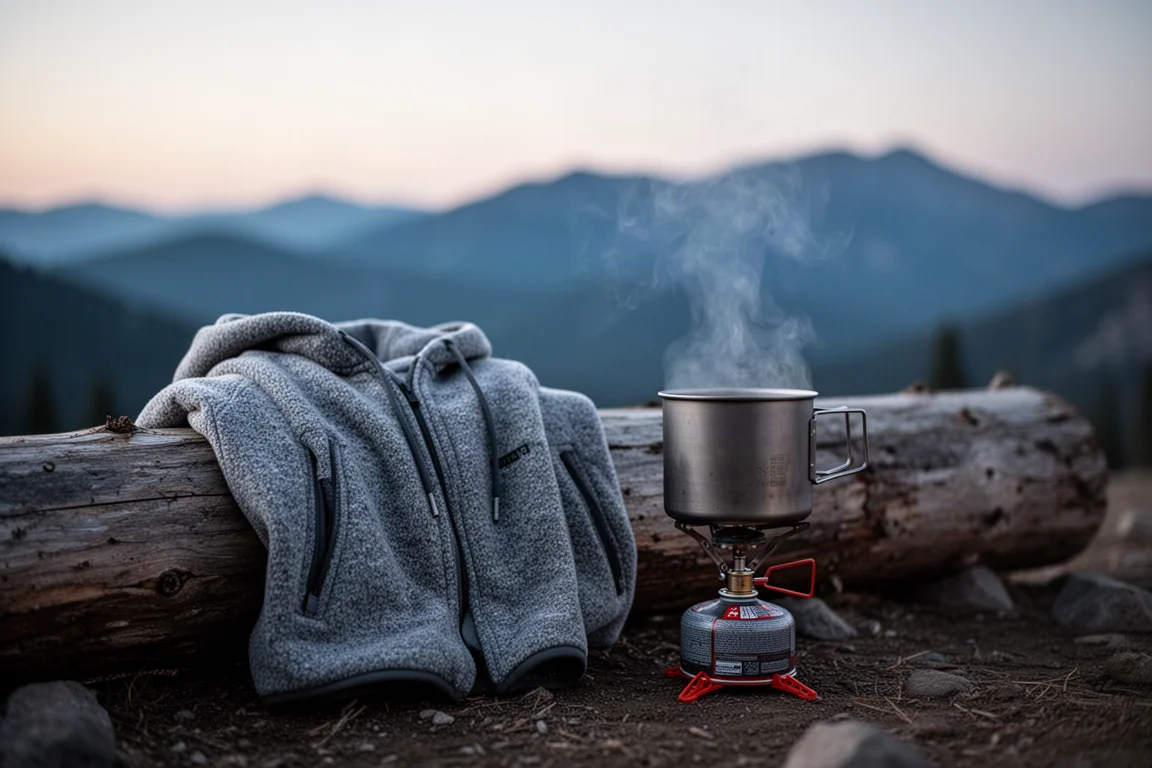
Pad comfort is deeply individual. A pad with excellent specifications can still be the wrong pad for a particular body type and sleep position, and that is worth remembering before you buy on the strength of a spec sheet alone.
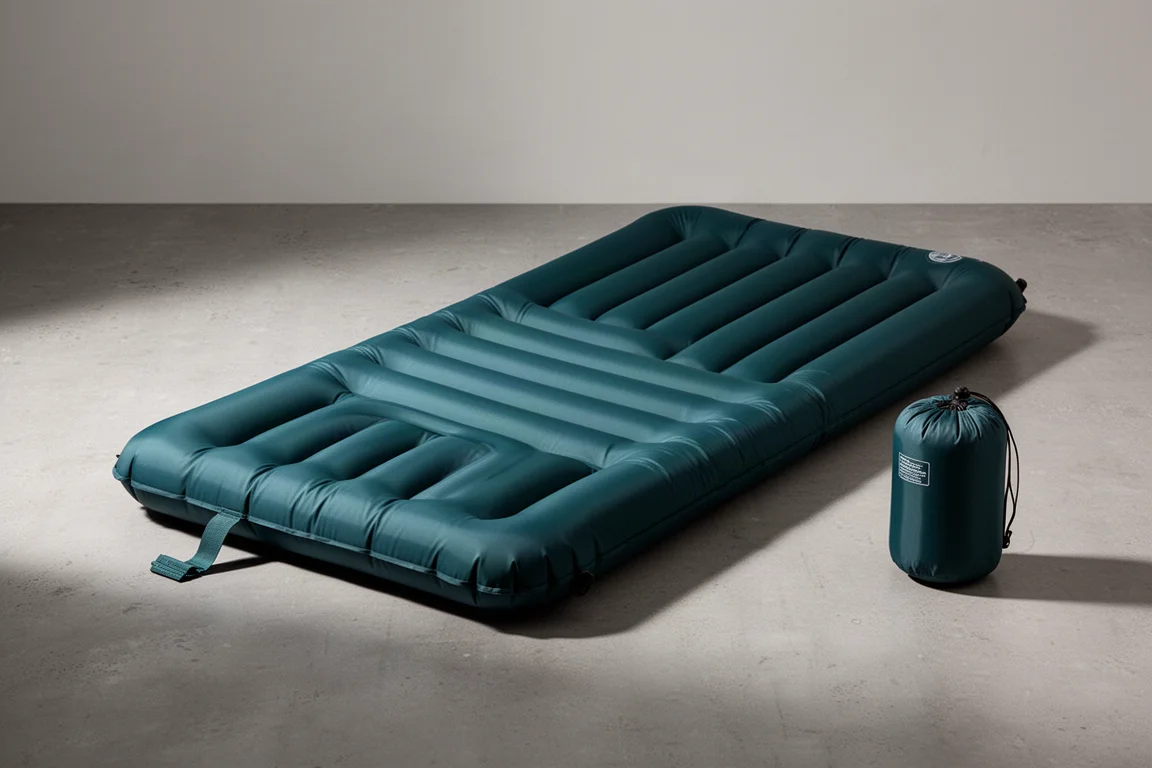
Best Synthetic Quilt: Enlightened Equipment Apex Enigma 20
This quilt has been in use for a very long time, and the synthetic fill was a deliberate choice. It packs larger and weighs a little more than a comparable down quilt, but it sleeps warm and comfortable. The Apex insulation is a single continuous sheet rather than loose fill, which means fewer stitch lines and less chance of the fill shifting into cold spots over the years. For anyone avoiding animal products, or who simply prefers synthetic insulation, it is a strong long-term option.
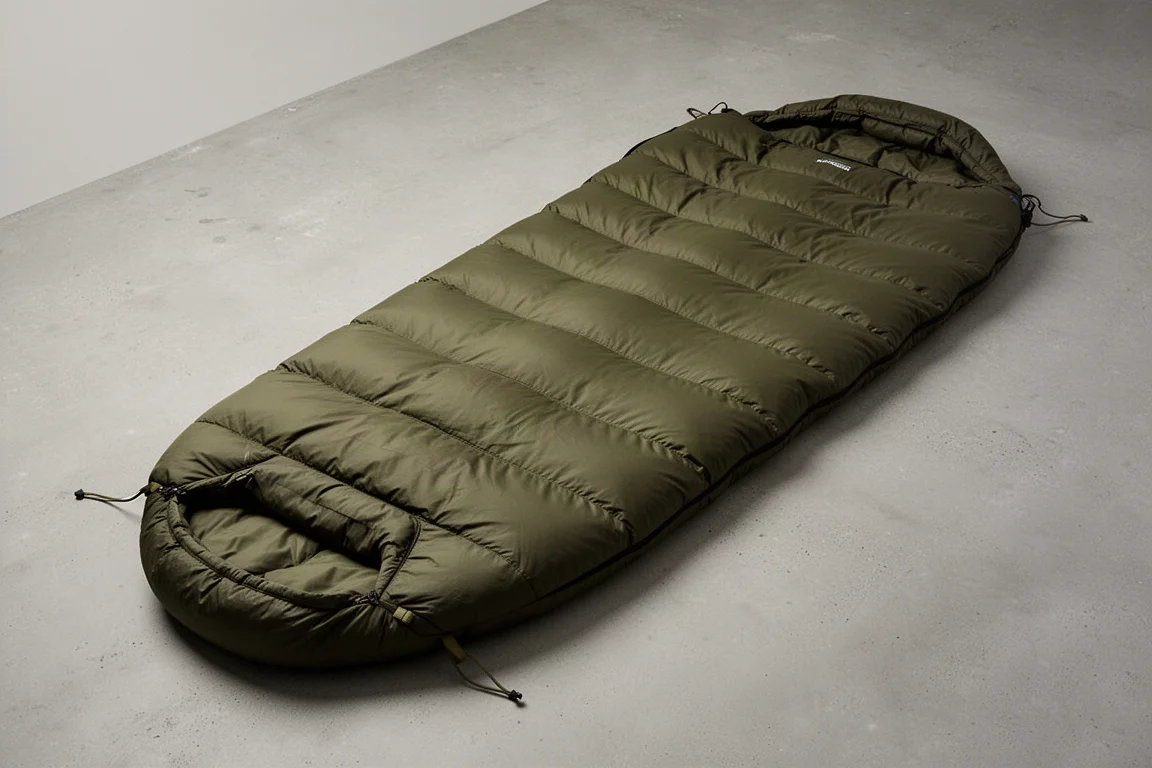
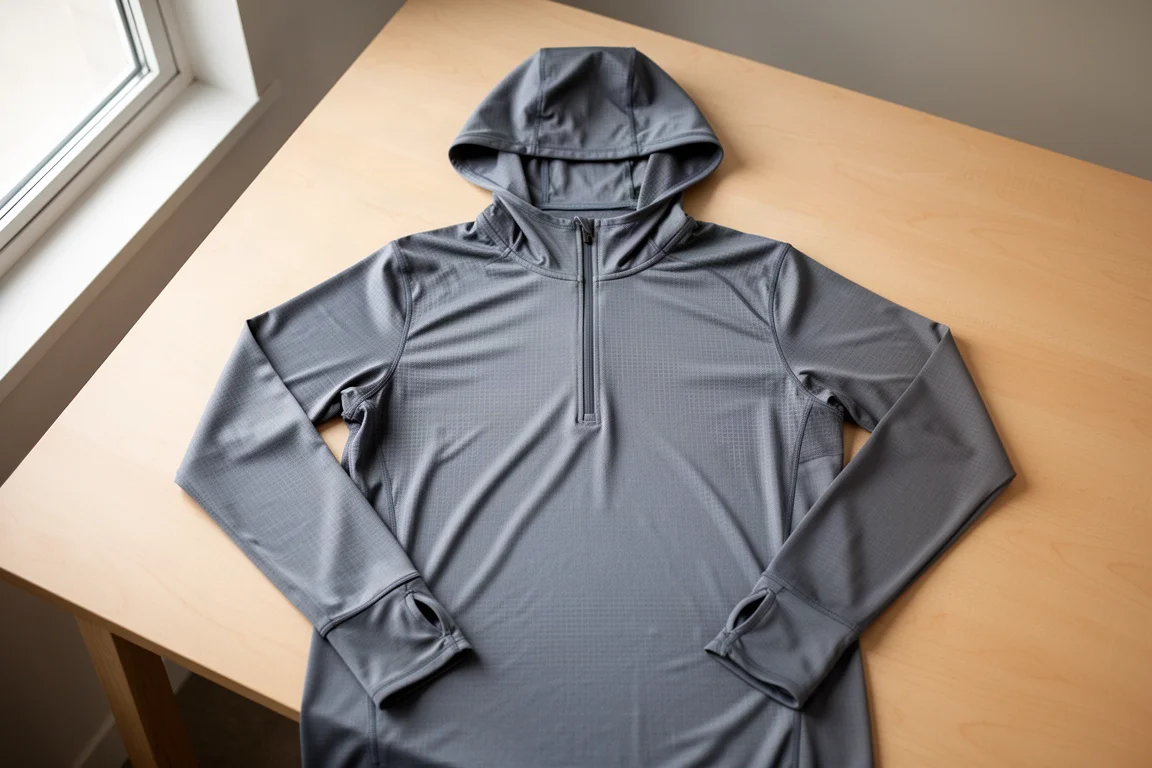
Best Active Mid Layer: Outdoor Vitals Pursuit Hoodie
This mid layer was developed with feedback from the trail, and the changes show: a longer torso, refined sleeve length, and a better fit through the shoulders. The point of it is temperature regulation while moving. For hikers who run hot and overheat easily in highly breathable active insulation, that makes it the more usable choice on the move.
Best Camp Mid Layer: Magnet Designs Alpha Hoodie
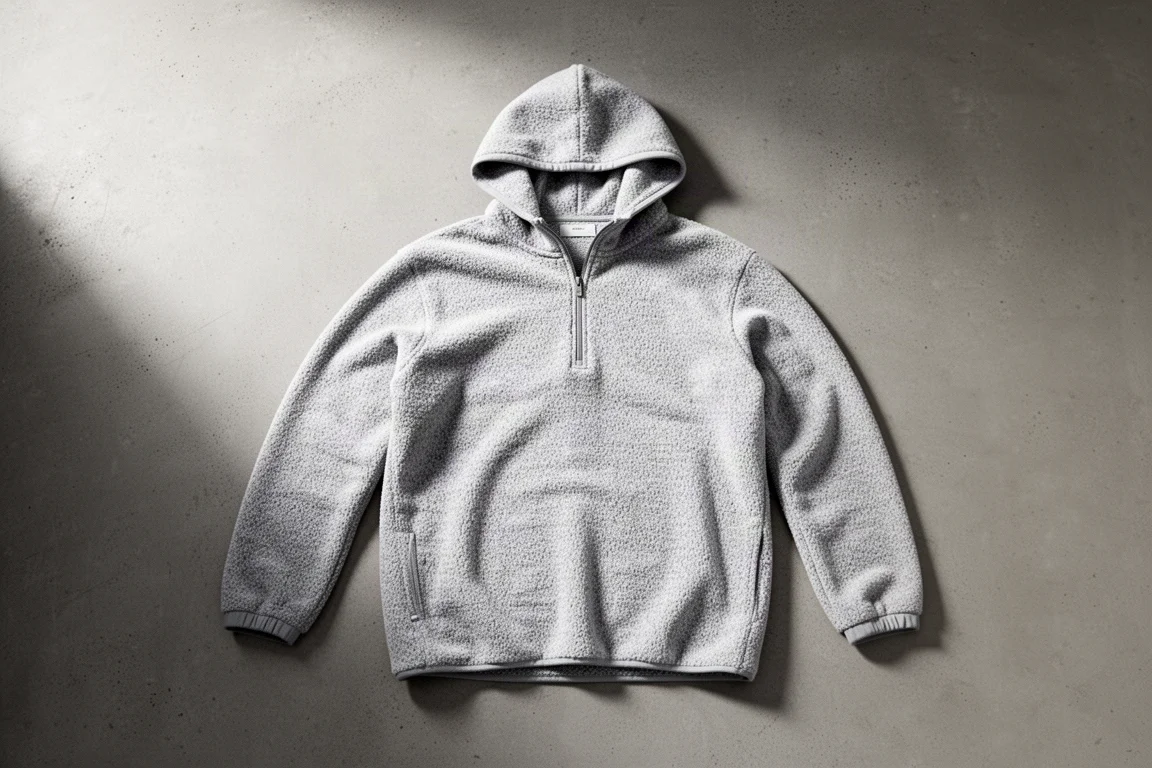
Alpha Direct insulation is popular for good reason: it is exceptionally warm for its weight. This version was designed by a thru-hiker and shows better fabric quality and a better fit through the chest than an earlier hoodie that did not work out. Because it is so warm, it tends to shine at camp and during stops rather than on the move, particularly for hikers who run hot.
How to Choose What Belongs in Your Kit
The clearest lesson from two kits on one trip is that the right gear is personal. A layer that is perfect for a cold sleeper who sits still at camp can be the wrong layer for someone who runs hot on the climb. A pad with excellent specifications can still be the wrong pad for your body.
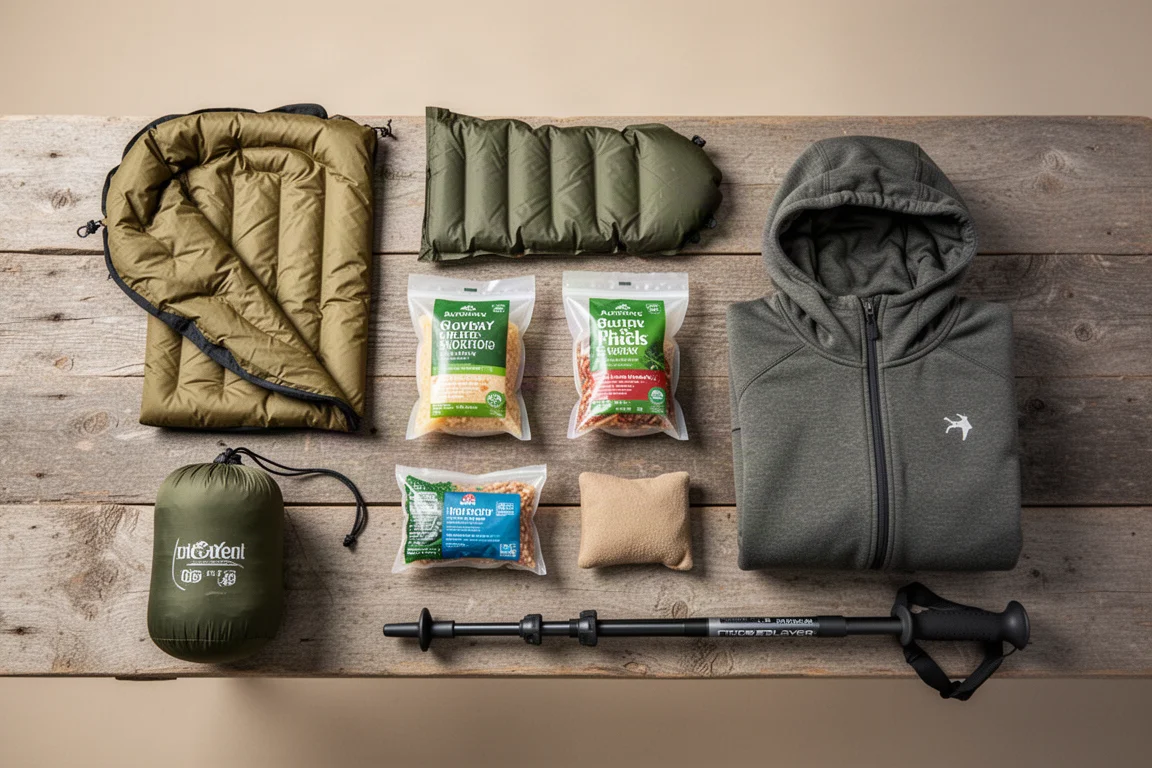
A few filters help. Buy for the terrain you actually hike, not the terrain you aspire to. Choose insulation type based on your priorities: down saves weight and pack space, while synthetic handles a wider range of conditions and suits hikers avoiding animal products. Treat the big three as the place to save weight, and spend those savings on the comfort items that keep you sleeping and recovering well. And when a piece of gear is working, keep it. Replacements make sense when something fails or stops fitting the job.
Conclusion
Two packs, one trail, and two kits that share almost no overlap. That is not a sign that one of them is wrong. It is a sign that experienced backpackers build around their own bodies, their own terrain, and their own tolerance for discomfort. A budget-friendly pack like the Osprey Kestrel LT 45 makes sense for occasional trips, while a light custom frame like the Pilgrim Roan 45 L rewards hikers who want weight savings without giving up structure. The Outdoor Vitals Cirque is a genuinely light solo shelter for compact sleepers, and the Durston X-Mid 2 covers the trips where a hiking partner or a large dog comes along. On the sleep side, the Cumulus X-Lite is a rare custom down bag, the Paria Elevate XL delivers a wide, warm pad at about $140, the Nemo Eclipse pairs a 6.2 R-value with a mid-range price, and the Enlightened Equipment Apex Enigma 20 remains a dependable synthetic quilt. For layers, the Outdoor Vitals Pursuit Hoodie is built for moving and the Magnet Designs Alpha Hoodie is built for standing still. Match any of them to how you actually hike, and you will carry less regret than weight.
Further reading
Related Reviews

Backpacking Gear
Building a 10 lb Base Weight: An Ultralight Backpacking Gear List
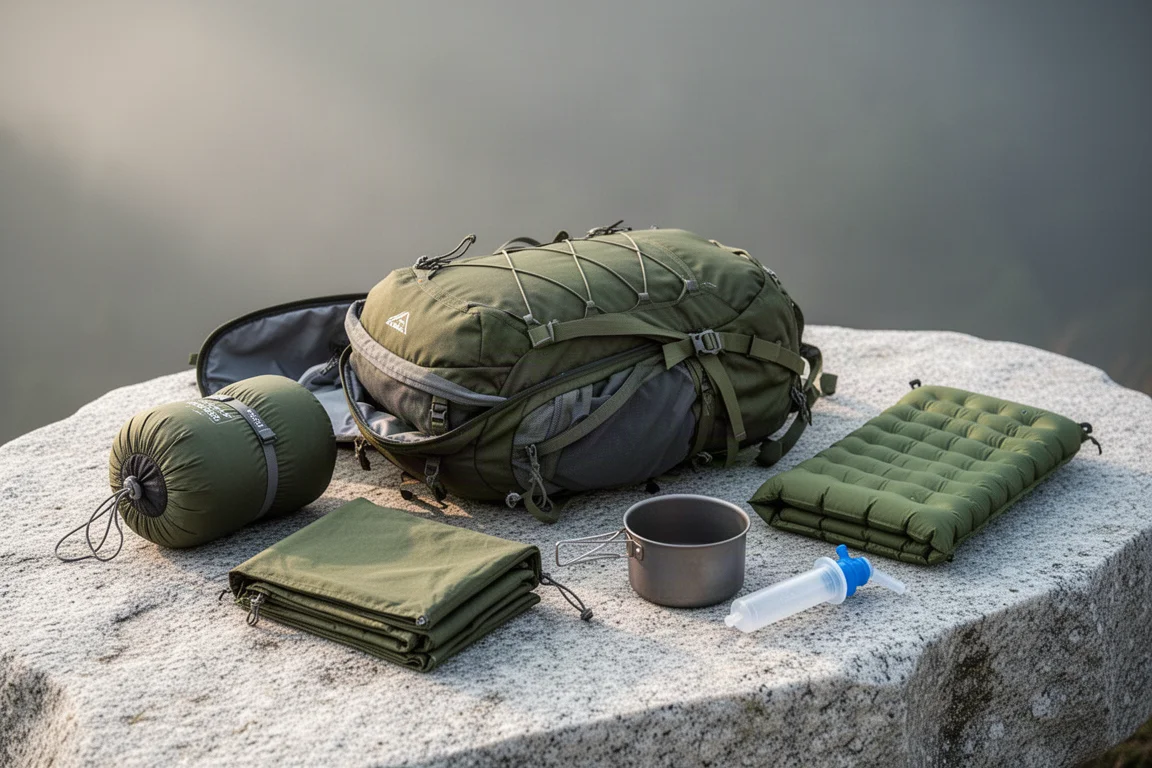
A practical walkthrough of the ultralight pieces behind a 10 lb base weight, from a 765 g pack and a roomy one-person tent to a full camp chair and a dependable water filter.
Backpacking Gear
A 15-Pound Lightweight Backpacking Gear List for Solo Trips
A beginner-friendly 15-pound backpacking setup built from easy-to-find gear, with notes on what each piece does, how it packs, and where to spend your attention.
Backpacking Gear
8 Ultralight Backpacking Gear Upgrades Worth Carrying
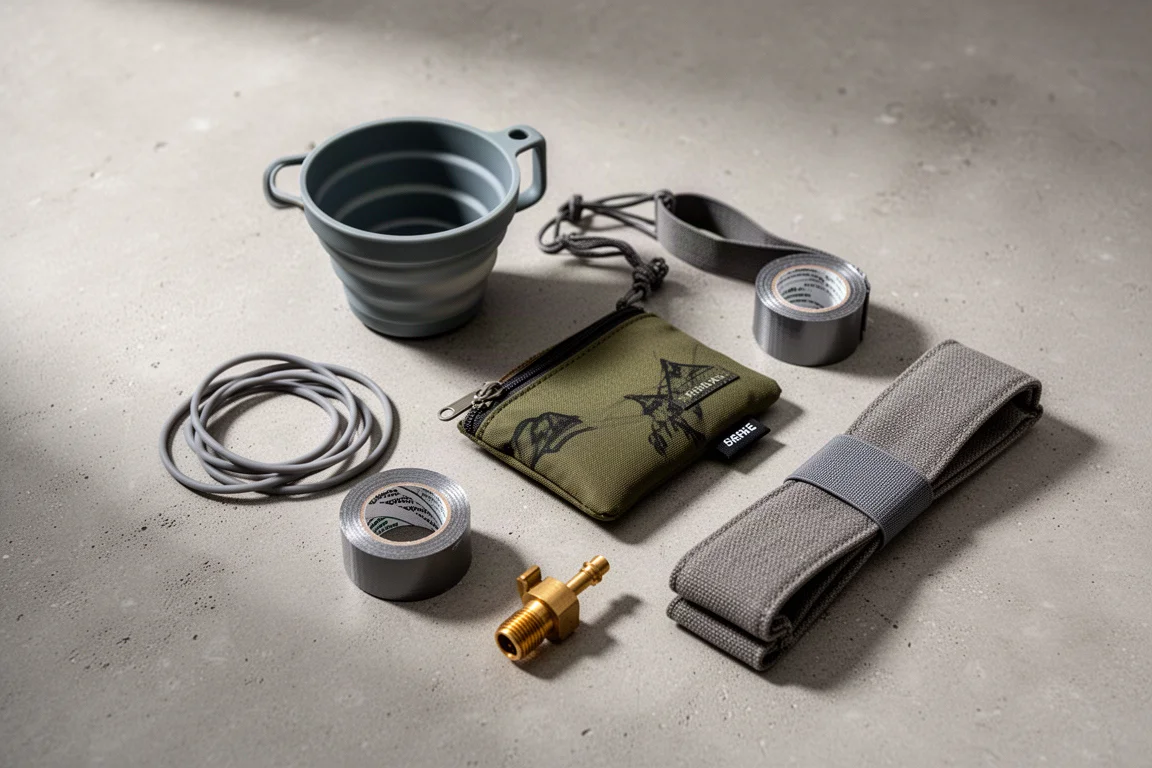
Eight small, affordable backpacking upgrades that solve real trail annoyances, from a pillow that stays put to a fuel valve that rescues leftover canister gas.