Hi-Fi Speakers
How Much Better Do Expensive Speakers Really Get? Four Price Tiers Compared
A four-way loudspeaker comparison from roughly $400 to around $80,000 per pair, and what each price jump actually changes in a real room.
Introduction
Loudspeakers sit at an unusual point in the audio market. A capable pair can cost a few hundred dollars, while others climb past the price of a car, and the argument about what that money actually buys never really settles. One camp insists that expensive speakers must be dramatically better. The other argues that beyond a certain point you are mostly paying for marketing and diminishing returns.
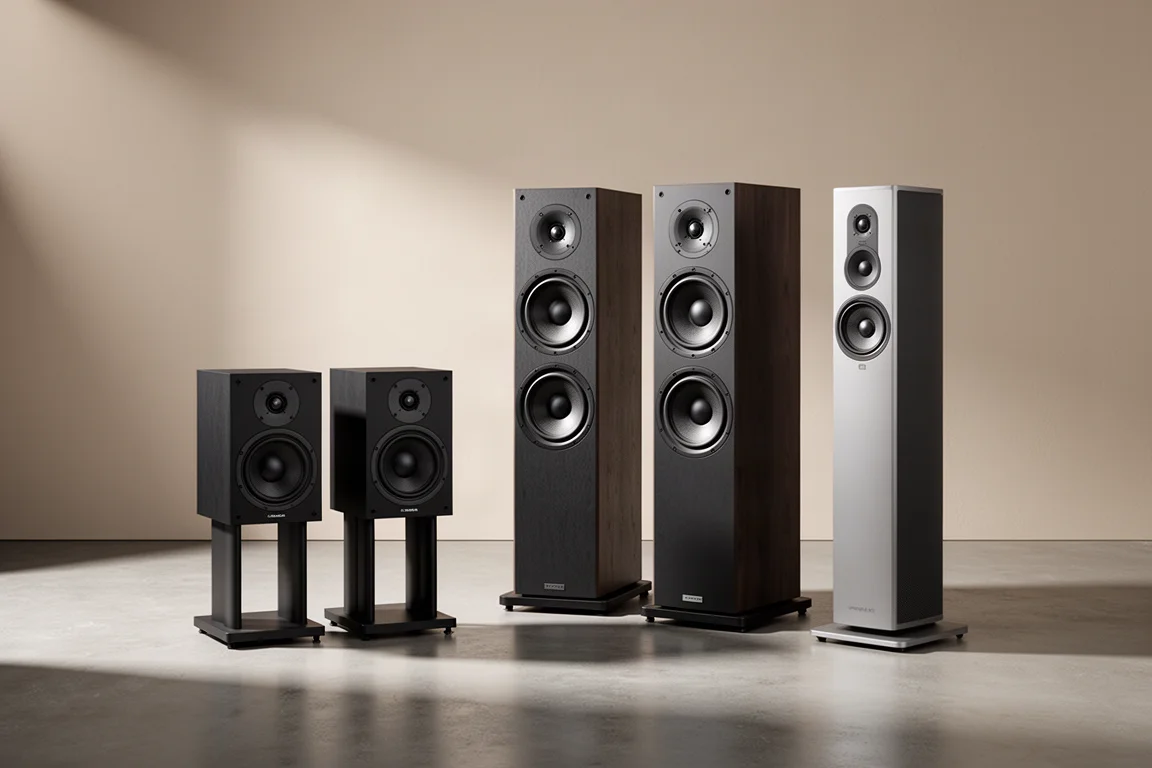
To get a clearer answer, four pairs were compared in the same room, connected to the same system, playing the same music at the same volume. The only variable was the speaker itself: a pair at around $400, a pair at around $4,000, a pair north of $30,000, and a fully powered pair at roughly $80,000.
What Actually Changes When You Spend More
The pattern that emerges is not a straight line. The first significant jump in price tends to buy scale: more air moved, more bass weight, more physical presence in the room. The next jump tends to buy refinement: control, separation, and a sense of ease that is real, but harder to notice at a glance.
That distinction explains why two listeners can leave the same demonstration with opposite conclusions. If you are listening for bass depth and impact, the mid-priced jump is the one that feels dramatic. If you are listening for subtle detail and cabinet discipline, the higher tier is where the changes appear.
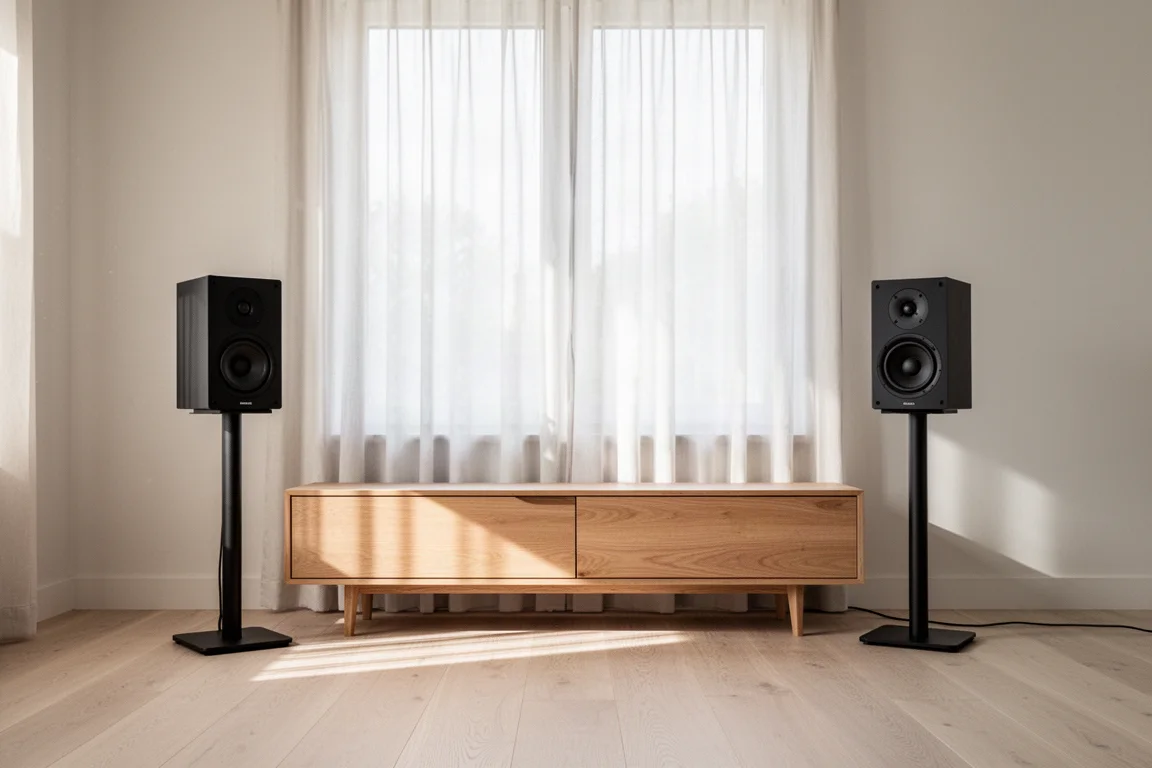
Price is also only part of the picture. Construction, cabinet rigidity, and the amount of technology built into the speaker itself all shift as you move up the range, and so does the experience of owning the product.
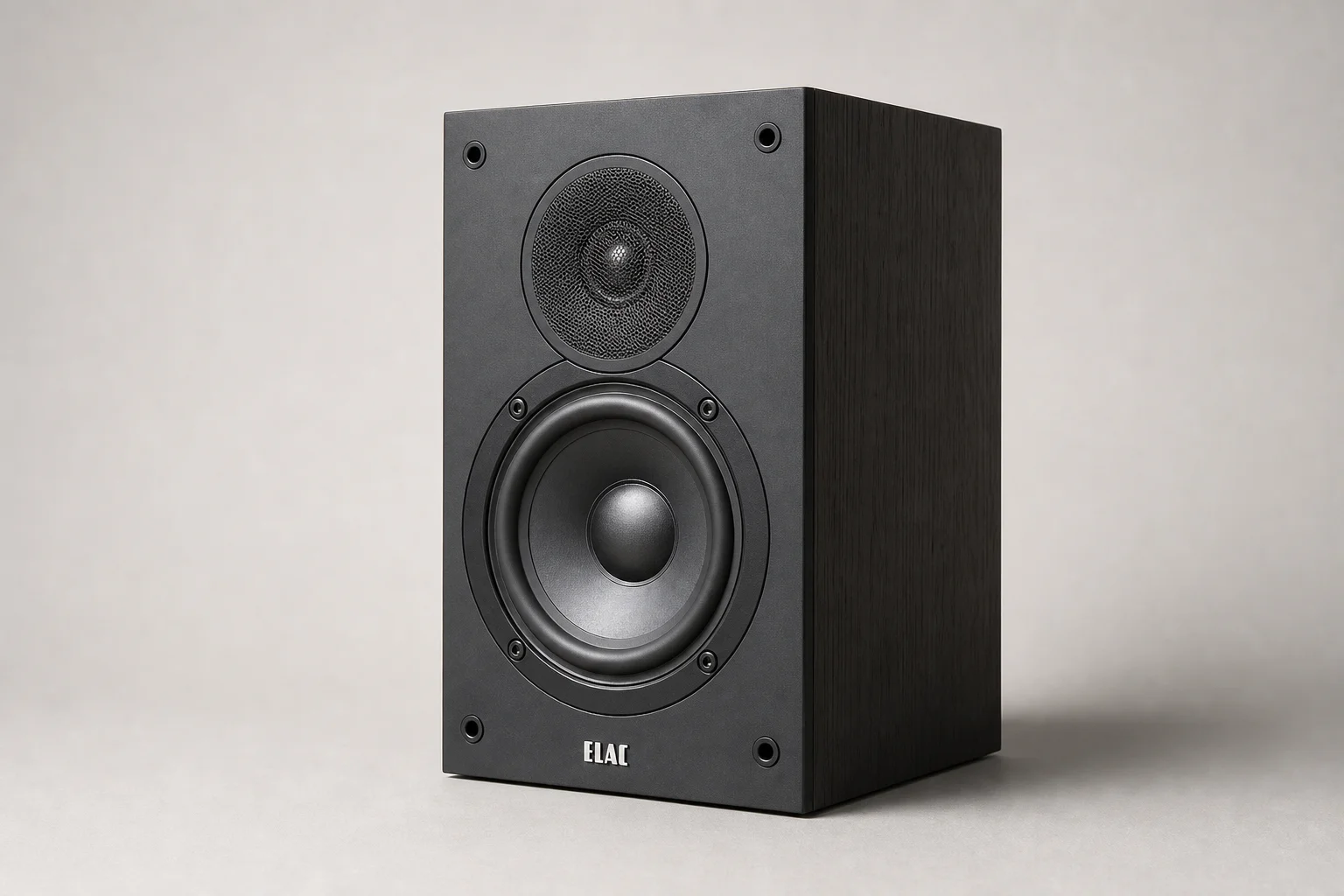
ELAC Debut 3.0 DB63
At around $400, the ELAC Debut 3.0 DB63 has built a reputation for delivering far more than its price suggests, and the difference against typical TV, laptop, or headphone audio is immediate. Music has room to breathe, instruments become more distinct, and the overall presentation sounds fuller and more natural. The character is slightly laid back, which makes long listening sessions easy.
The limits come from physical size. A compact cabinet cannot move as much air as a large one, so bass notes carry less weight. Kick drums, cellos, and the lower registers of a piano lose some of the presence they have in a live performance, and the presentation feels smaller overall.
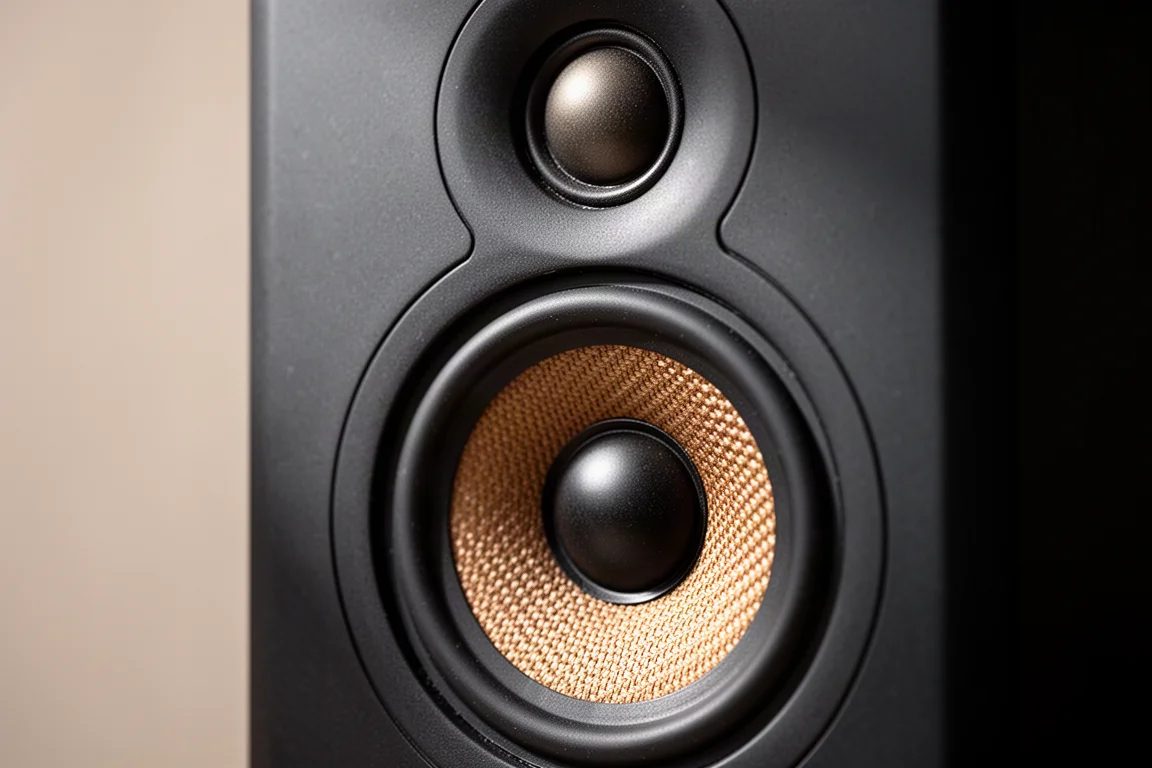
For anyone stepping up from built-in audio, that trade-off is usually easy to accept. In a small or medium room, a pair like this can genuinely be the best system a listener has owned.
SVS Titan Tower Speakers
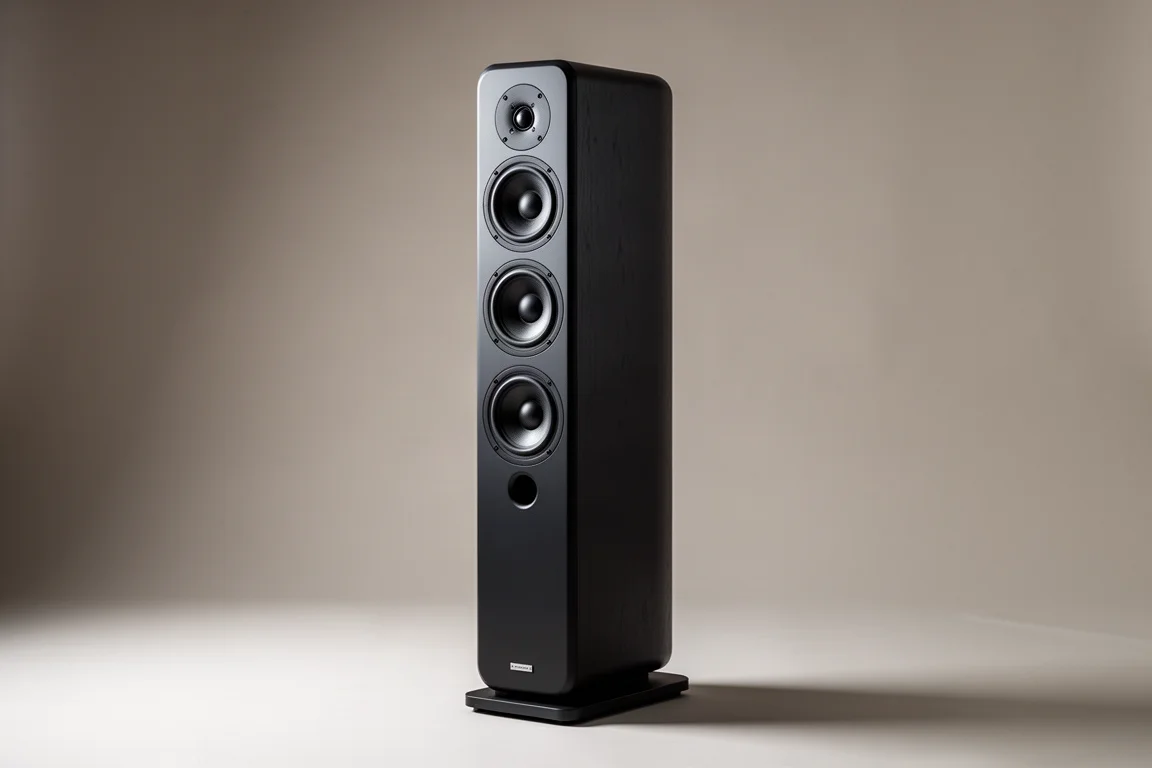
Moving to a pair like the SVS Titan tower speakers, at roughly $4,000, the change is far more obvious. Everything scales up: the sound fills the room more easily, bass gains weight and authority, and instruments feel as though they move closer rather than sitting politely behind the speakers.
Dynamics sharpen as well. Kick drums hit harder, basslines carry more texture, and the contrast between quiet and loud passages becomes more pronounced. The voicing and driver design also improve intelligibility, so vocals and instrumental lines stay easy to follow.
This is the jump that tends to deliver the largest perceived difference, which is worth keeping in mind when weighing where to spend.
Wilson Audio Sabrina V
The Wilson Audio Sabrina V sits in a different bracket entirely, at more than $30,000 for the pair. Despite the higher price, it is roughly 8 inches shorter than the Titan while weighing nearly 40 lb more, a difference that comes down largely to materials and construction.
Cabinet design is where much of that money goes. Where the ELAC and SVS enclosures use variations of MDF, the Sabrina V uses proprietary composite materials chosen to make the enclosure extremely rigid. Cheaper cabinets flex and resonate, and that interferes with what the drivers are doing. A stiffer enclosure lets the drivers work with less interference.
The result is not another huge leap in sheer size or impact. Scale improves, but not in the dramatic way the Titan expands on what the ELAC can do. What changes is control, separation, and ease: instruments separate more clearly, subtle details surface more naturally, and the presentation feels more focused and effortless.
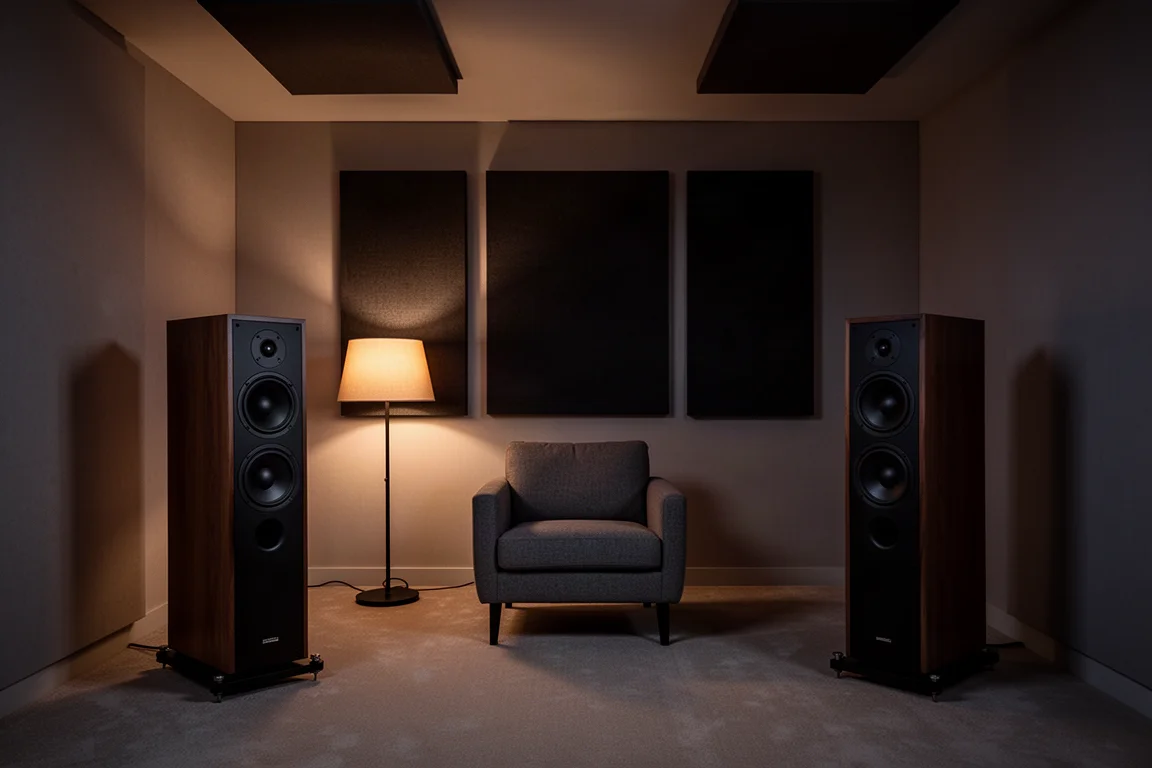
If the Titan feels like opening a door onto a performance, the Sabrina V feels like moving to the front row. This is the point where spending more stops mostly buying scale and starts buying refinement, and for many listeners that shift will be subtler than the earlier jump.
Beolab 50
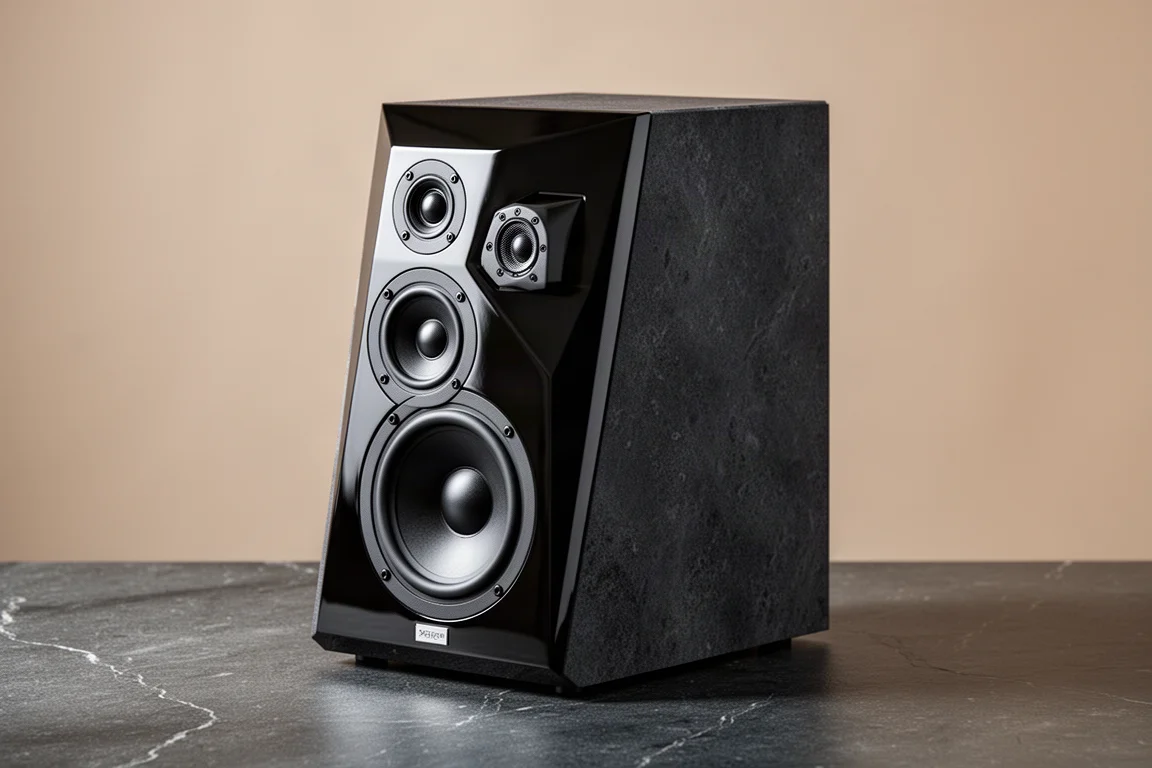
The Beolab 50 is the outlier of the group. At roughly $80,000 per pair it represents nearly double the investment of the Sabrina V, and it is a powered speaker rather than a passive one: amplification, digital processing, and connectivity are all built in. You are buying a complete system rather than a pair of speakers.
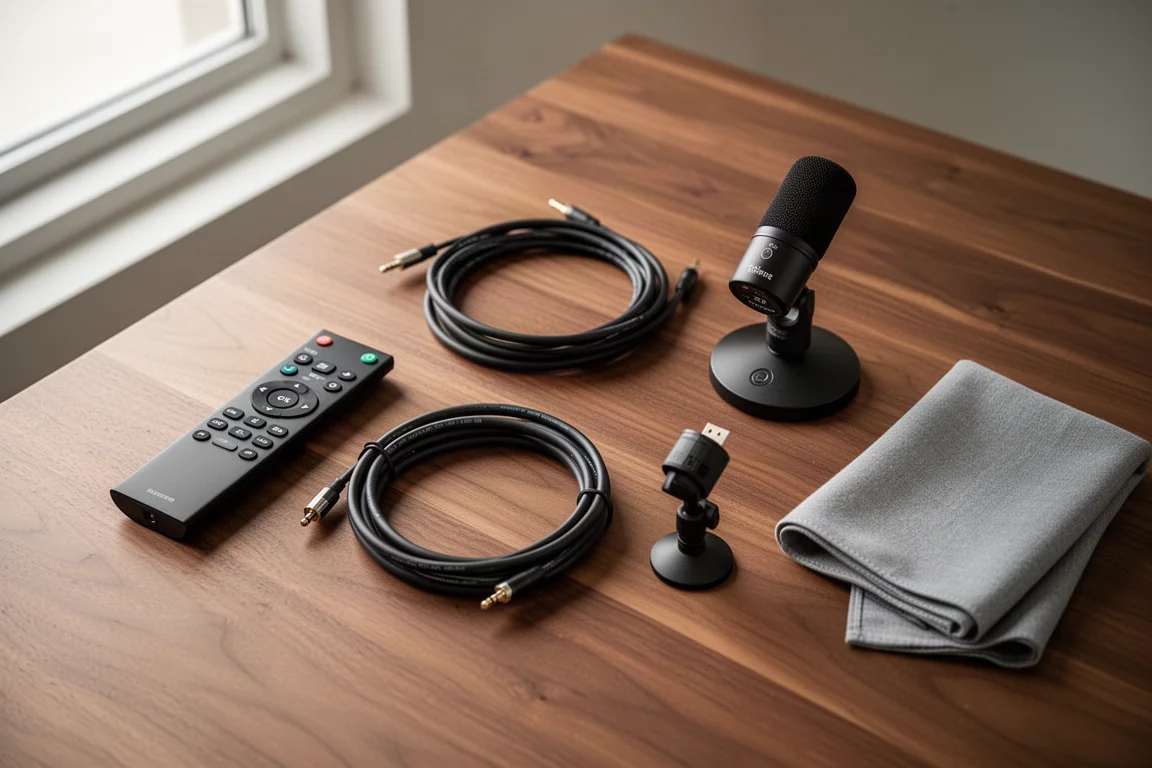
That changes the ownership equation. The Beolab 50 can tune itself to the room using a calibrated microphone and an app, so its performance does not depend on amplifier pairing or perfectly precise placement. It matches the Sabrina V for immediacy and transparency, with the same effortless sense of scale and precise imaging, while delivering deeper, richer bass at all volumes, including low ones.
The appeal is philosophical as much as acoustic. One path is a traditional hi-fi system with separate components and the rituals that come with it. The other is more modern, more streamlined, and more lifestyle oriented.
Buying Advice
Once you move into this level of hi-fi, the ownership experience becomes part of what you are paying for. With more affordable speakers, even very good ones, the relationship usually ends when the box arrives at your door. Many luxury brands include dealer support, setup, and long-term service, which does not change the sound but does change what it feels like to own the product.
The practical approach is to identify which step on the ladder matches your priorities. If you are upgrading from built-in audio, an entry-level pair delivers the biggest relative improvement. If you want scale and impact, the enthusiast tier is where that money goes furthest. If you are chasing refinement, craftsmanship, and a sense of occasion, the top tier is where those qualities live, with the understanding that the gains are smaller and more specialized.
Conclusion
Expensive speakers are not a scam, and they are not ten times better simply because they cost ten times more. Each step up the ladder gives you something different: good sound at the entry point, scale and impact in the middle, and refinement, craftsmanship, or ownership experience at the top. The only person who has to like the sound of your system is you.
Further reading
Related Reviews
Hi-Fi Speakers
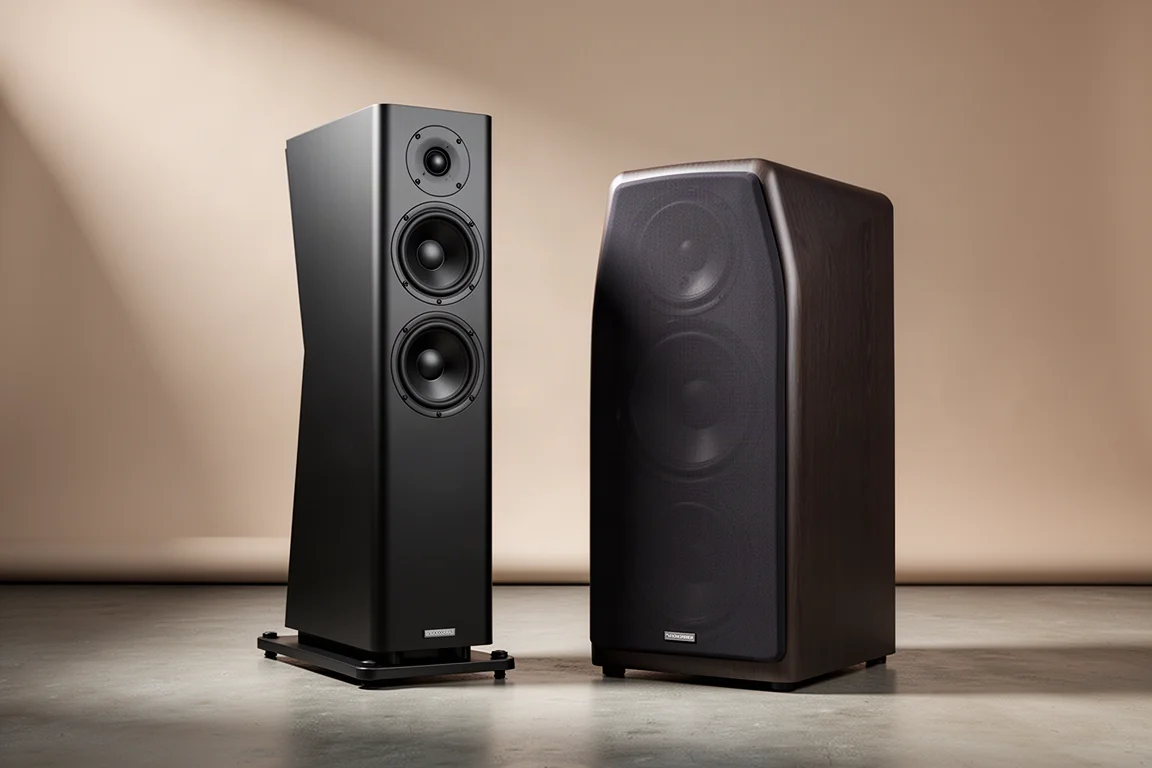
1723 THX Tower vs 1528 Bookshelf: Which Speaker Fits Your Room?
Two speakers at roughly the same price, built very differently. How the 1723 THX tower and the 1528 bookshelf compare on construction, bass, power needs, and sound.
Hi-Fi Speakers
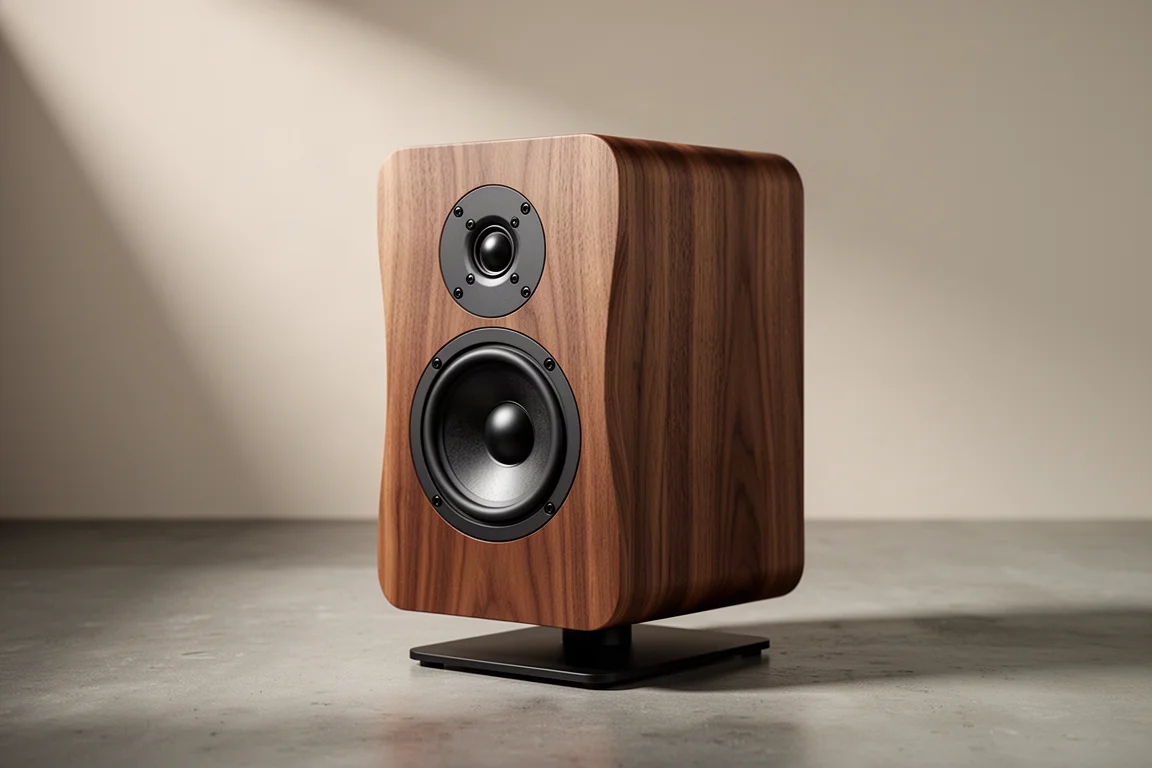
Acoustic Energy AE 300 Review: Deep Bass From a Compact Standmount
A two-way standmount with real wood veneer, surprising low-end weight, and a warm, easygoing character. Here is what to know before buying.
Hi-Fi Speakers
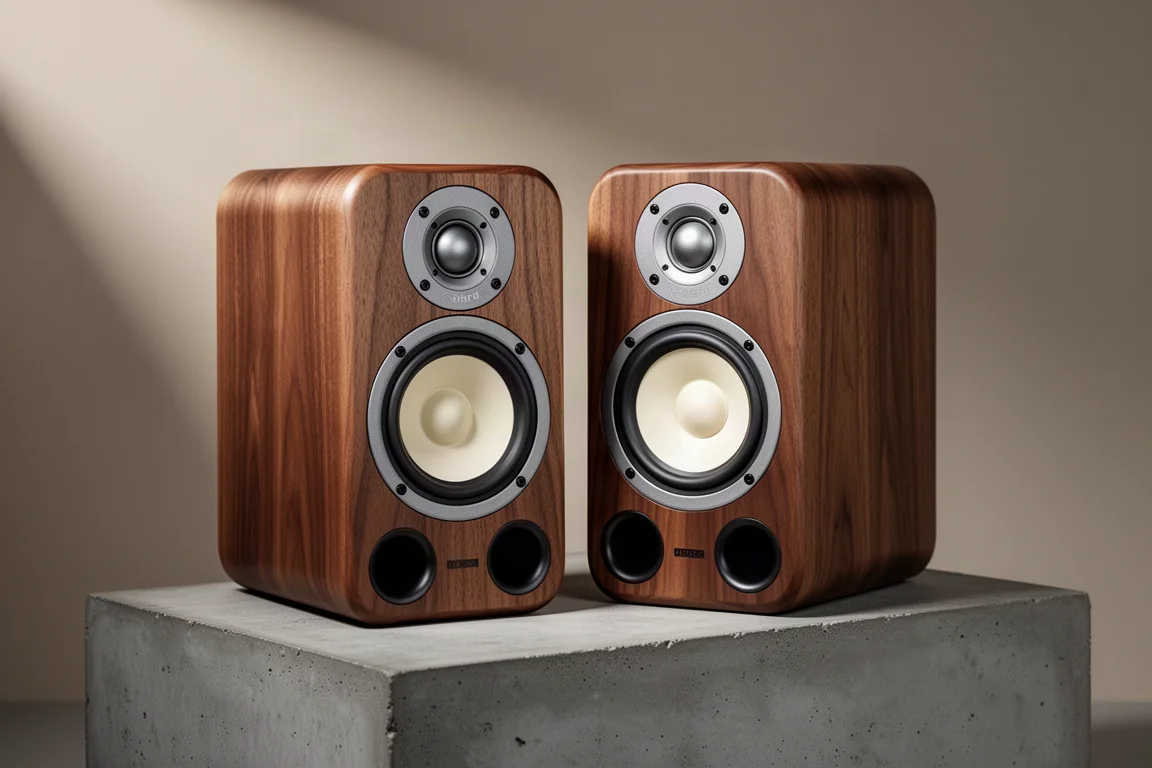
Acoustic Energy AE1 40th Anniversary Review: A Modern Take on a British Classic
A compact standmount that revives a 1980s favorite with all-new parts, a warm mid-centric balance, and a price of £1,499 per pair.