Backpacking Gear
Expensive Backpacking Gear Worth the Money: A Comfort-Focused Roundup
A practical look at ten high-end backpacking items, where the money genuinely buys comfort and weight savings, and where a budget alternative makes more sense.
Introduction
Some backpacking gear costs far more than most people would ever spend on a single item. The useful question is not whether a price tag is high, but whether the extra money buys something real: less weight on your shoulders, a better night’s sleep, or genuine peace of mind on remote trails.
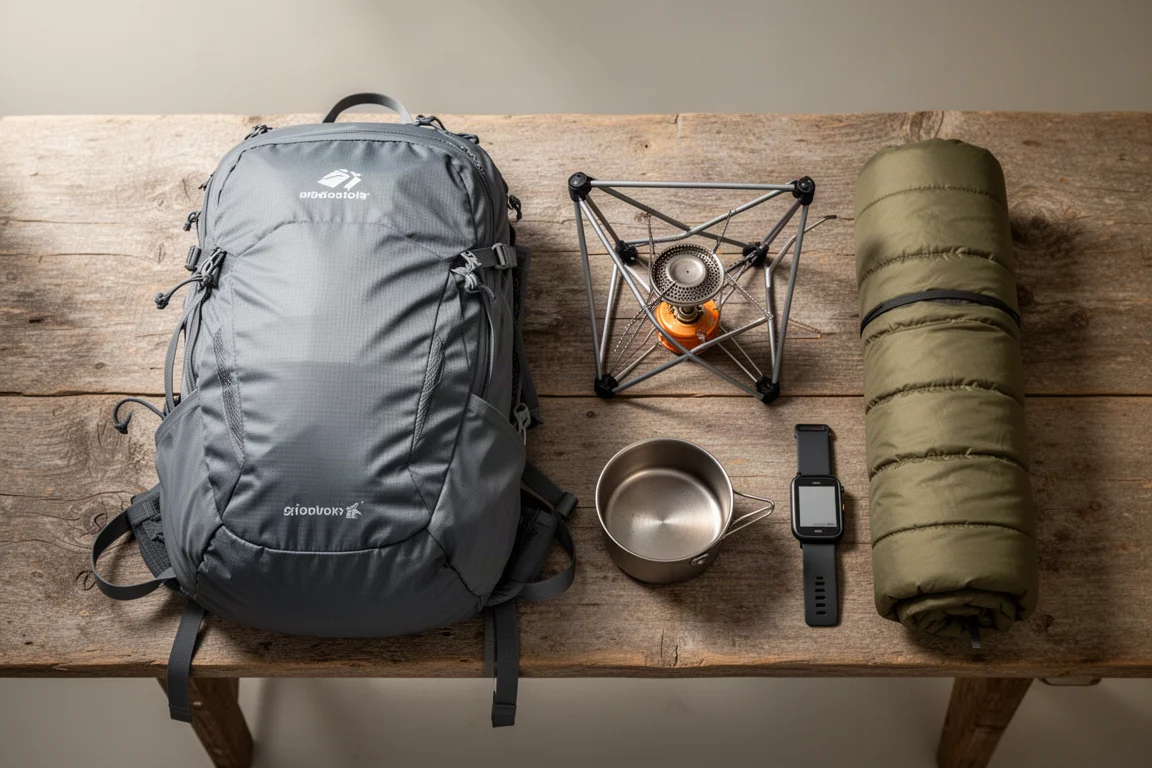
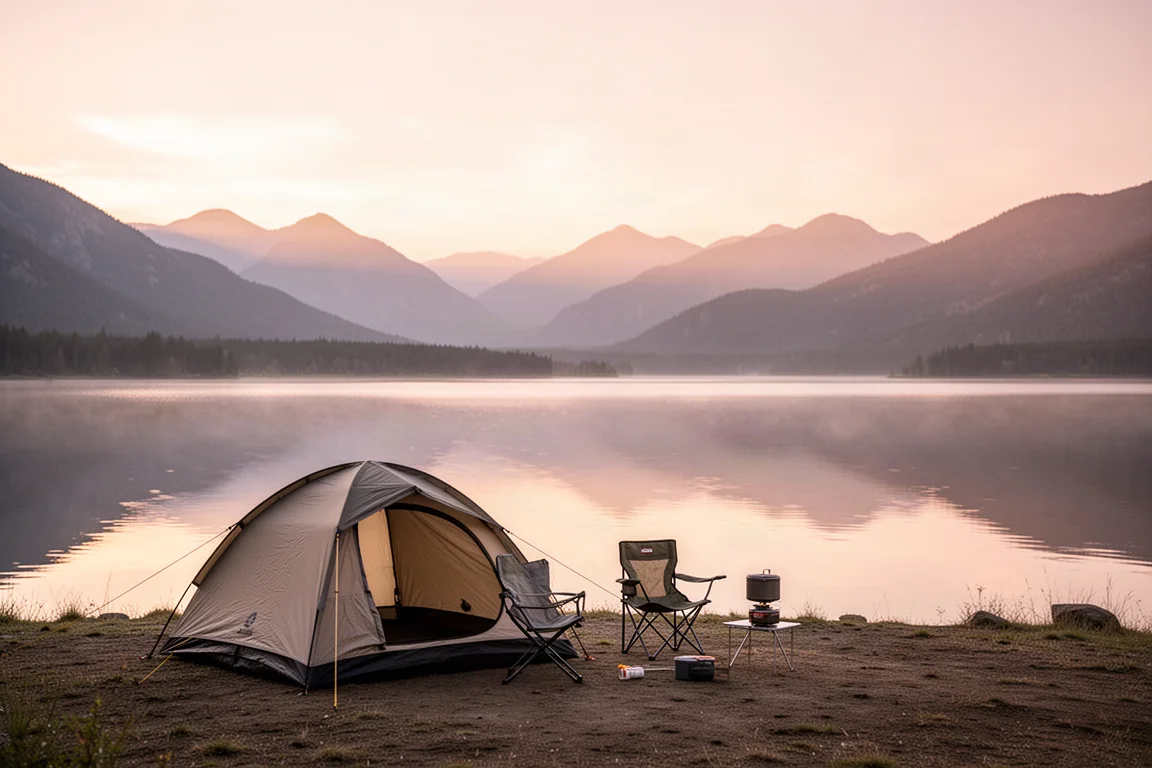
This roundup covers ten high-end backpacking items that have been used on real trips, including a roughly 10 km comfort-focused overnight beside a lake in the Canadian Rockies. Each entry explains what the product actually does, where it earns its price, and where a cheaper alternative is the smarter call.
The combined value of the gear discussed here runs above $5,000, so the goal is not to recommend all of it. It is to separate the pieces that justify their cost from the ones that are simply pleasant to own.
How to Judge Expensive Backpacking Gear
Three factors decide whether an expensive item is genuinely worth carrying.
The first is weight. A lighter piece of gear is more comfortable to carry, and that benefit shows up every hour of every day on trail.
The second is function. Some products do something a cheaper equivalent simply cannot, whether that is a ventilated back panel, a reclining camp chair, or a quilt that stays locked to a sleeping pad all night.
The third is peace of mind. A device that lets you message someone at home, or call for help in an emergency, can make a remote solo trip feel far more manageable even though it adds nothing to physical comfort.
A high price is not a guarantee of value, and a low price is not a disqualifier. The most useful question is whether the gain in weight, function, or confidence is large enough to justify the difference.
Best Ultralight Backpack: Zpacks Arc Haul 50L
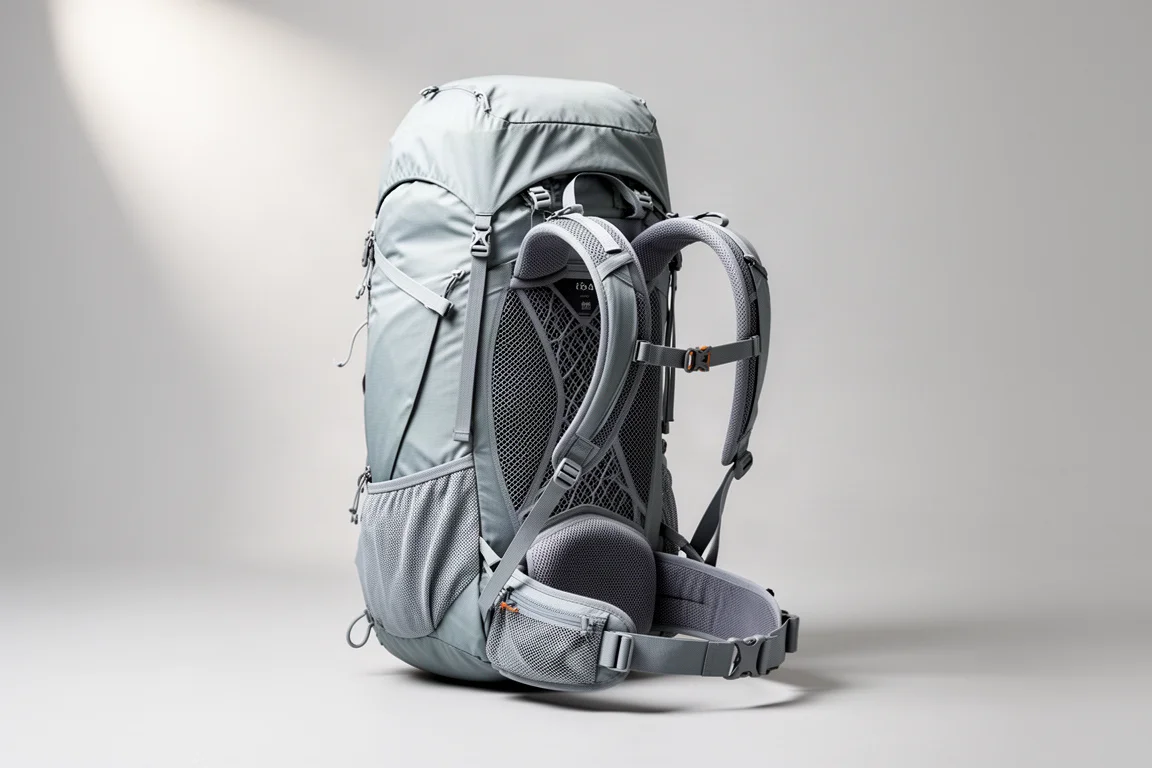
The Arc Haul 50L is one of the lightest fully featured packs on the market at 608 g. It keeps the details most hikers expect: side pockets, a front pocket, a frame, and a full hip belt.
Two features on the back set it apart. The first is an adjustable torso that lets you move the shoulder straps up or down by several inches to match your body. That matters because a well-fitted torso is what transfers load onto the hip belt, and this pack has carried over 40 lbs comfortably. The second is a trampoline back panel that holds the pack slightly away from your body so air can move through on hot days.
The 50 L version is on the small side for comfort-focused trips, where bulkier gear takes up more space. Anyone carrying more gear should consider the 60 L or 70 L version instead.
Best Smartwatch for Off-Trail Navigation: Garmin Enduro 2
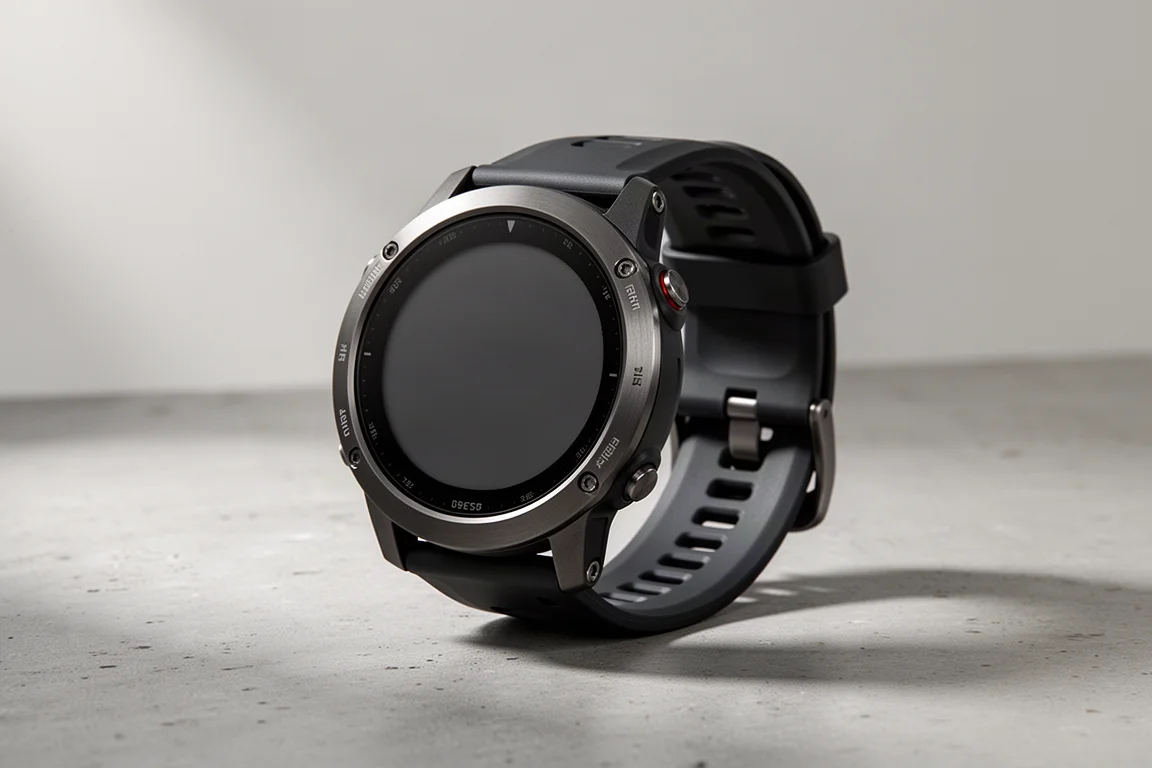
For most people, a smartwatch is not necessary on a backpacking trip. The exception is navigation. When a route is broken, faint, or unfamiliar, glancing at a wrist-mounted map is far easier than pulling out a phone repeatedly and draining its battery.
The Enduro 2 is the model used when a watch is genuinely needed for navigating. Its mapping features make it straightforward to confirm you are still on route without stopping to dig out a phone.
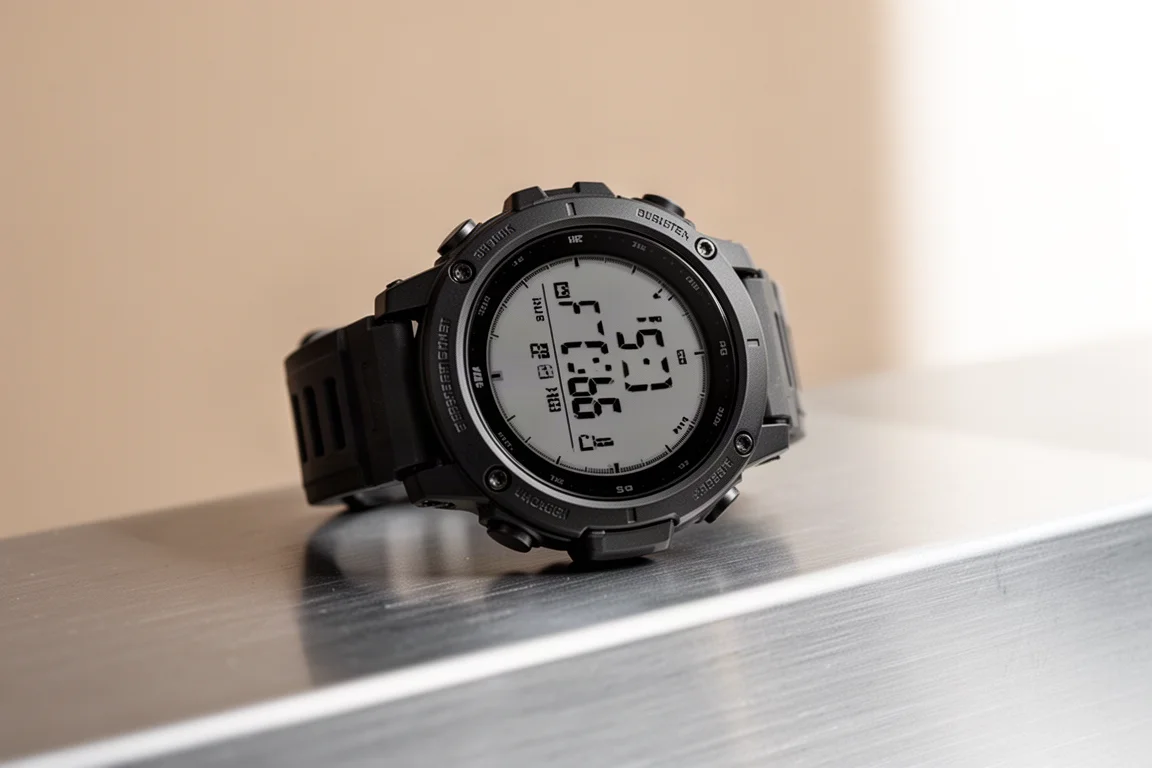
Best Everyday Activity Tracking Watch: Garmin Instinct 2X
The Instinct 2X does not carry the full mapping suite of the Enduro 2, but it records everything about a hike: pace, time on trail, elevation gain, and current elevation. For anyone who trains during the week and wants that activity history on the trail as well, it covers the essentials without the extra complexity.
Best Lightweight Camp Chair: Moonlight Elite Chair
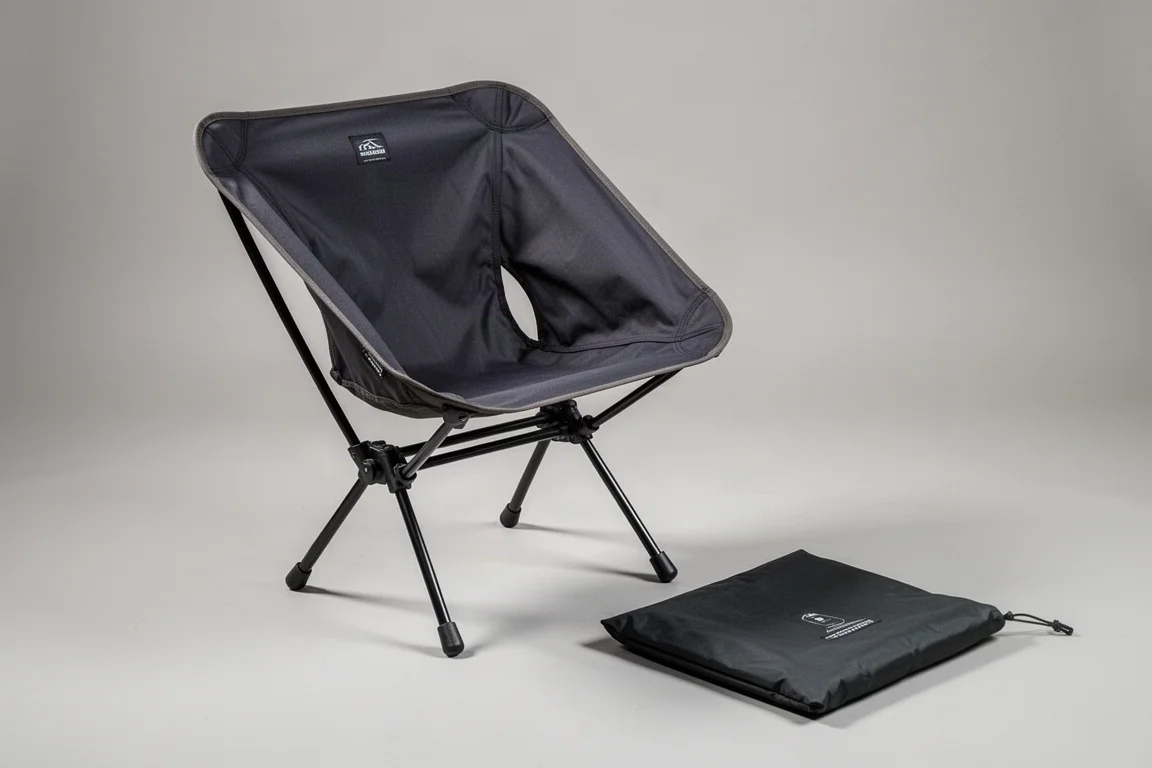
A chair is one of the two items that most reliably makes a backpacking trip feel comfortable, because camp time is where a large part of the enjoyment happens.
The Moonlight Elite Chair earns its place for two reasons. Toggles on the sides let you recline for a relaxed evening or cinch the back upright for cooking and eating. The carry case doubles as a footprint: it fits over the four legs and stops them sinking into soft spring ground or sand.
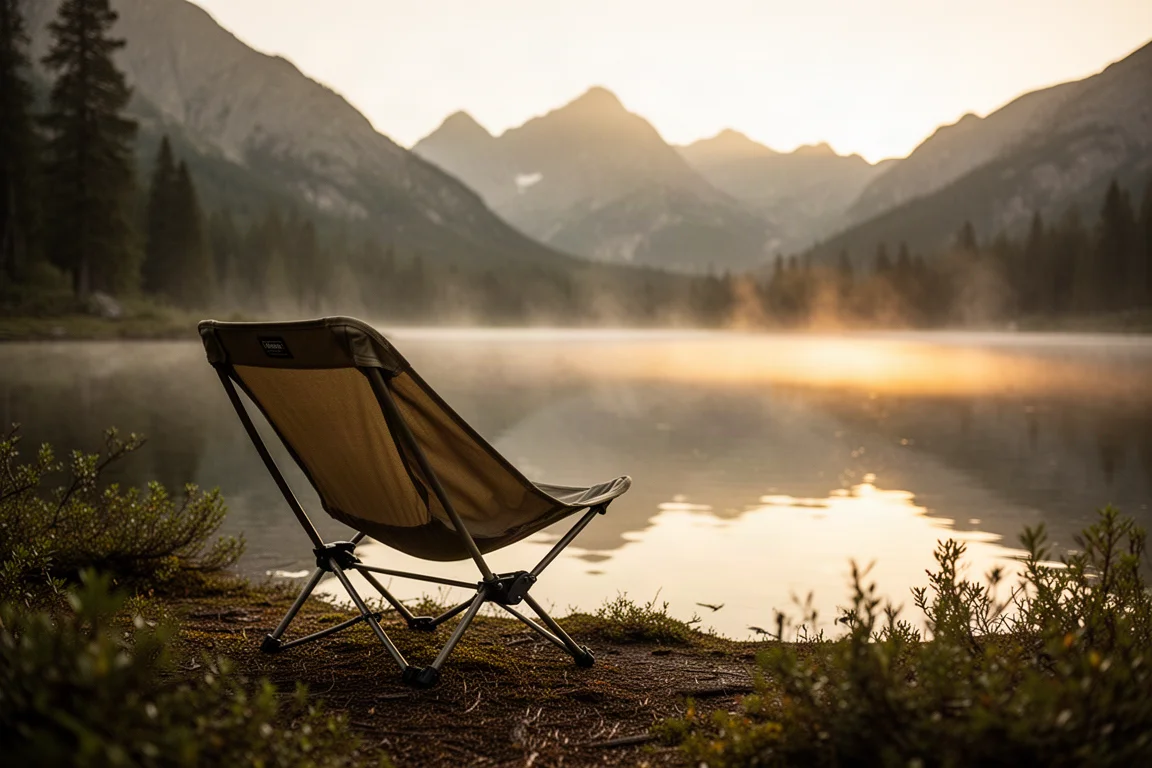
The trade-offs are real. At $180 it is expensive, and the REI Flexlite Air is lighter and costs around $100. The Flexlite Air has no footprint, so its legs sink into soft ground, and it does not recline. On a trip where a lot of time is spent sitting, the extra comfort is the whole point.
Best Roomy Ultralight Tent: Zpacks Offset Trio
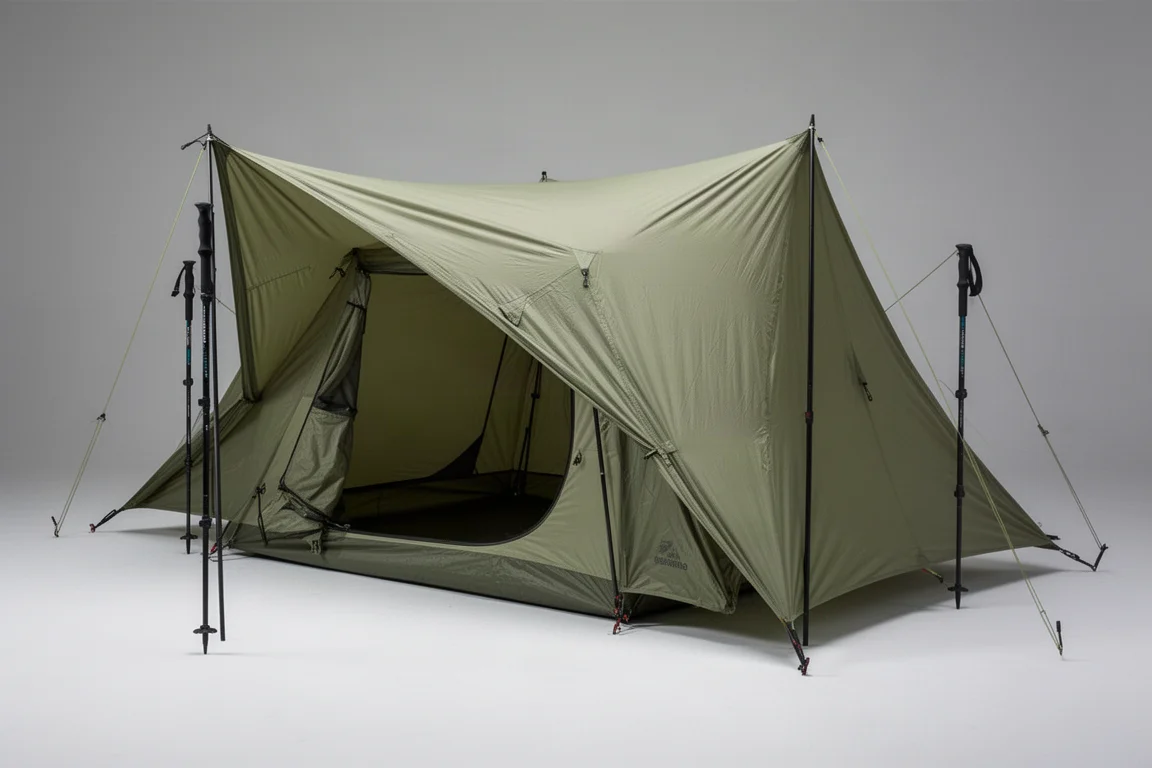
The Offset Trio is one of the more unusual shelters available, and it addresses two of the three comfort factors at once.
Weight comes first. Just over 700 g for a tent this size is remarkable. It is listed as a three-person tent but works more like a roomy two-person tent, fitting two 25-inch wide sleeping pads with plenty of space left over for gear, a dog, or a small child. Two struts at either end pull out the head and foot of the tent, adding real interior volume.
Function is the second factor. The tent uses Dyneema Composite Fabric, which is light, strong, and does not absorb water or moisture, so it will not sag or stretch when wet.
It is not the most storm-worthy design. Large panels and struts mean it will catch wind and buffet in exposed conditions. Where it makes sense is trips with a partner or a family, when roominess and low weight matter more than maximum weather protection.
Best Sleeping Pad Pump: Flextail Tiny Pump 2X
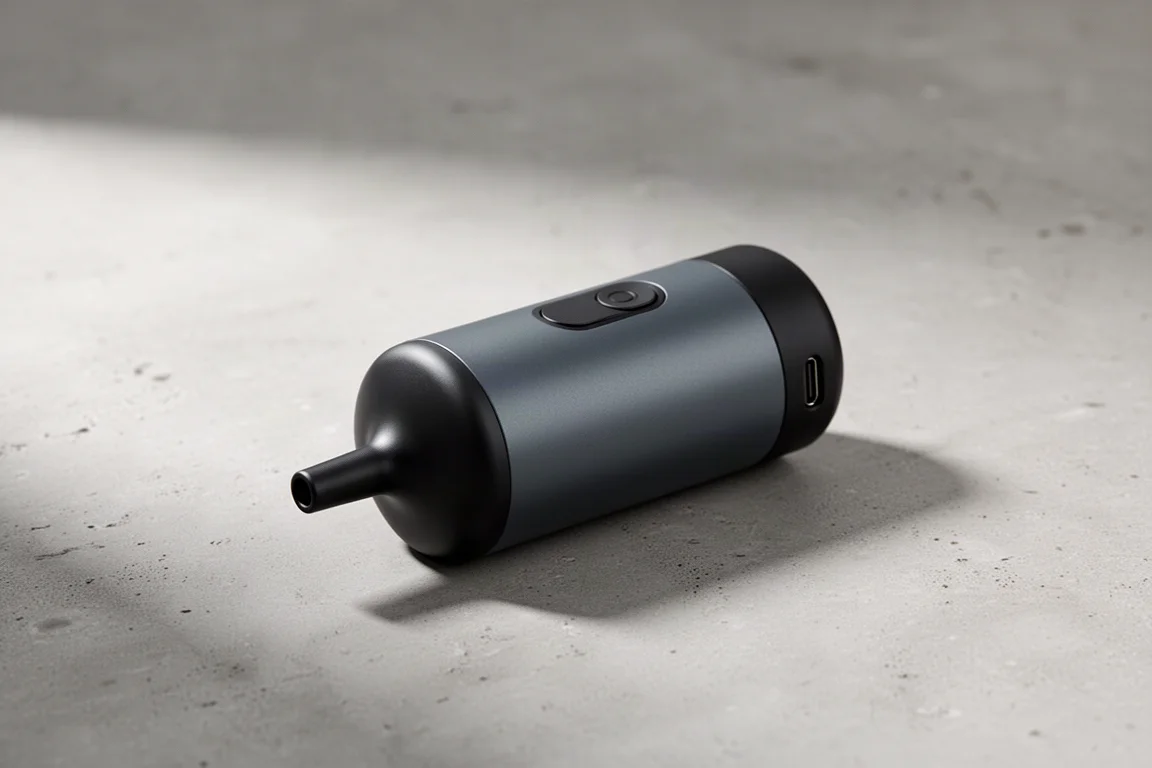
Small camp accessories are where a lot of comfort is quietly won. Inflating a sleeping pad by breath is tedious, and a pump removes most of that chore.
The Tiny Pump 2X is slightly heavier than the Zero Pump but delivers more pressure, so fewer top-up breaths are needed after inflation. It also includes a light that can be hung inside a tent for ambient illumination or to make a card game possible after dark. Pumps have shifted from luxury item to standard kit for many backpackers, and this one covers both jobs in a single device.
Best Portable Mosquito Repellent: Flextail Tiny Repel
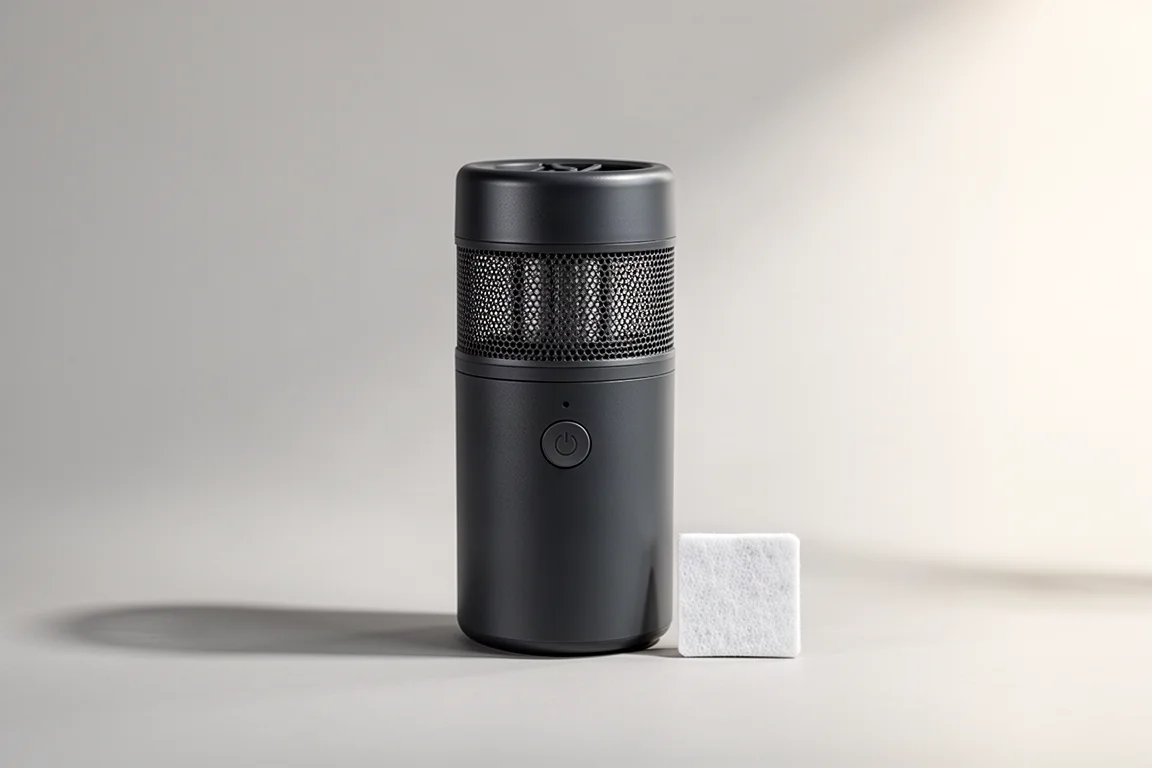
Marshy lakeside campsites bring mosquitoes, and the Tiny Repel handles them without sprays or smoke. It charges over USB-C and takes small pads that the device heats, releasing a vapour that repels mosquitoes and is described as safe to inhale.
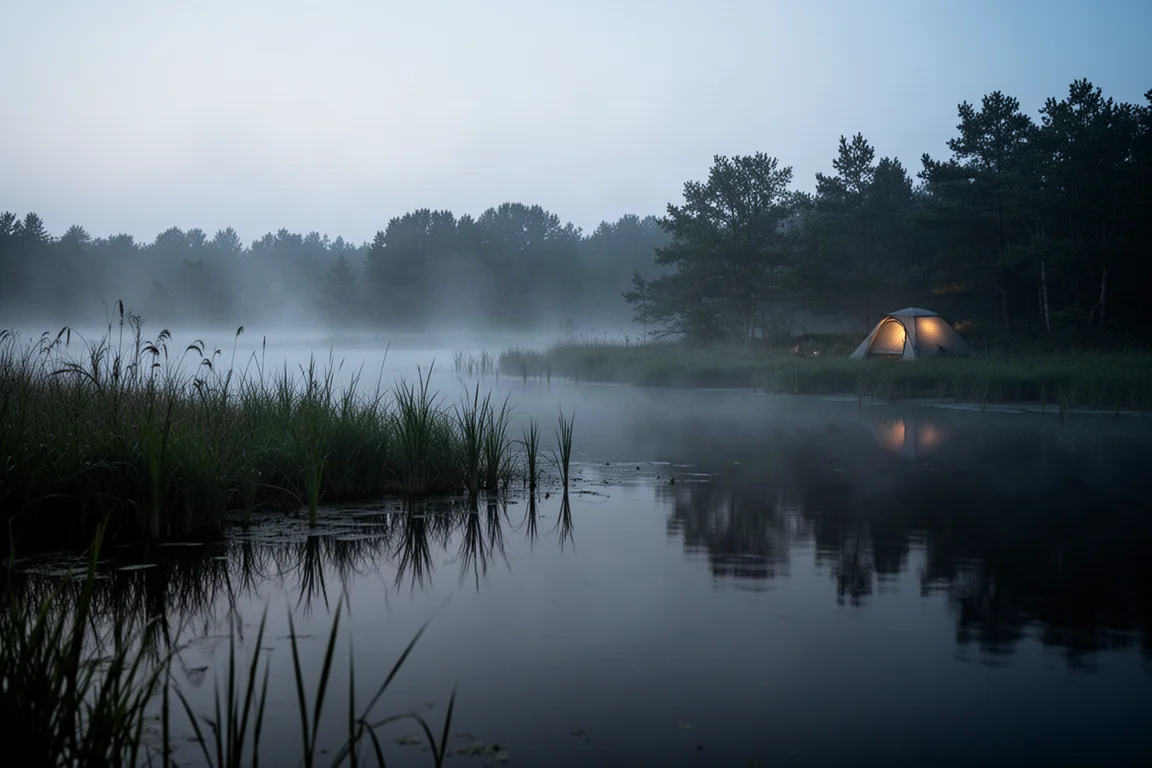
It has been used in the past with good results, and it is a genuinely useful thing to have on hand at a campsite beside a lake. The only ongoing cost is replacement pads.
Best Ultralight Down Jacket: Rab Mythic G
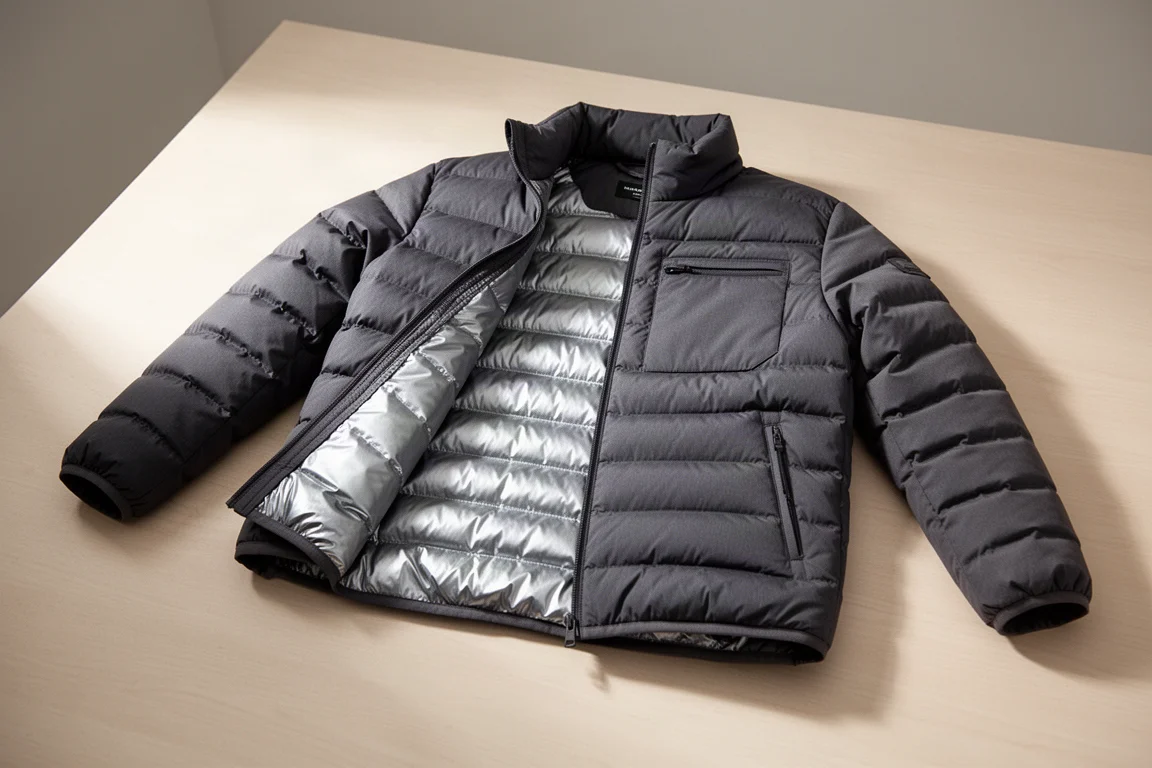
The Mythic G is the most expensive three-season down jacket here at $525, and the technology inside it is genuinely unusual: a very light shell fabric, 1000 fill power down, and a reflective layer on the inside that bounces heat back toward the wearer.
In practice, on one cold night it still felt slightly cool, so it is worth testing again before treating it as a guaranteed warmth layer.
No one really needs a jacket like this. It is a luxury purchase for someone who wants to save significant weight while staying warm, and no other jacket in the same weight class matches its warmth in three-season conditions.
Cheaper options do the job. The Decathlon Trek 100 and comparable down jackets cost under $100. They are heavier and not quite as warm, but they work.
Where the Mythic G falls short is value. The weight savings and functional gains are not large enough to justify the jump in price over the competition, which makes it the one item here that is hard to recommend on merit alone.
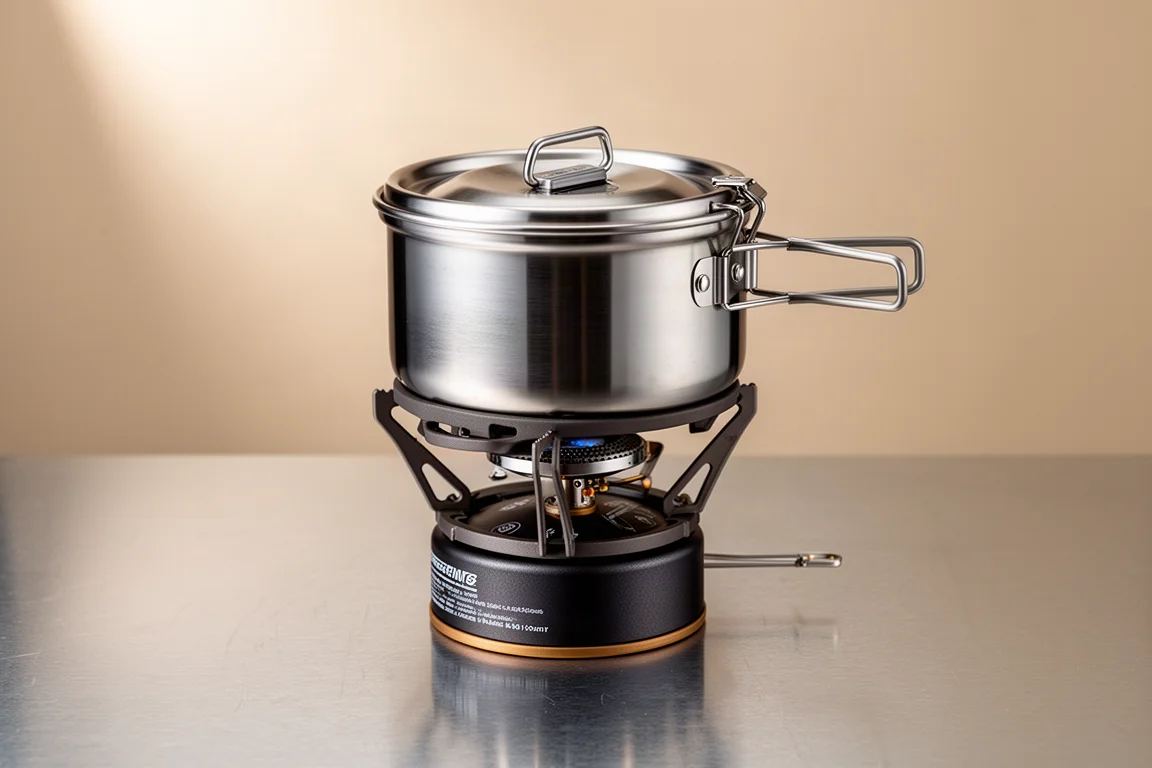
Best Wind-Resistant All-in-One Stove: MSR WindBurner
The WindBurner is a luxury stove, and it earns that label in specific conditions. A radiant burner, a windscreen that wraps around the pot, and an all-in-one design mean it boils water quickly even with wind coming off a lake.
For trips where the goal is simply to boil water and eat, a system like this makes a lot of sense and can justify its cost. The lighter, cheaper alternative is a small BRS stove paired with a Toaks pot. The WindBurner is the better recommendation when conditions are windy and speed matters.
Best Sleep System for Restless Sleepers: Zenbivy Ultralite Sleep System
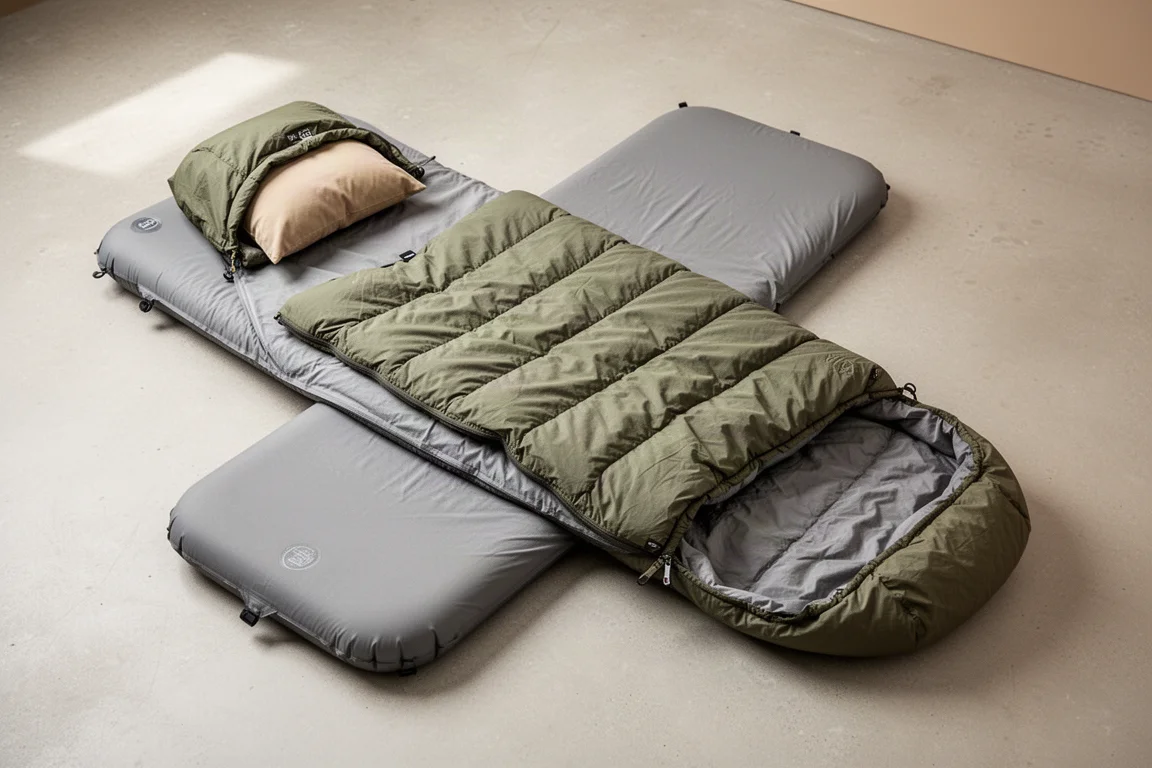
Sleep is the single most important comfort factor on a backpacking trip, and this is the system that produced a good night’s rest at minus 5°C with heavy condensation inside and outside the tent.
The Zenbivy Ultralite pairs a sleeping pad with a sheet, a quilt, and a pillow. The sheet straps over the pad and does two jobs: it locks the quilt in place so there are no gaps where cold air can enter, and it forms a hood for the pillow. An insulated hood version is a meaningful improvement over the uninsulated one, adding comfort for anyone lying directly on it and removing the need for a hat.
The pillow uses an air bladder, a down topper, and a sheet that clips into the head end of the system, keeping it tucked under the hood. The 10° quilt was warm enough for a night at minus 5°C with a lot of moisture in the air, where the 25° version used previously would not have been. The pad here is the Flex in the large size, 25 inches wide, and its stretchy material relieves pressure points to a level close to the REI Helix.
A few gripes remain. The pad must be fully inflated to feel comfortable, and at 3 inches thick it is on the thin side, so heavier sleepers who need real thickness should look at the REI Helix instead. A snap at the head end of the quilt would also help seal heat around the neck and shoulders; tucking the quilt corners into the hood only partly solves it.
Quilts take practice to avoid drafts, and this system removes that learning curve. It combines the freedom to shift position under a quilt with the cosy, draft-free feel of a sleeping bag, and it avoids the cold spots a sleeping bag develops when you roll onto compressed insulation.
The catch is cost. The system runs about $1,000, close to double a quilt, pillow, and pad from another brand, and there is no weight or bulk advantage at all. What you are paying for is function and the likelihood of a good night’s sleep.
Overall Buying Advice
The pattern across this gear is consistent. Items earn their price when they remove a specific, recurring problem: weight on the shoulders, a poor night’s sleep, wind slowing down dinner, or mosquitoes driving you into the tent.
The Zpacks Arc Haul and the Offset Trio are the clearest examples of weight and function justifying cost. The Zenbivy Ultralite is the clearest example of paying for a better night’s sleep. The Moonlight Elite Chair and the MSR WindBurner are worth it for people who spend long hours at camp or cook in exposed, windy places.
The Rab Mythic G is the exception. Its weight and warmth are impressive, but the gap over far cheaper jackets does not justify the price for most buyers. The Garmin watches sit in a similar place: genuinely useful for off-trail navigation or for people who track everything, unnecessary for everyone else.
Budget alternatives are worth taking seriously. The REI Flexlite Air, the Decathlon Trek 100, the REI Helix, and a simple BRS stove with a Toaks pot all cover their categories for far less money.
Conclusion
Comfort on trail is what keeps people going back out. If discomfort is the reason trips are rare, spending more on the right piece of gear can be a sensible decision rather than an indulgence.
Start with the item that solves your biggest problem. For many backpackers that will be sleep first, then pack weight, then camp comfort. Buy the expensive piece only when it clearly addresses one of those, and take the budget option everywhere else.
Further reading
Related Reviews

Backpacking Gear
Building a 10 lb Base Weight: An Ultralight Backpacking Gear List
A practical walkthrough of the ultralight pieces behind a 10 lb base weight, from a 765 g pack and a roomy one-person tent to a full camp chair and a dependable water filter.

Backpacking Gear
A 15-Pound Lightweight Backpacking Gear List for Solo Trips
A beginner-friendly 15-pound backpacking setup built from easy-to-find gear, with notes on what each piece does, how it packs, and where to spend your attention.

Backpacking Gear
8 Ultralight Backpacking Gear Upgrades Worth Carrying
Eight small, affordable backpacking upgrades that solve real trail annoyances, from a pillow that stays put to a fuel valve that rescues leftover canister gas.