Backpacking Gear
Is Expensive Backpacking Gear Worth It? 8 Comfort-First Items to Consider
Eight comfort-focused backpacking items, from a 608 g framed pack to a complete sleep system, with what each one does well, where it falls short, and the cheaper alternatives worth knowing about.
Introduction
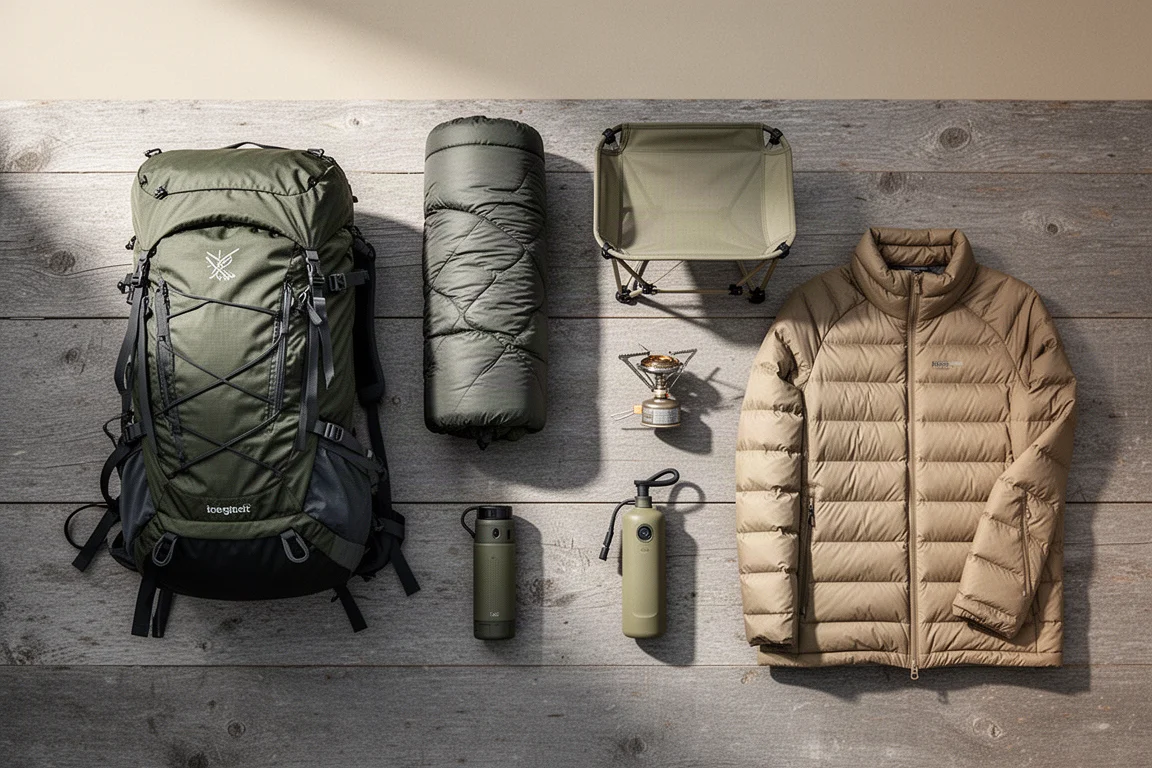
Expensive backpacking gear is easy to dismiss until you spend a cold, damp night on an uneven pitch and realise that comfort is what decides whether you go out again. The items in this roundup add up to more than $5,000 in total. The price tags are not the point. The point is working out which pieces genuinely make a night outdoors better and which ones are simply costly.
Some of these products earn their money through weight savings. Others do something no cheaper alternative can do. A few are luxury purchases that most backpackers can skip without missing anything. This guide covers eight comfort-focused items, what each one actually delivers, where it falls short, and who should consider paying for it.
How We Judge Comfort-First Gear
Three factors decide whether a piece of gear is worth carrying. The first is weight, because a lighter pack is simply more comfortable on the trail. The second is function, because a product that does something a cheaper option cannot do is worth more than its spec sheet suggests. The third is peace of mind, which is harder to measure but very real on a long day in remote terrain.
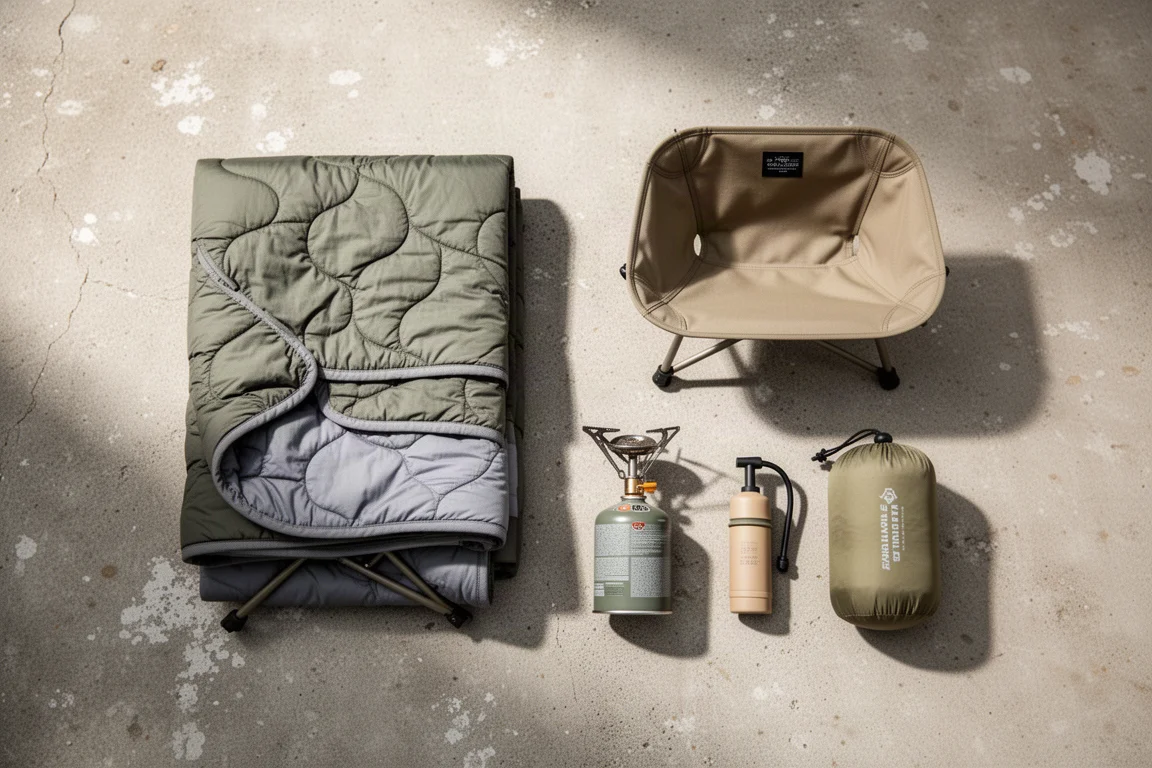
Trip style matters just as much as the gear itself. A short walk with long hours spent at camp rewards comfort items such as a chair, a roomy shelter and a proper sleep setup, while a long day of pushing to camp rewards low weight above almost everything else. The products below are judged on that basis, and a budget alternative is noted wherever a cheaper option covers the same need.
Zpacks Arc Haul: Ultralight Carry With a Ventilated Frame
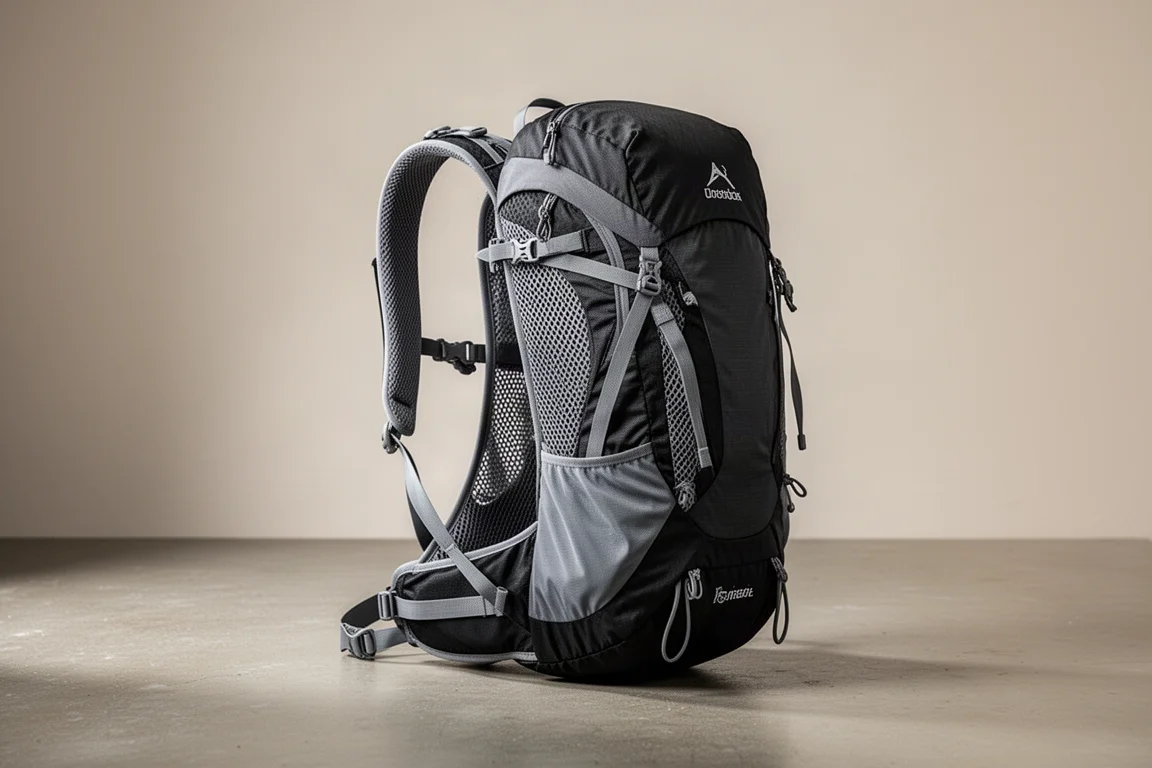
The Arc Haul costs over $400 and weighs just 608 g, which places it among the lightest fully featured packs on the market. It still carries the details most backpackers expect: side pockets, a front pocket, a frame and a full hip belt.
Two of its standout features sit at the back. The torso length is adjustable, so the shoulder straps can be moved up or down by several inches to match your body. That matters because efficient weight transfer to the hip belt is what makes a heavy load manageable, and this pack has carried loads over 40 lbs comfortably. The second feature is a trampoline back panel that holds the pack slightly away from your back and allows airflow, which keeps you noticeably less sweaty on hot days.
The 50 L version used here is on the small side for comfort-focused trips, where gear tends to be bulkier. Backpackers who carry more should look at the 60 L or 70 L versions instead, since the extra volume costs very little in weight.
Zpacks Offset Trio: A Roomy Two-Person Shelter in DCF
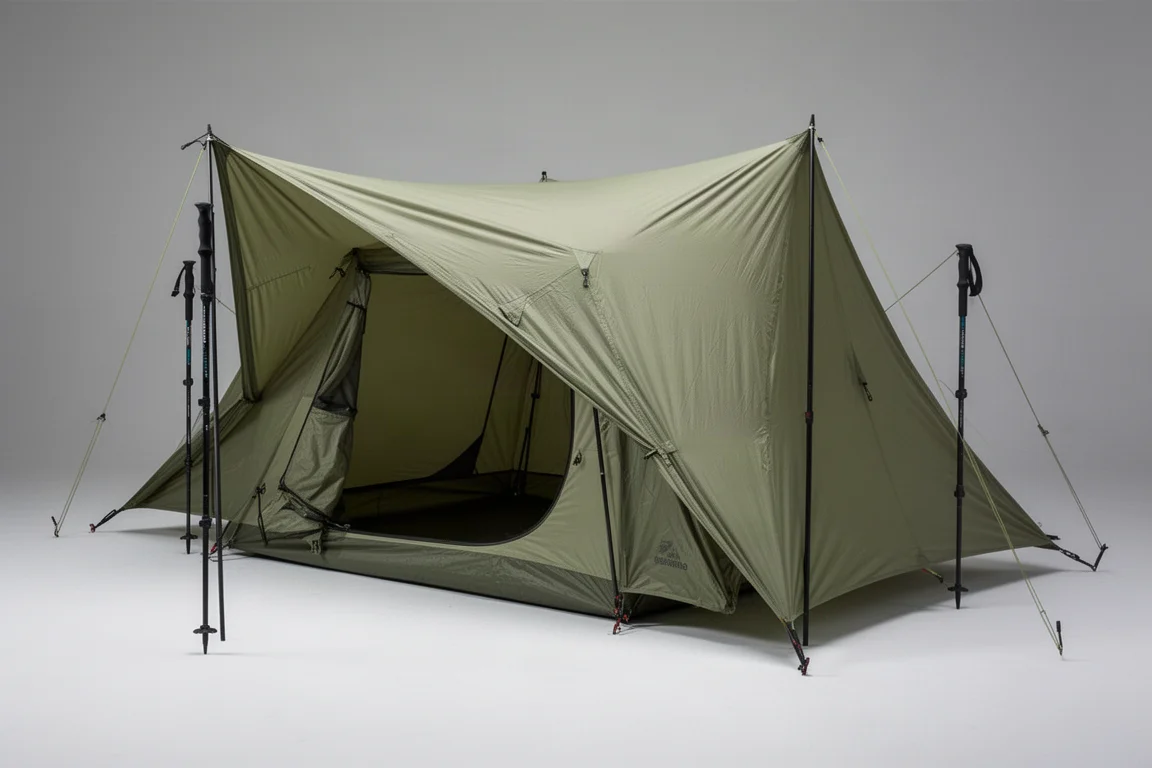
The Offset Trio is one of the more unusual tents you can buy, and it costs around $900. It weighs just over 700 g, which is remarkable for a shelter of this size. It is sold as a three-person tent, but it works best as a very roomy two-person tent: two 25-inch wide sleeping pads fit inside with plenty of space left over for gear, a dog or a small child.
Two struts at the head and foot ends pull the panels outward and add a surprising amount of interior volume. The fabric is Dyneema Composite Fabric, which is light and strong, and it does not absorb water or moisture, so it will not sag or stretch when it gets wet.
The trade-off is storm performance. With large panels and those struts, the shelter catches wind and gets buffeted, so it is not the most weatherproof option available. For trips where living space and low weight matter more than stability in strong wind, it is a compelling choice.
Nemo Moonlite Elite: The Camp Chair That Reclines
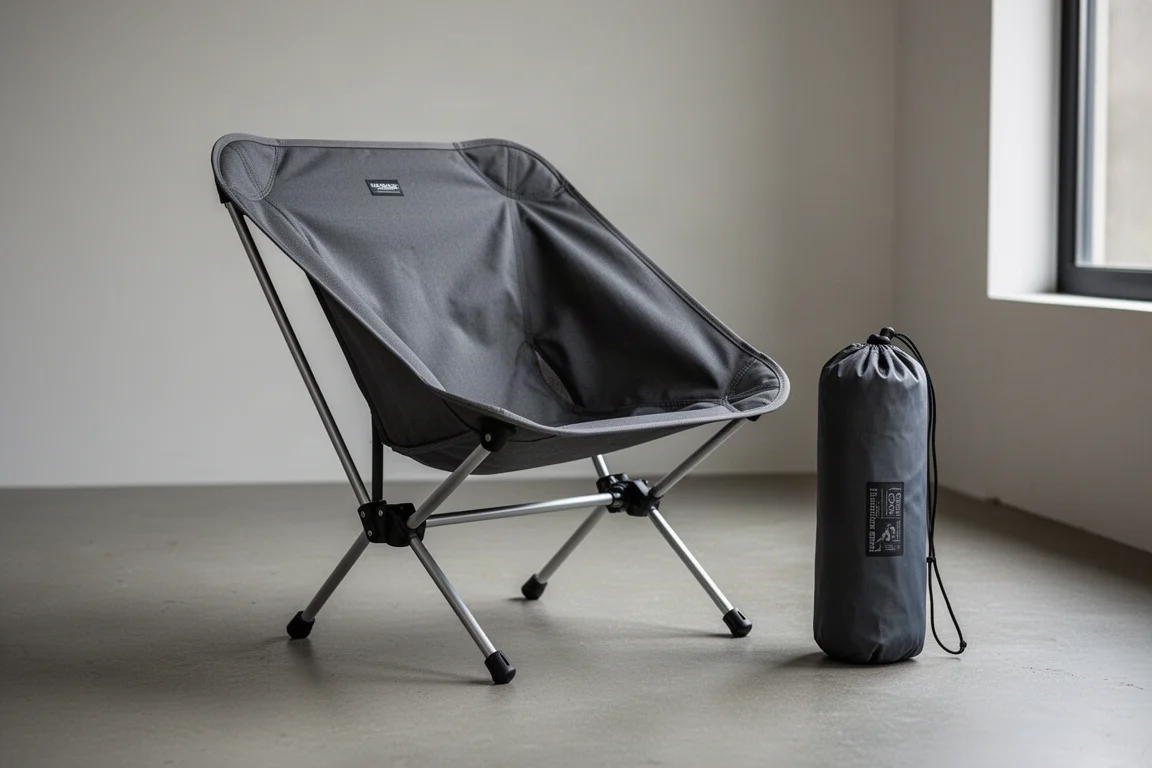
The Moonlite Elite is an ultralight camp chair with two features that set it apart. Toggles on the sides let you recline the back for a relaxed sit, or cinch it up into a more upright position when you are cooking or eating. The carry case doubles as a footprint: it fits over the four legs and stops them sinking into soft ground, which is a real benefit in spring conditions or on sand.
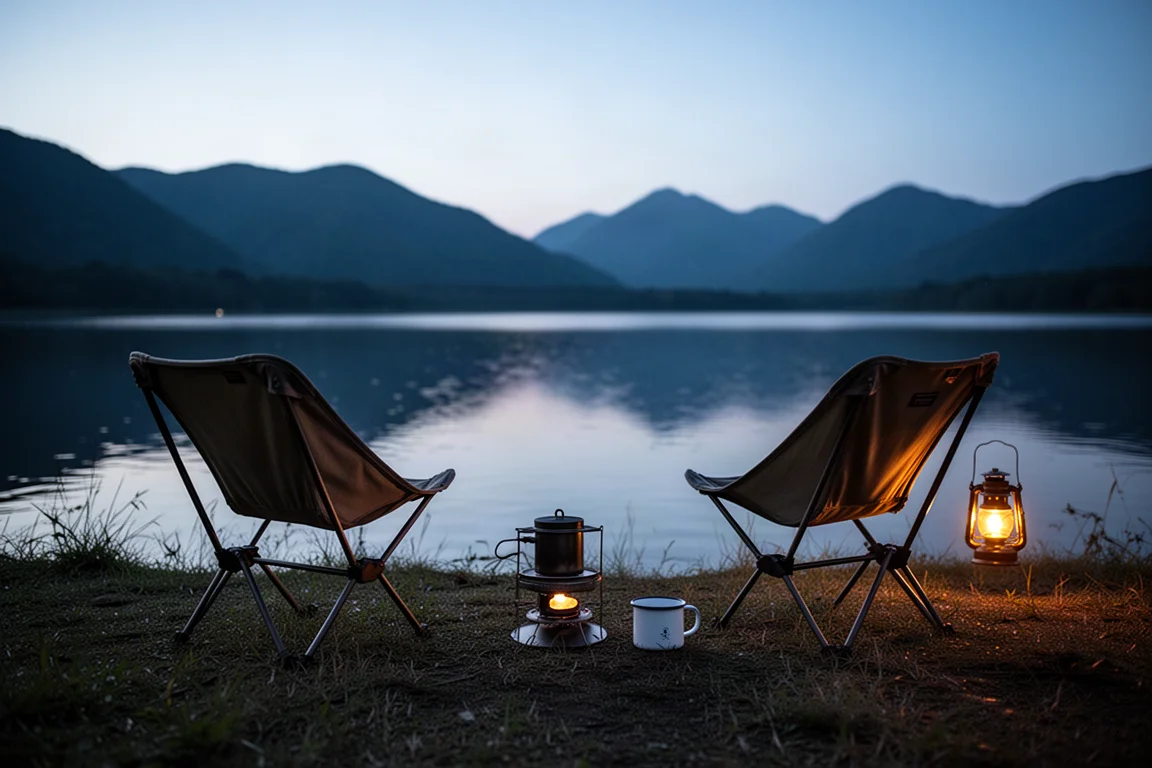
The catch is the price. At $180 it costs a great deal for a chair, and there are lighter options such as the REI Flexlite Air at around $100. That chair does not include a footprint and does not recline, so it sinks more easily into soft ground and offers less adjustment. For backpackers who spend hours sitting around camp, the added comfort is the reason to pay the difference.
Zenbivy Ultralite: A Sleep System That Costs About $1,000
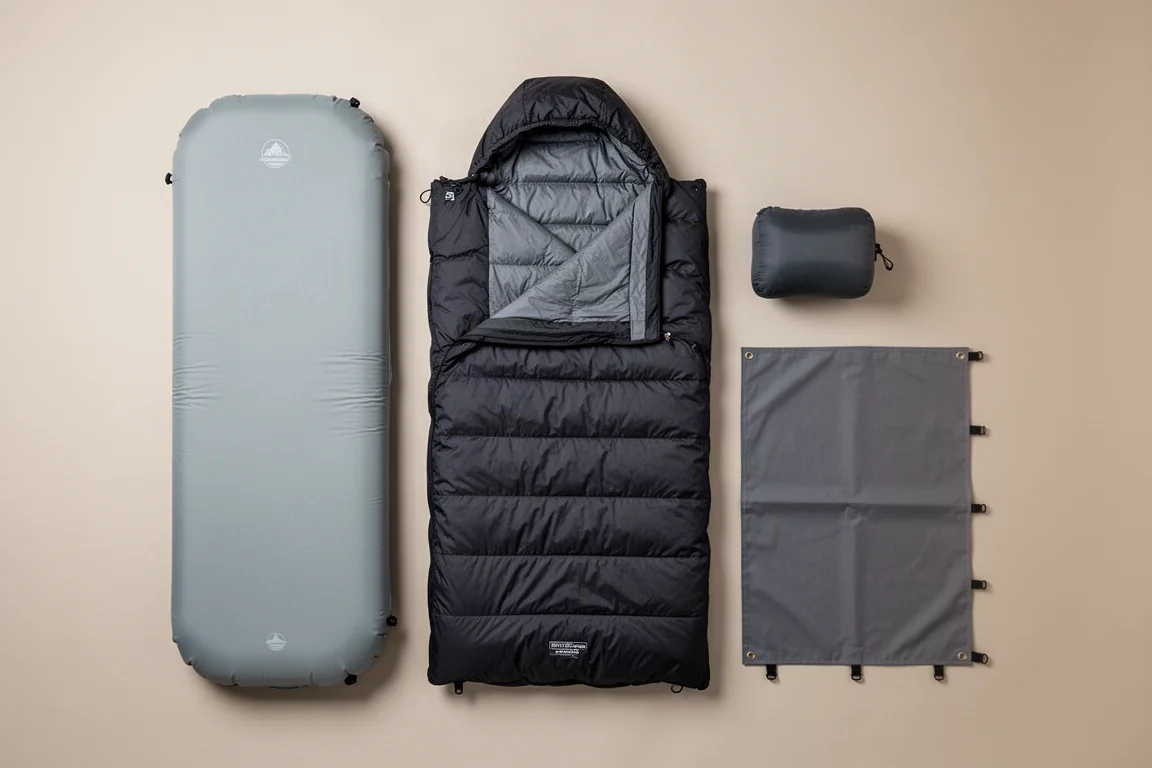
The Zenbivy Ultralite is a complete sleep system: sleeping pad, quilt, pillow and a sheet that ties the whole thing together, at roughly $1,000. Its purpose is to solve the two classic sleep problems on the trail, drafts and constant position changes.
The sheet straps over the pad and does two jobs. A flap along the side carries clips that lock the quilt onto the pad, so there are no gaps where cold air can creep in. It also forms a hood for the pillow. Choosing the insulated hood version rather than the uninsulated one is a meaningful upgrade: it is more comfortable to lie on directly and it adds warmth around the head, so no hat is needed.
The quilt here is the 10-degree version, which stayed warm through a night at minus 5 C with heavy condensation inside and outside the tent. The 25-degree version would not have been enough in those conditions. The pad is the Flex version in the large size, 25 inches wide, and its stretchy surface helps with pressure points.
There are still gripes worth knowing about. The pad has to be fully inflated to feel comfortable, and at about 3 inches thick it will not suit heavier sleepers who need a genuinely thick pad. There is no snap at the head end of the quilt to seal warmth around the neck and shoulders, and tucking the quilt corners into the hood only partly solves that. The system is also heavy and bulky compared with buying a quilt, pad and pillow separately.
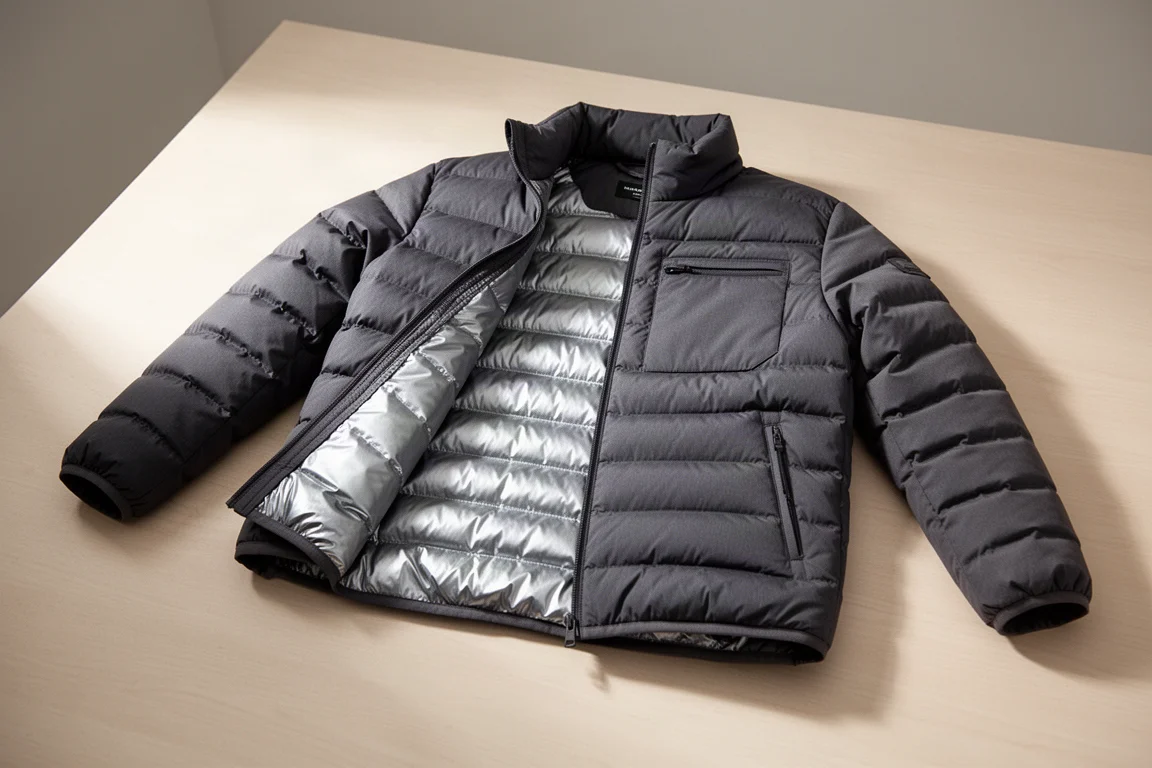
Rab Mythic G: The Lightest Warmth Comes at a Price
At $525, the Mythic G is the most expensive three-season down jacket in this roundup. The construction is genuinely unusual: a 7-denier shell fabric, 1000 fill power down, and a reflective layer on the inside that sends heat back toward your body. It is exceptionally light for the warmth it offers. On a cold night it still felt slightly cool, so it is worth testing before relying on it as your only insulation.
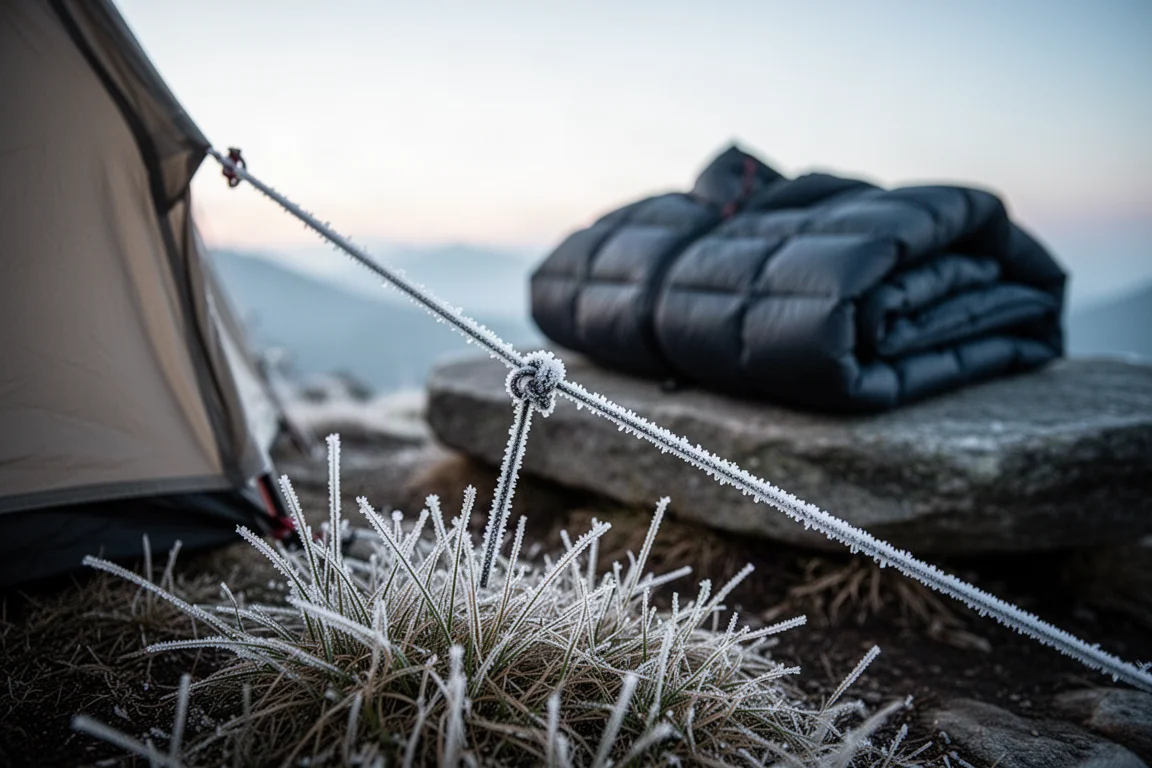
Budget alternatives do exist and they work well. The Decathlon Trek 100 and comparable down jackets cost under $100 and are heavier and less warm, but they will get the job done on most three-season trips. The Mythic G is a luxury purchase for backpackers who want to save weight while staying warm, and the weight and warmth gains do not fully justify the price gap for everyone.
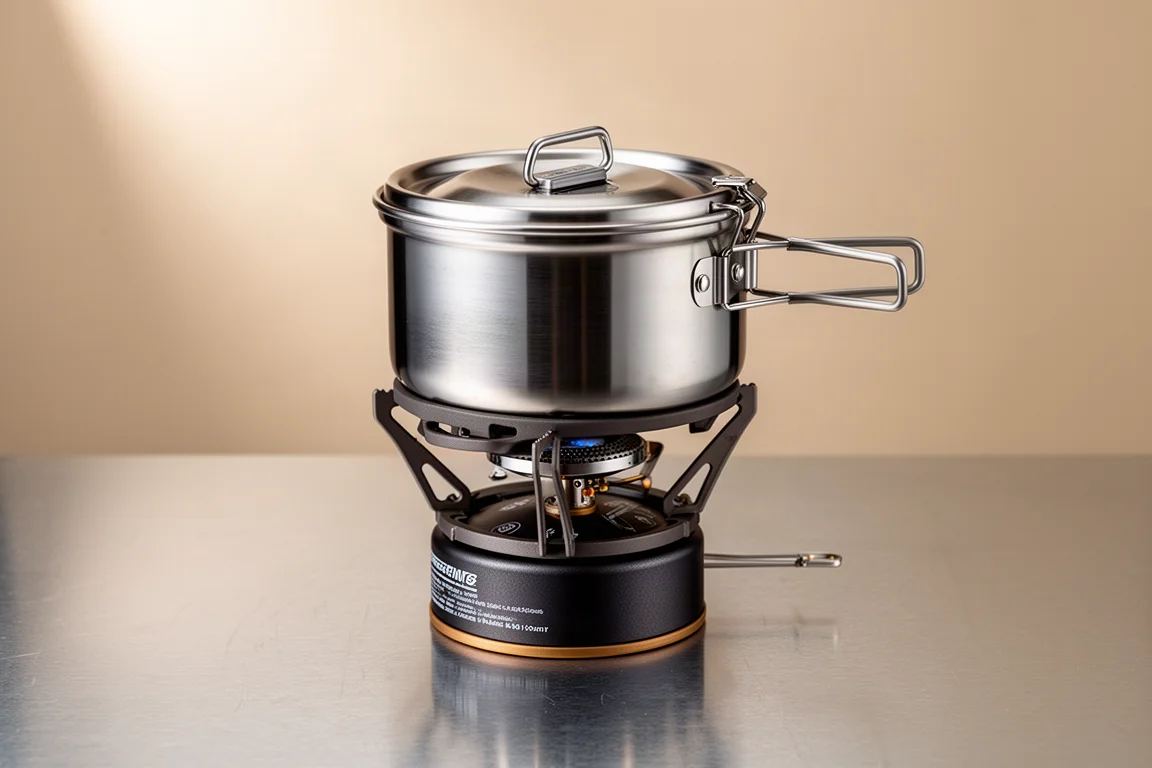
MSR WindBurner: Fast Boiling When the Wind Picks Up
The WindBurner is an all-in-one stove system with a radiant burner and a windscreen that wraps around the burner, which is exactly what makes it effective in the sort of gusty conditions you get on an exposed lakeshore. When all you want is boiled water for a meal, a self-contained system like this is hard to beat.
It is expensive and it is heavier than a minimalist setup. A small BRS stove and a Toaks pot weigh less and cost far less. The WindBurner makes sense for backpackers who cook in windy, exposed places and want water boiling quickly without babysitting a flame.
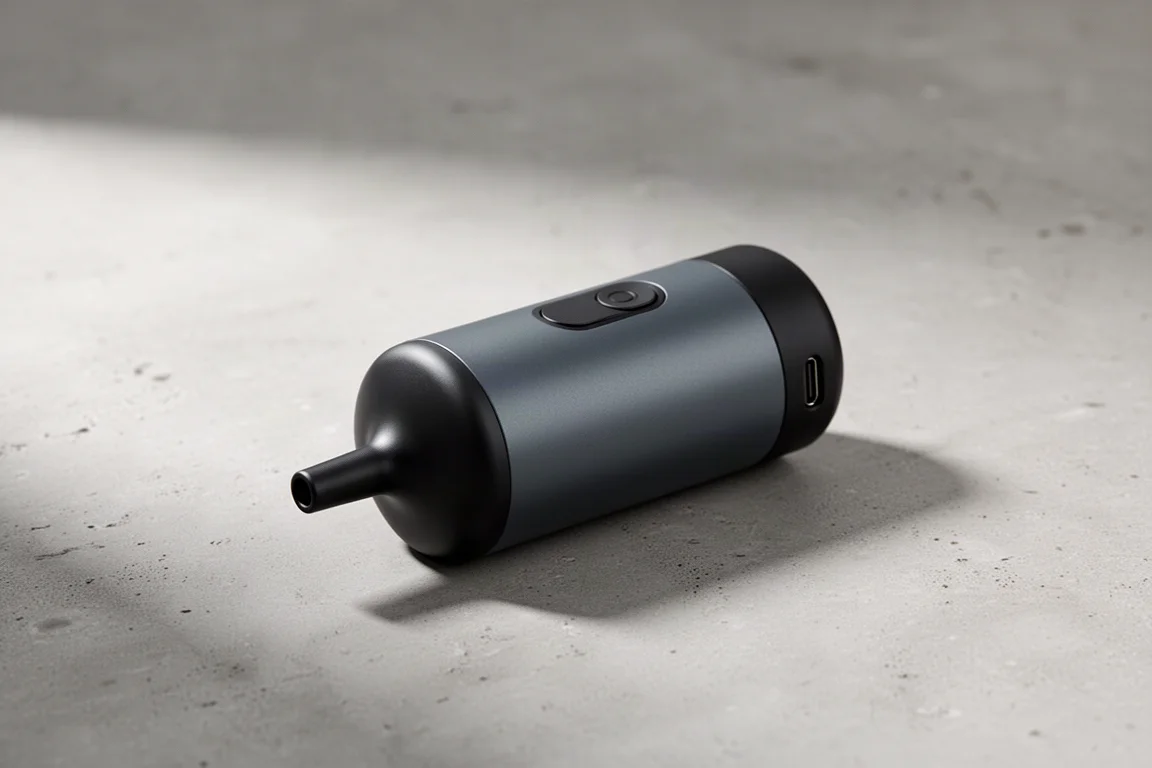
Flextail Tiny Pump 2X: Inflate Your Pad Without the Huffing
The Tiny Pump 2X is a small rechargeable pump for inflating sleeping pads. It is a little heavier than the brand’s Zero pump, but it produces more pressure, so you need fewer top-up breaths to finish the job. It also includes a light, which is handy hung inside a tent for ambient light or a game of cards.
Pumps have quietly moved from luxury item to standard kit for a lot of backpackers, and this one covers inflation and lighting in a single small device.
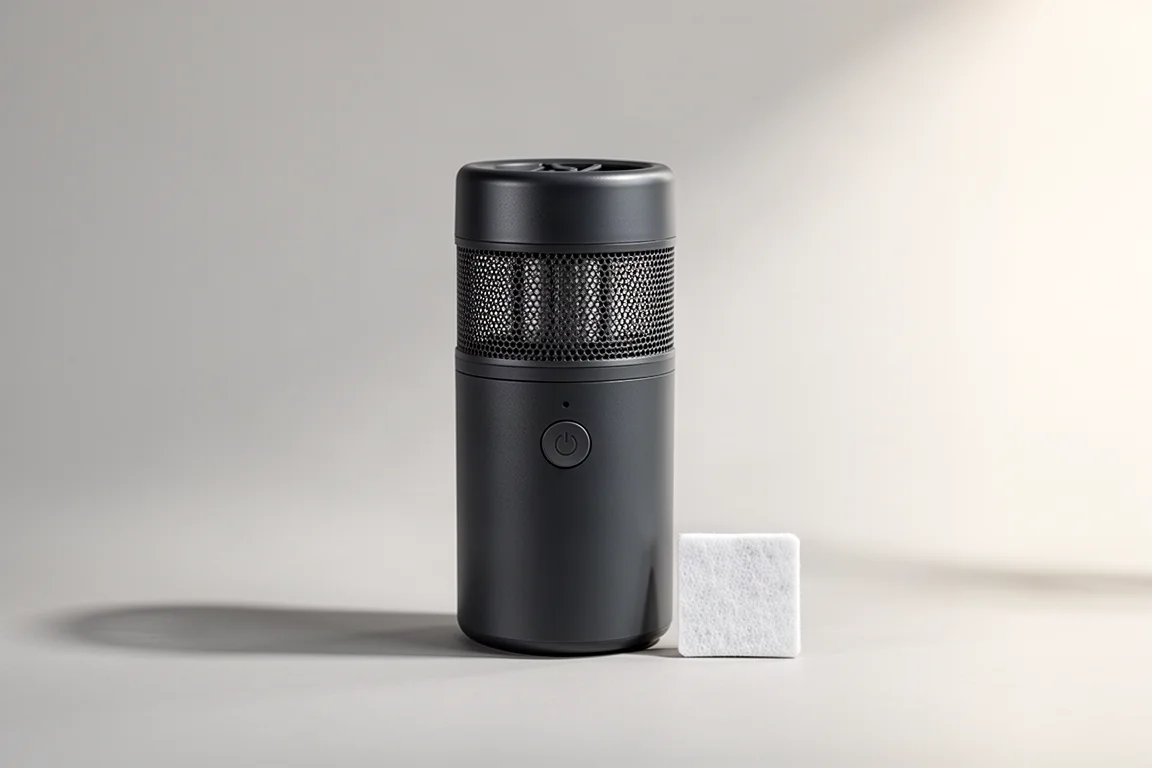
Flextail Tiny Repel: Mosquito Relief Without Spray
The Tiny Repel is a rechargeable electronic mosquito repellent. It charges over USB-C, takes small treated pads, heats them, and releases a vapour that repels mosquitoes and is designed to be safe to inhale.
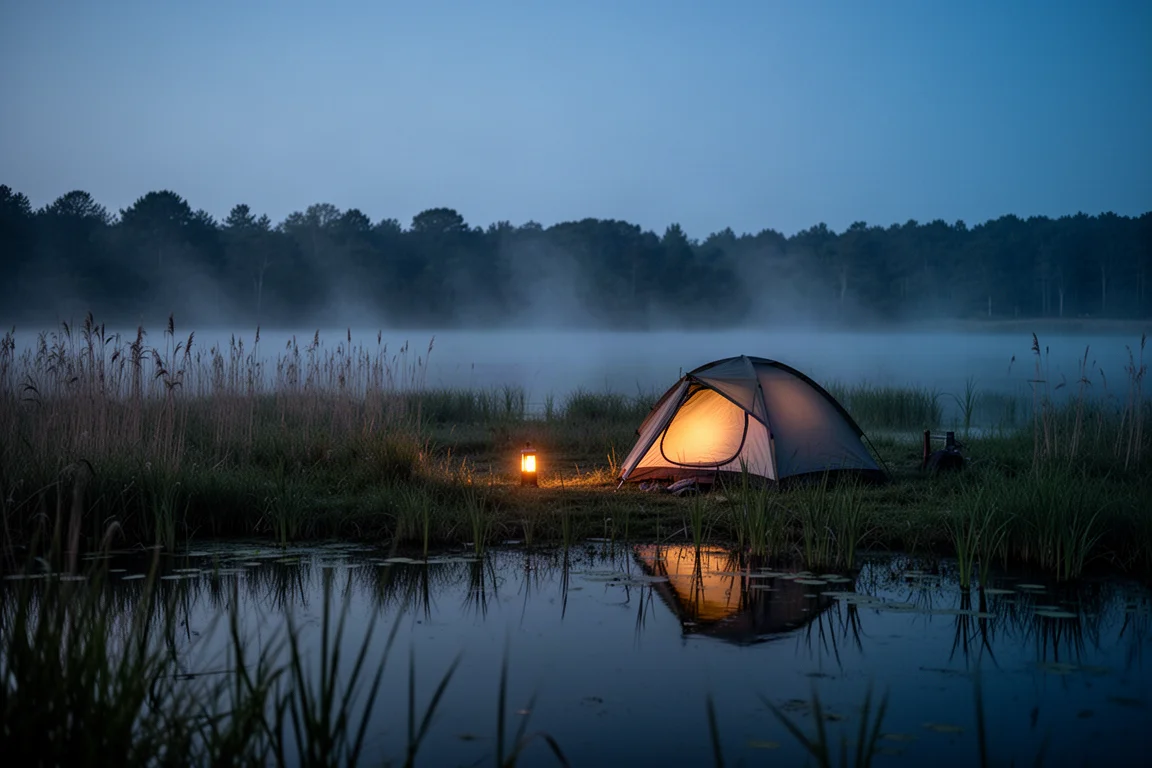
That makes it well suited to marshy lakeside camps where insects get bad at dusk, and to anyone who would rather not cover themselves in spray. It needs charging before a trip and it uses small treated pads as part of the system, so it is worth packing with that in mind.
Overall Buying Advice
The three comfort factors from earlier in this guide are the right way to sort a wish list. Weight, function and peace of mind are what you are actually paying for, and only you can decide how much each one is worth on your trips.
Sleep comes first. A sleep system that keeps you warm and settled changes a trip more than anything else, which is why the Zenbivy Ultralite is the item most likely to be worth its price for people who struggle to sleep outdoors. The pack comes next, because a comfortable carry makes every kilometre easier, and the Arc Haul’s weight and ventilated back panel justify its cost for backpackers who carry real loads.
The shelter is a judgement call. The Offset Trio trades storm performance for space and low weight, so it suits camp-heavy trips rather than exposed ridgelines. The camp chair and the small extras are where spending becomes optional: the Moonlite Elite, the Tiny Pump 2X and the Tiny Repel each add convenience, and each has a cheaper counterpart that does most of the job.
The jacket and the stove are the clearest luxury purchases here. Both are excellent at what they do, and both have budget alternatives that are heavier or slower but entirely workable. If you get out only a few times a year, those alternatives will serve you well.
One category worth thinking about separately is on-trail electronics. A satellite communicator carries both an upfront cost and ongoing monthly fees, and it earns that expense mainly for solo travellers or people heading into genuinely remote areas where an SOS button and the ability to message home matter. A navigation-focused watch is useful if you regularly travel off trail or through broken trail where you make constant turn decisions, since checking your wrist is easier than pulling out a phone and draining its battery. For group trips in well-travelled areas, neither is essential.
Conclusion
None of this gear is required to enjoy backpacking, and plenty of affordable equipment will keep most people comfortable on most trips. What these eight items offer is a way to remove specific discomforts: a sweaty back, a cramped shelter, a chair that sinks into soft ground, a quilt that lets in drafts, a stove that fails in wind, a pad that takes twenty breaths to inflate, mosquitoes at dusk.
If discomfort is the reason you are not getting out as often as you would like, spending more on one or two of these pieces can be a sensible trade. If you are comfortable with what you already carry, there is no need to replace any of it. Match the purchase to the problem, and the money goes where it actually helps.
Further reading
Related Reviews

Backpacking Gear
Building a 10 lb Base Weight: An Ultralight Backpacking Gear List
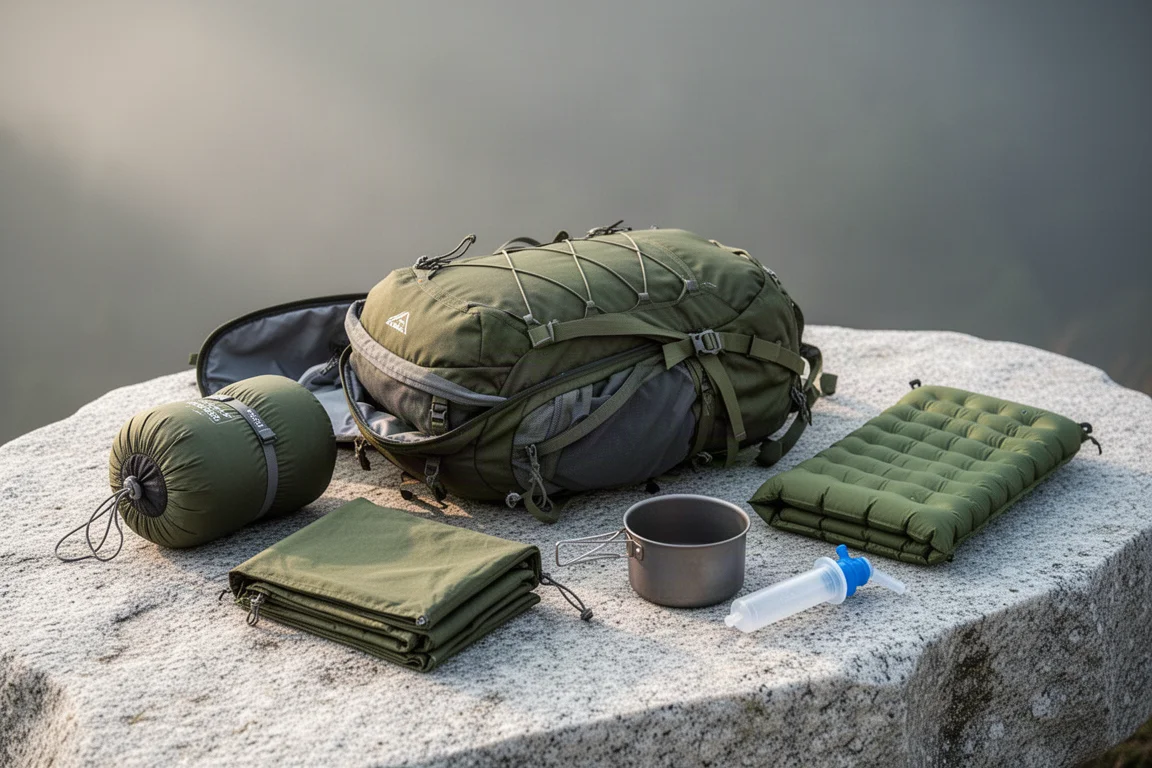
A practical walkthrough of the ultralight pieces behind a 10 lb base weight, from a 765 g pack and a roomy one-person tent to a full camp chair and a dependable water filter.
Backpacking Gear
A 15-Pound Lightweight Backpacking Gear List for Solo Trips
A beginner-friendly 15-pound backpacking setup built from easy-to-find gear, with notes on what each piece does, how it packs, and where to spend your attention.
Backpacking Gear
8 Ultralight Backpacking Gear Upgrades Worth Carrying
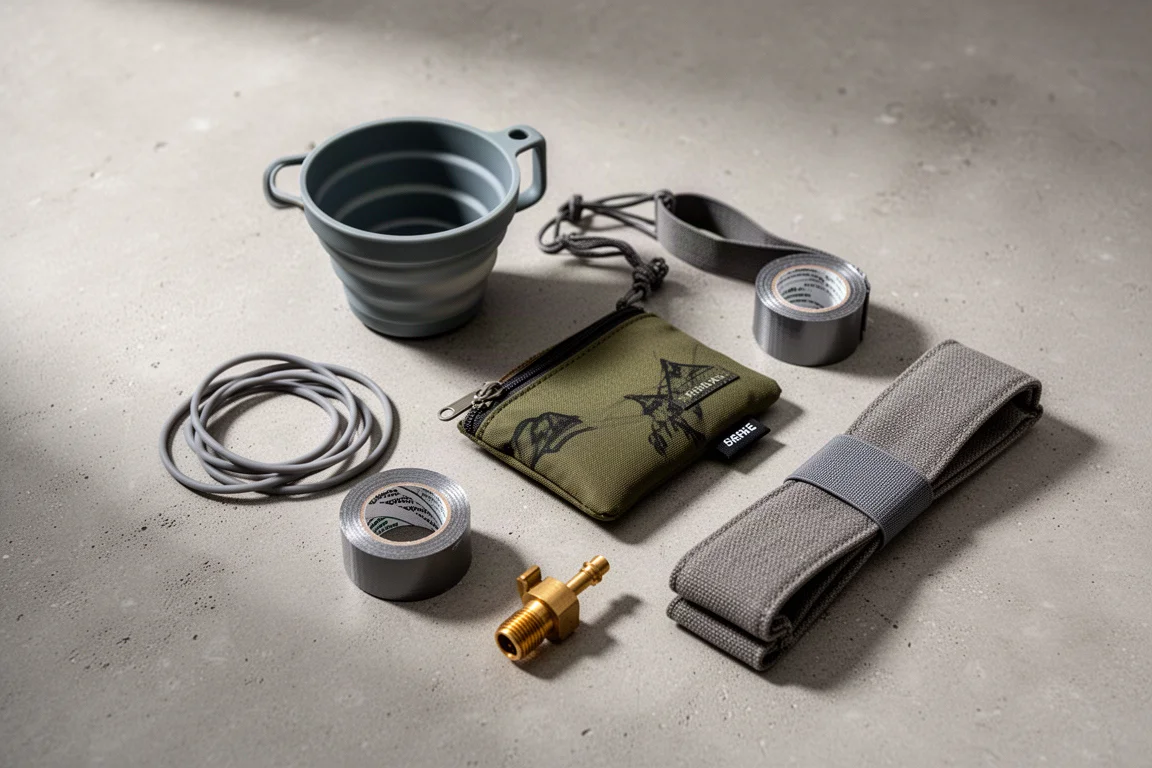
Eight small, affordable backpacking upgrades that solve real trail annoyances, from a pillow that stays put to a fuel valve that rescues leftover canister gas.