Sleeping Pads
Exped Ultra 3R Review: A Light Summer Sleeping Pad With a Tapered Shape
A light, compact inflatable sleeping pad with a 2.9 R-value and 7 cm of cushioning, plus the tapered shape and price points to weigh up first.
Introduction
The Exped Ultra 3R is an inflatable sleeping pad built for warm-weather backpacking. Its 2.9 R-value places it firmly in summer territory: enough insulation to take the chill off the ground without turning a mild night into an uncomfortably hot one.
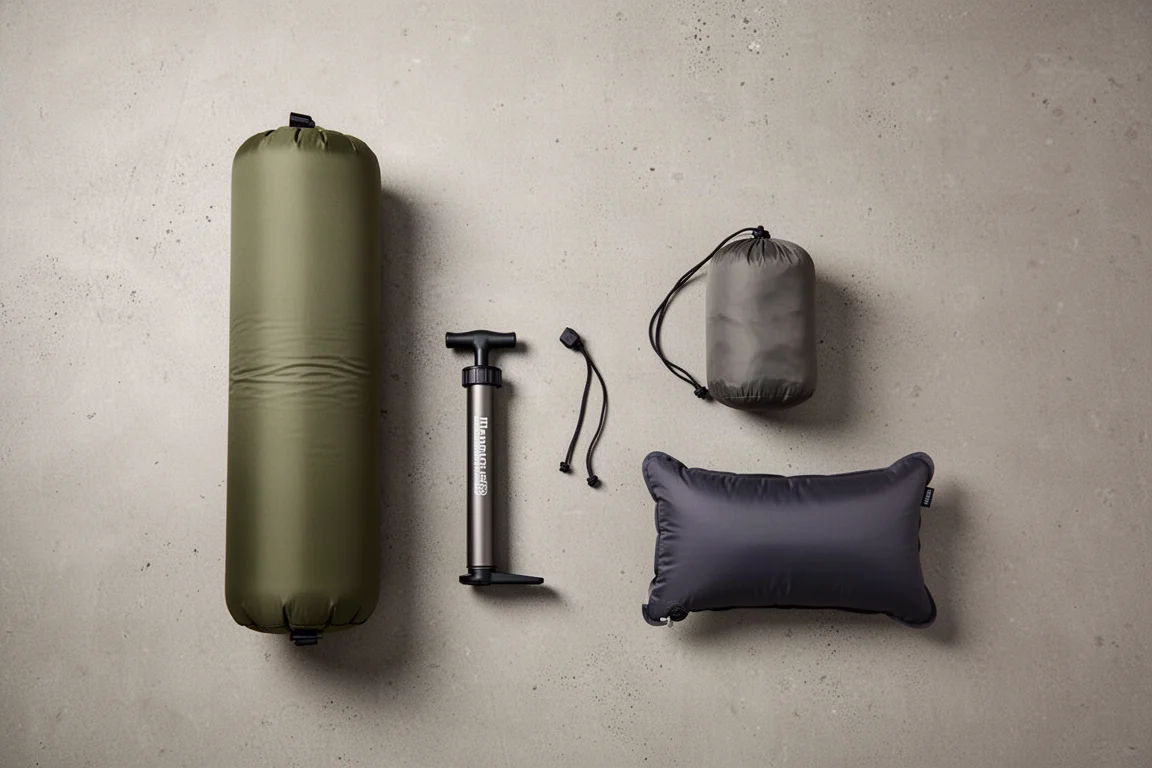
Pack size and weight are the headline numbers. Rolled up, the pad measures roughly 21 cm by 10.5 cm, and it weighs about 365 g. Add the pump sack and storage sack and the total rises to around 452 g, which is still a very manageable load for a mat that offers 7 cm of depth.

That combination of low weight and small packed volume is what makes the Ultra 3R worth a closer look for anyone counting grams on multi-day trips.
Who the Ultra 3R Is For
The Ultra 3R is best understood as a warm-weather pad. Its R-value of 2.9 is modest by design, which keeps it comfortable on summer nights when a heavily insulated mat would feel like overkill.
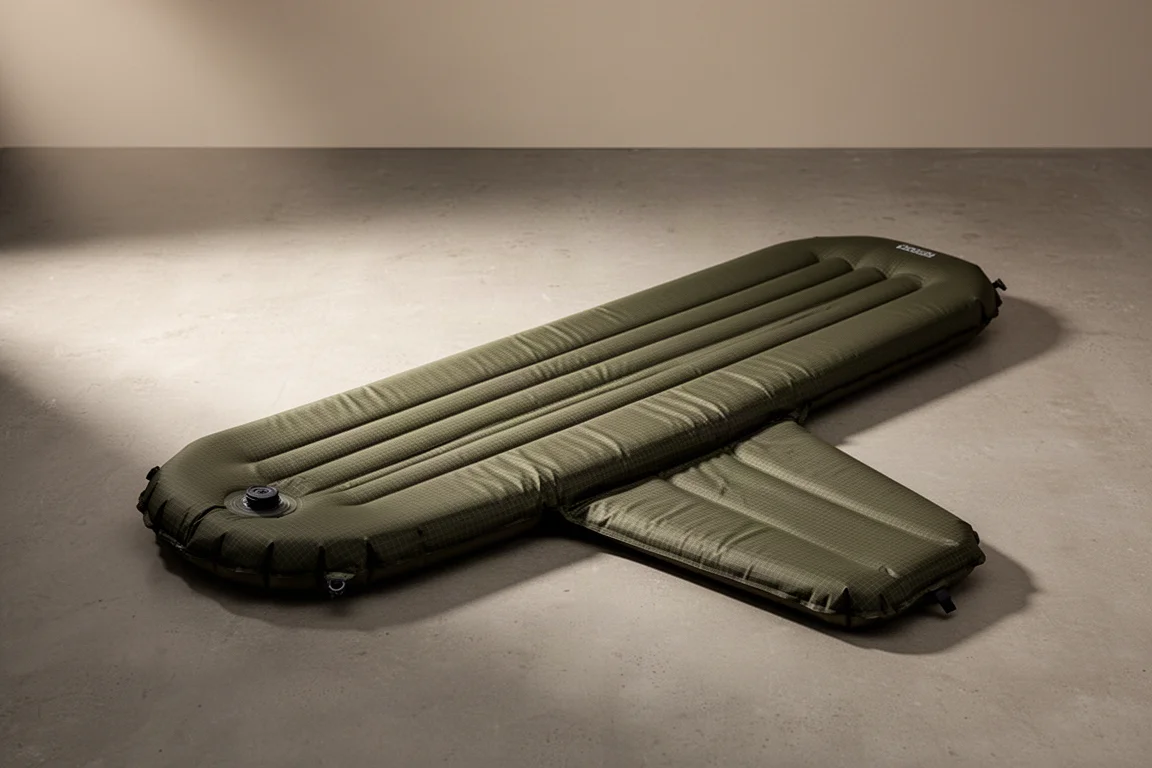
Shape matters just as much as warmth. The mummy version is strongly tapered: 52 cm wide at its widest point and just 35 cm at the foot end. That profile rewards back sleepers, who tend to stay centred on the mat through the night. Anyone who rolls around, shifts position or sleeps on their side or front will likely be happier with a rectangular model or a wide version from the same family.
The Ultra series covers a broad spread of needs. The range includes models with R-values of 1, 3, 5 and 7, in both mummy and rectangular shapes, and in regular, wide, long and regular wide sizes. That means the same overall construction approach can be matched to summer, shoulder-season or deep-winter use.
Design and Build Quality
The pad uses a 20D ripstop fabric, and the same core construction technology appears in sleeping mats from other brands, which is a reasonable indication of how well established the design is. The material feels durable in hand and has held up well over repeated use.
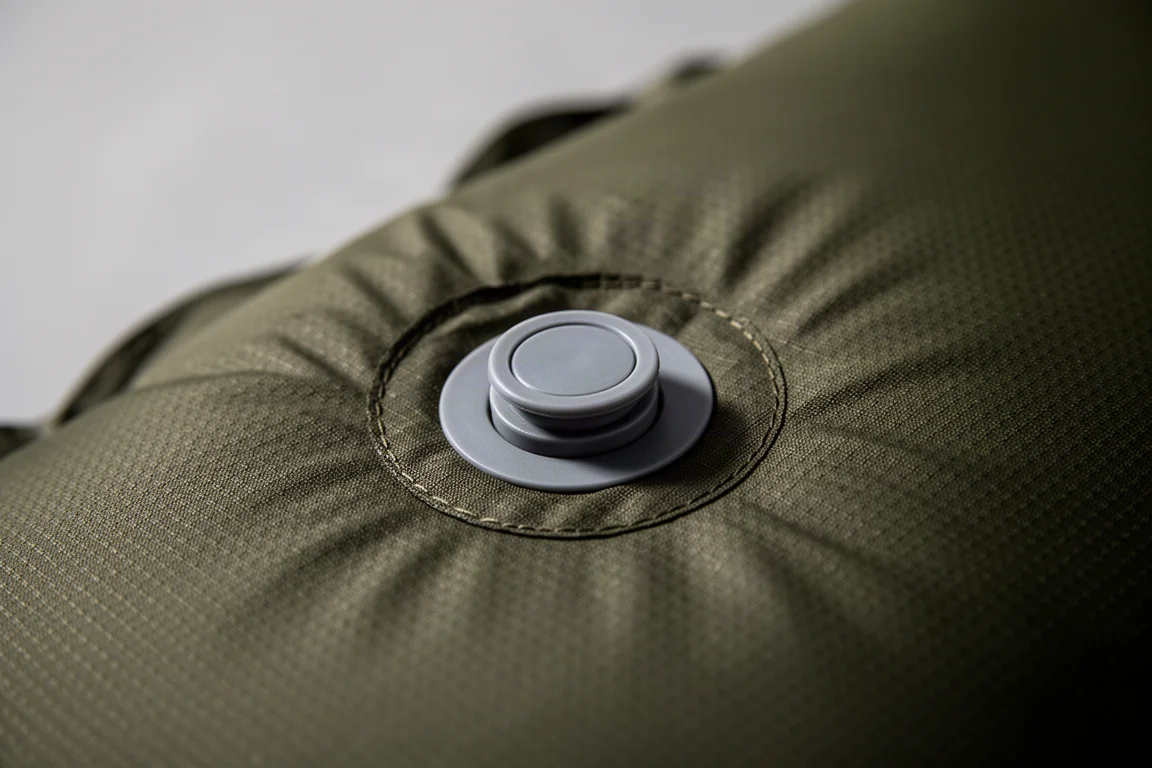
Two details stand out in daily use. First, the valve layout: the inlet uses a non-return valve that keeps air from escaping while you inflate, and the outlet opens fully to release air quickly when it is time to pack away. Second, the surface is not particularly noisy, which matters a great deal in a shared tent.
Comfort and Sleep Position
At 7 cm thick, the Ultra 3R offers a genuinely comfortable sleeping surface with plenty of cushioning between you and the ground.
The baffles run vertically along the length of the pad, and that orientation does two useful things. It feels supportive under the body, and it helps a sleeping bag stay put on top of the mat rather than sliding off to one side. With horizontally baffled mats, legs have a habit of drifting off the bottom edge during the night. Vertical baffles reduce that tendency.
Inflation is quick, taking roughly a minute with a compact hand pump, and the non-return valve holds air even before it is fully closed. That makes setup at the end of a long day refreshingly simple.
Warmth, Weight and Packed Size
The 2.9 R-value is a deliberate middle point: insulating enough for cooler summer nights, light enough to carry without a second thought. At around 365 g for the pad alone, it barely registers in a pack, and the packed dimensions of roughly 21 cm by 10.5 cm mean it disappears into the bottom of a rucksack.

The trade-off is straightforward. A lower R-value pad will not carry you into cold conditions, so the Ultra 3R is best treated as a warm-weather tool rather than a single mat for every season. Riders and hikers who camp year round should look further up the range.
Things to Consider Before Buying
The tapered mummy shape is the biggest consideration. If you sleep on your side or front, or move around a lot during the night, the narrow foot end can feel restrictive. The rectangular and wide options in the Ultra range address that directly.
The R-value is the second consideration. At 2.9, this is a summer pad. Cold sleepers and anyone planning shoulder-season or winter trips should look at the higher R-value models in the same family instead.
Finally, consider how you inflate it. Using the supplied pump sack is the standard approach, but some campers prefer a separate compact pump to keep moisture out of the mat interior. Either method works, and the valve design supports both.
Buying Advice
With an RRP of around £182, the Ultra 3R sits at the higher end of what many people would expect to pay for a summer sleeping pad. That figure makes more sense for a heavily insulated mat than for one with an R-value of 2.9, so it is worth checking current retail prices before committing, since the pad is frequently discounted.
If you sleep on your back, want a light and compact summer mat with real cushioning, and can find it at a reduced price, the Ultra 3R is a well-made option with a solid reputation behind it. If you are a side sleeper, move around a lot at night, or want one pad to cover every season, a wider or higher R-value model from the same range will serve you better.
Conclusion
The Exped Ultra 3R does a specific job well. It is light, packs down small, inflates quickly and delivers 7 cm of comfortable, quiet cushioning with a 2.9 R-value that suits warm nights. The strongly tapered shape and the summer-focused insulation are the two things to weigh up before buying. Get those right, and it is a capable, well-built mat for warm-weather backpacking.
Product link
View more details for Exped Ultra 3R
This product is mentioned in the review. Check the specifications, options, and compatibility before buying.
View more details for Exped Ultra 3RFurther reading
Related Reviews
Sleeping Pads
Best Backpacking Sleeping Pads 2026: Nine Pads Rated on Price, Comfort, Warmth, and Weight
Nine backpacking sleeping pads compared on price, comfort, warmth, and weight, from a $65 summer pad to a year-round option rated at R-7.3.
Sleeping Pads
Best Backpacking Sleeping Pads: Comfort, Warmth, and Weight Compared
A practical comparison of the Nemo Quasar 3D, Therm-a-Rest NeoAir XTherm Max, and Big Agnes Rapide SL for backpackers choosing between comfort, warmth, and packed weight.
Sleeping Pads
Best Backpacking Sleeping Pads: Ultralight, Winter, Comfort and Budget Picks
A practical roundup of the sleeping pads that stand out for ultralight weight, winter warmth, pressure relief and value, plus three popular pads that fell short.