Sleeping Pads
Exped Ultra 10R vs Highlander Napsack R 11: Two Extreme-Warmth Winter Sleeping Pads Compared
Two of the only sleeping pads with tested R values above 10, compared on warmth, comfort, stability, noise and price.
Introduction
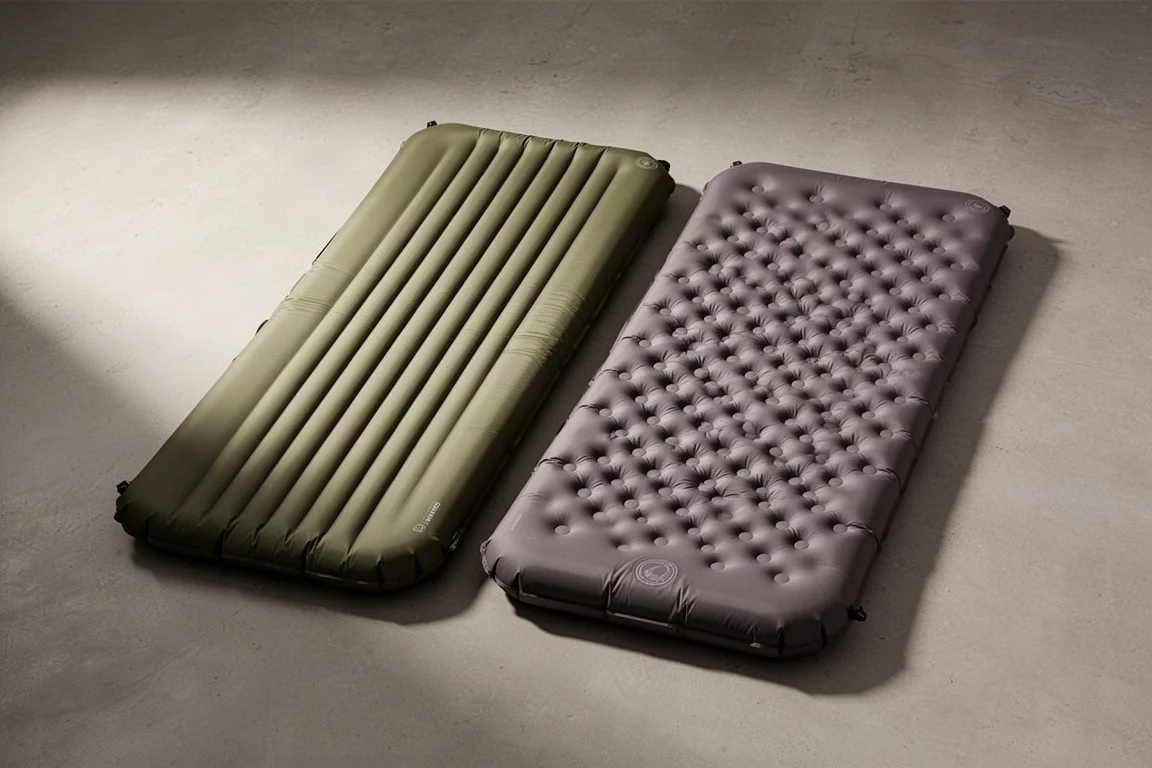
Above roughly R value 10, the world of sleeping pads gets very small. Only a handful of models reach that level of tested insulation, and even fewer stay light enough to carry on a backpacking trip. Two pads currently sit at the top of that short list: the Exped Ultra 10R and the Highlander Napsack R 11.
Both are ASTM-tested above an R value of 10. Both come in long, wide rectangular shapes. Both weigh over 800 g in that size, which places them firmly in the expedition category rather than the ultralight one. The interesting part is the price gap: the Highlander costs about half as much as the Exped, and it comes from a brand with far less history in inflatable pads.
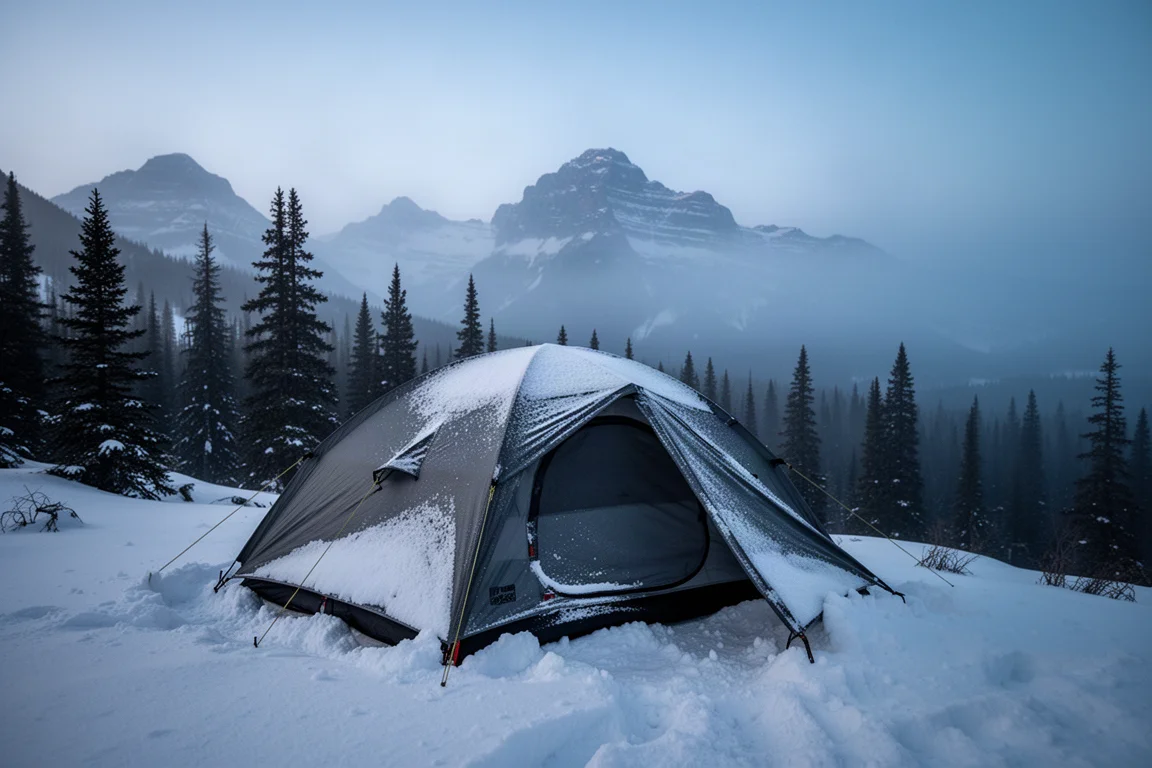
Exped is the company that pioneered the inflatable sleeping pad, and the Ultra 10R sits at the top of its Ultra line. Highlander is a much less familiar name, and its R 11 claim rests on three layers of reflective film suspended inside the pad, a design that has historically delivered less warmth than the headline number suggests.
The question worth answering is straightforward. Does the cheaper pad deliver comparable warmth in real winter conditions, or does the Exped justify paying roughly double? The answer turned out to be more nuanced than either side of that argument would like.
What Matters Most in a Winter Sleeping Pad
Winter pads are judged differently from three-season pads. The first thing to understand is that an R value only holds when the pad is fully inflated. Letting air out to soften the surface reduces insulation sharply, so pressure relief has to come from the design of the pad rather than from under-inflation. That makes baffle pattern and shell stretch far more important in winter than in summer.
Shape matters too. A long, wide rectangular pad exposes more surface area to cold air than a mummy cut, particularly around the legs and feet, and it holds more internal air volume that has to be warmed up. Rectangular pads are comfortable, but they are not the most thermally efficient option.
Weld points are the other major consideration. In freezing conditions, the seams that connect the top and bottom of a pad can become brittle, and a failure at a valve or a baffle weld can end a trip. Pads with fewer, longer welds and a strong reliability record tend to be the safer bet.
Weight deserves a mention as well. Both pads here sit above 800 g in the long wide size, so they represent a deliberate trade of pack weight for warmth rather than a compromise on either.
Exped Ultra 10R: Reflective Synthetic Insulation on Both Sides
The Ultra 10R carries an ASTM-tested R value of 10.2 and weighs 813 g in the long, wide rectangular version. Its shell is a 20-denier polyester that has a slight stretch to it, and the pad measures 9 cm thick.
What sets it apart is the insulation construction. A layer of synthetic insulation is bonded to the top of the pad and another to the bottom, and reflective film is attached to both of those synthetic layers. Earlier Exped pads in the same line applied this only to the top surface. Exped confirmed the insulation does not wrap around the sides, leaving a small air gap at the edges, which is a detail worth knowing when reading the R value.
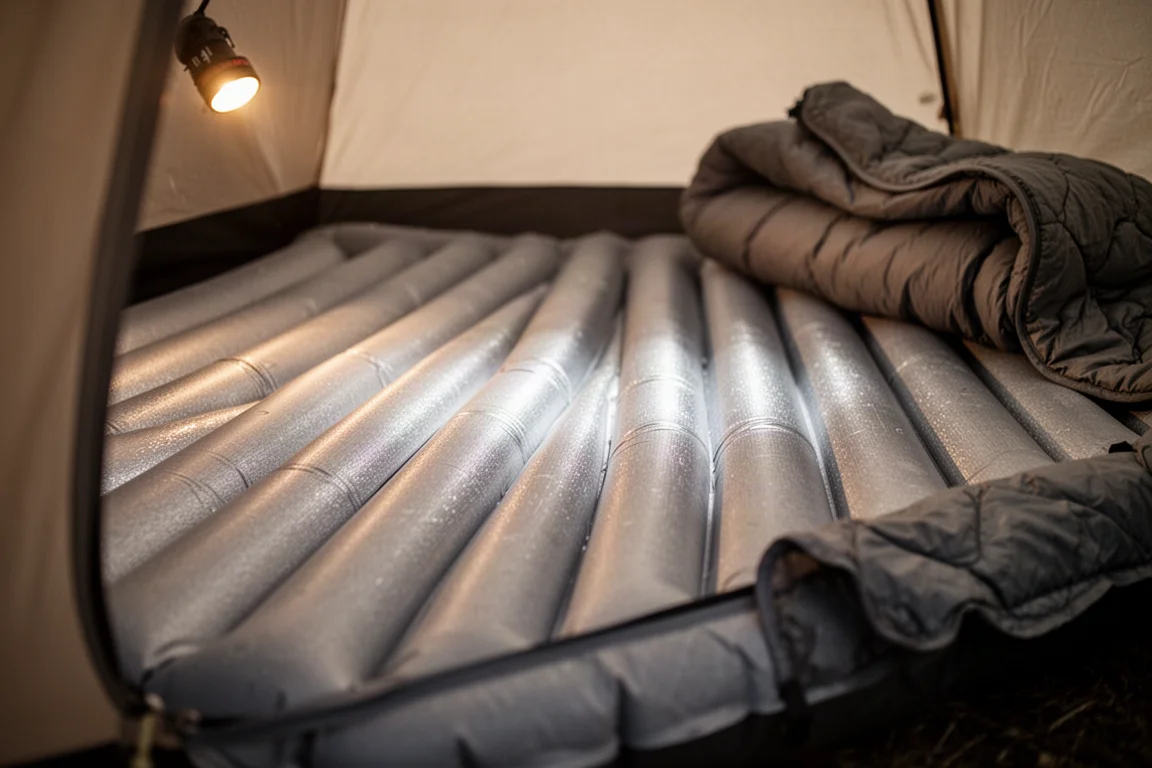
On the surface, the pad uses long vertical baffles with slightly larger outer tubes. The vertical channels keep the pad stable and provide solid edge support, while the stretchy top fabric helps spread pressure. In practice that combination made the Ultra 10R the more comfortable and more confidence-inspiring of the two, especially when sleeping close to the edge.
Noise is a genuine strength here. The Ultra 10R is quiet in use, with only faint material crinkle, and it stays quiet when it shifts against a tent floor. Durability also looks reassuring, because the long vertical baffles mean fewer weld points overall and Exped’s construction quality has a strong track record for reliability.
The main drawback is weight. At over 800 g, the Ultra 10R sits at the heavier end of the lightweight winter pad category, and it costs roughly twice as much as the Highlander.
Highlander Napsack R 11: Extreme R Value at Half the Price
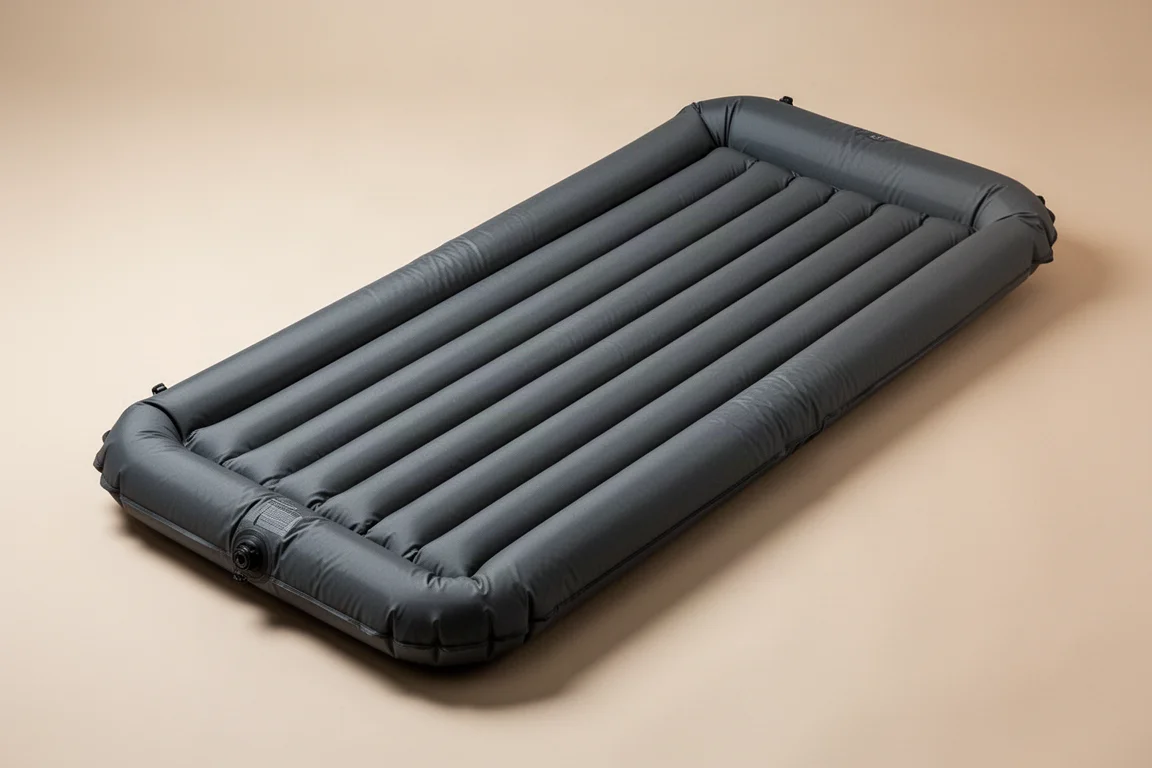
The Napsack R 11 claims an ASTM-tested R value of 11, the highest figure here, and it weighs 855 g in the long wide size. The shell is 20-denier nylon, essentially the same fabric thickness as the Exped, and the pad is listed at 10 cm thick, though side by side it did not appear thicker than the 9 cm Exped.
Inside, Highlander uses three layers of reflective film suspended in the pad. That figure is worth pausing on. Pads with suspended reflective film typically run anywhere from one to seven layers, and three layers would normally correspond to an R value closer to six or seven, which points to comfortable sleeping somewhere around minus 5°C to minus 10°C rather than at the claimed extreme.
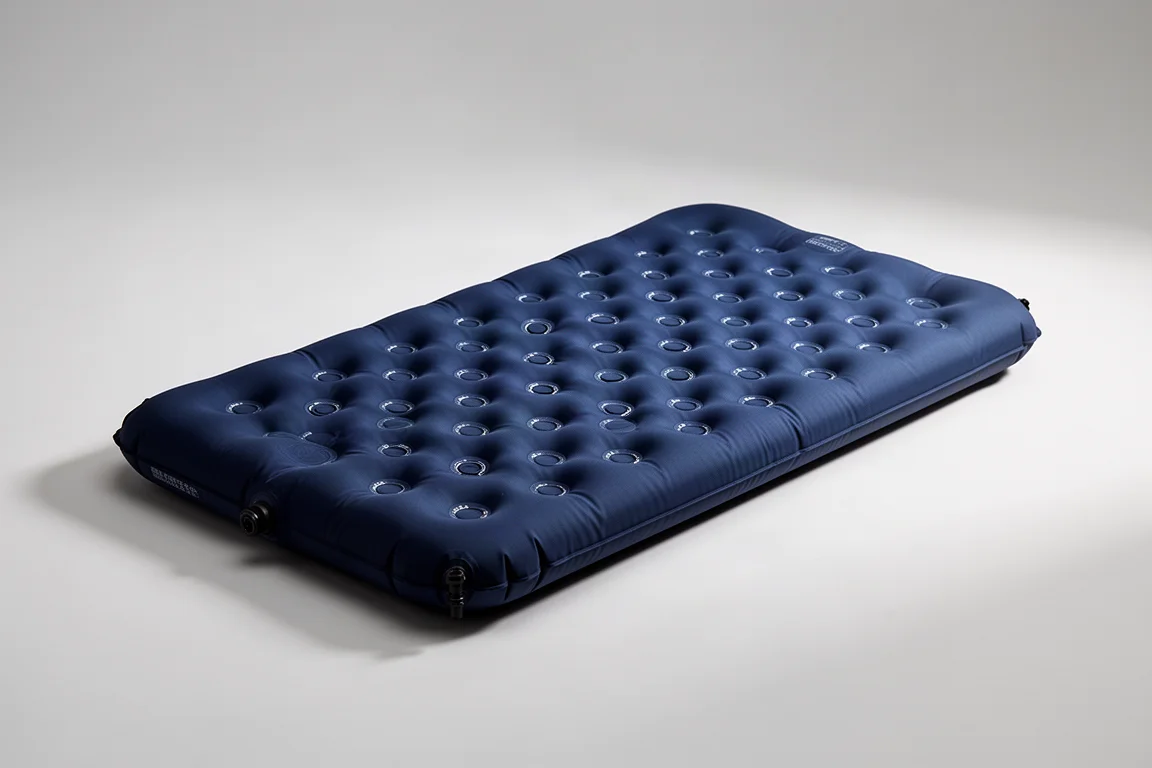
The baffling is dimpled, with a repeating pattern of circular weld points across the surface. Dimpled baffling is generally among the most comfortable designs available, though this particular implementation is shared with several other pads and does not feel as refined as the dimpled surfaces on some better-known models. The pad is also about an inch narrower and curves toward the sides, so the usable sleeping area feels smaller and the edges feel less secure.
Noise is the clearest everyday compromise. The Napsack R 11 is noticeably crinklier and produces rubbery sounds from the dimpled surface, and it is more audible when it rubs against a tent floor. Build quality is the open question. The dimpled pattern creates a large number of weld points, and those circular connections are exactly the kind that have failed on other pads in freezing conditions. There is not yet enough owner feedback to say how the Napsack holds up over multiple winters.
At $135, though, it undercuts almost every other winter-rated pad on the market, and most pads near that price fall apart once temperatures drop well below freezing.
Warmth, Comfort and Noise: Side by Side
Testing took place overnight in Canadian winter conditions, with air temperature holding near minus 13°C for most of the night before falling to about minus 18°C in the morning. The first hours were split between the two pads in hourly blocks, then each pad was used for a longer stretch as temperatures dropped, with a final comparison in the coldest part of the morning.
Both pads handled minus 10°C without any trouble. The Napsack R 11 stayed comfortable down to about minus 13°C, which is more than its construction suggested it would manage, and the first sign of heat loss appeared around minus 15°C to minus 16°C. That places its practical comfort limit somewhere near minus 18°C, or closer to minus 12°C for anyone who sleeps cold.
The Ultra 10R was still warm at minus 16°C, with noticeable reflected heat coming back through the pad, and it stayed comfortable through the coldest hour at about minus 18°C, including around the torso. The one weak point was the lower legs, a direct consequence of the long, wide rectangular shape and the amount of sleeping bag surface left exposed to cold air.
On comfort, both pads are thick enough that bottoming out is not a concern, and they came out roughly even on pressure relief. The Ultra 10R pulled ahead on stability. Its slightly wider footprint, thicker outer tubes and vertical baffles made it feel roomier and safer near the edges, while the narrower, side-curving Napsack felt like it offered less usable space.
Durability and Reliability in Winter Conditions
Weld points are the most likely failure point on any winter pad, because cold makes the bonds between the top and bottom layers brittle. A failed weld at a baffle or around a valve can make a pad unusable on the spot, and it has happened on other models in sub-zero conditions.
The Ultra 10R benefits from a design with fewer weld points, since long vertical baffles mean less bonding overall, and Exped’s construction quality has improved considerably in recent years. The Napsack R 11 takes the opposite approach. Its dimpled surface is built from a dense grid of circular welds, and that is a lot of potential failure points to trust in freezing weather. Without a large body of long-term owner feedback, that remains an unknown rather than a proven weakness.
Both pads share one structural trade-off that is easy to overlook. Because they must be fully inflated to deliver their rated warmth, there is no softening the surface to gain comfort. Everything about comfort has to come from the baffle design and the shell.
Buying Advice: Which Winter Pad Fits Your Plans
The Ultra 10R is the stronger all-round winter pad. It is more comfortable, more stable and quieter, and it stayed warm at temperatures where the Napsack began to show its limits. It also has the more reassuring construction story. The cost is real: it runs about twice the price of the Highlander, and at 813 g it is not a light pad.
The Napsack R 11 is the better value by a wide margin. At $135 it delivers warmth that most pads in that price bracket cannot approach, and it exceeded expectations in genuinely cold conditions. It is a sensible choice for campers who want a winter-rated pad for occasional cold-weather trips and who can accept more noise, a narrower sleeping area and some uncertainty about long-term weld durability.
If warmth per dollar is the deciding factor, the Napsack R 11 is hard to argue with. If comfort, stability and long-term confidence matter more, and the budget allows for it, the Ultra 10R is the pad that earns its price.
Conclusion
Both of these pads belong to a very small group: sleeping pads with tested R values above 10 that are still practical to carry. The Exped Ultra 10R is the more refined product, pairing reliable warmth with better stability, quieter materials and a stronger construction story, at roughly twice the price. The Highlander Napsack R 11 delivers surprising warmth for $135 and is the better buy for anyone who needs a winter-rated pad without spending premium money.
Further reading
Related Reviews
Sleeping Pads
Best Backpacking Sleeping Pads 2026: Nine Pads Rated on Price, Comfort, Warmth, and Weight
Nine backpacking sleeping pads compared on price, comfort, warmth, and weight, from a $65 summer pad to a year-round option rated at R-7.3.
Sleeping Pads
Best Backpacking Sleeping Pads: Comfort, Warmth, and Weight Compared
A practical comparison of the Nemo Quasar 3D, Therm-a-Rest NeoAir XTherm Max, and Big Agnes Rapide SL for backpackers choosing between comfort, warmth, and packed weight.
Sleeping Pads
Best Backpacking Sleeping Pads: Ultralight, Winter, Comfort and Budget Picks
A practical roundup of the sleeping pads that stand out for ultralight weight, winter warmth, pressure relief and value, plus three popular pads that fell short.