Hi-Fi Audio
Eversolo Z8 Review: A Neutral DAC and All-Digital Preamplifier
A close look at the Eversolo Z8 DAC and preamplifier, how it compares with the Schiit Modi and Cambridge Audio DacMagic 200M, and who should buy it.
Introduction
Dedicated digital-to-analog converters are everywhere, and most of them are copies of copies wearing different badges. The Eversolo Z8 is one of the few recent arrivals that makes a clear argument for itself. It is a stereo DAC that also works as an all-digital preamplifier, and it does several things that neither the Schiit Modi nor the Cambridge Audio DacMagic 200M manages. This article covers what the Z8 gets right, where it falls short, and how it compares with those two long-standing reference points.
What the Eversolo Z8 Brings to a Two-Channel System
The Z8 is built around the ESS Sabre flagship ES9038 Pro chipset, paired with high-precision, low-jitter dual clock oscillators and synchronous processing. It is a fully balanced design with both XLR and RCA variable outputs, which means it can feed a power amplifier directly without a separate preamp in the chain. Headphone listeners get a dedicated headphone amplifier as well.
Inputs include one optical, one coaxial, and one USB connection, all supporting full MQA decoding, with DSD512 native files and PCM up to 768/32 supported. Bluetooth 5.0 with aptX HD and LDAC handles the wireless side.
Build Quality, Design, and Everyday Use
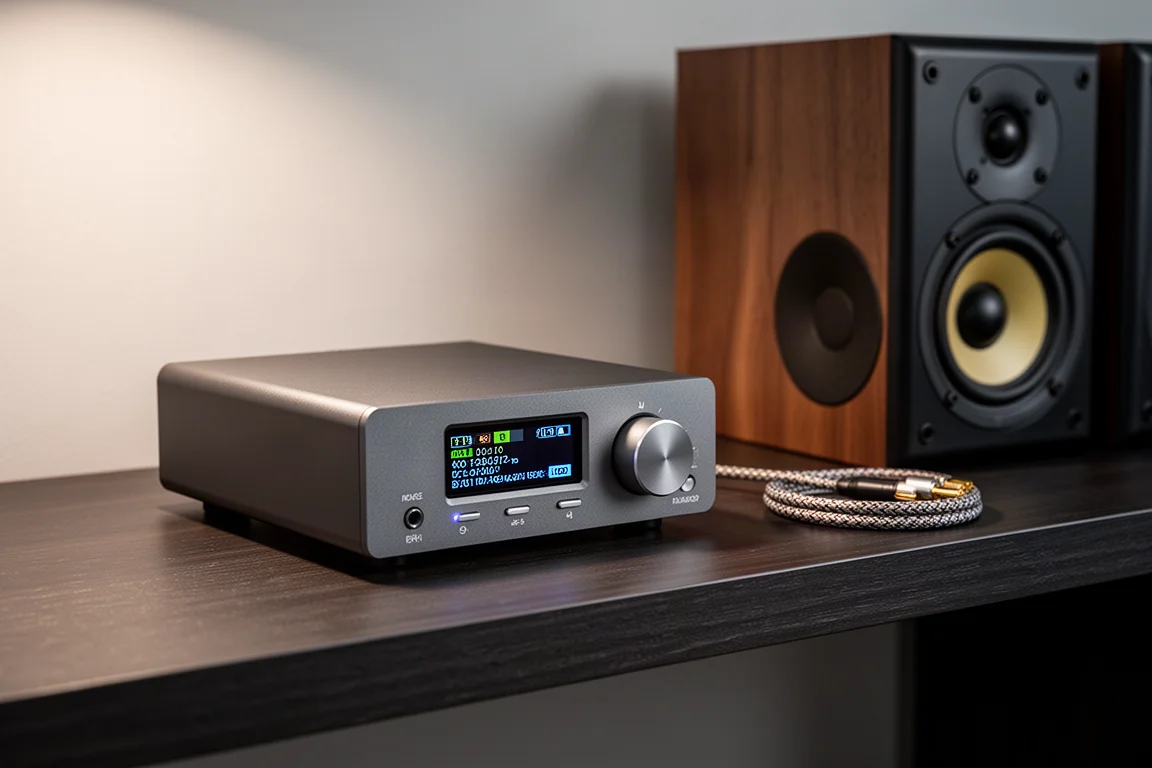
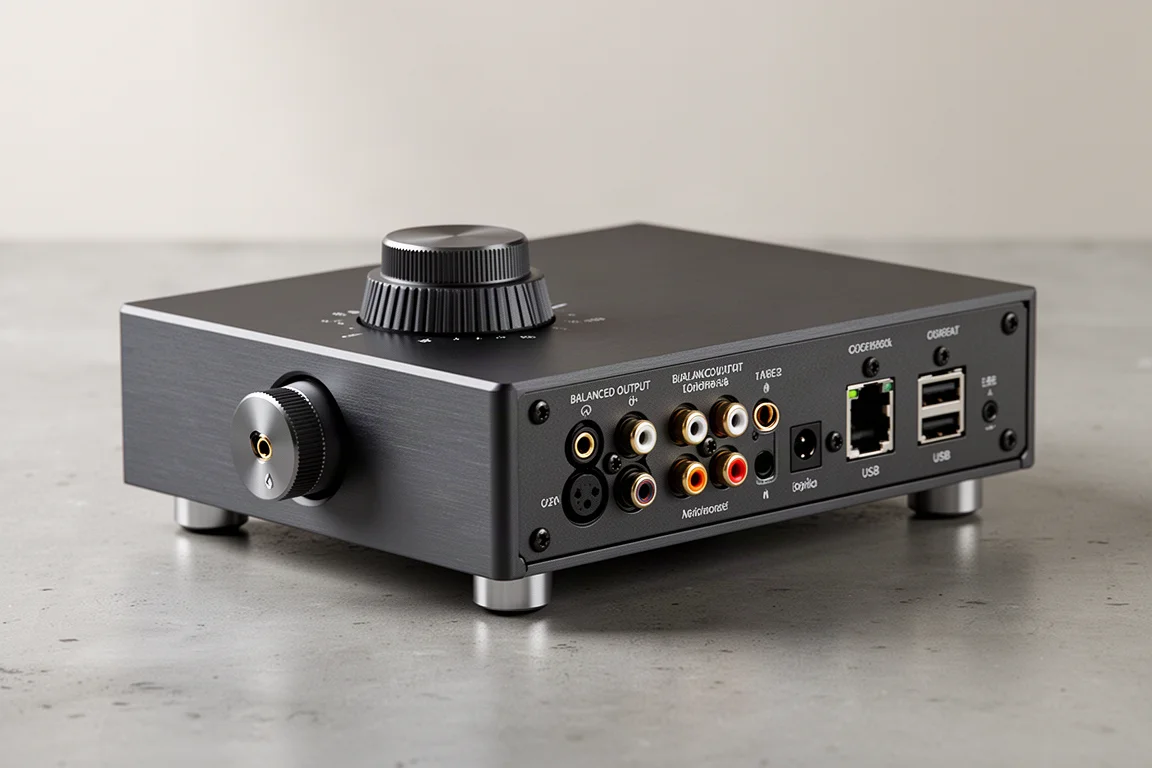
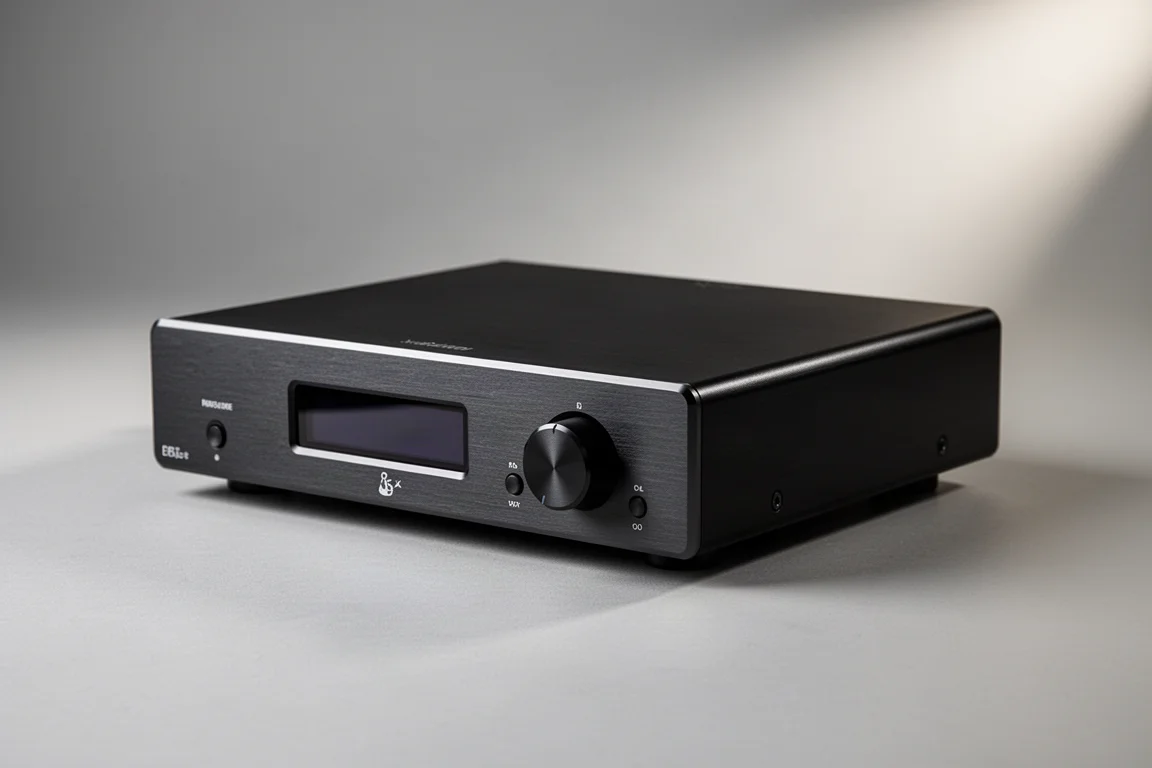
The chassis is made from aluminium, and the front panel includes a three-inch colour LCD screen. The display is bright and easy to read, which makes setup, adjustment, and source selection straightforward. When the menus are not in use, the screen can show digital VU meters or volume and source information, and both the display and the unit lighting can be switched off completely.
Setup is not quite as plug and play as the Modi, but it is still simple. The included remote is functional, and the control app mirrors the on-screen menus on a phone. Build quality and attention to detail are notably high for the price, closer to what premium lifestyle brands deliver than to typical desktop converters.
Connectivity and Inputs
The single optical, coaxial, and USB inputs cover most two-channel systems, but there is no HDMI input. That matters for hybrid setups that combine a TV with a CD transport or a digital music player, because it is possible to run out of inputs.
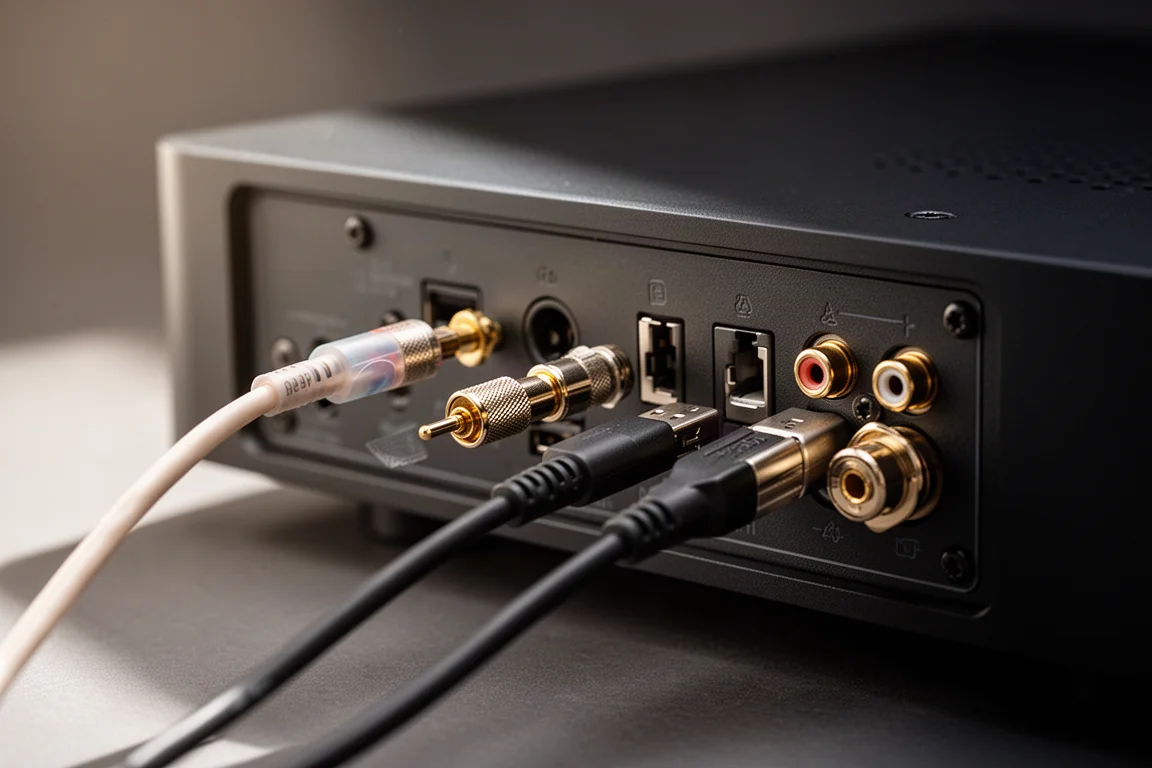
There is also no Wi-Fi, no Ethernet, and no AirPlay or Chromecast support, so there is no built-in streaming. Bluetooth 5.0 with aptX HD and LDAC is the only wireless path, and it can be used with a compatible TV for spatial audio without lip sync delays.
Sound Quality: Neutral, Silent, and Detailed
The Z8 is a very neutral component. It injects no colour and no editorializing, so anyone hoping a DAC will behave like a tone control will be disappointed. What it does instead is resolve detail and pull more information out of a recording regardless of the source, and it does that more convincingly than either the Modi or the DacMagic 200M. In detail retrieval and spaciousness it holds its own alongside far more expensive hardware, including designs built on the same chipset.
The noise floor is the standout strength. Even driving highly sensitive speakers through the RCA analog outputs, there was no hiss from the tweeter or the mid-range drivers. That silence allows for greater separation between instruments and performers, and better crescendos and dynamic swings. It is a level of quiet that reference components costing many times more do not always match.
The filters and presets deserve managed expectations. Cycling through them, the differences were mild at best and at times completely inaudible, even on revealing speakers. Most listeners will be happy leaving the default settings in place.
On compressed modern pop and rock recordings, the neutrality can become a little much. It is not fatiguing, but there are moments where turning the volume down slightly takes the edge off, and some old favourites may not see the same heavy rotation.
Where the Eversolo Z8 Falls Short
There is no HDMI or ARC input, and no second optical input. There is also no dedicated subwoofer output. Both the XLR and RCA outputs can be used simultaneously as a workaround, but bass management then has to be handled at the subwoofer rather than inside the Z8.
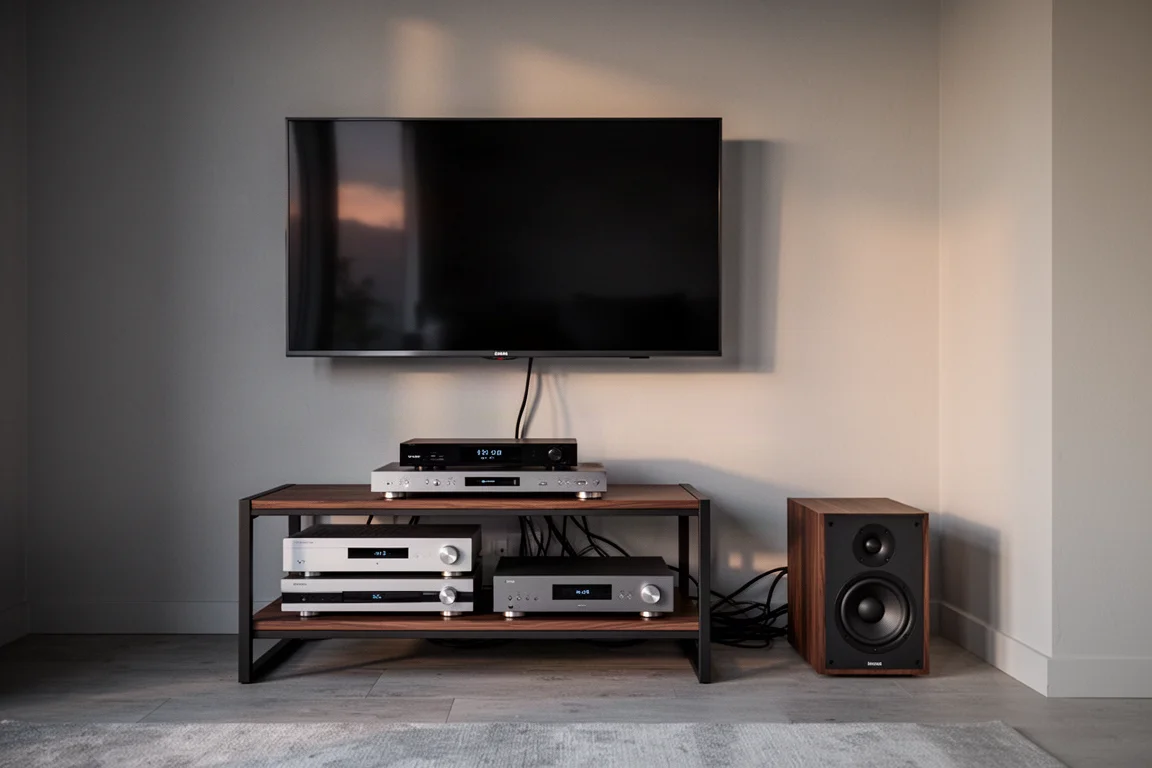
Tone controls and parametric EQ are absent too. Since the Z8 already works as a preamplifier, a few bands of EQ would have made it considerably more versatile.
How the Eversolo Z8 Compares With the Schiit Modi and Cambridge Audio DacMagic 200M
Both alternatives have earned their reputations for good reason, and each one solves a slightly different problem.
Schiit Modi: The Affordable Reference
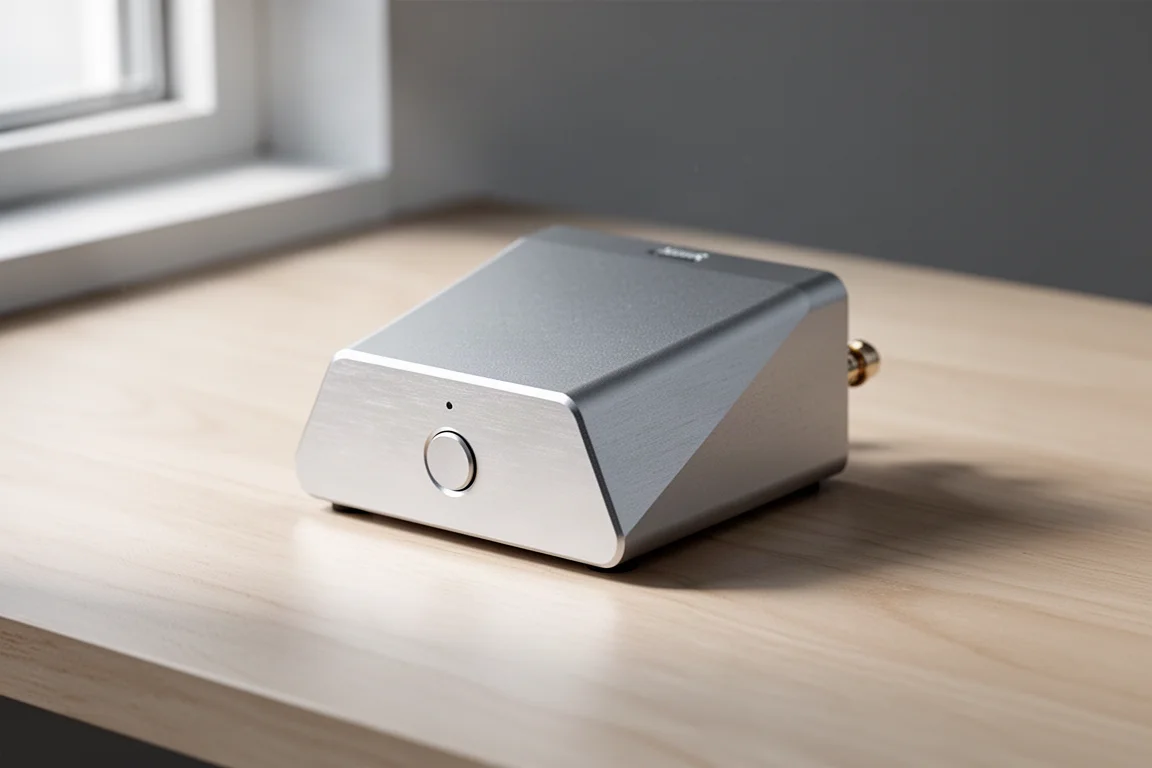
The Modi has been a reference entry-level DAC for years, and at $125 it remains an easy recommendation for anyone who simply wants digital signals converted to analog at a very high level. It is plug and play and it works. The Z8 outclasses it both sonically and in feature set, and offers far more long-term flexibility, but the Modi’s price makes it a straightforward choice for a simple desktop setup.
Cambridge Audio DacMagic 200M: The More Forgiving Mid-Range Option
At $549, the DacMagic 200M has a lot going for it, and in some ways it is more flexible than the Z8 thanks to a greater number of digital audio inputs. It is also the more forgiving of the two, which matters if the Z8’s neutrality feels too forward on less stellar recordings. Even so, the Z8 is easier to use, more convenient, and sounds more refined, and the DacMagic 200M costs about $150 less.
Buying Advice
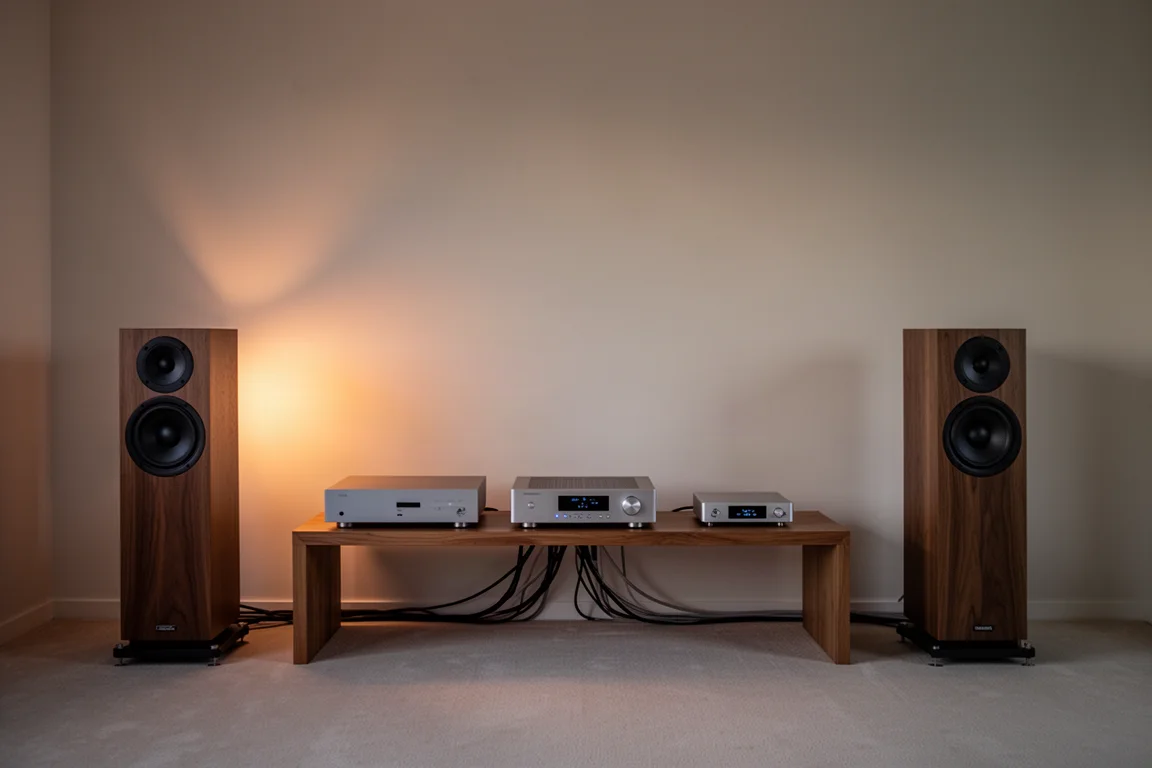
The Z8 makes the most sense for listeners building a simple, high-quality two-channel system around a power amplifier or a pair of active speakers, and for anyone who wants a converter that doubles as a preamplifier with a headphone output. Its neutral character rewards good recordings and revealing speakers.
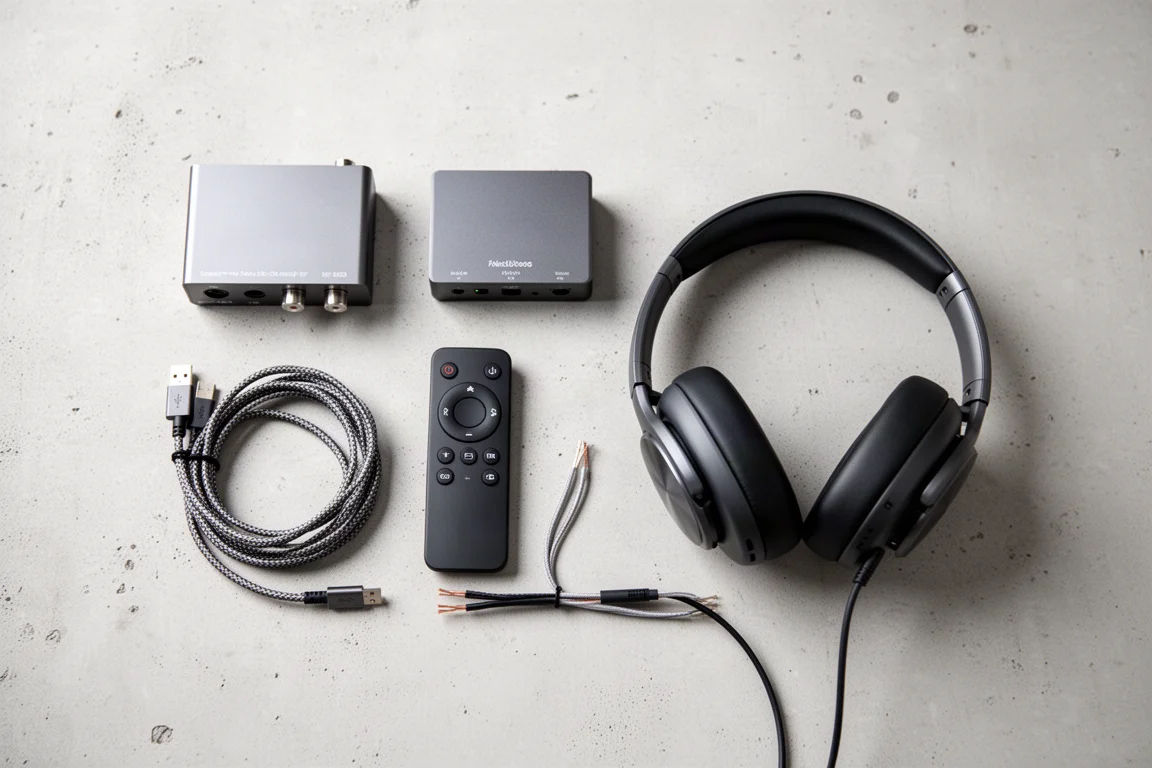
If maximum input flexibility at a lower price matters more, the DacMagic 200M remains a strong option, and if all you need is a clean, inexpensive converter for a desktop setup, the Modi is still hard to argue with. Where the DAC is intended to be a long-term component rather than an accessory, the Z8’s build, screen, app control, and low noise floor justify the step up.
Conclusion
The Eversolo Z8 is more than a simple digital-to-analog converter. It is a genuinely capable all-digital preamplifier as well, and while it stops a few features short of being everything a hybrid system might want, it is the sort of purchase that comes with no buyer’s remorse. For anyone weighing a dedicated DAC against a built-in converter, the Z8 is the kind of upgrade that makes the decision easy.
Further reading
Related Reviews
Hi-Fi Audio
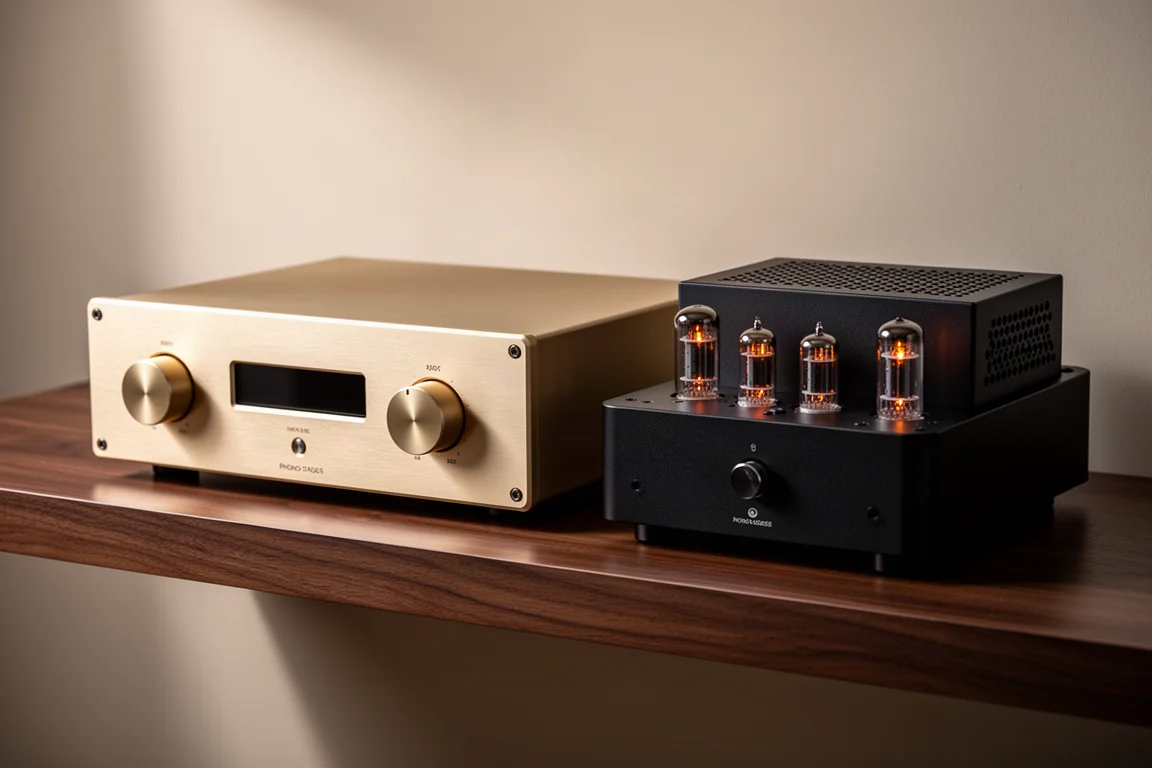
Accuphase C-57 vs Allnic H-7000V: Two High-End Phono Stages Compared
A fully balanced solid-state phono stage with a pitch-black noise floor meets a tube design built for well-loved records. Here is how to choose between them.
Hi-Fi Audio
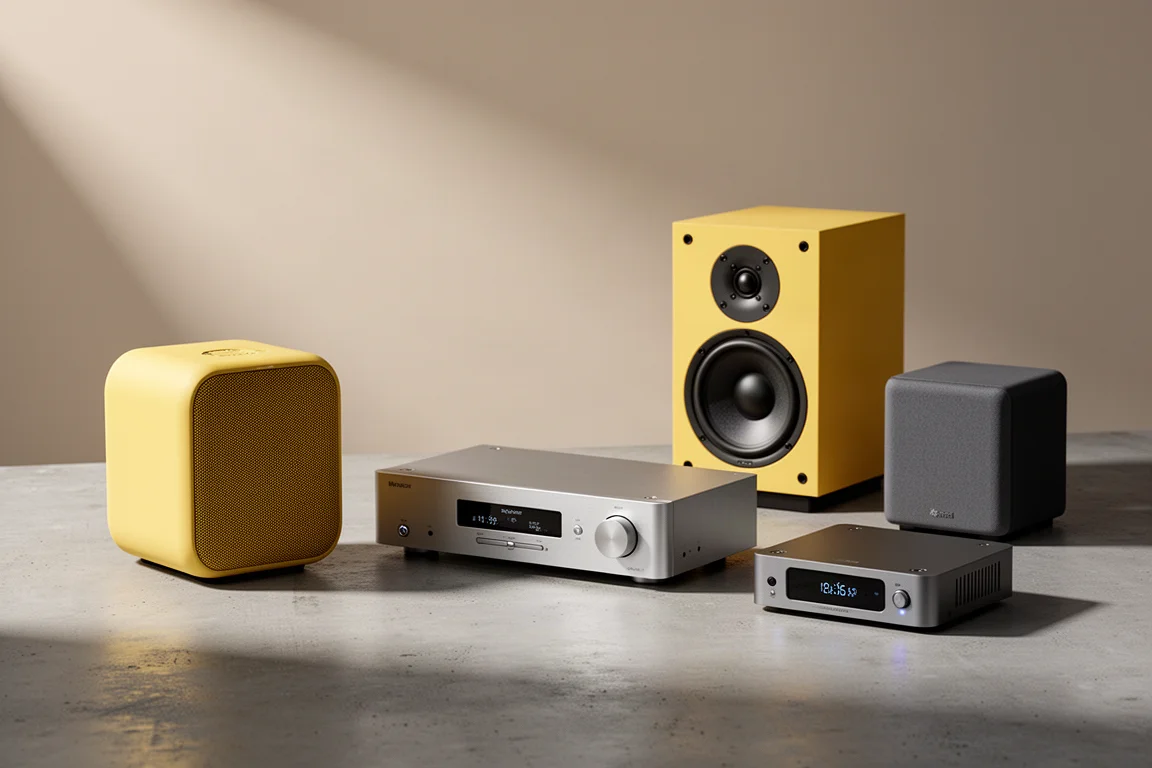
Active vs Passive Hi-Fi: Five Components for a Modern System
Five components that define modern active and passive hi-fi systems, with the strengths, trade-offs and setup details worth weighing before you buy.
Hi-Fi Audio
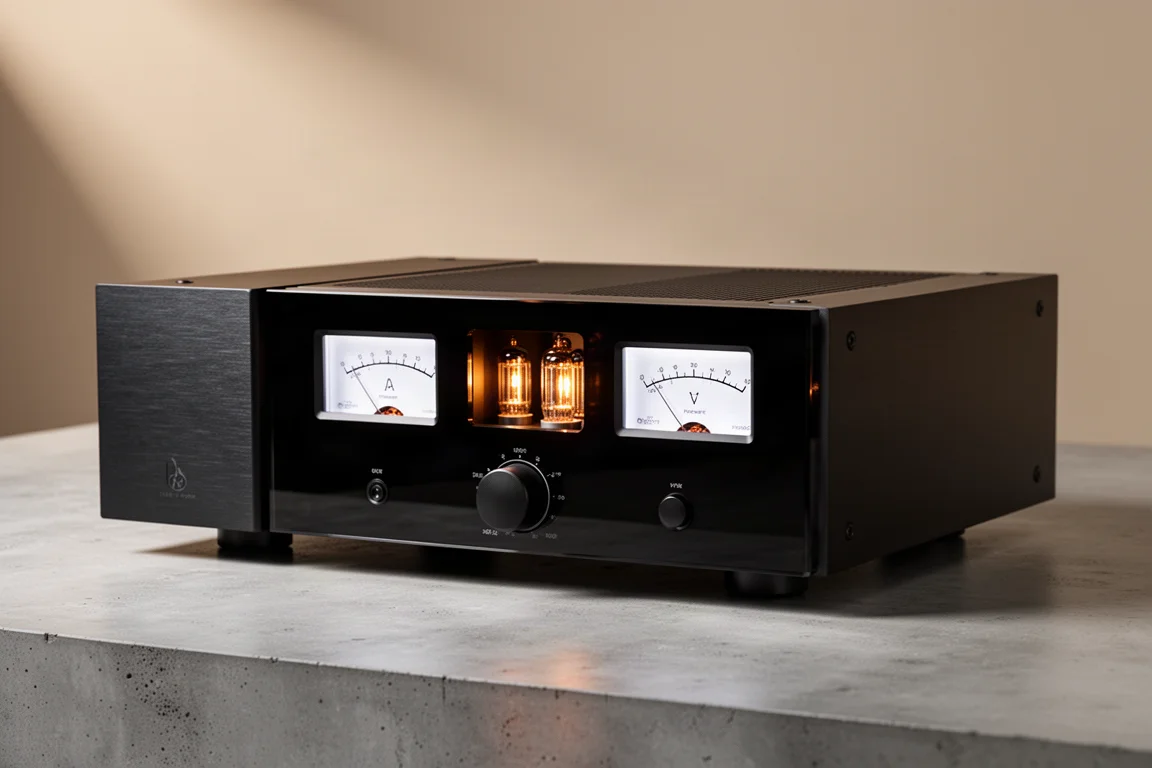
Advance Paris A10 Apex Review: A Hybrid Integrated Amplifier That Covers a Lot of Ground
A French hybrid integrated amplifier with a class A tube preamp stage, analogue power meters, and an internal DAC and phono stage good enough to make extra boxes unnecessary.