Hi-Fi Audio
EverSolo Z10 Review: A Dedicated DAC and Headphone Amp for Reference Systems
A standalone dual mono DAC and headphone amplifier with isolated AKM conversion, analog R2R volume control, and flexible connectivity for reference-level systems.
Introduction
The digital to analog converter is the point in a system where a stream of ones and zeros finally becomes something you can hear, and it shapes the character of everything downstream. The EverSolo Z10 is a standalone digital to analog converter and headphone amplifier built around that idea. It does not stream music on its own the way EverSolo’s A series models do. Instead, it accepts a digital signal from a source such as the EverSolo T8 streamer, a computer, or a media server and converts it into high-quality analog audio for an amplifier or powered speakers.
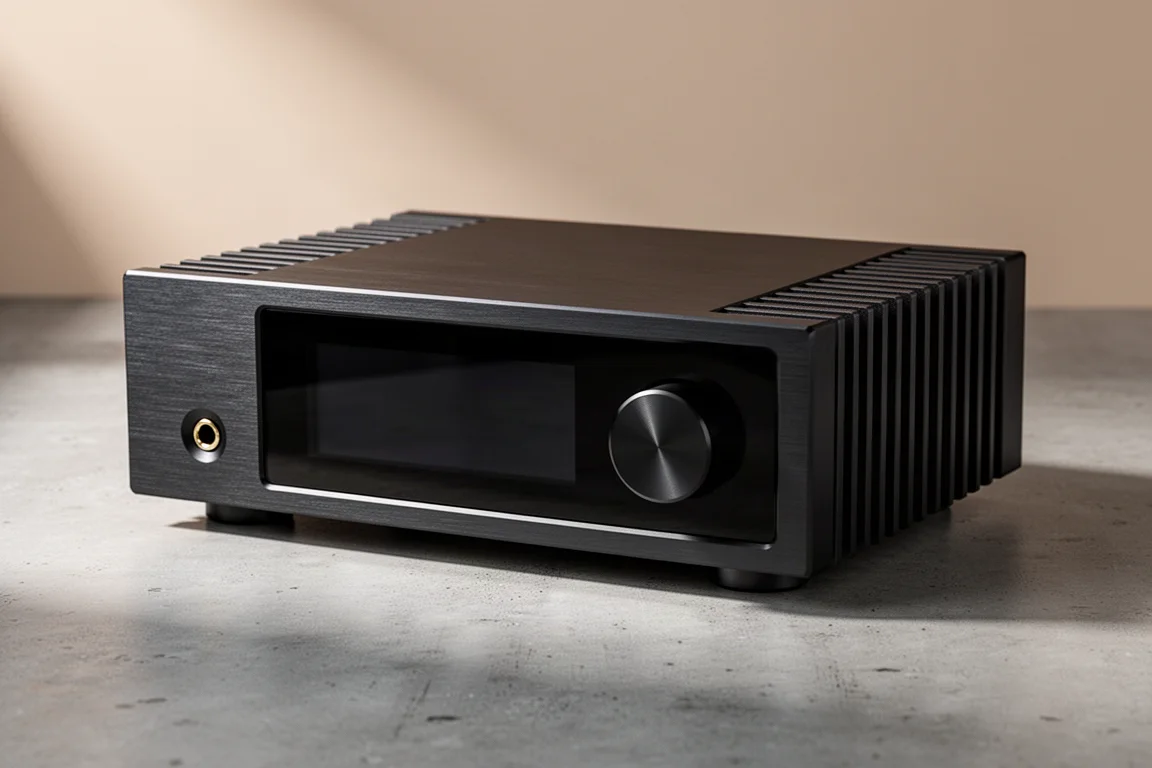
EverSolo has built DACs before, including the DAC Z6 and the DAC Z8, but the Z10 moves into a noticeably higher tier of performance and engineering. It also carries the same design language as the T8, with a solid aluminum chassis, ribbed sides for cooling, and a glass front panel that blends smoothly into the metal frame.
The result is a component aimed at listeners who treat the conversion stage as the heart of the system rather than an afterthought.
Who this product is for
The Z10 makes the most sense for listeners who want to separate the digital and analog stages rather than combine them in a single chassis. Splitting a DAC from a streamer allows each stage to run in isolation, which helps reduce noise, supports cleaner clocking, and makes it easier to upgrade one part of the system over time. For anyone building a reference-level setup or wanting a more future-proof path, that separation has clear benefits.
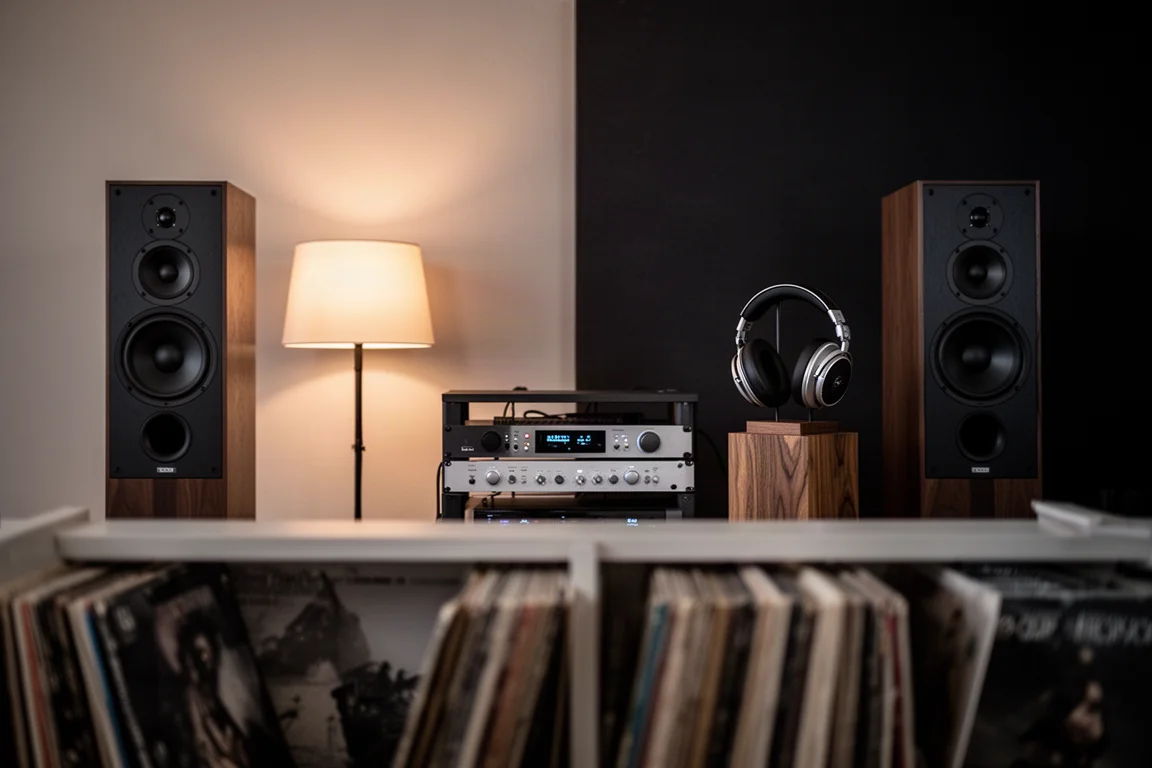
It is equally relevant for headphone listeners who want a serious built-in amplifier rather than a separate desktop unit. The 6.35 mm output delivers up to 1 W into both 16 and 32 ohm loads, and the Z10 detects headphone impedance automatically and adjusts gain to suit. Moving between a pair of sensitive dynamic headphones and a harder-to-drive planar model does not require digging through settings.
Owners of an existing EverSolo streamer will also find the pairing natural, since the two share a visual language and a control approach.
Inside the EverSolo Z10: Dual Mono AKM Conversion
The Z10 is built on EverSolo’s fully isolated architecture. Each channel gets its own AKM AK4191 modulator and its own AK4499 DAC, its own linear power supply, and its own signal path from the input all the way to the output stage. That separation carries through both the conversion stage and the analog volume control.
For digital conversion, the Z10 uses two dedicated AKM Velvet Sound decoding modules, with each channel pairing an AK4191 modulator with an AK4499 flagship DAC. The fully balanced, true dual mono structure keeps the left and right audio paths completely independent from input to output, which lowers noise, reduces crosstalk, and supports stronger dynamics with cleaner spatial separation and more precise imaging.
Power delivery is handled by three fully independent linear power supplies: one for the left channel, one for the right channel, and one dedicated to system control and logic. Isolating each channel and the control circuitry keeps noise low and channel separation precise, which contributes to a clean, stable soundstage and strong imaging.
Volume is handled by a high-precision analog R2R ladder network with independent resistor ladders for each channel. Because the Z10 adjusts level in the analog domain rather than attenuating the signal digitally, it preserves full resolution, phase integrity, and channel balance at every listening level. You can run it in fixed output mode into a separate preamp, or switch to variable mode and use it as a preamp to drive a power amplifier or active speakers.
Main Strengths: Sound Quality and Synergy
In use, the Z10 has the kind of presentation that makes you stop and listen. It sounds effortless and controlled, with a very quiet background that lets fine details come through. Bass has real weight and texture rather than depth alone, so it is easy to follow pitch and movement in complex passages.
Timing feels locked in, which gives music a sense of drive and engagement, while the midrange comes across as natural and spacious with lifelike presence around voices and instruments. The AKM decoding delivers a silky, extended character without ever feeling soft. Microdynamics are handled beautifully, capturing subtle shifts in energy that make recordings feel alive, and the highs stay clean and smooth for a neutral presentation that remains easy to listen to over long sessions.
Paired with the EverSolo T8 streamer, the synergy is excellent. The T8’s precise digital output gives the Z10 a clean signal to work with, and together the two perform well above their price point. Set against EverSolo’s flagship all-in-one DMP-A10, a T8 and Z10 combination sounds a little more open and more three-dimensional. The DMP-A10 remains a fantastic all-in-one option, but separating the transport and the DAC gives each component more room to operate in its own optimized environment. The Z10’s clocking and power isolation help deliver a touch more separation between instruments, particularly in larger or more revealing systems. It is also an interesting contrast between the top-of-the-line ESS conversion used in the DMP-A10 and the top-of-the-line AKM conversion in the Z10.
The headphone amplifier carries the same character. It has plenty of drive for planar designs and a smooth, balanced tone with dynamic headphones. Bass stays tight and authoritative, transients are quick, and vocals remain full without harsh edges.
Connectivity, Clocking, and Headphone Output
Clocking is handled by the EverSolo precision core system, which uses an oven-controlled crystal oscillator. The crystal oscillator sits in a miniature oven that holds its temperature constant for greater precision. That matters because even a tiny amount of drift in a clock signal can introduce timing errors between samples, and more accurate timing translates into music that sounds more alive, more spacious, and closer to a live performance. EverSolo pairs the oscillator with PLL secondary jitter control and FPGA-based clock reconstruction, which aligns timing and phase before conversion for clean, accurate signal delivery and I2S data shaping. External clock inputs with multiple impedance options are supported for integration with high-end master clocks.
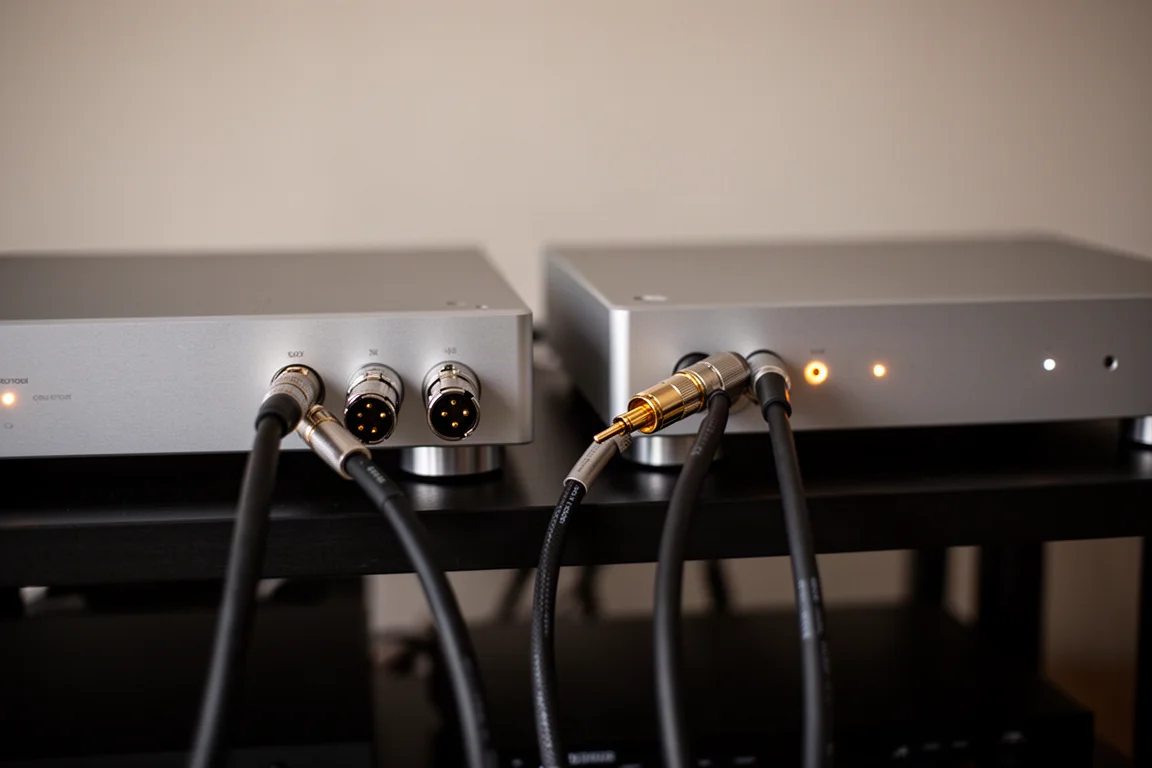
On connectivity, the Z10 covers a lot of ground: USB audio with native DSD512 and PCM 768 kHz 32-bit support, dual coaxial, dual optical, AES/EBU, I2S with eight selectable pin modes, and HDMI ARC and eARC for TV setups. Every digital input is electrically isolated to eliminate ground loop interference. Bluetooth is on board as well, handled by a Qualcomm QCC5125 module with support for high-quality wireless codecs.
The Z10 also offers balanced XLR and RCA analog inputs and outputs with up to 10 dB of analog gain, so an external source such as a phono stage or a CD player can be connected and still benefit from the Z10’s analog volume stage and fully balanced output path. That flexibility is something the Z6 and Z8 did not offer.
The headphone section delivers up to 1 W into both 16 and 32 ohm loads from its 6.35 mm output. Even with the fully balanced architecture inside, that output is single-ended, with no 4-pin XLR or 4.4 mm connection. It still has plenty of drive and sounds clean and controlled.
Living With the Z10: Display, Remote, and App Control
On the front panel, an 8.8-inch IPS touchscreen is bright, fast, and legible from across the room. You can choose between spectrum views, VU meters, and more technical monitoring layouts depending on taste. The menu layout is simple and responsive, which makes the screen genuinely enjoyable to interact with rather than feeling like a small computer display bolted onto audio gear.
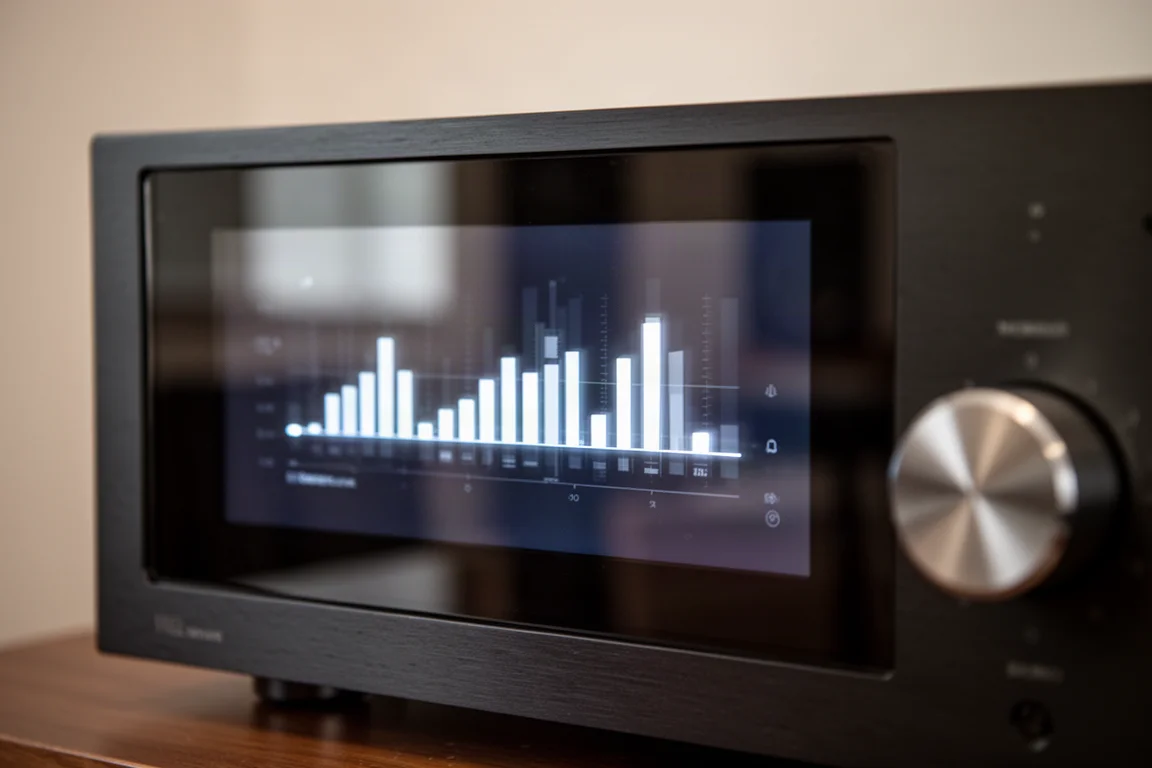
To the left of the screen is the 6.35 mm headphone jack, and to the right is a large volume knob with customizable ring lighting. Early units shipped with a glass top panel that let you see the internal layout; retail units come with a solid aluminum top instead. A solid metal remote is included, and every setting can also be controlled from the front touchscreen or the EverSolo app.
Things to Consider Before Buying
One practical detail is size. The Z10 measures roughly 15 inches wide, 12 inches deep, and 3 inches tall, which makes it noticeably larger than the T8 streamer. Since the two are a natural pairing, that mismatch means they do not stack as cleanly as some owners might hope. Placed side by side, however, the styling, finish, and lighting line up well, and it is clear the two were designed to live together visually.
Headphone connectivity is the other limitation to weigh. The 6.35 mm output is single-ended only, so there is no 4-pin XLR or 4.4 mm balanced option for listeners who have built their headphone setup around balanced cables.
Finally, the digital filter and clock shaping options in the DAC settings produce subtle differences rather than dramatic ones. They are worth exploring, but they are refinements rather than transformations.
Buying Advice
For anyone building a reference-level system or upgrading an existing DAC, the Z10 is an easy recommendation. It is clear that EverSolo set out to build something that competes well above its price class, and the result lands in a convincing middle ground: not overly rich, not clinical, but truthful and deeply musical.
The most natural way to use it is with a dedicated transport feeding it a clean digital signal, and the T8 is the obvious partner given the shared design and control philosophy. If you would rather keep everything in a single chassis, an all-in-one design remains a strong choice, but separating the transport and the DAC gives each stage its own optimized environment and makes future upgrades simpler.
Before buying, decide whether you need the variable output mode and the analog inputs, since those are the features that let the Z10 act as the hub of a system rather than a converter alone. If you plan to run balanced headphones, allow for a separate amplifier.
Conclusion
The EverSolo Z10 shows how far EverSolo has come in a short time. It combines a fully balanced dual mono AKM conversion stage, three independent linear power supplies, oven-controlled clocking, and an analog R2R volume control in a chassis that is genuinely pleasant to use. The sound is neutral, detailed, and easy to live with over long sessions, and the headphone amplifier has more than enough drive for most headphones.
For listeners who want a dedicated DAC at the center of a reference system, the Z10 sets a high benchmark for what a component in this class can deliver.
Product link
View more details for EverSolo Z10
This product is mentioned in the review. Check the specifications, options, and compatibility before buying.
View more details for EverSolo Z10Further reading
Related Reviews
Hi-Fi Audio
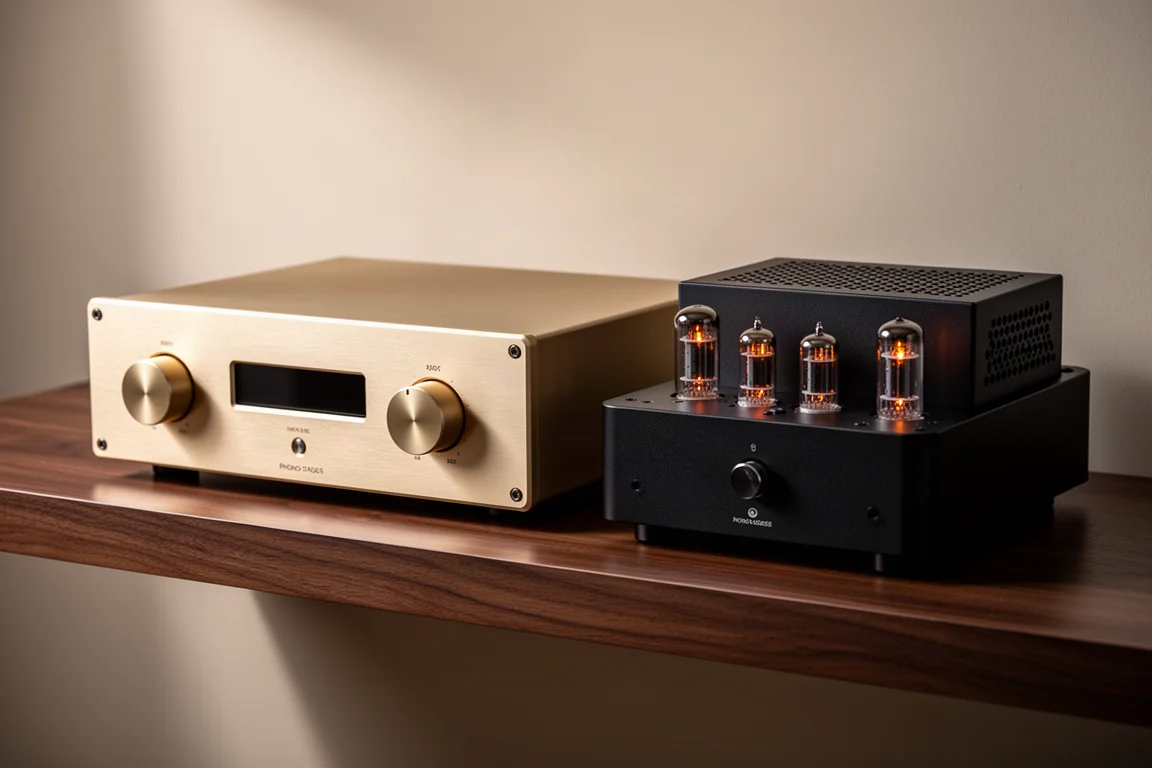
Accuphase C-57 vs Allnic H-7000V: Two High-End Phono Stages Compared
A fully balanced solid-state phono stage with a pitch-black noise floor meets a tube design built for well-loved records. Here is how to choose between them.
Hi-Fi Audio
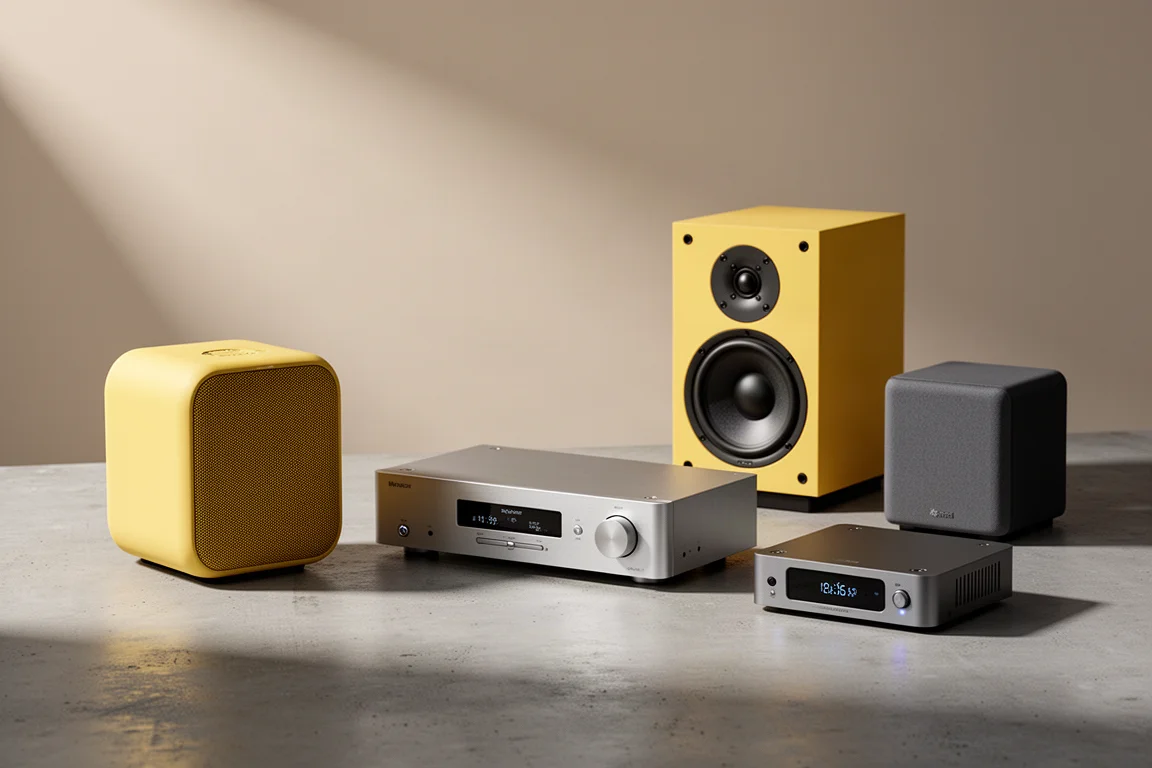
Active vs Passive Hi-Fi: Five Components for a Modern System
Five components that define modern active and passive hi-fi systems, with the strengths, trade-offs and setup details worth weighing before you buy.
Hi-Fi Audio
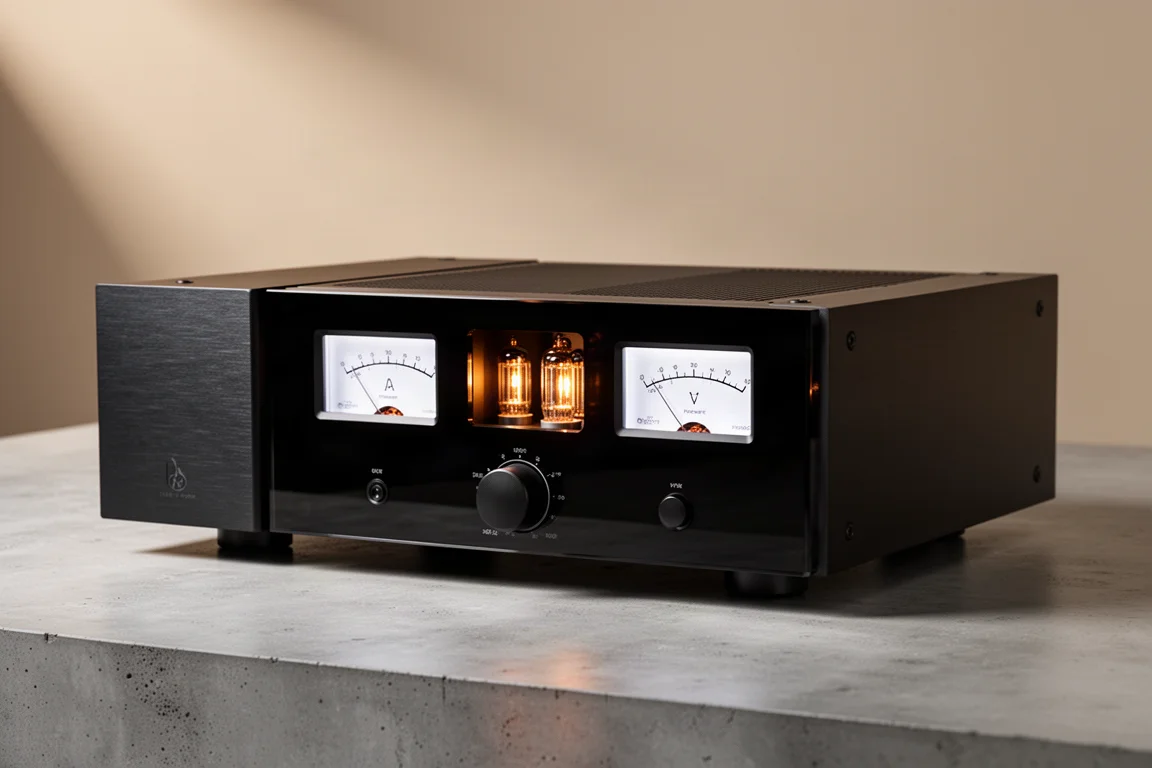
Advance Paris A10 Apex Review: A Hybrid Integrated Amplifier That Covers a Lot of Ground
A French hybrid integrated amplifier with a class A tube preamp stage, analogue power meters, and an internal DAC and phono stage good enough to make extra boxes unnecessary.