Streaming Amplifiers
EverSolo Play vs WiiM Amp Ultra: Two Streaming Amplifiers Compared
A practical comparison of the EverSolo Play and the WiiM Amp Ultra, covering power, DAC design, room correction, remotes, apps, and speaker matching.
Introduction
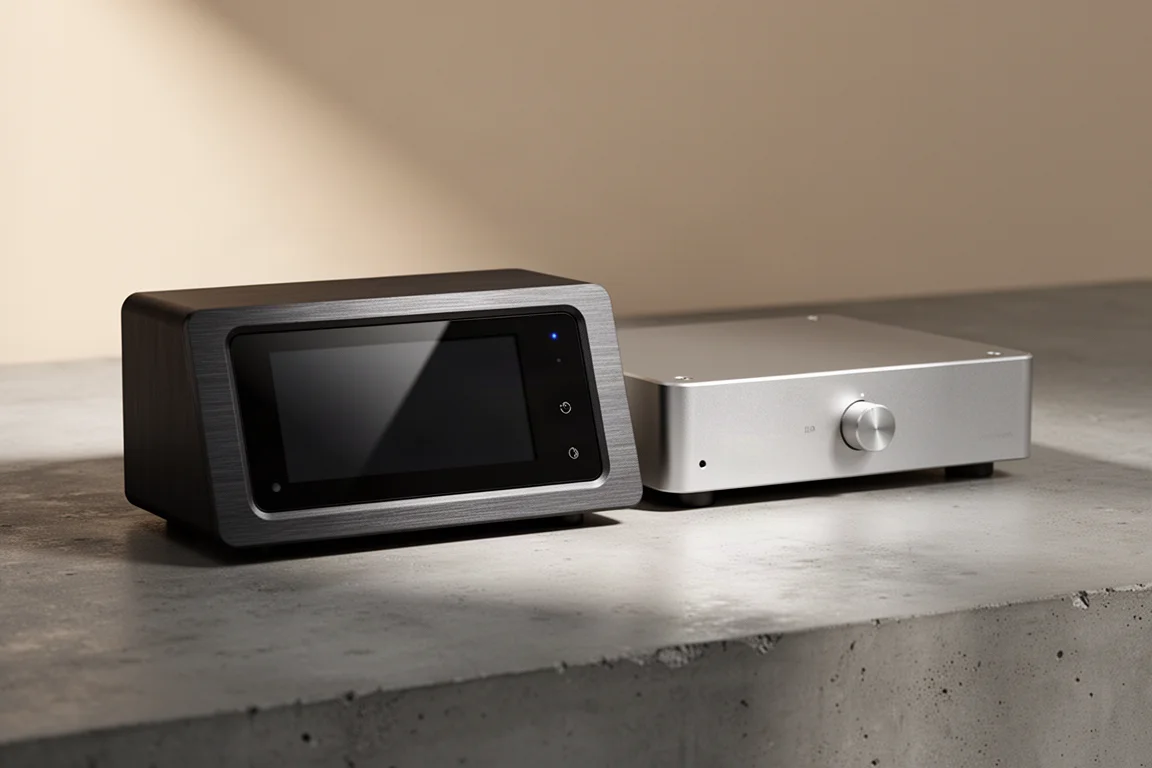
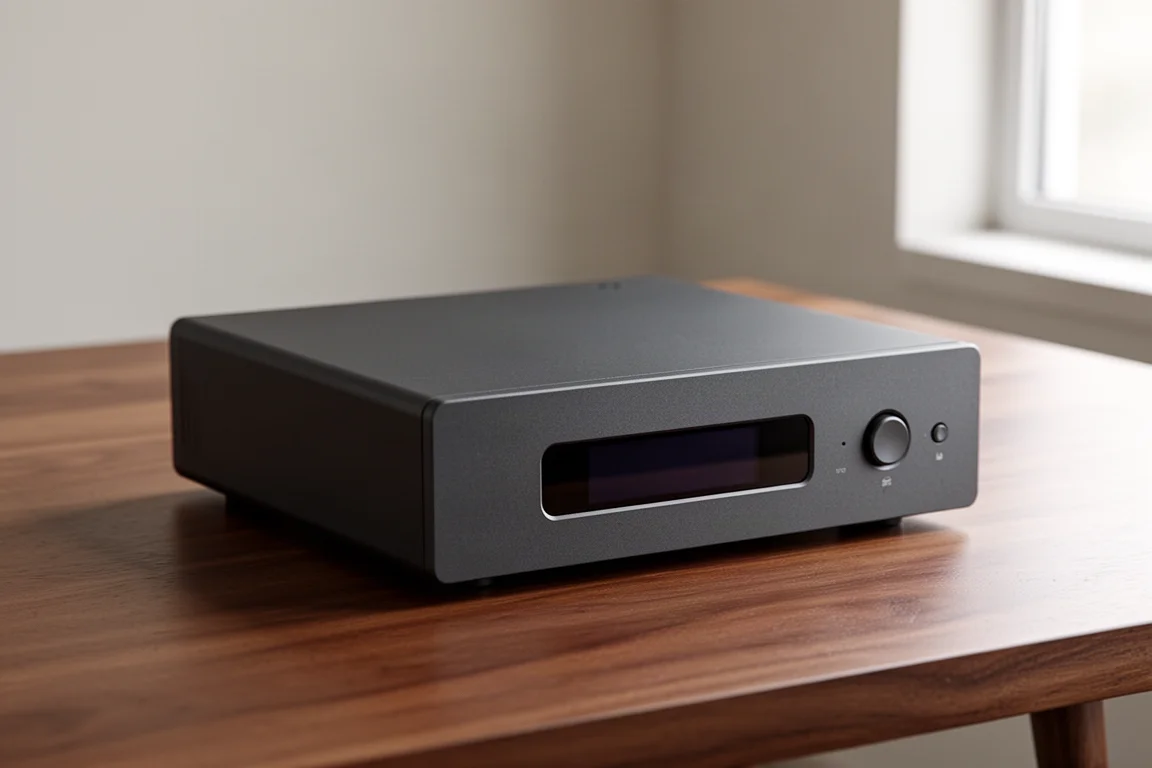
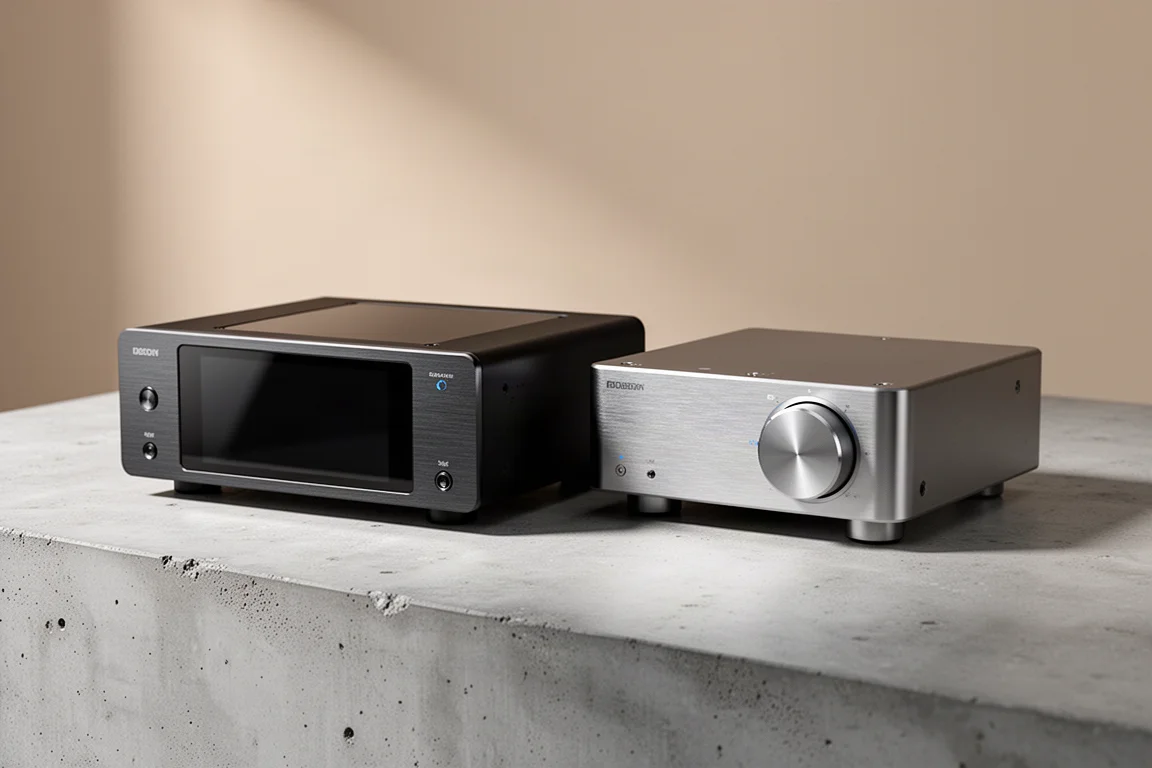
The EverSolo Play and the WiiM Amp Ultra occupy the same shelf: a single chassis that streams, converts, and amplifies. Past that, they solve the problem in noticeably different ways. The WiiM Amp Ultra puts its weight behind amplifier headroom, room correction, and subwoofer integration. The EverSolo Play puts its weight behind a large touchscreen, a built-in phono stage, and the flexibility to work as a digital transport, with a CD edition that adds a Hitachi CD ROM drive.
Both can anchor a compact two-channel system. The choice comes down to your speakers, whether a subwoofer is in the picture, and how you prefer to control what is playing.
What Sets These Two Streaming Amplifiers Apart
Start with the amplification. The EverSolo Play uses a single class D amplifier module of unspecified origin, rated at 60 watts per channel into 8 ohms and 110 watts per channel into 4 ohms. The WiiM Amp Ultra uses two class D modules sourced from Texas Instruments, rated at 100 watts per channel into 8 ohms and 200 watts per channel into 4 ohms. Into nominally 4-ohm speakers, that is a substantial power advantage for the WiiM.
The conversion stages differ as well. The EverSolo Play is built around an AKM AK4493EQ DAC chip. The WiiM Amp Ultra uses an ESS chip, the 9039Q2M, which is the lower-power part rather than the Pro version. The WiiM also applies post-filter feedback technology, described as PFFB, which gives the amplifier a degree of immunity from loudspeaker impedance swings. No equivalent impedance-immunity feature is specified for the EverSolo Play.
On default sound, the WiiM Amp Ultra has the edge, and it also comes out ahead on the effectiveness of its room correction and its subwoofer integration. The EverSolo Play counters with the larger and better touchscreen, and with the ability to browse streaming service libraries directly on the device.
EverSolo Play: Touchscreen Control and Digital Transport Flexibility
The Play’s defining feature is the screen. It is bigger and better than the display on the WiiM, and it is the only one of the two that lets you browse a streaming service library on the unit itself. The companion control app can mirror the touchscreen in real time with minimal lag, so the same interface is available from a phone. For legibility from across the room, EverSolo’s Android TV and tvOS app pipes cover art and metadata to a television, and it also surfaces CD playback and its cover art on screen.
Around the back, the Play adds a phono stage, which the WiiM Amp Ultra does not have, and an HDMI ARC input that switches automatically between streaming sources and the television. Its coaxial output is variable, which makes it a natural partner for a direct digital amplifier such as the Peachtree GaN One, whose coaxial input will only accept a digital signal. The second of its two USB sockets can feed an external DAC.
One detail to budget for: the remote control is an optional extra, at around €28 for the plastic version or around €70 for the version that ships with the DMP-A10. Given that the touchscreen and the app cover playback and configuration, many owners will not miss it.
WiiM Amp Ultra: Power, Room Correction, and Subwoofer Integration
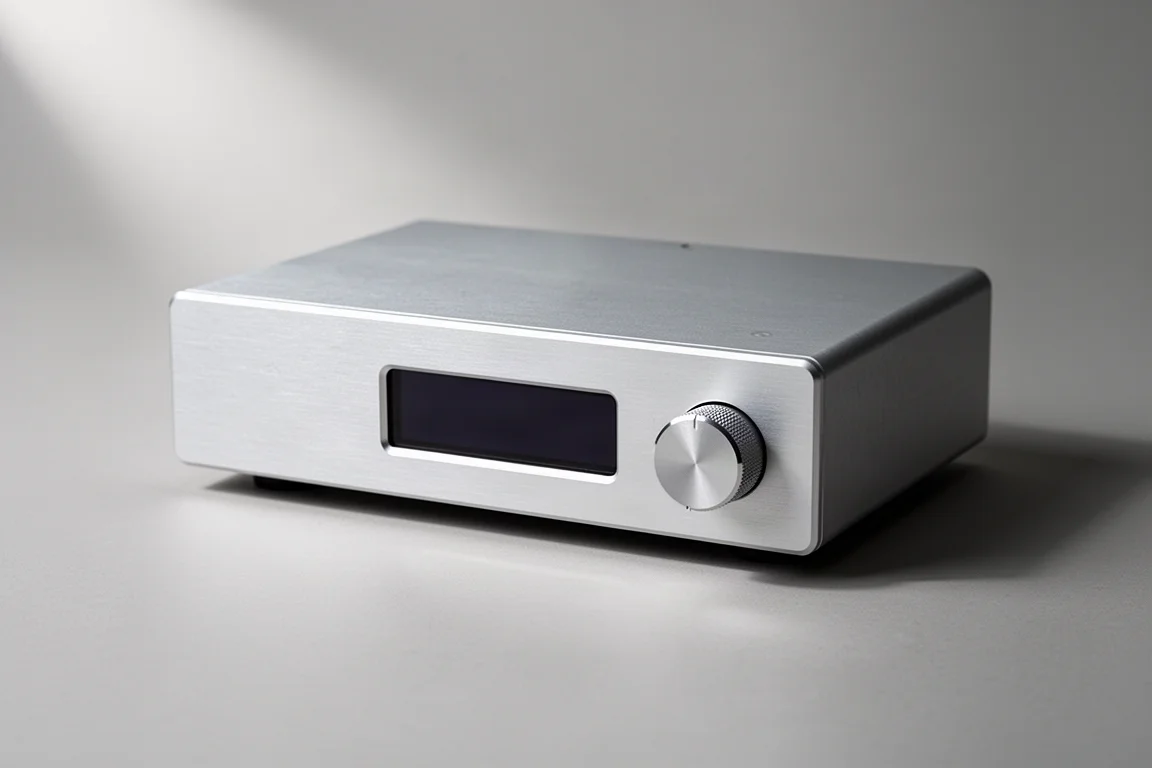
The WiiM Amp Ultra is the more powerful of the two, and it makes that count. It extracts more life from the Dali Kupid, both in macrodynamics, the big shifts in a recording, and in treble effervescence. Part of that comes down to the amplifier implementation and the post-filter feedback design, which keeps the amplifier more consistent as a speaker’s impedance moves around.
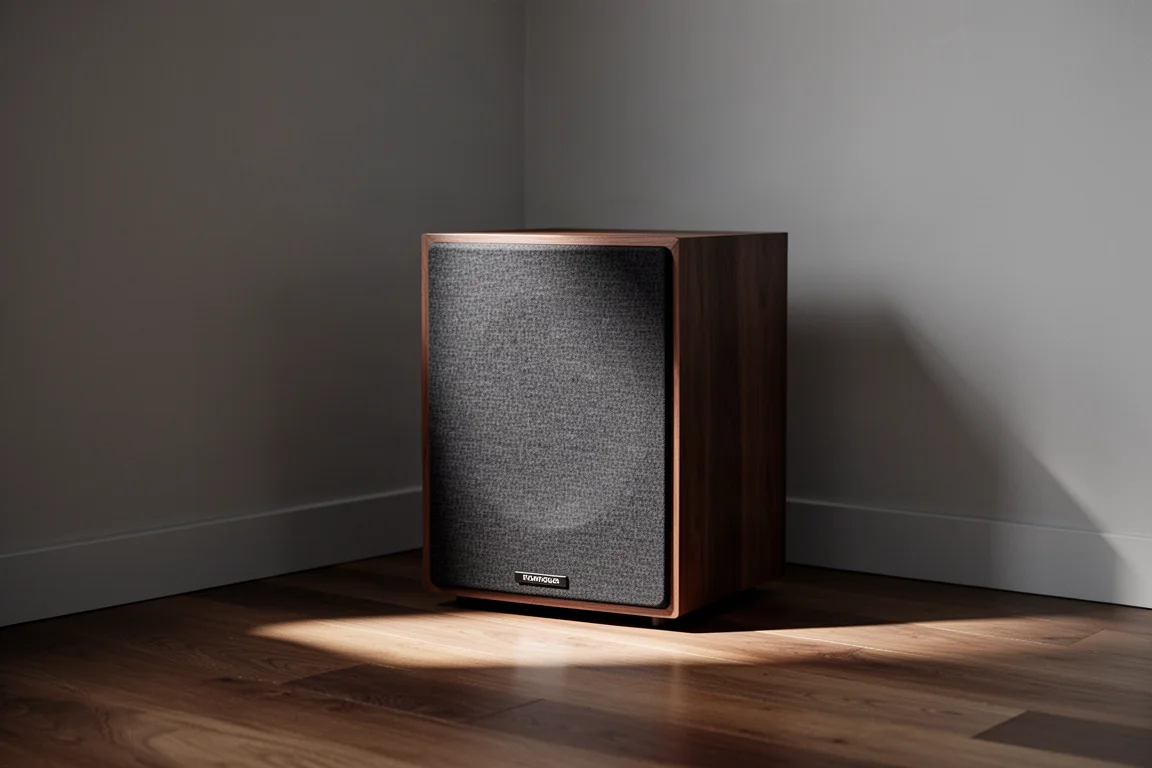
Its other advantages are practical rather than tonal. Room correction is more effective here, and subwoofer integration is more effective as well, which matters if you plan to run a sub alongside your main speakers. In a two-box system with a subwoofer, those two strengths do more for the sound in a real room than output figures alone.
The Amp Ultra also ships with the Voice Remote 2 remote control, a small handset that closely resembles an Apple TV remote. Source switching works the same way as on the Play: streaming and HDMI ARC hand over to each other automatically, and that behaviour can be disabled in the settings. The WiiM additionally offers optional auto sensing on its toslink and analog inputs.
Connectivity, Remotes, and App Control
Both amplifiers handle input switching intelligently, and both let you turn that behaviour off if you prefer to select sources manually. The WiiM Amp Ultra goes a step further with optional auto sensing on its optical and analog inputs.
The remote situation is the simplest way to separate them. The WiiM Amp Ultra includes the Voice Remote 2 in the box. The EverSolo Play sells its remote separately, though its touchscreen and control app cover the same ground.
App support is strong on both. EverSolo’s Android TV and tvOS app handles cover art and metadata, including CD artwork, and the WiiM has an Apple TV app of its own. Both approaches make what is playing legible from the listening position, which is more than can be said for a small on-device display viewed from a sofa.
Naming is worth untangling before you buy. The WiiM Ultra is a streaming DAC and preamplifier, and it includes an internal phono stage. The WiiM Amp Ultra is the streaming amplifier, and it has no phono stage. If vinyl matters to you, the EverSolo Play is the one of this pair with a phono stage built in.
Matching Each Amplifier to Your Loudspeakers
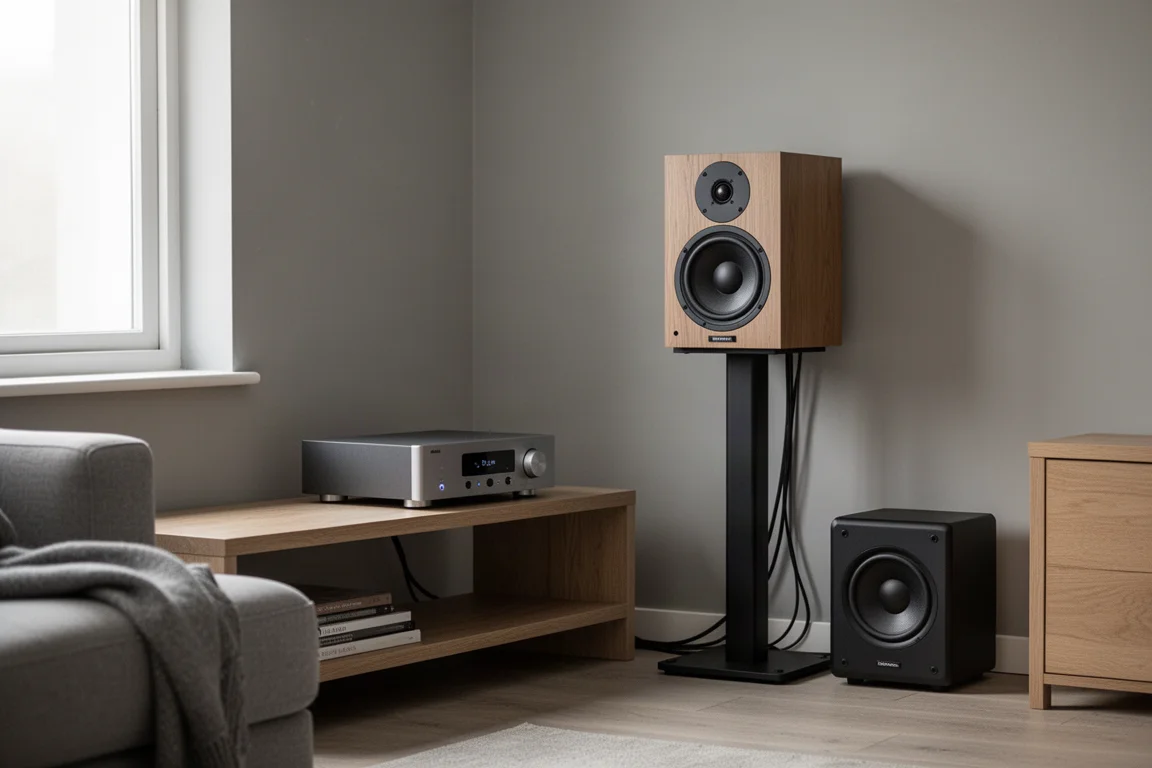
Speaker matching is where the power gap and the tonal differences become concrete. The EverSolo Play’s lower output is better suited to loudspeakers with higher sensitivity, and its less exuberant, more texture-reticent character pairs well with speakers that already lean in that direction. Combinations that fit this description include the Zu DWX and the Klipsch 600M or 600M Mark II.
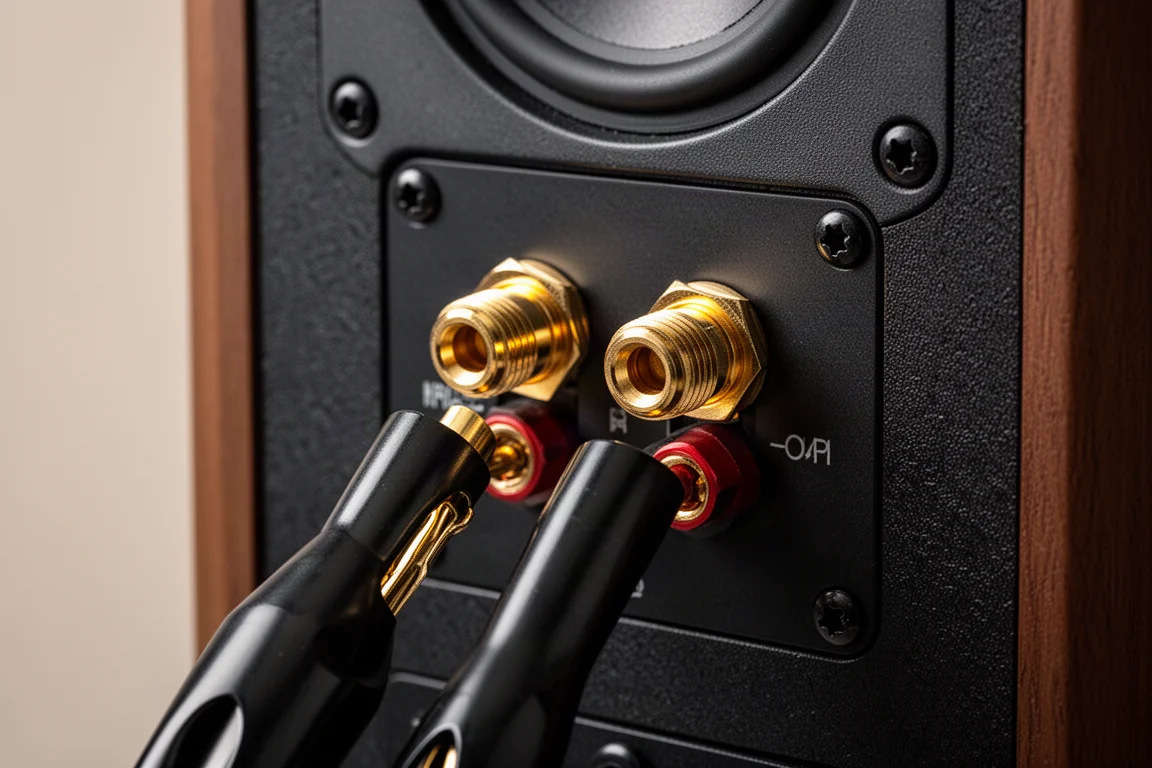
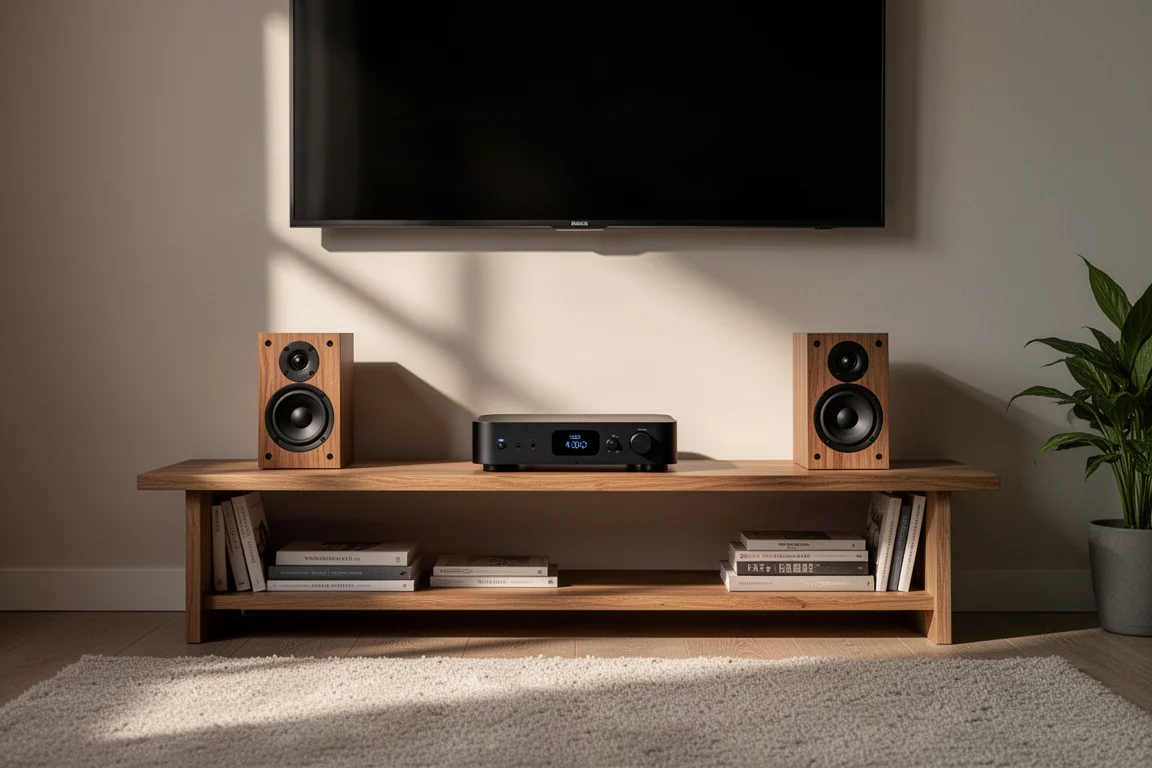
The WiiM Amp Ultra is the easier match across a wider range of speakers. Its extra power into 4-ohm loads and its impedance immunity make it a comfortable partner for smaller speakers that benefit from more drive, such as the Dali Kupid. If your speakers are inefficient, or if you are unsure, the WiiM is the safer pairing of the two.
Digital Transport Options and Upgrade Paths
If you already own a high-quality external DAC, the EverSolo Play can be used purely as a transport. Its variable coaxial output, its USB output, and the CD edition’s Hitachi CD ROM drive all point in that direction, and the CD edition adds disc playback with cover art surfaced through the TV app.
It is worth knowing that a stripped-back, digital-only version has been floated as an idea, one that would drop the DAC and the amplifier to leave optical, coaxial, and USB outputs, at a suggested $400 or less. No such model is part of the current lineup, so today’s Play buyers are also paying for the conversion and amplification stages whether or not they use them.
Buying Advice
Choose the EverSolo Play if the touchscreen appeals, if you want CD playback or a built-in phono stage, or if you plan to use it as a digital transport in front of a separate DAC. Its lower power suits higher-sensitivity speakers, and the optional remote is a small add-on cost rather than a deal breaker.
Choose the WiiM Amp Ultra if you want the stronger default sound, more effective room correction, and better subwoofer integration, or if your speakers present a demanding load. It includes its remote, it delivers more power into 4-ohm speakers, and it is the more forgiving match if you have not settled on a speaker yet.
Conclusion
These two amplifiers are close enough in class that the decision rests on priorities rather than budget. The EverSolo Play wins on interface, disc playback, and transport flexibility. The WiiM Amp Ultra wins on power, room correction, and subwoofer integration. Match the amplifier to the speakers and to the way you actually listen, and either one will serve as the centre of a compact streaming system for a long time.
Further reading
Related Reviews
Streaming Amplifiers
Best High-Performance Streaming Amplifiers: Seven Full-Size One-Box Picks
Seven full-size streaming integrated amplifiers for serious two-channel systems, each chosen for a different priority: room correction, power, minimalism, musicality, or reference build.
Streaming Amplifiers
Best Mid-Tier Streaming Amplifiers: NAD M10 V2 vs Naim Uniti Atom
Two compact all-in-one streaming amplifiers compared on interface, app experience, sound character, and connectivity.
Streaming Amplifiers
Bluesound Power Node N331 Review: A Streaming Amplifier Built for More Than Stereo
The Bluesound Power Node N331 keeps the compact chassis of its predecessor and adds a more powerful amplifier, a dedicated center channel output, and a THX AAA headphone stage.