Power Amplifiers
EverSolo F2 Review: A Dependable First Amplifier for Everyday Listening
EverSolo's first amplifier gets the fundamentals right. Here is where the F2 shines, which speakers suit it best, and the limits worth weighing before you buy.
Introduction
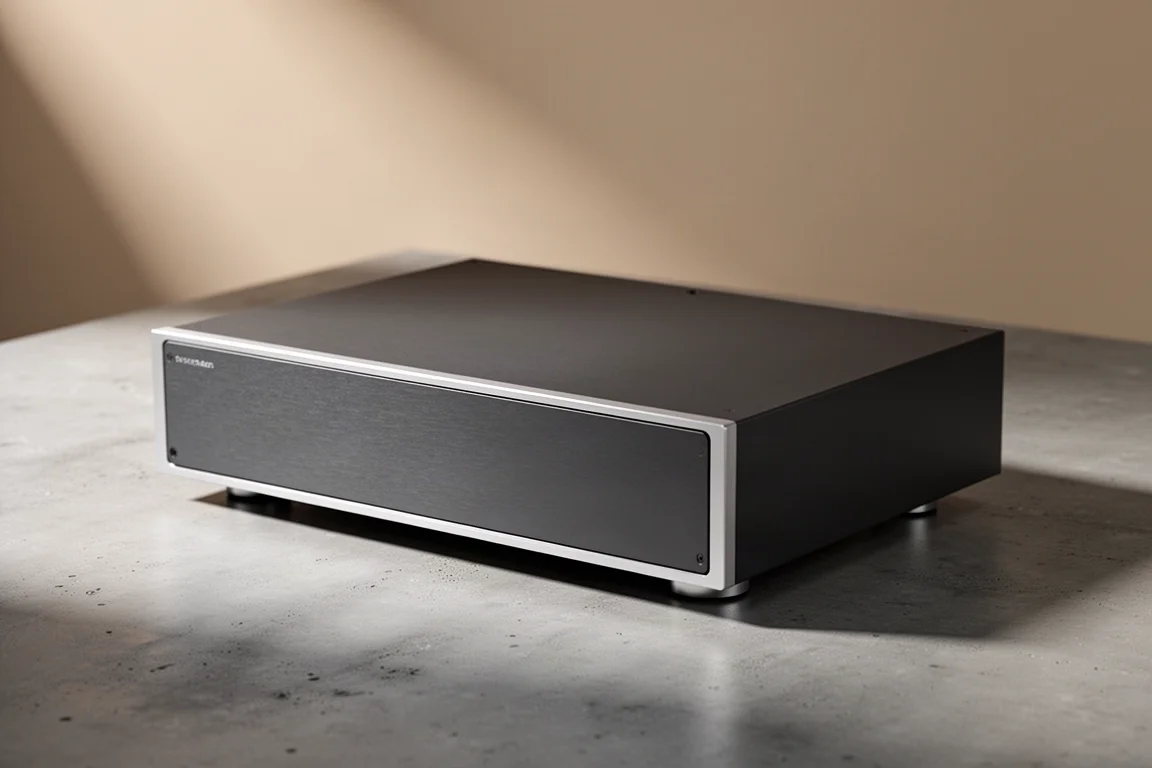
The EverSolo F2 is the company’s first amplifier, and it arrives as a Class D stereo power amplifier developed with Stark Audio. EverSolo describes it as a warm-sounding design. In our listening it does not come across that way, and that gap matters once you start matching it to real speakers.
Where the F2 does stand apart from a lot of the small Class D competition is its physical size. It is a slightly larger amplifier rather than one of the miniature units that arrive with a separate power brick. That is a practical advantage: fewer boxes behind the rack, less cable clutter, and a component that behaves like conventional Hi-Fi gear.
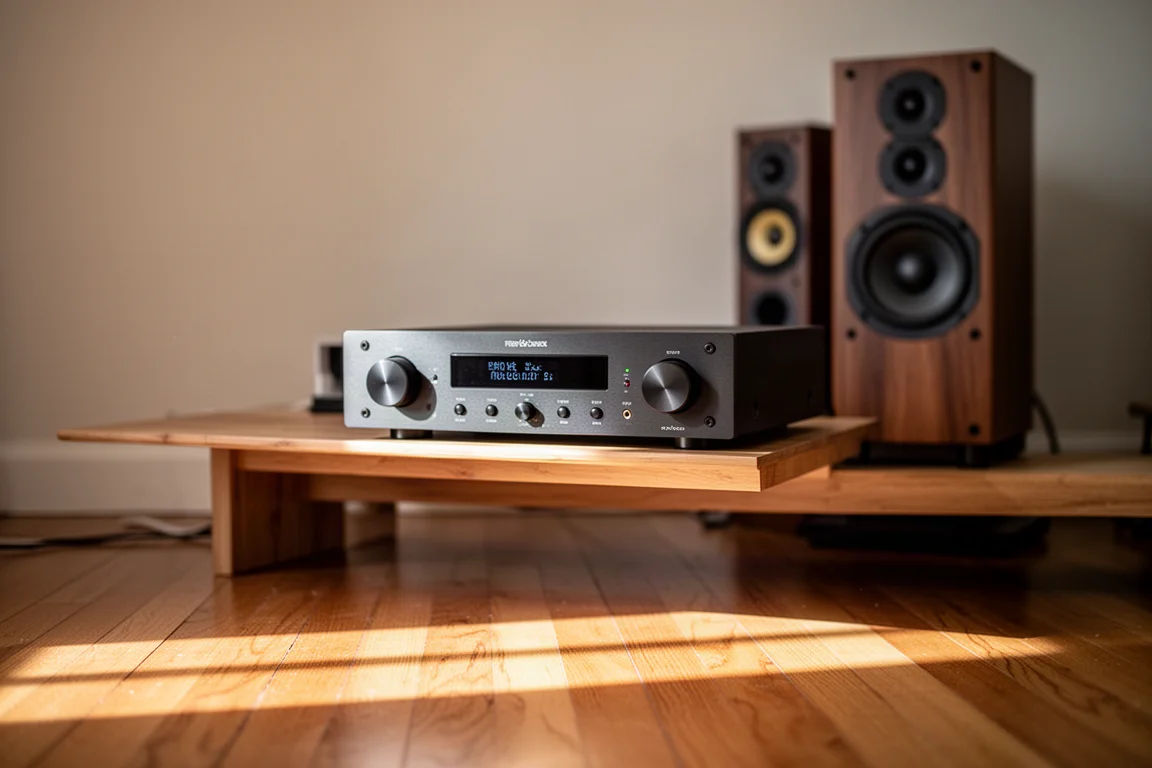
At everyday volumes on sensible speakers, the F2 was solid, predictable and genuinely enjoyable. It never became the piece of equipment that needed babysitting, and across most genres it simply did its job without drawing attention to itself.
Who This Amplifier Is For
The F2 makes the most sense for listeners working in small rooms and nearfield setups, where listening levels stay around 75 to 80 dB or lower. In that window it is an easy amplifier to live with, and nothing about its behaviour gets in the way of the music.
It is a less obvious choice for anyone who wants to drive demanding speakers at high levels for long stretches. That is where its limits start to show, and where a recommendation has to come with an asterisk.
It is also not aimed at buyers hunting for the absolute lowest entry price. Shoppers focused on the very small amplifiers that sell for a fraction of the cost will likely find the F2 expensive by comparison. EverSolo appears to be positioning itself closer to traditional Hi-Fi, just on the more affordable side of it, and the F2 reflects that intent.
Main Strengths
The strongest argument for the F2 is consistency. Across our time with it, it always worked and it never threw up surprises. It sounded good on most material, and it was particularly convincing with jazz and piano, where its clean, unfussy presentation let the recordings breathe.
Low and mid volume listening is another area where the F2 holds up well. It stays composed and detailed when the volume is modest, which is how most people listen most of the time.
The chassis design deserves credit too. Choosing a slightly larger enclosure over a miniature amp with an external power brick means one clean unit rather than two, and it sidesteps the clutter problem that small amplifiers often create in practice.
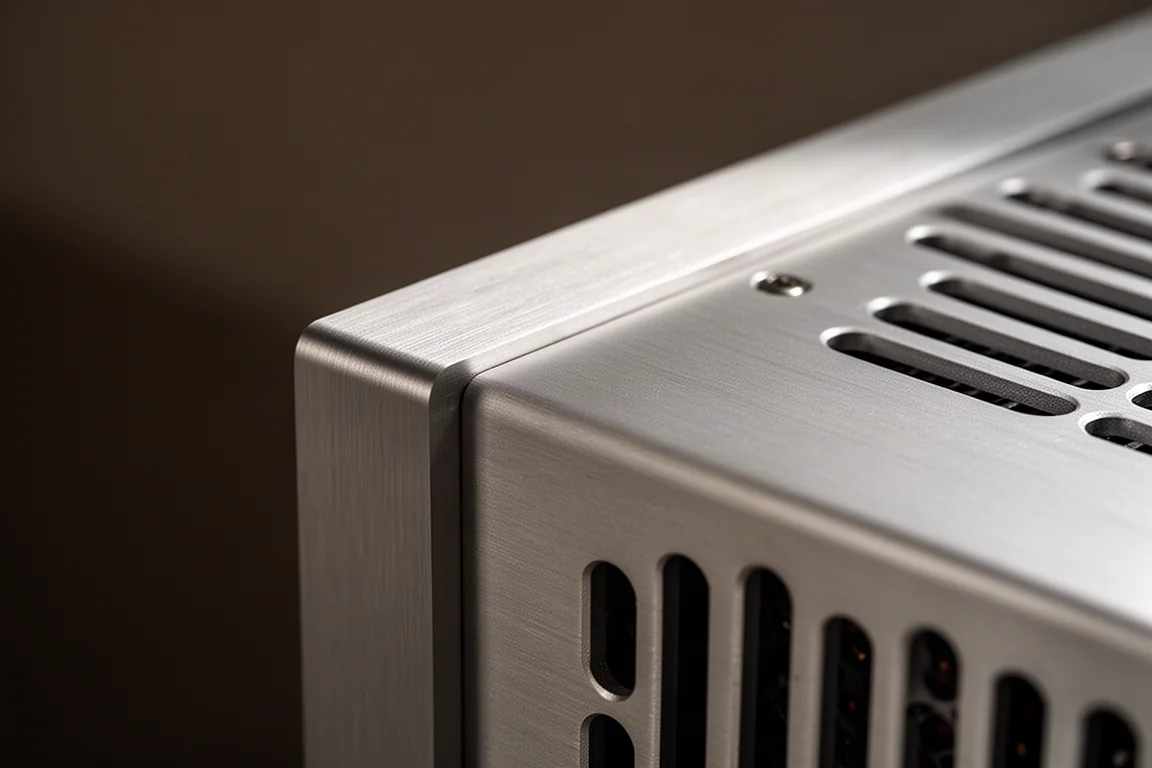
The F2 is also bridgeable, which adds flexibility for listeners who want to explore bridged operation. Our evaluation covered stereo use only, so that capability is best treated as an option rather than a verified strength.
Speaker Pairings That Worked Well
Pairing had a bigger influence on the F2’s character than we expected. With Q Acoustics Concept 50 speakers the result was excellent, one of the most satisfying combinations we heard, helped along by a speaker that is about as neutral as they come. The Polk R200 was also a comfortable match and never came across as bright or tiring.
The entry-level Q Acoustics 5000 series bookshelves should also be a safe pairing. The Focal Aria Evo X No. 2, on the other hand, did not work for us at all. That is a useful reminder that the F2 is not a universal match, and that auditioning it with your own speakers is genuinely worthwhile.
How It Compares With Other Amplifiers
The most instructive comparison sits at a similar price point. The Rotel A11 Tribute is an integrated amplifier with roughly half the power on paper, and it plays all the way into the 100 dB range on the speakers we used without wavering. It also sounds better to our ears, though it is not a like-for-like comparison, since an integrated brings features the F2 on its own does not have.
The Emotiva BasX A2 is closer in spirit. It delivers a similar overall level of performance but with a greater sense of dynamic punch at lower volumes, which makes it worth a look if quiet listening is a priority.
Our long-standing reference has been the Crown XLS 1002 DriveCore 2. It is the amplifier we know best, it overperforms on power, and it remains the baseline we measure other amplifiers against.
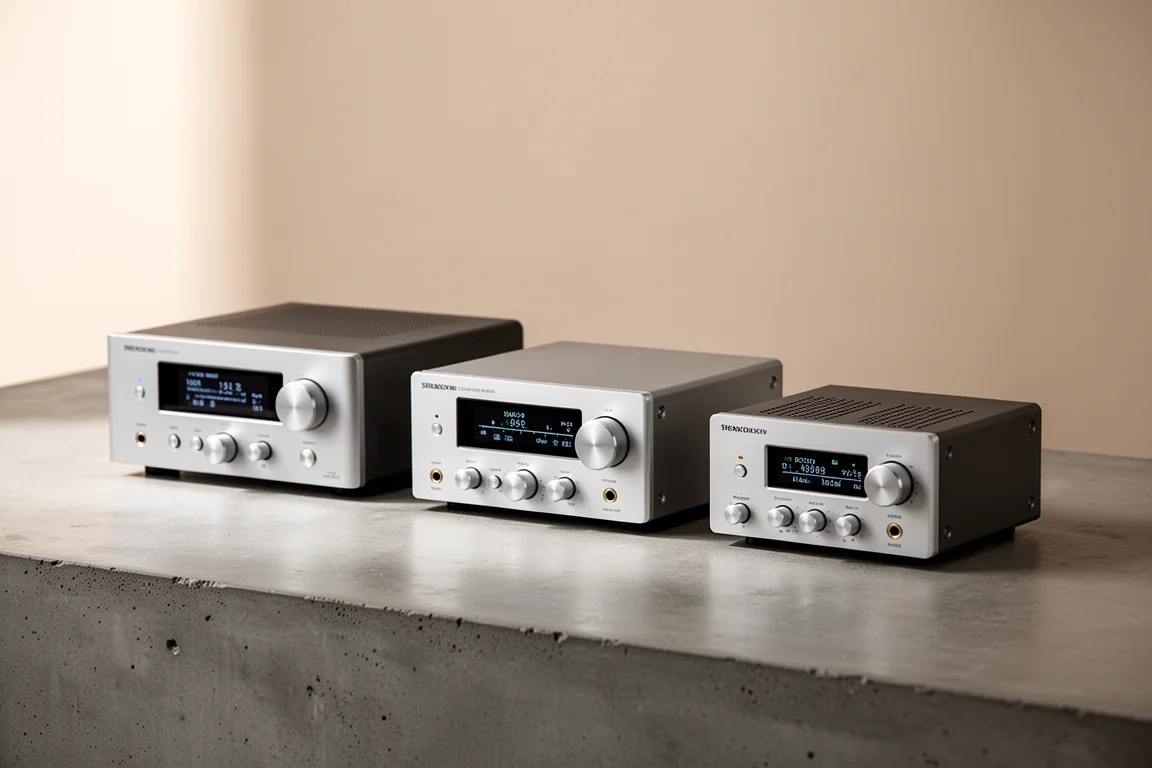
The XTZ Edge A2300, which served as a reference several years ago, is a different flavour altogether. Because it is built around an ICEpower module, it has a smoother and arguably warmer demeanour, with high frequencies that do not extend as far as the F2’s. In our experience both of our XTZ units later developed noise issues and channel dropouts, which is why they no longer serve as references here.
Things to Consider Before Buying
The clearest technical caveat sits in the upper frequencies. Measured on Q Acoustics Concept 50 speakers in the near field, with every level matched, the F2 showed a consistent 1 to 2 dB rise in the upper part of the response compared with the Emotiva BasX A2 and the Crown XLS 1002 DriveCore 2. That pattern held at 65, 75, 85 and 95 dB at one metre.
In practice, that lift can be an asset or a liability. With a speaker that rolls off in the treble, it can add a little life and sparkle. With a speaker that already leans bright, it may push things toward fatigue.
Headroom is the other consideration. The F2 stays composed at everyday levels, but it begins to soften when it is asked to do too much. Listeners chasing high output from difficult speakers should look elsewhere.
It is also worth setting expectations around character. The warm description did not match what we heard, so buyers expecting a rich, tube-like presentation may be surprised by how much top-end energy the F2 brings.
Finally, bridged operation was not part of our testing, because only a single unit was available. The capability is there, but it remains unverified here.
Buying Advice
The F2 is an easy recommendation for a specific listener: someone with a small room, moderately efficient speakers, and a habit of listening at moderate levels. In that context it is dependable, enjoyable and free of fuss, and it handles most genres without complaint.
Speaker matching deserves real attention. A neutral or gently rolled-off speaker brings out the best in the F2, and the Q Acoustics Concept 50 remains the standout combination we heard. If your speakers already run bright, plan to audition before committing.
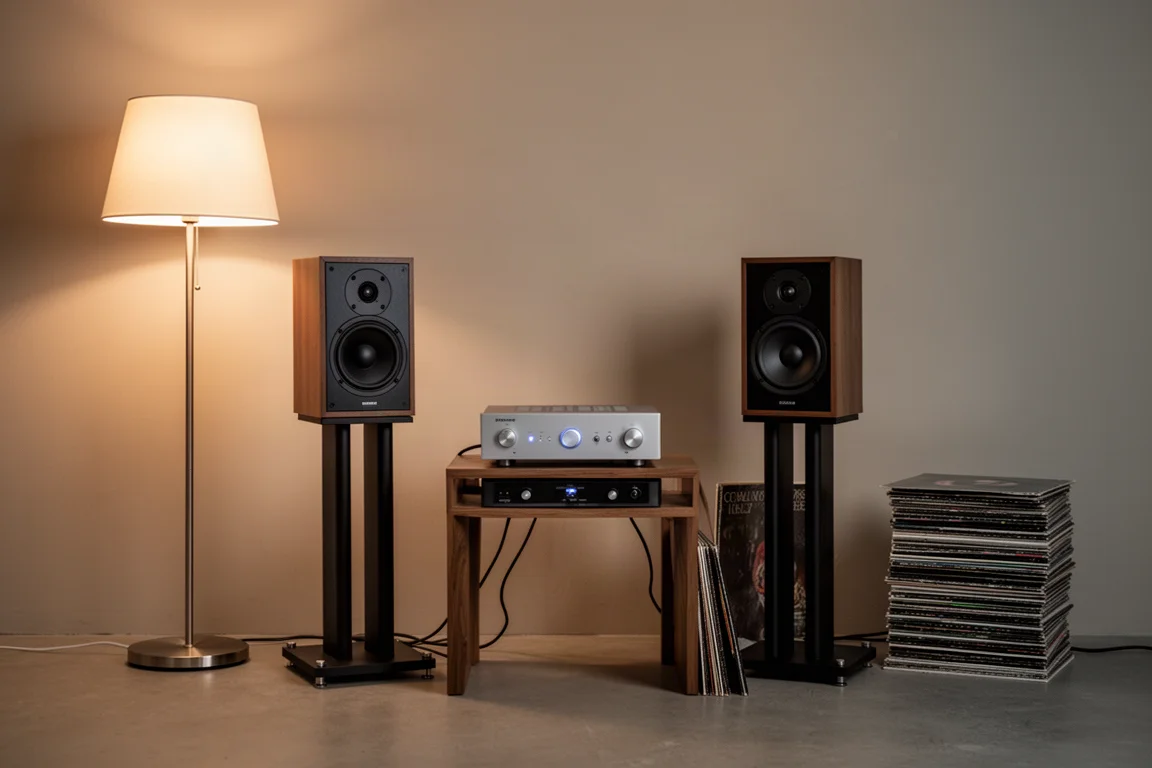
If your priorities lean toward high output or a single-box solution, a comparably priced integrated such as the Rotel A11 Tribute is the more sensible route. It brings additional features and far more composure at high volumes.
Budget the whole system, not just the amplifier. A power amplifier like the F2 still needs a source and a preamplifier stage, and those costs add up quickly. Once the total approaches the price of a good integrated, it is worth asking whether a simpler and more flexible chain would serve you better.
Conclusion
The F2 is a promising first amplifier. It gets the fundamentals right: stable, easy to live with, and genuinely enjoyable at the volumes most people actually use. The slightly larger chassis is a sensible choice that avoids the external power brick compromise of many small Class D designs.
Its limits are equally clear. It softens when pushed, it carries a measurable lift in the upper frequencies, and its character is nothing like the warm sound EverSolo describes. Speaker matching is not optional here, it is part of the purchase.
Buy it for what it is: a dependable everyday power amplifier for a small room and sensible speakers. If your ambitions run to higher levels or a simpler one-box setup, an integrated amplifier at a similar price is the better place to put your money.
Product link
View more details for EverSolo F2
This product is mentioned in the review. Check the specifications, options, and compatibility before buying.
View more details for EverSolo F2Further reading
Related Reviews
Power Amplifiers
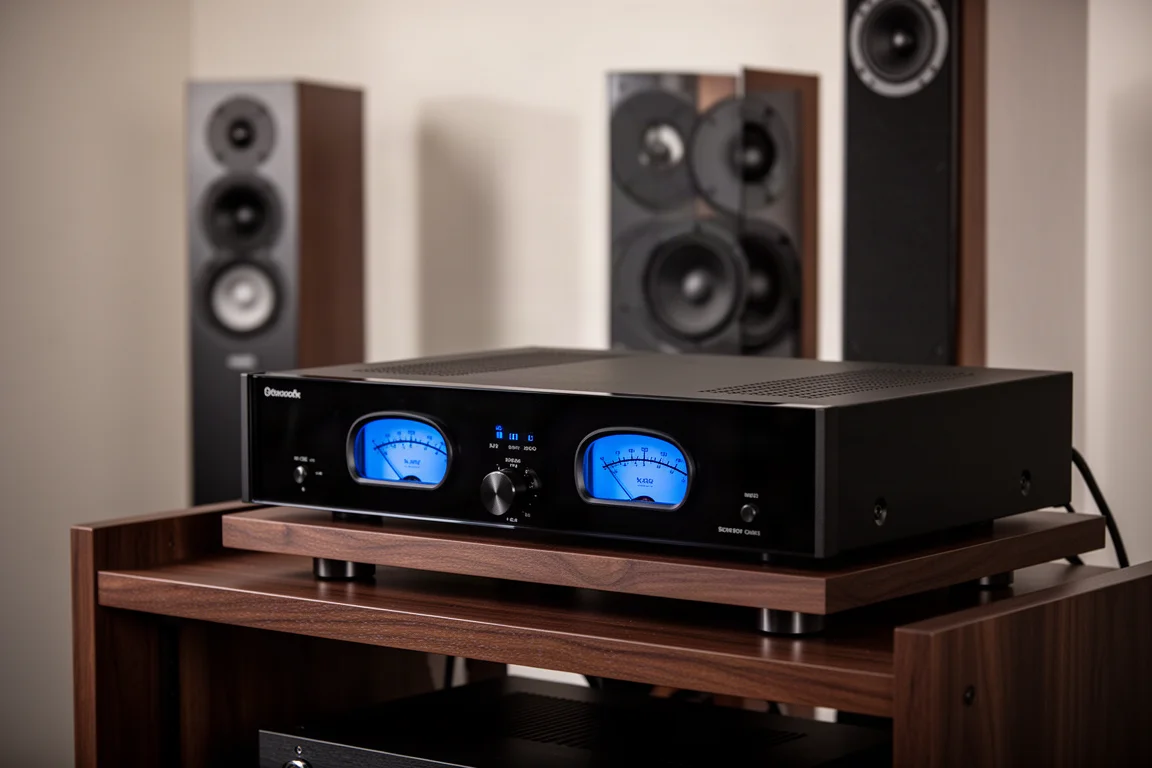
Advance Paris X-A160 EVO Review: A Focused Power Amplifier Built to Last
A $1,999 stereo power amplifier with selectable class A bias, 160 watts per channel, blue VU meters, and a build designed to be serviced for decades.
Power Amplifiers
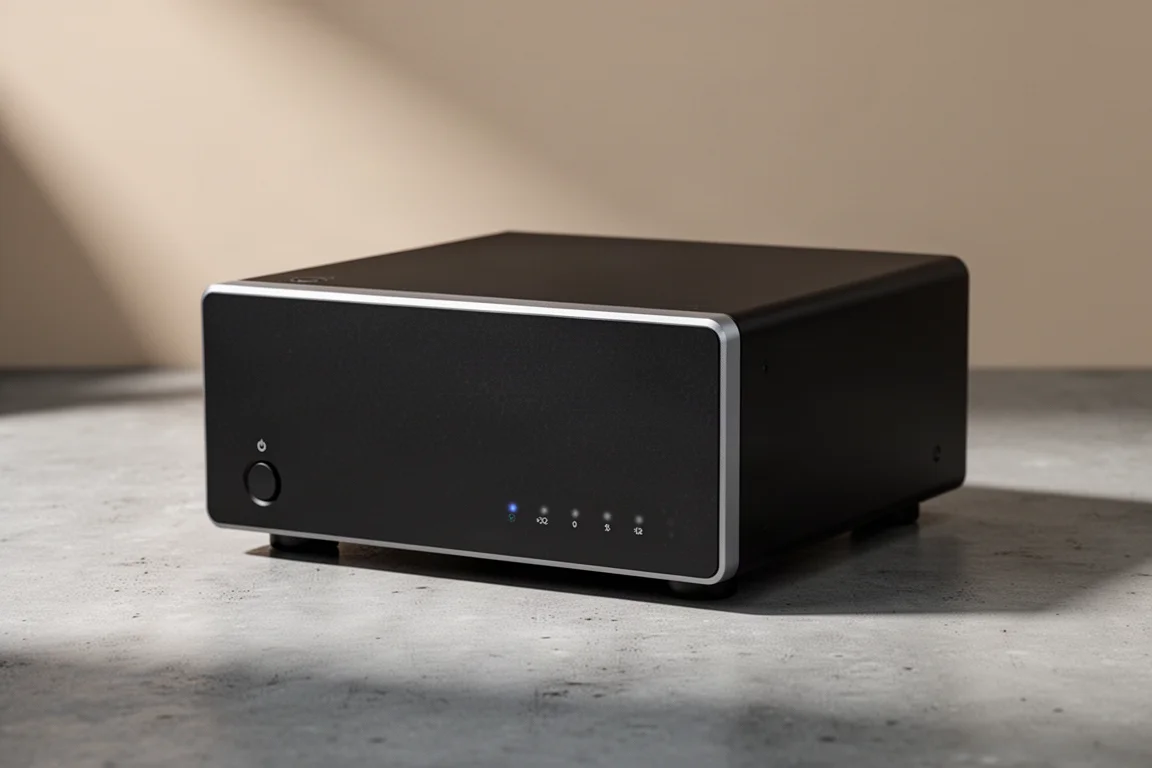
Benchmark AHB2 Review: A Compact Power Amplifier Built Around Transparency
A compact reference-oriented power amplifier with THX-patented feed-forward error correction, balanced-only inputs, and the current to drive low-impedance speakers.
Power Amplifiers
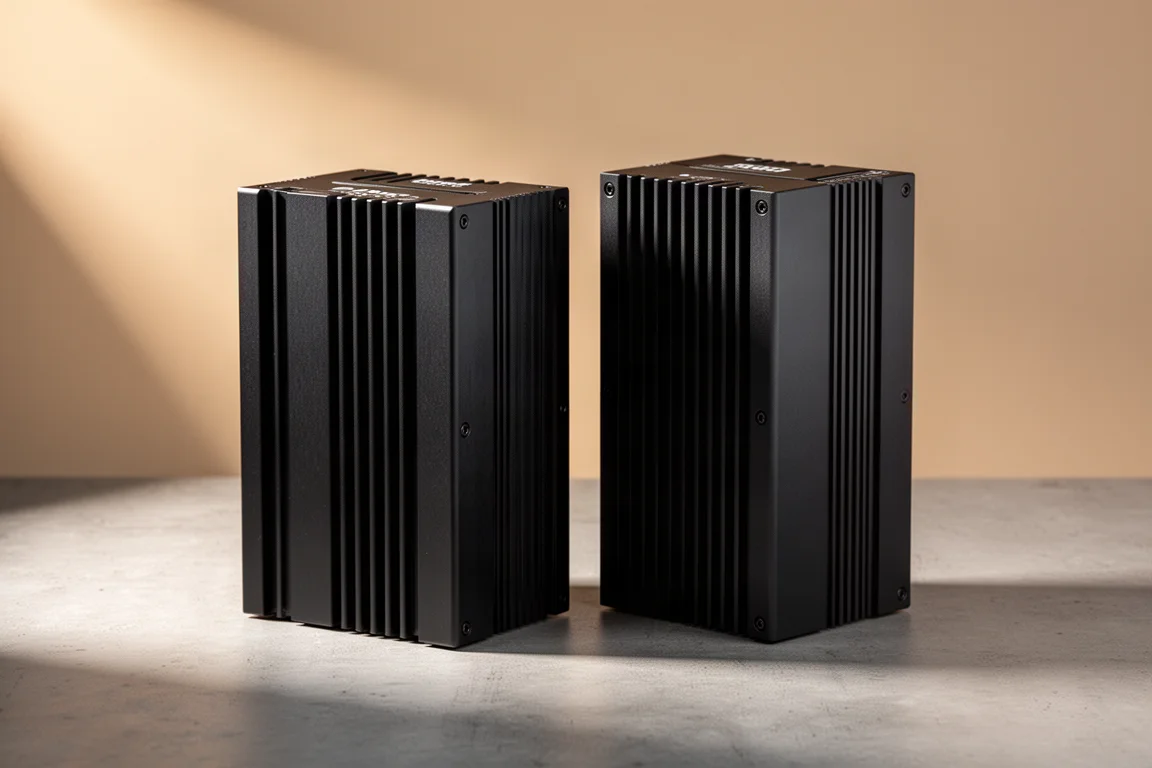
Burson Timekeeper 3X GT Review: Class A Character in a Compact Monoblock
A compact flagship monoblock with the first 30 watts in Class A, 110W into 8 ohms, pinpoint imaging, and an unusually large soundstage.