Hi-Fi Audio
Eversolo DMP-A8 vs DMP-A6 and External DACs: Which Digital Front End Fits Your System?
The Eversolo DMP-A8 costs £1,890 in the UK, more than £1,000 above the DMP-A6. Here is what the extra buys, and how it compares with four alternative digital front ends.
Introduction
The Eversolo DMP-A6 was one of the standout digital products of 2023, and it is easy to see why. Its build, features and interface set it apart from the competition below £1,000. The Eversolo DMP-A8 arrives at £1,890 in the UK, more than £1,000 above its smaller sibling, and the extra outlay has to be justified on more than a couple of added features and a better converter.
That is the real question for anyone shopping in this bracket. An Eversolo DMP-A6 paired with an external DAC such as the Denafrips Ares 12th-1 costs roughly the same as a DMP-A8 on its own, and there are established alternatives such as the Gustard R26 and the Auralic Aries G1.1 in the same neighbourhood. This guide sets out what each option does well and where it gives something up.
What to Look For in a Digital Front End
Digital front ends in this price range are separated less by their specification sheets than by four practical questions: what you can connect, how the volume is controlled, which conversion architecture is used, and how the unit behaves as a long-term hub.
Connectivity is the clearest dividing line here. The DMP-A8 offers the full set of digital outputs, including I2S, along with digital inputs that include HDMI ARC for television integration. Both of those are omitted from the DMP-A6, so a system built around a TV or an I2S-equipped DAC will notice the difference immediately.
Analog flexibility matters too. The DMP-A8 includes a proper analog preamp with one single-ended RCA and one balanced XLR input, and the same pair of connections on the output side. That turns it into a genuine system hub rather than a source that must feed a separate preamplifier.
Volume control is the third consideration. The DMP-A8 uses a fully balanced analog preamplifier with resistor ladders for attenuation, which means it can be used directly with a power amplifier. Some rivals rely on digital attenuation, or on analog volume circuits with limited gain, and both approaches constrain how the unit can be used.
Finally, conversion architecture and processing shape the sound. The DMP-A8 uses AKM’s Velvet Sound design, splitting the work between a multi-bit delta-sigma modulator with built-in digital filters and a separate converter chip. R2R ladder designs such as the Denafrips Ares 12th-1 take a different route entirely. The DMP-A8 also adds a DSP section with a multiband parametric EQ, which is not currently available on the DMP-A6. It can lift or cut chosen frequencies by up to 15 dB with an adjustable slope, which is useful for taming bass problems caused by speaker placement or room acoustics. It is worth using sparingly, because large boosts or cuts in the mids and highs can affect phase linearity and, with it, soundstage imaging.
Eversolo DMP-A8: A Complete Digital Front End
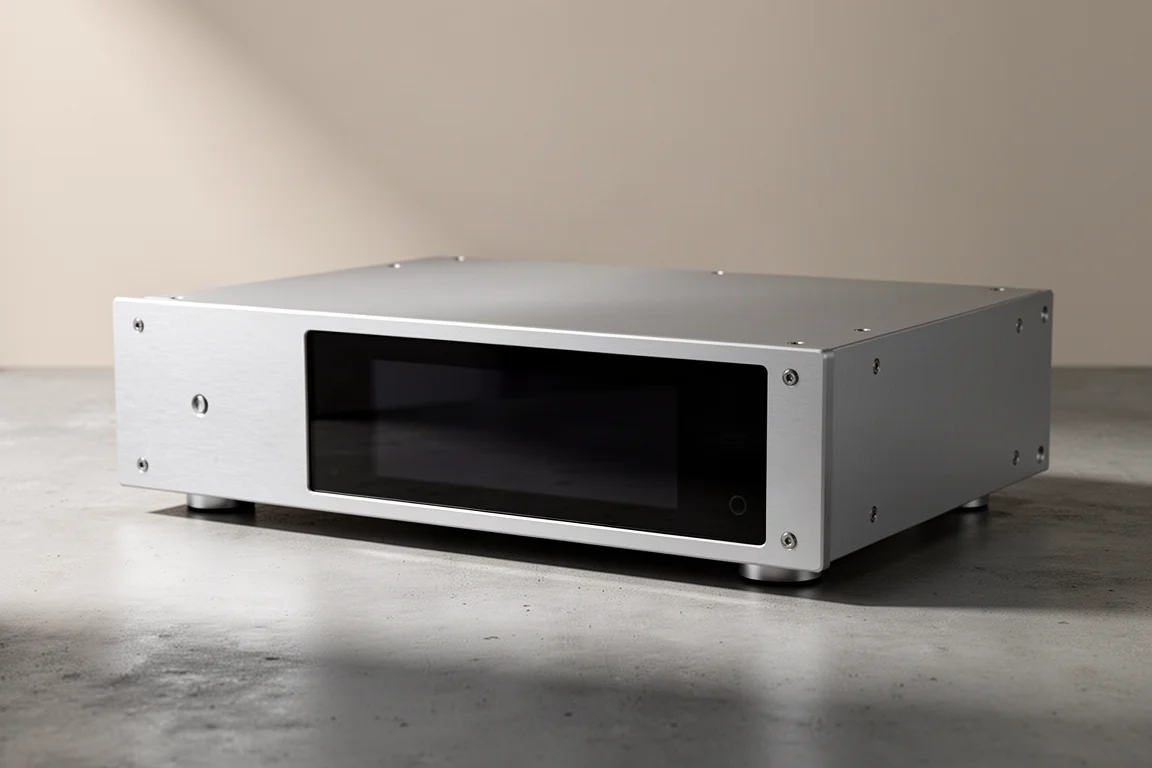
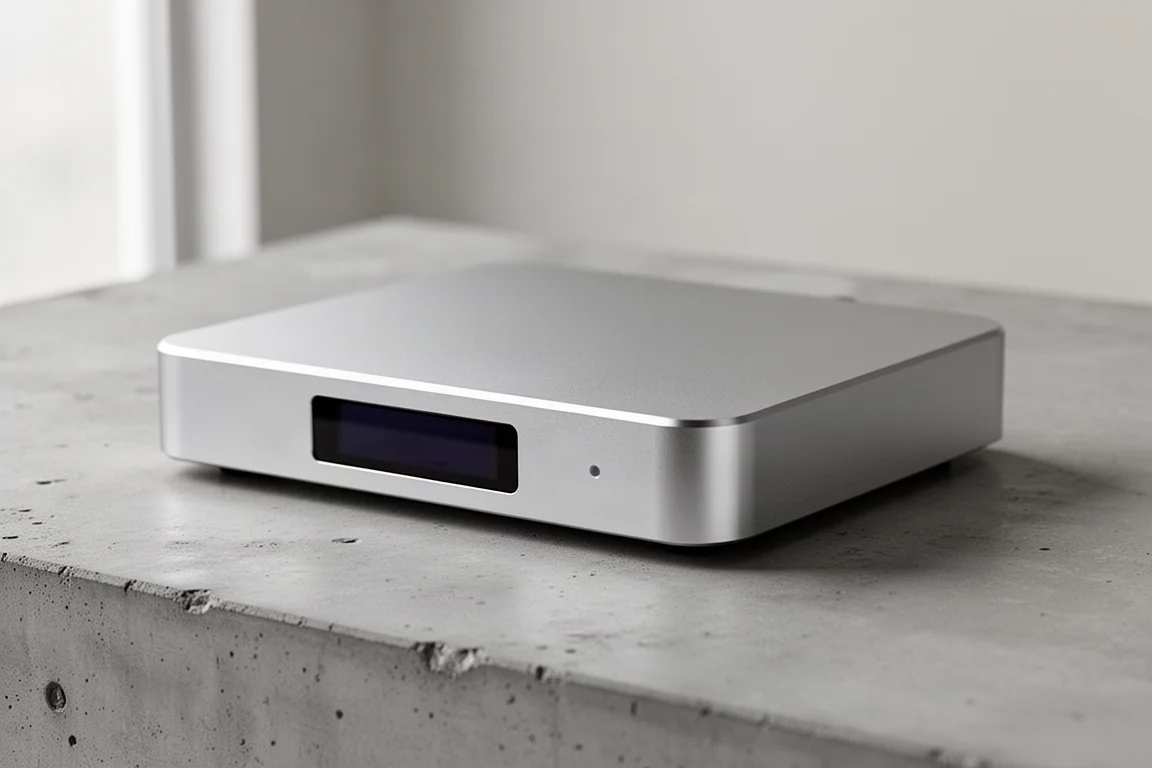
At 388 mm wide, the DMP-A8 is not far off a full rack-width component, and it is considerably wider and deeper than the DMP-A6. The industrial design follows the same language as its smaller sibling, with chunky aluminium casework and a 6-inch LCD display. Where those touches are extraordinary at the DMP-A6’s price, they are simply reassuring in this segment.
Inside, the DMP-A8 splits its power architecture in two. An ultra-low-noise switch-mode supply feeds the digital section, while a linear supply serves the analog side. The streaming module sits under a heat sink next to clocking circuitry built around two femtosecond crystal oscillators. Conversion is handled by AKM’s flagship Velvet Sound architecture: a multi-bit delta-sigma modulator with built-in digital filters running 256-times oversampling feeds a top-of-range converter that uses a switched resistor method. A fully balanced analog preamplifier with resistor ladders handles volume.
Owners who want a self-contained library can open a compartment on the underside and fit an M.2 NVMe solid-state drive of up to 4 TB. The interface is fast, intuitive and comprehensive, and new features continue to arrive. The expected streaming services are all present, along with the ability to work as a Roon endpoint. Creating playlists across platforms is not possible at present, though that is promised in a future firmware update.
Sound quality is where the DMP-A8 separates itself most clearly from the DMP-A6. It is a level above, with far better refinement and none of the aggression of its cheaper sibling. One setting is worth attention from the start: units leave the factory set to a short delay sharp rolloff digital filter, which can leave a hard-edged character across the soundstage. The slow rolloff filter sounds considerably more natural, at the cost of a slight treble roll-off.
Against an Eversolo DMP-A6 paired with a Denafrips Ares 12th-1, the DMP-A8 pulls more information from recordings. The R2R combination counters with a layered soundstage and a more natural tone on vocals and acoustic instruments, but gives up detail to get there. Notably, the DMP-A8 avoids the thin, anaemic character common to many chip-based designs.
Eversolo DMP-A6: The Value Benchmark
The DMP-A6 remains the reference point for value in this category. At £759 it was the standout source component below £1,000 of its year, and the fundamentals that made it so are unchanged: the same chunky aluminium casework, the same 6-inch LCD display and the same fast, comprehensive interface as the DMP-A8, all for around 40 per cent of the price.
What it does not have is the DMP-A8’s connectivity. There is no I2S output and no HDMI ARC input, no analog inputs, and no DSP section. Its house sound also leans bright, and it is noticeably more aggressive than the DMP-A8. For listeners who plan to add an external DAC, none of that is necessarily a problem. The DMP-A6 works well as a transport, and pairing it with the Denafrips Ares 12th-1 brings the total to roughly the price of a DMP-A8 while shifting the sound toward a more natural, layered presentation.
The trade-off is information. A DMP-A6 and Ares 12th-1 combination cannot match the DMP-A8 for resolution, so the decision comes down to whether tone and soundstage layering matter more than detail retrieval. Buyers who want one box, the full set of connections and a built-in preamp will find the DMP-A6 limiting; those who already own a DAC or intend to buy one will find it hard to beat on price.
Denafrips Ares 12th-1: The R2R Alternative
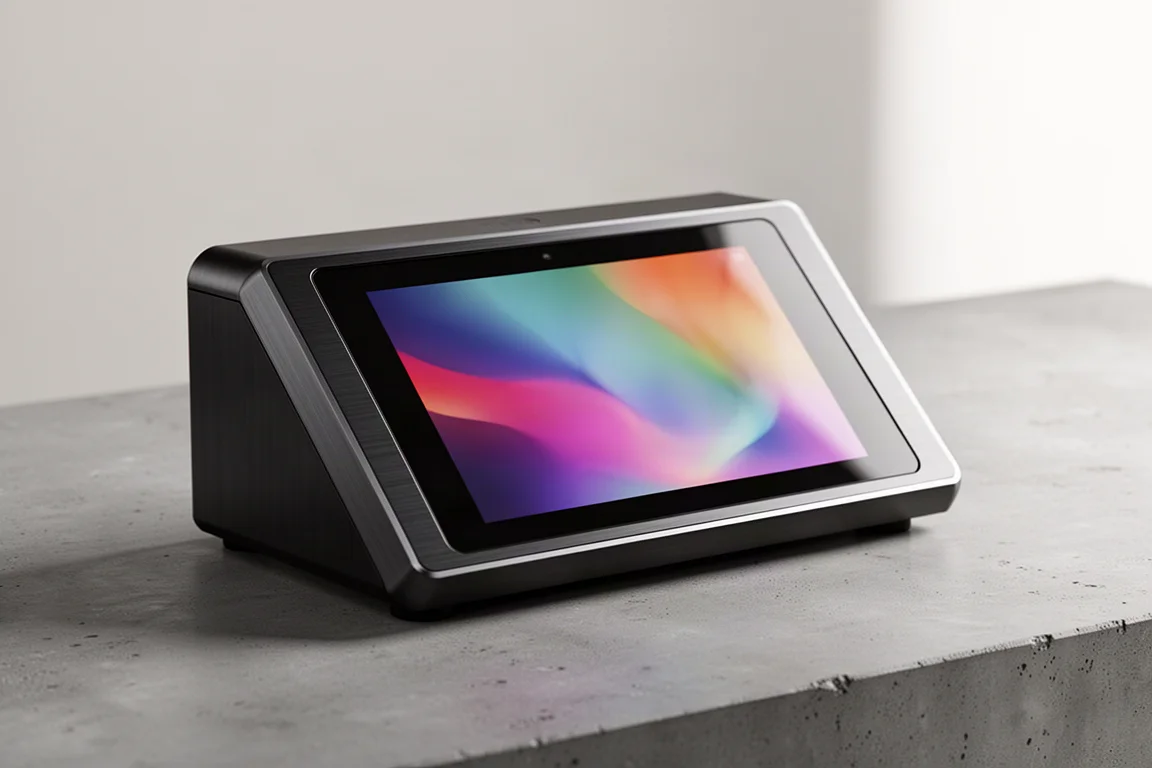
The Denafrips Ares 12th-1 is the option to consider if the character of a ladder DAC appeals. It delivers what R2R designs tend to do best: a layered soundstage and a natural tone through vocals and acoustic instruments, rather than the last word in precision.
The compromise is resolution. Compared with the DMP-A8, the Ares 12th-1 gives up a meaningful amount of information from recordings, so the choice is a trade of detail for texture. It is also a converter only, which means it needs a transport or streamer in front of it. That is exactly what makes the Eversolo DMP-A6 such a natural partner, since the two together land at roughly the price of a DMP-A8.
Gustard R26: The Resolution Specialist
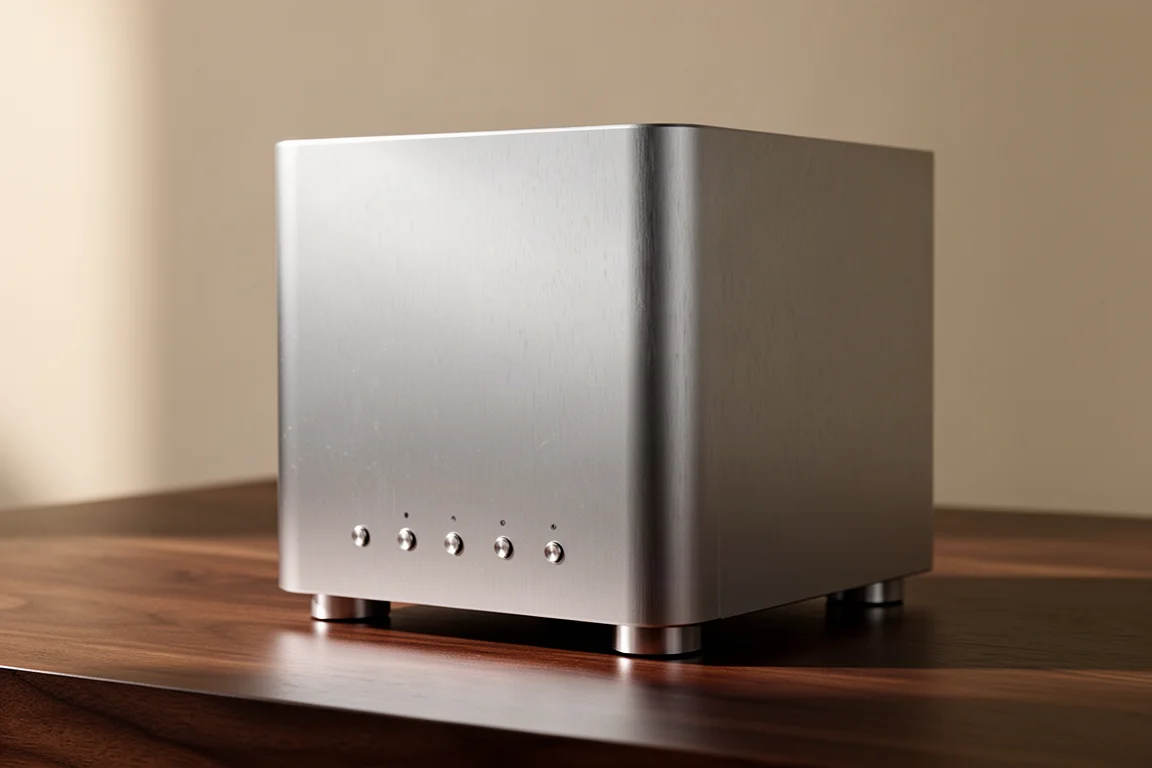
The Gustard R26 has a strong claim as the most resolving DAC below £2,000, and it comes in a little below the DMP-A8 in price. It includes a basic streamer that supports third-party apps, though many owners will prefer to feed it from a dedicated transport.
In direct comparison, the DMP-A8 edges ahead on detail, but only slightly, and it is acoustically lighter on its feet. The more significant difference is soundstage shape. The DMP-A8 is wider, while the R26 is considerably deeper, and the DMP-A8’s inability to create a fully three-dimensional, immersive stage is arguably its biggest shortcoming.
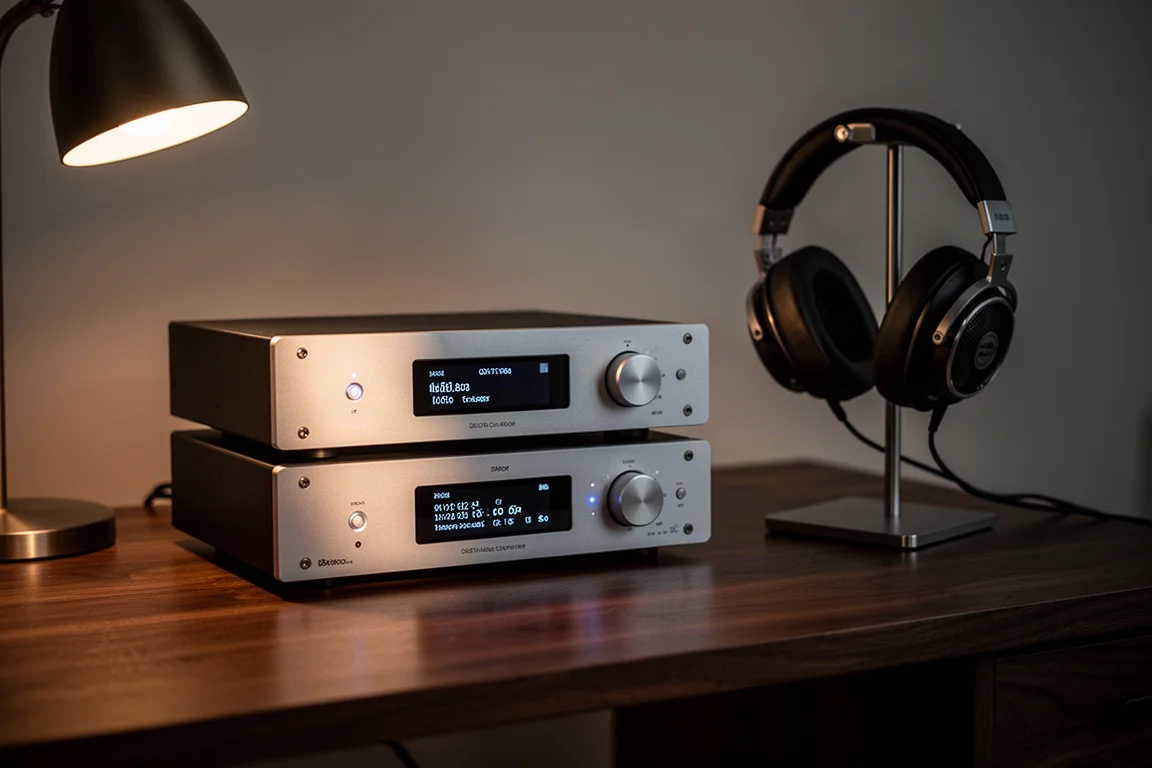
Volume control is where the R26 gives ground. Its digital volume control has a clear impact on sound quality, and the analog alternative performs better but has limited gain, so it will not reach adequate levels in every system. The DMP-A8 has no such limitation: its resistor-ladder volume control can be used without penalty, and analog sources can be connected directly to it. That makes the R26 a natural fit for listeners who already have a preamplifier or integrated amplifier in the chain.
Auralic Aries G1.1: The Streamer Alternative
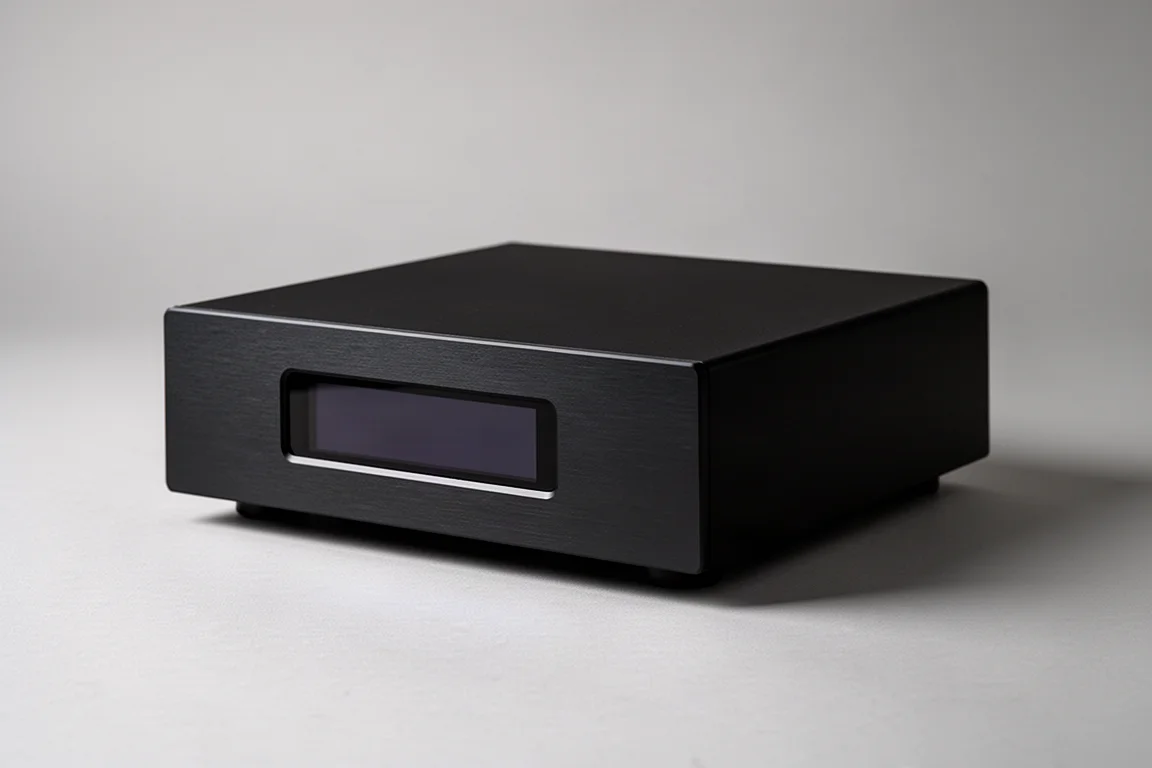
The Auralic Aries G1.1 is a streamer rather than a combined converter and preamp, and it sits in the £1,000 to £3,000 bracket. Its streaming platform is very good, but it is not as sophisticated as the DMP-A8’s. There is no touchscreen, no analog input and no HDMI eARC, which is a genuinely useful connection when a television forms part of the system.
Sonic comparisons are closer than the specification gap suggests. The Aries G1.1 remains overall the more accomplished unit, but only just, and listeners who value connectivity and analog inputs are likely to prefer the DMP-A8 despite that. The Aries G1.1 makes most sense for someone who already has a DAC and a preamplifier and simply wants the strongest streaming performance available.
Buying Advice: Matching the Source to the System
The right choice here depends far more on the rest of the system than on any single specification.
If you want one box to handle streaming, conversion and preamp duties, with HDMI ARC for a television, I2S output, analog inputs and a parametric EQ, the Eversolo DMP-A8 covers all of it and delivers sound quality well beyond the DMP-A6. Its volume control is good enough to drive a power amplifier directly, which removes a component from the chain.
If budget is the deciding factor, the Eversolo DMP-A6 remains the value benchmark. Paired with a Denafrips Ares 12th-1 it costs about the same as a DMP-A8 and trades resolution for a more natural, layered presentation, which suits listeners who prioritise tone over fine detail. Used purely as a transport, it also feeds the Gustard R26 effectively.
The Gustard R26 is the pick for maximum detail below £2,000 and a deep soundstage, provided you have a preamplifier or integrated amplifier to handle volume. The Auralic Aries G1.1 suits a system that already has conversion and preamplification in place and simply needs a refined streamer.
Whichever route you take, set aside time for the digital filter options on the Eversolo units. The slow rolloff setting is a far more natural starting point than the factory default.
Conclusion
The Eversolo DMP-A8 justifies its price on sound quality alone, before its extra connectivity, preamp and DSP features are counted. It is more refined than the DMP-A6, more detailed than the Denafrips Ares 12th-1 pairing, and better equipped than either the Gustard R26 or the Auralic Aries G1.1 as a complete digital front end. Its main weakness is a soundstage that is wide rather than deep, which is worth weighing against the R26 if three-dimensional imaging is a priority. For a system that needs streaming, conversion and preamplification in a single, well-built component, the DMP-A8 deserves serious consideration.
Further reading
Related Reviews
Hi-Fi Audio
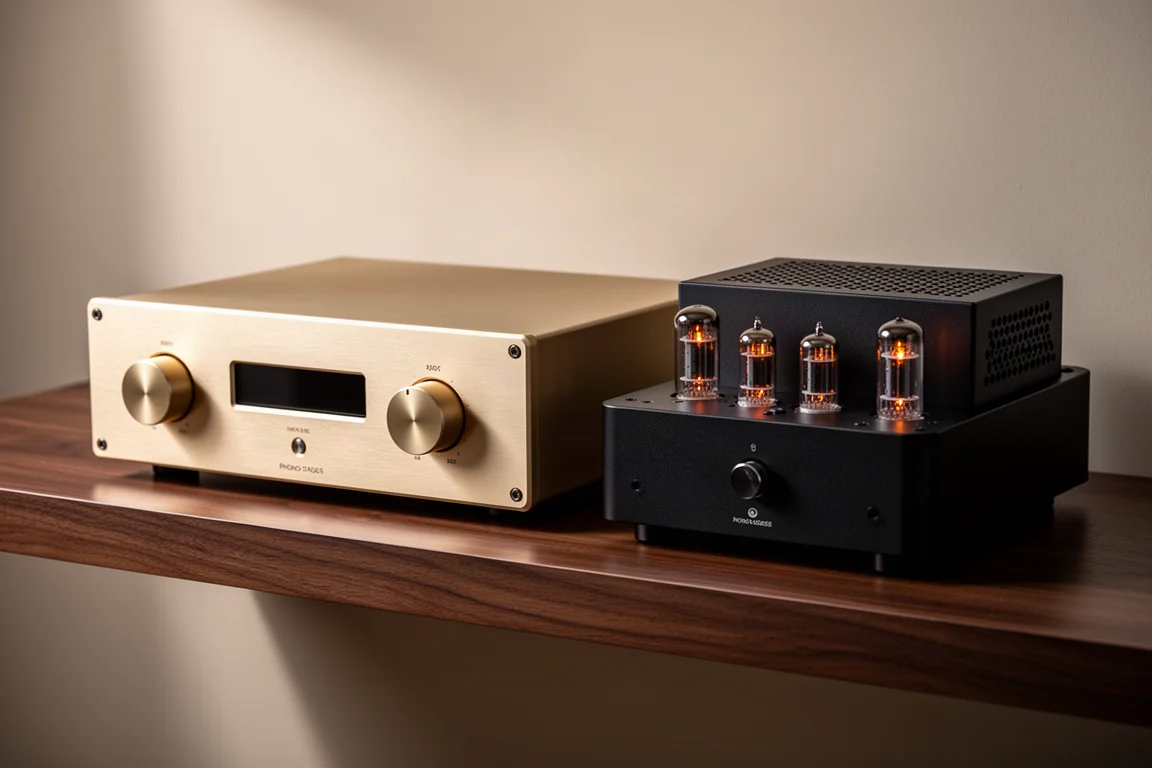
Accuphase C-57 vs Allnic H-7000V: Two High-End Phono Stages Compared
A fully balanced solid-state phono stage with a pitch-black noise floor meets a tube design built for well-loved records. Here is how to choose between them.
Hi-Fi Audio
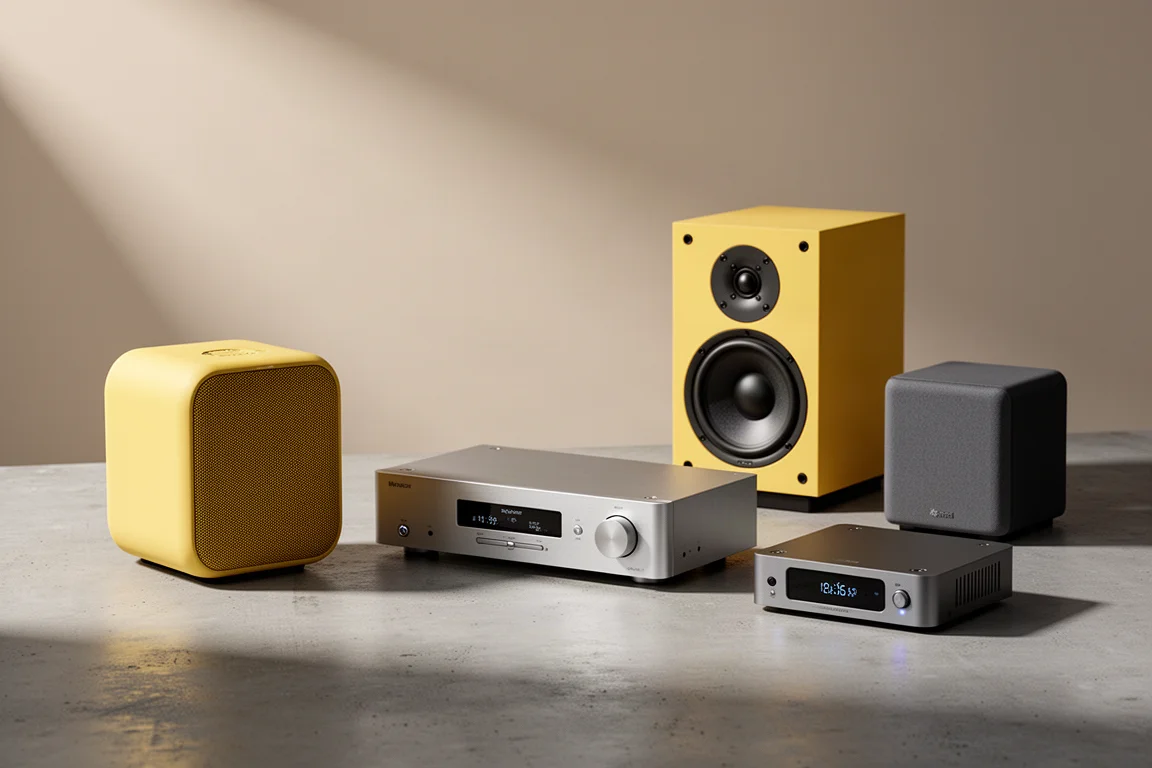
Active vs Passive Hi-Fi: Five Components for a Modern System
Five components that define modern active and passive hi-fi systems, with the strengths, trade-offs and setup details worth weighing before you buy.
Hi-Fi Audio
Advance Paris A10 Apex Review: A Hybrid Integrated Amplifier That Covers a Lot of Ground
A French hybrid integrated amplifier with a class A tube preamp stage, analogue power meters, and an internal DAC and phono stage good enough to make extra boxes unnecessary.