Hi-Fi Streamers
Eversolo DMP-A6 vs DMP-A6 Master Edition: Two Streamer DACs Compared
A practical look at the Eversolo DMP-A6 and its Master Edition sibling: shared features, connection options, sound character, and which one fits your system.
Introduction
The Eversolo DMP-A6 has drawn a lot of attention in the hi-fi world for combining three jobs in one chassis: network streaming, digital-to-analog conversion, and preamplification. At $860 in the United States, it sits comfortably below the $1,000 mark, and a second version, the DMP-A6 Master Edition, asks roughly $400 more for a different clock and op-amp implementation.
Both models share the same features, the same app, and the same screen. The difference comes down to internal components and sound. This guide covers what both units do, how they behave in a real system, and which one makes sense depending on the rest of your equipment.
What Makes the Eversolo DMP-A6 Stand Out
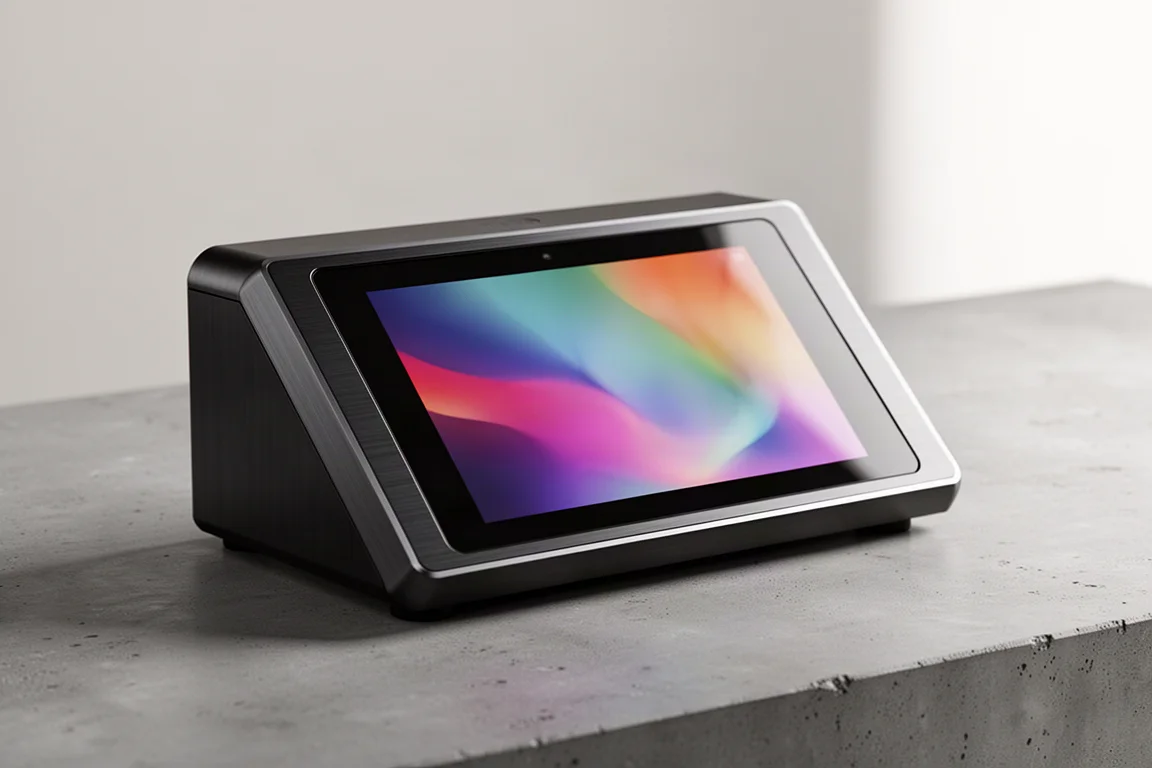
Two things explain most of the interest. The first is price: a streamer, DAC, and preamp combination for $860 is a lot of functionality in one box. The second is the six-inch LCD touchscreen on the front panel, which runs an interface built on Android 11 and behaves much like a phone. Anyone comfortable with a smartphone will find the navigation familiar within the first few minutes of use.
The screen also changes how the unit feels to own. Streamers do not strictly need a display, but a responsive touch interface makes the DMP-A6 more intuitive and more inviting than the typical black box with a small readout. Much of the appeal comes down to how naturally the interface maps onto habits people already have.
The display is a widescreen panel, which can make some on-screen lists harder to work through than a phone-shaped layout. The companion app resolves that quickly, and most owners will do the bulk of their browsing there while leaving the front screen for now-playing information and meters.
Three Ways to Connect the DMP-A6 to Your System
Because the DMP-A6 includes digital inputs and outputs alongside analog connections, it can be used in three distinct roles.
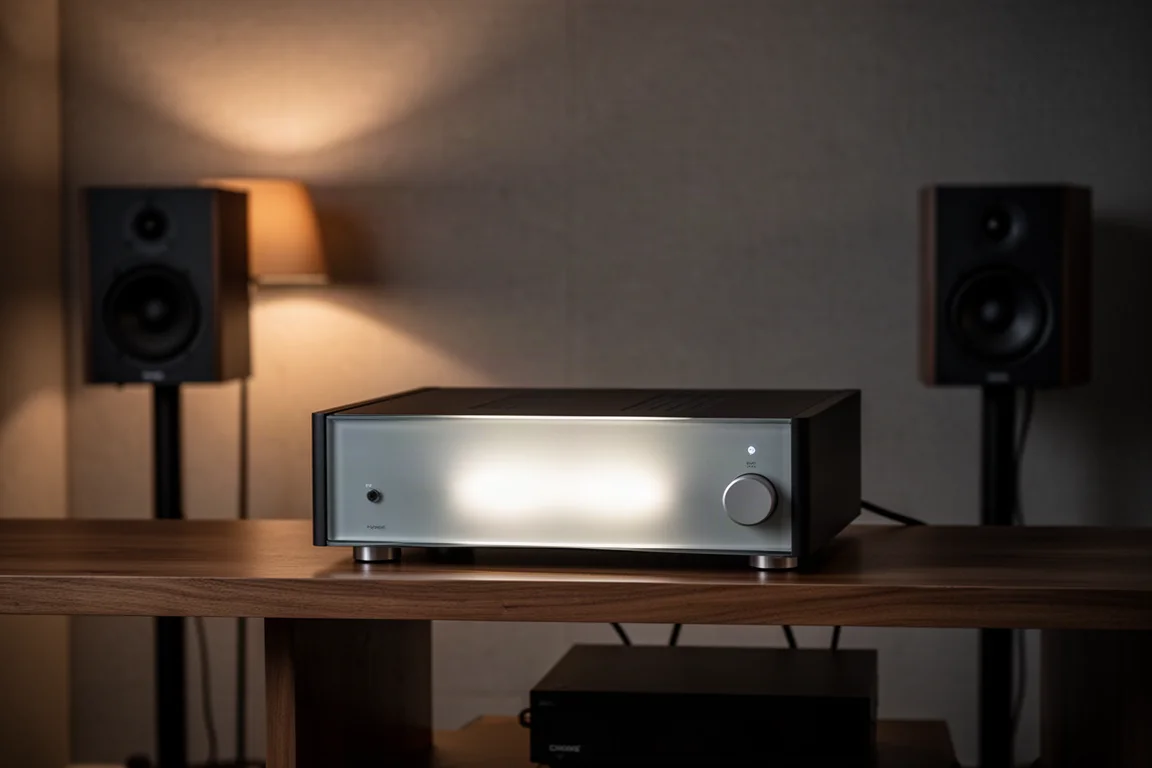
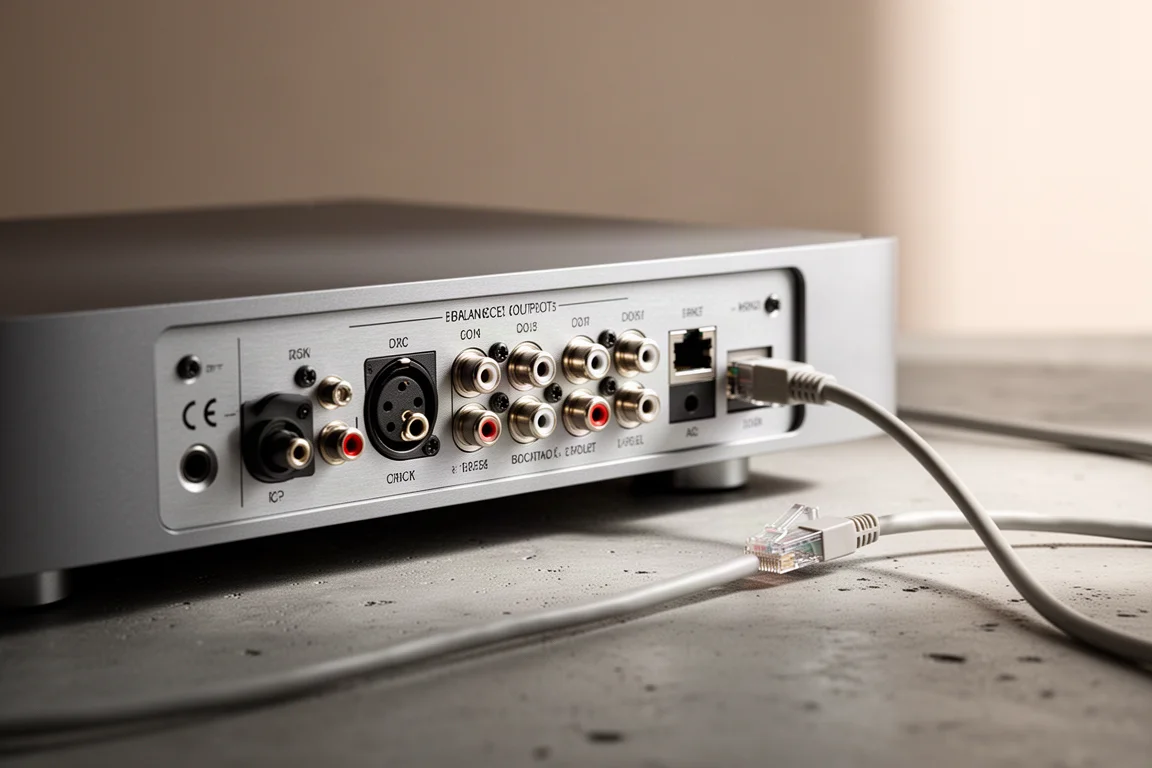
As a streamer only, connect the coaxial, optical, or USB audio digital output to an external DAC or to an integrated amplifier with a built-in DAC. USB audio is the preferred option where possible, since it allows the highest resolution playback. Keeping a digital output in the chain also means the unit stays useful even if the internal DAC is eventually surpassed by something newer.
As a streamer and DAC, use the RCA or XLR analog outputs into an integrated amplifier or a separate preamplifier, and set the volume to fixed output in the app or on the screen so that volume is controlled in one place only.
As a streamer, DAC, and preamplifier, use the same analog outputs into a standalone power amplifier with no preamp of its own, switch the volume to variable output, and control level with the front dial or the app. This setting matters, because fixed output sends a full-level signal to a power amplifier.
There are also digital inputs on coaxial, optical, and USB-C, which can take a signal from a television, a CD player, or a similar source. A USB port on the top panel handles storage devices such as a USB stick or a hard drive, and the unit accepts an internal SSD of up to four terabytes, sold separately, mounted underneath. Networking is handled by a gigabit Ethernet port or dual Wi-Fi antennas, with a separate antenna for Bluetooth.
Eversolo DMP-A6 Standard Edition: Sound and Value
The standard DMP-A6 leans slightly brighter than neutral, though not in a harsh way. Bass is a genuine strength: it has punch, extension, and texture, with nuance that holds up well across genres. The midrange is a touch lean, and on some recordings the top end can sound a little edgy.
Soundstaging is where both models impress. The presentation is airy and spacious, which is unusual at this price and remains convincing even in a high-end system.
Eversolo DMP-A6 Master Edition: What the Extra Investment Buys
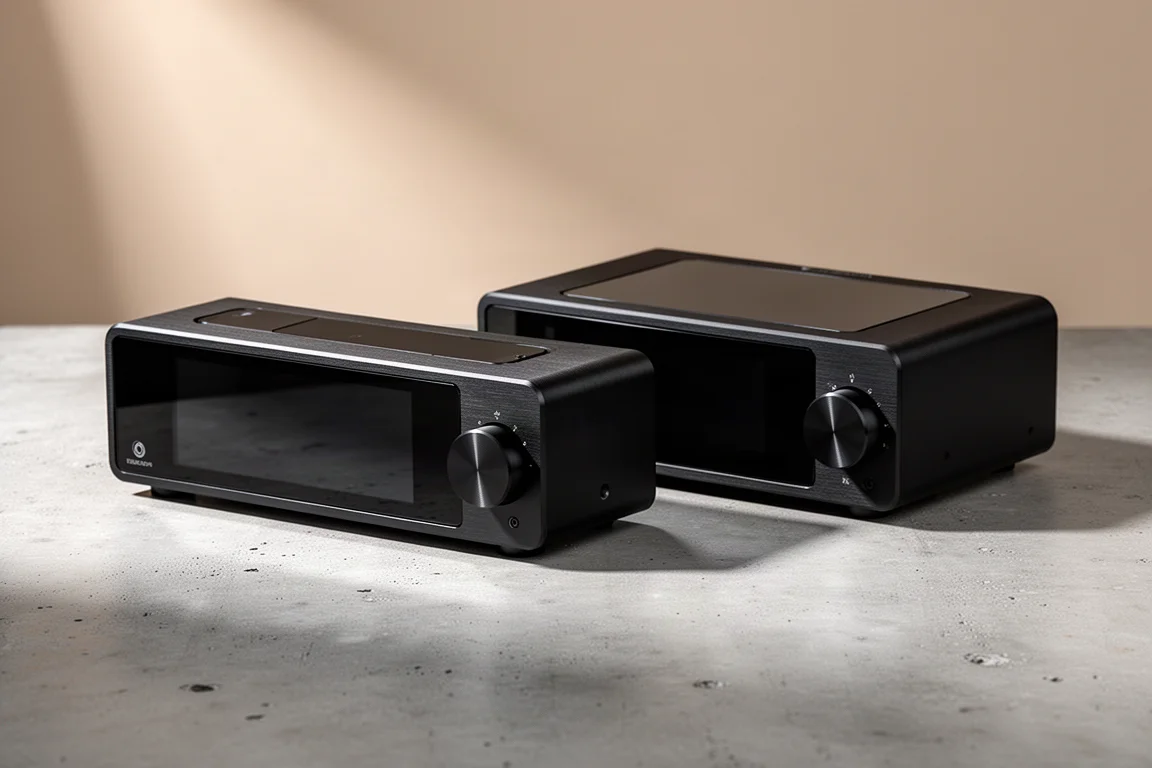
The Master Edition changes two internal components: the clock and the op amp. On the front panel, the lettering is gold rather than silver, which makes the two units easy to tell apart at a glance.
In listening, the Master Edition fills out the midrange with a little more body and smooths the top end while keeping the detail the line is known for. Bass performance is effectively the same, and the overall tonal balance still sits slightly bright of neutral. The differences are subtle, but they are the kind of subtle differences that register in a resolving system.
Sound Character and System Matching
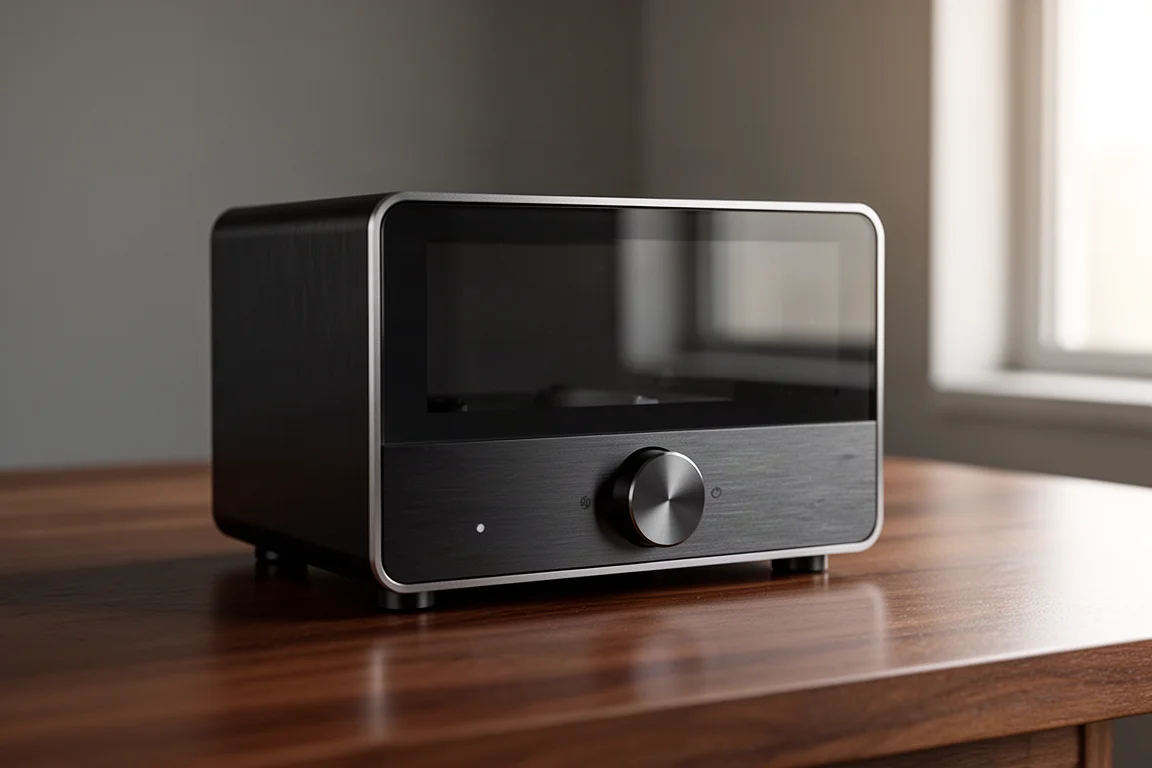
Neither model is a warm, thick-sounding source, and that shapes which systems they suit. Pairing the DMP-A6 with speakers or amplifiers that already carry a lot of top-end energy tends to push a system further in that direction. Pairing it with warmer components, the sort of speakers and amplifiers that trade air for body, works better: the DMP-A6 adds openness and space while leaving the underlying warmth intact. It adds air without overdoing it, which is not always the case with components chosen for that purpose.
Volume can be adjusted in steps from 0.5 dB up to 3 dB, which gives fine control at the listening position. There is no gain setting, so with some amplifiers the usable range of the dial can run high before the desired loudness is reached.
Software, Updates, and Everyday Usability
Streaming support covers the major services, including Tidal, Spotify, and Amazon Music, with Amazon Music arriving through a later update. Updates have been frequent, and new functions have been added along the way, which suggests that feedback is being acted on rather than filed away.
Two limitations are worth knowing. The platform is based on Android 11 but does not offer access to an app store, so third-party apps cannot be installed at will; new services appear when Eversolo adds them. There is also no remote control in the box, though one is sold separately. In practice the app covers volume and every setting, which makes a phone a capable stand-in for a traditional remote.
A few smaller details stand out in daily use. Upsampling to 192 kHz made poorly recorded material sound more spacious and smoother. MQA can be turned off, set to render only, or set to render and decode. Digital filter options are available in the app, and the fast linear filter proved the most open and refined of the set, with the alternatives either softening the top end or reducing air. There is no EQ, which would have offered more flexibility for tuning the sound to a room or a pair of speakers. Screen brightness and knob brightness are both adjustable, and the VU meters add a bit of life to the display.
Practical Trade-Offs and Missing Features
Wi-Fi performance is the weakest link. Dropouts occur, and Ethernet is the more dependable option. That is a common limitation among streamers rather than something unique to this unit, but it is worth planning for before the unit arrives.
The HDMI port is easy to misread. It is not for eARC or I2S; it serves multichannel use, a niche application that most buyers will never touch. An eARC or I2S connection would have broadened the appeal considerably.
The widescreen display and the absence of an app store are the other compromises. Neither is a dealbreaker, and the app covers most of the gaps in day-to-day use.
Matching the DMP-A6 to Your Speakers and Room
The value here is in the combination rather than any single specification. A streamer, DAC, preamplifier, touchscreen interface, and app for $860 is a well-integrated package, and it holds up in systems far above its price. The air and openness it brings are the most useful contribution, particularly when the rest of the system is already warm and could use a little more space around the instruments.
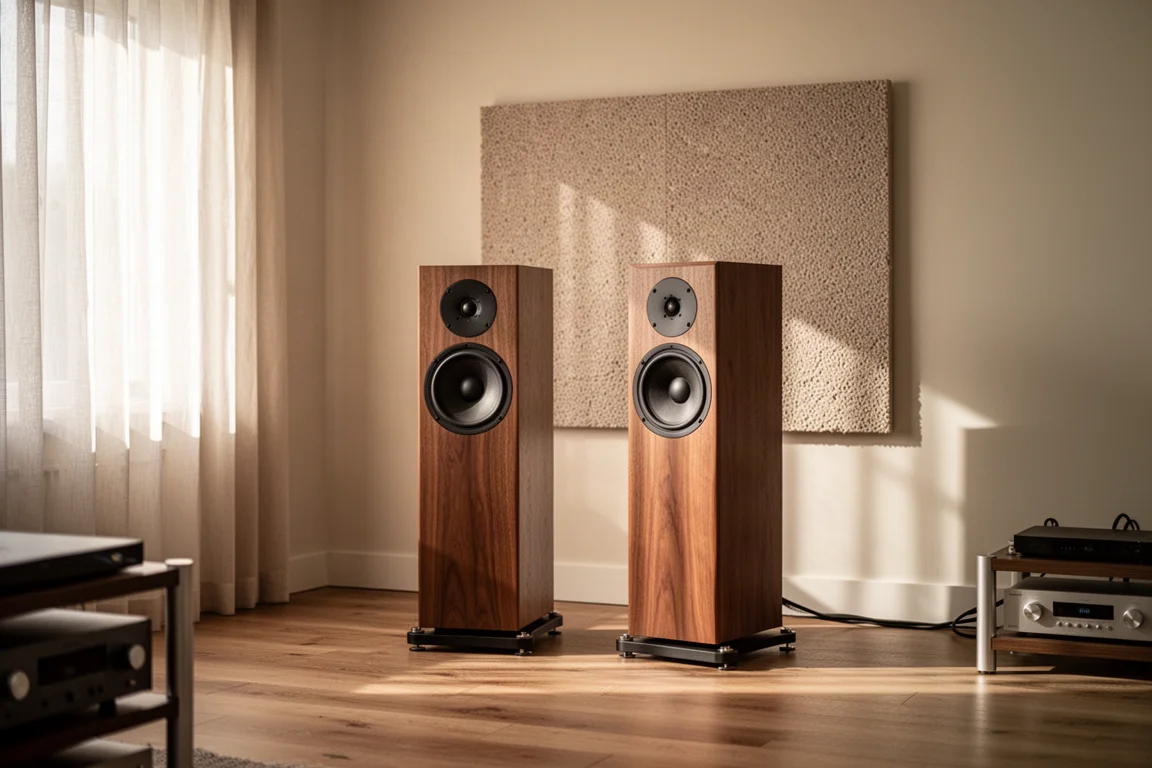
For anyone building around a warm-sounding amplifier or a pair of warm-sounding speakers, the DMP-A6 is a natural fit. For anyone with bright, forward components, it is worth listening before committing, since this is not a source that will smooth over that character.
Buying Advice: Which Model Fits Your System?
The standard DMP-A6 is the sensible choice for most buyers. It delivers the same features, the same app, the same screen, and the same bass performance as the Master Edition for $860, and the differences in the midrange and treble are modest.
The Master Edition makes sense when the rest of the system is resolving enough to reveal those differences and when a fuller midrange and a smoother top end are worth roughly $400. Buyers with high-end electronics who want a more refined treble and more body through the midrange will find the upgrade justifiable.
Either way, budget for a wired network connection if one is available, and plan on using the app as your primary control surface. Both models support the same streaming services and receive the same updates, so the decision comes down to sound and system context rather than functionality.
Conclusion
The Eversolo DMP-A6 earns its reputation on features, interface, and value rather than on outright sonic dominance. It sounds more than decent for the money and is exceptionally well thought out, and the update record suggests it will keep improving. The Master Edition refines the recipe for systems that can show it, while the standard version remains the better value for most listeners.
Further reading
Related Reviews
Hi-Fi Streamers
Best Music Streamers Under £1,000: Cambridge Audio CXN 100 vs Eversolo DMP-A6 vs Bluesound Node X
Three sub-£1,000 network streamers compared on sound character, connectivity, build and app experience, with clear guidance on which one suits which system.
Hi-Fi Streamers
Bluesound Node X vs Eversolo DMP-A6: Two Standout Streamers Below £1,000
A close comparison of two sub-£1,000 music streamers: one focused on app quality and everyday flexibility, the other on build, display and resolution.
Hi-Fi Streamers
Cambridge Audio CXN 100 Review: A Streamer and Digital Preamp in One Box
The CXN 100 replaces a multi-award-winning streamer with a full redesign, adding a better DAC, a 100-step volume control, balanced outputs, and digital preamp flexibility.