Music Streamers
EverSolo DMP-A6 Gen 2 and DMP-A6 Master Edition Gen 2: Which Streamer Fits Your System
A practical look at what the Gen 2 updates bring to EverSolo's A6 streamers, how they compare with the DMP-A8 and the Bluesound Node, and who should consider upgrading.
Introduction
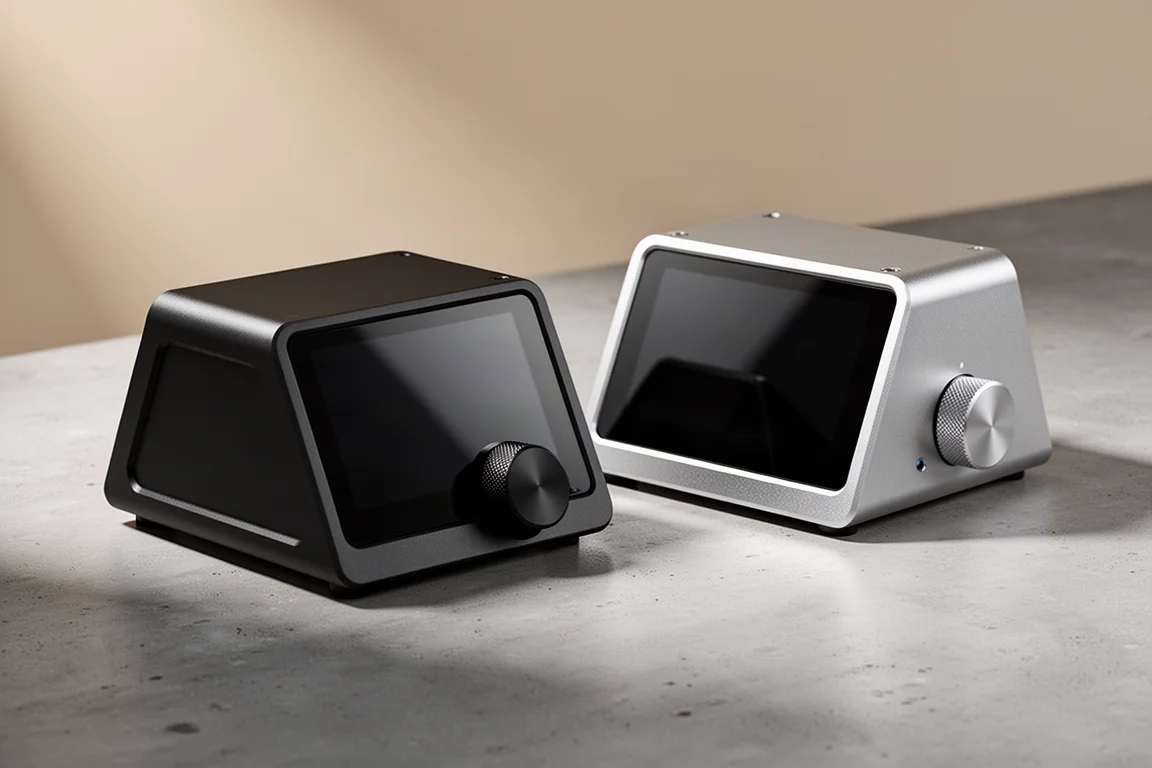
EverSolo’s A6 and A6 Master Edition streamers found a sweet spot in the market. At roughly $1,000, they packed in a bright touchscreen, a deeply customisable control app, and enough inputs to sit at the centre of a modern system. The Gen 2 versions keep that foundation and add several features listeners have been asking for since the originals launched.
This guide covers what actually changed in the Gen 2 models, how the two of them compare with the DMP-A8 and the Bluesound Node, and which one makes sense depending on the system you already own.
What Changed in the Gen 2 Models
The first change sits inside the chassis. The original A6 and A6 Master Edition used a low-noise, high-quality power supply, and both Gen 2 models step up to a linear power supply. That means lower noise and a cleaner, more stable supply for the audio circuit, which is the kind of improvement that tends to show up as a quieter, blacker background rather than a dramatic shift in tone.
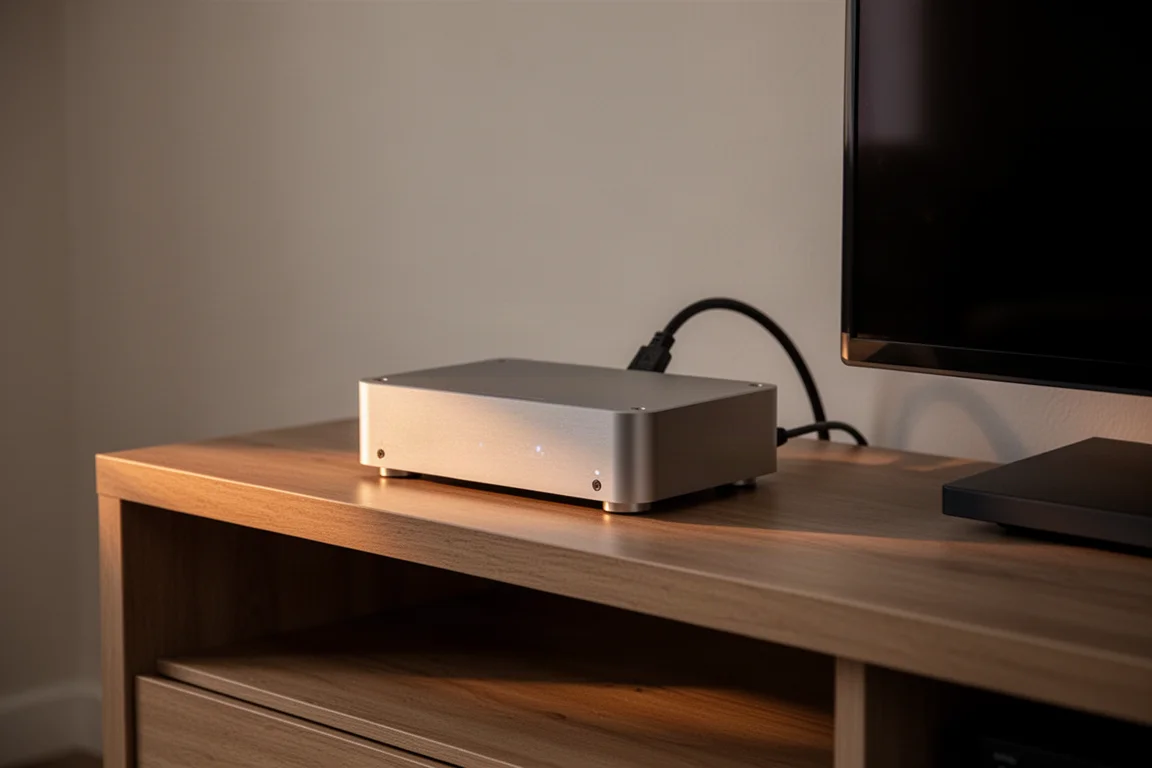
The addition many listeners asked for is an HDMI ARC input on both Gen 2 models. It accepts stereo PCM at 192 kHz / 24-bit, so a television can be connected directly and the TV remote can handle volume. It does not replace the existing HDMI output, which still carries DSD native and PCM multichannel audio up to 5.1. Dolby Atmos is still not supported.
Two more integration features arrive on both models. A 12V trigger output lets the streamer switch connected components on and off automatically, and wake on LAN lets the unit be woken through the app when it is connected to the network over Ethernet. That combination is genuinely convenient for a system tucked inside a cabinet: waking the streamer can also bring amplifiers online, so playback can start without touching the gear.
Both models also gain the EVC output engine, a proprietary volume adjustment algorithm designed to eliminate errors at different gain levels so the signal shape stays unchanged as volume moves. The goal is more complete and accurate audio information at every listening level.
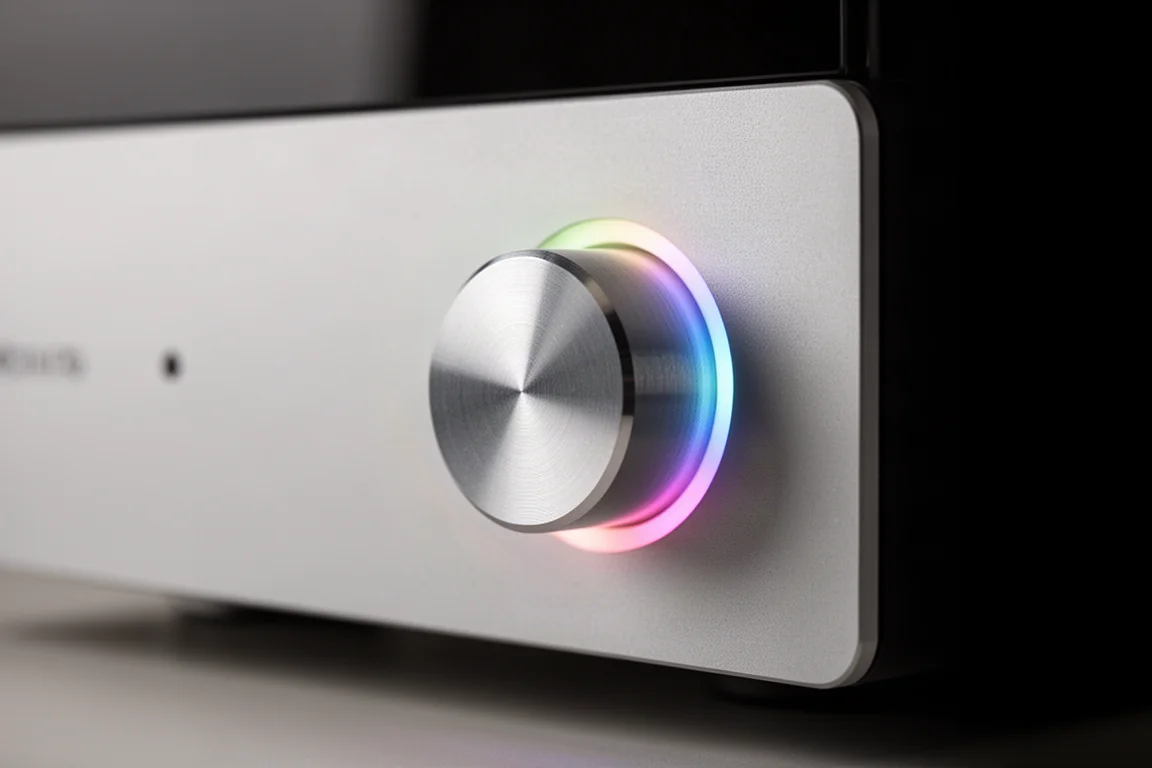
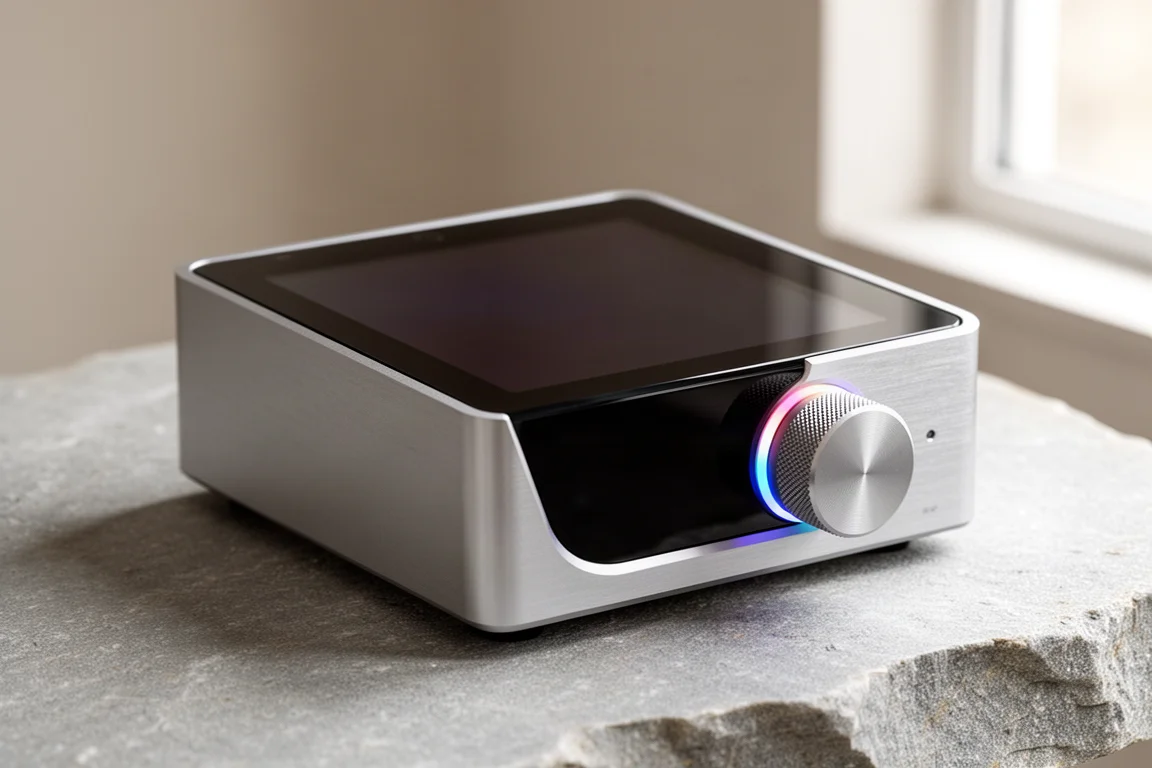
The Master Edition Gen 2 adds two changes of its own. It is now offered in a silver finish rather than black, with silver badges and logos, while keeping the same brushed aluminium chassis. It also carries an RGB dynamic light around the volume knob, which can be customised from the app or from the home screen.
EverSolo DMP-A6 Gen 2
The standard A6 Gen 2 keeps the dual ESS Saber ES9038Q2M DAC configuration of the previous generation, along with two high-precision crystal oscillators that work to reduce jitter.
Around that core, the feature set is broad. There is a 6-inch touchscreen, support for Roon, Tidal Connect, Qobuz Connect, DLNA and AirPlay, Bluetooth 5.0, and a bay on the underside that accepts an M.2 SSD of up to 4TB for local music.
Digital playback covers DSD512 native and PCM up to 768 kHz / 32-bit over USB, while the optical and coaxial inputs handle DSD64 and PCM up to 192 kHz / 24-bit. FLAC, WAV, APE and most other common formats are supported.
EverSolo DMP-A6 Master Edition Gen 2
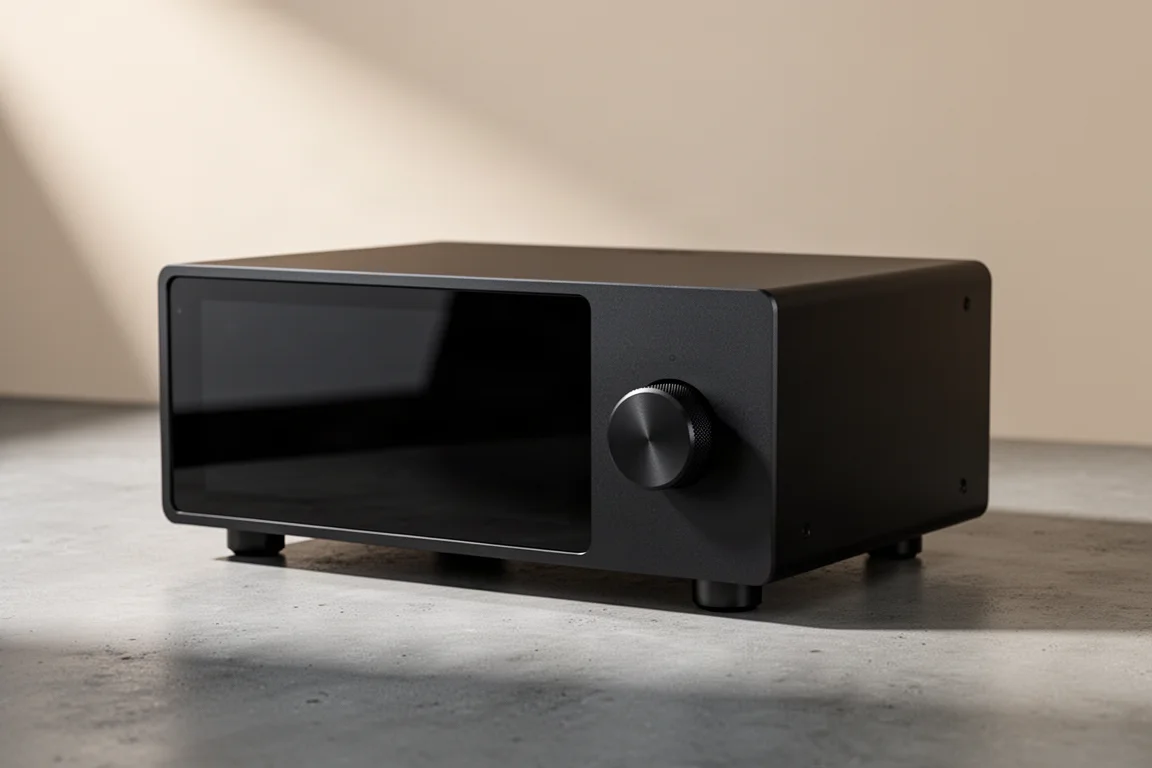
The Master Edition Gen 2 shares the Gen 2 platform but changes the analogue and timing hardware. It keeps an upgraded femtosecond clock system with ultra-low noise and jitter, and it uses the OPA1612 op amp, which costs roughly twice as much as the op amp in the standard A6. In listening terms, that pairing produces a warmer presentation while holding on to a silky smooth and extended top end.
That hardware is the practical difference between the two A6 models, and it is what separates the Master Edition as the more refined of the pair.
Beyond the sound, the silver finish and the RGB ring around the volume knob give the Master Edition Gen 2 a distinct look within the DMP line, different from the rest of the family.
EverSolo DMP-A8
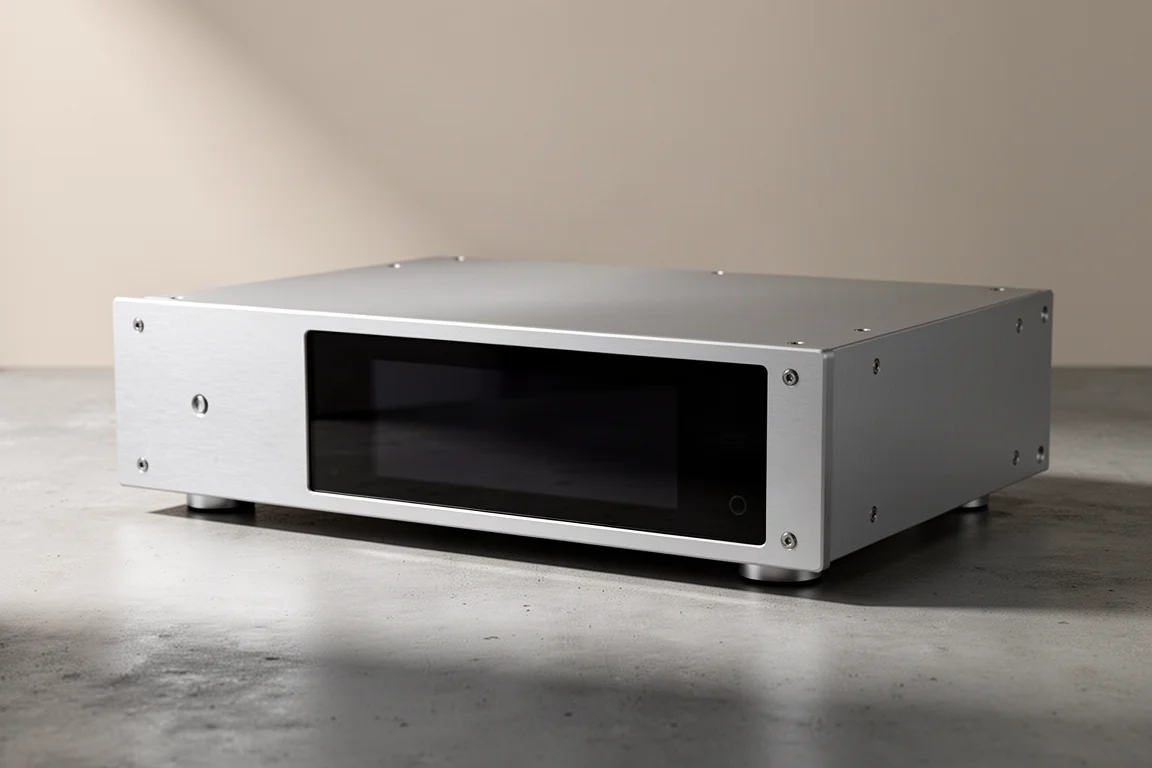
The DMP-A8 sits just above the A6 Master Edition Gen 2, and the price gap is only a few hundred. For that, it brings an AKM DAC rather than the ESS Saber chips used in the Gen 2 models, R2R volume control, I2S connectivity, and automatic room correction.
Room correction is the clearest dividing line in the range. The Gen 2 models offer graphic and parametric EQ, which is genuinely useful for targeting specific peaks in a room, but they do not include the automatic correction found in the A8 and the flagship A10. Listeners who want the system to measure and correct the room for them will need to move up.
Bluesound Node
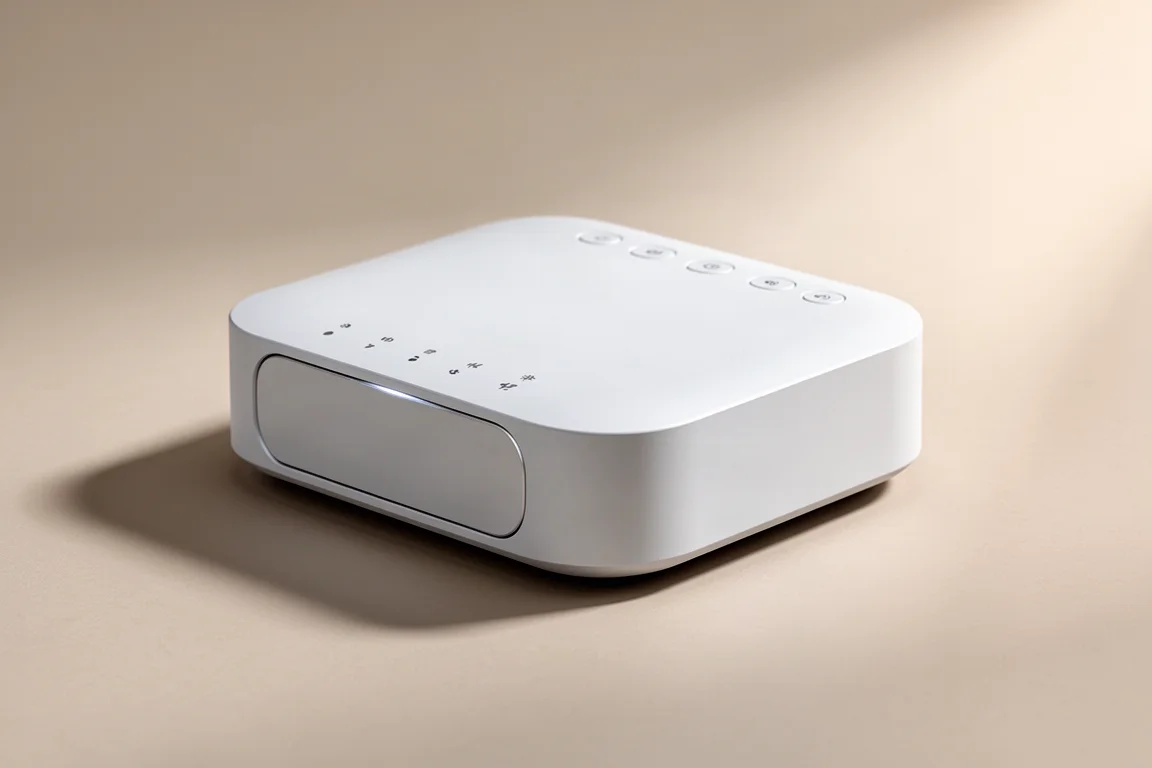
If the A6 Gen 2 is a stretch, the Bluesound Node is one of the strongest alternatives. It is a compact streaming preamp without a touchscreen, and it includes a subwoofer output. For listeners happy to control everything from an app, it is hard to beat for the money and remains one of the most popular options in its class. The Node Nano and the WiiM Ultra are worth comparing in the same conversation.
In a direct comparison with the A6 Gen 2, the EverSolo model edges ahead slightly, but the Node’s combination of price, size and a subwoofer output keeps it firmly in the running for simpler systems.
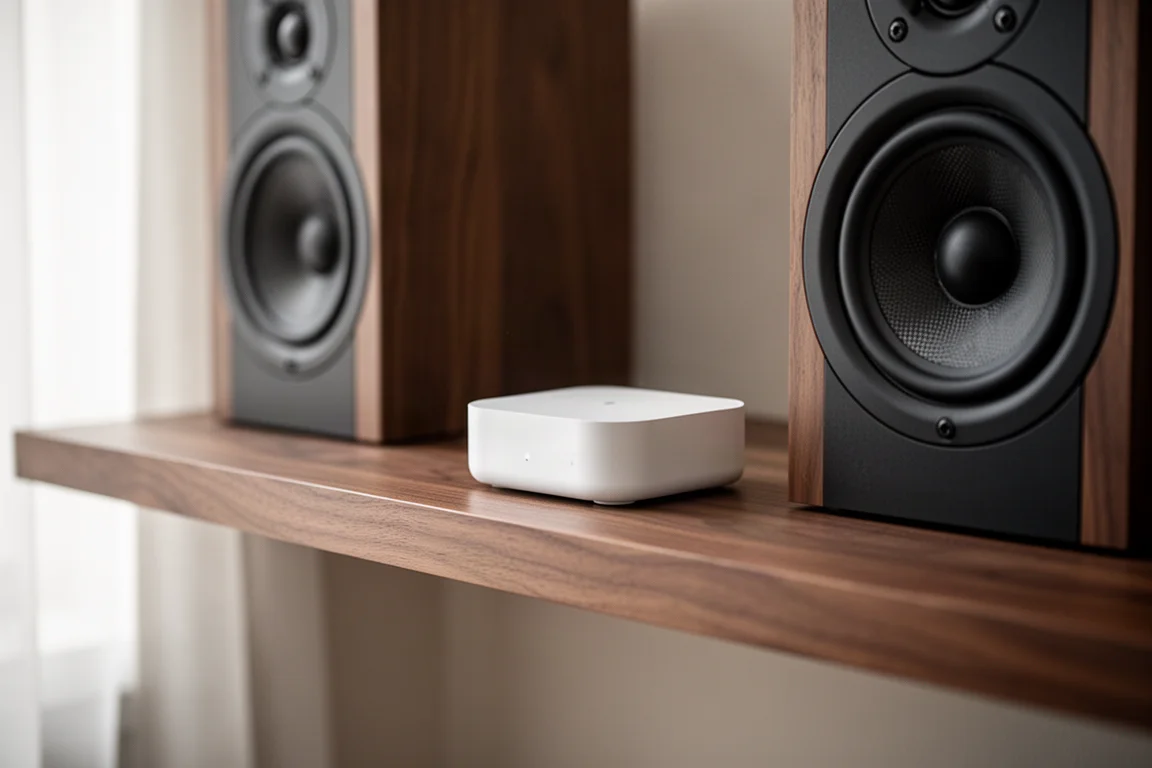
The trade-off is straightforward. There is no touchscreen, and less of the deep local-library tooling that the EverSolo units offer. In exchange you get a compact box that is easy to place, quick to live with, and priced to leave room in the budget for speakers.
Design, Touchscreen, and App Experience
Both A6 Gen 2 models are light but feel solid, and the centrepiece is the 6-inch glass touchscreen. It is bright, vibrant and responsive, without the lag or the extra pressure that make some touchscreens frustrating to use. Display options include album art and different styles of VU meters, which makes the unit a visual part of the system rather than a box hidden away in a rack.
The home screen offers icons for music streaming, files, sources and settings, and a row of customisable app shortcuts sits below. Services including Tidal, Qobuz, Apple Music, Amazon Music and internet radio are available, and additional third-party apps can be sideloaded. EverSolo’s EOS (Original Sampling Rate) audio engine bypasses the Android SRC restriction, so streaming apps can play at their original sampling rate.
The control app handles library browsing, settings and volume. Multiple streaming services can be signed in at once, and the Global Music Collection searches across all of them on a single screen, which makes cross-service playlists possible. A screencast feature mirrors the unit’s display onto a phone, so apps that are not built into the interface can still be opened and managed from across the room.
Local library support is unusually deep at this price. An M.2 SSD of up to 4TB can be fitted in the underside bay, network storage can be connected so the system builds a library with cloud metadata, the USB ports can link to a computer for file management, and SMB sharing turns the streamer into a network storage device for other players. NFS, WebDAV and UPnP are supported as well, and a CD player can be attached so discs are ripped straight to internal storage.
EQ is available in both graphic and parametric form on the screen or in the app. The parametric EQ lets you adjust a specific frequency and how steep or wide that adjustment is, which is useful for taming narrow peaks, though identifying those peaks requires a separate measurement tool.
Connectivity, Formats, and Clock Architecture
The rear panel carries three antennas, one for Bluetooth and two for Wi-Fi, alongside a gigabit Ethernet port, HDMI output for DSD audio, USB-A for an attached drive, USB-A audio output, coaxial and optical digital inputs, a USB-B input for computer audio, RCA analogue outputs, balanced XLR analogue outputs, the new 12V trigger and the new HDMI ARC input.
Digital support is broad. The USB input handles DSD512 native and PCM 768 kHz / 32-bit, the optical and coaxial inputs handle DSD64 and PCM 192 kHz / 24-bit, and the units play FLAC, WAV, APE and most other common formats.
Clock accuracy is the quiet engineering story behind the sound. When a clock signal drifts even slightly, small variations appear between samples and create timing errors in the audio signal being played. The standard A6 Gen 2 uses two high-precision crystal oscillators to reduce that jitter, while the A6 Master Edition Gen 2 uses an upgraded femtosecond clock system with ultra-low noise and jitter for a purer result.
Upgrade Advice: Is Gen 2 Worth It?
For anyone already running a first-generation A6 or A6 Master Edition, the honest answer is that moving to the same model in Gen 2 is unlikely to deliver a massive improvement in sound. The Gen 2 changes are mostly about integration and convenience, so the upgrade makes the most sense for listeners who will genuinely use HDMI ARC, the 12V trigger or wake on LAN. If TV integration has been the missing piece in the system, the Gen 2 models solve it cleanly.
Moving from a standard A6 to the A6 Master Edition Gen 2 is a different proposition. That path brings better op amps and a better clock system along with the Gen 2 features, and it is the more meaningful step up if the budget allows.
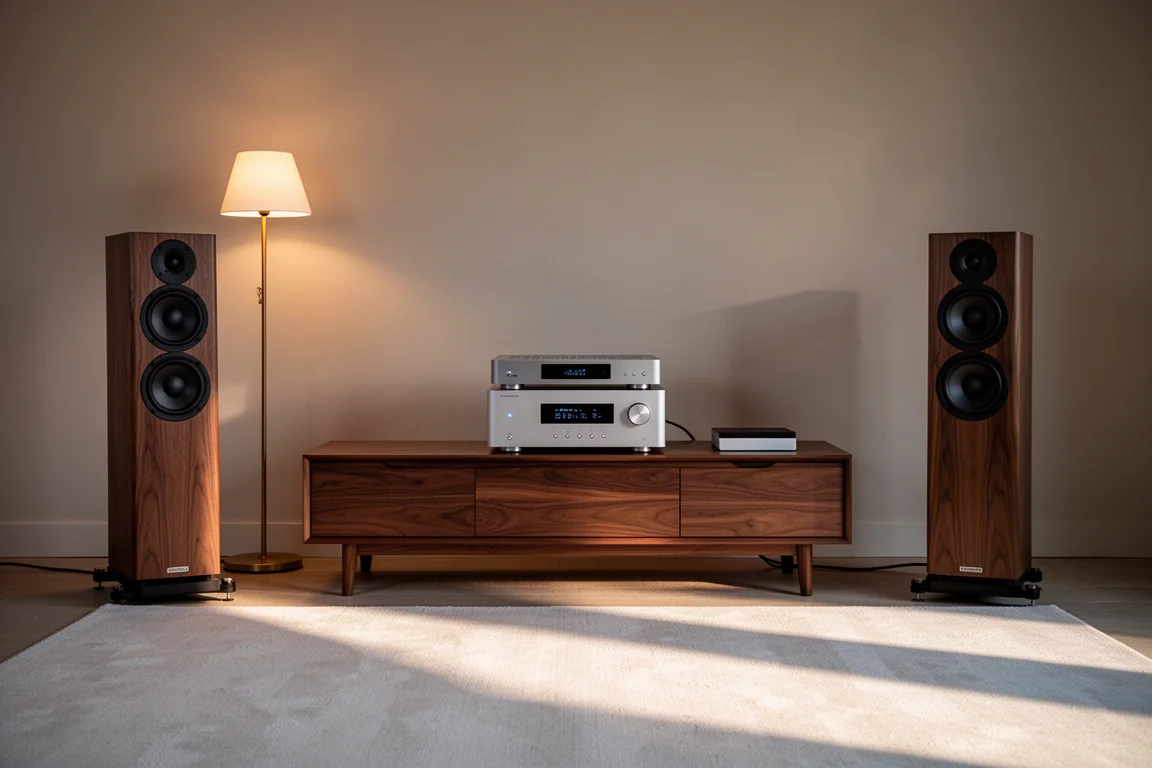
The more interesting comparison is between the DMP-A8 and the A6 Master Edition Gen 2. With the Gen 2 upgrades in place, the Master Edition closes much of the gap, and the A8 sits only a few hundred above it. The A8 still separates itself with its AKM DAC, R2R volume control, I2S and automatic room correction, so the decision comes down to whether those features matter in your room. Above both sits the DMP-A10 for listeners who want the most EverSolo offers.
For a first streamer, the practical approach is to decide which features you will actually use. A touchscreen, internal storage and CD ripping point toward the A6 Gen 2. Better timing and analogue hardware point toward the Master Edition Gen 2. Room correction and a different DAC character point toward the A8. And if the budget is tighter or the system needs a subwoofer output, the Bluesound Node remains a sensible place to start.
Conclusion
The Gen 2 versions of the A6 and A6 Master Edition are refinements rather than reinventions. A linear power supply, HDMI ARC, a 12V trigger and wake on LAN address the practical complaints about the originals, while the Master Edition’s clock, op amps, silver finish and RGB volume ring give it a clear identity of its own.
The choice comes down to what your system is missing. If the answer is TV integration and convenience, the A6 Gen 2 covers it. If it is sound quality within the same chassis, the Master Edition Gen 2 is the step up. If it is room correction and a different DAC character, the DMP-A8 is the natural move. And if the priority is value and a subwoofer output, the Bluesound Node stays a strong, simple option.
Further reading
Related Reviews
Music Streamers
Arylic S10 Plus vs WiiM Mini: Two Affordable Music Streamers Compared
A practical comparison of the Arylic S10 Plus and the WiiM Mini, covering connections, apps, tone controls, and how each internal DAC actually sounds.
Music Streamers
Auralic Aries G1.1 Review: A Streaming Transport That Lifts a Resolving System
A close look at the Auralic Aries G1.1 streaming transport, covering its twin-transformer power supply, Tesla G2 processing, Lightning DS app and the systems where it genuinely pays off.
Music Streamers
Bluesound Nano Review: A Compact Streamer That Keeps Things Simple
The Bluesound Nano is a stripped-down network streamer at $299, with a solid chassis, quick setup, and a clean, punchy sound. Here is what to know before buying.