Camping Tents
Eureka Timberline 2 Review: A Classic A-Frame Tent Tested in Real Rain
The Eureka Timberline 2 stayed dry through hours of rain in our test, but its published waterproof ratings, partial fly, and price are worth understanding before you buy.
Introduction
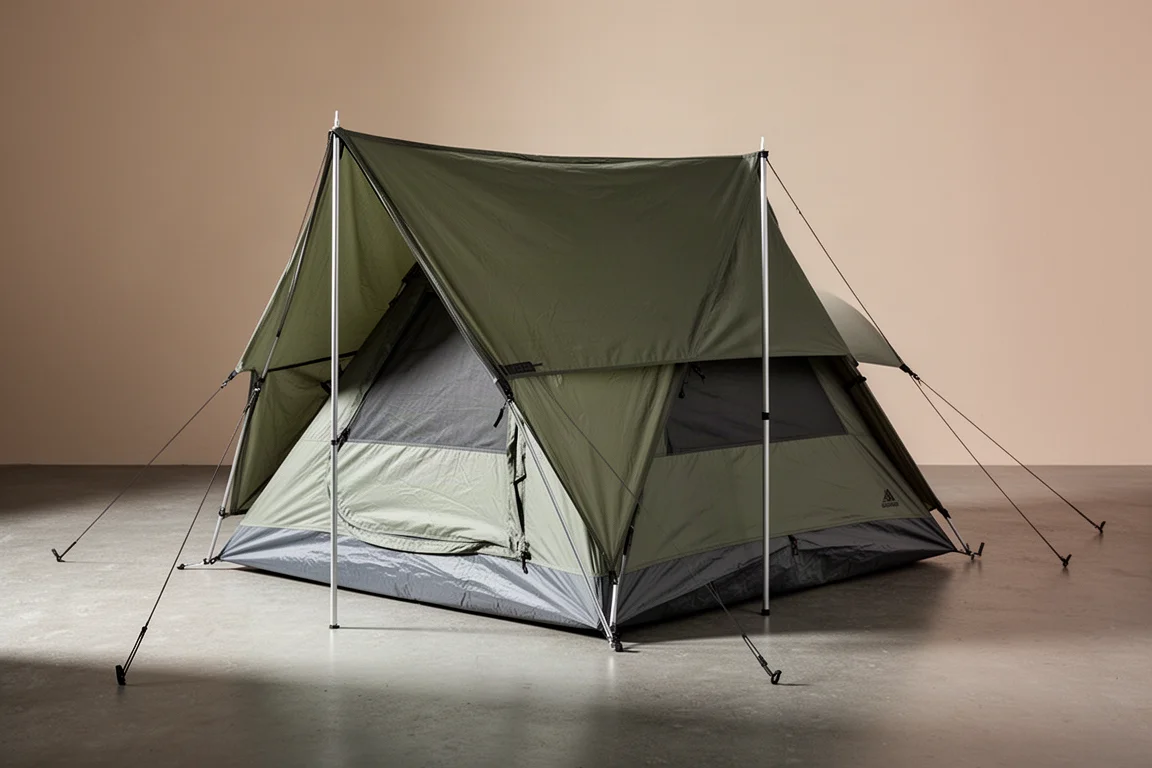
The Eureka Timberline 2 is one of those tents that has been on the market for a very long time. Its A-frame shape with a partial fly has been sold for roughly four decades, updated with modern materials but keeping the same overall layout. Eureka lists it as a three-season tent and describes it as waterproof, and it sells for $220.
Those two claims deserve a closer look. The published waterproof figures for this tent are low compared with most tents available today, and the partial fly leaves parts of the shell more exposed than a full-coverage fly would. So we took it out into a real rain event, with thunderstorms building nearby, zipped the front and the back, and left it in several hours of steady rain to see whether anything made it inside.
Who This Tent Is For
This tent suits campers who want a simple, familiar shelter with a shape that has been refined over many seasons rather than reinvented. Pitching is straightforward, the A-frame is easy to read at a glance, and the design has a long enough track record that most of its quirks are already well understood by owners.
It also makes sense for three-season campers who expect rain from time to time, such as afternoon showers, overnight drizzle, or a wet morning, but who are not planning to sit out long, wind-driven storms. If your trips regularly involve exposed ridgelines or days of sideways rain, the sections below on ratings and exposure are the ones to read carefully.

Campers who want more interior volume, taller walls, or a full-coverage fly may find other layouts more comfortable. The Timberline 2 is a classic rather than a spacious modern design, and its appeal is built on simplicity and predictability.
Main Strengths
The strongest argument for this tent is that it stayed dry. Over a multi-hour rain event it kept water out, with no leaking at the front door and no leaking at the back. For a shelter that has been in production for decades, that result is consistent with why it still has a following.
Rain Performance in Testing
The test was simple and deliberate. The front door and the rear were both fully zipped. Rain fell steadily for several hours, with thunderstorms developing in the area, and the tent was left in place the whole time. When the rain eased enough to check, the interior was dry at the door and dry at the back. No water had made its way inside.
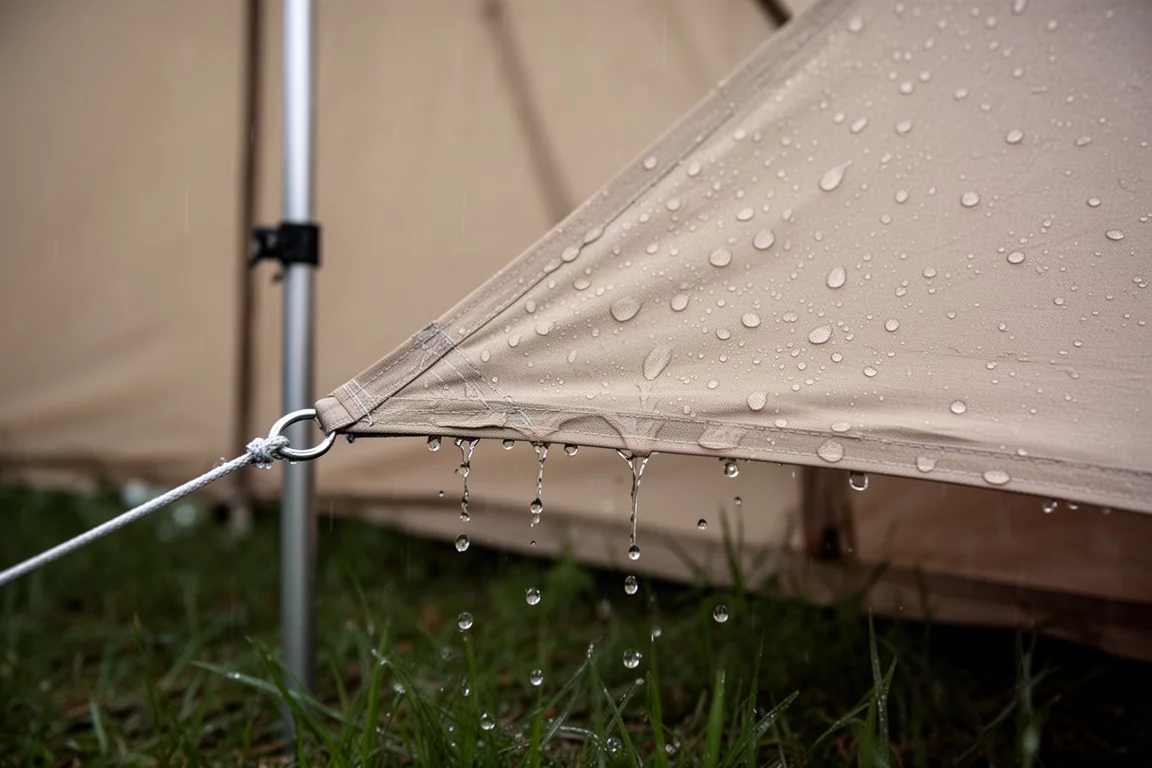
It is worth being clear about the limits of a single test. One rain event does not establish how the tent behaves across many conditions. Longer and more varied rain events, plus condensation and moisture control, still need attention before anyone treats this as a complete picture.
Design and Longevity
The A-frame with a partial fly is the defining feature here. Eureka has been selling tents in this configuration for a very long time, roughly 40 years, and the current version uses modern materials while keeping the same silhouette. That kind of longevity usually points to a design that is easy to live with: quick to pitch, easy to understand, and predictable in the field.
Owners tend to speak well of these tents, and the design has clearly earned a durable reputation. The trade-off is that the layout is not built around maximum interior space or full shell coverage, so its strengths sit in simplicity rather than volume.
Things to Consider Before Buying
Two things deserve attention before you commit: the waterproof rating and what you get for the price.
Waterproof Ratings and Materials
Eureka publishes different waterproof figures in different places. The packaging states a 1,000 mm hydrostatic head rating, while the website states 800 mm. Whichever figure you use, both sit at the low end. Most tents today are rated at least 1,200 mm, with 1,500 mm often treated as the standard. Ratings in the 800 mm to 1,000 mm range are more typical of two-season tents, which pair a partial fly with light protection aimed at morning dew and fog rather than sustained rain.
The shell material is an inexpensive polyester. Tents built with this material generally sell for around $100, which makes the $220 price of the Timberline 2 a meaningful consideration. At that price, the expectation of reliable rain protection is reasonable, and it is fair to ask whether the materials alone justify the cost.
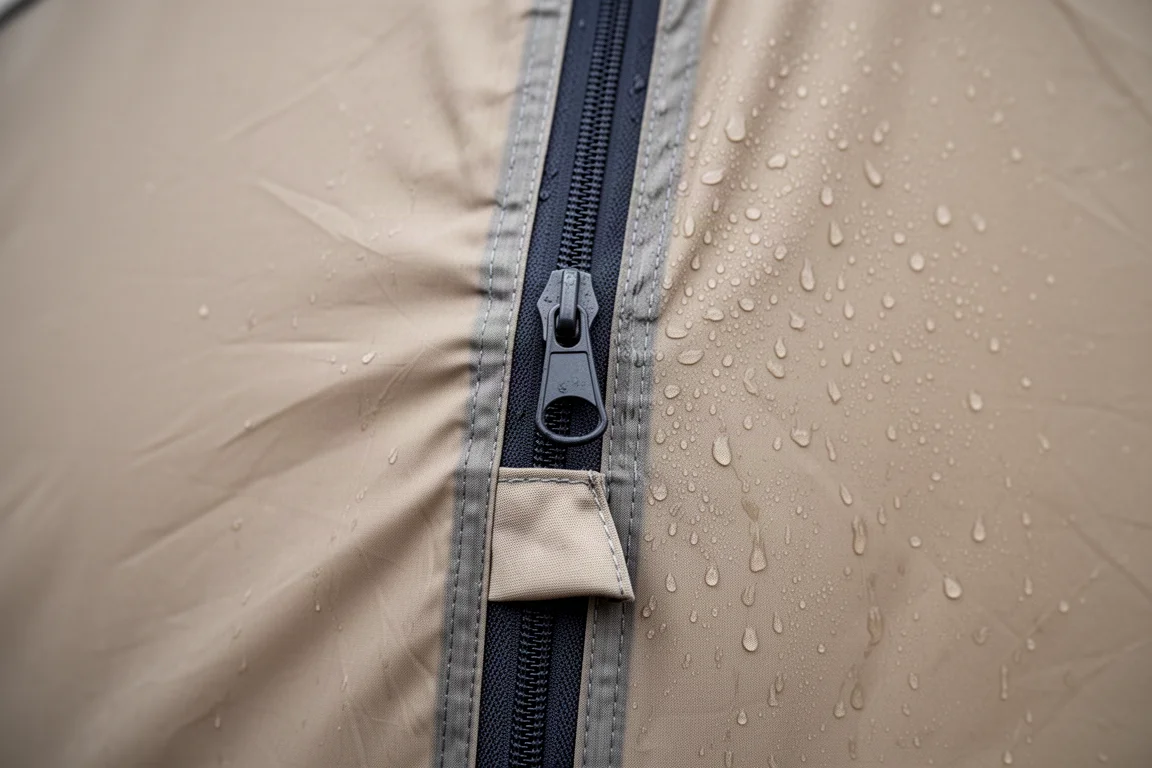
The front door and the rear are the two areas most exposed by the partial fly. On the door, there is a flap over the zipper at the bottom but not along the side. After the rain, that side was wet, though not soaked, and nothing reached the interior. In breezy conditions, where rain is driven from one direction or the other, those two zones are where any issue would most likely appear first.
Ventilation and Exposure
There is no mesh on the sides of this tent. Ventilation comes from the front and the back only. That is a design choice tied to the partial fly, and it leaves an open question: how well does air move through the tent during a rain event when the doors are only partially open? Condensation and moisture control were not part of this rain test, and they remain worth checking over a full night.
Buying Advice
The Timberline 2 makes the most sense if you want a proven A-frame shelter and your camping involves occasional rain rather than prolonged storms. In our rain test it stayed dry, and the design has decades of history behind it. If that matches how you camp, the case for it is straightforward.
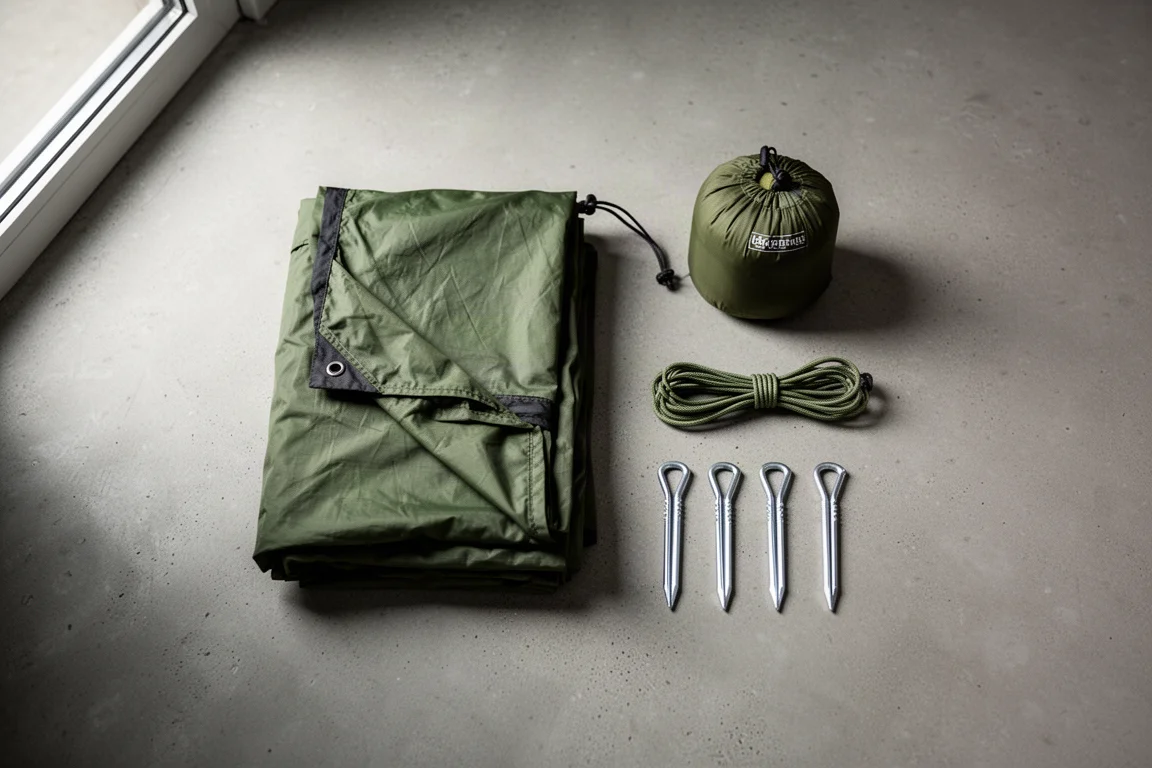
If your trips tend to involve sustained, wind-driven rain, or if a higher published hydrostatic head rating matters to you, the numbers here are a reason to think carefully. The same applies if you are comparing materials at this price point, since the polyester shell is a modest specification for a $220 tent. Neither point makes the tent a poor choice; both simply narrow where it fits best.
Conclusion
The Eureka Timberline 2 came through its rain test without leaking, staying dry at both the door and the rear after hours of steady rain. That is a genuine result, and it lines up with the long reputation this design has carried for around 40 years.
The open questions are the ones a single test cannot answer. The published waterproof ratings are low at 800 mm to 1,000 mm, the polyester shell is inexpensive for the price, the partial fly leaves the door and rear more exposed in driven rain, and ventilation relies on the front and back alone. Buy it for the layout, the track record, and the dry result in ordinary rain; look elsewhere if you need a higher rating or full shell coverage.
Product link
View more details for Eureka Timberline 2
This product is mentioned in the review. Check the specifications, options, and compatibility before buying.
View more details for Eureka Timberline 2Further reading
Related Reviews
Camping Tents
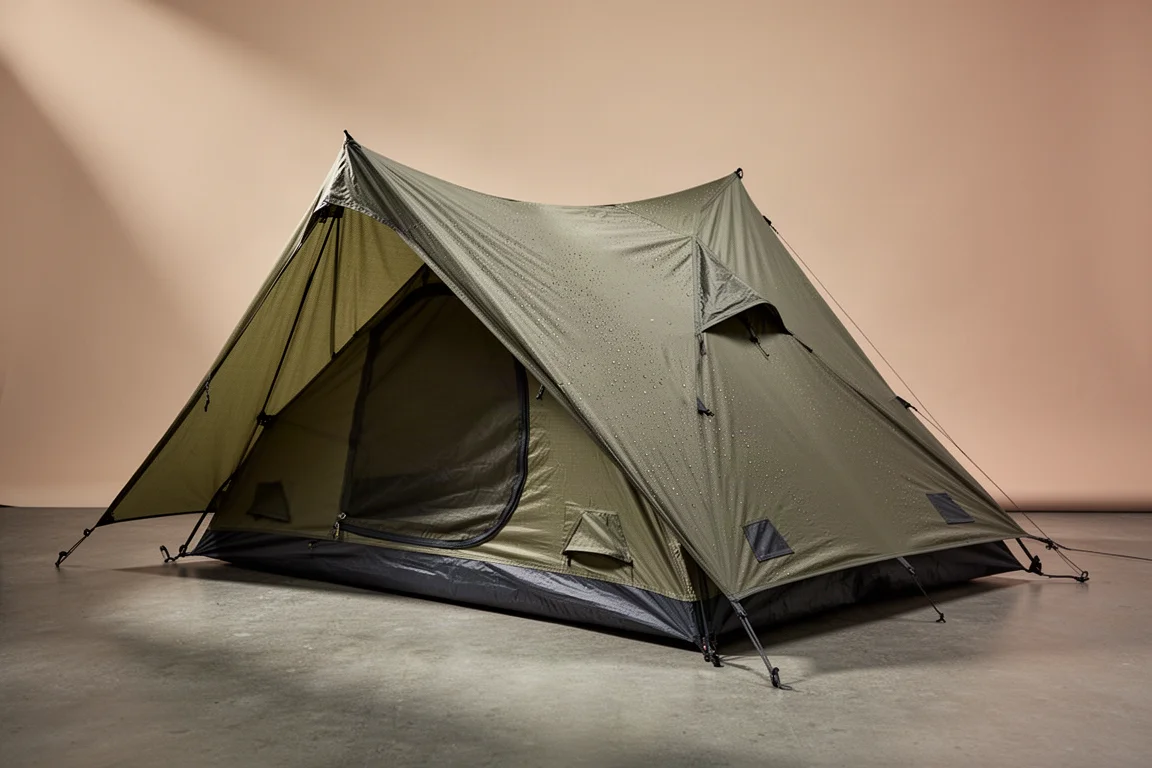
3F UL Gear Taiji Two-Person Tent Review: Field Waterproofing Results and Buying Advice
The Taiji pairs an attached fly with a removable inner, but sustained rain exposed untaped vent seams that need sealing before this shelter can be trusted.
Camping Tents
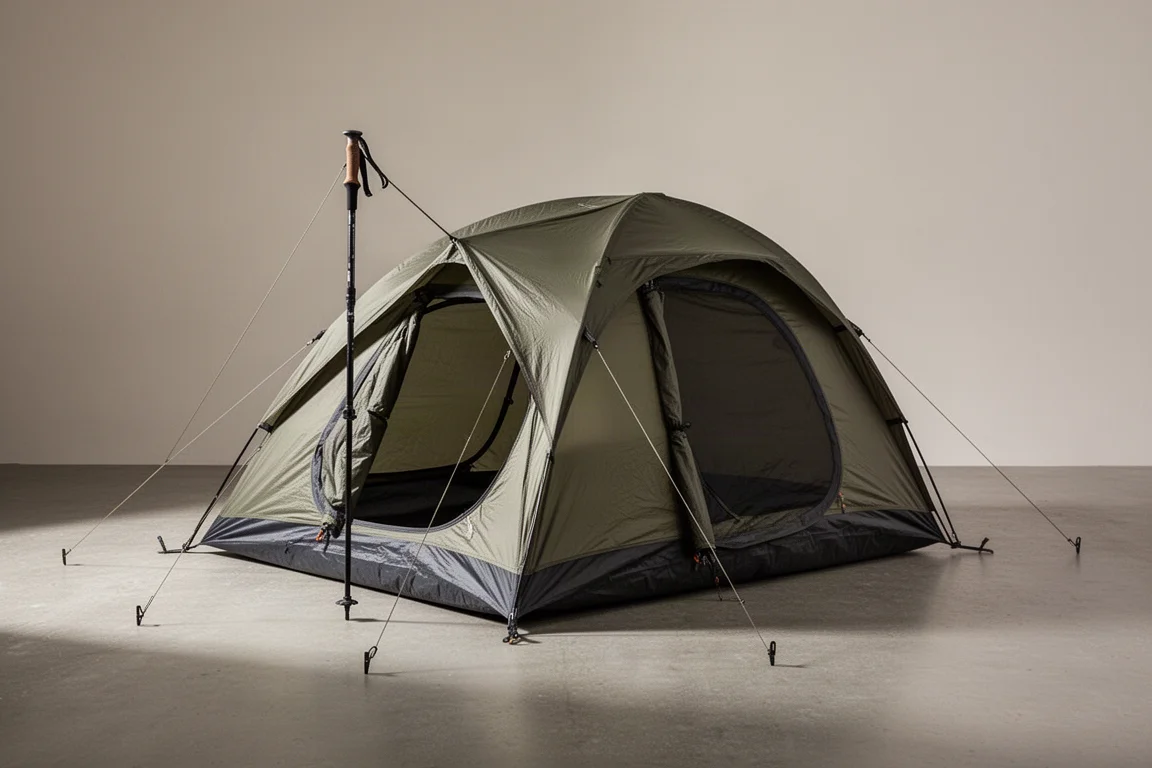
3FUL Gear Lanshan 2 Pro 4-Season Review: A Sub-$200 Single-Wall Trekking Pole Tent
An early look at the 3FUL Gear Lanshan 2 Pro 4-Season, covering its straightforward pitch, generous interior space, and the condensation and seam-sealing questions that come with any single-wall shelter.
Camping Tents
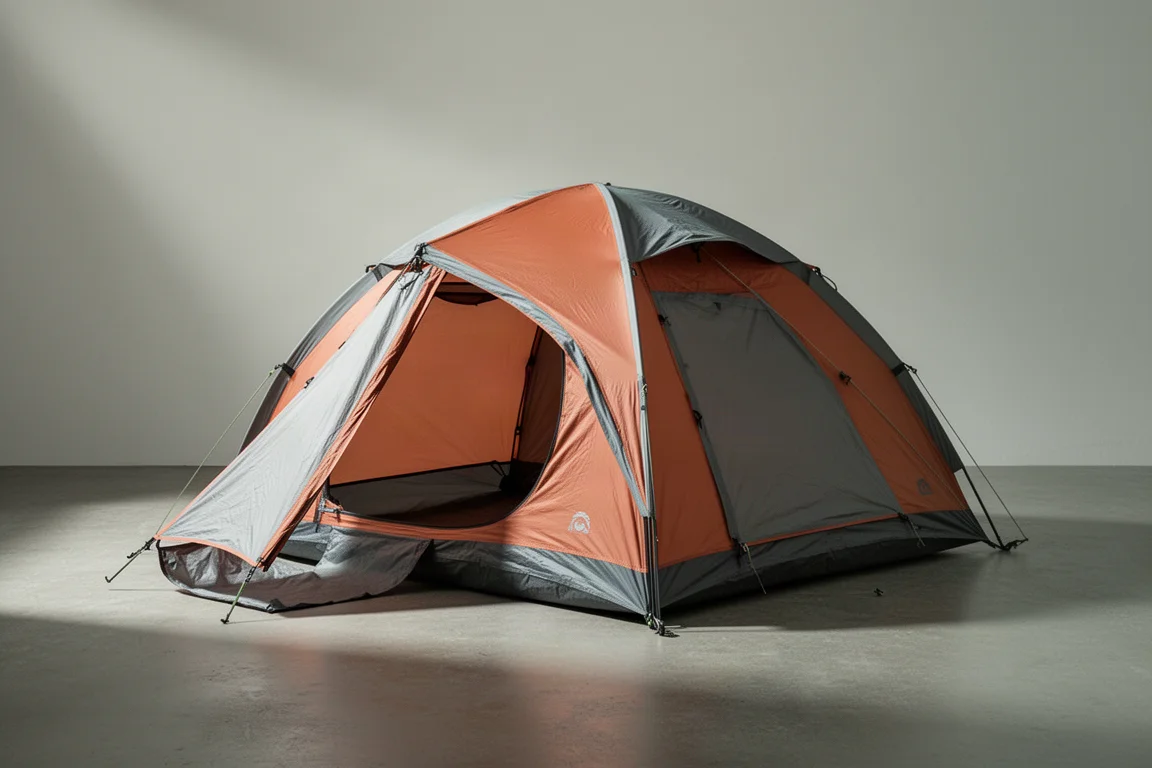
Alps Mountaineering Lynx 1-Person Tent Review: Big Value in a Small Budget Tent
A close look at the Alps Mountaineering Lynx 1-Person Tent, covering real interior dimensions, materials, setup time, ventilation limits, and who should buy it.