Sleeping Pads
Sea to Summit Ether Light XT vs Nemo Tensor Insulated: Which Three-Season Sleeping Pad Fits You Best
A practical comparison of two well-regarded three-season sleeping pads, covering comfort, insulation, weight, bulk, noise, and valve design.
Introduction
Choosing between two well-regarded sleeping pads usually comes down to a simple trade-off, and that is exactly the case with the Sea to Summit Ether Light XT and the Nemo Tensor Insulated. Both are available in a wide spread of sizes and shapes, both sit in a similar price band of roughly $150 to $230 depending on the size you pick, and both are capable three-season options.
The difference is in what each one optimizes for. The Ether Light XT leans toward comfort, with a four-inch thickness and a quilted, bed-like sleeping surface. The Tensor Insulated leans toward low weight and small packed size, with a three-inch profile and a claimed weight of about 18 ounces in the regular size. This comparison covers comfort, stability, insulation, bulk, noise, and valve design so you can decide which pad matches the way you actually sleep outdoors.
What to Look For in a Three-Season Sleeping Pad
A handful of specifications do most of the work when comparing pads at this level. Thickness affects how much cushioning you get and how easy it is to stay off the ground as a side sleeper. R-value tells you how much warmth the pad holds, which matters most when overnight temperatures drop toward freezing. Fabric denier influences durability, packed size, and how much noise the surface makes against a tent floor. Size range matters too, since a pad only works if it fits your body and your shelter footprint.
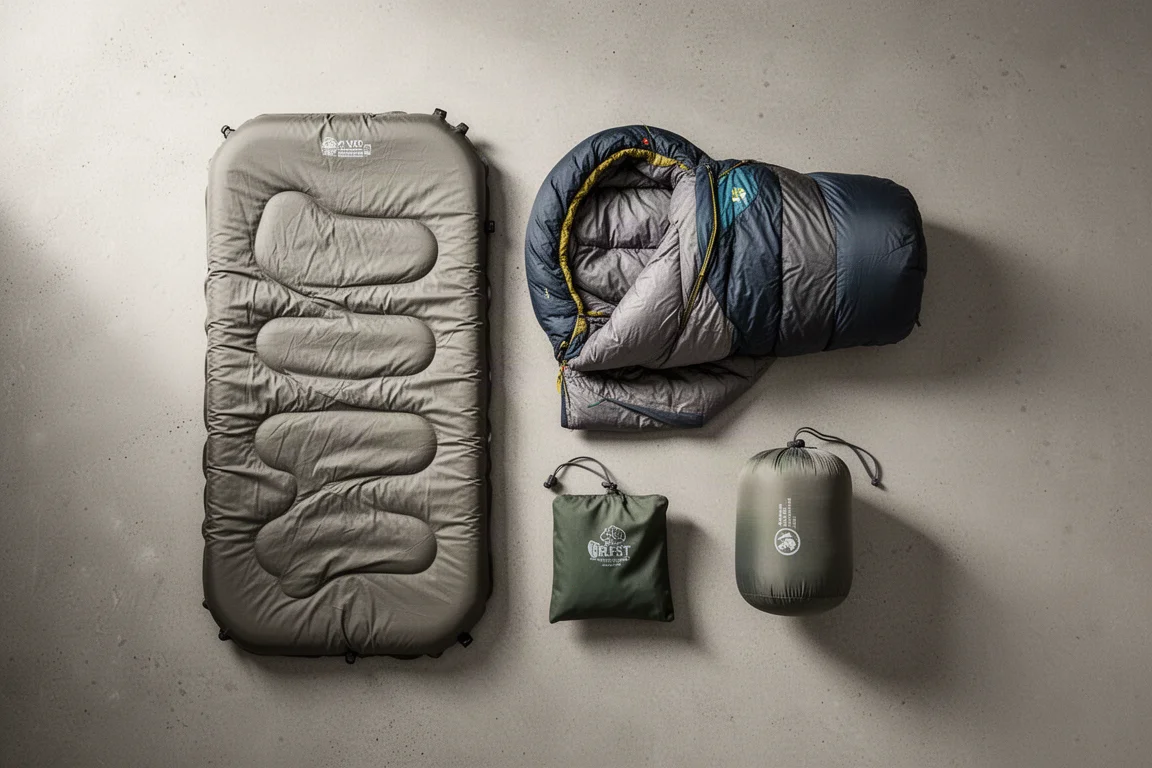
Weight and packed volume are the other half of the equation. A thicker pad is generally heavier and bulkier, which is manageable on shorter trips but adds up over long distances. Valve and pump sack design is easy to overlook until you are inflating a pad at the end of a long day, and both pads in this comparison include pump sacks that function well. Both also offer a broad choice of shapes, including short, regular, regular wide, long wide, and mummy versions.
Sea to Summit Ether Light XT: Four Inches of Cushioning
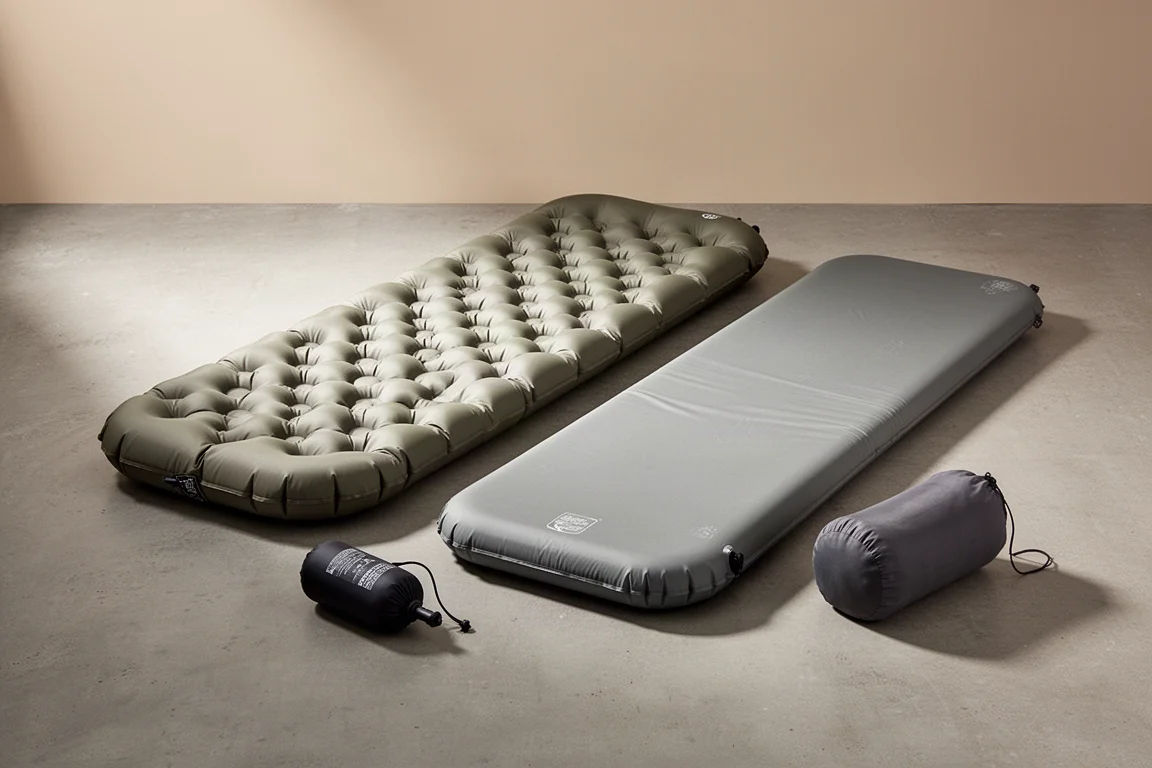
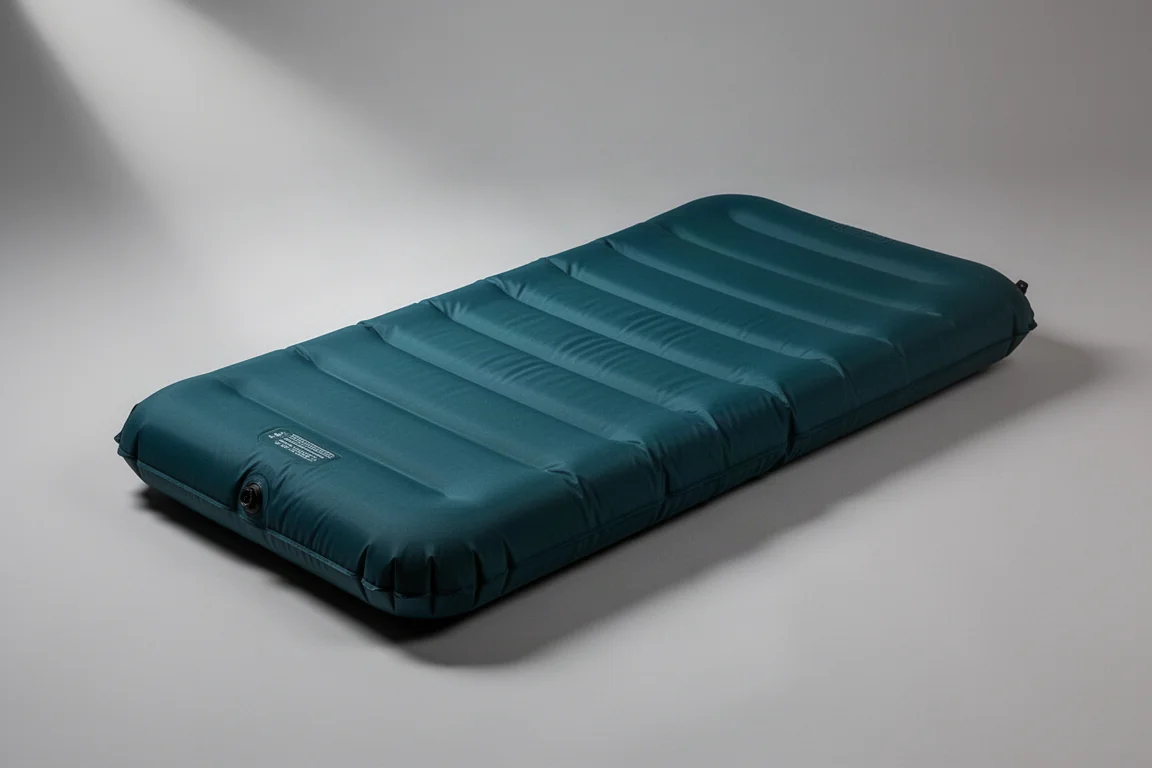
The Ether Light XT is built around a four-inch thickness and Air Sprung baffles that are laminated together to form a dimpled, quilted surface. That pattern is what gives the pad its bed-like feel, and it makes it easy to shift position through the night while staying on the pad. The baffle layout keeps the sleeping surface supportive rather than stiff, and the edge support does a good job of limiting roll-off.
Insulation comes from two sources: a synthetic fill and a metallized film, which together produce a 3.2 R-value. The shell uses a hybrid 30 and 40 denier fabric. The trade-offs are weight and bulk, since a thicker pad with thicker fabric packs larger than a slimmer alternative. The 30 and 40 denier surface can also be a little more prone to squeaking against certain tent floor coatings. Sea to Summit also includes a Pillow Lock system, hook-and-loop patches that hold a matching pillow in place. The patches work as intended, though they can catch socks and other soft items when you are sitting on the pad.
Nemo Tensor Insulated: Light, Quiet, and Packable
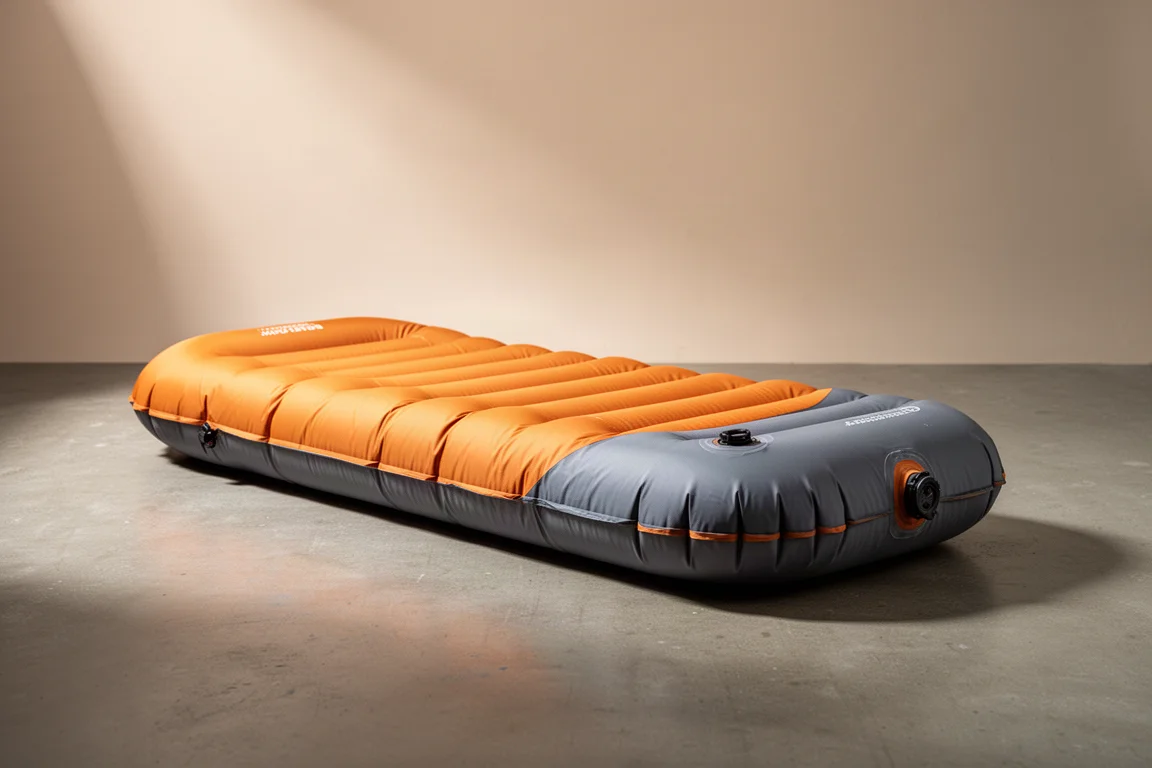
The Tensor Insulated is three inches thick and uses a Space Frame baffle system, which adds stability compared with simple horizontal baffles. The regular size measures 20 inches wide and 72 inches long and weighs about 18 ounces, with weight shifting by roughly two to four ounces depending on the size you choose. Its 3.5 R-value is rated to work well down into freezing temperatures in the high 20s, provided your sleeping bag matches the conditions you expect.
The 20 denier fabric and metallized film insulation keep the pad light and quiet, without the crinkling sound that some reflective pads produce against a tent floor. Sizes cover short, regular, regular wide, long wide, and mummy shapes. The main practical quirk is the pump sack attachment. It seals tightly, which is a benefit, but pulling it off too quickly can catch the underside deflation flap and release the air you just added.
One more characteristic worth knowing: the Tensor is a firm pad when fully inflated. Letting a little air out softens the feel considerably, though that also reduces insulation performance slightly and brings you closer to the ground.
Comfort and Stability Compared
On comfort, the four-inch Ether Light XT has the edge. The extra thickness and the dimpled baffle pattern create a more plush surface, and the edge support keeps you from rolling off easily. The Tensor is stable in its own right thanks to the Space Frame baffles, and it avoids the limb-numbing feel of a pad with straight horizontal baffles, but it is firmer out of the box and asks for a little deflation to feel softer.
The comfort difference is not simply a width effect. Even after extended use on a 25-inch wide Tensor, the Ether Light XT remains the more comfortable pad in practice. Since both models come in a range of widths and lengths, you can match either one to your body size and still expect the same overall character from each design.
Weight, Bulk, and Insulation Compared
The Tensor Insulated is the lighter and more compact of the two. Its 20 denier fabric and metallized film insulation keep weight down while still delivering a 3.5 R-value. The Ether Light XT uses thicker 30 and 40 denier fabric and combines a synthetic fill with a metallized film for a 3.2 R-value, and the result is a pad that packs larger and weighs more.

That extra air space inside a four-inch pad is part of why the synthetic fill matters, since a thicker pad has more internal volume to keep warm. In practice the decision comes down to priorities: a lower base weight and a smaller pack with the Tensor, more cushioning with the Ether Light XT, and insulation values that sit close enough that most three-season trips will not hinge on the gap.
Pump Sacks and Valve Design
Both pads ship with pump sacks that inflate quickly and reliably. The Tensor’s Vortex pump sack is especially easy to use and separates from the stuff sack. On the Ether Light XT, the stuff sack and pump sack are connected to each other, which simplifies packing but adds length to the rolled bundle.
The Tensor’s valve system has one recurring annoyance. The pump sack fits tightly, and removing it too fast can pull the internal deflation flap and dump the pad’s air. The Ether Light XT is less likely to do this, though it is not exempt from the same behavior.
Which Sleeping Pad Should You Choose?
If comfort is your priority and you are willing to carry a little more weight and bulk, the Ether Light XT is the straightforward pick. Its four-inch thickness, quilted baffle layout, and stable edge support make it the pad that feels closest to sleeping at home, and its 3.2 R-value covers three-season use for most backpackers.

If weight and packed size matter more, the Tensor Insulated is the better match. At about 18 ounces in the regular size with a 3.5 R-value, it is light, quiet, and compact, and it has proven itself across a wide range of sizes and conditions. Neither pad is a compromise on quality, and both come in at a similar price for a given size. The right answer depends on whether you would rather save grams or sleep on four inches of cushioning.
Conclusion
Both pads are strong three-season options at a comparable price, and either one can serve you well. The Ether Light XT wins on comfort and stability, while the Tensor Insulated wins on weight, packed size, and noise. Match the pad to the trips you actually take, and the choice becomes simple.
Further reading
Related Reviews
Sleeping Pads
Best Backpacking Sleeping Pads 2026: Nine Pads Rated on Price, Comfort, Warmth, and Weight
Nine backpacking sleeping pads compared on price, comfort, warmth, and weight, from a $65 summer pad to a year-round option rated at R-7.3.
Sleeping Pads
Best Backpacking Sleeping Pads: Comfort, Warmth, and Weight Compared
A practical comparison of the Nemo Quasar 3D, Therm-a-Rest NeoAir XTherm Max, and Big Agnes Rapide SL for backpackers choosing between comfort, warmth, and packed weight.
Sleeping Pads
Best Backpacking Sleeping Pads: Ultralight, Winter, Comfort and Budget Picks
A practical roundup of the sleeping pads that stand out for ultralight weight, winter warmth, pressure relief and value, plus three popular pads that fell short.