Birding Gear
10 Essential Birding Items Every Beginner Should Own
From 8x42 binoculars to a spotting scope, here is the gear that makes birding easier, more comfortable, and more rewarding when you are just starting out.
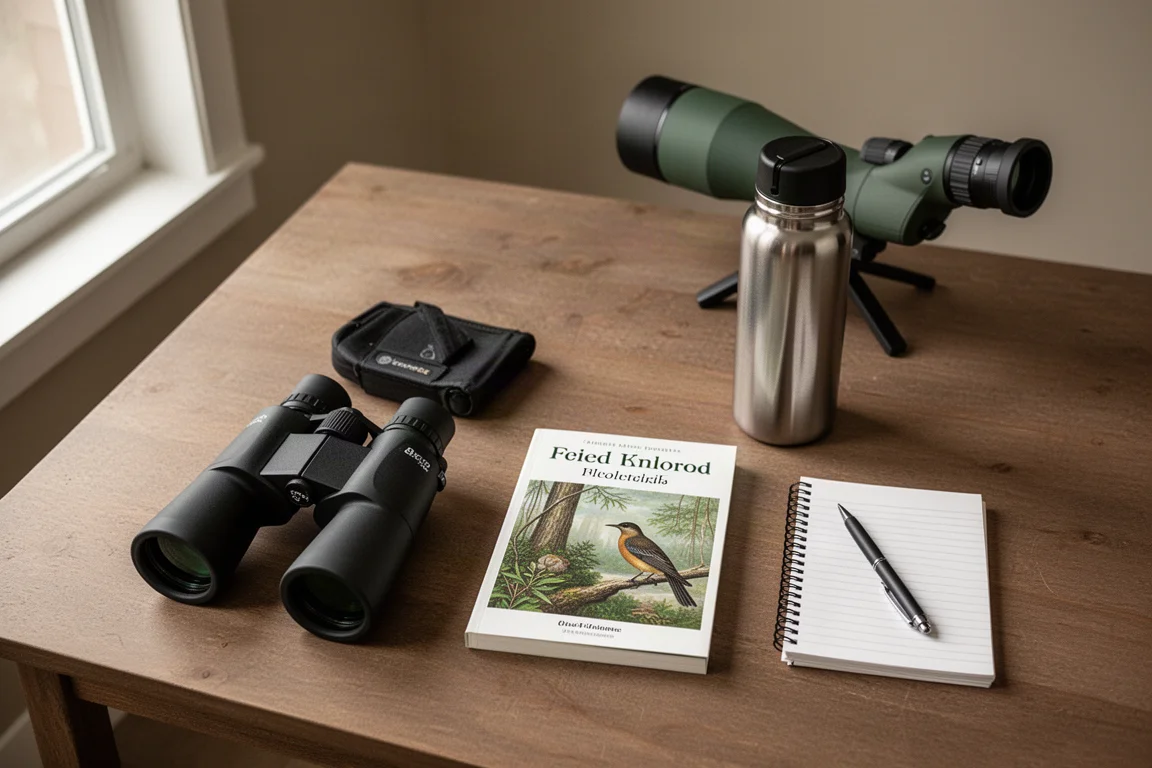
Introduction
Getting started with birding does not require a huge budget, but a handful of key items make an enormous difference in how much you enjoy it. Some gear, like binoculars, changes the experience overnight. Other items, like a notebook or a reusable water bottle, simply make long sessions more comfortable and more productive.
This list covers the essentials: what to buy, why it matters, and which specific products are worth a closer look when you are starting out.
Binoculars: The Single Most Important Purchase
It is pretty hard to find birds if you cannot see them. A good pair of binoculars is the first thing every birder should own, and once you have them, spotting and identifying birds becomes dramatically easier. A camera can get you by for a while, but a camera battery dies and a binocular never does, which is a real problem you will run into on longer outings.
For birding, 8x42 is by far the most common magnification and objective size combination, and for good reason: it gives you enough magnification to see detail at distance while keeping a wide field of view, which makes it much easier to actually find birds. Zoomed-in binoculars with a narrow field of view can be frustrating, and overly wide ones leave you under-magnified. If you focus heavily on shorebirds and waterfowl, you could go a step above, but for general birding, 8x42 is the sweet spot.
Comfort matters too, since you will be holding binoculars for long stretches. Look for a comfortable grip and a focus knob that turns smoothly; cheaper pairs often fail here. Once you have a pair, practice focusing quickly on bushes and moving targets so that finding a bird in the view feels natural in the field.
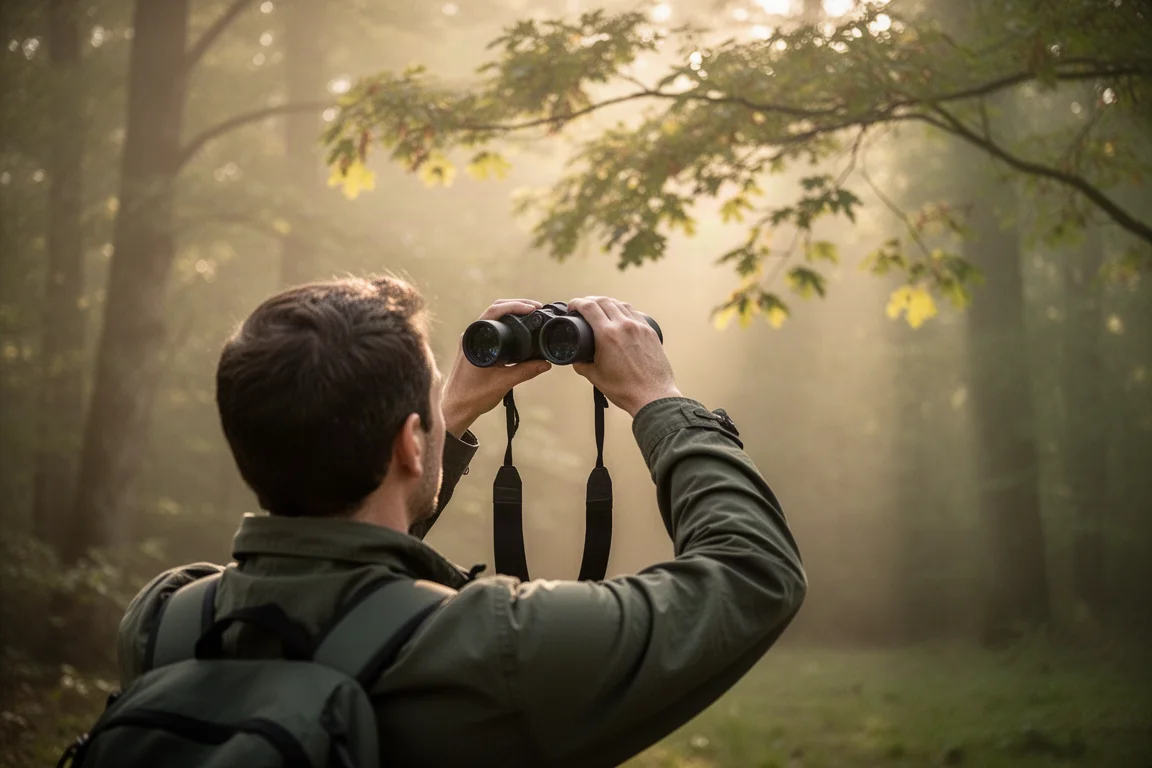
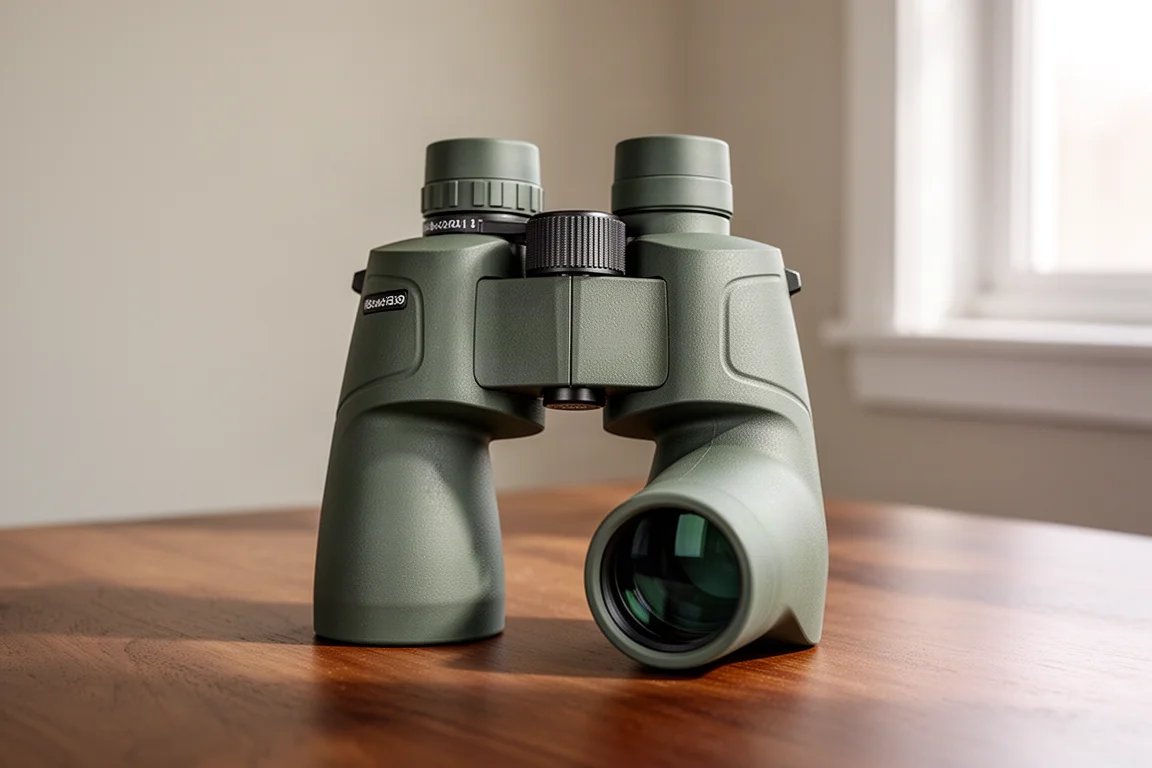
The Celestron Trailseeker ED 8x42 fits this brief well. They are comfortable to hold for extended periods, the focus knob turns very easily, and the 8x42 configuration is ideal for most birding situations.
A Reliable Birding App
A dependable birding app is the second essential, and Merlin Bird ID is the one to get. It can identify birds from a photo, from their sound, or from a simple description: you enter the color, approximate size, and what the bird was doing, and the app returns a list of likely candidates to narrow down. When you are new to birding, that is an incredibly helpful starting point.
Merlin can also identify birds by sound. You let it listen to a bird song, and it matches the recording against its system to suggest the best fit. Accuracy is about 95 percent, so a little knowledge of bird songs still helps, but it is a great place to start. The app also lets you sort by likely birds in your area, which is a simple way to learn your local species and memorize what they look like.
A Field Guide Still Beats an App
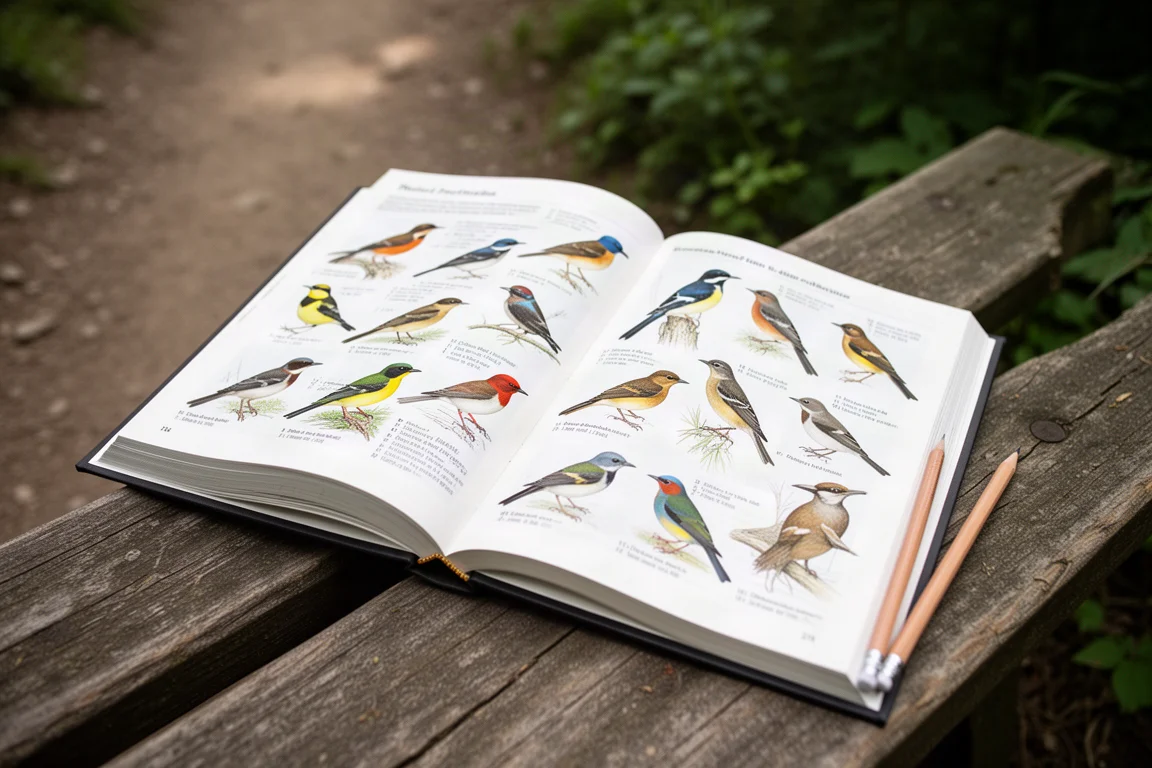
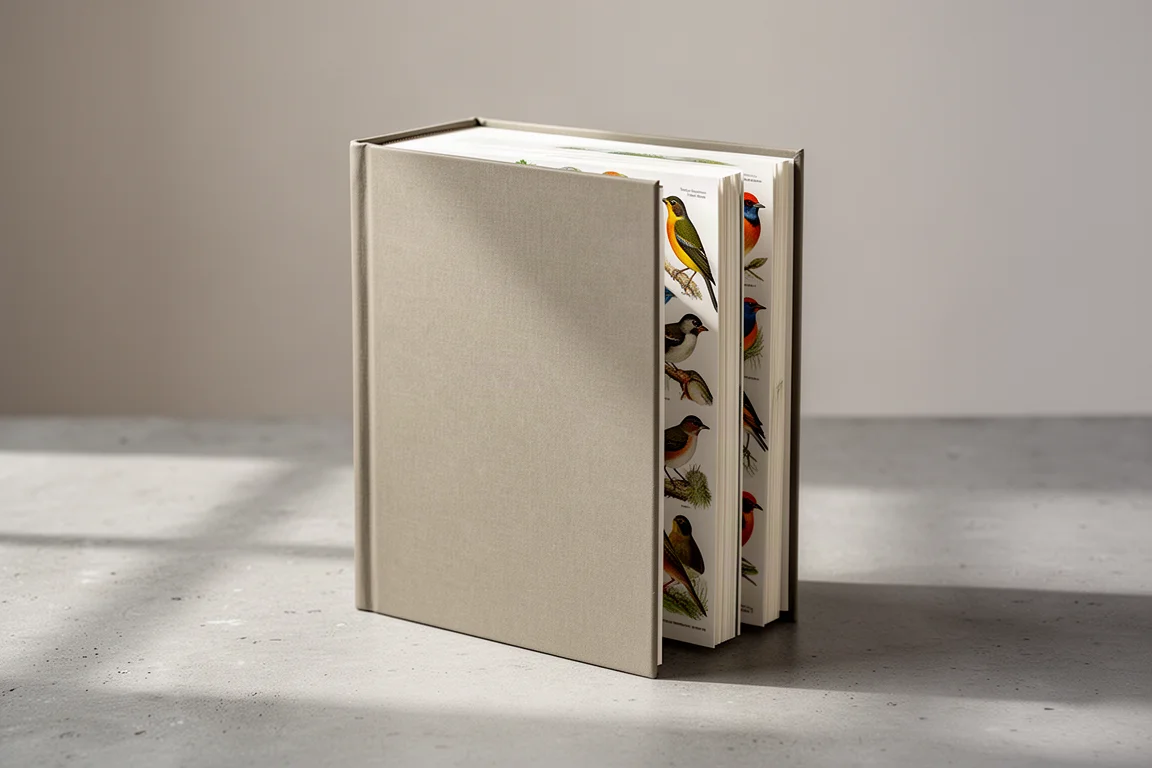
Apps are convenient, but nothing replaces flipping through a good physical field guide. You have a few options here: a guide for your individual state, one for your region, or a comprehensive guide covering all the birds of North America.
The Sibley Guide to North American Birds is the recommended pick because it covers the whole continent. If you travel, you will not need to buy a new guide, and you can also identify birds that show up outside your expected range.
Notebook and Pen
A simple notebook and pen let you jot down sightings, weather conditions, and bird behaviors. Getting into the habit of journaling about your birding outings is a genuinely good way to learn, and while apps and websites such as eBird can track sightings, a regular notebook remains a perfectly good way to go.
A Reusable Water Bottle
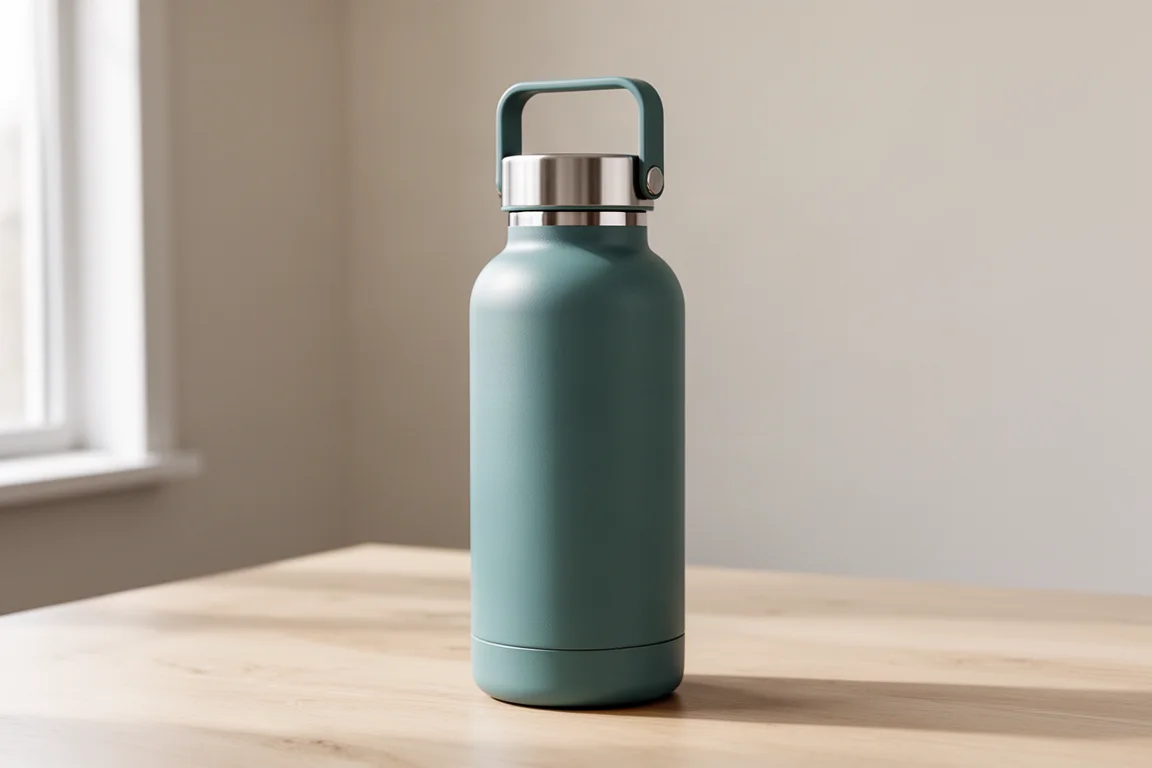
Birding sessions can last for hours, and you do not want to get dehydrated out in the field. A Hydro Flask is a solid choice: it keeps water cold for hours, and because it is made of metal, you will not get any plastic chemicals in your water.
Weather-Appropriate Clothing
Birding means spending time outside, so dress for it. Bring a good hat and a sun shirt on bright days, and a rain coat in case the weather turns. Rain birding can actually be excellent: birds can be very active, especially right after rain, so it is worth being out there when conditions are right. Do not forget sunscreen or bug spray.
A Decent Camera for Documenting Sightings
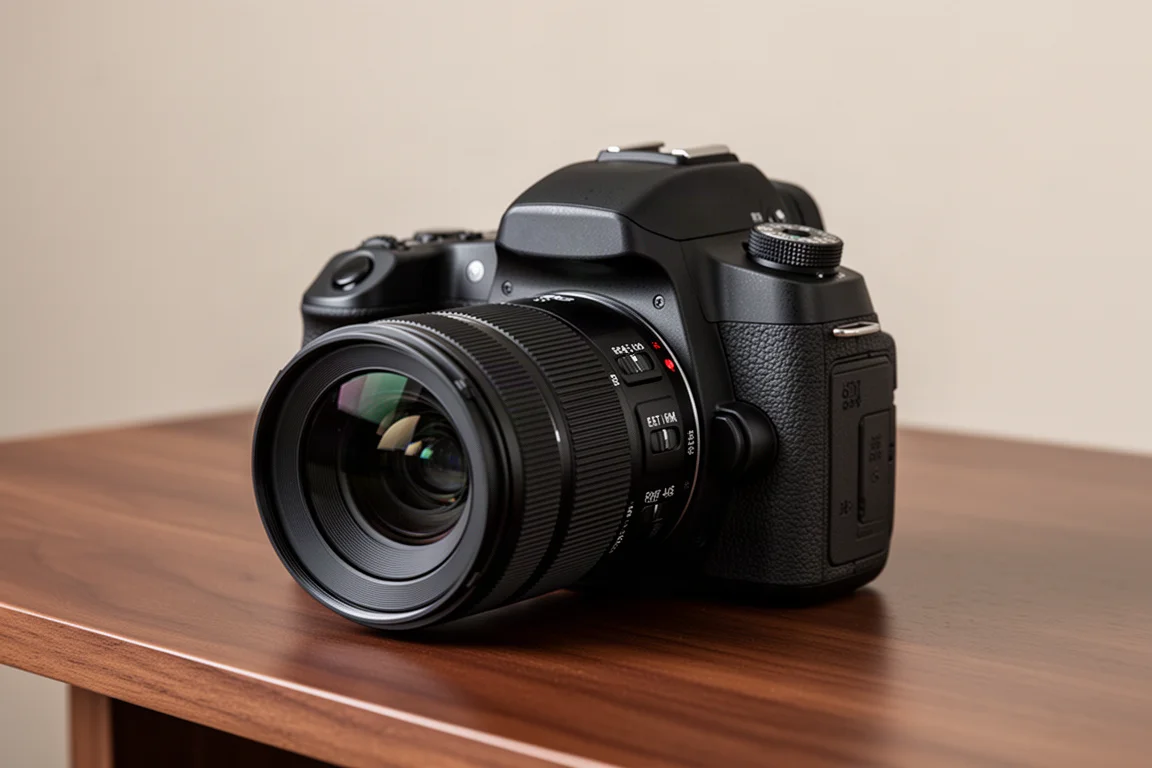
If you want to document your sightings or start a photo life list, a decent camera is all you need. You could get great pictures with a high-end body like a Nikon Z8, but you really do not need that to get started. A camera such as the Nikon D5600 can produce very good bird photos, and it is a sensible first camera for the hobby.
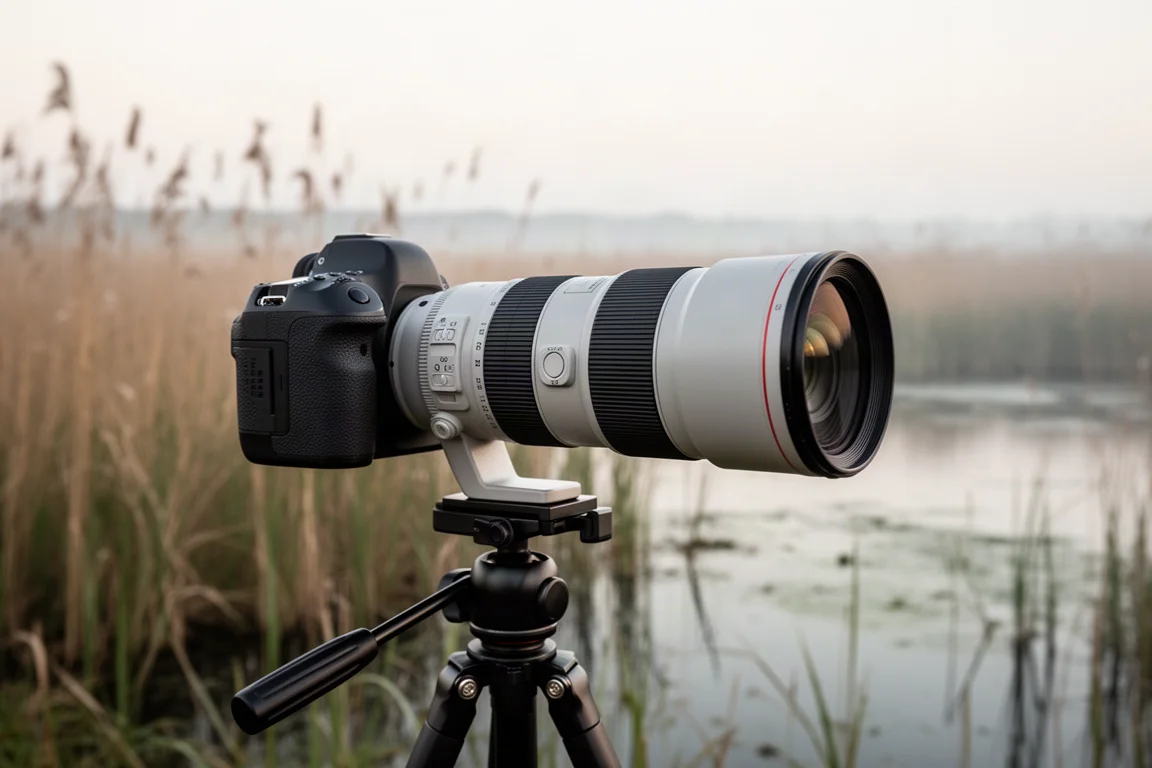
Whatever body you choose, a long lens matters more for birds. Ideally you want over 300mm. Many birders start with a 70-300mm lens, which works fine, and later upgrade to a super-telephoto option.
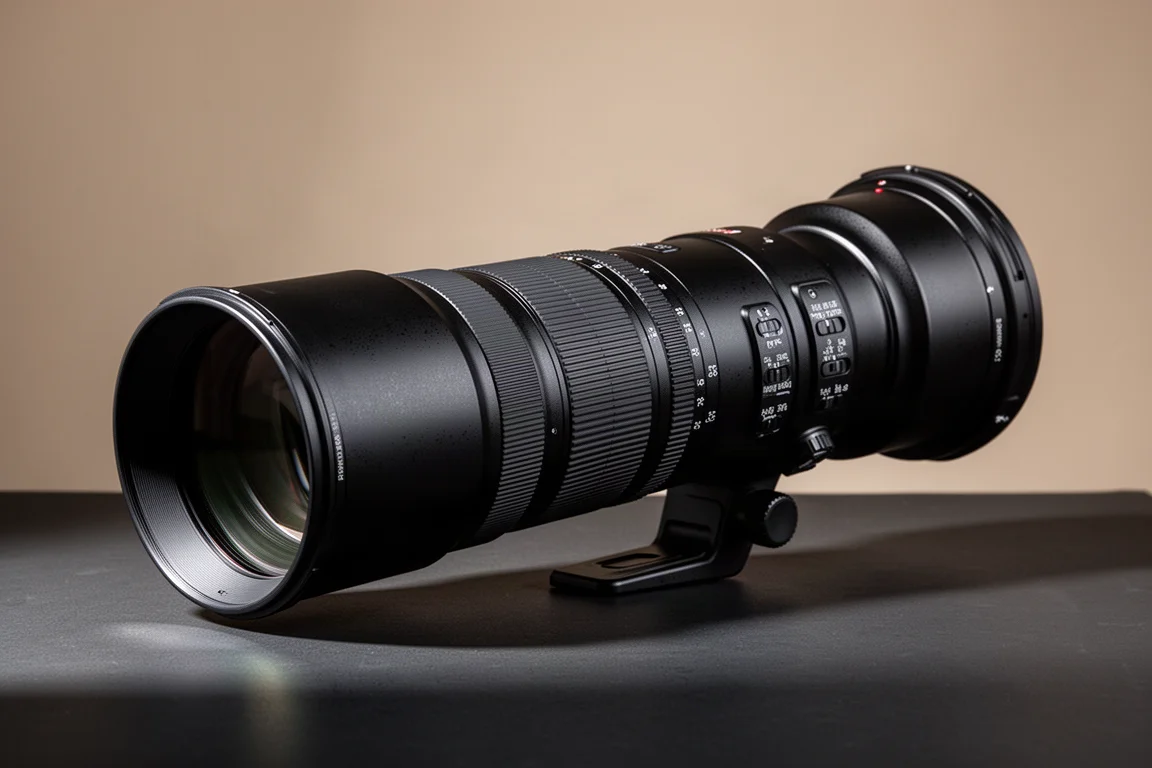
A Super-Telephoto Lens Upgrade
If you find yourself shooting birds regularly, a longer lens is the natural upgrade. The Sigma 150-600mm offers a lot of reach compared to a 70-300mm, and that extra focal length makes a real difference for perched and distant birds. The trade-off is weight: it is a lot longer and heavier than a starter zoom, so it is best treated as a future upgrade rather than a first purchase.
A Bird Feeder at Home
Not every birding session has to be in the field. A simple backyard feeder is a great way to learn about birds close to home. A hopper feeder filled with black oil sunflower seeds is the best starting point, since tons of birds eat them. If you want even more variety, add a sock feeder with thistle seed for finches and other small birds. You will be surprised just how many birds a black oil sunflower feeder can attract.
A Spotting Scope for Long-Distance Birding
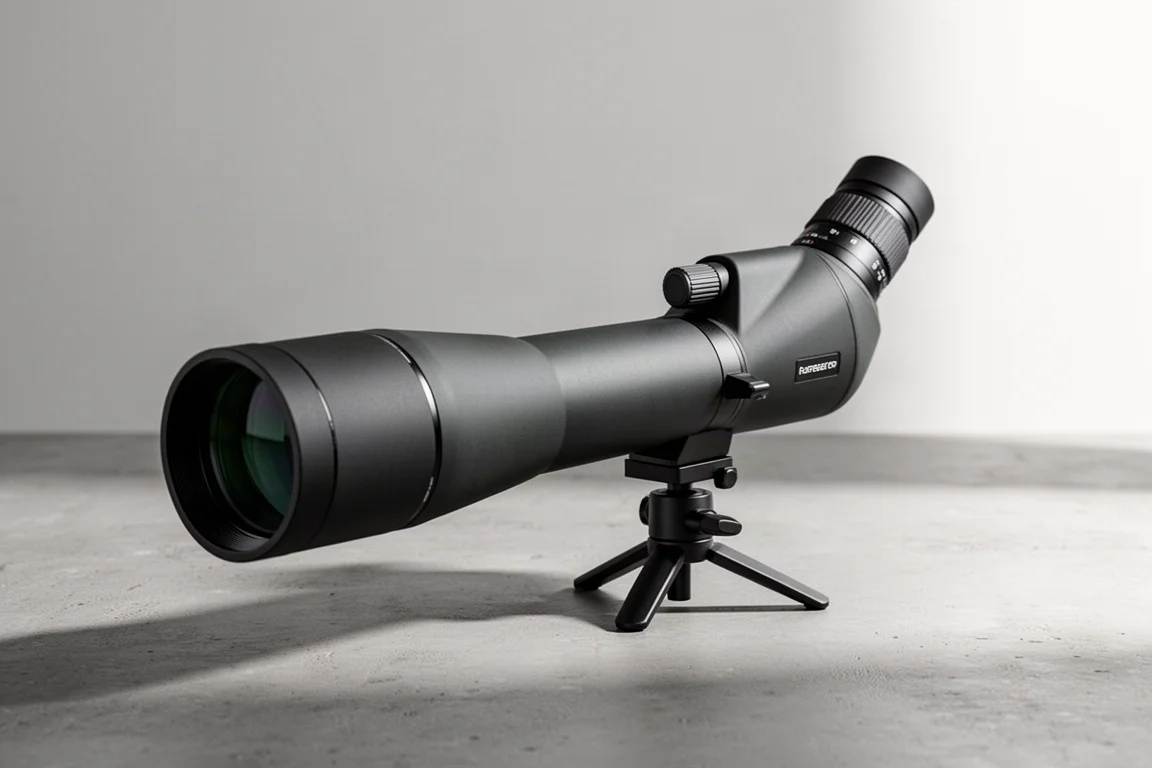
Binoculars are great, but a spotting scope takes long-distance birding to the next level, letting you identify more shorebirds, waterfowl, and seabirds. If you are buying your first scope, look for a magnification of at least 20x; anything higher is a bonus rather than a requirement.
The Hawke Endurance ED 85mm offers a 25-75x zoom, which is more than enough. Most of the time you will sit at 25x, only occasionally pushing toward the 75x end. It also includes heat shimmer reduction, which helps on warm days when distant views get wavy.
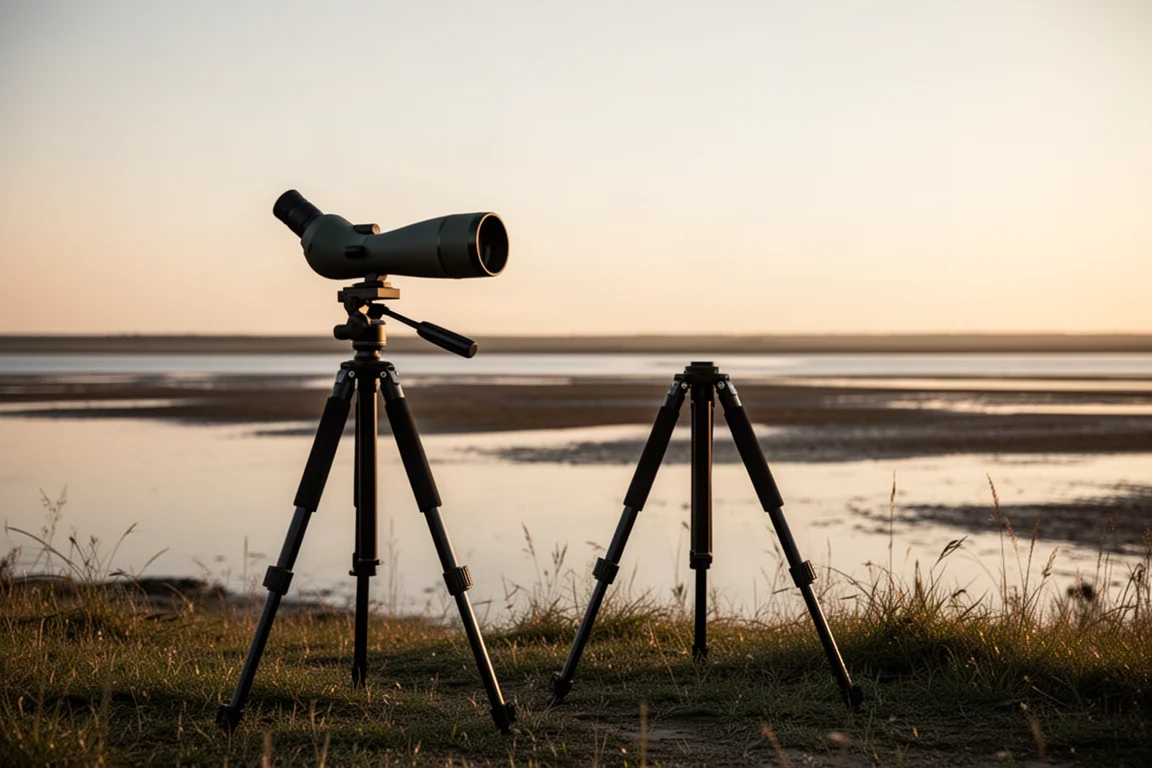
You will definitely want a sturdy tripod to go with it. Handholding a scope steady enough to get decent looks at birds is nearly impossible, and you do not want your new scope falling over and breaking. There are cheaper options, but the Hawke Endurance ED 85mm is a scope worth starting with.
Keep Learning from Trusted Sources
The final essential is not a product at all: it is a steady stream of expert tips, guides, and general advice to keep improving and avoid common beginner mistakes. Following experienced birders through tutorials, guides, and community resources helps you level up week after week, and it is exactly how most new birders go from frustrated to confident.
Overall Buying Advice
If you are prioritizing, start with the binoculars and the Merlin app, since they change your birding immediately. Add the Sibley guide, a notebook, and a water bottle for comfort and learning. Clothing, a feeder, and a basic camera can follow as your interest grows, with the spotting scope and super-telephoto lens reserved for when you know you are hooked.
Conclusion
Birding is one of those hobbies where a few well-chosen items remove almost every point of friction: you see more birds, identify them faster, stay comfortable for longer, and remember what you found. Start with the 8x42 binoculars, layer in the app and field guide, and let the rest of the kit grow with your experience.
Further reading
Related Reviews
Birding Gear
Essential Birding Accessories: 10 Gear Picks That Make Field Days Easier
From carrying options and binoculars to field guides and bird-themed games, these are the accessories worth adding to your birding kit.

Backpacking Gear
Building a 10 lb Base Weight: An Ultralight Backpacking Gear List
A practical walkthrough of the ultralight pieces behind a 10 lb base weight, from a 765 g pack and a roomy one-person tent to a full camp chair and a dependable water filter.
Road Bikes
10 New Road Bikes Worth Watching: Aero, Titanium, Steel and Endurance Standouts
A practical roundup of 10 new road bikes, from aero flagships chasing single-watt gains to titanium, steel and endurance platforms built for real roads.