Birding Gear
Technaxx Full HD Bird Cam TX-165 Review: A Fun Window Into Your Backyard Birds
An easy-to-set-up feeder camera that captures photos and short videos of the birds visiting your feeder, with a few practical trade-offs to know about first.
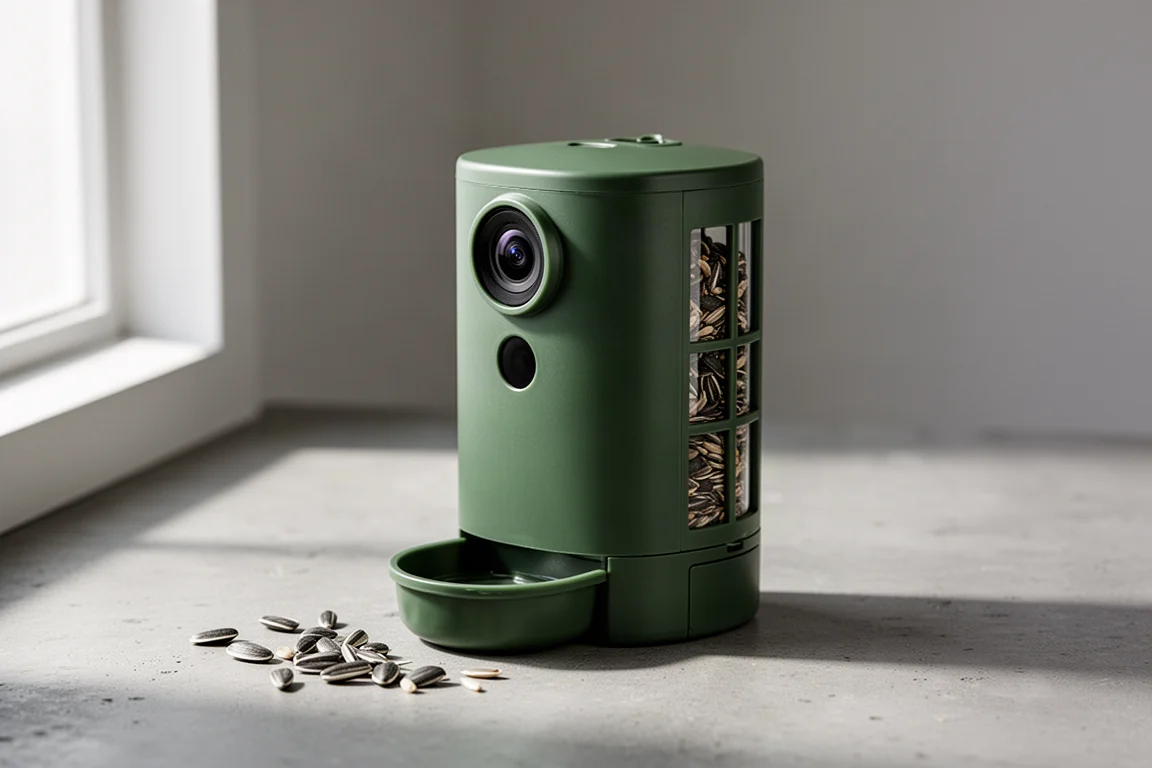
Introduction
The Technaxx Full HD Bird Cam TX-165 is built around a simple idea: instead of watching your feeder from the kitchen window, you let the camera get right up close to the birds. The unit combines a small feeder with seed storage, a water dish, and a built-in camera that photographs and films whatever lands in front of it. After spending a day testing it in a real backyard with active feeders, it turned out to be an entertaining and surprisingly capable little gadget, with a handful of practical limitations worth knowing about before you buy.
Who This Product Is For
This camera suits backyard birders who want close-up, eye-level footage of the birds already visiting their feeders. Because the camera sits right at the feeder, the birds you see will generally be the species already coming to your yard. You can also mount it in a more remote location to try for different species, since you do not need to watch it in real time. It is a good match for people who enjoy identifying visitors, capturing short clips of bird behavior, or simply getting a fresh perspective on familiar yard birds.
Setting It Up
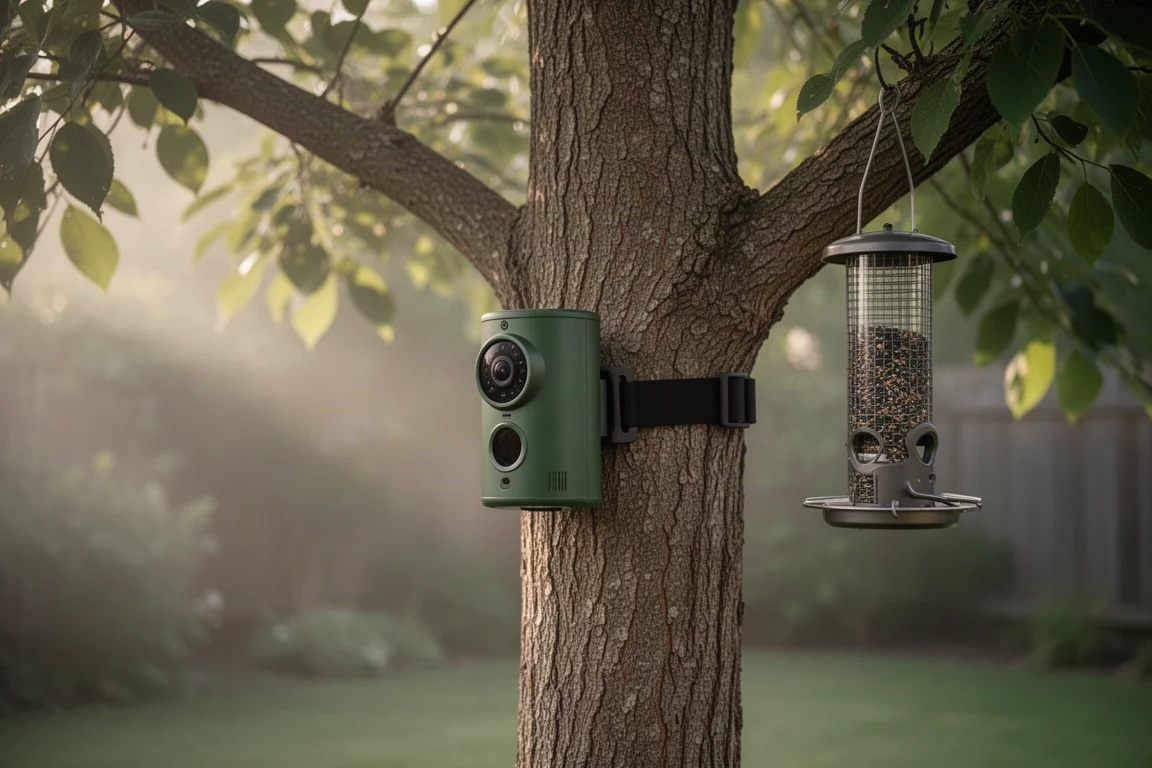
Setup is straightforward. The camera slides out of the housing, a microSD card goes in (not included, so you will need to supply your own), and the included mounts let you strap the unit to a tree with a simple strap-and-tighten arrangement. The seed reservoir fills along the side by unclipping the middle, letting seed pour out into the tray. There is also a small water dish at the front, which is optional.
The built-in color screen is a nice touch. Switching to test mode shows a live preview, and when the camera is turned on it counts down before starting, which gives you time to mount it and step away. One early hiccup: after the countdown, the unit can be running without any obvious indicator, so it is worth checking your card after the first session to confirm it captured anything.
How the Images and Videos Look
Out of the box, the default mode takes a still photo followed by a short video, roughly ten seconds long. This pairing works well in practice: the still shot often catches the bird clearly, while the video preserves the action and, thanks to the built-in microphone, even the sounds of the birds moving and calling.
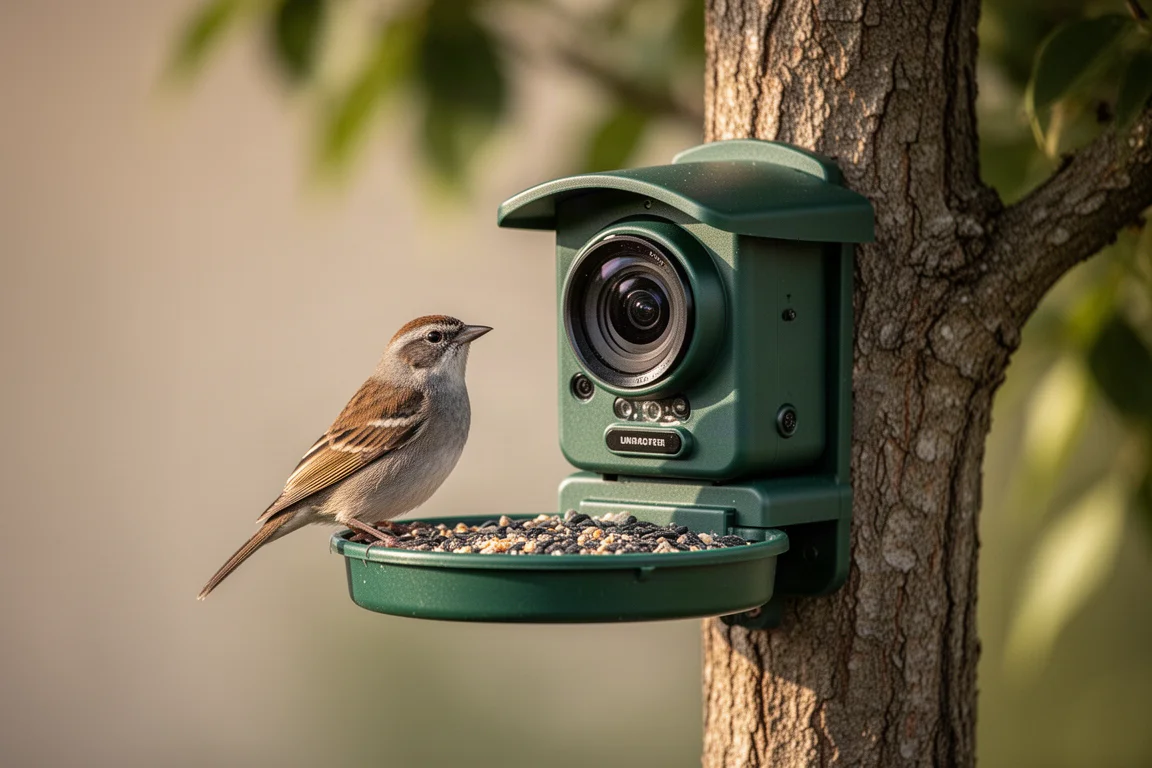
In a single day of testing, the camera captured several species: multiple female red-winged blackbirds, a house finch, and a downy woodpecker that swooped in, grabbed a peanut, and left. Fast-moving birds were handled well; the quick trigger means the photo fires first, sometimes catching the bird mid-landing or mid-departure, which makes for some amusing shots.
Image quality is generally good for the class. Subjects a little further from the lens come out clear, while a bird right up against the front of the camera will be less sharp, which is understandable given the fixed close-focus setup.
Settings Worth Exploring
Test mode opens up a surprisingly deep menu. There are photo series options, adjustable video resolution, slow motion, and audio sensitivity controls, among others. It is easy to lose ten minutes just browsing through the options.
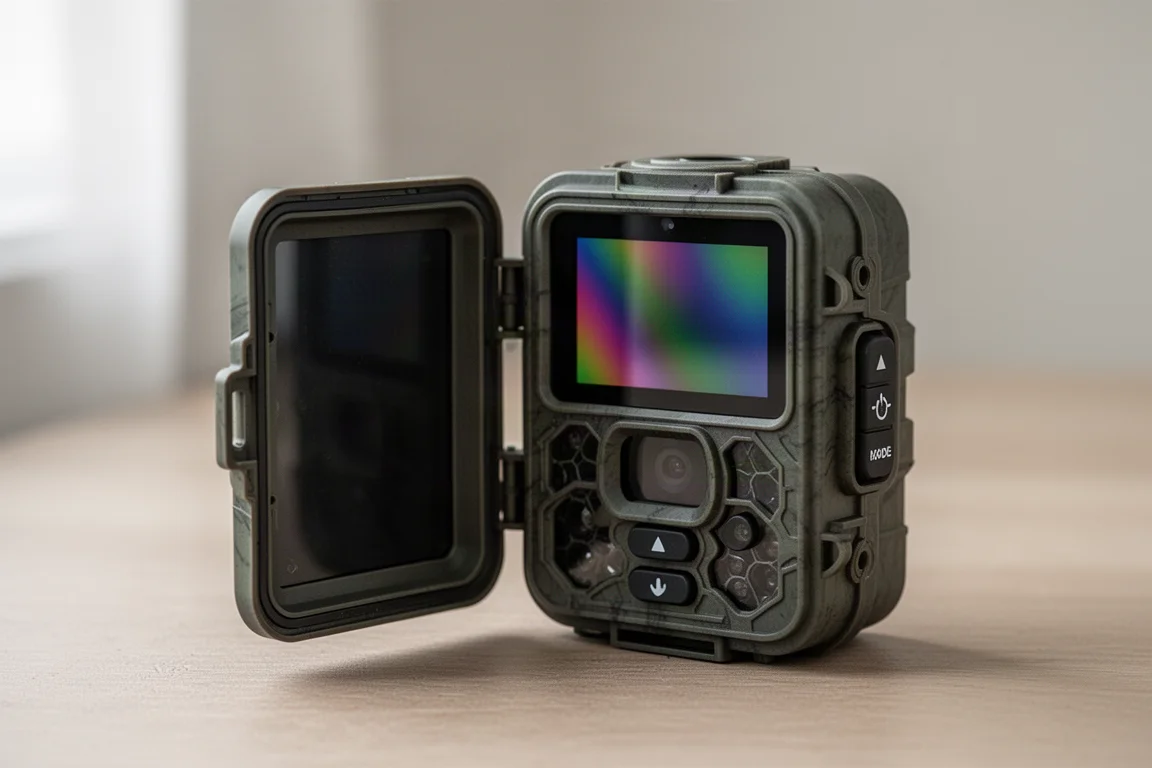
The default photo-then-video mode is a sensible starting point, and the ability to adjust it later means you can tune the camera to your yard rather than accept one fixed behavior. Night recording is also supported, which makes sense for capturing nocturnal mammals or other visitors you would not normally see.
Things to Consider Before Buying
Two limitations stand out. First, the seed reservoir does not hold very much, so with hungry birds you may be refilling it frequently. That is less of a burden if you mount it somewhere you pass regularly anyway.
Second, the water dish can cause problems: during testing, a red squirrel splashed water onto the seeds, clumping them. If the dish is not cleaned and refilled regularly, wet seed could develop mold. The easy solution is to skip the water dish entirely and provide water elsewhere, since it is optional.
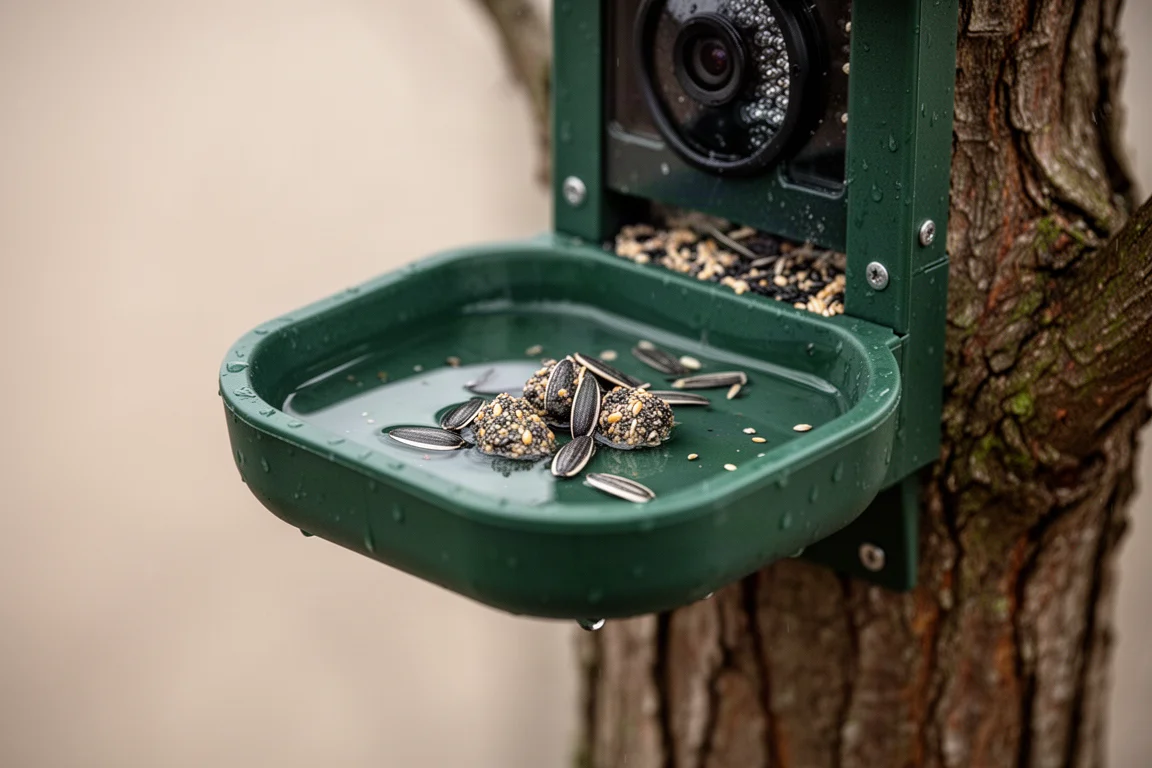
Squirrels themselves are a consideration. The test unit was vlogged enthusiastically by a red squirrel, and depending on how and where you mount the camera, chewing and general squirrel abuse are a realistic risk. One useful trick: place it near an existing feeder so birds are already comfortable with the location.
Buying Advice
If your goal is close-up looks at the birds in your neighborhood, the TX-165 delivers exactly that. It is easy to set up, fun to use, and offers enough settings flexibility to keep you experimenting. Just budget for a microSD card, plan on regular refills of seed, and decide early whether the water dish is worth the maintenance. For the price of a standard feeder, you get a much richer view of what visits your yard.
Conclusion
The Technaxx Full HD Bird Cam TX-165 succeeded at its core job: capturing clear photos and engaging short videos of backyard birds, including species as varied as red-winged blackbirds, house finches, and downy woodpeckers. The small seed capacity and squirrel-related wear are real trade-offs, but for anyone curious about what really happens at their feeder, this is an enjoyable and affordable way to find out.
Product link
View more details for Technaxx Full HD Bird Cam TX-165
This product is mentioned in the review. Check the specifications, options, and compatibility before buying.
View more details for Technaxx Full HD Bird Cam TX-165Further reading
Related Reviews
Birding Gear
Essential Birding Accessories: 10 Gear Picks That Make Field Days Easier
From carrying options and binoculars to field guides and bird-themed games, these are the accessories worth adding to your birding kit.
Birding Gear
10 Essential Birding Items Every Beginner Should Own
From 8x42 binoculars to a spotting scope, here is the gear that makes birding easier, more comfortable, and more rewarding when you are just starting out.
Smart Bird Feeders
BBP Eco Smart Bird Feeder Review: A Squirrel-Proof Camera Feeder With a Clever Closing Trick
A smart bird feeder with a metal roof, a weight-triggered closing tray, adjustable sensitivity levels, and a camera that syncs with your existing setup.