Birding Gear
Essential Birding Accessories: 10 Gear Picks That Make Field Days Easier
From carrying options and binoculars to field guides and bird-themed games, these are the accessories worth adding to your birding kit.
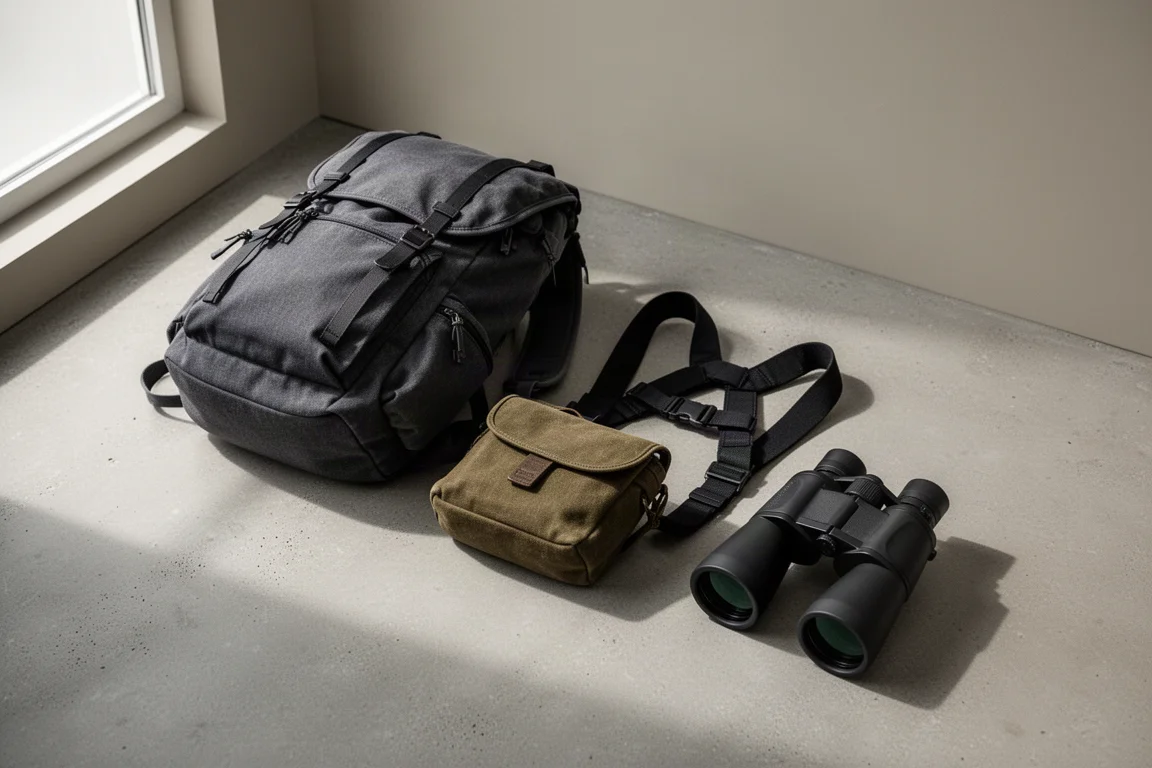
Introduction
Birding does not demand a lot of gear, but the right accessories make long field days noticeably easier. Over years of outings, a reliable carrying setup, a decent pair of binoculars, and a good field guide prove themselves again and again. This list collects the essentials, from budget-friendly picks to upgrades worth saving for, plus a couple of bird-themed games for the days you stay home.
Carrying Your Gear: Backpack and Shoulder Bag
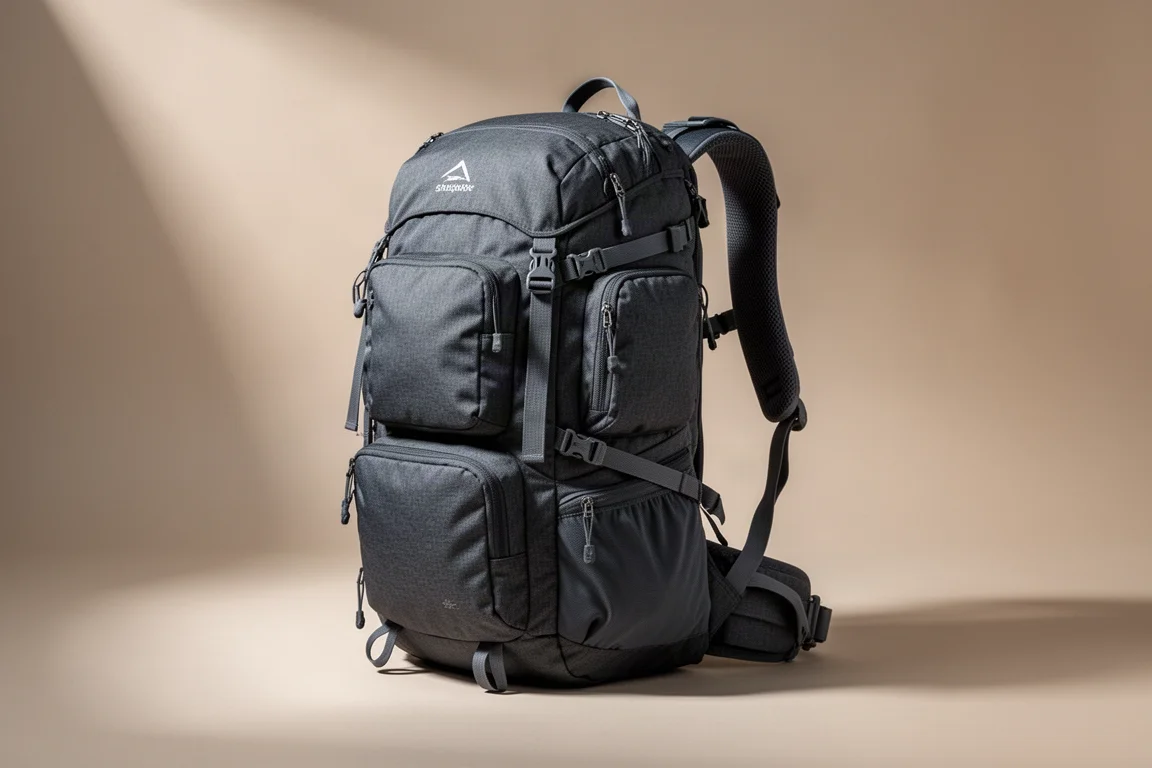
A good backpack is the foundation of any birding kit. The Osprey backpack used here offers a well-thought-out pocket layout: a front pocket sized for small items like a shoulder strap and rechargeable phone batteries, plus a larger main compartment that swallows binoculars and an entire camera with room to spare. It is lightweight, and you can fit a water bladder inside to stay hydrated on longer days out.

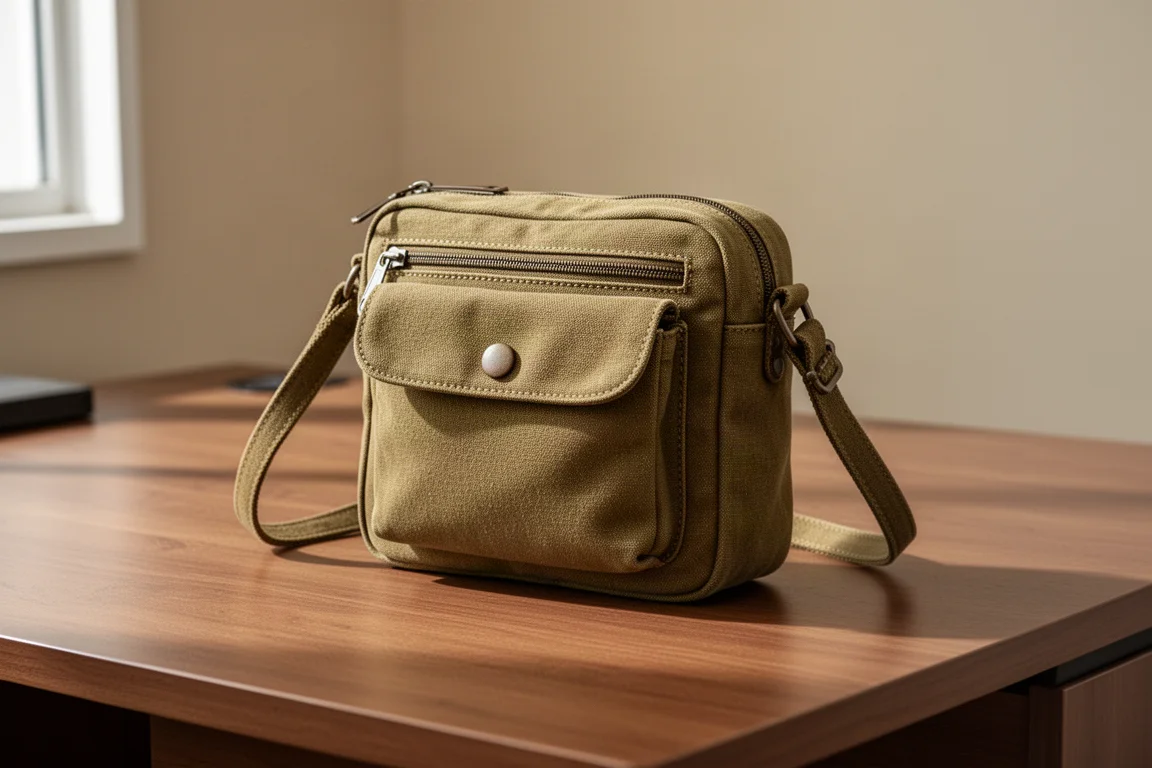
For shorter outings of an hour or two, a full backpack can feel like overkill, especially if you are already wearing a binocular harness and camera strap. That is where the Peak Gear shoulder bag comes in. It is light enough that you barely notice it, with a button pocket that keeps car keys secure and a zippered compartment that holds snacks, granola bars, or even a small water bottle. A front pocket is a handy spot for a backup phone battery. It is a natural pick for quick excursions, while the backpack earns its place on longer hikes.
Straps That Save Your Neck and Shoulders
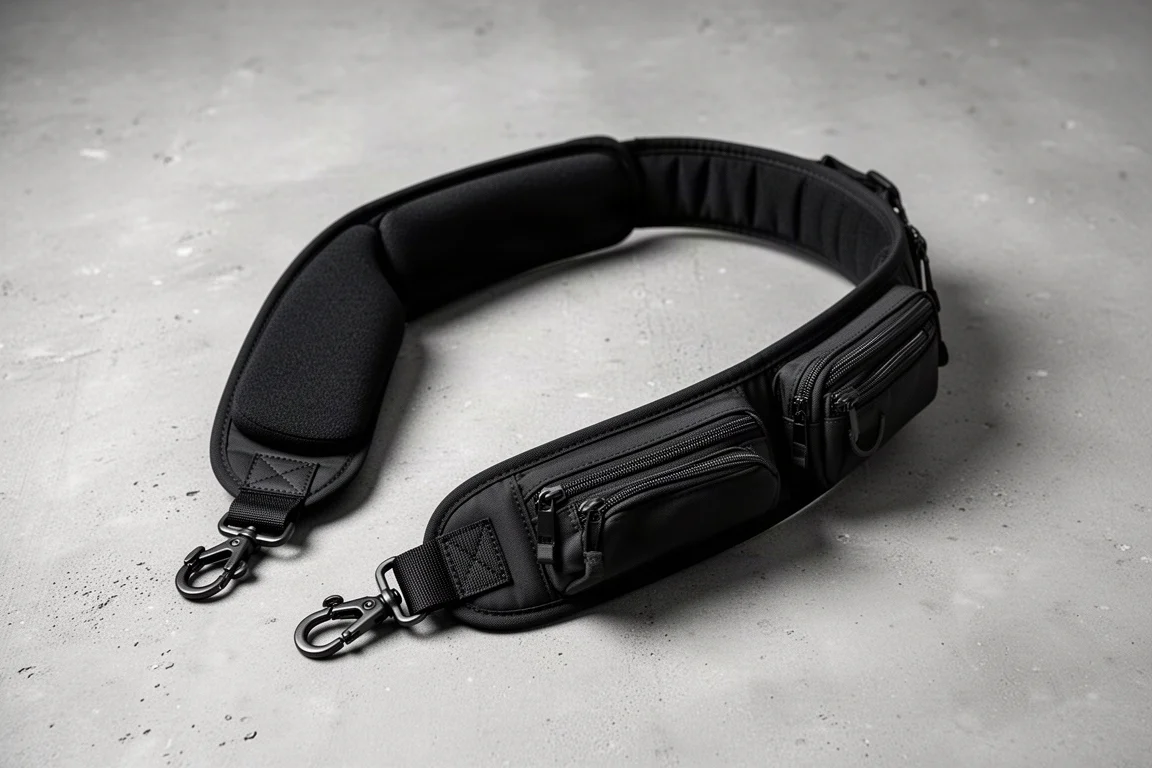
If you carry a camera, skip the basic neck strap. Hanging a heavy camera from your neck is hard on your body, and spreading that weight across your shoulders feels far better over a long day. The Arvok shoulder strap is inexpensive, well built, and strong, and it anchors directly to the bottom of the camera for a secure connection. Its built-in zippered pockets are perfect for charged spare camera batteries, which has rescued more than one outing when the main battery ran dry.
Binocular users get the same benefit from a binocular back strap. Like a neck strap, the standard setup concentrates weight in the wrong place; a harness moves it onto your back and shoulders while keeping the binoculars right at your chest for quick access. It is a small purchase that pays off in posture and comfort over the years.
Binoculars for Every Budget
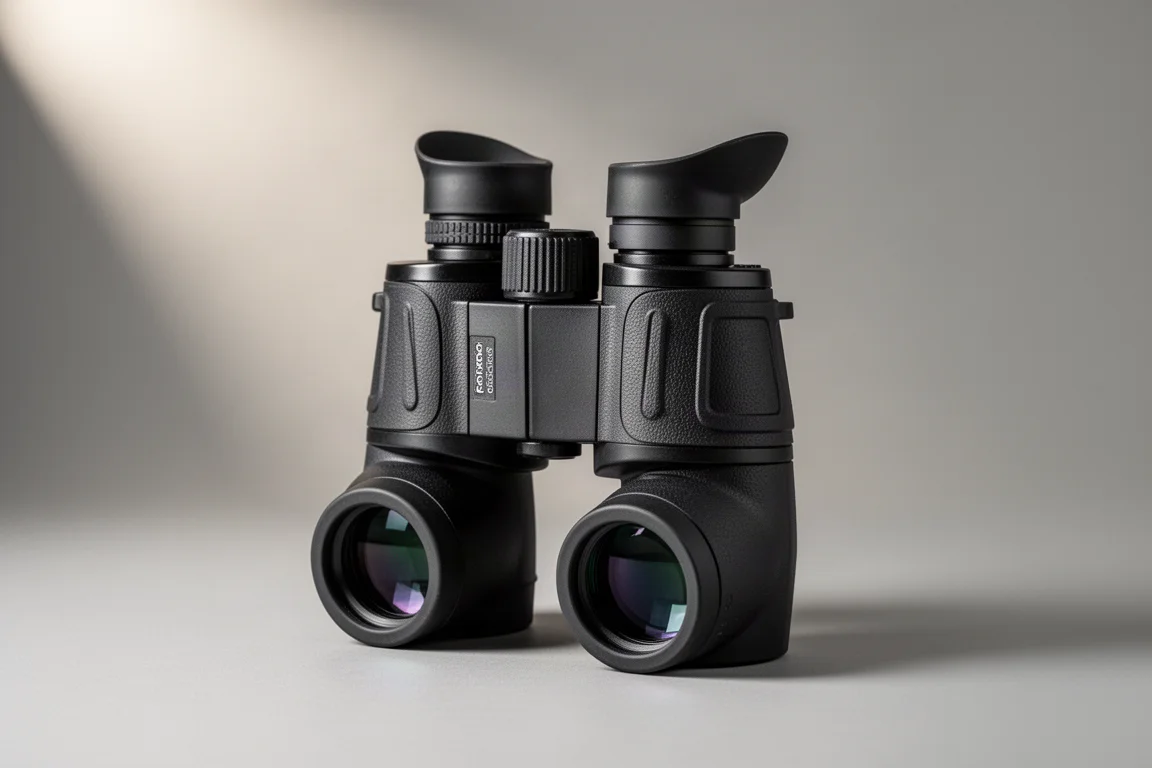
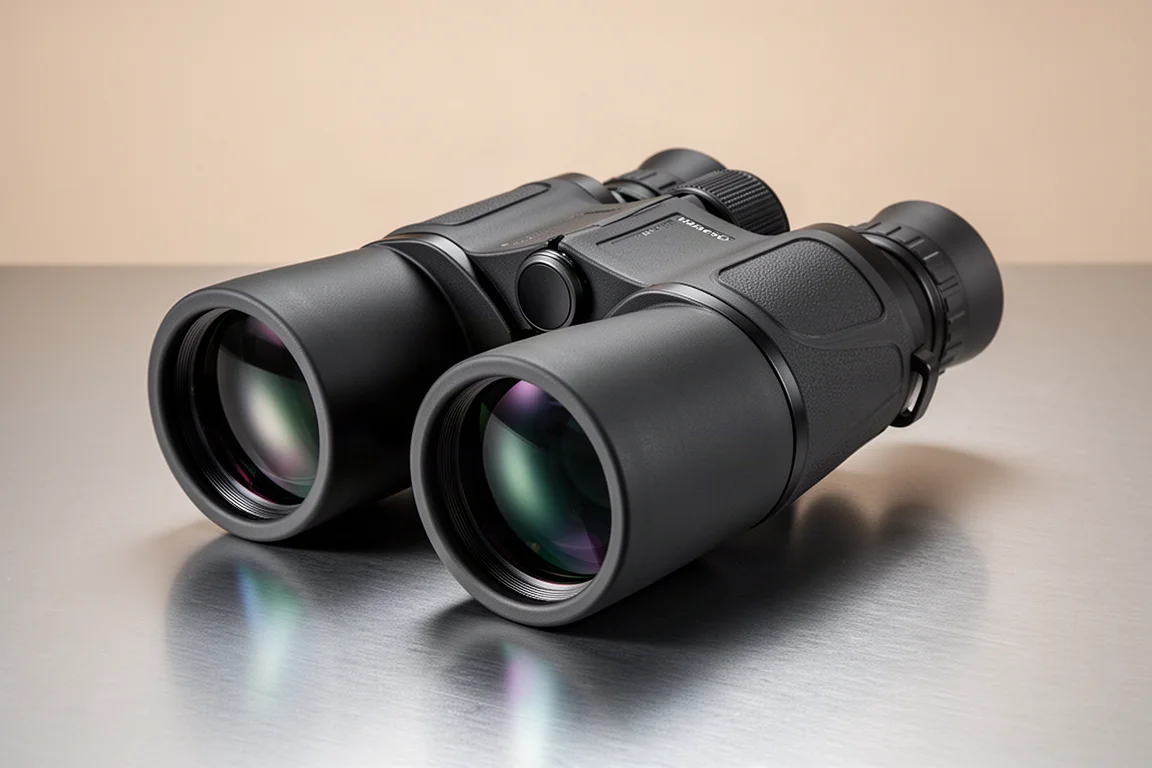
No birding kit is complete without a decent pair of binoculars. Two options cover most needs. For beginners who want something affordable and reliable, the Adoran binoculars land around $60 to $70. They come with a basic neck strap, eyepiece guards, front lens caps, and an easy adjustment knob, and the 12x zoom gets you closer to distant birds than the 8x or 10x magnification that is more typical for birding.
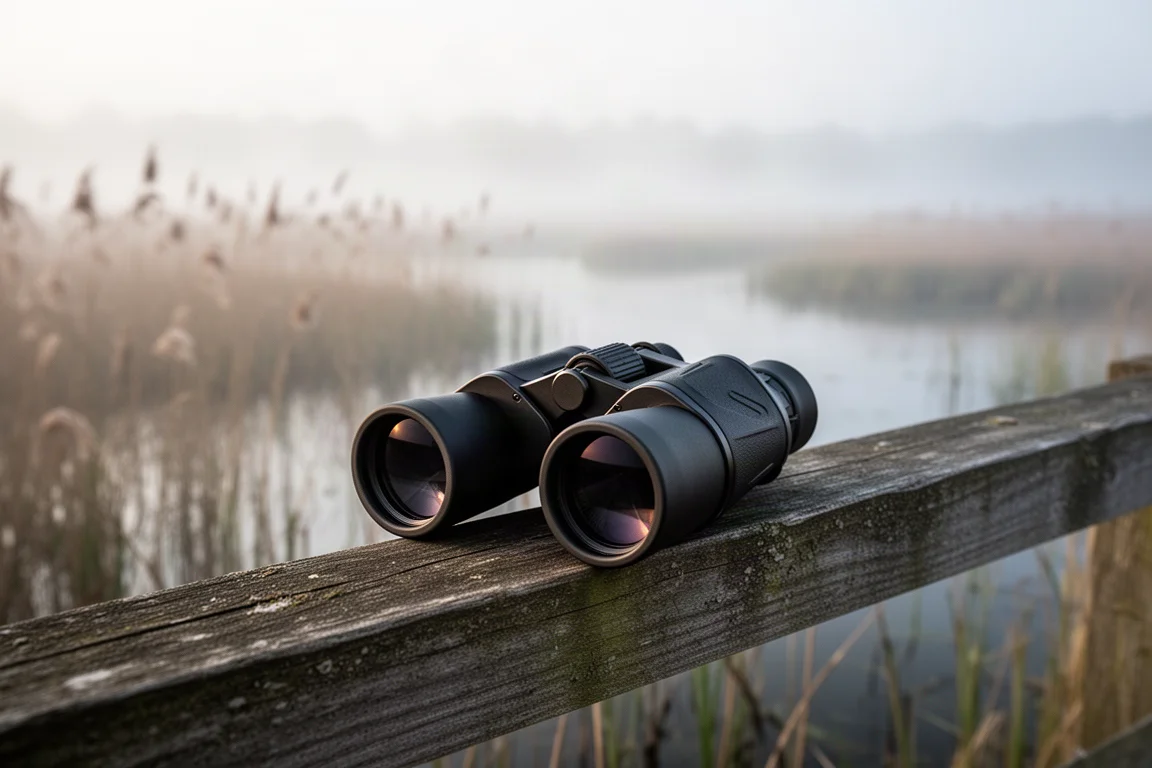
One honest caveat: the front lens caps attach with small plastic tabs that can break off in the field, and the caps themselves slide off easily. It is worth removing them entirely so you do not lose them on a trail. At this price you get what you pay for, but as a starter pair they do the job. If your budget stretches further, the Vortex binoculars are a clear step up in quality and a worthwhile long-term investment for serious birders.
Field Notes, Waterproofing, and Feeders
A few smaller accessories round out the practical side of the kit. A waterproof notepad protects field notes and sketches through rain, and while many birders log sightings in apps, plenty still prefer putting pencil to paper in the field. A dedicated dry bag is another smart safeguard: when a downpour rolls in, it keeps camera gear and field guides dry in a way a makeshift trash-bag liner simply cannot guarantee. Finally, a platform bird feeder brings a more diverse crowd to your yard. Where tube feeders mostly attract finches and sparrows, platform feeders draw in larger visitors like Scrub Jays and other big birds, adding variety to your backyard watching.
Field Guides for Bird Identification
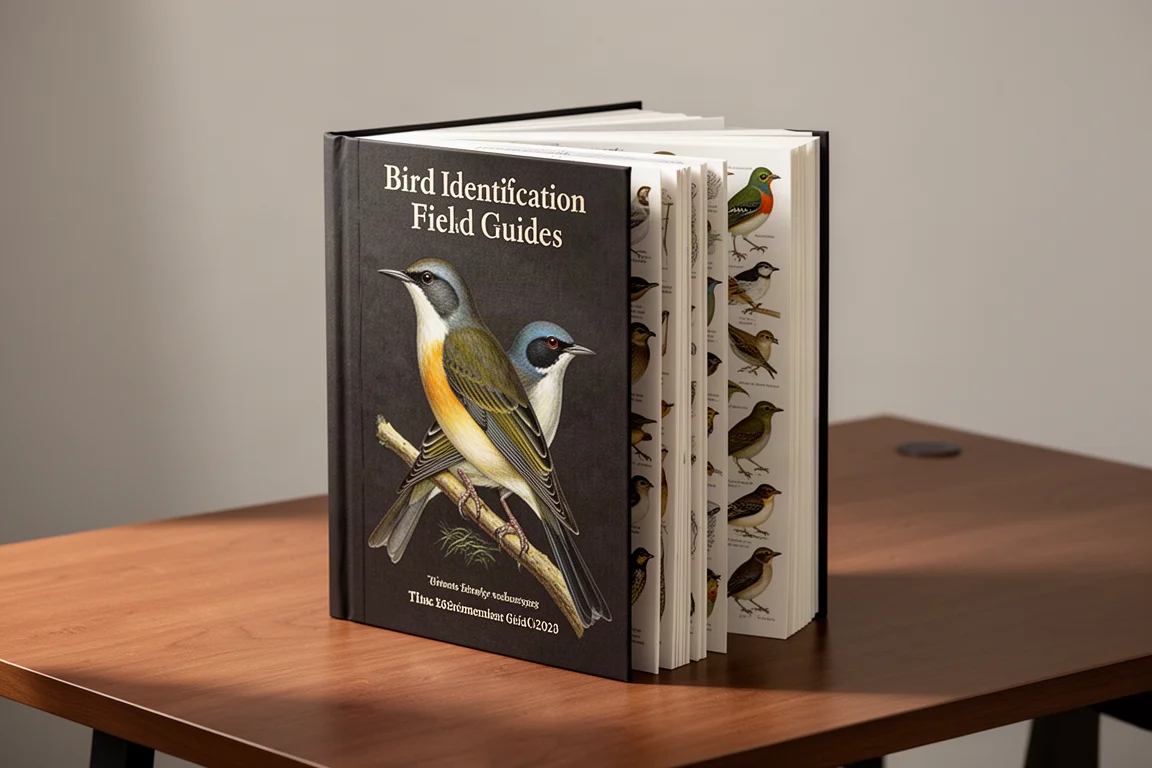
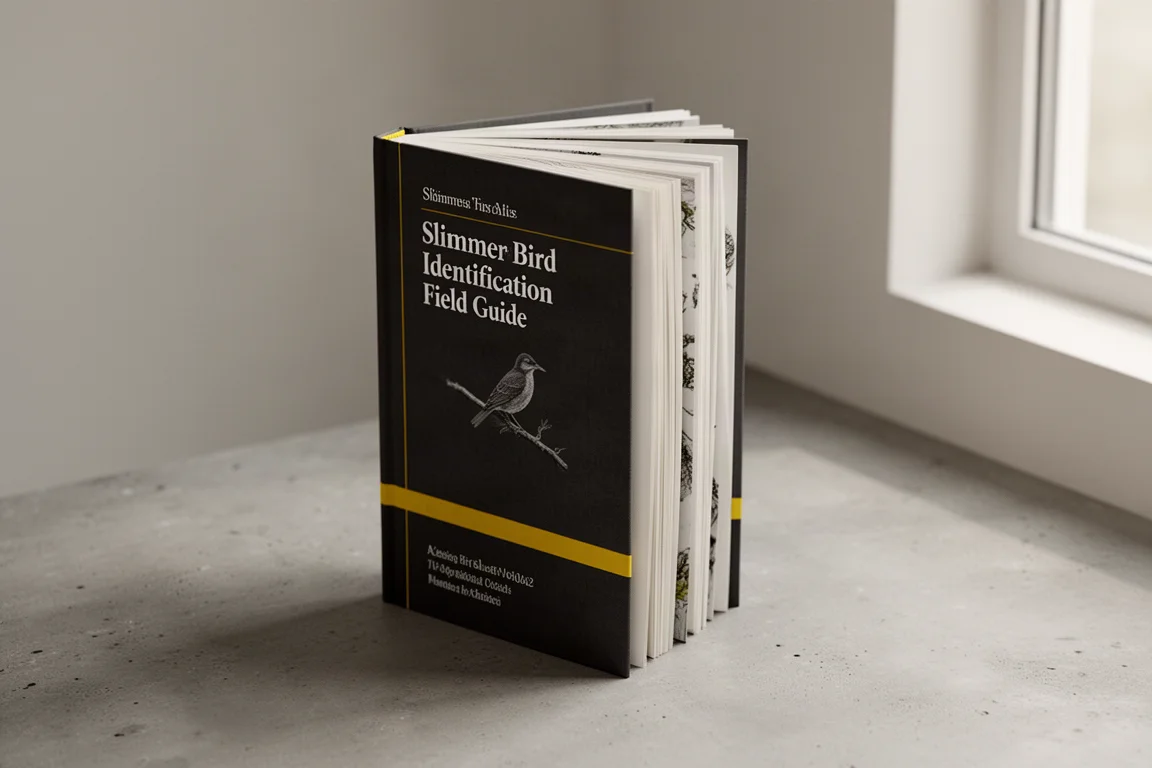
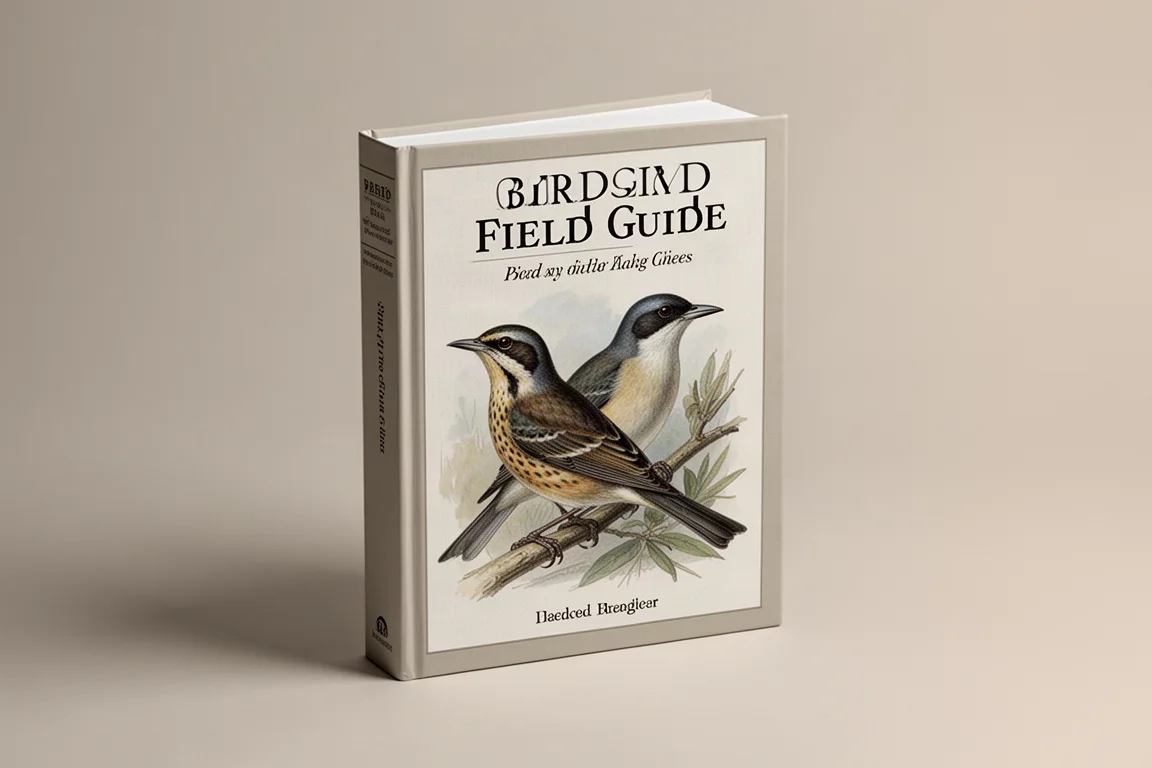
Phone apps are convenient, but a printed field guide offers something a photo feed cannot: intricate illustrations that let you compare subtle differences between similar species. For tough identifications, flipping through well-drawn plates remains one of the most effective tools available.
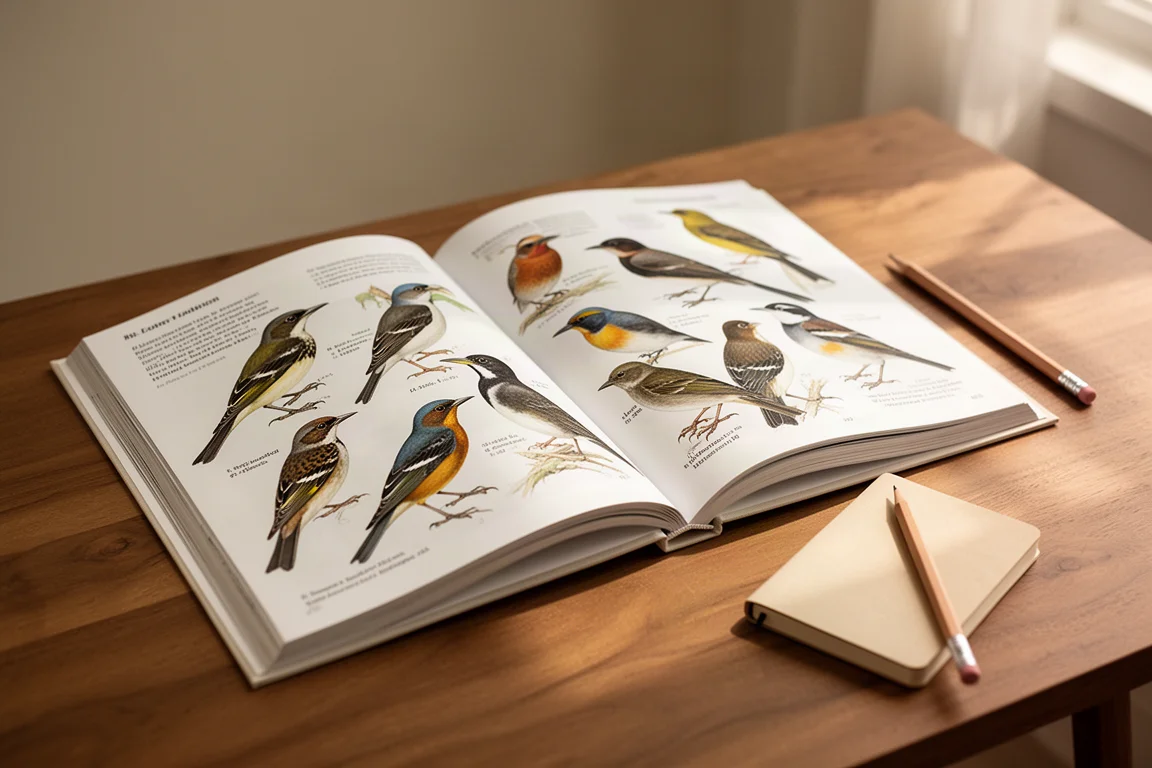
The Sibley field guide is a strong favorite, praised for both its illustrations and the depth of its descriptions. Two well-regarded alternatives are also worth a look: the National Geographic field guide and the Peterson field guide. Any of the three will serve newer birders well and remain useful for years as your identification skills develop.
Bird Games for Rainy Days
When the weather keeps you indoors, Wingspan is the board game that even non-birders fall for. It has won game of the year recognition, features fantastic illustrations, and works as a genuinely fun strategy game that happens to teach you about birds along the way. Kids and grandkids who are not especially into birds still tend to love it, which makes it an easy recommendation for game-loving families.

If board games are not your thing, the Sibley bird trivia game offers a lighter alternative. The box holds a large deck of cards, each with a bird illustration and questions or fun facts, from naming a pictured species to trickier identification challenges. It doubles as a learning tool and works well as a family activity.


Conclusion
None of these accessories are strictly required to enjoy birding, but each one removes a small frustration from the field: a sore neck, a soaked field guide, a dead battery, a hard-to-reach pair of binoculars. Start with the carrying setup and binoculars that match your budget, add a field guide for those tricky identifications, and keep a bird game on the shelf for rainy days. Small upgrades, added over time, are what turn a casual interest into a comfortable lifelong hobby.
Further reading
Related Reviews

Backpacking Gear
Building a 10 lb Base Weight: An Ultralight Backpacking Gear List
A practical walkthrough of the ultralight pieces behind a 10 lb base weight, from a 765 g pack and a roomy one-person tent to a full camp chair and a dependable water filter.

Road Bikes
10 New Road Bikes Worth Watching: Aero, Titanium, Steel and Endurance Standouts
A practical roundup of 10 new road bikes, from aero flagships chasing single-watt gains to titanium, steel and endurance platforms built for real roads.
Bikepacking Gear
11 Bikepacking Essentials for Long-Distance Cycling
Eleven bikepacking essentials for long-distance cycling, from a steel gravel frame and a two-person tent to helmet lights, packable gloves, and a frame bag that puts weight in the right place.