Backpacking Gear
Essential Backpacking Safety Gear: Three Items Worth Carrying
A practical look at three backpacking essentials covering first aid, emergency communication, and safe drinking water, plus how to decide what your own trips require.
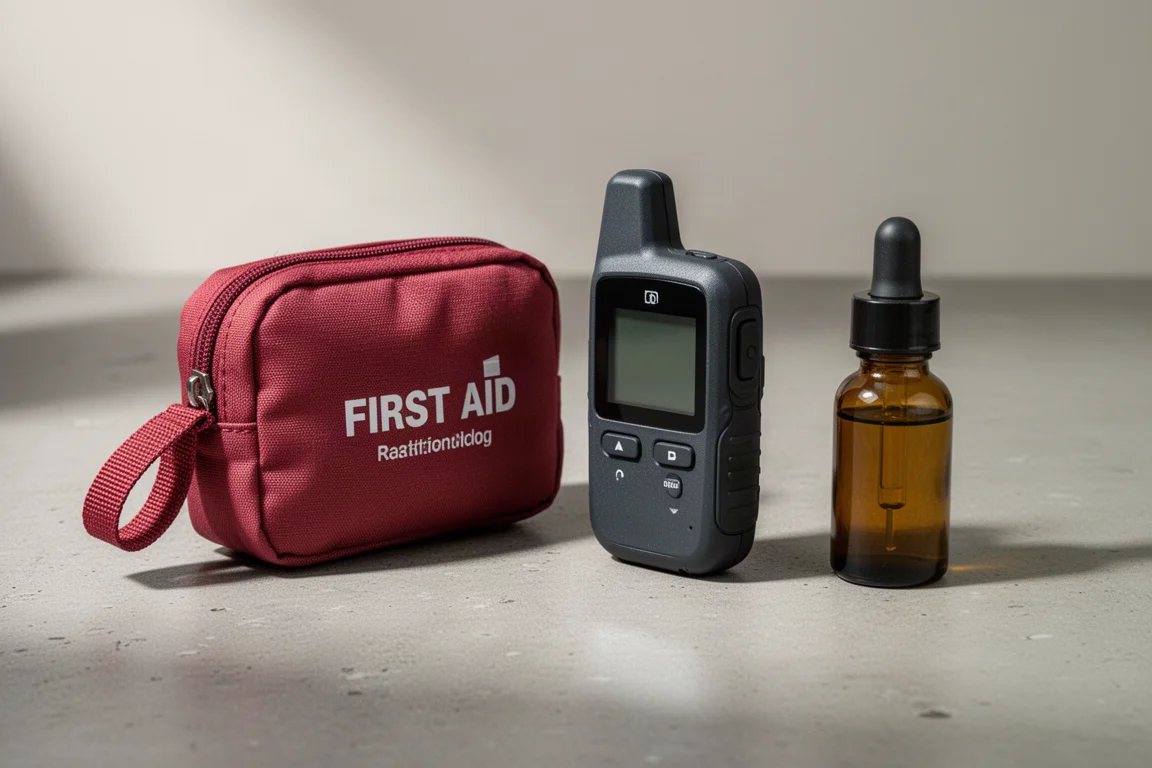
Introduction
Everything you carry on a backpacking trip matters, but a handful of items do more work than the rest. A pack that fits, a way to treat injuries, a way to reach help, and a way to make water safe to drink cover the situations that most often decide whether a trip goes well. This guide looks at three specific pieces of gear that address those needs, what each one does well, and who each one suits.
What Makes Backpacking Gear Truly Essential
The essentials are the items that protect safety and comfort when nothing else can take their place. A well fitted backpack is the clearest example. A pack that matches your torso and hip belt, and that carries exactly what you need, makes long days far more enjoyable. Carrying 40 to 50 pounds of weight works against you no matter how light the rest of your kit is. Going as light as possible is one valid approach, but it is not the only one, and it is not the point. Taking the items that keep you comfortable, in a pack that fits you properly, matters more than hitting a number on a scale.
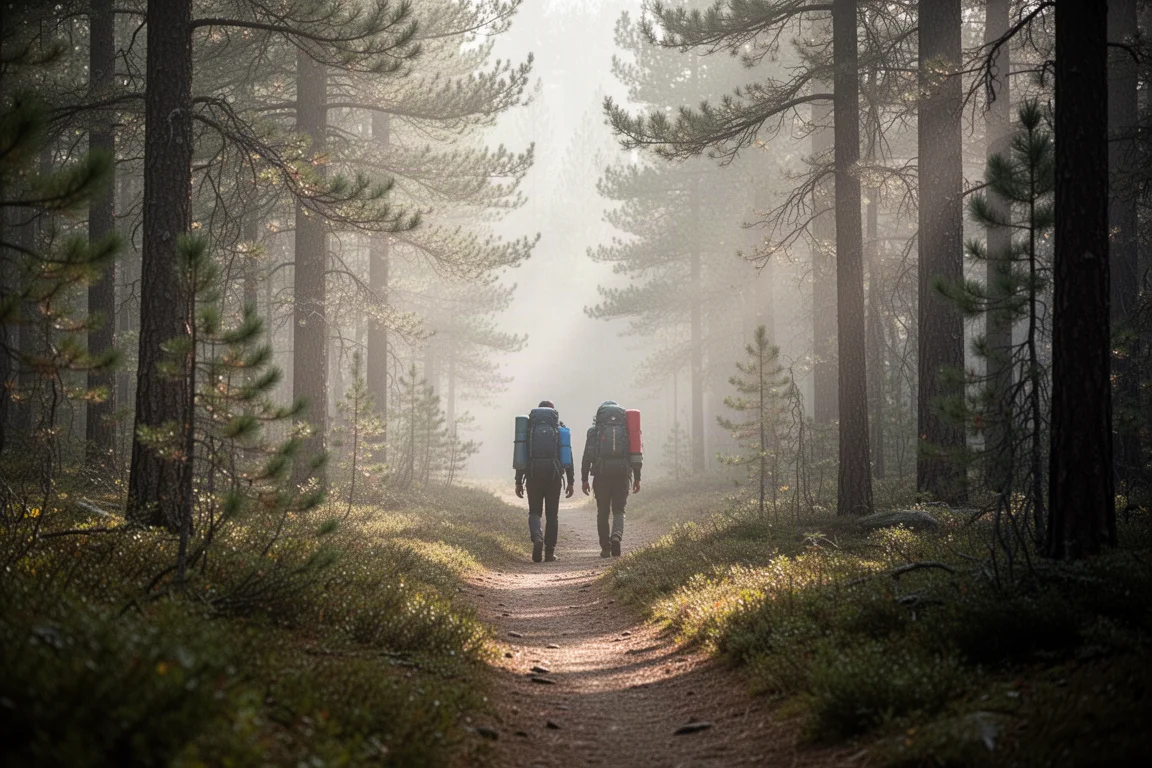
Footwear and socks follow the same logic. A shoe that fits correctly, with enough room for your foot to move but still sits snug, paired with a lightweight synthetic or wool sock that stays in place and dries quickly, prevents most of the blister problems that ruin otherwise good trips. Taking care of your feet is one of the highest-return habits in backpacking.
MyMedic Hiker Kit: A Lightweight First Aid Foundation
A comprehensive first aid kit earns its place in every pack, even though the hope is that it stays closed. You can assemble your own, but a prepared kit removes the guesswork and the temptation to leave things out. The MyMedic Hiker Kit is a fairly lightweight option that covers basic needs: alcohol wipes, bandages, gauze pads, and electrolytes for situations where dehydration or hard exertion is part of the problem.
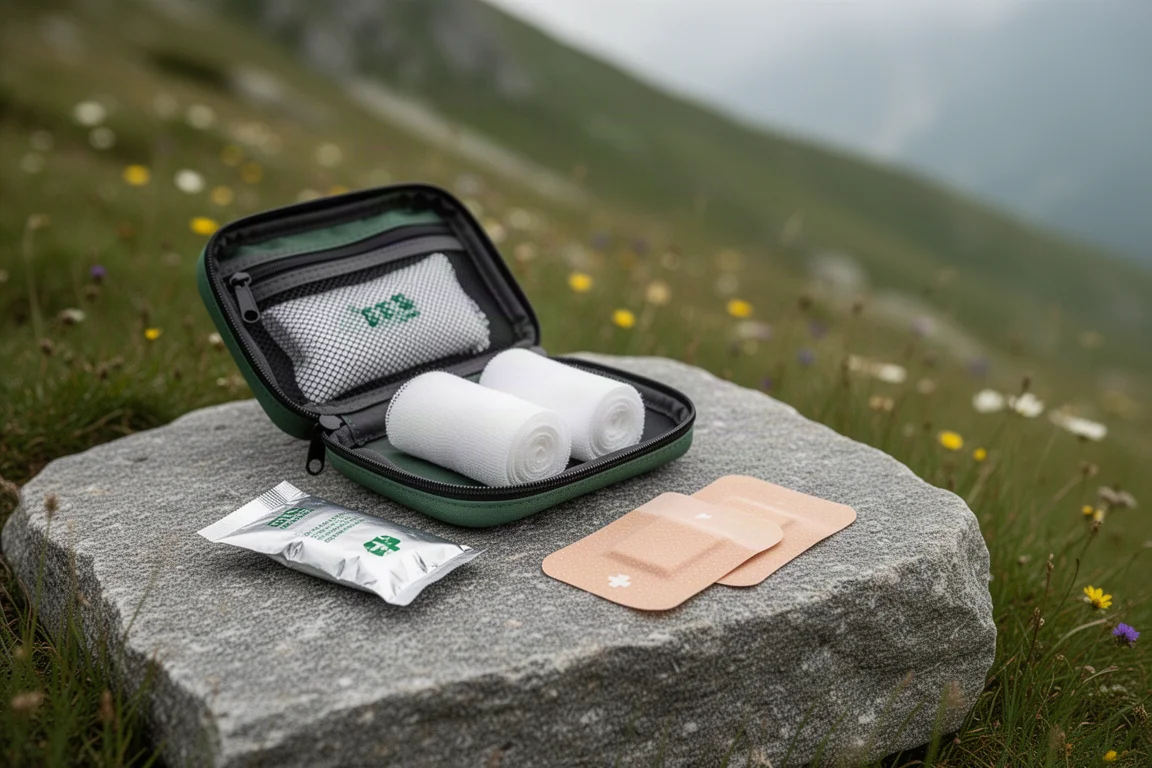
Blister care deserves specific attention, and MyMedic addresses it directly. The brand offers blister kits built around very sticky blister pads and antibiotic ointment, useful for catching hot spots before they become something worse. Those blister items can be bought inside a kit or individually, so you can add them to a kit you already own. The reason the kits exist is worth knowing: the founders experienced a tragedy in which someone lost their life because a first aid kit was not available. MyMedic now builds kits for vehicles, for hiking, and for backpacking.
Most backcountry injuries are small. A stumble and a scraped knee, a cut from pushing through brush or thorns, a slip while whittling with a knife. Having the supplies already packed is what keeps a minor accident from turning into a trip-ending one.
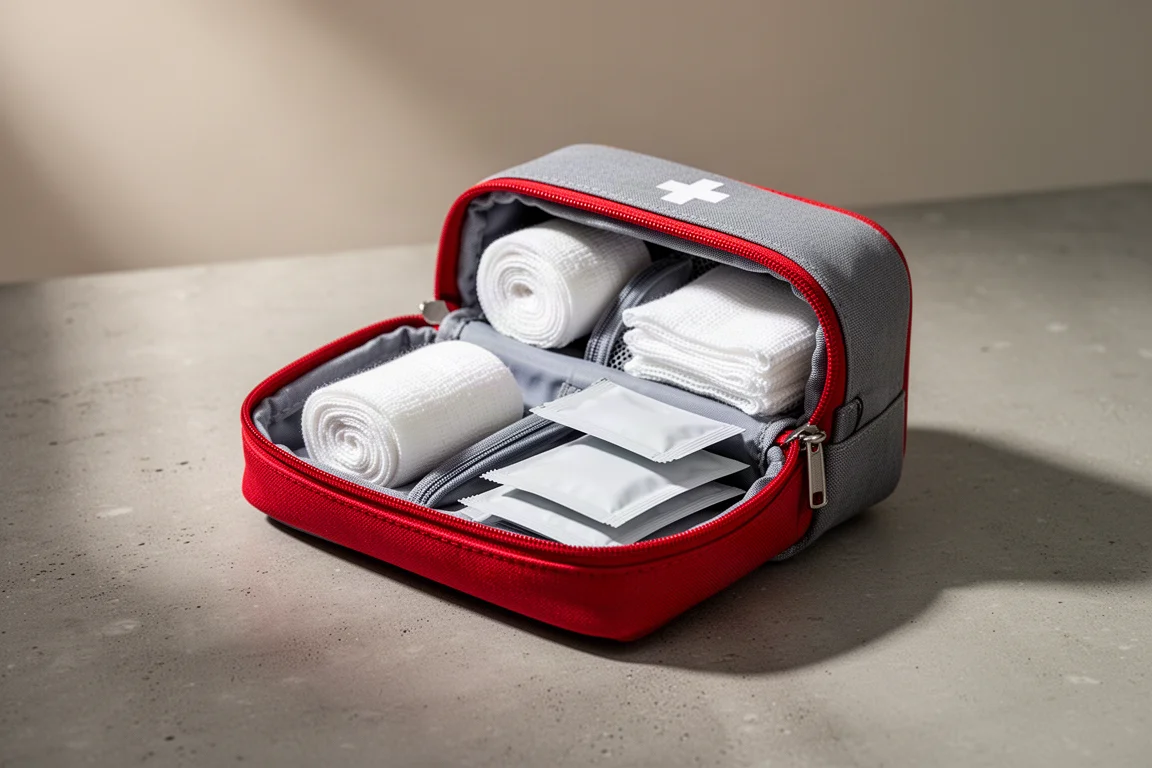
Zoleo Satellite Communicator: Peace of Mind Off Grid
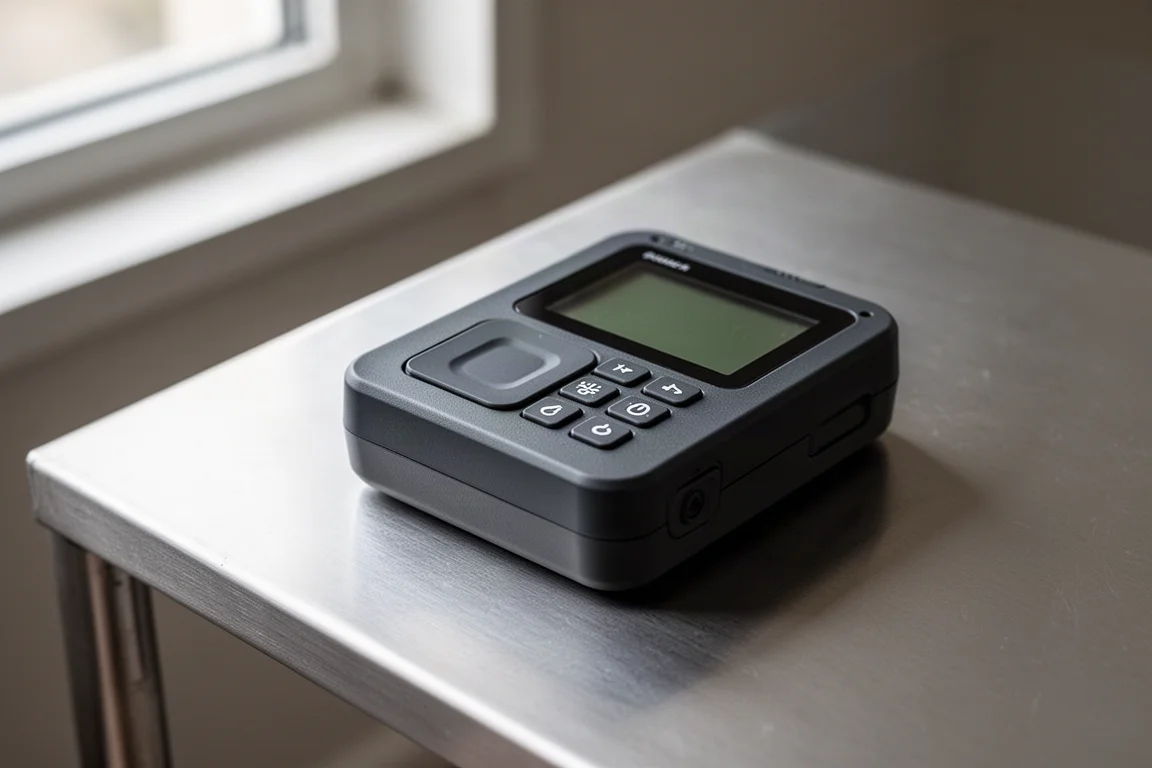
Satellite communication is not a requirement for every trip, and it is worth saying that plainly. For people who get out often, though, it is one of the most useful pieces of gear you can add. The Zoleo Satellite Communicator provides the peace of mind that you can call for rescue if an emergency genuinely requires it. It also covers ordinary communication, and it lets you pull weather reports while you are out, which helps when you are planning the next day of a longer route.
The value of a device like this is less about the hardware and more about the decisions it enables: staying out when conditions are fine, and getting help promptly when they are not. For anyone who spends time in terrain beyond reliable coverage, that margin is worth the weight.
Aquamira Water Treatment Drops: Trustworthy Water Safety
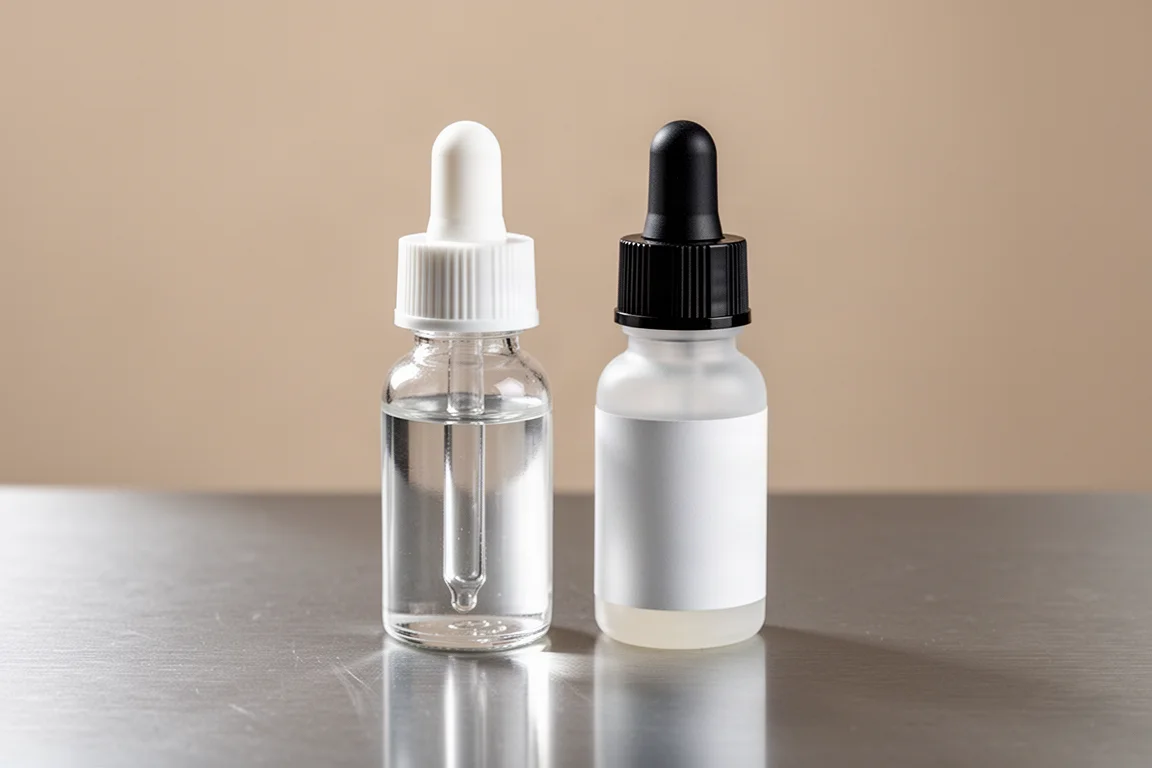
Alongside shelter, a trustworthy way to treat water is one of the most critical pieces of gear you carry. You need a method that works with whatever water sources a route puts in front of you, and you need to trust it. Aquamira Water Treatment Drops are a compact option for treating water so it is safe to drink, and they are particularly useful when a filter alone is not enough for the source you are drawing from.
Getting water treatment wrong can make or break a trip, so this is not the place to improvise. Whatever method you choose, keep it in good condition and know how to use it before you leave the trailhead.
Buying Advice: Matching Safety Gear to Your Trips
None of these three items is mandatory for every outing, and that honesty is part of choosing well. The question is what your own trips actually demand.
- First aid: if you carry a kit you built yourself, check that it includes blister care, wound care, and electrolytes.
- Communication: if you go out often, or into terrain without dependable coverage, a satellite communicator earns its place in the pack.
- Water: a treatment method you trust is essential on any trip with natural water sources.
A shelter and sleep system belongs in the same conversation, because it decides how well you recover each night. Invest in a sleeping bag rated for the temperatures you expect, a sleeping pad that suits how you sleep, and a shelter roomy enough to move around in that protects you from the conditions on your route. Skimping on sleep is one of the worst trade-offs in backpacking.
Conclusion
Safety, warmth, and comfort are what make a backpacking trip enjoyable, and the three items here cover the parts of that equation you cannot improvise: treating injuries, reaching help, and making water safe to drink. Choose gear that fits the trips you actually take, learn how to use it before you need it, and the rest of your kit becomes easier to trust.
Further reading
Related Reviews

Backpacking Gear
Building a 10 lb Base Weight: An Ultralight Backpacking Gear List
A practical walkthrough of the ultralight pieces behind a 10 lb base weight, from a 765 g pack and a roomy one-person tent to a full camp chair and a dependable water filter.

Backpacking Gear
A 15-Pound Lightweight Backpacking Gear List for Solo Trips
A beginner-friendly 15-pound backpacking setup built from easy-to-find gear, with notes on what each piece does, how it packs, and where to spend your attention.

Backpacking Gear
8 Ultralight Backpacking Gear Upgrades Worth Carrying
Eight small, affordable backpacking upgrades that solve real trail annoyances, from a pillow that stays put to a fuel valve that rescues leftover canister gas.