Backpacking Gear
Essential Backpacking Gear for a First Trip: Four Practical Picks
A practical guide to the gear order that makes a first backpacking trip easier, plus four field-tested picks covering navigation, food and water treatment.
Introduction
Packing for a first backpacking trip goes far more smoothly when the gear list follows a logical order instead of turning into a shopping spree. Shelter comes first, because it defines how much space you have. The sleep system comes second, because it has to fit inside that shelter. The backpack comes third, because it has to swallow everything else. Navigation, food, water treatment, light, a cutting tool, a medical kit and footwear fill out the rest of the list.
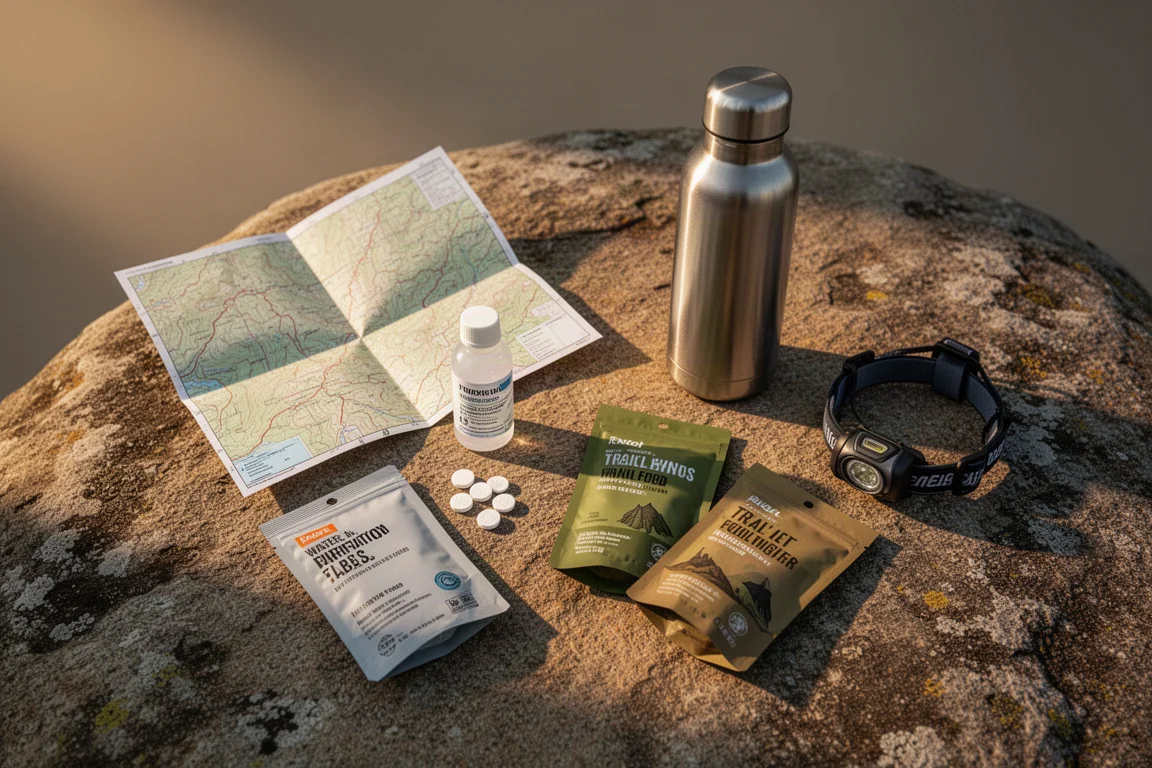
The four items below cover different parts of that list: a navigation app for route planning, a freeze-dried dinner and a ready-to-eat chicken pouch for calories on the trail, and water purification tablets for a backup treatment option.
How to Prioritize Backpacking Gear for a First Trip
Buying order matters more than most beginners expect. Start with the shelter. Options range from tents to bivvies to hammocks, and the right choice depends on where you plan to sleep. For backyard or car camping, an inexpensive tent can be perfectly fine. For anything further out, where there is no quick retreat to safety, a tent with solid weather resistance and good build quality is worth the extra spend, because a storm is not the moment to discover that a cheap shelter shreds apart.
Once the shelter is settled, choose the sleep system. Sleeping bags and pads both carry temperature ratings, and a useful rule of thumb is to pick a bag rated roughly 10 degrees Fahrenheit below the coldest temperature you expect. Sleeping pads are rated by R-value, where a higher number means a warmer pad.
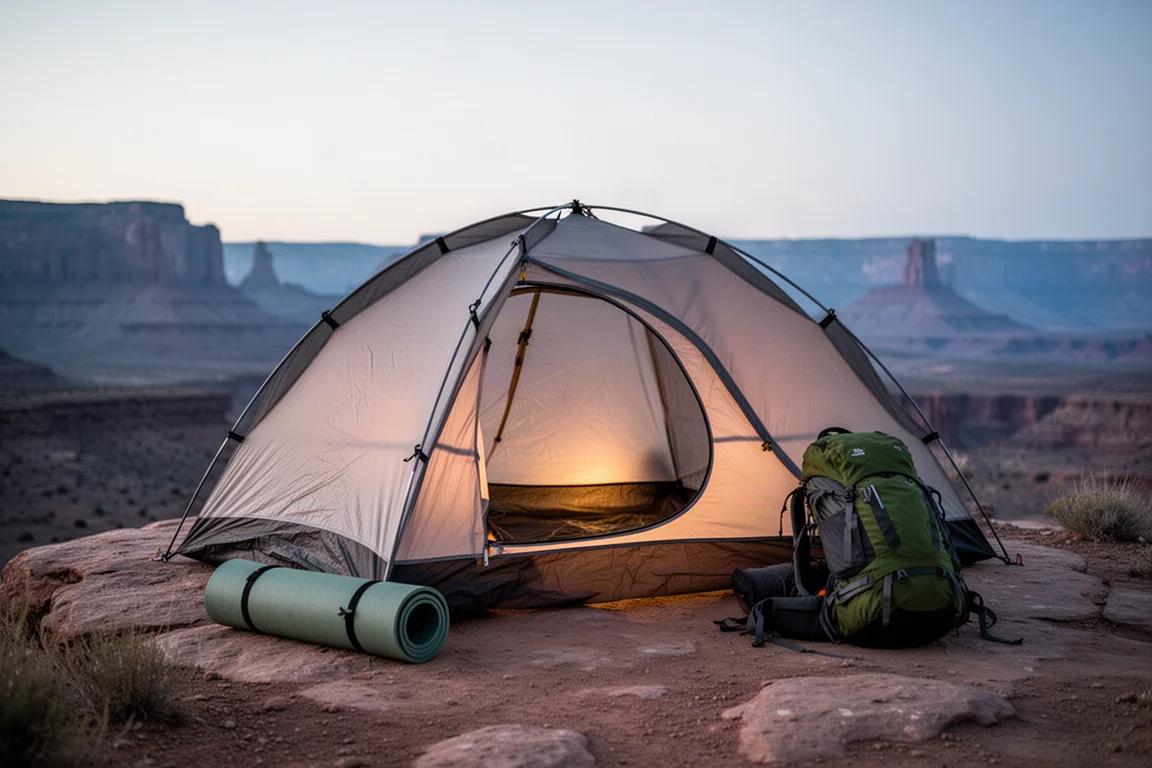
Only then should you buy the backpack. Look for something comfortable to carry, capable of handling the weight you plan to bring and large enough for the volume of your gear. Since the shelter and sleep system are already decided, you will know exactly what has to fit.
The remaining essentials are navigation, a cook system, a reliable light, a knife or multi-tool, an appropriate medical kit, broken-in footwear with good tread, and some way to carry and treat water.
Navigation: onX Backcountry
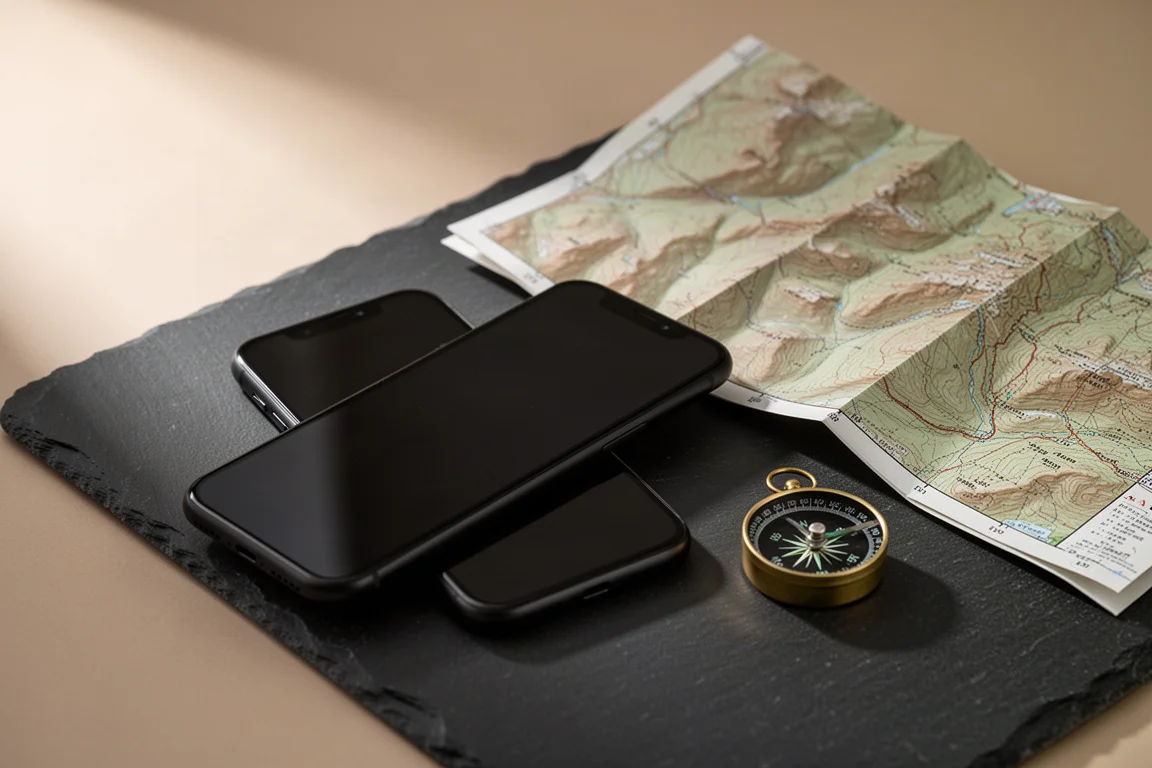
A dedicated navigation app has largely replaced the paper map and compass for many hikers, mainly because GPS-based tools are faster, easier to read and quicker to update. A paper map still earns a place in the pack as a backup, but the primary tool is usually a phone or a handheld GPS device, kept charged with a spare power option.
onX Backcountry is a navigation app built around trail visibility. Every trail in the surrounding area appears on screen in a layout that reads almost like a road map, and route lines are color coded so elevation gain is visible before you commit to a climb. A tracking control marks your position and shows the path you have walked, which makes it straightforward to retrace your steps back to a junction. The premium membership tier is the one to choose over the standard tier, and the annual cost is low enough that a single trip can justify it.
Backcountry Meals: Pinnacle Foods Italian Sausage and Feral Pasta
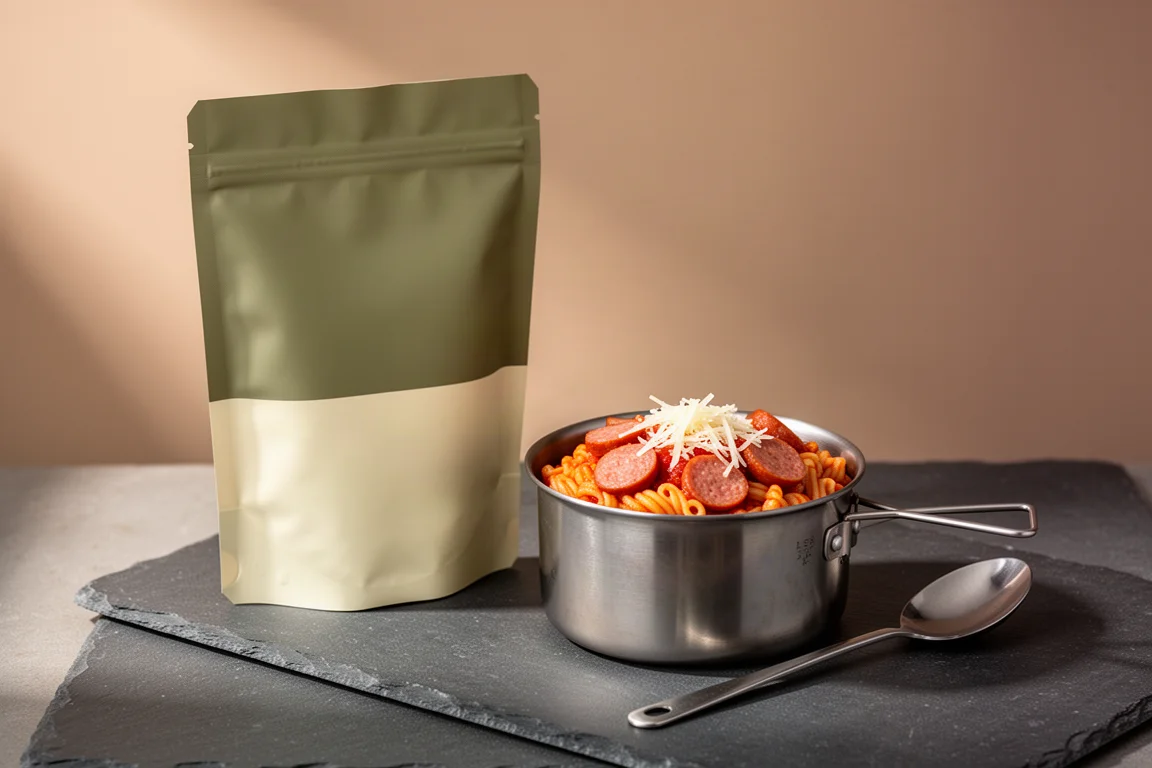
Dehydrated meals are the simplest dinner option in the backcountry, and quality varies widely. This Pinnacle Foods recipe combines Italian sausage, a zesty tomato sauce, feral pasta and parmesan in a single pouch, and it is a newer addition to the brand’s range.
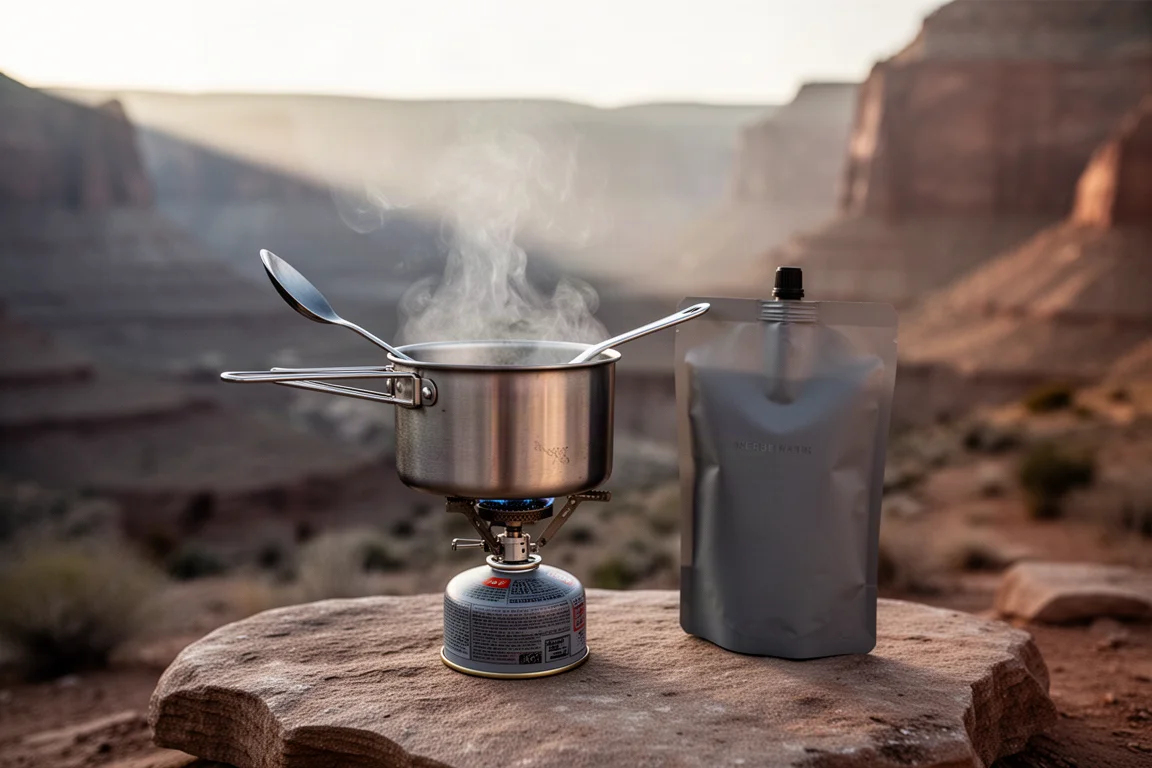
Rehydrating it takes a little attention to water volume. With a slightly short pour, the sausage came out a bit crusty, so it pays to measure generously and give the pouch time to fully rehydrate. Once it does, the flavor lands well above what most people expect from a pouch dinner, which makes it an easy one to repeat on a longer trip.
Trail Lunch: StarKist Creations Buffalo Style Chicken
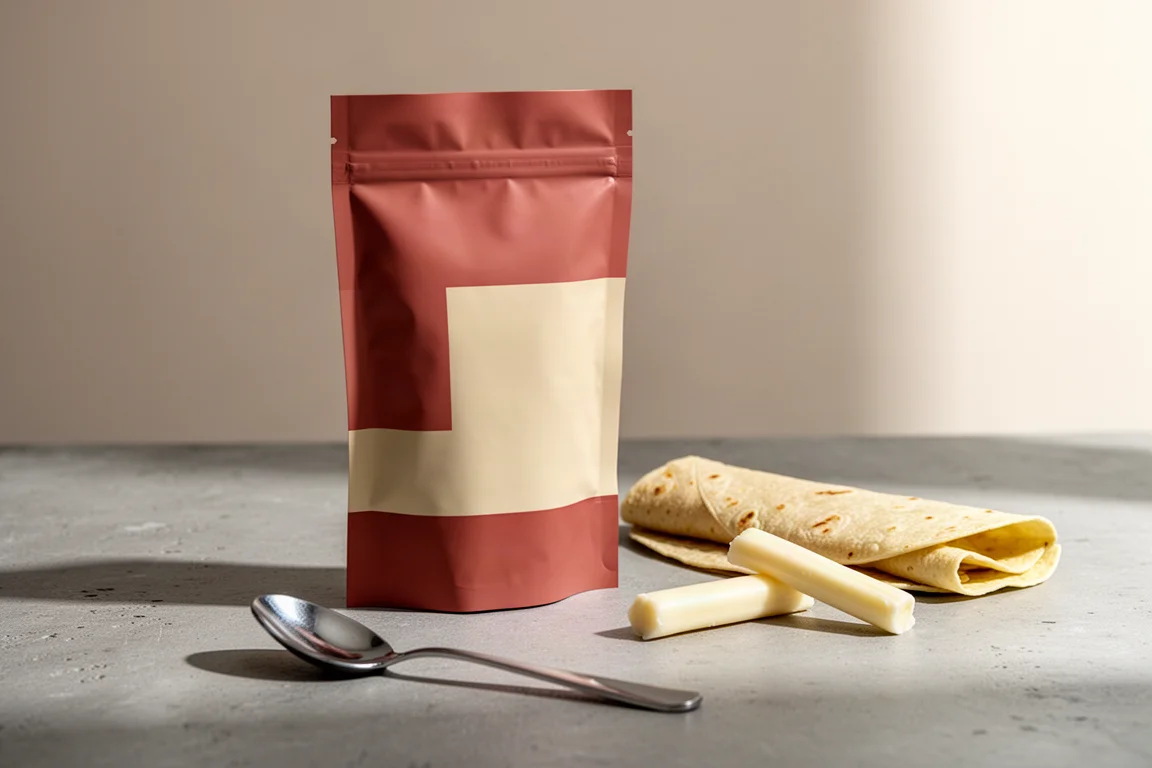
Not every trail meal needs a stove. StarKist Creations Buffalo Style Chicken comes in a ready-to-eat pouch that can be spooned straight onto a tortilla for a fast lunch with no cooking and no cleanup. It also pairs well with a stick of string cheese, and peanut butter on a tortilla makes a solid alternative when you want something simpler still.
A couple of resealable bags and a trash bag for packing out waste are worth adding to the food bag, since pouch meals generate more packaging than most people expect.
Water Treatment: Potable Aqua Tablets
Water planning depends heavily on terrain. In desert country there is often nothing to filter, so carrying capacity becomes the priority, and roughly a gallon per person per day is the usual guide. Where water is available, a filter handles most general treatment needs in the United States, though it will not deal with viruses, which matters for international travel.
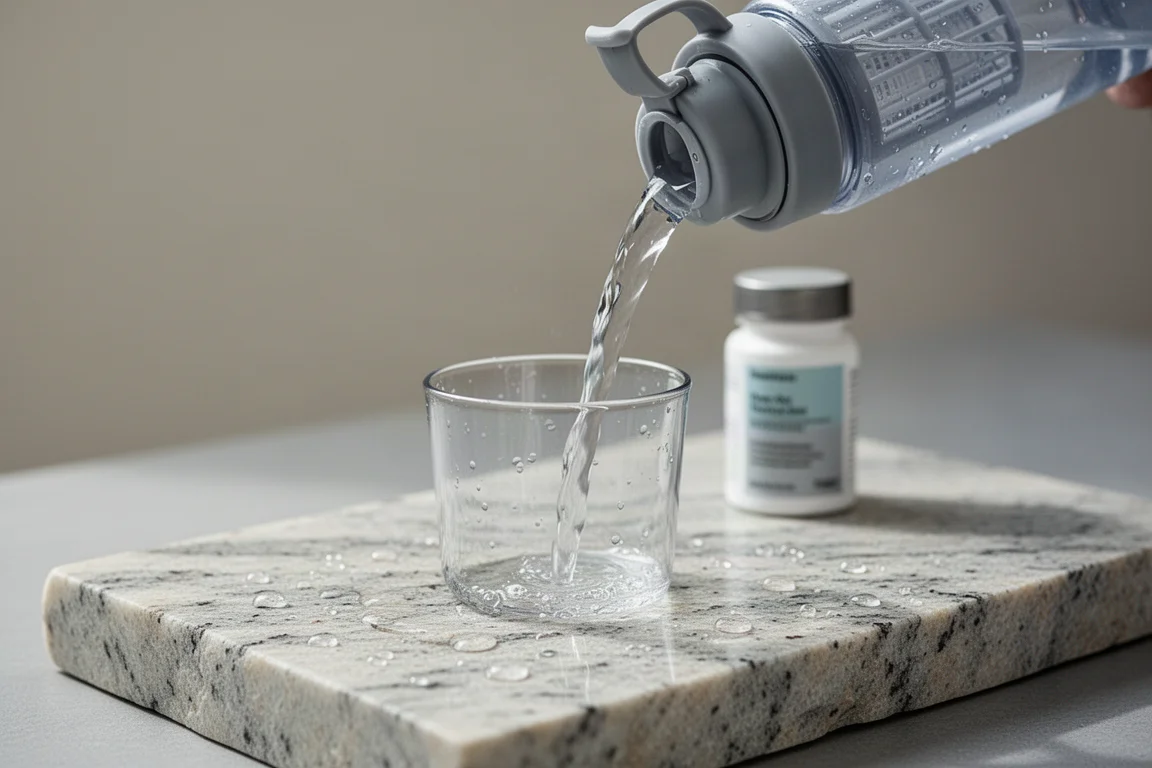
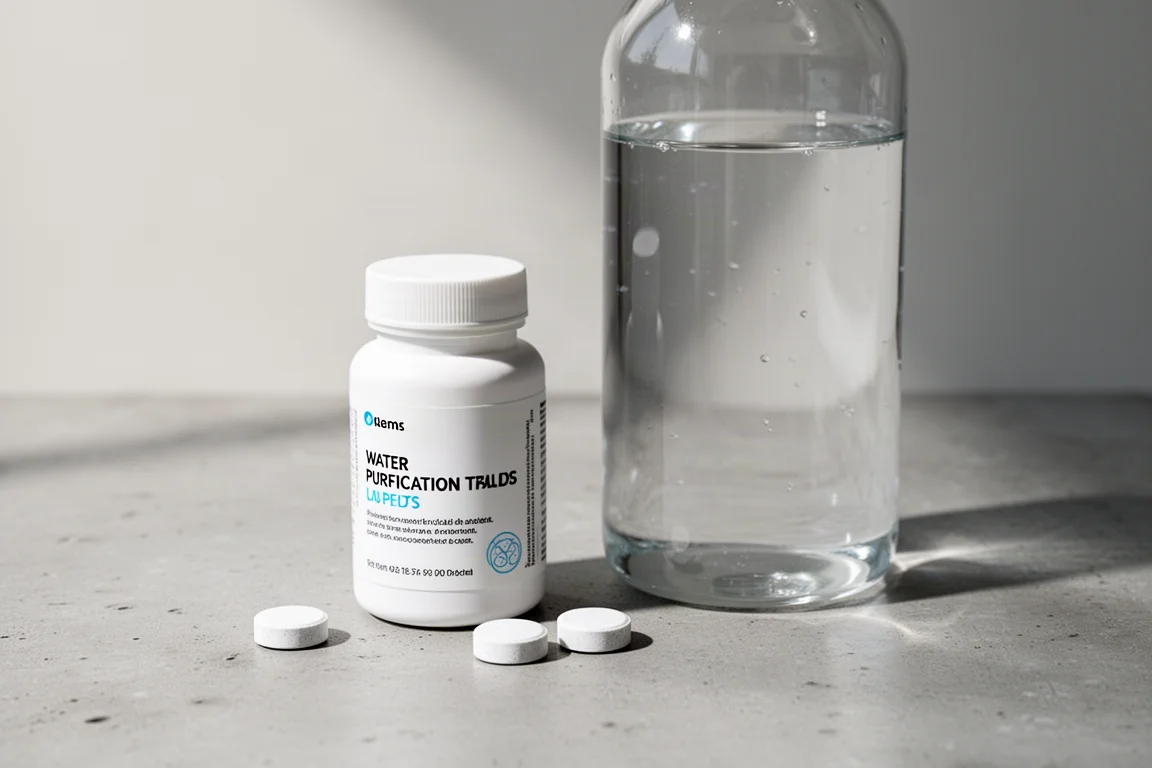
Potable Aqua tablets are germicidal water purification tablets that work as a backup if a filter fails. Drop them into water, wait a few minutes, and the water becomes safe to drink. They do not remove sediment, so letting cloudy water settle or pre-filtering it first still helps. They are small, light and easy to keep in a pack as insurance for exactly the moment a filter stops cooperating.
Matching Gear to Trip Length and Terrain
A few variables shape what actually goes into the pack. A desert route with no reliable water source calls for more carrying capacity and a treatment backup, while a mountain route with frequent streams may need only a filter. Trips where you plan to cook need a stove, fuel canister and pot, and canister stoves and alcohol stoves are the common choices. Rehydrating food without heat is possible, but it is not a pleasant way to eat.
Footwear is the item most likely to make or break a hike. New boots should be broken in before a trip, and any shoe or boot used on the trail needs good tread. A headlamp with a red light setting is more useful at night than a flashlight alone, because red light preserves night vision. A small multi-tool with pliers, scissors and a blade covers running repairs and stubborn knots. A medical kit should be stocked with supplies you actually know how to use, since trauma gear you have never trained on is just extra weight.
Buying Advice
These four picks sit at different points in the budget, which makes them easy to add one at a time rather than all at once. The navigation app is an annual cost rather than a piece of hardware, so it is the least expensive way to improve route planning and on-trail confidence. Water purification tablets cost very little and cover the failure of a filter, which is sensible redundancy on any trip where water sources are uncertain.
The two food items are consumables. Buying a small quantity first is the smart move, so you can confirm you like the flavors before committing to a full resupply for a longer trip.
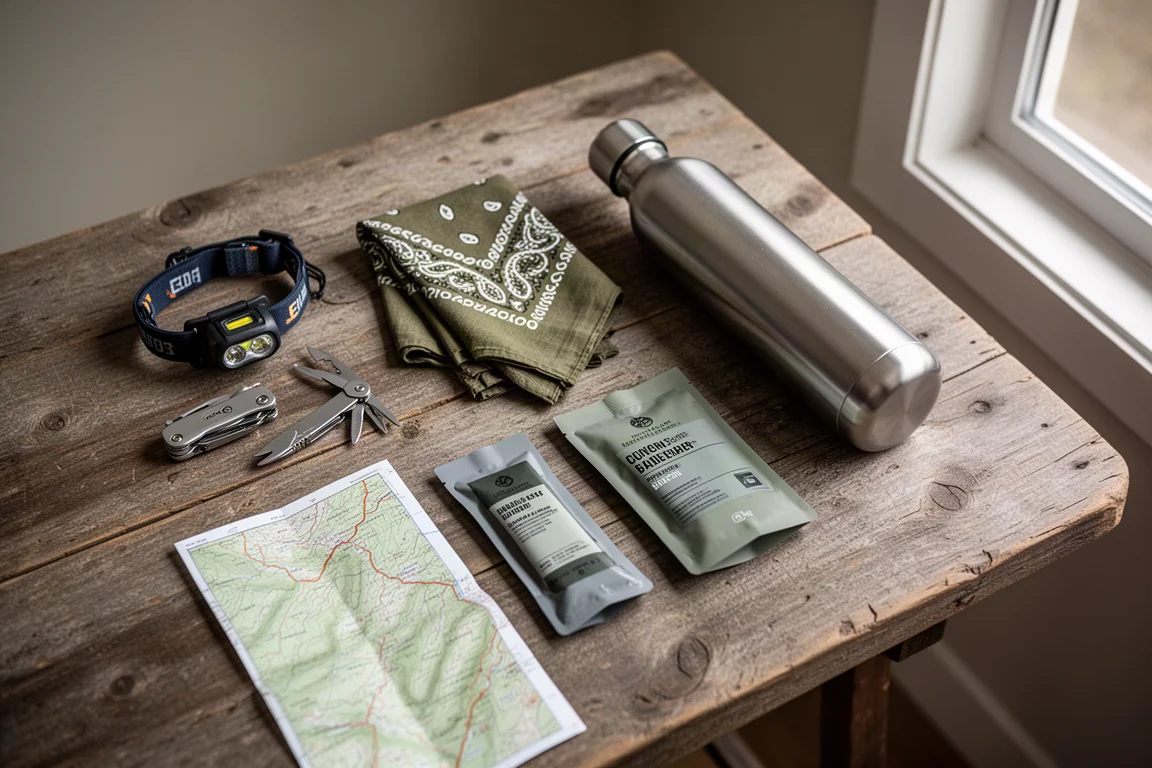
As a group, these four items are a reasonable starting point for anyone building a first backpacking kit. Pair them with a weather-worthy shelter, a properly rated sleep system and a backpack that fits both, and the rest of the list becomes far less intimidating.
Conclusion
The order of purchase matters as much as the list itself: shelter, then sleep system, then backpack, with navigation, food, water treatment, light, tools, medical supplies and footwear filling in around them. The four items here each solve a specific problem on the trail, and none of them demand a large upfront commitment. Start with the shelter and the sleep system, then let the rest of the kit follow at its own pace.
Further reading
Related Reviews

Backpacking Gear
Building a 10 lb Base Weight: An Ultralight Backpacking Gear List
A practical walkthrough of the ultralight pieces behind a 10 lb base weight, from a 765 g pack and a roomy one-person tent to a full camp chair and a dependable water filter.
Backpacking Gear
A 15-Pound Lightweight Backpacking Gear List for Solo Trips
A beginner-friendly 15-pound backpacking setup built from easy-to-find gear, with notes on what each piece does, how it packs, and where to spend your attention.
Backpacking Gear
8 Ultralight Backpacking Gear Upgrades Worth Carrying
Eight small, affordable backpacking upgrades that solve real trail annoyances, from a pillow that stays put to a fuel valve that rescues leftover canister gas.