Audiophile Accessories
Essential Audiophile Accessories: 8 Upgrades That Make Listening More Enjoyable
Eight practical audiophile accessories covering quiet cooling, power, interconnects, racks, isolation, and desk charging, with the trade-offs worth checking first.
Introduction
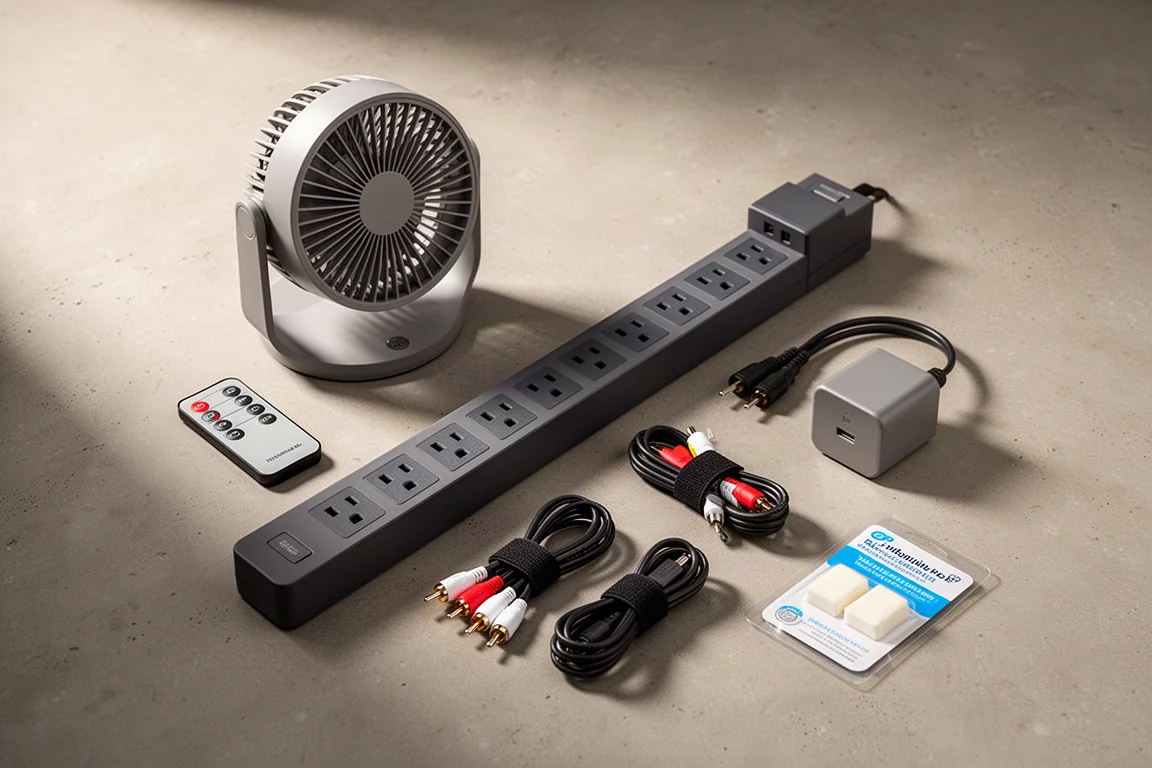
Most of the gear in a hi-fi or home theater system is there to make sound. A smaller group of accessories exists for a different reason: to remove the small annoyances that get in the way of enjoying it. The eight items below belong to that second group. They cover cooling, power, cabling, support, isolation, and desk charging, and most of them cost far less than a single component upgrade.
This is a practical list rather than a ranking. Each entry explains what the product does, where it fits in a system, and what is worth weighing before you buy.
What Makes a Good Audiophile Accessory
A useful accessory usually solves one specific problem rather than promising a wholesale change in sound. Noise in the room, a shortage of outlets, cables that are the wrong length, a rack that flexes under weight, or a small component that slides across a desk are all real friction points, and they are exactly the kind of thing a well-chosen accessory removes for good.
The items on this list share a few traits. They are simple, they are easy to install, and most of them cost a fraction of what a component upgrade costs. Several also fall into a category some listeners treat as insurance: you may not be able to prove an audible benefit, but the build quality and the protection are worth having on their own.
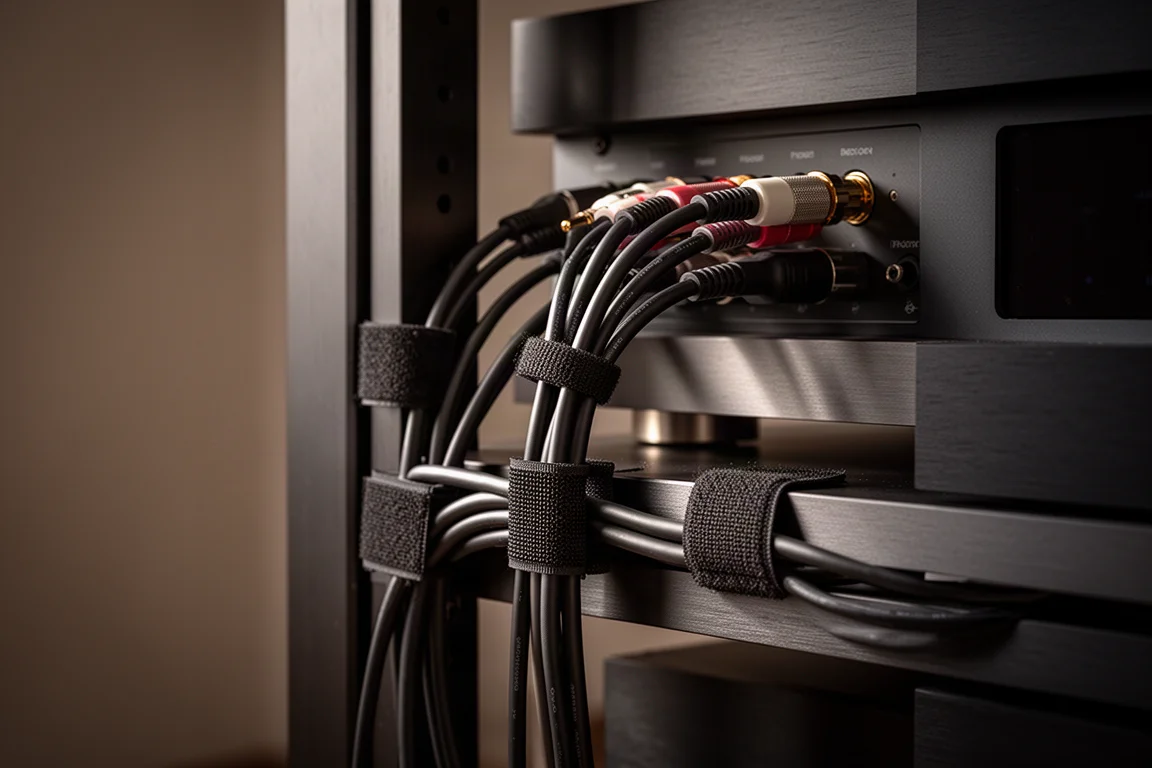
Cost and complexity matter as much as the claim on the box. A short cable that fits properly and stays connected is more useful than an exotic one that does not, and a power strip that is solidly built and safely laid out does its job whether or not it changes what you hear.
Polonius Quiet Fan: Quiet Airflow for Listening Rooms
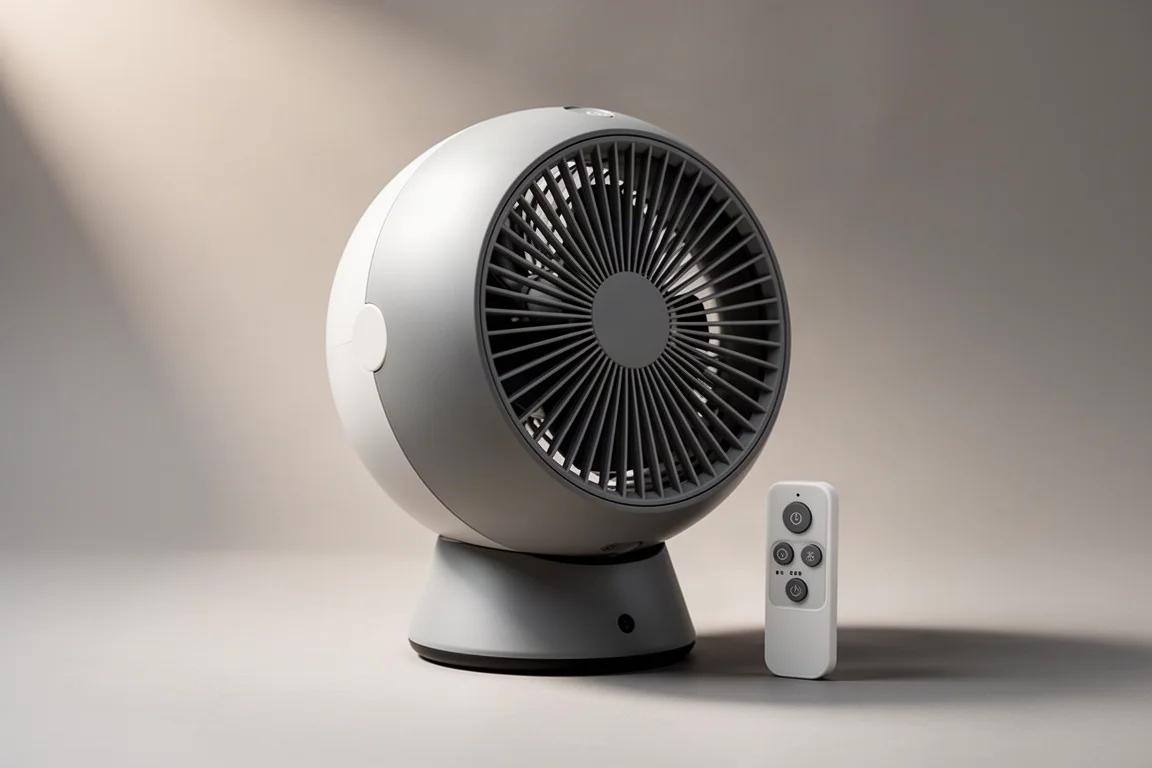
A fan is not audio gear, but it addresses a problem that shows up in every listening room during warm months. The Polonius Quiet Fan is built around very low noise output, which is the whole point when the room needs airflow and the system is playing. Moving air should not add a hiss or hum that sits underneath the music.
It ships with a remote control, so speed changes do not require getting up in the middle of an album. Pricing sits around $70, and it goes on sale occasionally, which puts it in the same range as a modest cable upgrade but with a benefit you notice immediately in summer.
Amazon Basics 12-Outlet Power Strip: Outlet Capacity Without Clutter
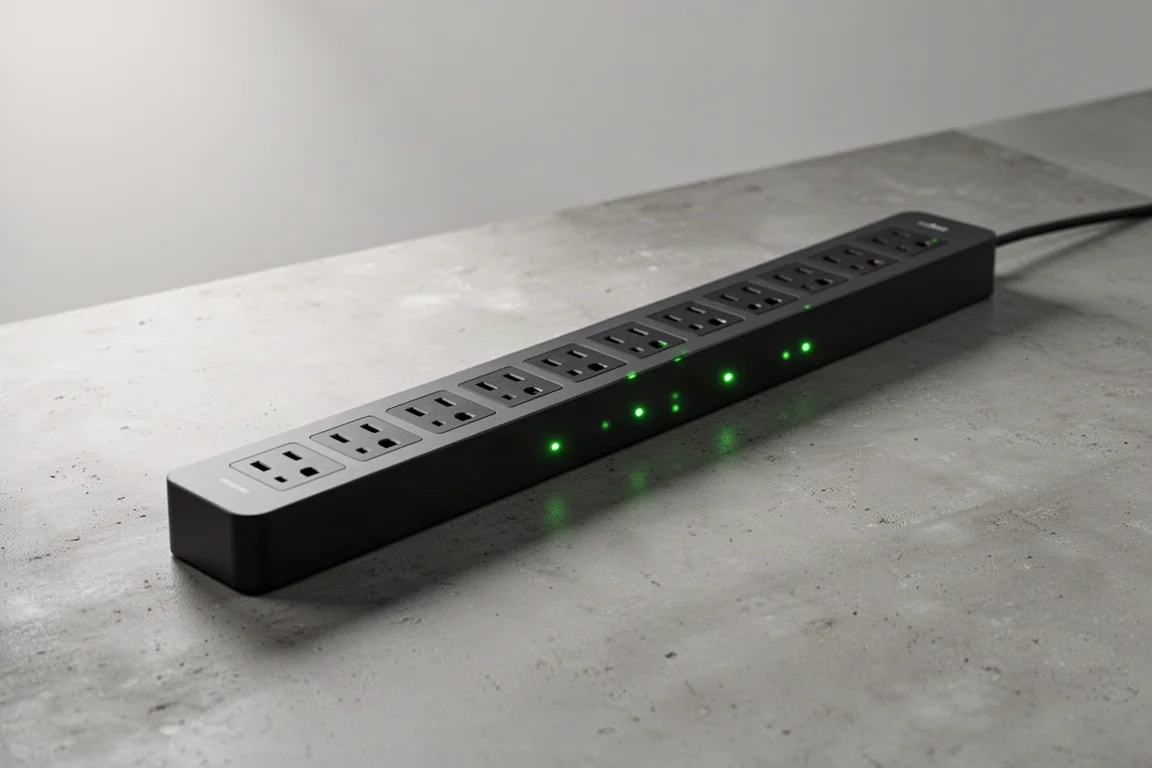
Most systems outgrow the wall outlet long before they outgrow the room. This strip provides 12 outlets in a single housing, which is enough for a receiver, a streamer, a DAC, a turntable, a small amplifier, and the assortment of wall warts that come with them.
When it is powered, green LEDs around the body glow, so it is easy to confirm at a glance that everything is live. The housing also takes adhesive hook-and-loop tape well, and the hold is strong enough to keep the strip fixed in place once it is pressed onto a surface.
That mounting flexibility is a bigger deal than it sounds. Once the strip is fixed to the underside of a shelf or the side of a rack, cable runs get shorter and tidier, and there is far less chance of a plug working loose behind a heavy component.
Furman M-8x2: Power Conditioning and Protection
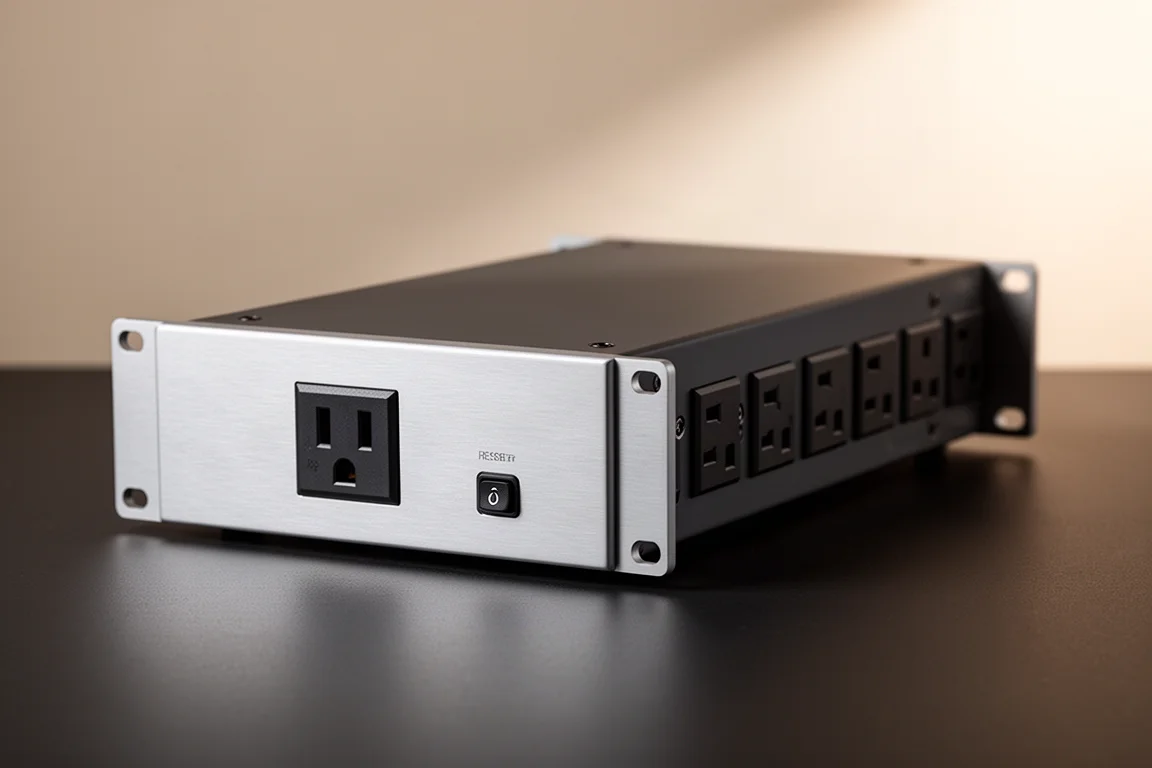
The M-8x2 looks like a power strip, and in basic terms it is one, but it adds power conditioning to the package. It is also built from metal, which gives it a sturdier feel than most consumer strips, and it includes a reset button on the front panel.
The outlet layout puts one socket on the front face and the rest on the rear, with nine outlets in total. The front outlet is convenient for a temporary connection, while the rear row keeps permanent components organized and out of the way.
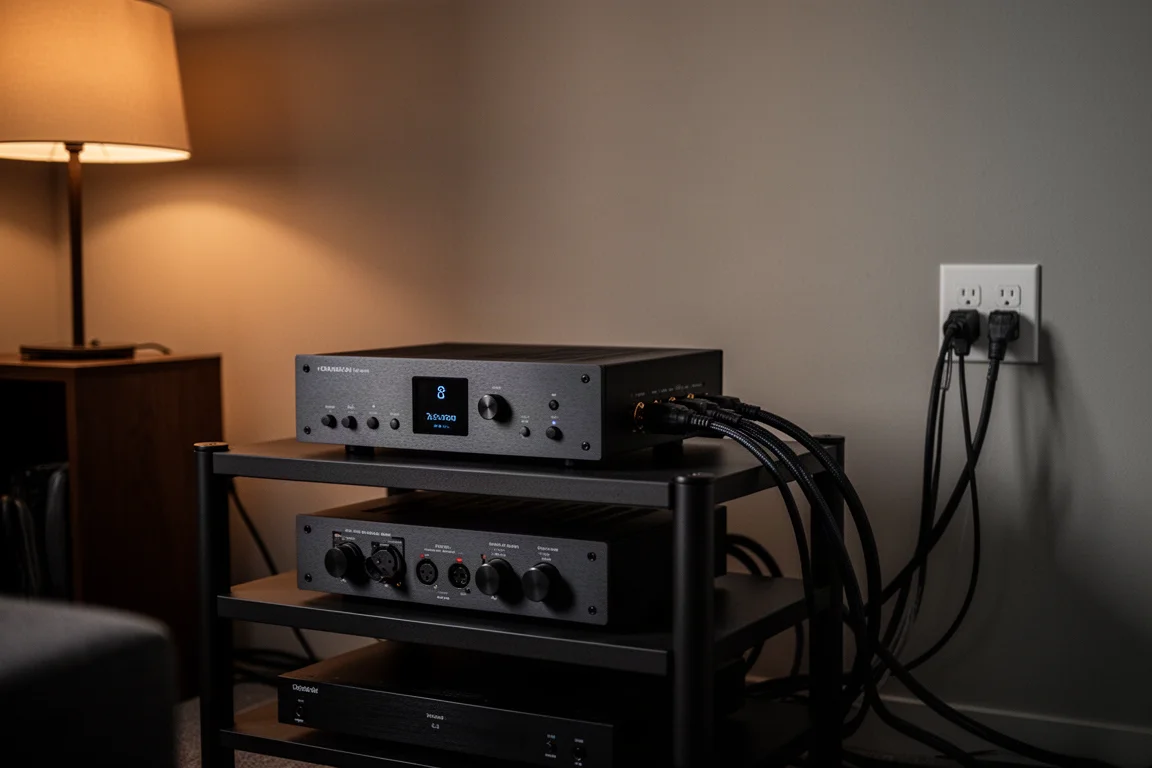
Pricing on this model has moved over time. It was once available for around $60 to $65 and now sits closer to $120, which changes the calculation somewhat. Even so, the metal chassis and the conditioning make it a reasonable middle ground for listeners who are not prepared to spend several hundred dollars on a dedicated power conditioner.
World’s Best Cables Canary RCA Cables: Directional Signal Paths
RCA interconnects are one of the least glamorous purchases in a system and one of the easiest places to spend more than necessary. The Canary cables are directional, meaning the shield is tied at one end and the cable is intended to be installed in a specific orientation.
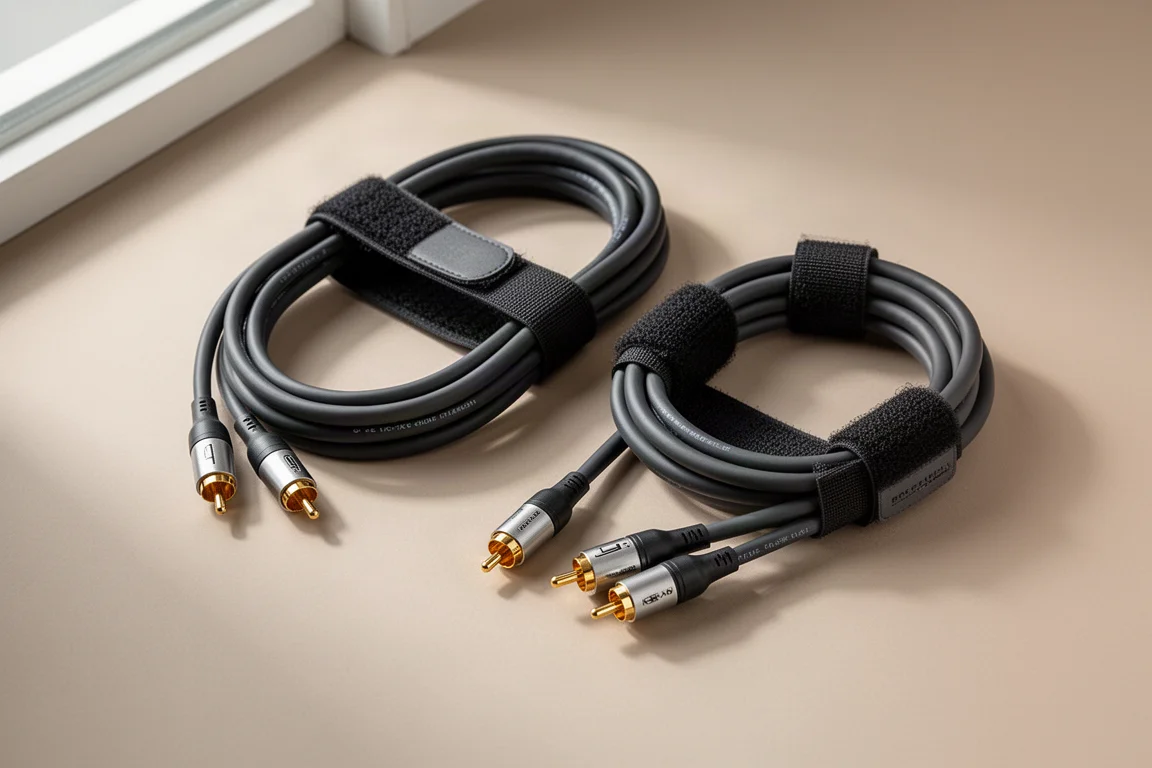
They arrive with hook-and-loop straps and are sold in several short lengths, including one foot, one and a half foot, and two foot options. Short, correctly sized cables are a genuine benefit inside a rack, because they cut down on the slack that otherwise has to be bundled and hidden.
At roughly $20, these are best understood as inexpensive insurance. Whether they change what you hear is open to debate, but they are nicely made and have a record of staying reliable.
Mogami RCA Cables: The Alternative from the Same Maker
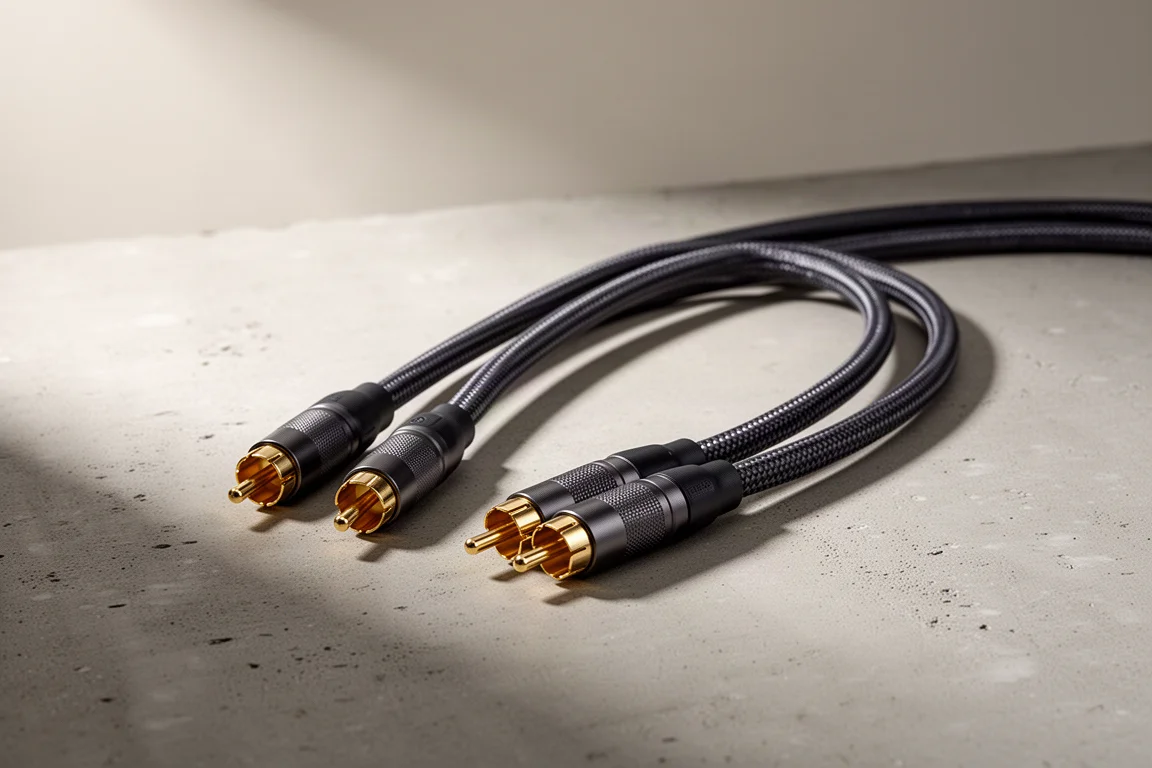
The same company also offers a Mogami version of its RCA interconnects. The reasoning behind choosing it is the same as with the Canary version: reasonable cost, solid construction, and a cable that is unlikely to be the weak point in a system.
If you are deciding between the two, the practical differences come down to the specific cable and the length you need rather than a dramatic change in character. Either way, buying a short, well-terminated pair is a sensible way to tidy up the back of a rack.
Vulcan Stereo Rack: A Simple, Well-Built Foundation
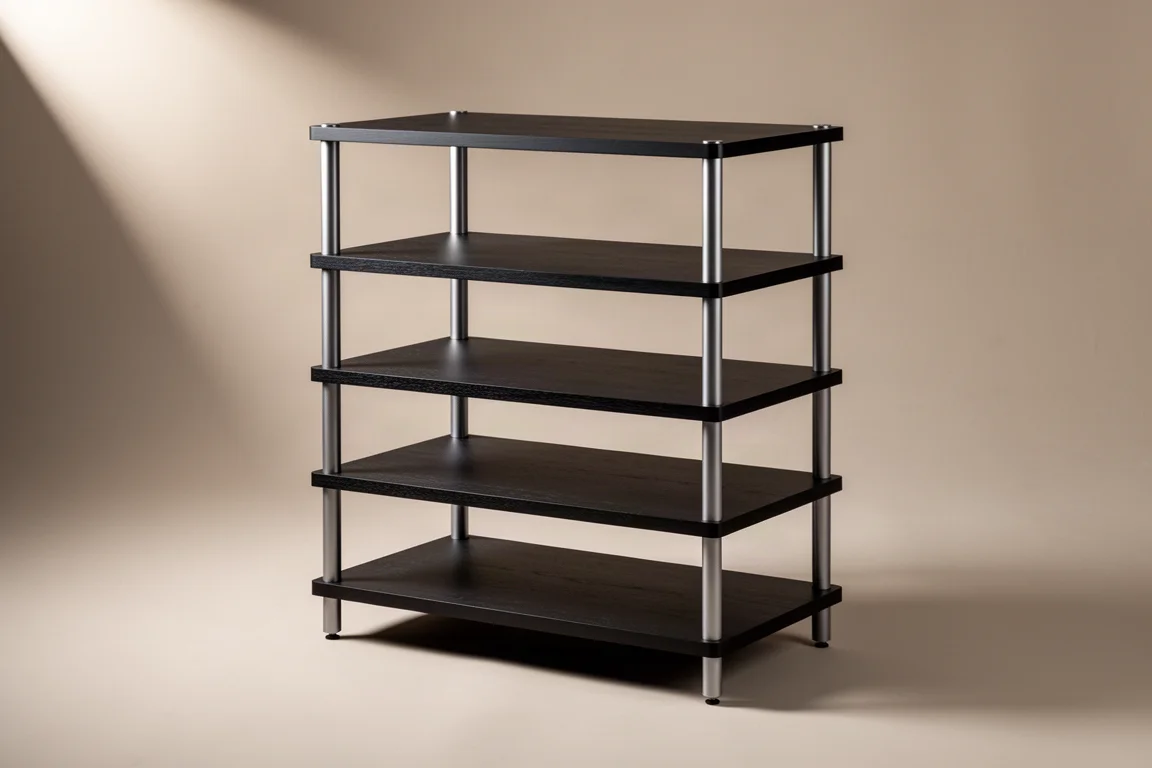
A rack has one job: hold the components securely, in a way that keeps them accessible and stable. The Vulcan Stereo Rack does that with a straightforward design that is notably well built. A four-shelf version runs about $199, and a five-shelf version is around $250.
The racks are expandable, so a system that grows over time does not mean starting over, and casters can be added to the base for easier positioning. That combination of simplicity, expandability, and build quality is what makes it worth considering over cheaper pressboard racks with a similar look.
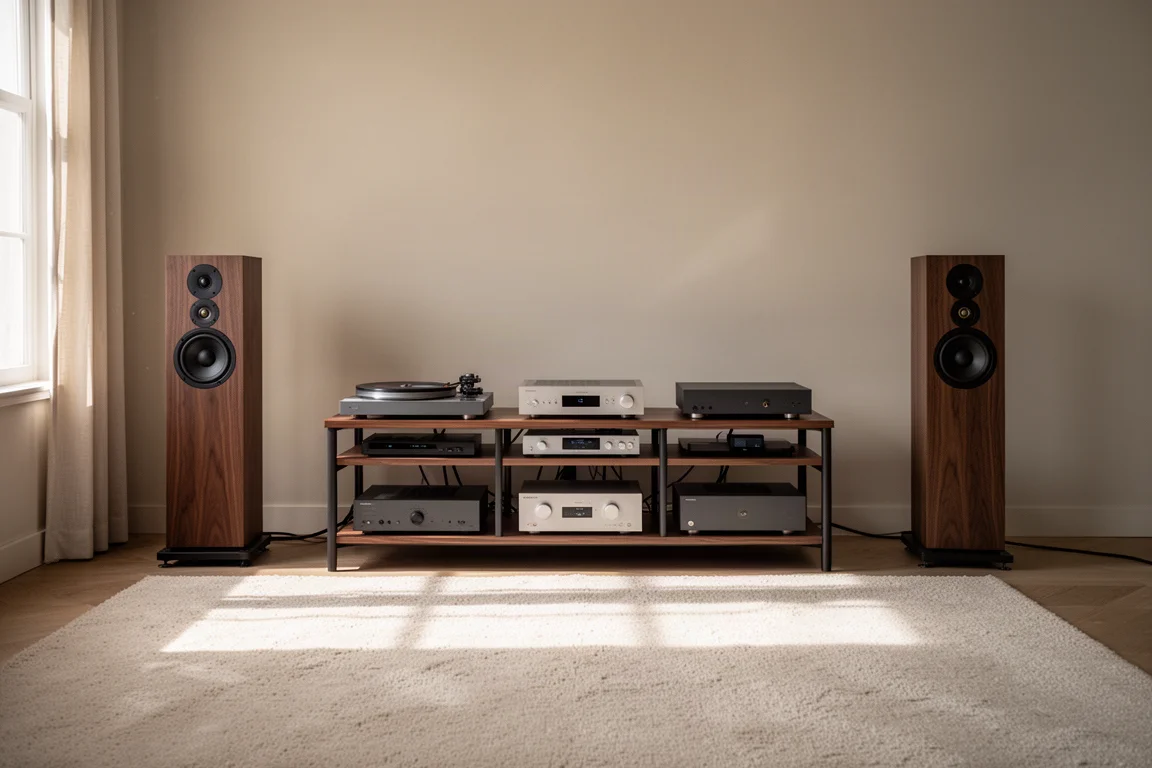
For listeners with smaller components, such as compact class D amplifiers or a small streamer, the lower shelves of a rack like this make a natural home. It is the kind of furniture you buy once and stop thinking about, which is the highest compliment a rack can receive.
Blu-Tack: Cheap Isolation and Grip
Blu-Tack is the least expensive item here by a wide margin, and it earns its place through versatility. A small amount of the putty keeps lightweight components from sliding around on a desk or shelf, which matters more than expected once a stack of small boxes and a streamer share the same surface.
It can also be used between speaker stands and speakers as a form of coupling and isolation, and it holds small items together when nothing else will. A pack of twelve runs about a dollar, so it is easy to keep a supply on hand.

Anker PowerCube: Fast Charging at the Desk
Desk setups accumulate chargers, and the Anker PowerCube is a compact way to handle them. It provides higher amperage 5 volt charging on the top face, so phones and other 5 volt devices charge quickly rather than trickling along.
That makes it a good fit for a listening desk where a phone, a tablet, or a small accessory needs power without adding another brick to the outlet strip. Keeping charging separate from the audio outlets also leaves the power strip free for components.

Buying Advice
Start with the problems you actually have. If the listening room gets uncomfortable in summer, quiet airflow is the first thing to fix. If outlets are scarce, a high-count strip solves it for very little money. If the back of the rack is a tangle, short interconnects and a mounting-friendly strip will do more for day-to-day usability than any single upgrade.
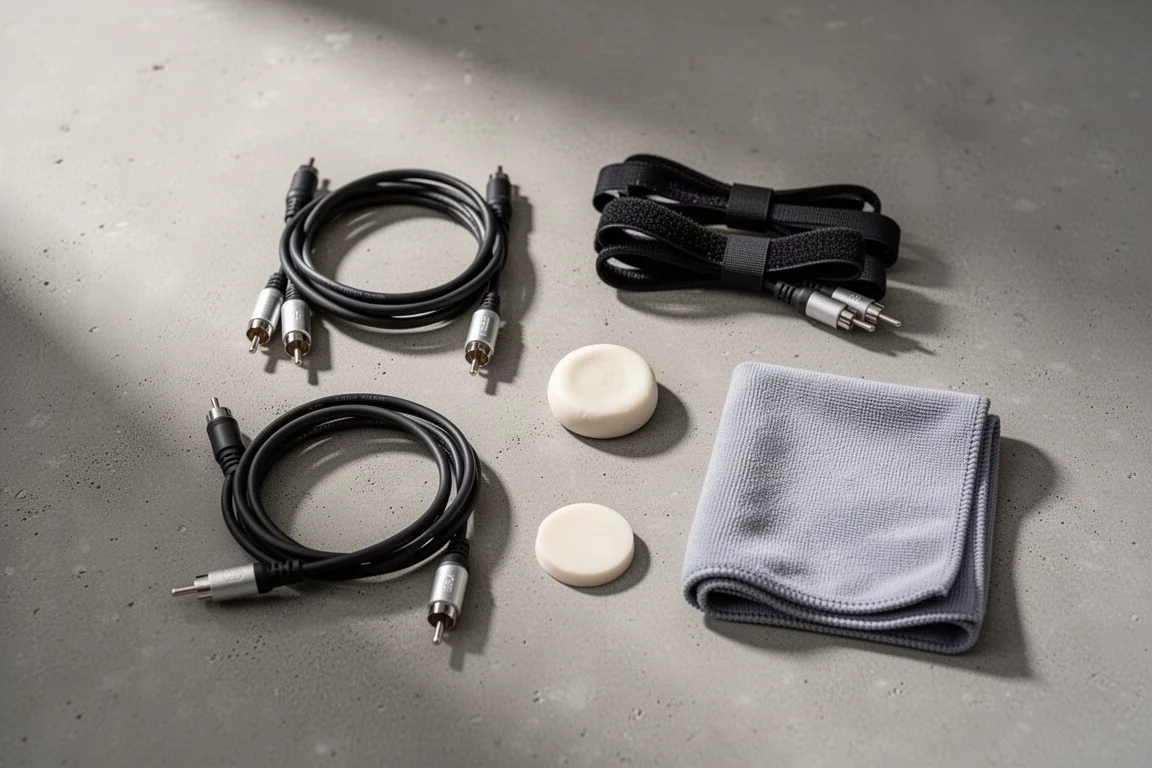
Beyond that, the case for power conditioning and for premium interconnects comes down to how much you value insurance. A metal-bodied conditioner with a reset button is defensible on build quality alone, and short directional cables at around $20 are a small outlay for a tidy, reliable signal path.
Support and storage round out the list. A well-built rack protects everything sitting on it, and inexpensive items such as putty and short straps handle the small problems that are otherwise tedious to solve.
Conclusion
None of these accessories will transform a system on its own. What they do is remove the small obstacles that keep you from settling in and listening. Quiet cooling, conditioned power, tidy cabling, a solid rack, and a charging point at the desk all add up to a setup that is easier to use and easier to enjoy.
Further reading
Related Reviews

Backpacking Gear
Building a 10 lb Base Weight: An Ultralight Backpacking Gear List
A practical walkthrough of the ultralight pieces behind a 10 lb base weight, from a 765 g pack and a roomy one-person tent to a full camp chair and a dependable water filter.

Road Bikes
10 New Road Bikes Worth Watching: Aero, Titanium, Steel and Endurance Standouts
A practical roundup of 10 new road bikes, from aero flagships chasing single-watt gains to titanium, steel and endurance platforms built for real roads.

Bikepacking Gear
11 Bikepacking Essentials for Long-Distance Cycling
Eleven bikepacking essentials for long-distance cycling, from a steel gravel frame and a two-person tent to helmet lights, packable gloves, and a frame bag that puts weight in the right place.