Aviation
Epic E1000 AX Review: A Single-Engine Turboprop That Climbs Like a Rocket
A hands-on look at the Epic E1000 AX, a 1,200-shaft-horsepower single-engine turboprop with a refined Garmin flight deck, strong climb performance, and easy ground handling.
Introduction
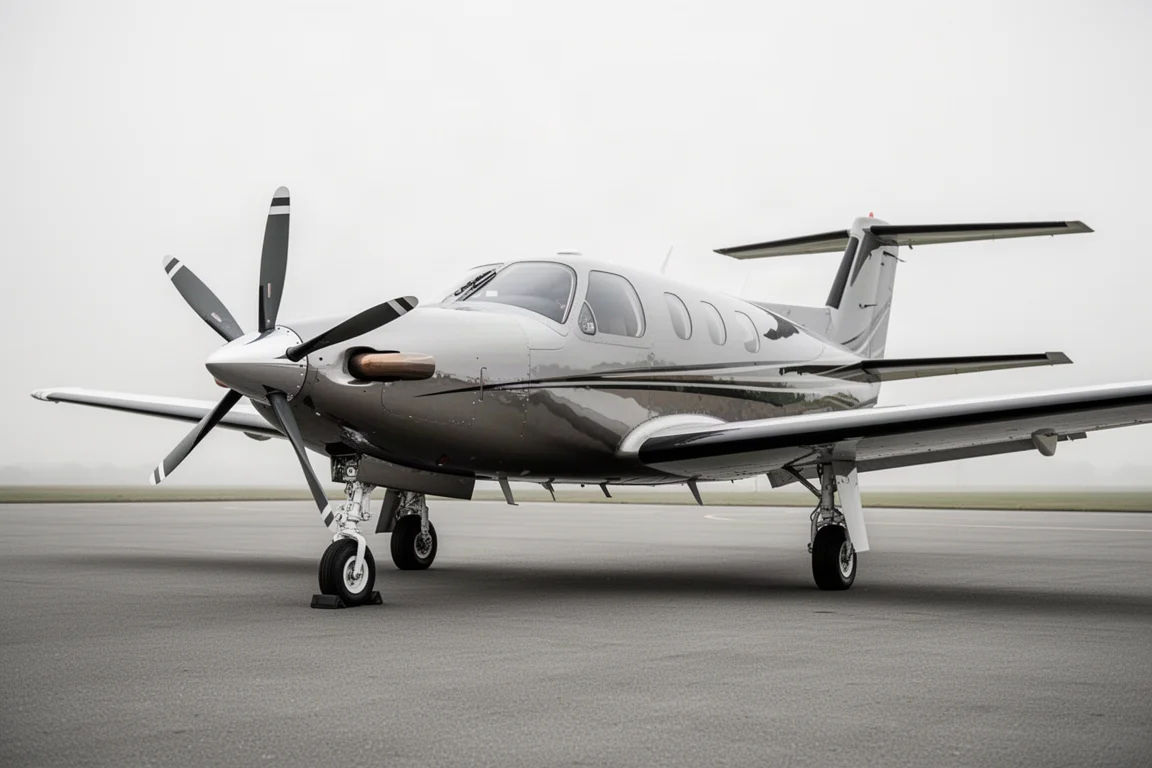
The Epic E1000 AX made a memorable impression during a flight from Oshkosh AirVenture to Chippewa Valley Regional Airport in Eau Claire, Wisconsin. This is a single-engine turboprop built in Bend, Oregon, powered by a Pratt & Whitney PT6A-67A producing 1,200 shaft horsepower at takeoff, and it pairs that output with an impressively refined flight deck and tight, responsive handling.
What follows is an honest account of what it is like to start, taxi, fly, and land this airplane on a real cross-country trip, including weather avoidance, an instrument approach, and the small details that make the whole experience feel polished.
First Impressions
Sitting in the cockpit, the layout immediately makes sense. The top-center area, which the crew calls “the wedge,” holds the master cautions and warnings along with gear position, and it is treated as the most important annunciator in the panel. The aircraft runs the newest version of the Garmin integrated flight deck software, shared across Garmin’s integrated flight decks, with modern features such as taxiway routing, 3D taxi, and a heading sync bug that keeps the heading bug aligned while flying manually.
Before takeoff, pressing and holding the TOGA button turns the takeoff configuration check into a simple red-or-green display in the wedge, so anything out of place shows up while you are still waiting on the ground. Startup itself is a straightforward left-to-right flow on the switches, with fuel pumps, igniter, and starter generator, followed by monitoring NG and ITT for a normal start.
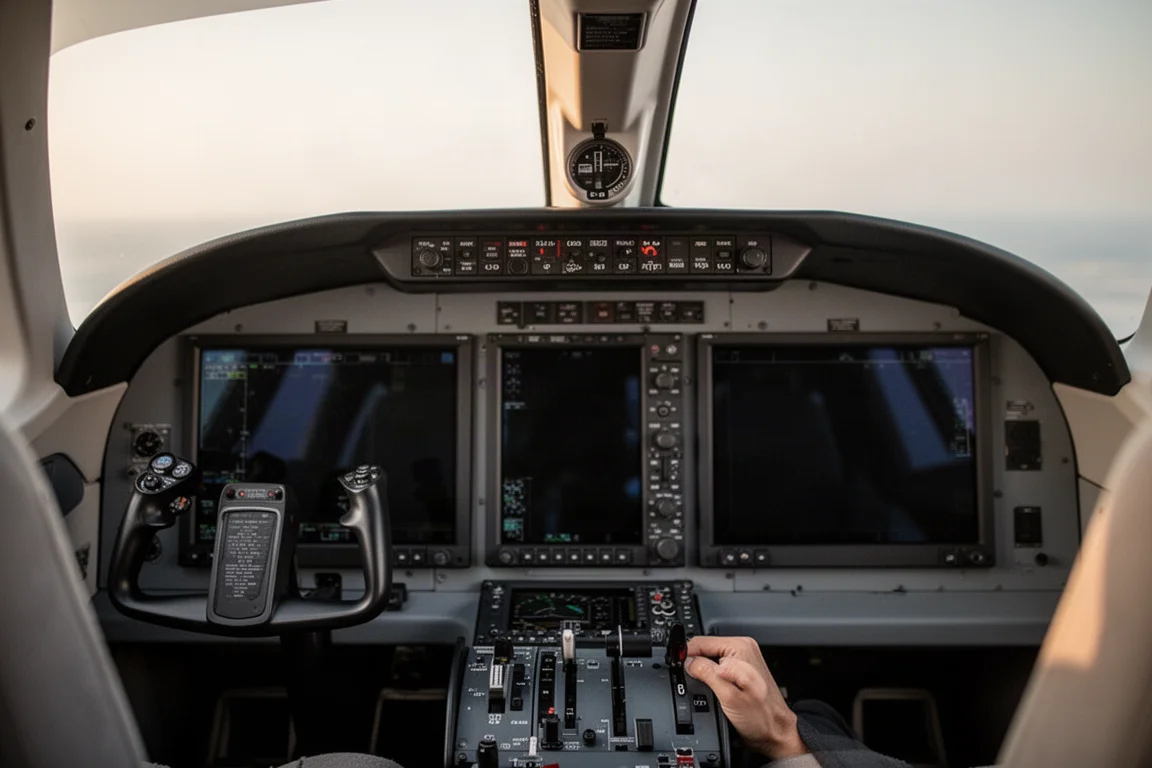
Small touches stand out. The aircraft uses lithium-ion batteries that can report low after long time sitting on battery power, but they recharge in a few minutes. An automatic fuel selector keeps the tanks perfectly balanced on its own. Hidden test buttons under a lifted panel let you run a stall test to verify the pusher and shaker, and a trim reset button covers a trim runaway scenario.
Climb Performance
If there is one place where the E1000 AX earns its reputation, it is climb. After takeoff, the airplane pulls forward aggressively once the autothrottle is armed and takeoff power is set, and the rotation comes at around 85 knots with the aircraft feeling, as one observer put it, like a rocket ship. Climbs were flown using flight level change mode, with the autothrottle holding climb power and torque bugs indexed to the selected RPM.
The comparison that came up in flight was straightforward: the PT6A-67A here is essentially the same engine family found in certain Pilatus aircraft with a different accessory case, but the E1000 AX carries only the weight of a TBM, so the power loading works strongly in its favor. Climbing to 13,000 feet and then to flight level 220, the performance stayed impressive the entire way up, and an automatic yaw damper comes on so you can relax your feet off the rudder pedals.
Flight Deck and Automation
The Garmin suite in this airplane is genuinely modern, and the automation is easy to trust once you understand its logic. Flight plan setup was done in advance and sent straight to the panel, and altitude pre-selector, altimeter, and departure settings fall into place quickly. When handed a vector, entering the heading and pressing flight level change is all it takes.
The weather radar lives on the right wing, and the display overlays predicted lightning strike likelihood markers that aligned well with NEXRAD during the flight. SmartGlide runs continuously, recommending which airport to aim for, and a glide advisor is built into the same picture. The auto-level feature is a useful safeguard: if you are unsure what the automation is doing, you can command straight and level, and the autopilot engages.
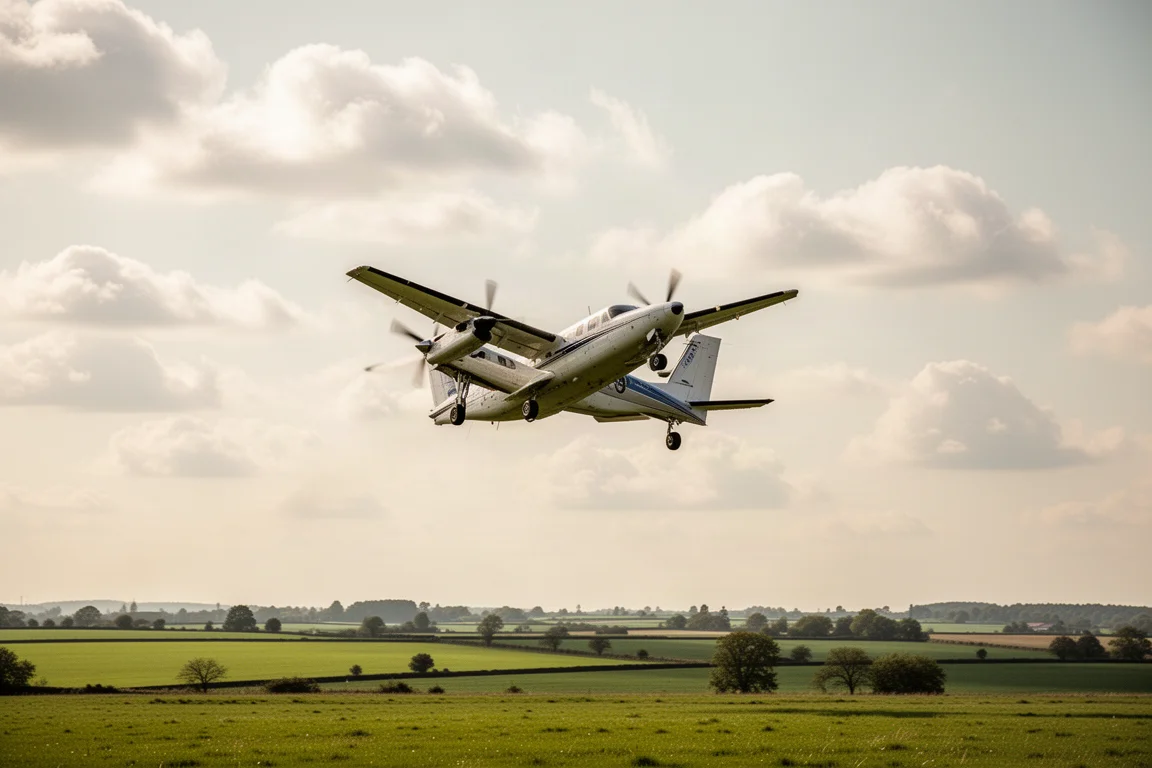
Hand flying is a highlight. The controls fit the hand very well and the response feels tight and precise, described in-flight as flying a little Ferrari. On the ground, the rudder pedal steering is equally tight and smooth. Cruise options include a normal and max cruise setting, or you can disconnect the autothrottle and pick a fuel flow that gives the fuel-over-destination reserve you want. During descent into weather, backing the autothrottle down to a slower speed keeps things comfortable for passengers, and at lower torque settings the igniters come on automatically.
Approach and Landing
The flight finished with an RNAV approach to runway 4 at Chippewa Valley Regional. Loading the approach from the procedures menu, selecting the initial approach fix, and setting minimums took only a moment, and charts came up on the display for a quick cross-check. The final approach was hand flown with the autothrottle still managing speed at about 100 knots, a couple of knots above the 95-knot reference speed, with full flaps set at 120 knots.

Gear extension brought “three green” confirmation, and the trailing link landing gear paired with the precise hand flying made the flare feel natural. The 9-foot prop pulls the nose left in the flare, so anticipating right rudder input helps, and the autothrottle is held rather than pulled back all the way until touchdown. After landing, cleanup is simple: flaps up, then pitot heat and landing light off, and the progressive taxi display guides you to parking.
Things to Consider Before Buying
The E1000 AX sits firmly in the premium single-engine turboprop category, so it is an airplane for buyers with a serious mission in mind. Training is handled at the factory training center in Bend, Oregon, which keeps the ownership path consistent with the aircraft itself. The automation is capable, but as with any modern glass cockpit, the value comes from understanding what each mode is doing and verifying the airplane is doing what you commanded.
Single-pilot operation is clearly the design intent, and features like the automated before-takeoff check, automatic fuel balancing, and SmartGlide all reduce workload for one person up front.
Buying Advice
For pilots moving up from smaller single-engine aircraft or stepping out of a TBM-class machine, the E1000 AX offers an unusually strong combination: 1,200 shaft horsepower, a light airframe, a current-generation Garmin flight deck, and handling that is sharp both in the air and on the ground. The climb performance alone sets it apart in the segment. Anyone considering it should plan on factory training and take a demonstration flight, because the way it fits your hand and the way it climbs are the two things that make the biggest impression in person.
Conclusion
The Epic E1000 AX delivered one of the most enjoyable flights in a long time: an effortless startup flow, a dramatic climb, confident weather avoidance, a stable hand-flown approach, and a smooth landing. For a single-engine turboprop made in Bend, Oregon, it is a compelling and well-rounded package that earns a strong recommendation.
Product link
View more details for Epic E1000 AX
This product is mentioned in the review. Check the specifications, options, and compatibility before buying.
View more details for Epic E1000 AXFurther reading
Related Reviews
Aviation
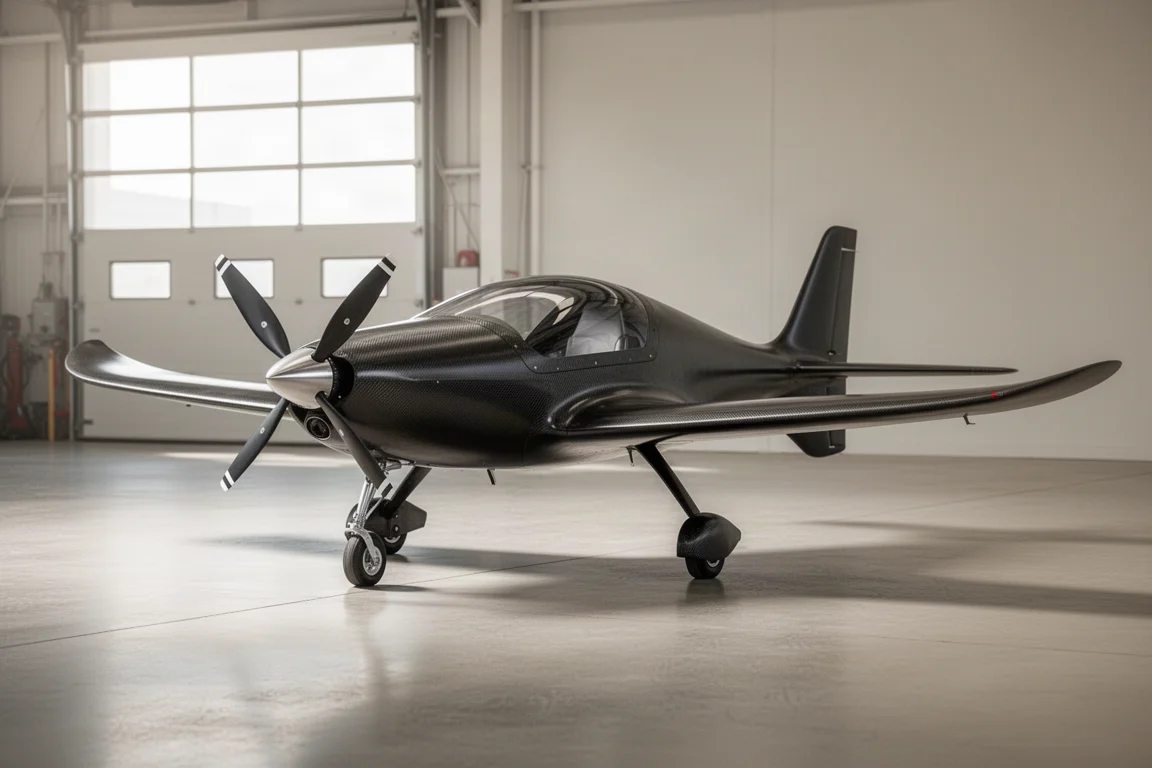
Aero Technics ACH 212 Solo Review: A Carbon Fiber Solo Kit Aircraft You Can Build Fast
A nearly 30-year-old Czech design still offered only as a kit: 90% carbon fiber, quick-release wings, a 350 to 400 hour build, and performance that surprises.
Aviation
Aeropilot: The 80% Scale Cessna-Style Light Sport Aircraft Winning Over Flight Schools
A full-carbon, two-seat light sport aircraft modeled after the Cessna 182, with a larger cabin, big climb performance, and fuel burn that flight schools love.
Aviation
Aeropro A22 and A32: Two Light Sport Aircraft Worth a Close Look
A side-by-side look at the Aeropro A22 and A32, covering performance, pricing, customization, and what buyers should know before ordering.