Cycling Wheels
Enve SES Wheelsets 2026: Four Carbon Aero Options Compared
Enve revamps its SES carbon wheelset range with four disc-brake, tubeless, wide-tire-ready options, from the 1,197 g climbing-focused 2.3 to the flat-road 6.7.
Introduction
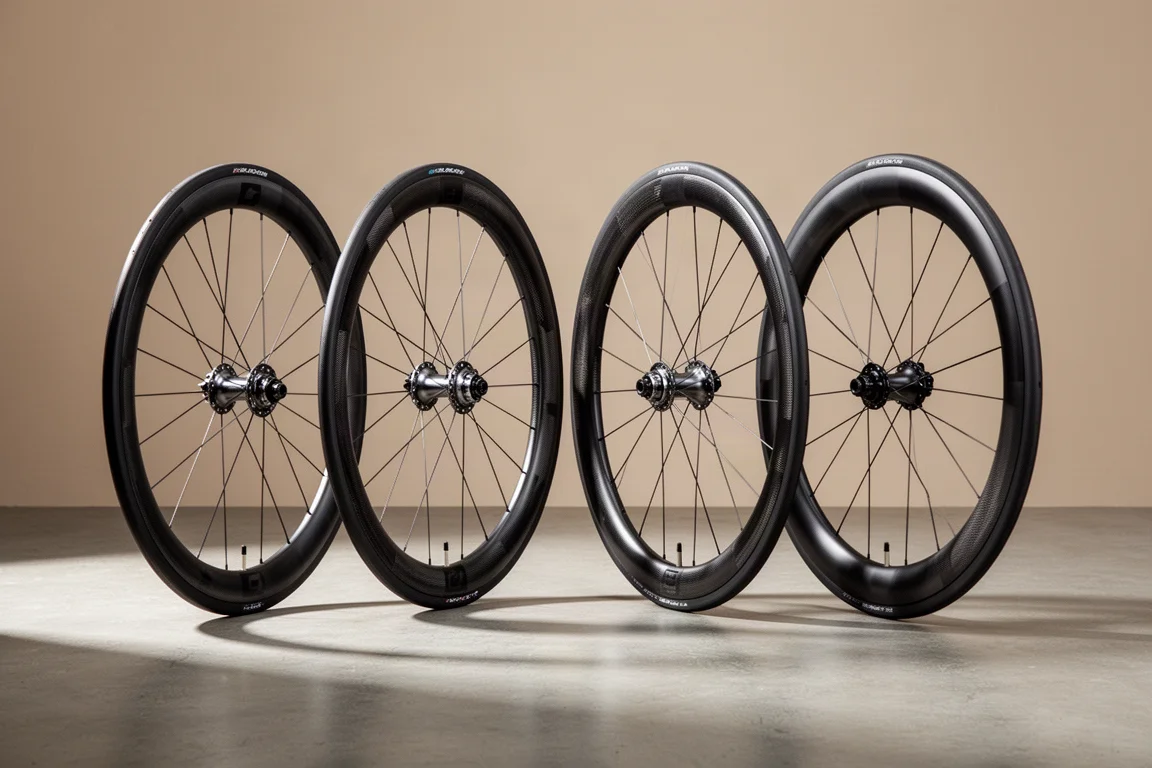
Enve has rebuilt its SES carbon wheelset range, and the headline number is easy to remember: the new SES 2.3 weighs a claimed 1,197 g, making it the lightest wheelset the company has put into a climbing-focused road category. Beyond the scale, the bigger story is a simpler, more consistent lineup. Four wheelsets now cover the range from lightweight climbing to deep-section speed, and every one of them is disc brake only, tubeless, and designed around wide tires.
That last point matters. The previous AR model, which was Enve’s first serious move toward wide tires, has been dropped precisely because the whole SES family now assumes them. Riders who still want an Enve wheelset for a rim brake bike will no longer find one in this range, so anyone holding onto rim brake hardware should plan accordingly.
How the SES Range Is Organized
The SES concept has always used a mismatched front and rear rim, with each wheel shaped around its own job. The front rim is tuned for stability and predictable handling in changing wind angles, while the rear rim sits in the dirtier air behind the rider’s legs and is shaped purely for aerodynamic efficiency. That approach carries all the way down to the shallowest wheel in the range.
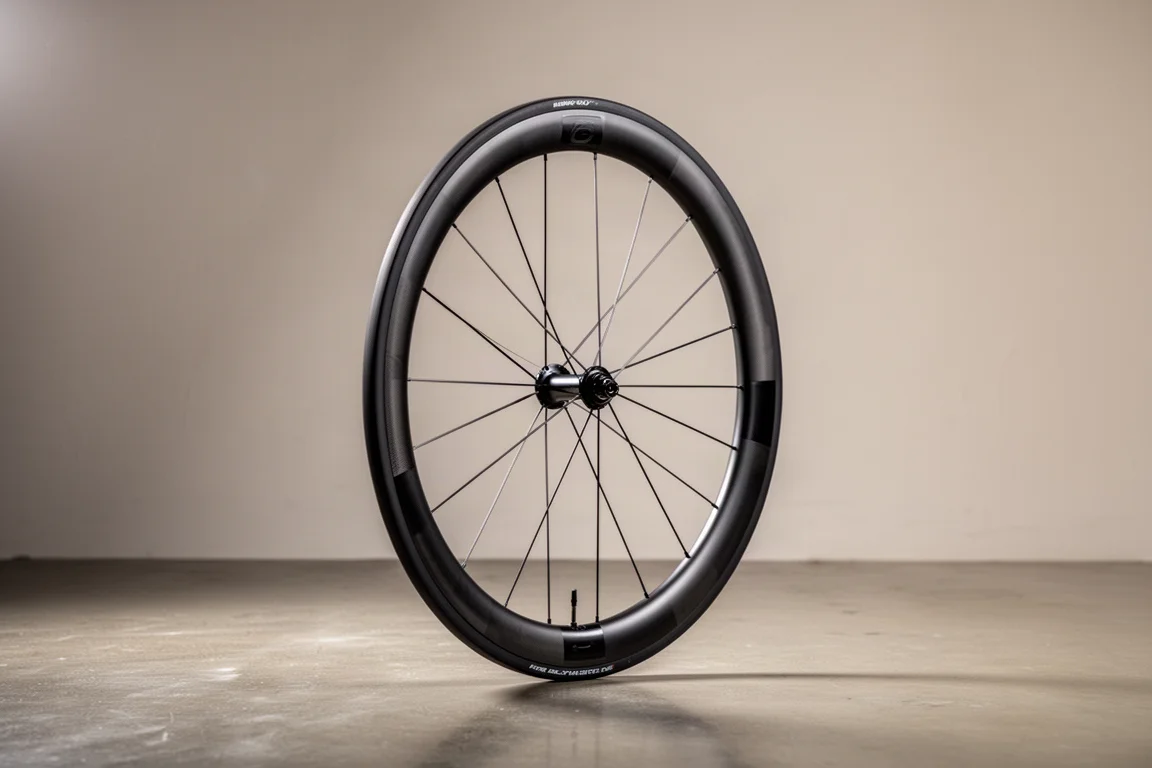
The result is a four-step ladder: the 2.3 for climbing, the 3.4 as the versatile middle, the 4.5 as the familiar all-purpose depth, and the 6.7 for riders chasing outright speed on flat roads. Picking between them is mostly a question of how much aerodynamic performance you are willing to trade for low weight.
Enve SES 2.3: The Lightweight Climber
The 2.3 fills a genuine gap. Until now, Enve had no lightweight, climbing-focused disc brake wheelset in its lineup, and this is the answer. It uses a shallower 28 mm front rim paired with a taller 32 mm rear rim, so even at this depth the mismatched front and rear philosophy is intact and the wheelset still targets the best possible blend of aerodynamic behavior and handling.
At a claimed 1,197 g, this is a wheelset aimed squarely at riders who feel the road tilt upward and want the bike to disappear beneath them. The trade-off is aerodynamic, and it is not a subtle one. Comparing the figures, the 2.3 gives up a noticeable amount of drag performance to the deeper options in the range, so it rewards riders whose terrain and priorities lean toward climbing rather than sustained flat-road pace.

Riders who split their time between long climbs and fast descents will find the low weight and front-wheel stability the most relevant qualities here. Those who spend most of their miles on open, flat roads should look further up the range.
Enve SES 3.4: The All-Rounder
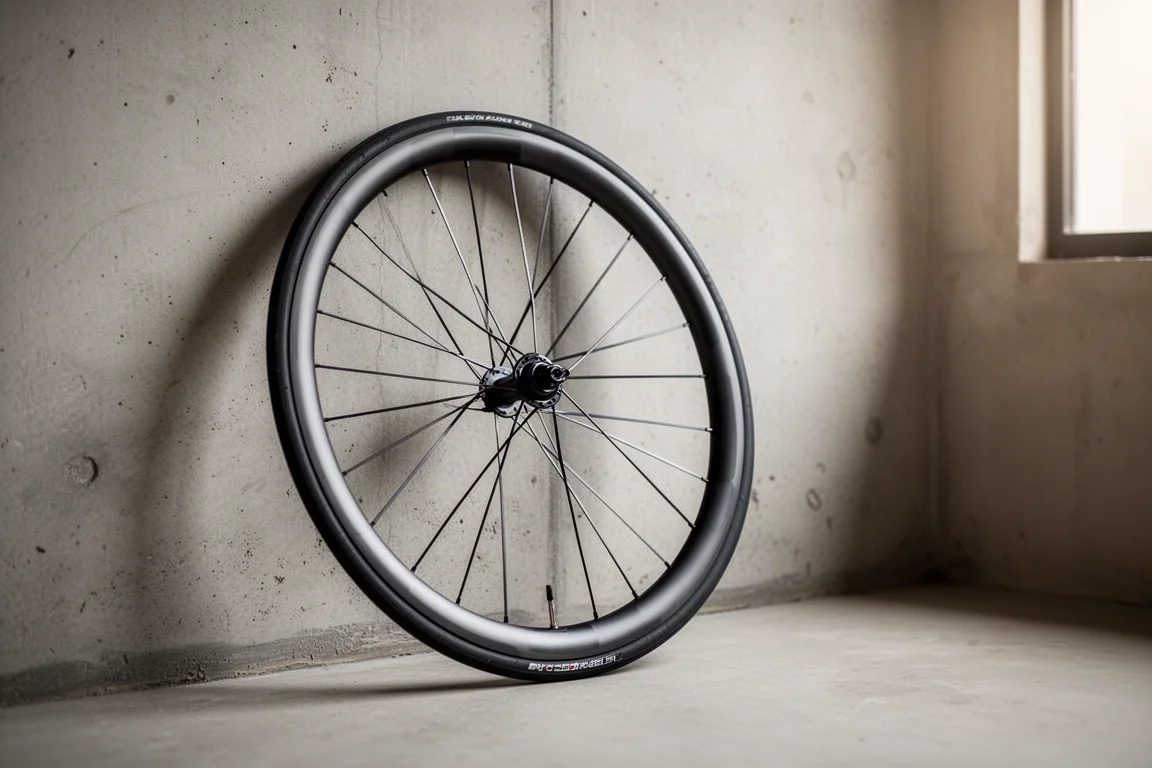
Step up one level and the 3.4 emerges as the most broadly sensible choice in the range. It keeps weight low at a claimed 1,390 g while adding aerodynamic depth over the 2.3, which makes it well suited to lumpy, rolling, undulating terrain where neither pure climbing nor pure flat speed dominates.
The 3.4 also uses a wider 25 mm internal width, which pairs better with modern wide tires and gives the tire a more supportive shape. Enve positions this wheelset as a capable gravel option as well, which broadens its appeal for riders who want one set of wheels to cover more than just tarmac.

For most riders weighing up the range, the 3.4 is the natural starting point. The modest weight penalty over the 2.3 buys a meaningful aerodynamic gain, and unless climbing is the single overriding priority, that is a trade most riders will be happy to make.
Enve SES 4.5: The Familiar Middle Ground
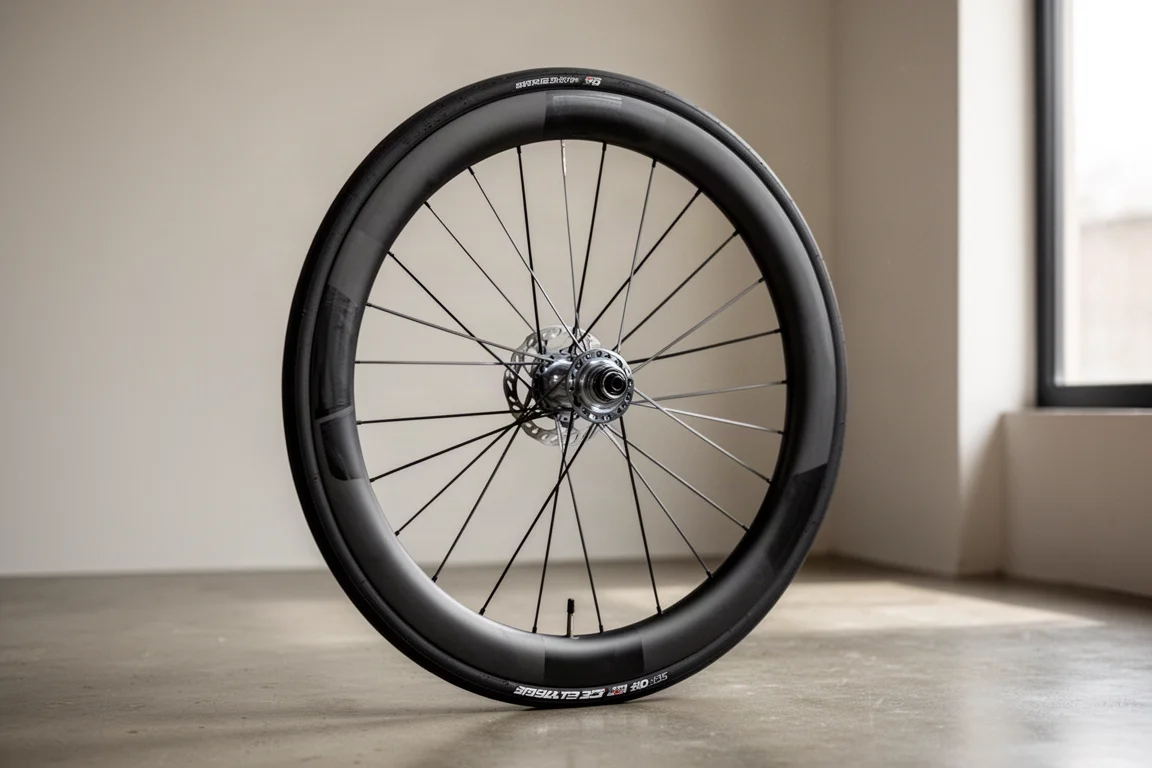
The 4.5 is built around a 50 mm rim depth, the format that has been the default do-everything choice for well over a decade. It is the depth that has historically required the least deliberation: deep enough to deliver real aerodynamic benefit, shallow enough to remain manageable in crosswinds and on rolling routes.
That familiarity is the point. Riders who have spent years on 50 mm wheels know what to expect from them, and the 4.5 slots into the new range as the option that needs the least justification. It sits between the climbing focus of the 2.3 and 3.4 and the outright speed of the 6.7, which makes it the safest pick for someone who rides a bit of everything and does not want to specialize.
Hubs, Tubeless Setup, and Hookless Compatibility
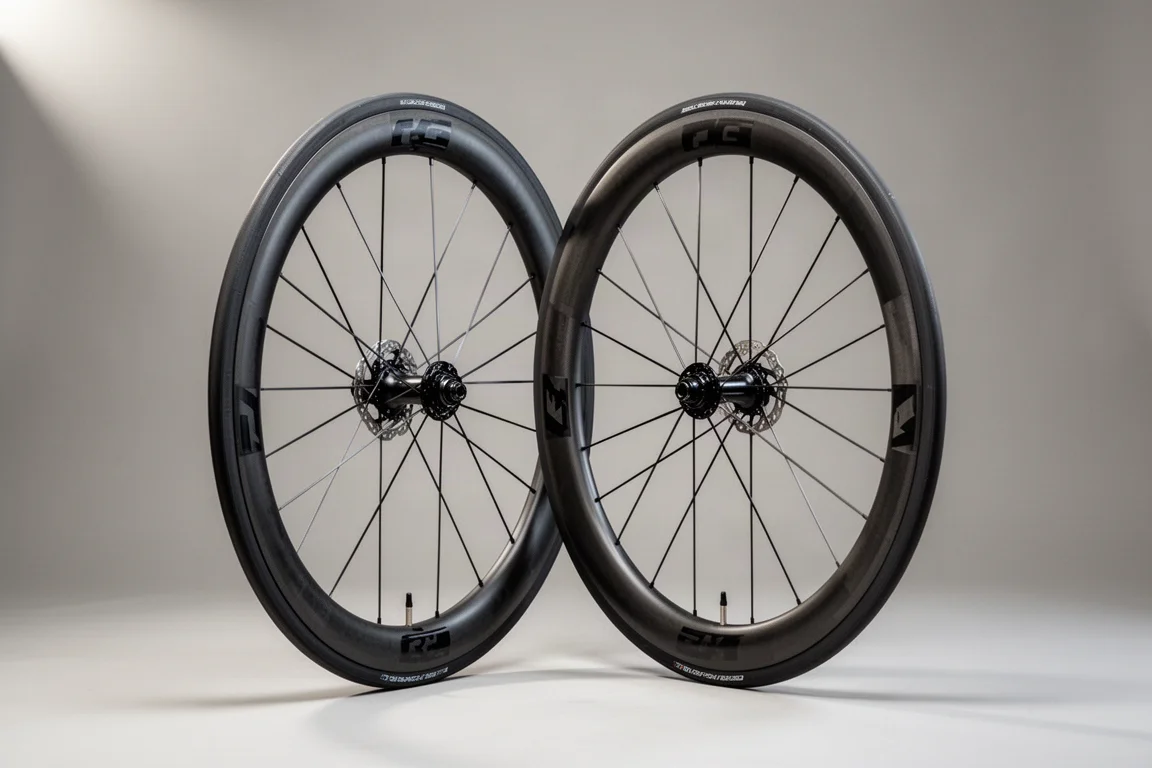
All four wheelsets are handmade at Enve’s Ogden, Utah facility and laced to the company’s own hubs, the same design used across the wider range. Those hubs run without preload adjustment, use bearings that have proven durable through long-term use in mixed conditions, and engage quickly through the freehub. Shimano and SRAM freehub compatibility is covered.
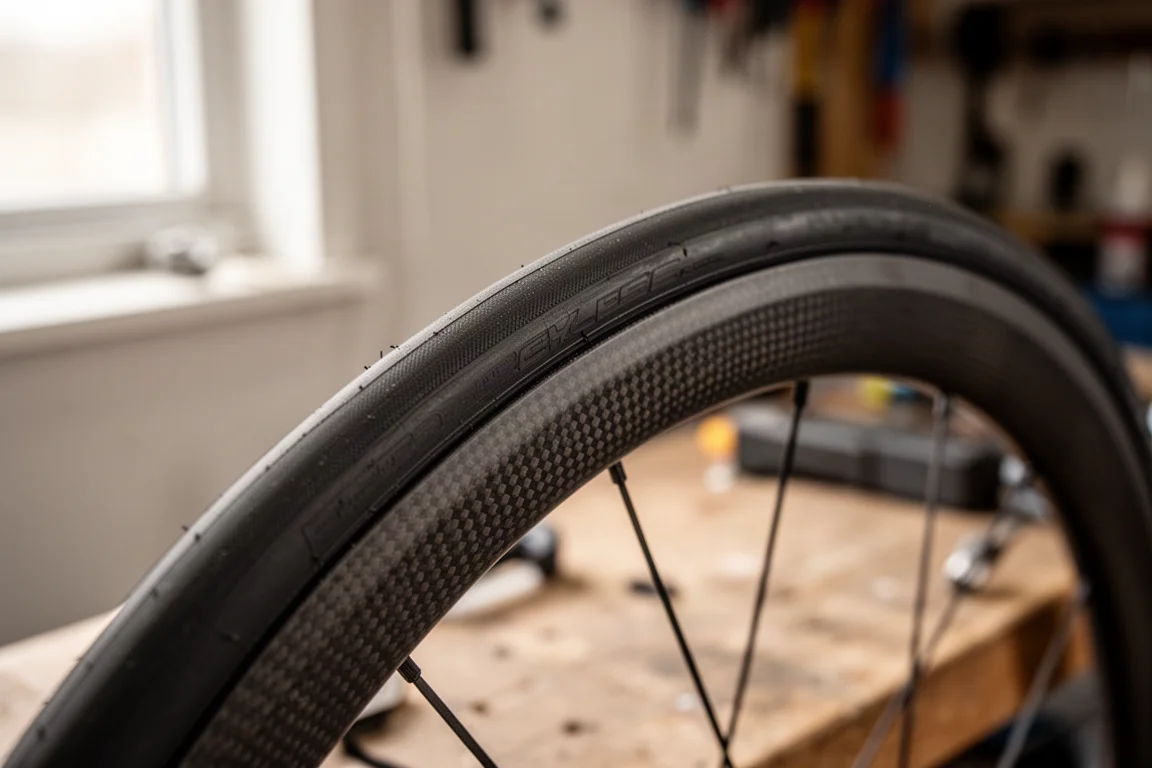
Every wheel is hookless and tubeless, and hookless has been a genuinely contentious topic in recent years because of tire and rim compatibility questions. The current picture is more settled: with tire makers aligning to the latest ETRTO standards, installation has become far more straightforward, and modern tubeless tires and rims now work together the way the system was always meant to. That is the experience across nearly ten months of riding the Foundation 45 wheels, including easy mounting of tires from Continental, Pirelli, Goodyear, and Michelin with no maintenance issues.
Warranty coverage is a five-year defect warranty plus a crash replacement scheme. That is solid, though it is worth noting it is not as generous as the lifetime warranty offered by some competing brands, so factor that into the value calculation.
A Note on the Aerodynamic Testing
Enve has published wind tunnel data for the new range, tested at two speeds: 32 km/h, a pace most committed riders can hold for meaningful stretches, and 48 km/h, which reflects professional-level speed and is less representative for most riders. The testing was run on two different bikes, including a Specialized Tarmac SL7 alongside Enve’s own road frame.
As with any manufacturer-supplied data, it is worth treating the results as directional rather than independent. What the figures do highlight clearly is the aerodynamic gap between the 2.3 and the rest of the range. The trade-off for that low weight is real and measurable, and riders who prioritize speed over climbing should look at the 3.4 as the minimum depth rather than the 2.3.
Enve SES 6.7: The Flat-Road Speed Option
At the top of the range sits the 6.7, named for its 60 mm front rim and 67 mm rear rim. This is the wheelset for riders whose priority is going as fast as possible on flat roads, where aerodynamic drag dominates and weight matters far less than it does on a climb.
The deep sections and the mismatched front and rear shaping make this the most speed-focused option in the lineup, and it is the obvious pick for criterium racers, time trial specialists, and anyone whose routes stay largely flat and fast. The trade-off is the usual one for deep wheels: more weight, and more sensitivity to strong crosswinds.

Choosing the 6.7 means accepting that it will feel like the wrong tool on a long alpine climb, and the right one the moment the road straightens out and the pace goes up.
Pricing and Overall Buying Advice
Pricing places the range firmly in premium territory. In the US, the lineup starts from $2,850, and the confirmed UK price for the SES 2.3 is £3,100. If budget is the deciding factor, the entry point of the range is the 2.3, though every wheelset here sits well above mainstream carbon pricing.
The more useful question is which depth matches your riding. If your terrain is mountainous, the 2.3 delivers the lowest weight in the range and climbing-focused handling, accepting a clear aerodynamic penalty. If you ride a mix, the 3.4 is the strongest all-round case, adding aero performance and a wider 25 mm internal width for a small weight cost. If you want the least risky, most familiar choice, the 4.5 and its 50 mm depth is the safe pick. And if flat-road speed is the whole point, the 6.7 is the one to choose.
One practical note before ordering: this is a disc brake only range, tubeless only, and hookless throughout, so confirm your bike and tire setup are compatible before committing. Get that right and all four options deliver the handmade US construction, own-brand hubs, and five-year defect warranty that define the new SES family.
Conclusion
Enve’s rebuilt SES range is simpler and more coherent than what came before, and the 2.3 in particular fills a gap the company had left open. Each wheelset has a clear job: the 2.3 climbs, the 3.4 handles everything reasonably well, the 4.5 plays the familiar 50 mm role, and the 6.7 chases speed on flat ground. The right choice comes down to the terrain you actually ride and how much aerodynamic performance you are willing to trade for low weight.
Further reading
Related Reviews
Cycling Wheels
Aero vs Lightweight Carbon Wheels: Hunt 60 Limitless and Hunt 32 Aerodynamicist Compared
Deep-section aero wheels and featherweight climbing wheels promise different things. Controlled real-world testing on flat laps and a steep climb shows where each set actually gains time.
Cycling Wheels
Best Carbon Road Bike Wheels 2026: Six Standouts From Entry Level to Premium
A practical guide to carbon road bike wheels across six price brackets, covering rim width, rim depth, hub engagement and what each step up actually buys.
Cycling Wheels
Best Rim Brake Road Wheels: Six Options From Budget to Premium
Six rim brake road wheelsets covering nearly every price point, from a value alloy set to sub-kilogram tubulars, plus advice on custom builds and buying secondhand.