Backpacking Gear
Enlightened Equipment Torrid Jacket and Enigma Apex Quilt Review: Two Synthetic Insulation Options for Backpacking
A closer look at two synthetic insulated pieces for three-season backpacking, covering warmth, weight, packed size, customization, and value against comparable down gear.
Introduction
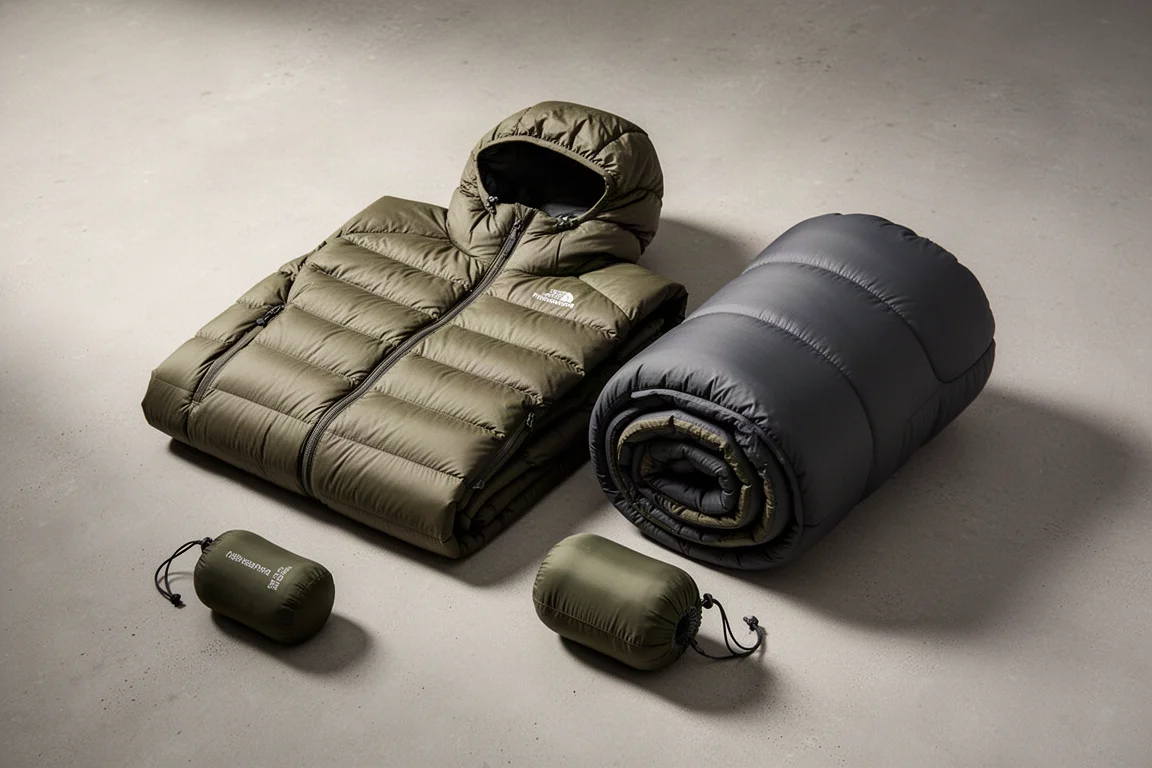
Synthetic insulation is not the lightest or the most packable option for a backpacking sleep system, but it solves a specific set of problems. It holds more of its structure when conditions turn damp, and it is the practical route for anyone who reacts badly to down. This article looks at two pieces built around the same synthetic fill: the Enlightened Equipment Women’s Torrid Custom Jacket and the Enlightened Equipment Enigma Apex Custom Quilt.
Both come from a maker that builds its gear in Winona, Minnesota, and both are offered in custom configurations. Together they form a complete three-season insulation setup for backpackers who want to move away from down without giving up too much warmth.
Why Synthetic Insulation Makes Sense for Some Backpackers
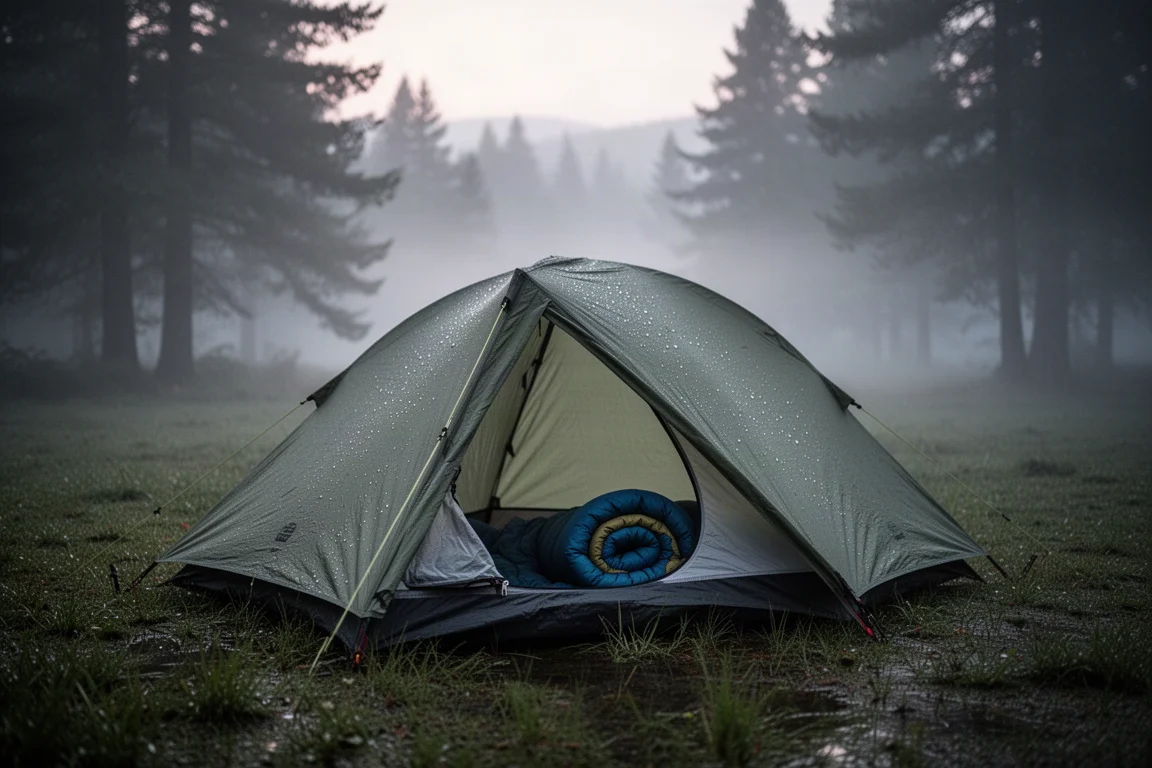
Down still wins on weight and packed volume, but it loses loft once it takes on moisture. On a long trip, where tent condensation, fog, and days of drizzle are difficult to avoid, that matters. Synthetic fills handle damp conditions better, and they also sidestep the feather-based materials that cause problems for people with sensitivities to down.
The trade-off is straightforward. Synthetic insulation is generally heavier and bulkier for the same temperature rating, so the decision usually comes down to how much weight and space a hiker is willing to trade for wet-weather resilience and material comfort.
Both pieces here rely on ClimaShield Apex synthetic insulation. The jacket uses a 2 ounce per square yard version of the fill, and the quilt uses the same Apex family in a continuous sheet. The jacket’s nylon shell carries a DWR finish, which adds resistance to mist, fog, or light snow that can be brushed off. It is not a waterproof layer and does not replace a rain jacket.
Custom builds are a large part of the appeal. Both products can be ordered in different fabrics, dimensions, and colors, which lets a buyer tune the fit and the packed weight instead of accepting a single off-the-shelf configuration.
Enlightened Equipment Women’s Torrid Custom Jacket
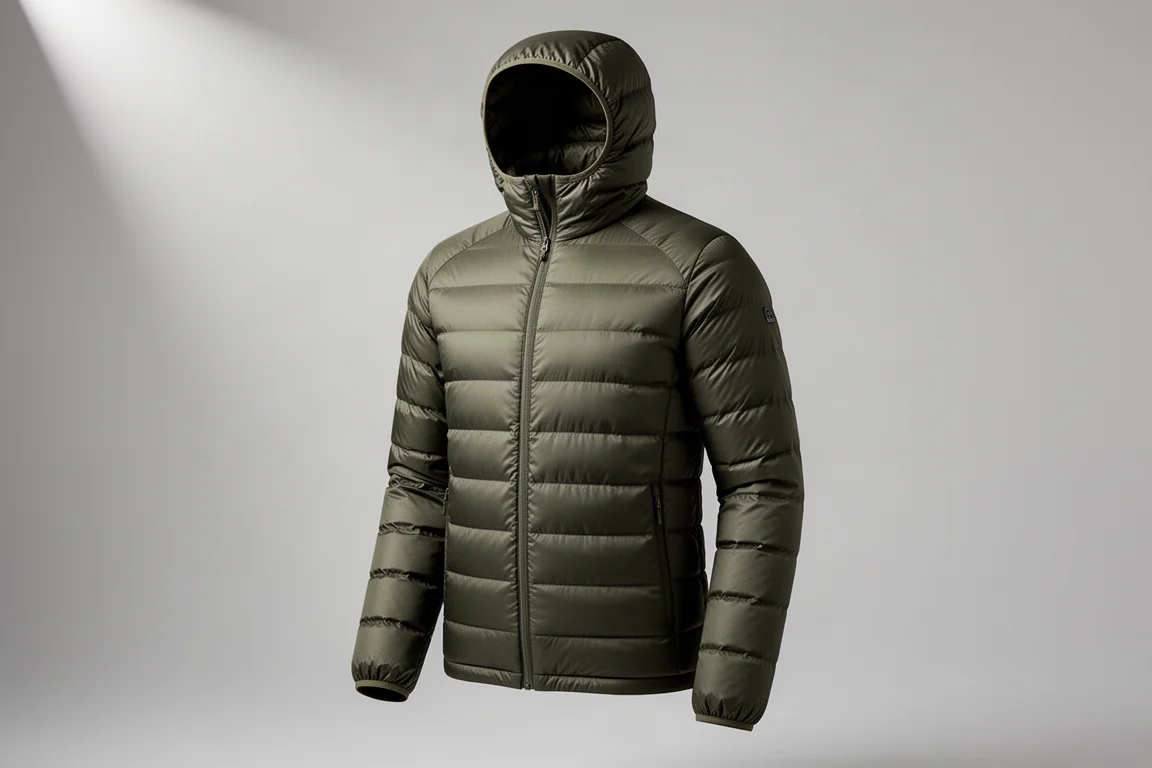
The Torrid is a lightweight synthetic puffy with a 2 ounce per square yard ClimaShield Apex fill and a nylon shell finished with DWR. A men’s version is also available.
The cut uses a raglan sleeve, which runs as a single connected piece from the neck area down to the cuff. The design is intended to allow more freedom of movement and to reduce pressure where shoulder straps sit. The hood is adjustable, the waist can be cinched, and that adjustment sits inside the hand pockets rather than on the outside, so a hip belt does not press a cord against the hip. Elastic at the cuffs helps keep drafts from travelling up the arms.
Sizing is guided by a measurement chart. In a medium, with 10 denier nylon inside and out and a regular hood, the jacket weighs 7.75 ounces and costs 175 dollars. A custom order allows the buyer to choose colors and fabric weight, though it carries a lead time of several weeks. Ready-to-ship versions typically go out within three to five days, but the choice is limited to size and two color schemes, with 10 denier nylon inside and out and a regular hood.
In use, the jacket came out warmer than expected. It is not as warm as a comparable down puffy, but it sits in a similar weight range and costs roughly 200 dollars less.
Enlightened Equipment Enigma Apex Custom Quilt
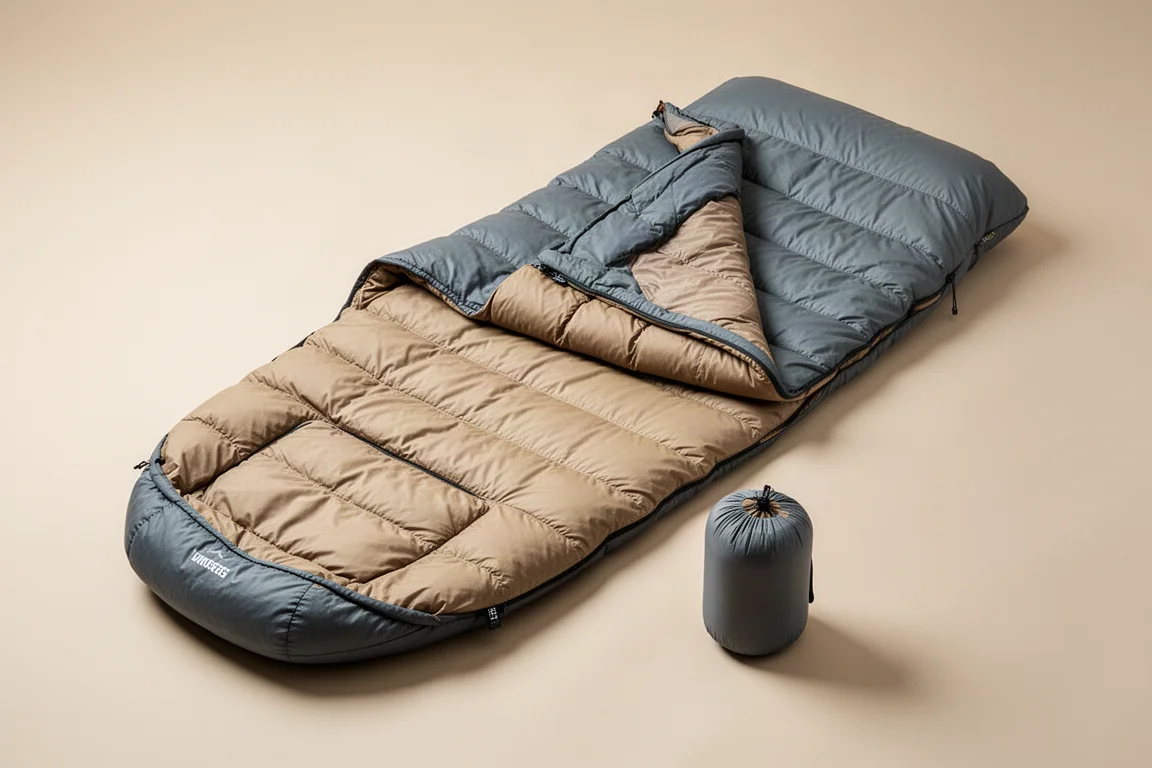
The Enigma Apex is the synthetic version of a quilt the maker already offers in down. The main structural difference is the absence of baffles. Baffles exist to keep down from shifting into one area and leaving cold spots, and because ClimaShield Apex is a single continuous sheet of insulation, the quilt does not need them or the extra stitching that comes with them.
Temperature ratings are available at 50, 40, 30, and 20 degrees. For three-season use with overnight temperatures expected around the mid-30s, the 20-degree rating is the sensible starting point, particularly for anyone who sleeps cold.
Length and width are selectable. A slim width reduces the dead air a sleeper has to heat and trims material weight. The Enigma uses a sewn foot box rather than a cinched cord or zipper closure, which removes an obvious point of heat loss. The sleeping pad attachment system is a strong point of the design.
The quilt ships with a nylon stuff sack for the trail and a cotton drawstring bag for storage at home. It weighs 26.79 ounces and costs 230 dollars. That is roughly five ounces heavier than a comparable down quilt, but about 200 dollars cheaper. Unlike the jacket, the synthetic quilt is only offered as a custom build.
Warmth, Weight, and Packed Size in Practice
The 20-degree quilt kept a cold sleeper warm through nights in the mid-30s and above. At its full 20-degree rating it would likely not have been enough on its own, which is not unusual for someone who sleeps cold; a common rule of thumb is to choose a quilt rated about 10 degrees lower than the coldest temperature expected. The jacket, meanwhile, proved warmer than anticipated and landed in the same weight range as a down puffy.
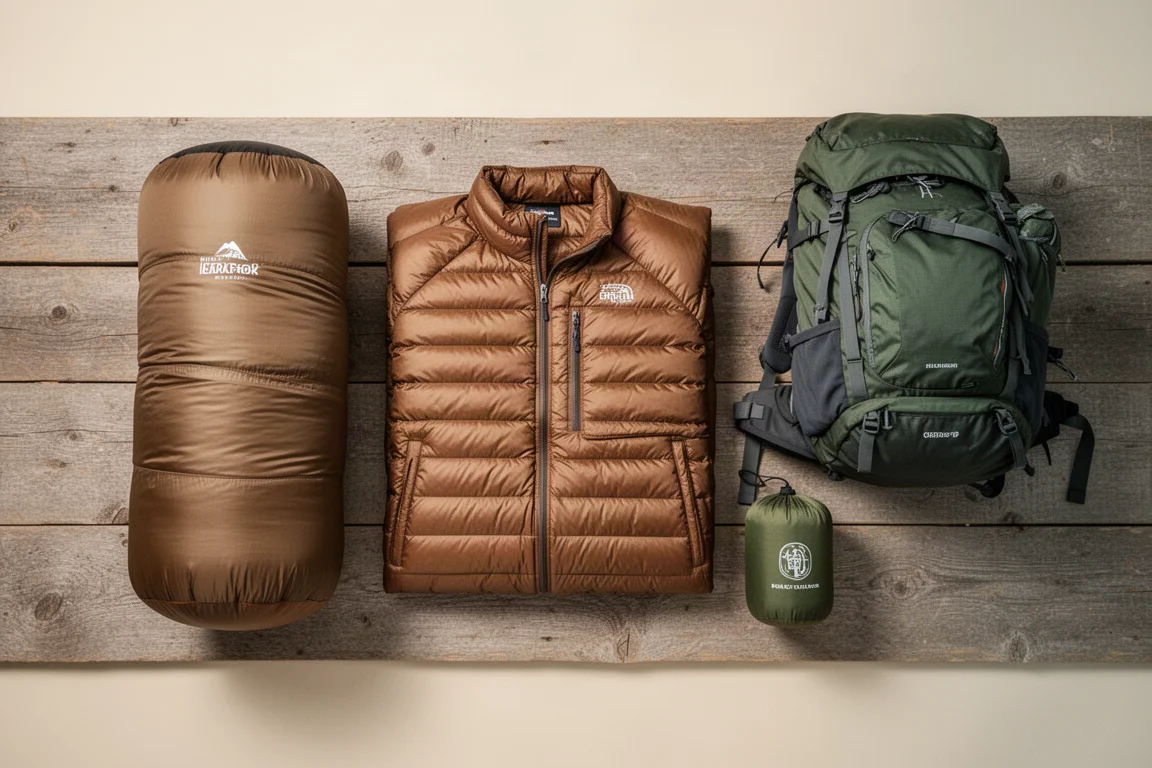
Weight is only part of the picture. The synthetic quilt is about five ounces heavier than an equivalent down quilt, but the larger difference is volume: it takes up close to twice the packed space. For hikers working with a tight pack, that is the figure worth considering before ordering. The jacket, at 7.75 ounces in a medium, stays firmly in the lightweight category.
There is also a middle path in synthetic fills. Apex is a solid sheet, while some other synthetic insulations use clusters of fibers that behave more like down and compress into a smaller space. Those cluster-style fills are generally heavier, and comparable 20-degree quilts built with them came in four to five ounces heavier, which is what made Apex the more balanced choice for this quilt’s dimensions.
Customization, Fit, and Lead Times
Both products are built to order, and both can be specified in fabric, dimensions, and color. Custom lead times run several weeks depending on the shop’s workload at the time.
The jacket has a faster alternative. Ready-to-ship versions typically leave within three to five days, but the configuration is fixed: size and one of two color schemes, 10 denier nylon inside and out, and a regular hood.
Fit matters as much as fill. The sizing chart and measuring instructions are worth following closely rather than guessing from a usual clothing size. As a reference point, a medium suited a 5 foot 8 inch frame at roughly 130 to 135 pounds. On the quilt side, length and width are the two variables that decide both comfort and weight, and a slim width is the better choice for anyone who does not need the extra room.
Performance in Damp and Cold Conditions
The DWR finish on the jacket’s shell handles light moisture. Mist, fog, and a light dusting of snow that can be brushed off are within its range. It is not a rain layer, and pairing a puffy with rain gear rather than treating it as one is the right approach. When a warmer insulating layer is needed under rain gear for active hiking in cold conditions, a lightweight fleece is the more appropriate choice.
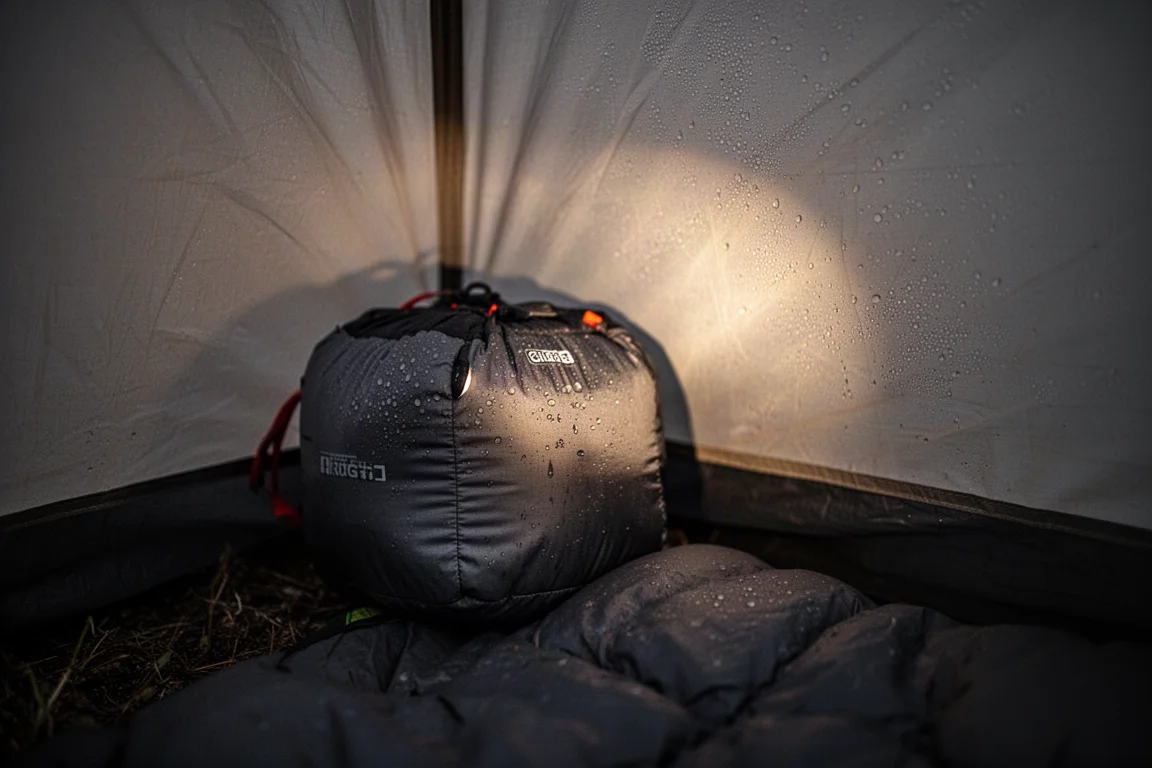
Tent condensation is where synthetic fill shows its advantage. A foot box that presses against the wall of a single-wall tent picks up moisture overnight. Treated down tends to collapse under that exposure and dries back out slowly, while the Apex quilt did not shrink at all and kept feet warm through the night.
Loft is another practical difference. Apex insulation arrives already lofty, so there is no wait for the quilt to expand after being pulled from a stuff sack. It is warm as soon as it is unrolled, which is a small but noticeable comfort on a cold evening.
Buying Advice
Decide first whether down is genuinely off the table. If sensitivities to feathers or dust are part of the picture, synthetic fill removes that variable entirely, and the performance penalty is smaller than it once was.
Second, weigh the money against the ounces. The jacket costs 175 dollars and lands roughly 200 dollars below a comparable down puffy while staying in a similar weight range. The quilt costs 230 dollars, about 200 dollars less than a comparable down quilt, for roughly five extra ounces and close to double the packed volume. For many backpackers the cost saving is the easier trade; the volume is the one that shows up every time the pack is closed.
Third, match the rating to how you sleep. A 20-degree quilt is a reasonable three-season choice for someone who sleeps cold and expects temperatures near freezing. Buyers who sleep warm or stick to summer trips can drop to a 30, 40, or 50-degree rating.
Finally, plan the timeline. Custom builds take several weeks. If a trip is close, the ready-to-ship jacket options are the faster route, while the synthetic quilt has no ready-made equivalent and has to be ordered as a custom build.
Who Each Piece Suits Best
The Torrid jacket suits backpackers who want a light puffy, 7.75 ounces in a medium, that handles damp conditions better than down and costs meaningfully less. The adjustable hood, interior waist cinch, and raglan sleeve make it comfortable under a pack, and the ready-to-ship option makes it realistic to buy on short notice. It is not a replacement for a rain jacket, and it is not as warm as a dedicated down puffy.
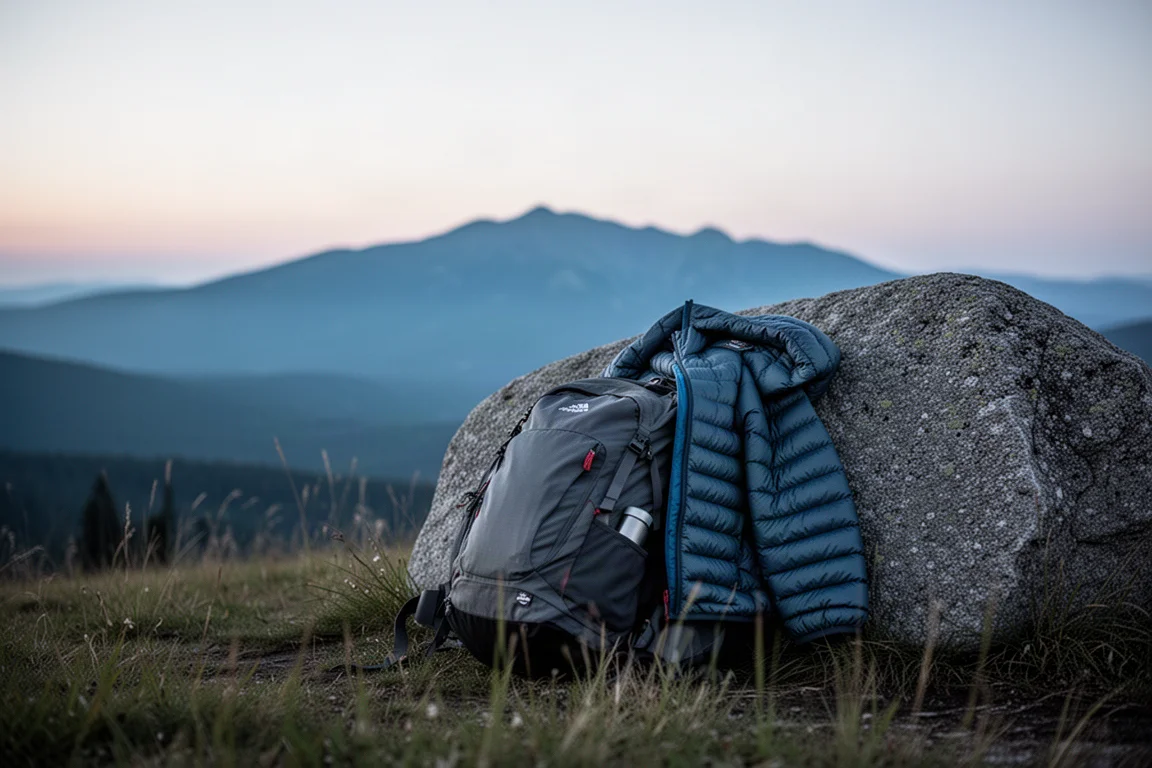
The Enigma Apex quilt suits three-season backpackers who want a 20-degree synthetic quilt with a sewn foot box and a sleeping pad attachment system they can rely on, and who are willing to give up some packed volume in exchange for wet-weather resilience and a lower price. Anyone who prioritizes the smallest possible pack should look at down instead and accept the higher cost.
Conclusion
Synthetic insulation is a compromise, but a well-managed one. The Women’s Torrid Custom Jacket and the Enigma Apex Custom Quilt both deliver usable warmth, customization that lets buyers tune fit and weight, and prices well below comparable down gear. The costs are extra packed volume, a modest weight penalty on the quilt, and a lead time on custom orders. For backpackers who want to avoid down without losing a functional three-season setup, both pieces make a sensible pairing.
Further reading
Related Reviews

Backpacking Gear
Building a 10 lb Base Weight: An Ultralight Backpacking Gear List
A practical walkthrough of the ultralight pieces behind a 10 lb base weight, from a 765 g pack and a roomy one-person tent to a full camp chair and a dependable water filter.
Backpacking Gear
A 15-Pound Lightweight Backpacking Gear List for Solo Trips
A beginner-friendly 15-pound backpacking setup built from easy-to-find gear, with notes on what each piece does, how it packs, and where to spend your attention.
Backpacking Gear
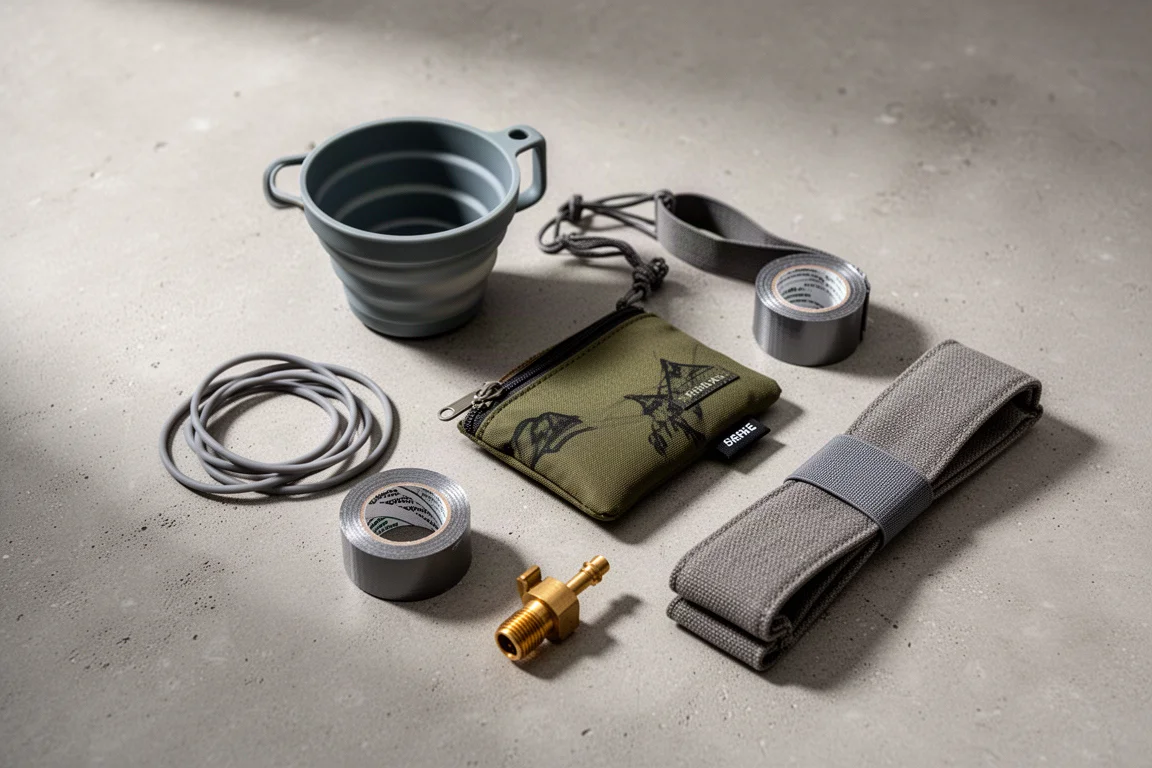
8 Ultralight Backpacking Gear Upgrades Worth Carrying
Eight small, affordable backpacking upgrades that solve real trail annoyances, from a pillow that stays put to a fuel valve that rescues leftover canister gas.