Backpacking Gear
Synthetic Puffy Jacket and Quilt Review: Enlightened Equipment Torrid and Enigma Apex
Two synthetic insulation pieces built on ClimaShield Apex, tested in damp three-season conditions. Here is where they deliver and what they cost you in pack space.
Introduction
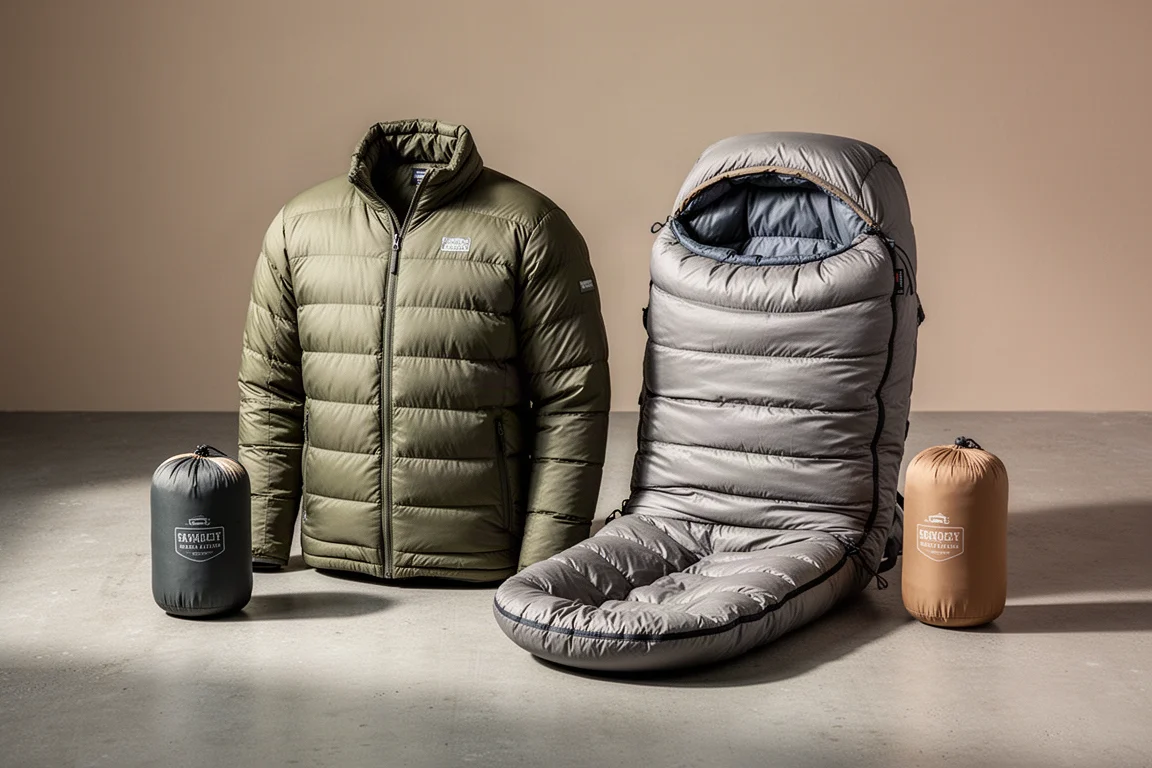
Down insulation has long been the default for backpacking puffies and quilts, but it is not the right answer for every sleeper. For anyone who reacts badly to feathers, or who camps in damp, misty conditions where a wet bag loses its loft, synthetic insulation deserves a serious look.
This roundup covers two Enlightened Equipment pieces built on the same insulation platform: the Women’s Torrid Custom Jacket and the Enigma Apex Custom Quilt. Both were configured as custom builds and carried through a three-season thru-hike with overnight temperatures that dipped into the mid 30s.
Why Synthetic Insulation Makes Sense for Damp, Allergy-Sensitive Trips
Both pieces use ClimaShield Apex, a synthetic insulation specified at 2 ounces per square yard in the jacket. Apex is a continuous sheet rather than loose clusters of fibers, which is why the quilt needs no baffles at all. Baffles exist to keep down from migrating into cold spots, and a solid sheet of insulation has nothing to migrate.
The practical benefit is that synthetic insulation keeps working when it gets damp, whereas down loses loft and insulating power as it takes on moisture. Both products use a nylon fabric with a DWR finish, which adds water resistance without making either one waterproof. They handle mist, fog, and light snow that can be brushed off, but they are not rain gear.
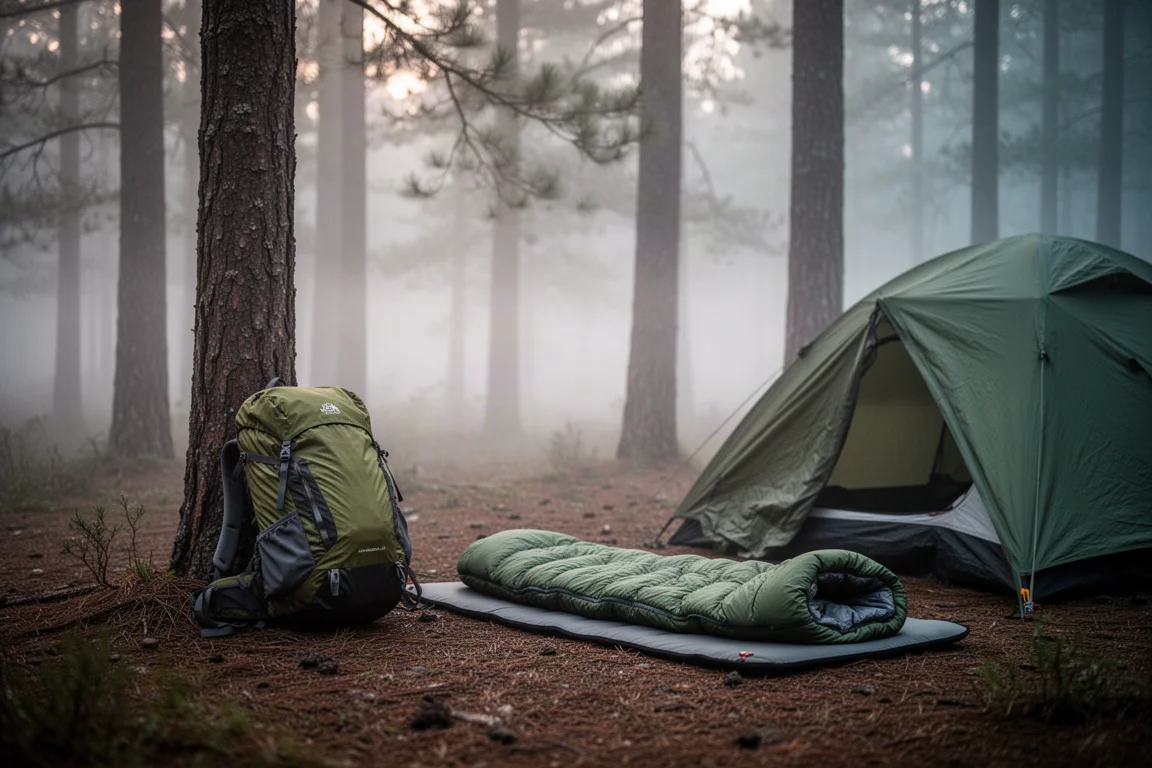
That distinction shapes how you pack. An insulating layer that soaks through on the outside of a pack stops being useful, so the sensible approach is to keep the puffy and the quilt protected and hike in a lightweight fleece under a rain shell when conditions turn genuinely cold and wet.
Enlightened Equipment Women’s Torrid Custom Jacket
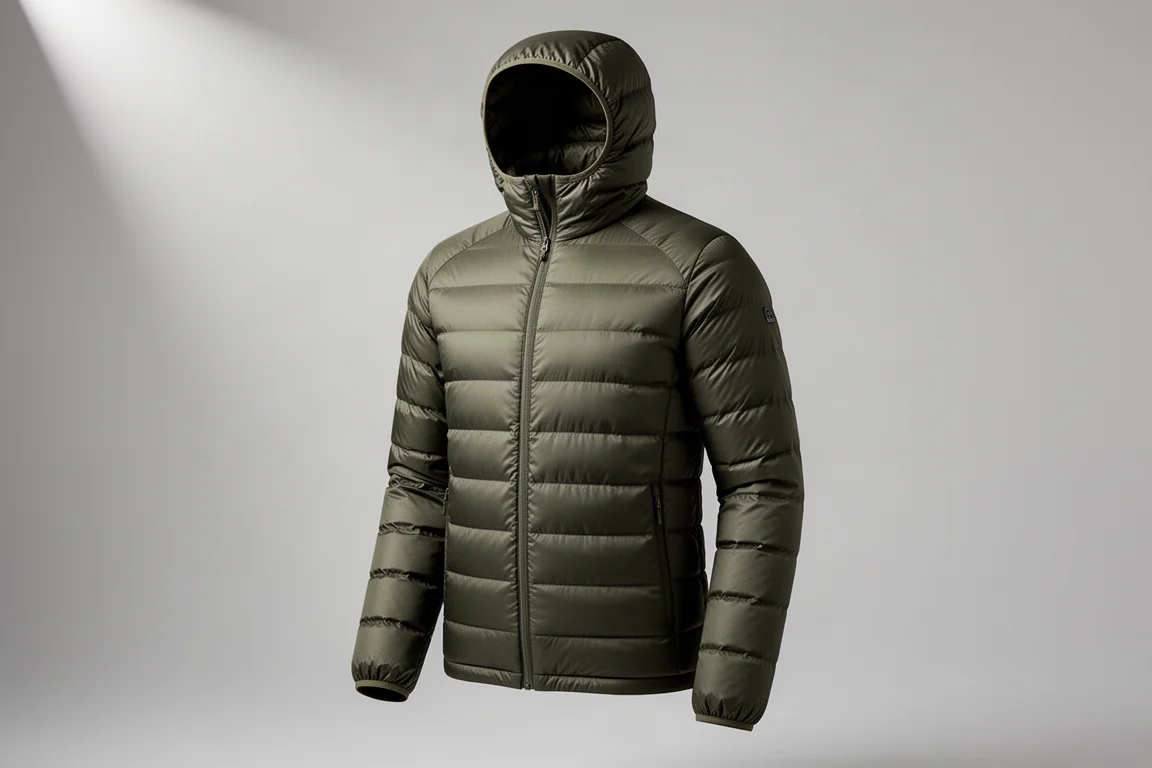
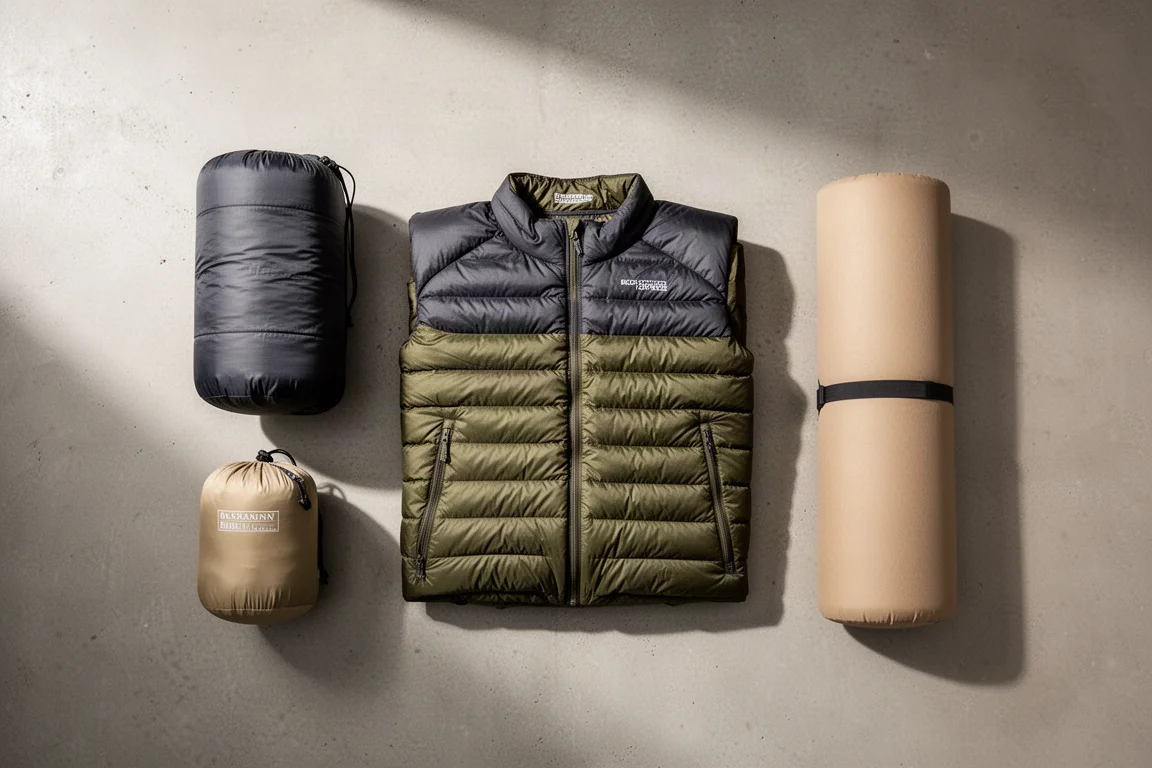
The Torrid is built with 2 ounces per square yard of ClimaShield Apex insulation inside a nylon shell and lining with a DWR finish. A men’s version is also available. The custom build lets you choose colors and fabric weight. The ready-to-ship version arrives in about three to five days instead of a lead time of several weeks, but limits you to a size choice and two color schemes, with 10 denier nylon inside and out and a regular hood.
The feature set is thoughtful. Raglan sleeves run as one connected piece from the neck area down and are designed to keep shoulder straps from digging in. The hood adjusts easily, and the waist adjustment is routed inside the pockets rather than sitting on the hip where a hip belt can press it into the body. Elastic at the cuffs keeps drafts out. The jacket is handmade in Winona, Minnesota.
Sizing follows the brand’s measurement chart. For reference, a medium fits a 5 foot 8 inch, 130 to 135 pound frame. In a medium with 10 denier inner and outer fabric and a regular hood, the jacket weighed 7.75 ounces and cost 175 dollars.
How the Torrid Performs on Trail
The Torrid came in warmer than expected for its weight. It is not as warm as a high-fill-power down puffy of similar weight that costs roughly 200 dollars more, and that gap is worth setting expectations around, but for a synthetic jacket in this weight class the warmth is genuinely usable across three-season conditions.
It is also not the layer to hike in. On a cold day under a rain shell, a lightweight fleece makes a better active layer, and the Torrid belongs in the pack until you stop moving and set up camp.
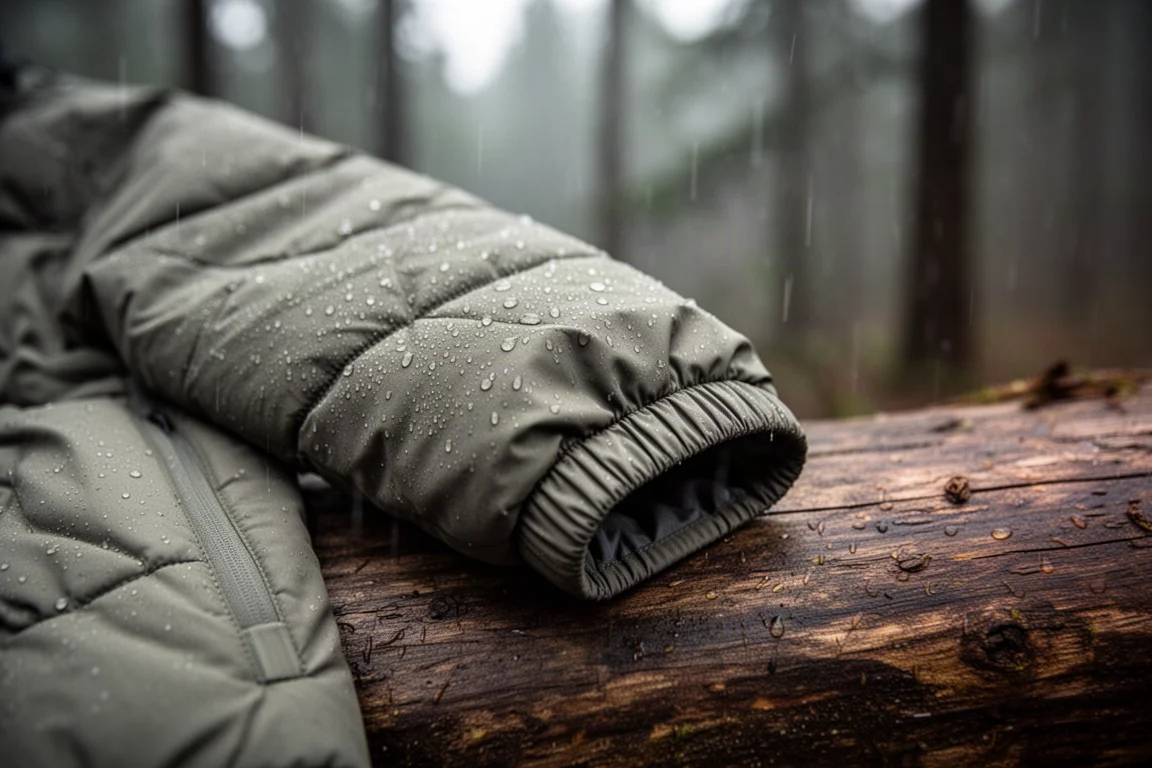
The DWR finish earns its place on the outside of the jacket rather than the inside. Light precipitation beads and brushes off, which is the realistic ceiling for a puffy like this one.
Enlightened Equipment Enigma Apex Custom Quilt
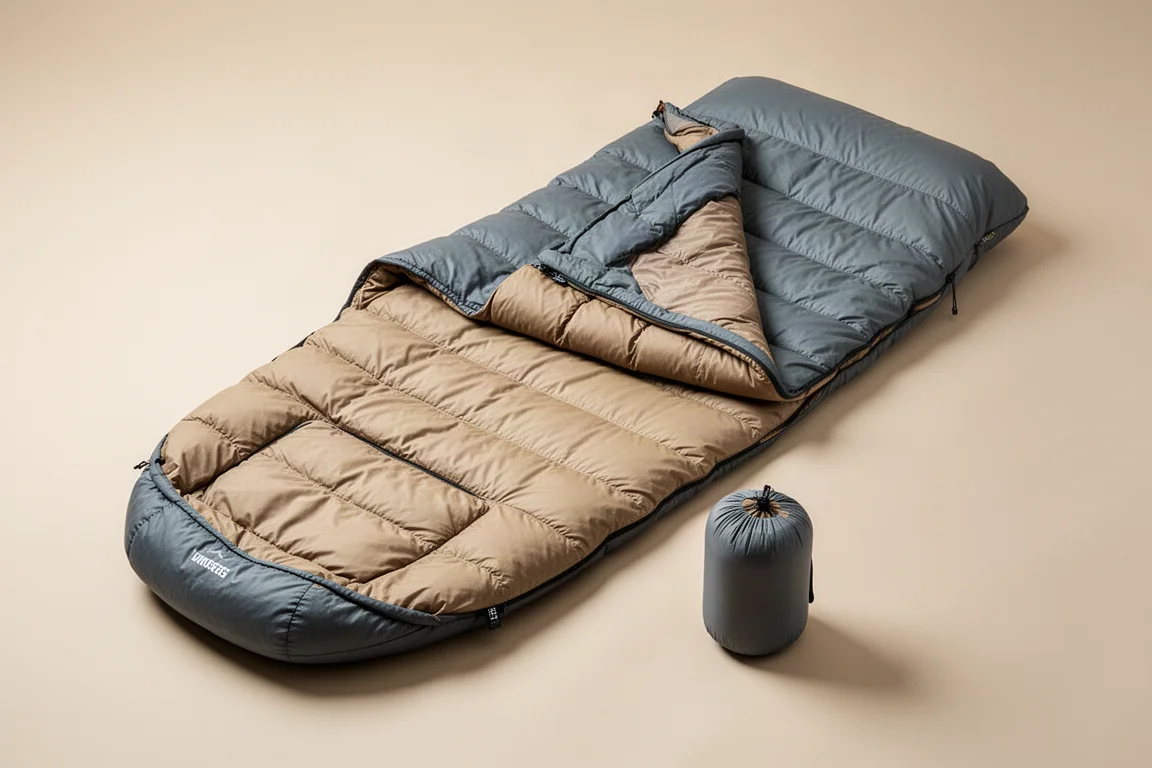
The Enigma Apex Custom Quilt uses the same ClimaShield Apex insulation as the Torrid, which means it also skips baffles and the extra stitching they require. It can be ordered with a rating of 50, 40, 30, or 20 degrees, and it can be built to your length and width, including a slim cut that reduces the dead air space your body has to heat and trims material weight along with it.
The Enigma uses a sewn foot box rather than a cinched cord or zipper, which removes an escape route for heat. The sleeping pad attachment system is one of the better designs available. The quilt ships with a silnylon stuff sack for the trail and a cotton drawstring bag for storage at home.
The synthetic version is custom-only. Unlike some of the brand’s other products, there is no ready-made synthetic Enigma to order for faster delivery, so plan the lead time accordingly. The 20 degree build described here weighed 26.79 ounces and cost 230 dollars.
Warmth, Loft, and Real-World Comfort
Apex insulation arrives lofty. There is no waiting for a down quilt to fluff up after a day compressed in a pack, which matters on cold evenings when you want warmth immediately rather than in twenty minutes.
In the mid 30s and up at night, the 20 degree Enigma kept its user warm. At the quilt’s full 20 degree rating, a cold sleeper should expect to need more, since many cold sleepers require a rating roughly 10 degrees lower than the temperatures they actually camp in. That is a personal comfort variable rather than a flaw in the quilt.
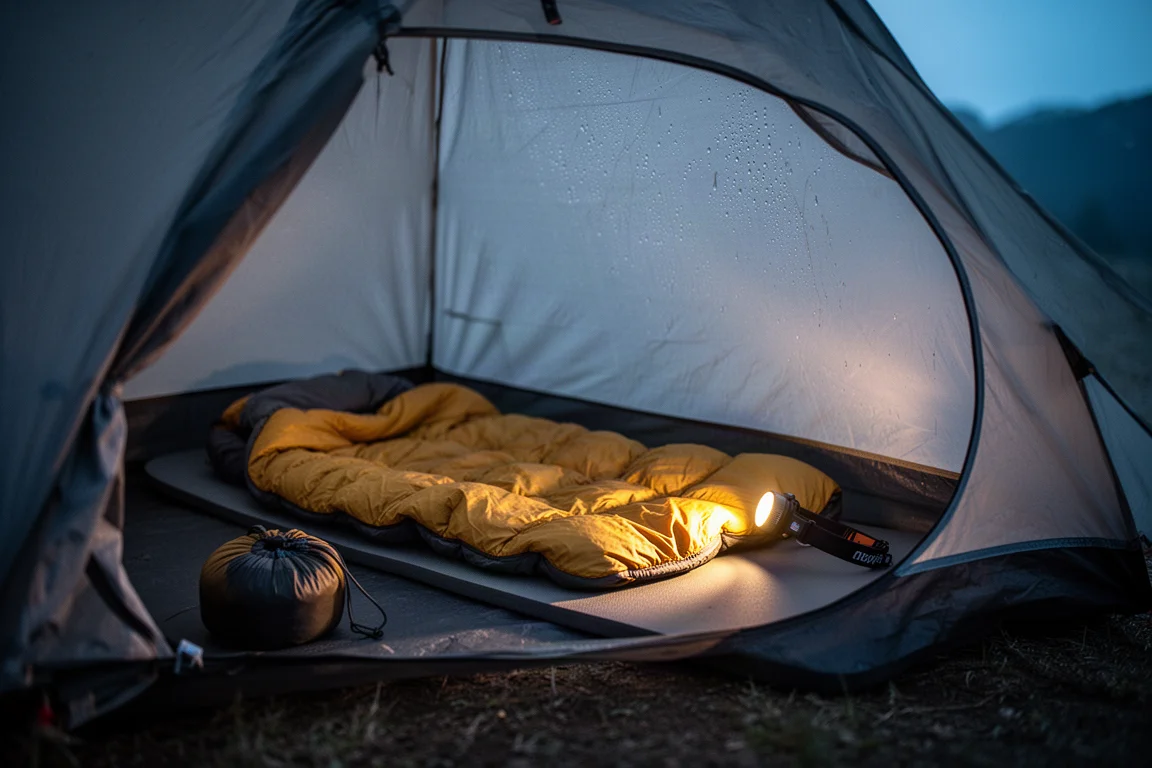
Condensation is the other thing worth noting. When a foot box presses against a single wall tent, moisture collects there. With this quilt the shell did not shrink down or lose loft overnight, and feet stayed warm through the night, which is exactly the behavior you want from synthetic insulation.
Weight and Packability Trade-Offs
Compared with a 22 degree down quilt, the synthetic Enigma added about 5 ounces and saved roughly 200 dollars. A quilt using a down-like synthetic fill would have added another 4 to 5 ounces on top of that in the dimensions needed here, and a comparable synthetic bag could add around 10 ounces. That math makes Apex a reasonable compromise for anyone already accepting a synthetic weight penalty.
Bulk is the larger trade-off. The synthetic quilt takes up close to twice the space of a comparable down quilt in a pack. Weight is easy to account for in a spreadsheet; volume is what tends to force a pack change or a rethink of what else comes along.
What the Switch to Synthetic Did for Allergies
The switch helped, though not completely. Swelling was reduced overall, with one morning still noticeably worse than the rest. The testing was imperfect because a down quilt was also in the same tent overnight, which leaves open the possibility of continued exposure. Allergy-driven swelling often has more than one contributor, so synthetic insulation is one lever among several rather than a guaranteed fix.
Buying Advice
Buy the Women’s Torrid Custom Jacket if you want a synthetic puffy that weighs about the same as a down jacket in its class and costs meaningfully less, and if you value hood and waist adjustments that do not fight a hip belt. Order the ready-to-ship version if you need it within a week or so and can live with the fixed fabric and regular hood. Go custom if color, fabric weight, and fit matter to you and you can wait several weeks.
Buy the Enigma Apex Custom Quilt if you sleep cold, want to avoid down, or camp in damp conditions where predictable loft matters more than packed volume. Choose the temperature rating with margin. A 20 degree quilt covered mid 30s nights here, and a colder sleeper may want to plan for a lower rating than the temperatures they expect. Order custom early, because there is no ready-made synthetic Enigma.
Both pieces are made in the United States and both are configured to order, so measure carefully against the brand’s sizing charts before committing.
For backpackers whose main constraint is pack volume, down remains the more compact choice. For those whose constraint is moisture, allergies, or budget, these two synthetic pieces form a coherent kit that stays warm without depending on perfect dryness.
Conclusion
Enlightened Equipment’s synthetic lineup delivers on the core promise of synthetic insulation: warmth that does not depend on staying perfectly dry, at weights that stay close to down. The Women’s Torrid Custom Jacket came in at 7.75 ounces and 175 dollars, warmer than expected and easier on the wallet than a comparable down puffy. The Enigma Apex Custom Quilt came in at 26.79 ounces and 230 dollars, lofted immediately, and held up to foot box condensation. The trade-offs are real, especially bulk, but for damp three-season trips and feather-sensitive sleepers, both are worth considering.
Further reading
Related Reviews

Backpacking Gear
Building a 10 lb Base Weight: An Ultralight Backpacking Gear List
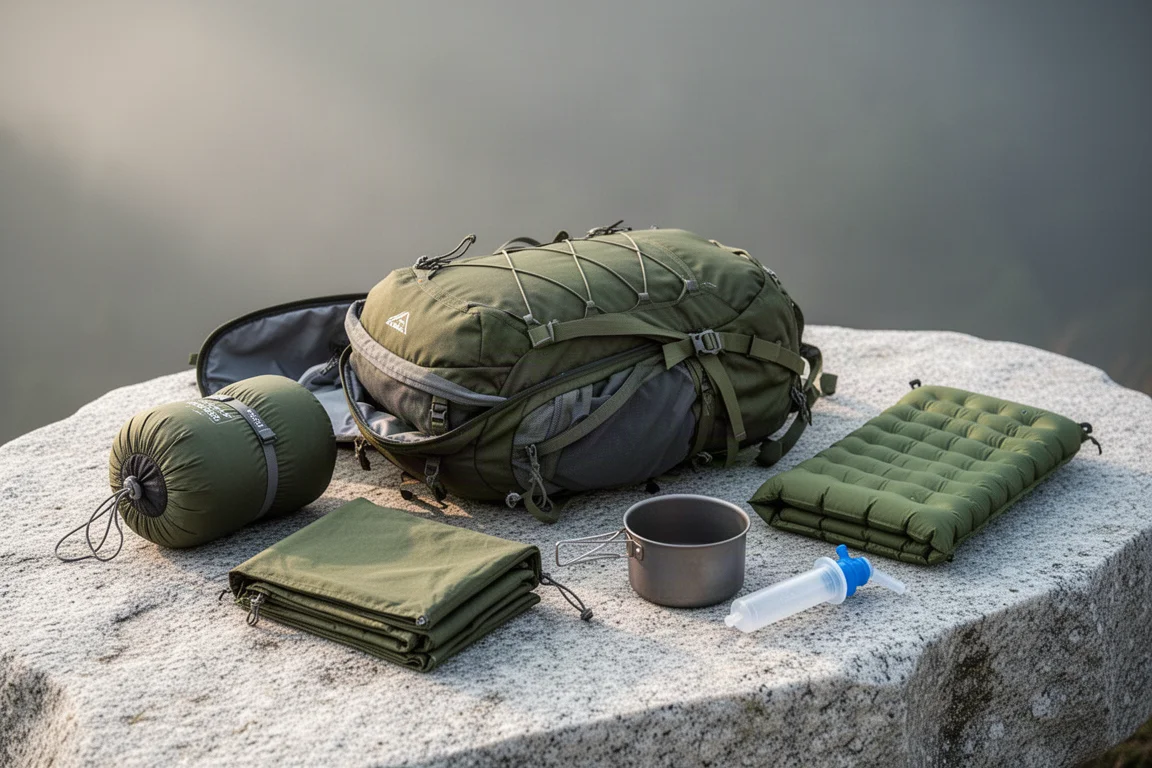
A practical walkthrough of the ultralight pieces behind a 10 lb base weight, from a 765 g pack and a roomy one-person tent to a full camp chair and a dependable water filter.
Backpacking Gear
A 15-Pound Lightweight Backpacking Gear List for Solo Trips
A beginner-friendly 15-pound backpacking setup built from easy-to-find gear, with notes on what each piece does, how it packs, and where to spend your attention.
Backpacking Gear
8 Ultralight Backpacking Gear Upgrades Worth Carrying
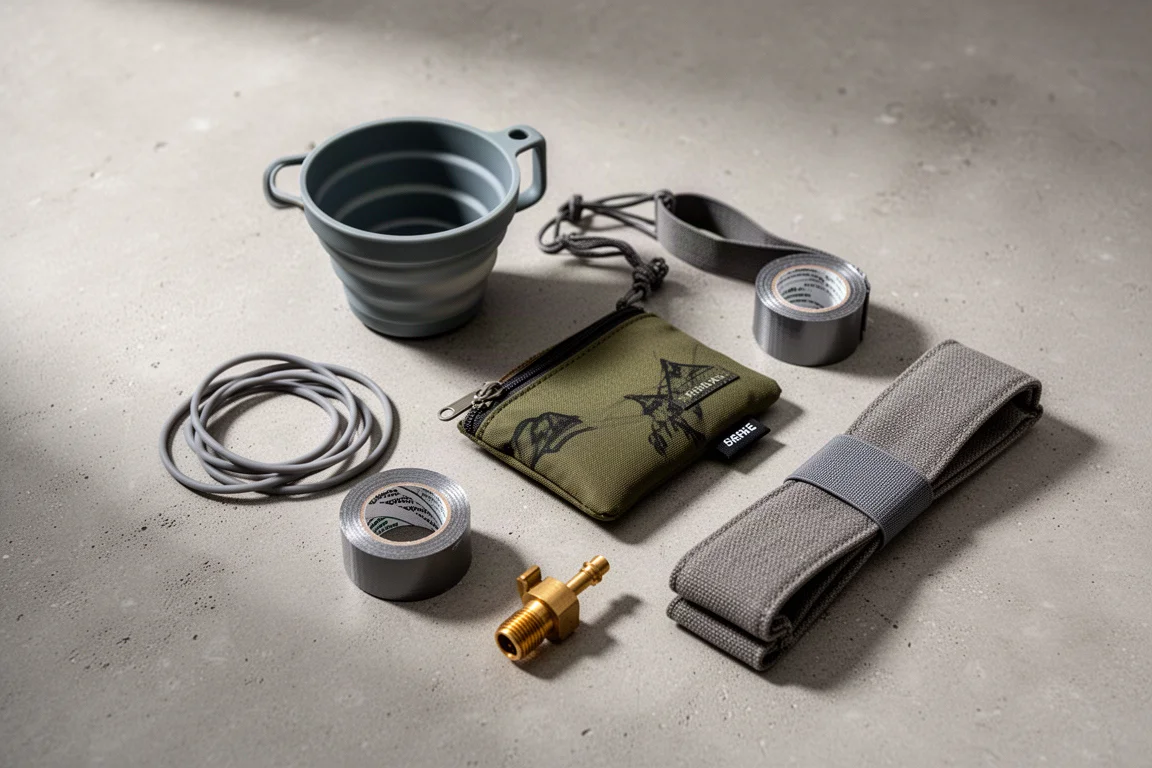
Eight small, affordable backpacking upgrades that solve real trail annoyances, from a pillow that stays put to a fuel valve that rescues leftover canister gas.