Mountain Bikes
Enduro vs Downhill Bike: Which One Belongs in Your Stable?
A practical comparison of a modern enduro bike and a dedicated downhill bike, covering travel, geometry, components and the ownership trade-offs that matter.
Introduction
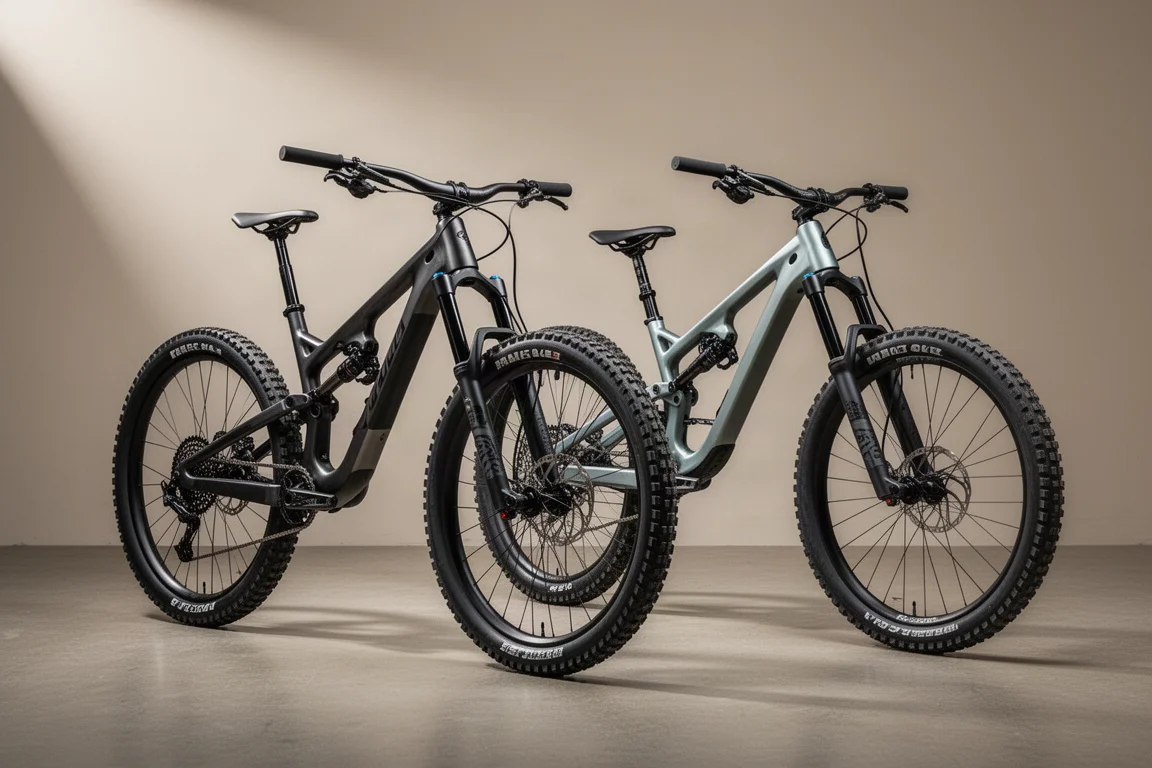
Downhill bikes are built to do one thing extremely well: get down a steep, rough track as fast as possible. Nothing else in mountain biking is quicker against the clock on that kind of terrain. The real question for most riders is different. With modern enduro bikes gaining travel, slacker geometry and tougher components, does a dedicated downhill bike still earn its place in a stable?
That comparison was put to the test back to back on a black run at Bike Park Wales, on an enduro bike and a downhill bike. The findings are useful for anyone deciding where to spend a bike budget, or whether a second, gravity-focused machine is worth the space.
How Enduro and Downhill Bikes Compare Today
Travel is the clearest dividing line, though the gap is smaller than many riders assume. Downhill bikes typically run 200mm (8 inches) of suspension front and rear, paired with a dual crown fork. Enduro bikes have historically sat around 160mm, but many now offer 180mm or even 190mm, which puts them closer to a full downhill rig than ever before. A small number of enduro bikes do use a dual crown fork, but they remain a minority.
Wheel sizes have largely converged. Enduro bikes moved to 29-inch wheels first, and downhill bikes have now followed. Both categories commonly offer a 29-inch front wheel with a mullet setup and a 27.5-inch rear, or a full 29er option.
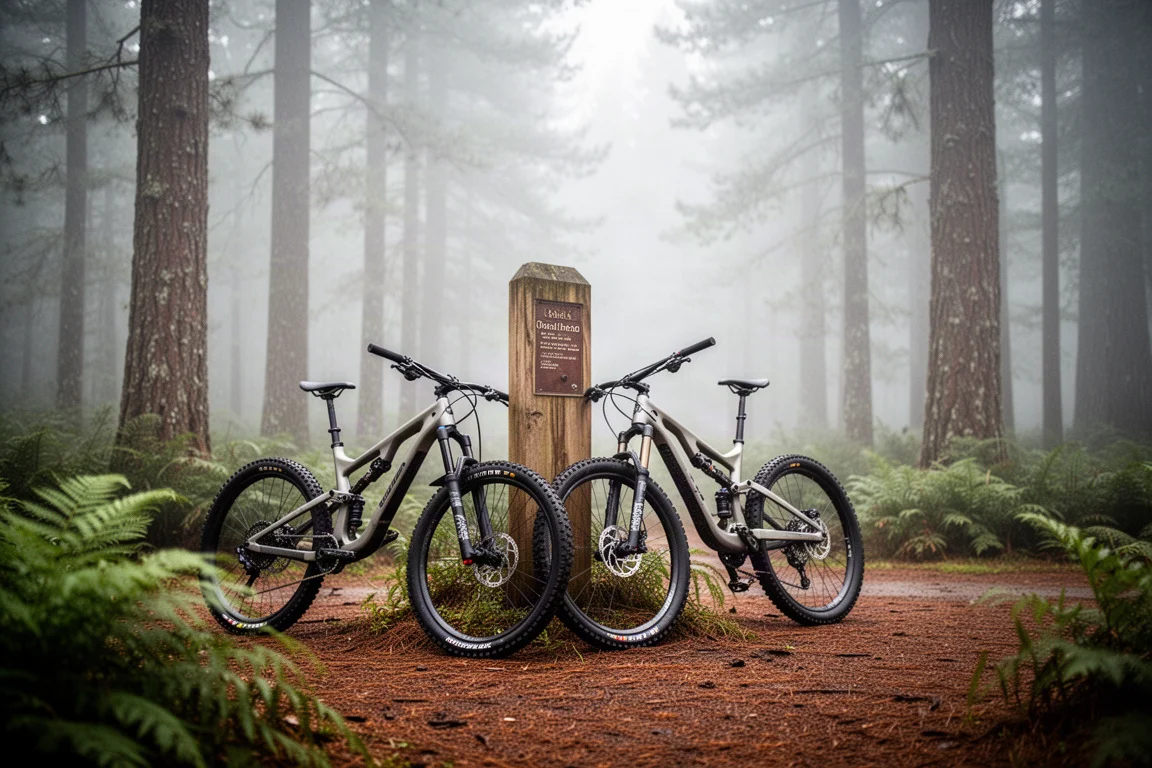
Geometry has converged too. The Intense Tracer 29 runs a 63.7 degree head angle and a 480mm reach on a large. The comparable Commencal Supreme DH is only 0.4 of a degree slacker and just 4mm longer in reach. On paper, that is remarkably close.
Weight is another area where the old assumptions no longer hold. Enduro bikes were once the lighter option, but as the demands on them have grown and the technology they are expected to carry has increased, they are now comparable in weight to modern downhill bikes. Downhill bikes themselves are light enough to help riders save energy when accelerating, yet strong enough to absorb repeated heavy hits.
Intense Tracer 29: The Enduro Option
The Tracer 29 is a useful example of how far enduro bikes have moved. A 63.7 degree head angle and a 480mm reach on a large put it within a fraction of a downhill bike’s numbers, and the wide handlebar and geometry make it feel far more stable than its travel figure suggests.
Where it separates itself is versatility. A dropper post lets the saddle drop out of the way for descents and rise again at the push of a button when the trail turns uphill. A wide-ratio cassette and a smaller chainring make steep climbs and fast fire roads both workable. In-frame storage and bottle cage mounts add practicality that a downhill bike simply does not carry.
On the trail it feels lighter and more playful, particularly over jumps, and it sprints noticeably better than a downhill bike, turning pedalling effort into forward speed. The trade-off is composure: it moves around more under hard, fast riding and offers less grip and less stability in the air than a full downhill rig.
Commencal Supreme DH: The Downhill Option
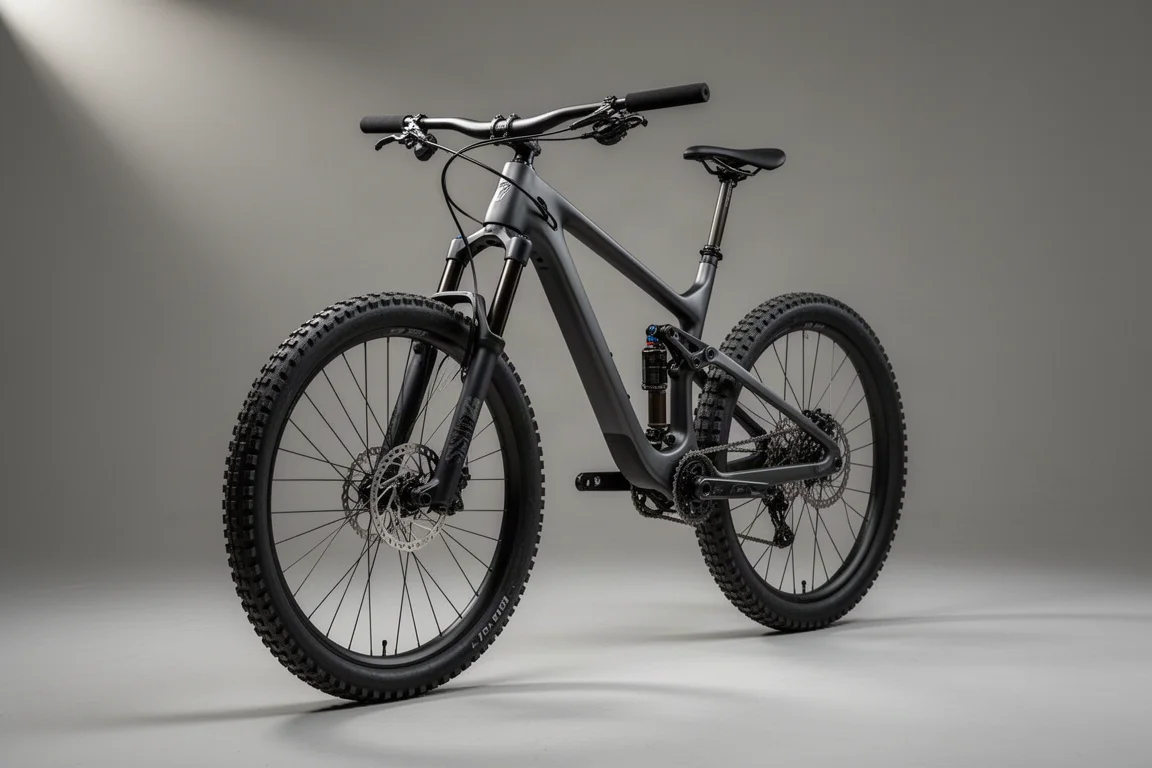
The Supreme DH takes the opposite approach. It pairs 200mm of travel with a dual crown fork, a low seat kept out of the way for the attack position, and a close-ratio cassette with a large chainring so riders can shift quickly when sprinting out of corners. Downhill casing tires are built tougher and heavier than enduro tires, which matters when a puncture in a race means the run is over rather than a quick repair.
The result is a bike that feels planted. The extra weight and extra travel make it easier to hold a line through rough sections, and the descent-focused geometry and suspension give a wider margin for error at high speed. It is not as entertaining to ride as the enduro bike, but it is reassuring, and the beefier components stand up to lap after lap of hard use.
What the Differences Feel Like on the Trail
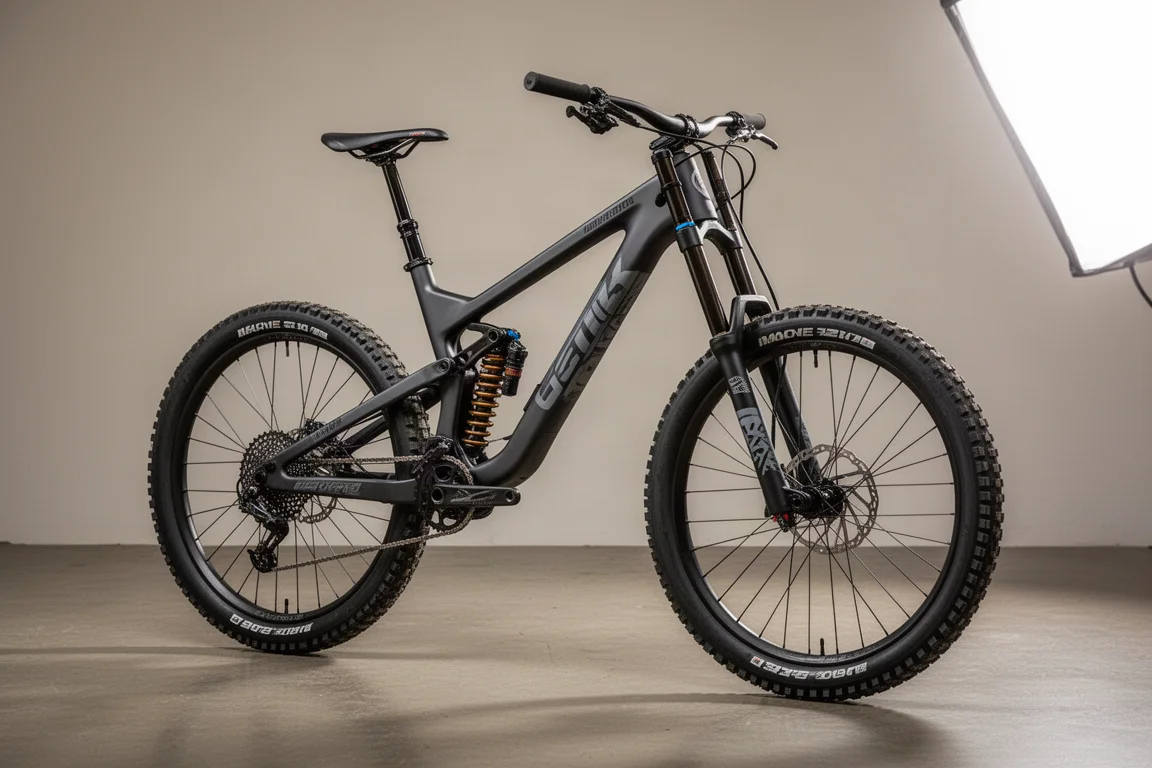
On a fast, jumpy black run, the two bikes produced noticeably different rides. The downhill bike felt stable and calm. It carried plenty of grip, the travel handled the rough sections well, and the extra weight made it easy to stay on the chosen line. It felt confidence inspiring in the air, though it was a little sluggish to get started.
The enduro bike carried more speed thanks to its shorter travel, but it was less stable in the air and moved around more. It felt almost as stable as the downhill bike in some sections, helped by the wide bars and geometry, but grip was lower and the bike was clearly more active underneath the rider.
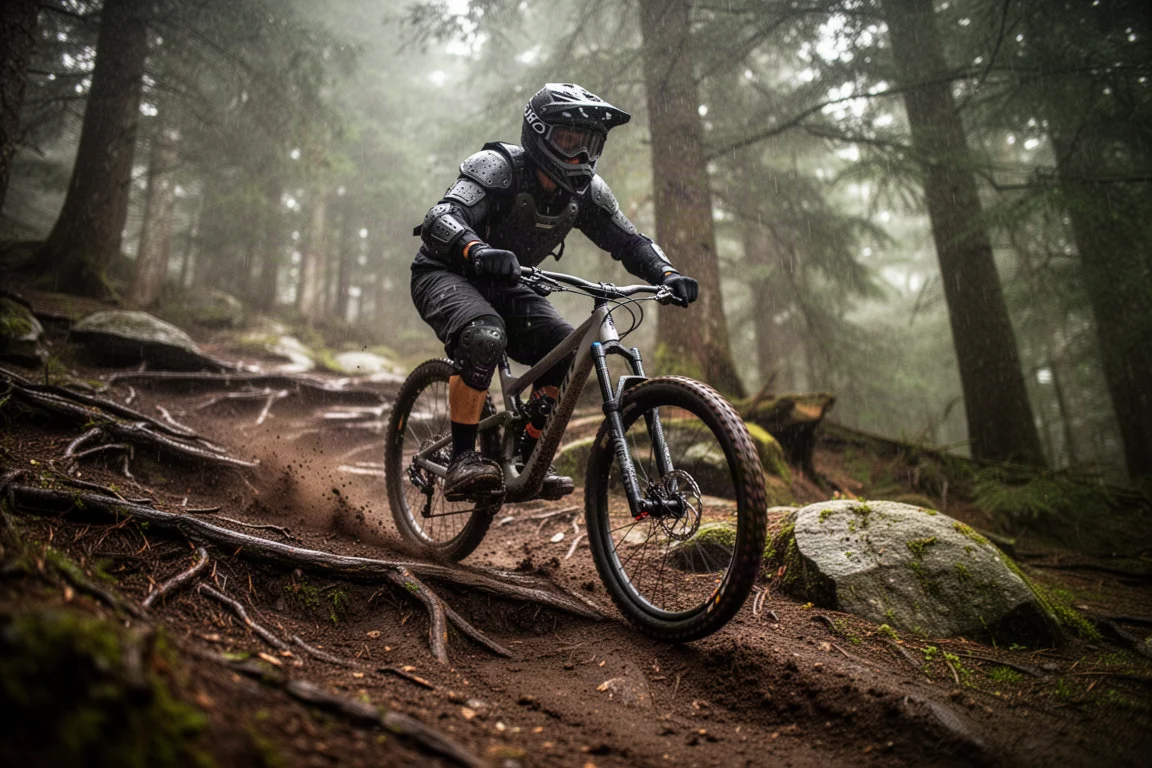
What the enduro bike gained was agility. It was lighter, more playful, especially over jumps, and it sprinted far better. Pouring pedalling energy into it produced real forward speed, which made it genuinely fun rather than simply fast.
Components, Durability, and Long-Term Ownership
Component choices reflect the different jobs these bikes do. Downhill bikes run low seats, close-ratio cassettes and large chainrings for quick shifts under sprint. Enduro bikes run dropper posts, wide-ratio cassettes and smaller chainrings so gearing suits both steep climbs and high-speed fire roads.
Punctures are a good illustration of the difference in intent. A flat can ruin a downhill race with no chance to plug the tire or top it up with a canister, which is why downhill casings are tougher and heavier. Enduro riders do have that repair option, so their tires have historically been lighter. That is changing as stiffer casings appear on enduro bikes and riders in both disciplines consider running inserts, narrowing the weight difference.
Durability is where the downhill bike keeps a clear advantage. Its tougher components last longer, which matters most for riders who spend a full season riding chairlift access in mountain ranges.
Which Bike Suits Your Riding?
If you ride lift access, chase race results, or spend long seasons in the mountains, a downhill bike is still the tool that makes the most sense. Its components survive repeated punishment, and its geometry and travel provide the widest margin for error when riding at the limit.
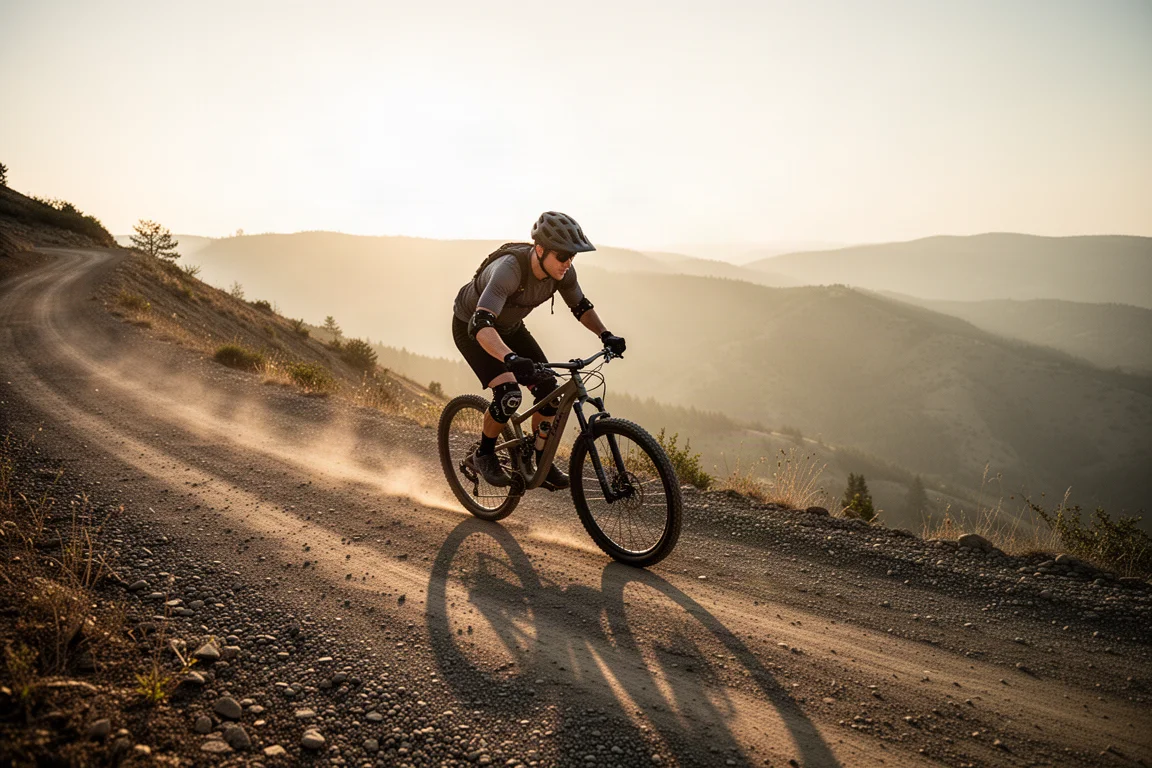
If your riding is mixed, the enduro bike is the more sensible single purchase. It can safely and successfully tackle most of the terrain a modern downhill bike handles, without much of a time penalty over a full downhill rig, and it can be ridden back to the top under its own power.
Buying Advice Before You Commit
The deciding factor is rarely the bike’s numbers and almost always the terrain you actually ride. A downhill bike rewards riders with regular uplift access, but its low seat, close-ratio gearing and heavy casing tires make it a poor fit for anyone who needs to climb to earn their descents.
An enduro bike with 180mm or 190mm of travel, a dropper post and a wide-ratio cassette covers a much wider range of riding. Geometry figures now sit close enough to downhill bikes that the difference on most tracks comes down to composure and component durability rather than outright capability. If you are choosing one bike for everything, the enduro platform is the safer bet. If you already have a trail or enduro bike and want a dedicated machine for steep, fast descents, a downhill bike still delivers something the enduro bike cannot match.
Where Each Bike Still Wins
The enduro bike wins on versatility. It can be pedalled back to the top, it handles jumps and mellower terrain with more energy, and it gives the rider more precision in line choice thanks to its lighter weight and more playful handling. On most terrain it is close enough to a downhill bike that the time difference over a full run is small.
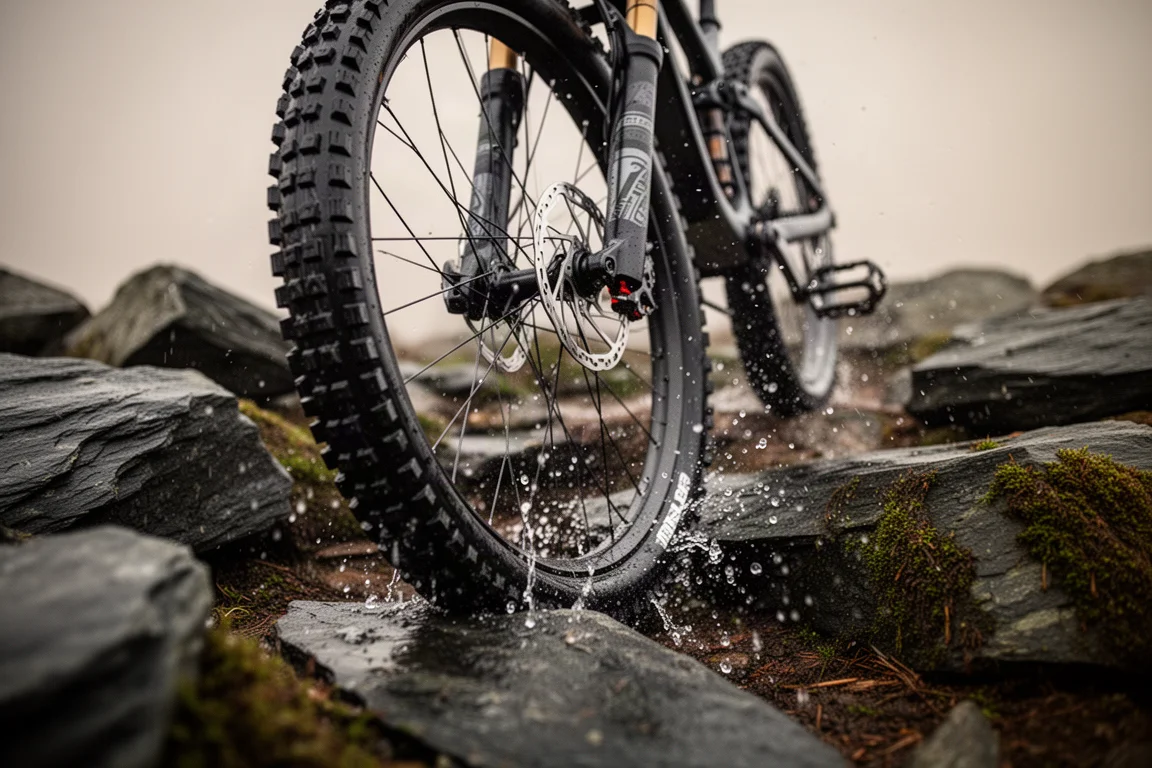
The downhill bike wins on composure and longevity. Its descent-focused geometry and extra travel make it more confidence inspiring on the limit, and its tougher components offer greater longevity, particularly for riders doing chairlift access seasons. The wider margin for error at high speed is the real benefit, not just the stopwatch.
Conclusion
Modern enduro bikes have closed most of the gap. They can handle nearly everything a downhill bike can on typical bike park terrain, with only a small time penalty and far more day-to-day usefulness. A downhill bike remains the better choice for riders who want maximum stability at speed and components that survive season after season of lift access riding. For everyone else, one well-specced enduro bike covers more ground.
Further reading
Related Reviews
Mountain Bikes
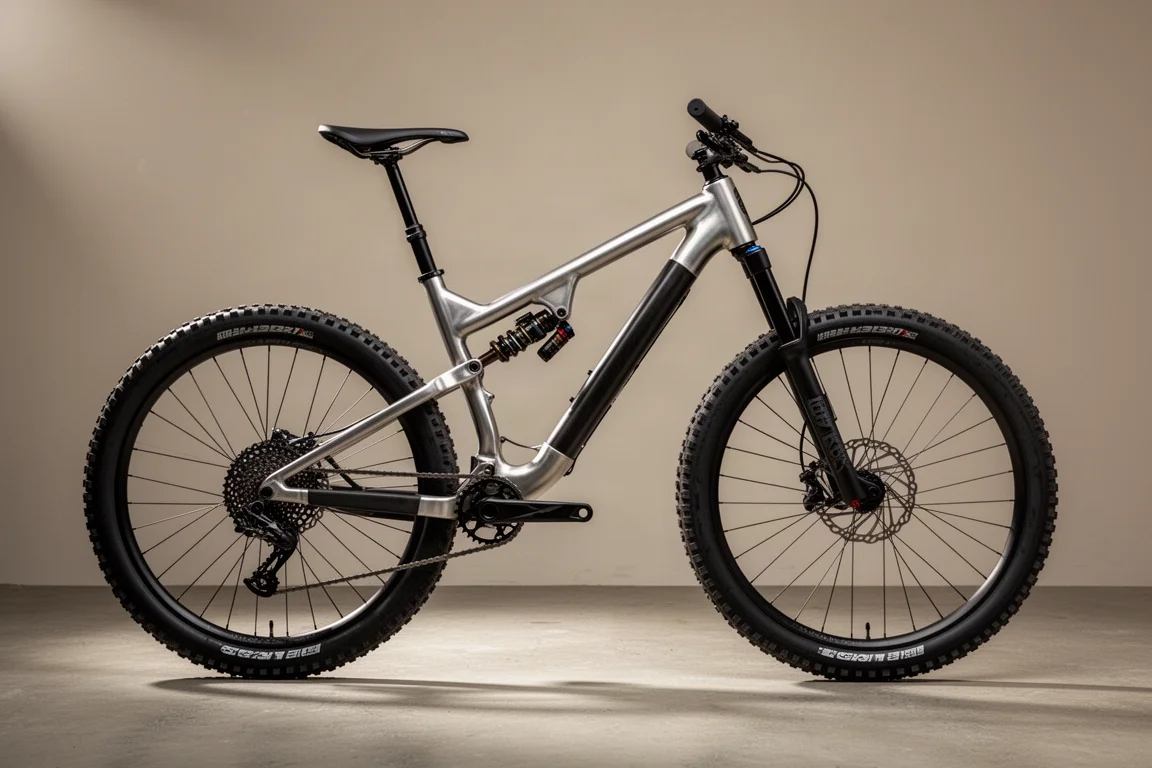
Atherton AM.130 Review: 3D-Printed Titanium Lugs and a 130mm Trail Bike That Descends Like a Bigger Machine
The Atherton AM.130 pairs 3D-printed titanium lugs with carbon tubes and a DW6 suspension platform. Here is how it rides, what the build delivers, and who it suits.
Mountain Bikes
Beginner Mountain Bike Buying Guide: What to Look For in a Trailworthy Hardtail
A practical framework for evaluating beginner mountain bikes, whether new or used, by examining key components that indicate real trail capability.
Mountain Bikes
Best Aluminum Mountain Bikes 2026: Five Alloy Bikes Worth Your Attention
Five aluminum mountain bikes that show how far alloy has come, from a 120mm trail bike and a versatile machined frame to a 180mm freeride machine.