Mountain Bikes
Enduro Bike vs Downhill Bike: Which One Belongs in Your Stable?
A back-to-back comparison of a modern enduro bike and a downhill bike, covering geometry numbers, travel, components, and how each one actually rides on a bike park black run.
Introduction
For a serious gravity rider in the 2000s and early 2010s, a downhill bike was simply part of the deal. Trail bikes of that era had short travel, steep geometry, and were rarely up to the rigours of hardcore descending, so riders kept a downhill bike for the rough days and took it to the Alps each summer.
The picture looks different now. Bike parks and trails have grown gnarlier, and enduro bikes have grown to match them, with big wheels, aggressive geometry, and generous, well-damped suspension. There are noticeably fewer downhill bikes in the uplift queues, even though there are more bike parks than ever. So the real question is whether a downhill bike still earns its place in a stable, or whether a modern enduro bike covers enough ground to make it optional.
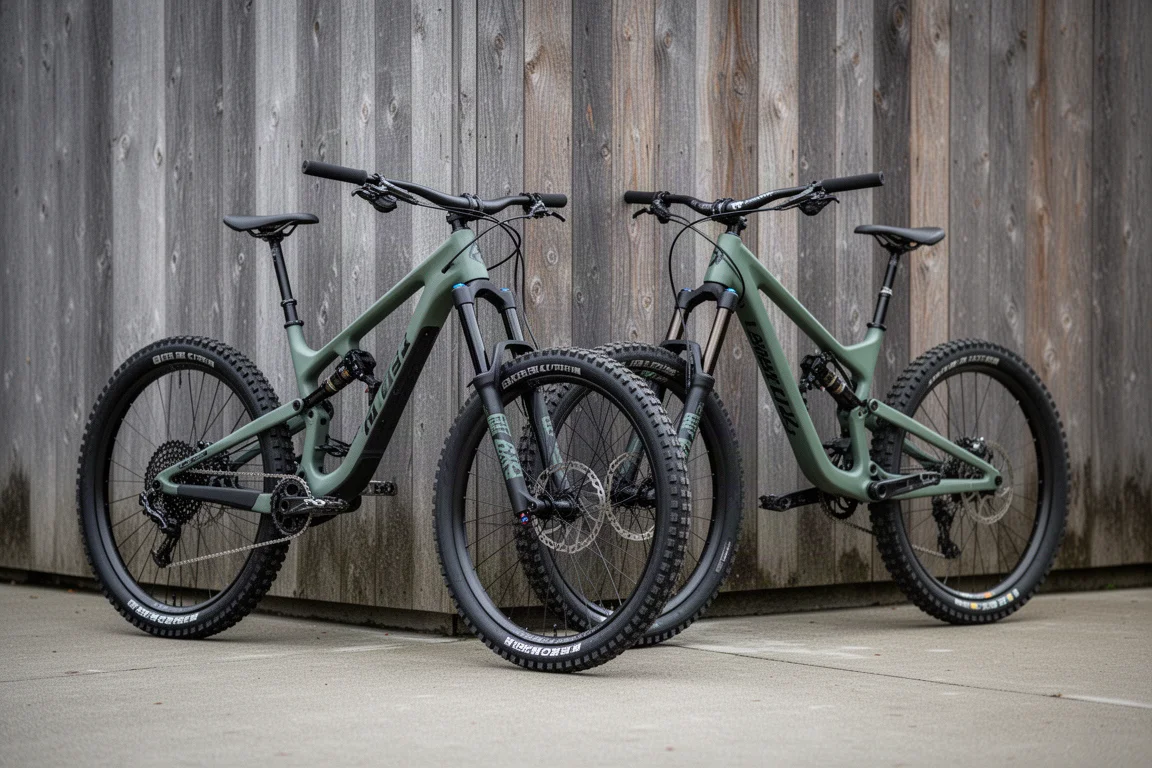
To find out, two bikes went back to back on a bike park black run: the Intense Tracer 29 on the enduro side, and the Commencal Supreme DH on the downhill side.
What Separates an Enduro Bike From a Downhill Bike
The most obvious difference is suspension travel, and the gap is smaller than many riders expect. Downhill bikes usually run 200mm, or 8 inches, front and rear, with a dual crown fork up front. Many enduro bikes still sit around 160mm, but travel has been steadily creeping upwards, and some now run 180mm or even 190mm. That is still a little short of a full downhill rig. A handful of very aggressive enduro bikes do use a dual crown fork, but they remain a small minority.
Wheel setup has converged almost completely. Enduro bikes moved to 29-inch wheels long before downhill bikes did, and downhill has now come into line. Both categories generally run a 29-inch front wheel and are often available either as a mullet setup with a 27.5-inch rear or as a full 29er.
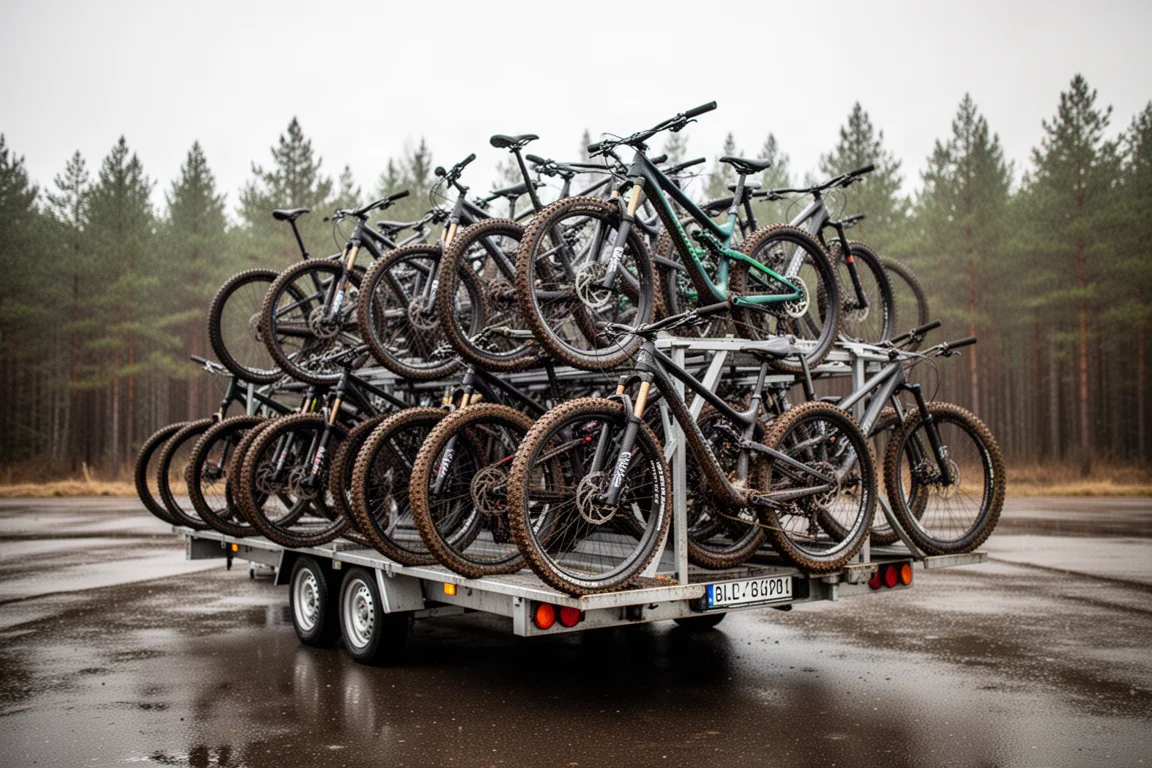
The deeper difference is packaging. Enduro bikes have far more to squeeze in: a dropper post, a wide-ratio cassette, in-frame storage, and bottle cages. They are also built to stay as light as possible, because the rider still has to turn the pedals uphill. A downhill bike carries none of that. Its saddle sits low and out of the way, its gearing is close-ratio, and every design decision is aimed at the descent.
Intense Tracer 29: The Enduro Side
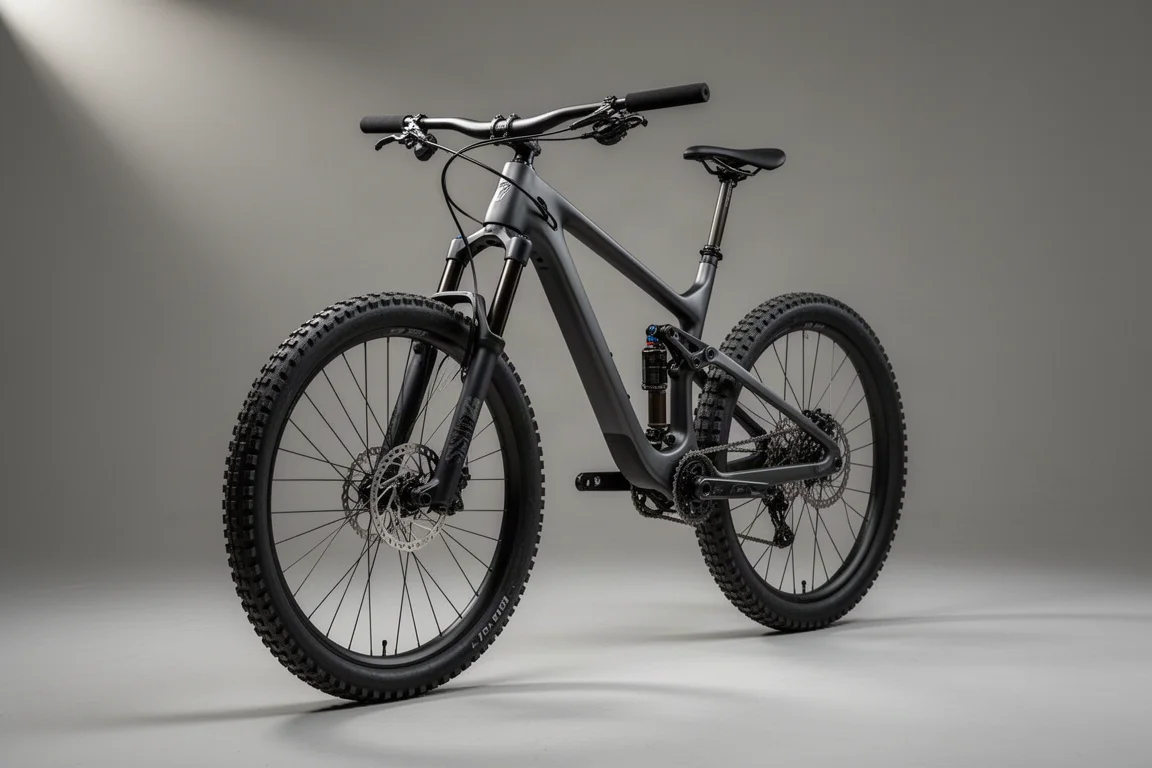
Geometry is where the two categories have genuinely closed in on each other. The Intense Tracer 29 runs a 63.7-degree head angle with a 480mm reach on a large frame. Those are numbers that would have looked like a downhill bike’s a decade ago, and they explain why the Tracer feels far more planted than its travel figure suggests.
On the trail, the Tracer carries speed well, largely because it has less travel to move through. It sprints noticeably better than a downhill bike, putting pedalling energy into forward motion rather than absorbing it. It also feels playful, particularly over jumps, and the lighter weight and quicker handling let the rider be more precise with line choice.
The trade-off is stability at the limit. Pushed hard, the Tracer feels livelier and moves around more underneath the rider, and it can get blown off line in the air. Even so, the wide handlebar and slack geometry mean it feels almost as stable as a downhill bike once the speed is up.
Commencal Supreme DH: The Downhill Side
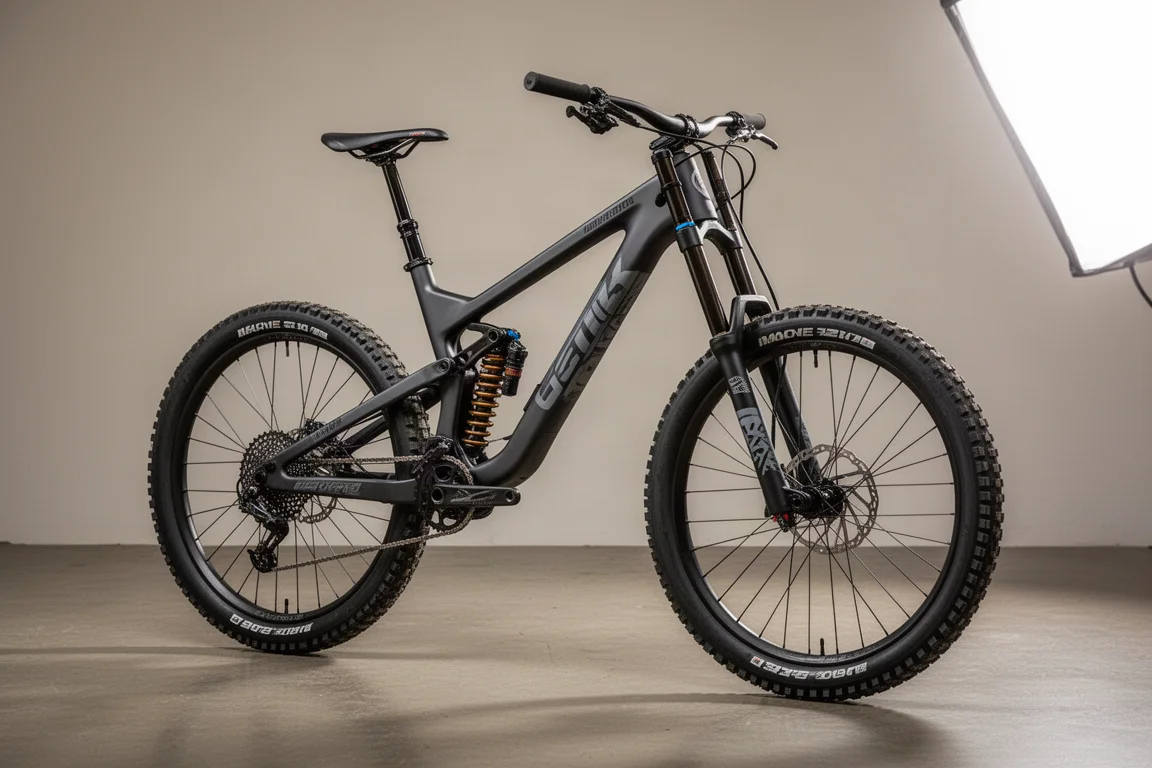
Set against the equivalent Commencal Supreme DH, the downhill bike is only 0.4 of a degree slacker and just 4mm longer in reach than the enduro bike. On paper, that is a flip chip away from identical. On the trail, the difference is felt rather than measured.
The Supreme DH is stable and planted, with bags of grip on rough ground and travel that soaks up bumps without fuss. The extra weight helps it hold a line, and it feels confidence-inspiring in the air. The cost is in the initial effort: it is a little sluggish to get started compared with the lighter bike.
That combination adds up to a wider margin for error at high speed. The descent-focused geometry and extra travel make it more reassuring on the limit, and the beefy downhill components survive repeated thrashing lap after lap. It is not as entertaining to ride as the enduro bike, but it is considerably more forgiving.
Geometry, Travel, and Weight: The Numbers
Weight used to be a clear dividing line, with enduro bikes generally lighter than downhill bikes. That has changed. As the demands on enduro bikes have increased and the technology they are expected to carry has grown, their weights are now comparable to modern downhill bikes. Downhill bikes, meanwhile, are light enough to save rider energy under acceleration but strong enough to shrug off the hardest hits.
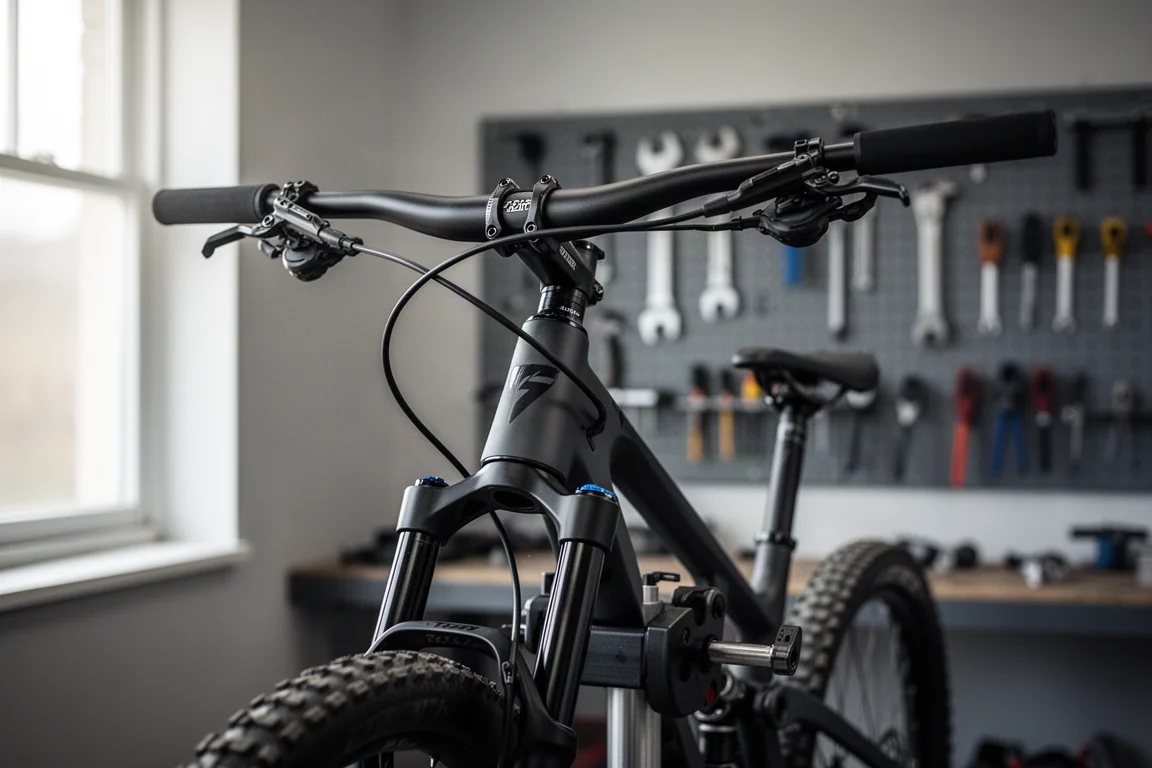
Tyres tell a similar story. Downhill casing tyres are built tougher and heavier than enduro tyres because a puncture in a downhill race is win or bust, with no opportunity to stop and plug the tyre or top it up with a canister the way an enduro racer can. But stiffer casings are now appearing on enduro bikes, and riders in both disciplines are increasingly considering inserts, so the weight difference between the two is narrowing.
Components and Durability: Where Downhill Still Leads
The clearest remaining advantage for a downhill bike is durability. Downhill components are built to take repeated punishment, which matters most for riders putting in long chairlift access seasons in mountain ranges. That longevity is the downhill bike’s major benefit, and it is not something an enduro bike can fully replicate.
Drivetrain design reflects the different jobs. Downhill bikes pair close-ratio cassettes with large chainrings so racers can bang through the gears quickly when sprinting. Enduro bikes use smaller chainrings and wide-ratio cassettes, which lets the rider pick a gear appropriate for grinding up a steep climb or blasting along a high-speed fire road. Add a dropper post and the seat can be dropped out of the way for descending, then raised at the touch of a button when the terrain turns uphill.
Riding Impressions at the Bike Park
Both bikes were ridden back to back on a bike park black run with many of the features you would find on a typical downhill track: fast, jumpy, and properly rough. On the downhill bike, the travel and weight made it easy to stay on line through the rough sections, and the grip and composure were immediately confidence-inspiring.
Switching to the enduro bike, the surprise was how little speed was lost. Despite the reduced travel it certainly did not feel slow, and the lighter weight and more playful handling allowed more precise line selection, especially on the jumps. Stability was not as bad as expected either, though the bike did move around more underneath the rider and felt less settled in the air.
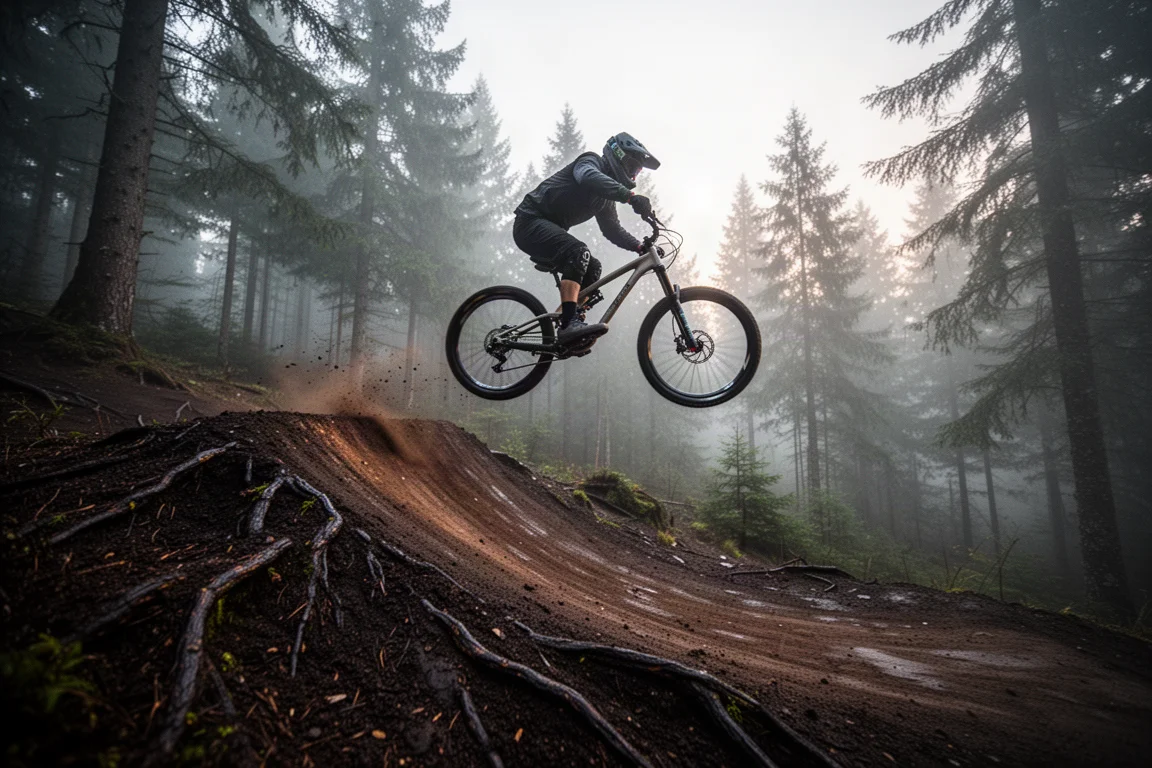
By the end of the session, it was genuinely unclear which of the two would be faster over the full run. The downhill bike had the edge on rough terrain and felt more planted, while the enduro bike gave away far less than its travel deficit would suggest.
Who Each Bike Suits
A downhill bike makes the most sense for riders who want the widest possible margin for error at speed and who value tougher components that hold up to season after season of uplift days in the mountains. It is a specific tool for a specific job, and it remains the best bike in the world for riding flat out against the clock on gnarly tracks.
An enduro bike suits the rider who wants to safely and successfully hit most of the terrain a modern downhill bike can tackle, without giving away much time over a full descent, and who also wants to ride back to the top under their own power. For that rider, the versatility is the whole point.
Overall Buying Advice
A modern enduro bike will get you down most of the terrain you could ride on a modern downhill bike, and it will not give away much time over a full downhill rig. On tracks like the ones found in the UK, the two are close enough that the choice comes down to priorities rather than pure capability.
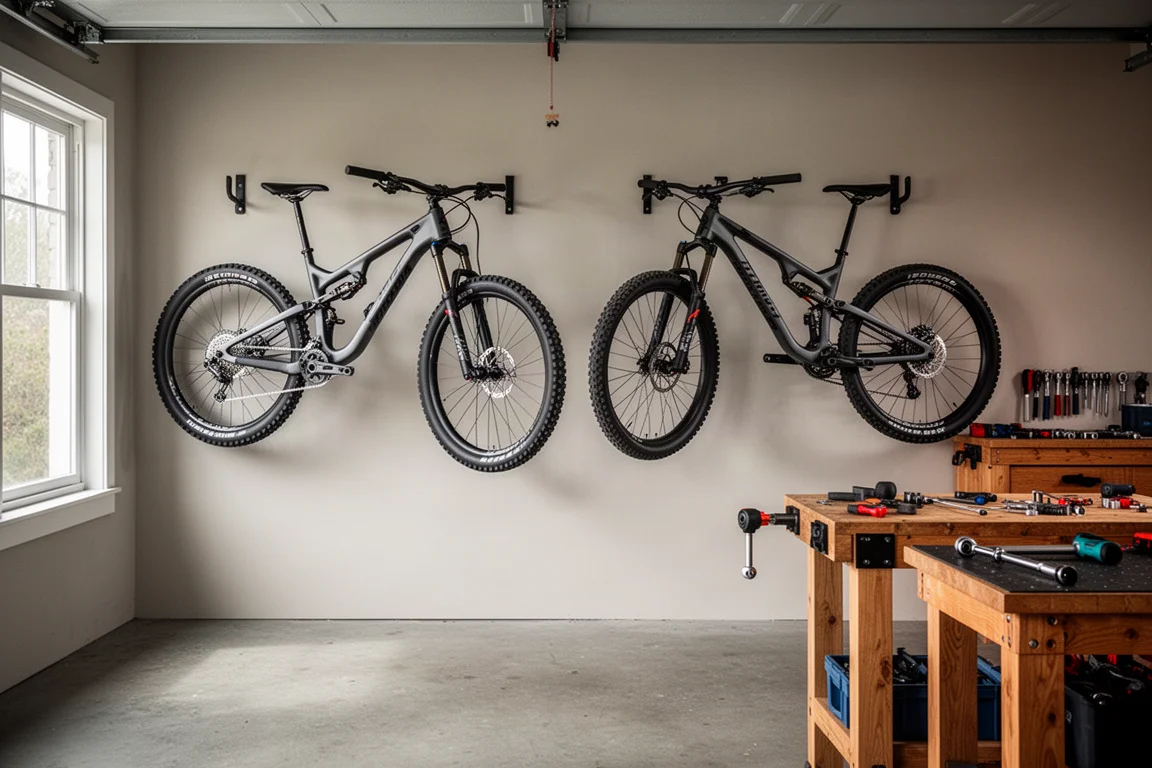
If your riding is built around chairlift access and you want the reassurance of downhill-grade components that survive lap after lap, a downhill bike still earns its place. If you want one bike that handles aggressive descending, stays playful and precise, and can be pedalled back up the hill at the end of the day, the enduro bike is the more versatile tool, and for most riders that settles it.
Conclusion
Downhill bikes have not been made obsolete. They remain the fastest, most forgiving option on the hardest tracks, and their component durability is a real advantage for anyone riding uplift seasons in the mountains. But modern enduro bikes have closed the gap in geometry, travel, and weight to the point where the performance difference on most trails is small. The decision comes down to how much of your riding is lift-served descending, and how much of it needs a bike that can climb back to the top.
Further reading
Related Reviews
Mountain Bikes
Atherton AM.130 Review: 3D-Printed Titanium Lugs and a 130mm Trail Bike That Descends Like a Bigger Machine
The Atherton AM.130 pairs 3D-printed titanium lugs with carbon tubes and a DW6 suspension platform. Here is how it rides, what the build delivers, and who it suits.
Mountain Bikes
Beginner Mountain Bike Buying Guide: What to Look For in a Trailworthy Hardtail
A practical framework for evaluating beginner mountain bikes, whether new or used, by examining key components that indicate real trail capability.
Mountain Bikes
Best Aluminum Mountain Bikes 2026: Five Alloy Bikes Worth Your Attention
Five aluminum mountain bikes that show how far alloy has come, from a 120mm trail bike and a versatile machined frame to a 180mm freeride machine.