Cycling Components
Endurance Road Bike Build Guide: Components for Long-Distance Riding
A practical endurance road build covering frame choice, wide tires, low gearing, dynamo lighting and bikepacking luggage for ultra-distance events.
Introduction
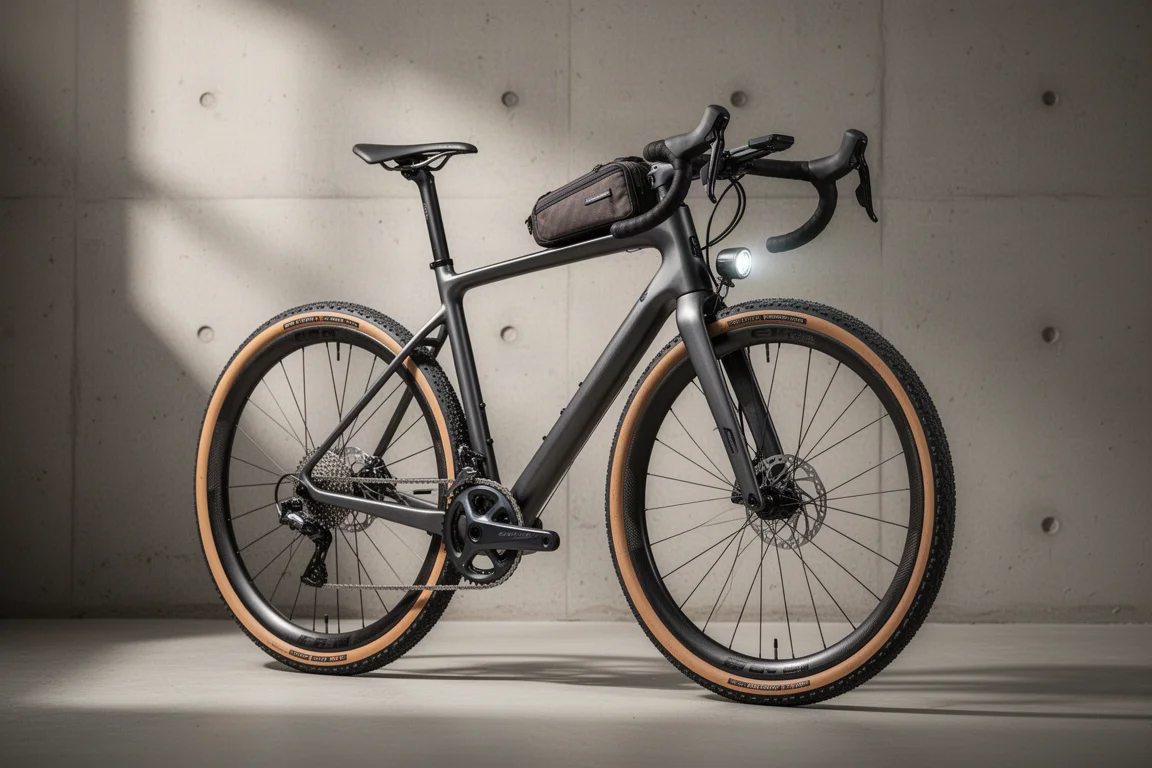
Building a bike around ultra-distance road events means accepting that comfort, efficiency and reliability all have to share the same frame. This set of components was chosen for a 1,000 km endurance road build aimed at Ireland’s wild west coast, on a route with roughly 12,000 metres of climbing. The priorities are wide tires run at low pressure, gearing low enough to spin up steep climbs, and controls that stay easy to use when the rider is cold and tired.
What Makes a Good Endurance Road Build
Endurance road riding rewards different choices than fast group rides. Tire volume, gear range, shifting ergonomics and contact points all matter more than shaving grams. The frame has to accept wide rubber without losing aerodynamic efficiency, and everything else has to reduce accumulated strain over long days.
Three themes shape this build. First, generous tire clearance and the ability to run those tires well below typical road pressures. Second, gearing that keeps the legs spinning on steep gradients rather than grinding. Third, electronic shifting and dynamo lighting that cut down the mental load during a long ride.
The Frame: Cannondale Synapse 4
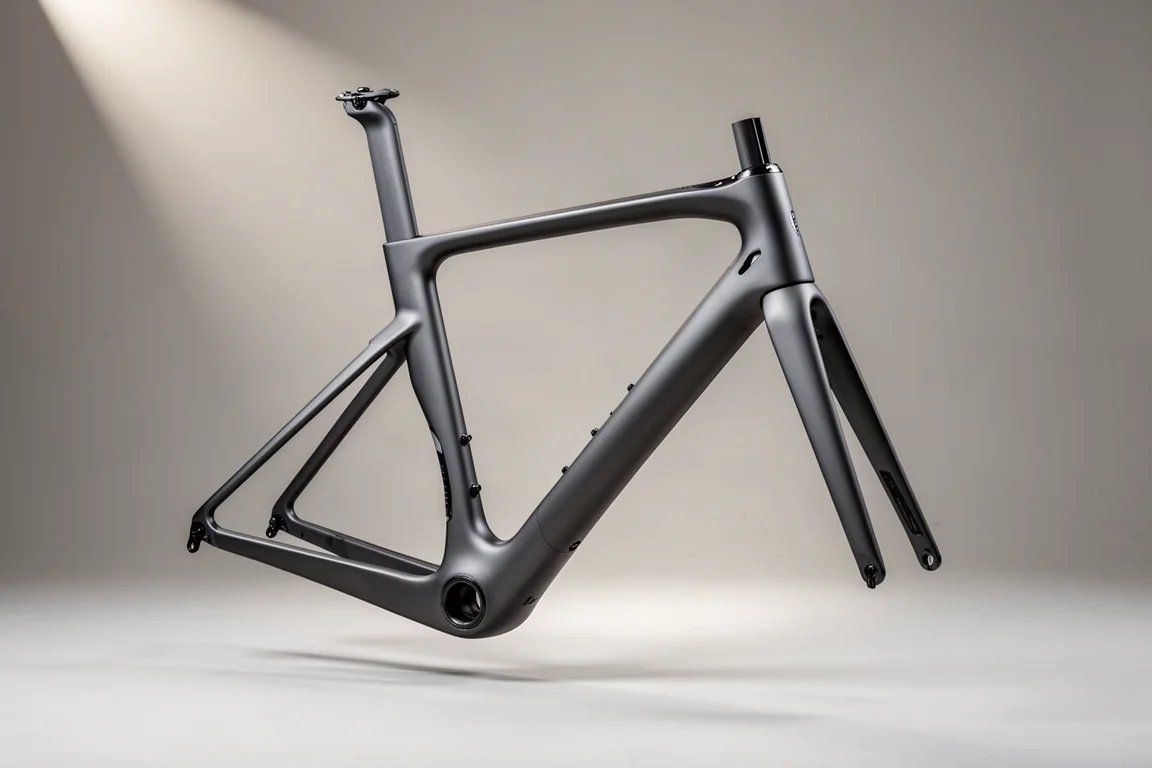
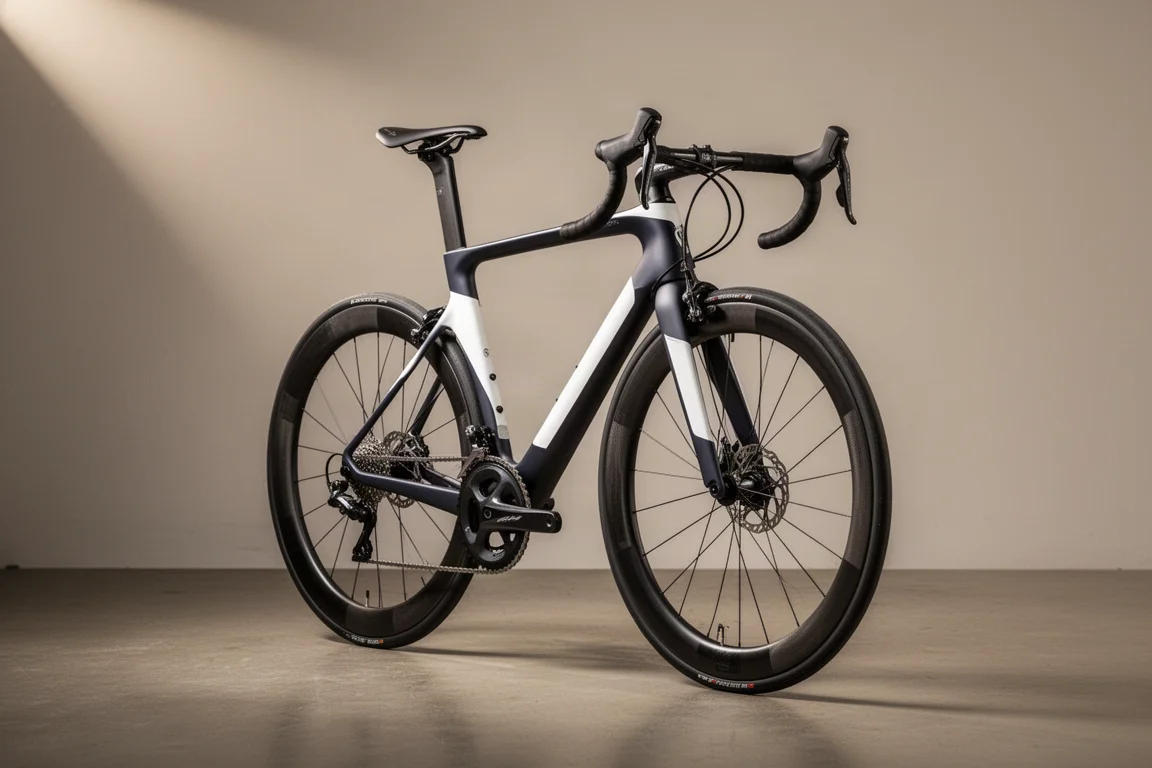
The Synapse 4 is the foundation of this build. It offers 48 mm of front tire clearance and 42 mm at the rear, which is unusually wide for an endurance road frame and a key reason it was chosen. The frame also uses a chunky down tube and aerodynamically optimized shapes to stay efficient at moderate speeds, while compliance is built into the rear end for extra comfort.
A few practical details stand out. There is down tube storage behind a lever under the bottle cage, which swallows a mini pump, tire levers and a tubeless repair kit. Cables are integrated for a clean look and a small aerodynamic gain, though that also makes stem and handlebar swaps more involved than on a standard bike. This latest generation moves the endurance category forward.
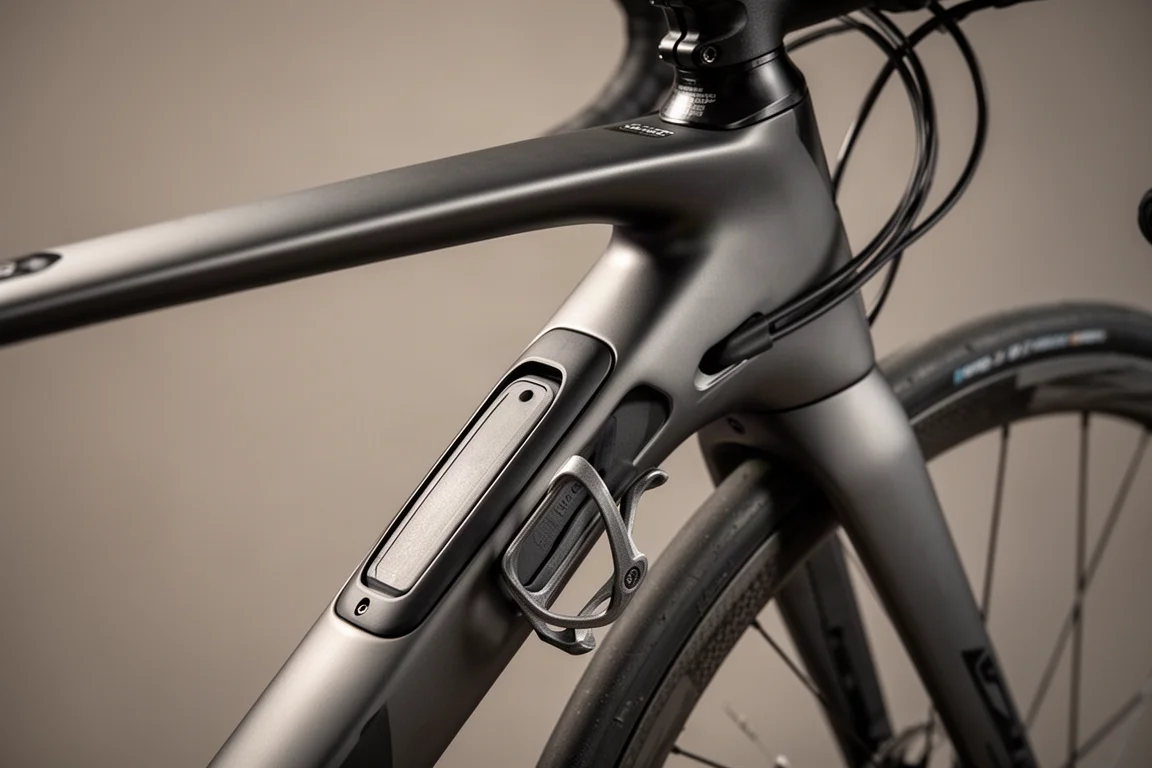
For riders who want a single frame that can carry wide tires, stay aero and still absorb rough roads, this is one of the few options currently built for that brief.
The Tires: Pirelli P Zero Race TLR
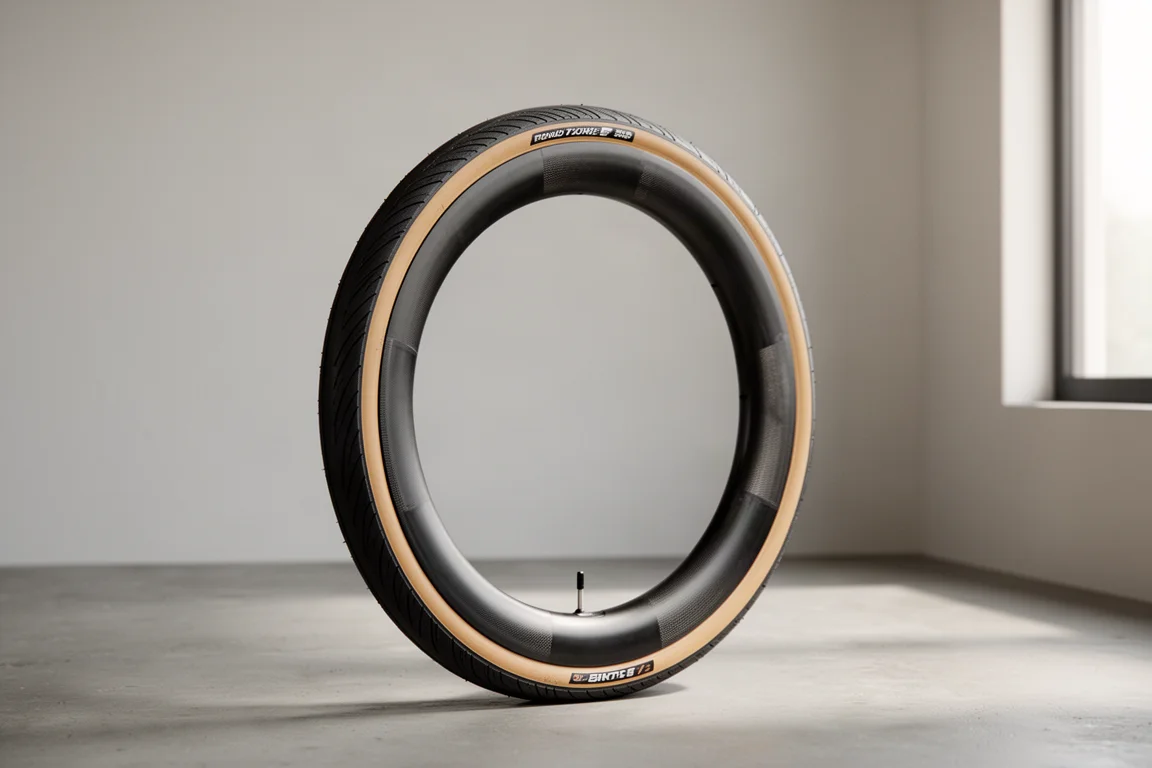
The headline choice on this build is a 40 mm Pirelli P Zero Race TLR, which pairs a fast road-race construction with a very wide size. Running that much volume on a road bike is a real departure from tradition, and it is not for everyone.
Tire pressure turned out to be the hardest part to dial in. Starting at 40 PSI produced a harsh ride over small bumps. After some testing, 28 PSI front and 30 PSI rear gave a much better balance of comfort and protection against bigger holes in the road. For anyone considering the same setup, expect to spend time finding the sweet spot.
The Drivetrain: Shimano 105 Di2
Shimano 105 Di2 is the most affordable electronic road groupset in Shimano’s range, and it brings a 12-speed drivetrain with electronic shifting. The practical appeal for endurance riding is simple: the shift buttons are much easier to operate when hands are cold and tired than mechanical levers.
The bike shipped with a 50/34 chainring pairing and an 11-34 cassette, which is reasonable for general road riding. That setup was changed here for reasons covered in the next section.
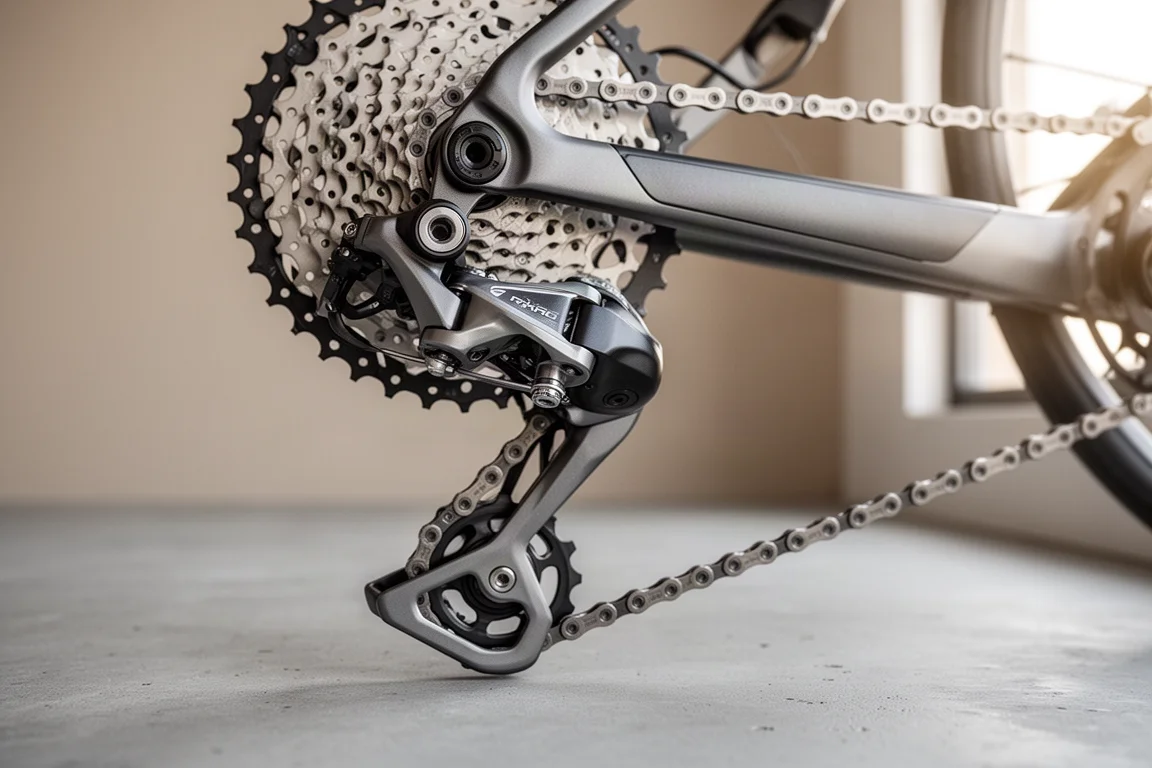
For riders who want reliable electronic shifting without moving into higher groupset tiers, this is a strong fit.
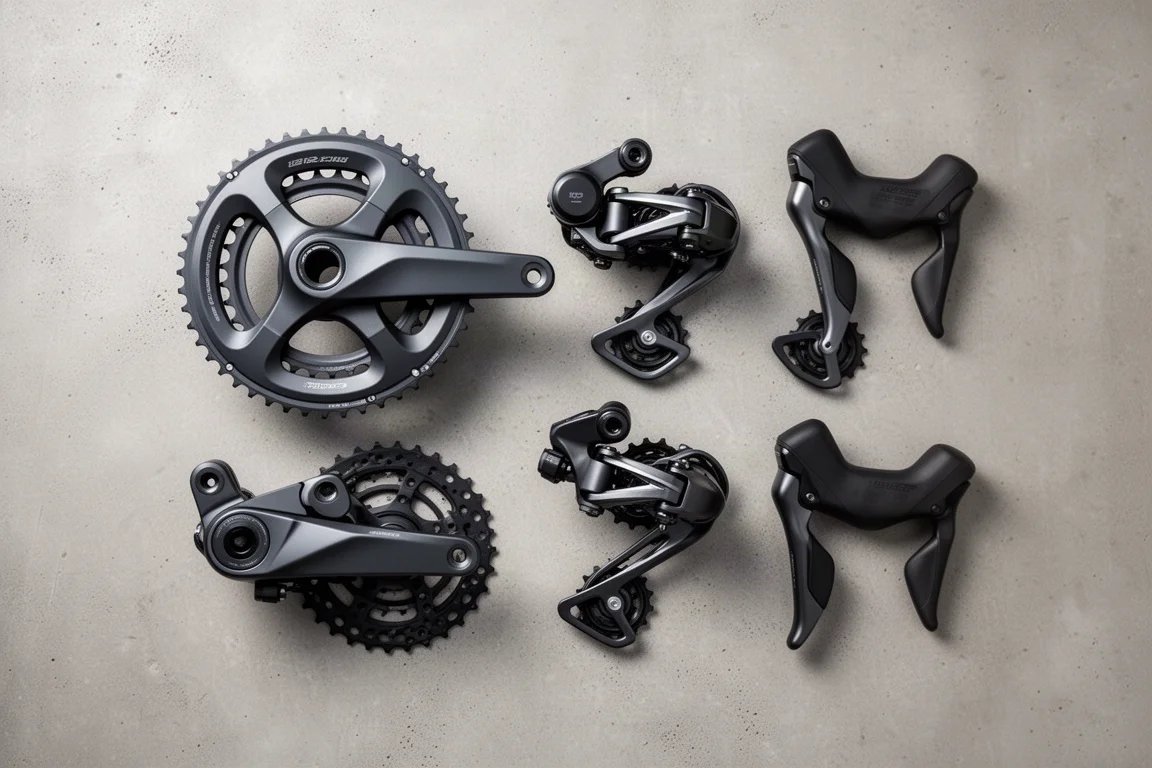
Lower Gearing: Shimano GRX Crankset
Because this bike is loaded and will be climbing sustained steep pitches, the gearing was lowered substantially. The 105 crankset was swapped for a Shimano GRX crankset, which moves the chainrings to a 48/31 combination instead of the original 50/34. The cassette was also changed to an 11-36, which is the maximum the derailleur can handle.
There is an important compatibility note: changing the crankset requires changing the front derailleur as well, because the chain line differs slightly between Shimano’s road and gravel cranksets. A GRX front derailleur was fitted to match. For anyone planning a similar change, this is not a one-part swap.

The Cockpit: Zipp Service Course SL Ergo
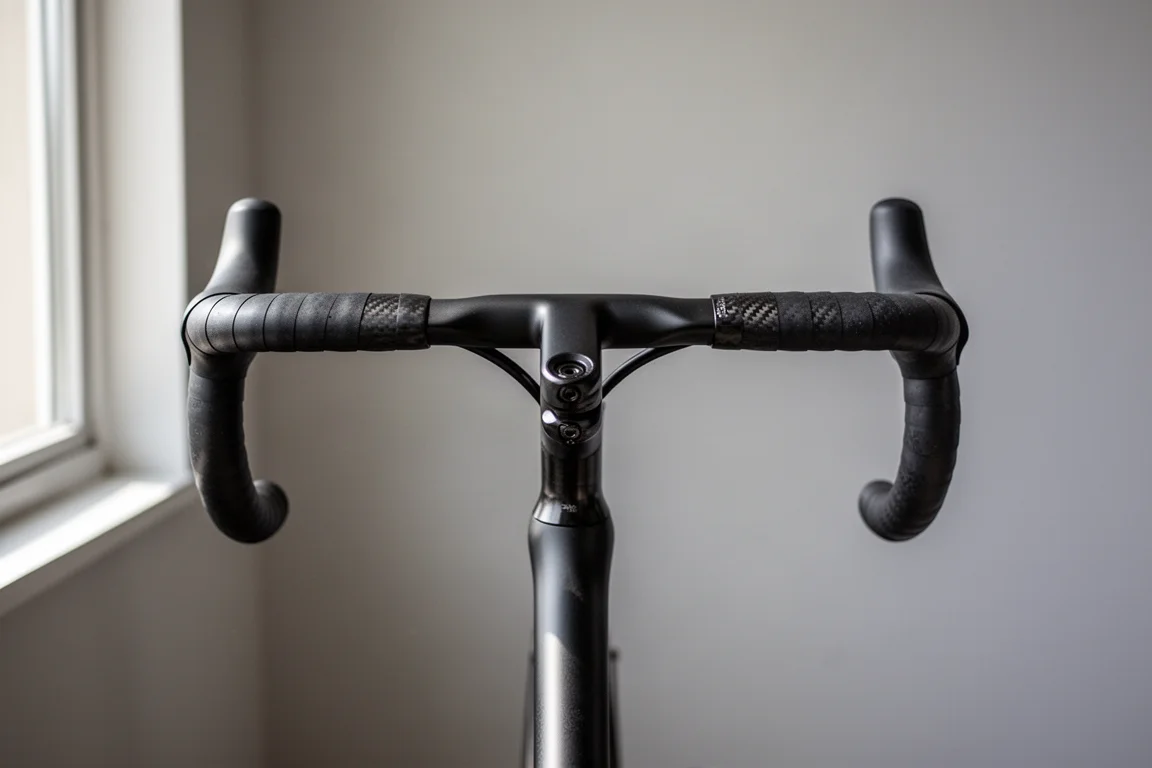
The original bike felt a little long, with too much reach forward. That was addressed with a 60 mm stem at a plus six degree angle, which trades some aesthetic purity for a more comfortable position.
The original bar was replaced with a Zipp Service Course SL Ergo, which has shorter reach and a more compact overall shape. That extra width also allowed aero extensions to sit a little further apart, improving shoulder comfort for long days in the saddle.
The GPS Computer: Coros Dura
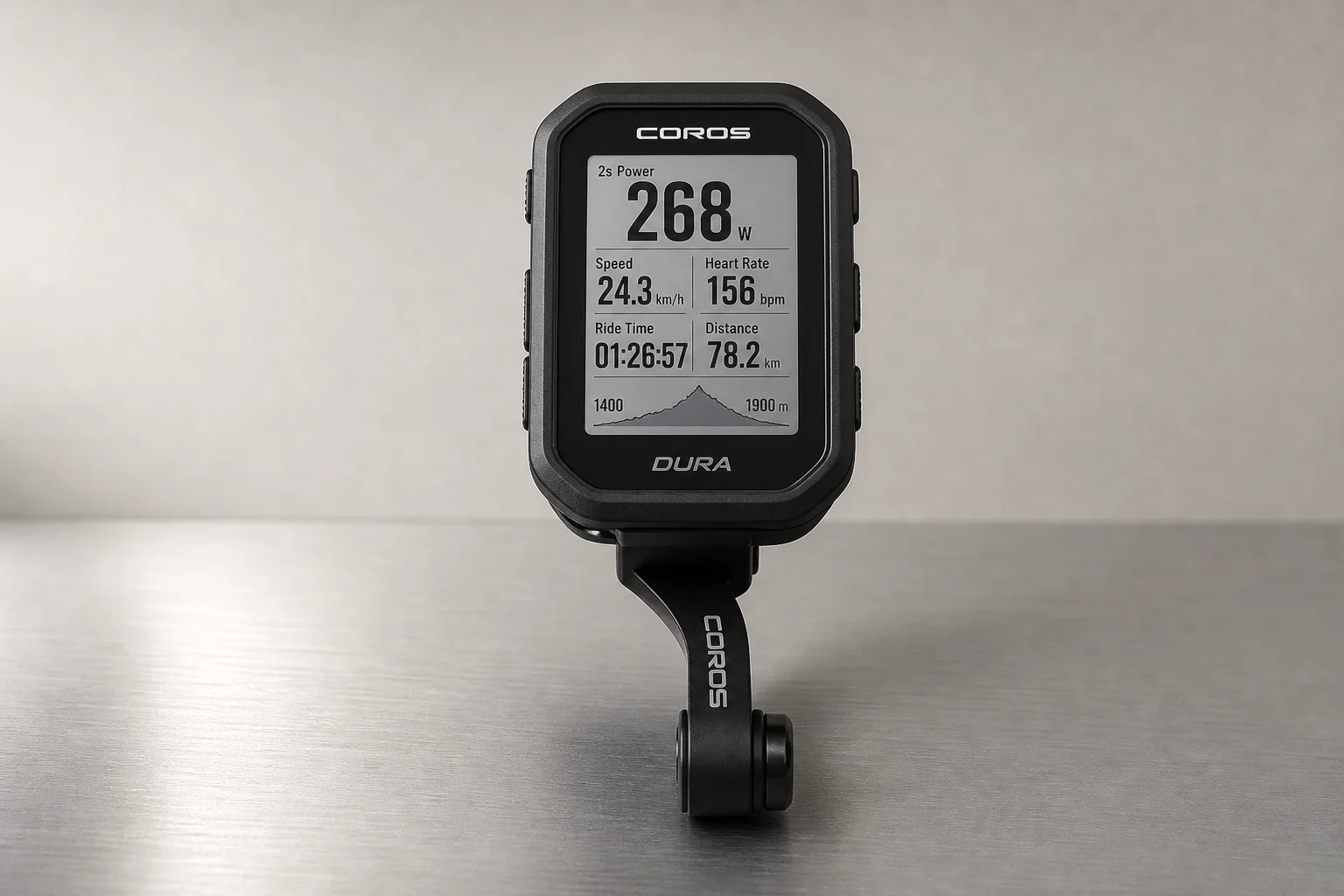
A Coros Dura head unit sits between the aero extensions via a 76 Projects mount. That placement keeps the screen visible without crowding the handlebar and leaves more space for hands and snacks.
The Saddle: WTB Volt
The saddle in use is a WTB Volt, chosen after swapping away from a WTB Gravelier. The Volt has a much more curved profile that locks the rider into one position rather than letting them slide around. The Gravelier, by comparison, is flatter and encourages more movement.
The choice was also informed by experience: earlier long-distance rides used a Volt, and it remains the most comfortable saddle available to this rider. For long events where every contact point matters, that kind of proven compatibility is worth a lot.
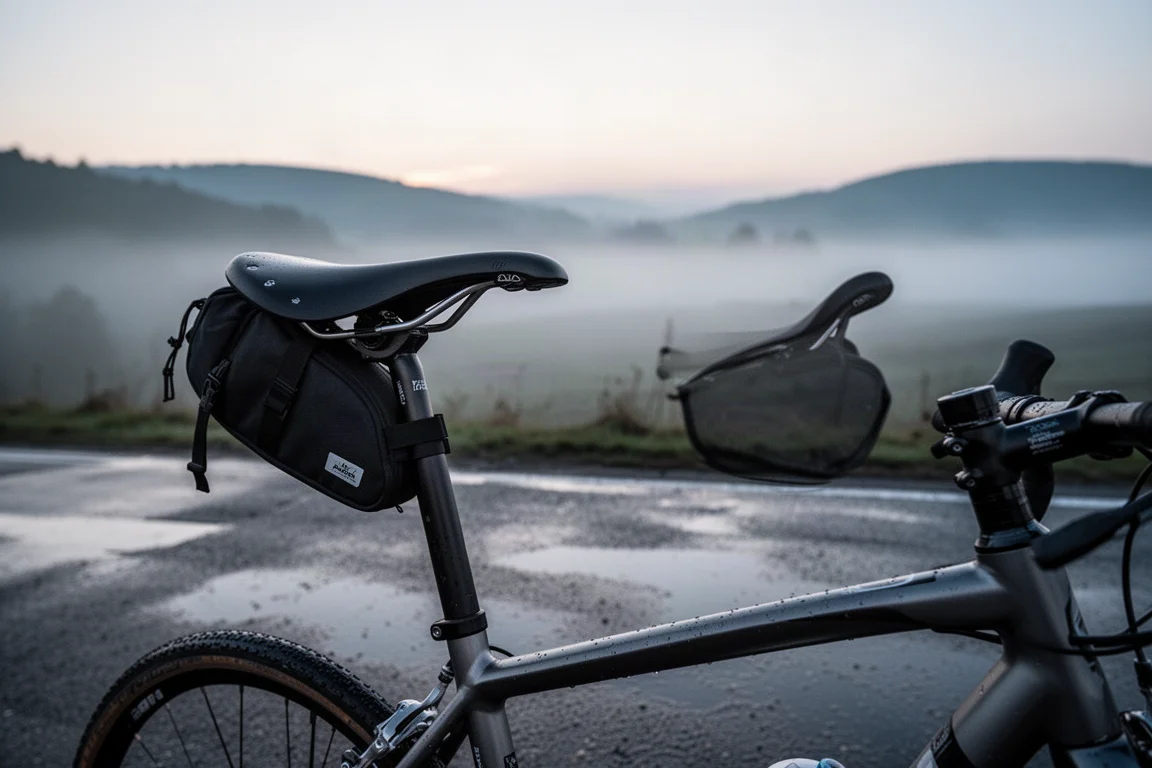
Riders who like a stable, cupped seating position should consider this one; riders who prefer to shift around on a flatter saddle may want to stay with the Gravelier.
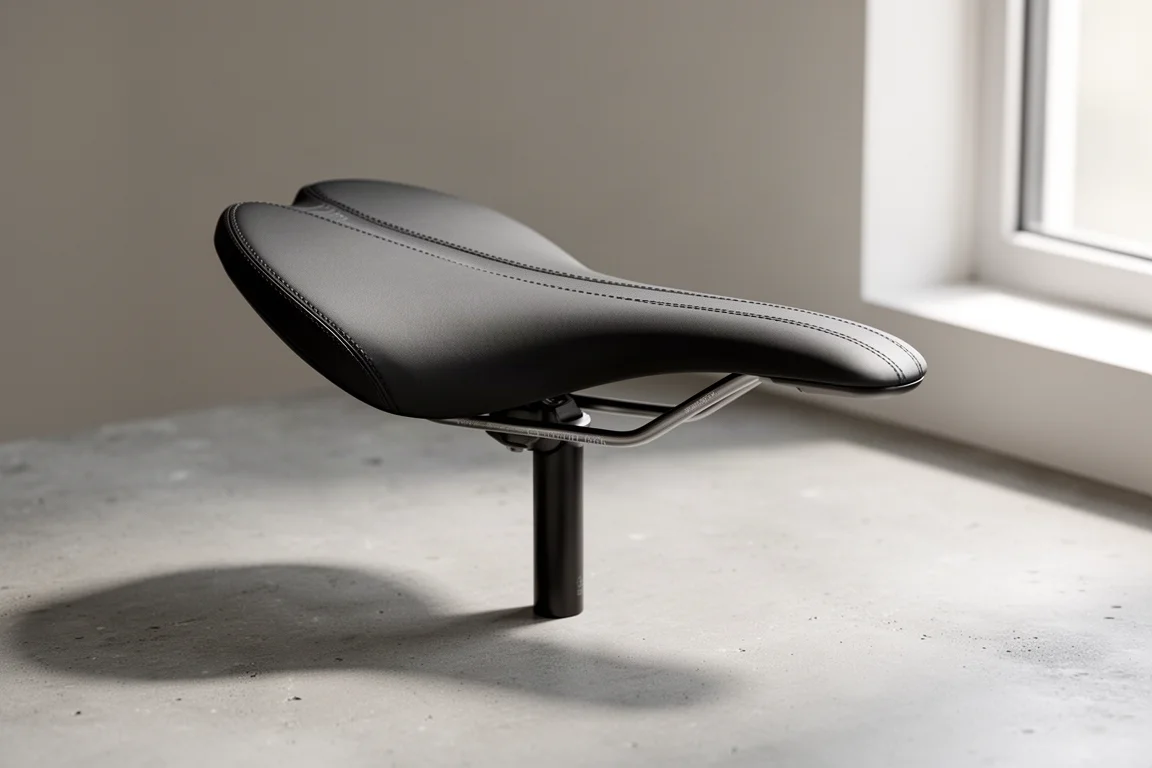
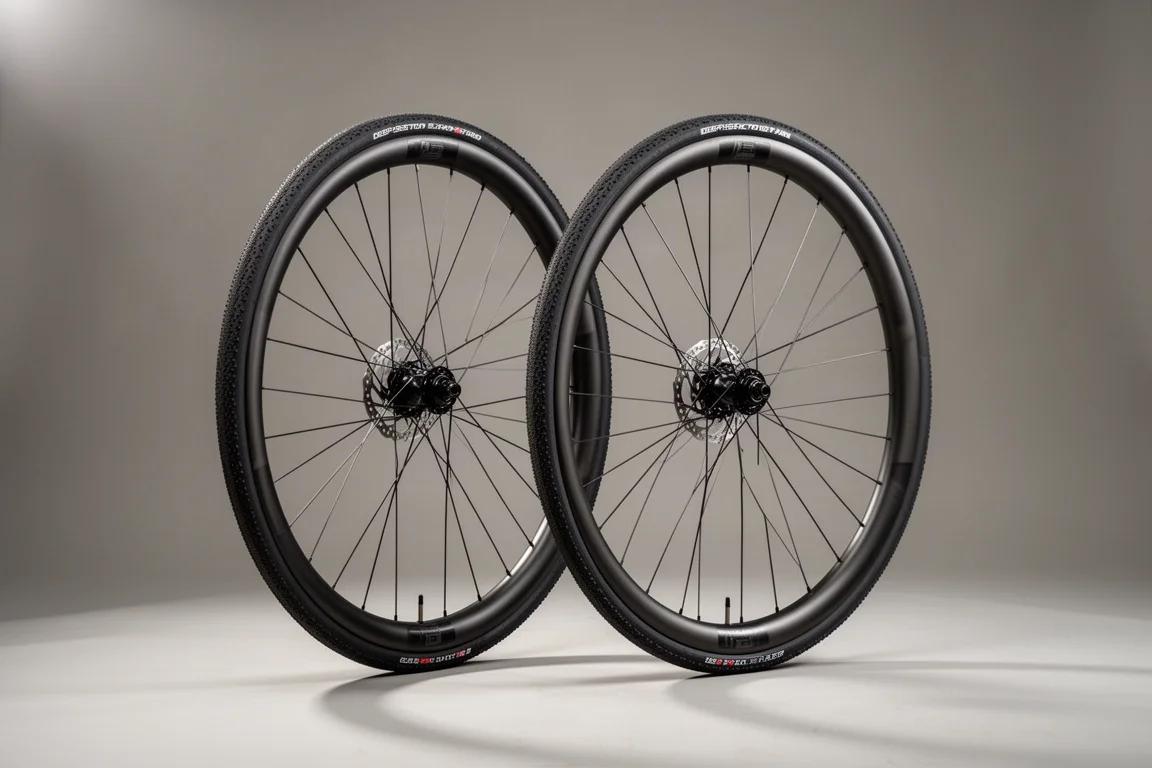
The Wheelset: Hunt 40 Carbon Gravel
The Hunt 40 Carbon Gravel wheelset was chosen because the rims are optimized for tires between 35 mm and 50 mm, which matches the wide-tire direction of the build. The set has a claimed weight of 1,834 g and a 40 mm rim depth, which adds a modest aerodynamic benefit at speed.
Longevity is part of the appeal. These wheels have been on the market for a while and have already been proven in some of the hardest bikepacking events in the world, which suggests they are more than capable of handling a 1,000 km road route.
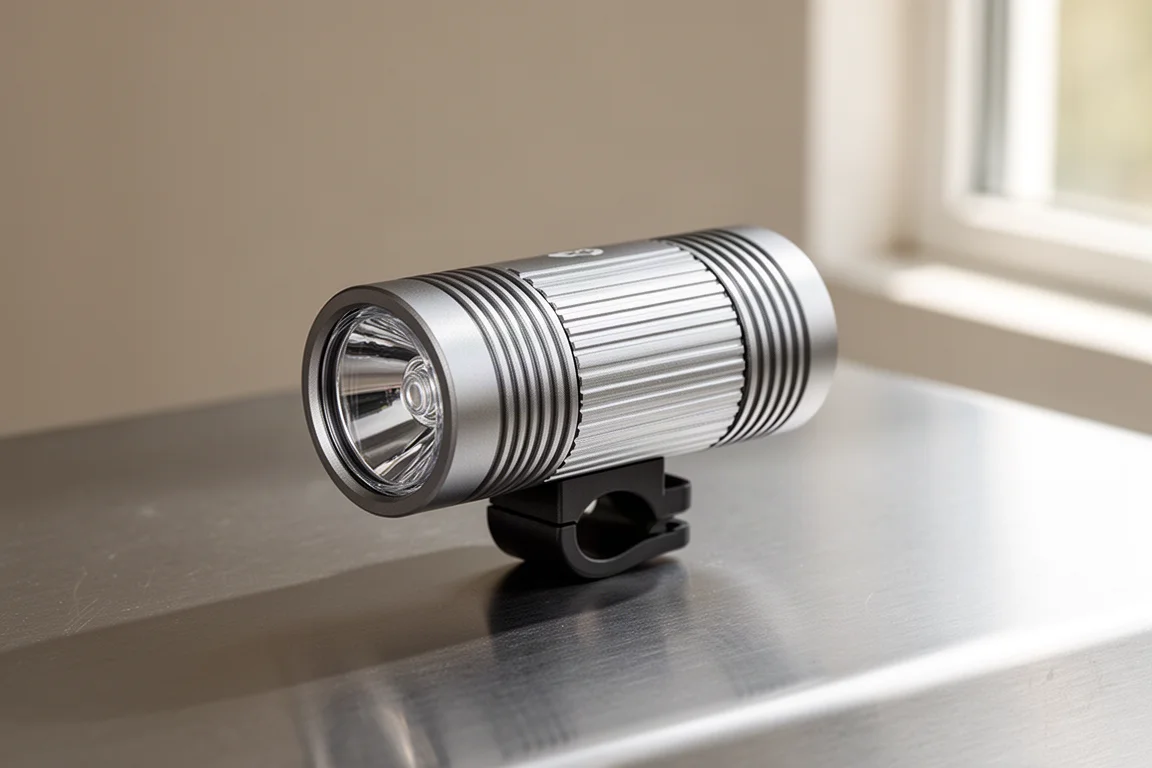
The Lighting: Exposure Revo 5 and Exposure Boost
The Exposure Revo 5 is the standout piece of technology on this build. It is a dynamo front light with a larger internal battery than the original Revo, and it can be charged via USB-C or from the dynamo itself while riding. Output is 2,000 lumens, enough for faster riding or off-road use.
It also acts as a power hub. With both an input and an output, it can charge a phone or GPS unit directly from the dynamo. Even on a route with around 17 hours of daylight in June, that flexibility is useful as a backup.
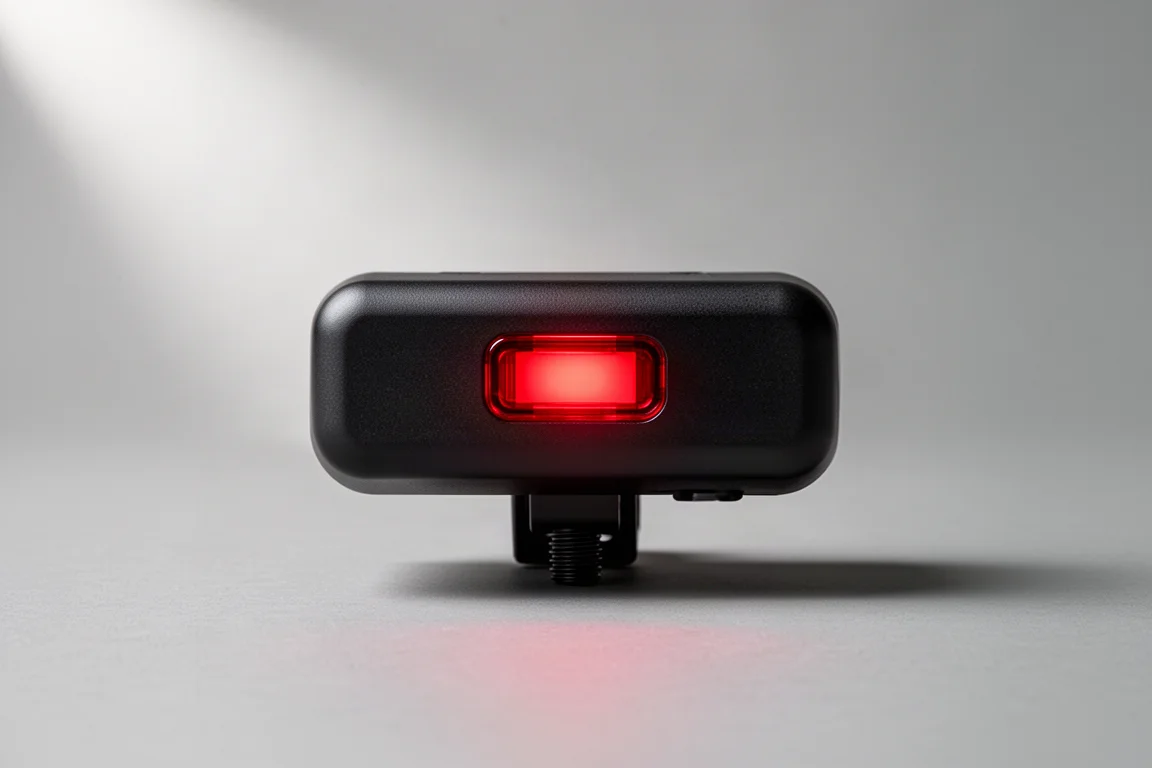
At the rear, an Exposure Boost is mounted to the light mount on the underside of the saddle bag, which keeps the rear light exactly where it needs to be and eliminates mounting clutter.
The Luggage: Apidura Bags
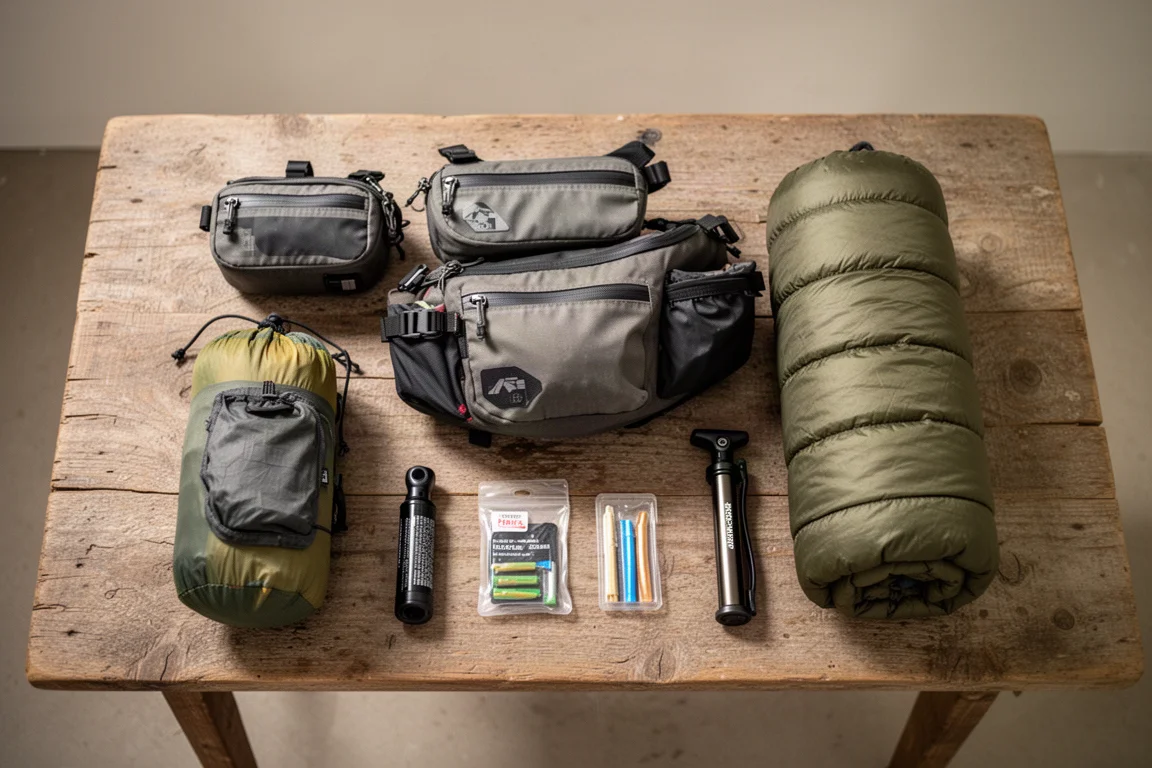
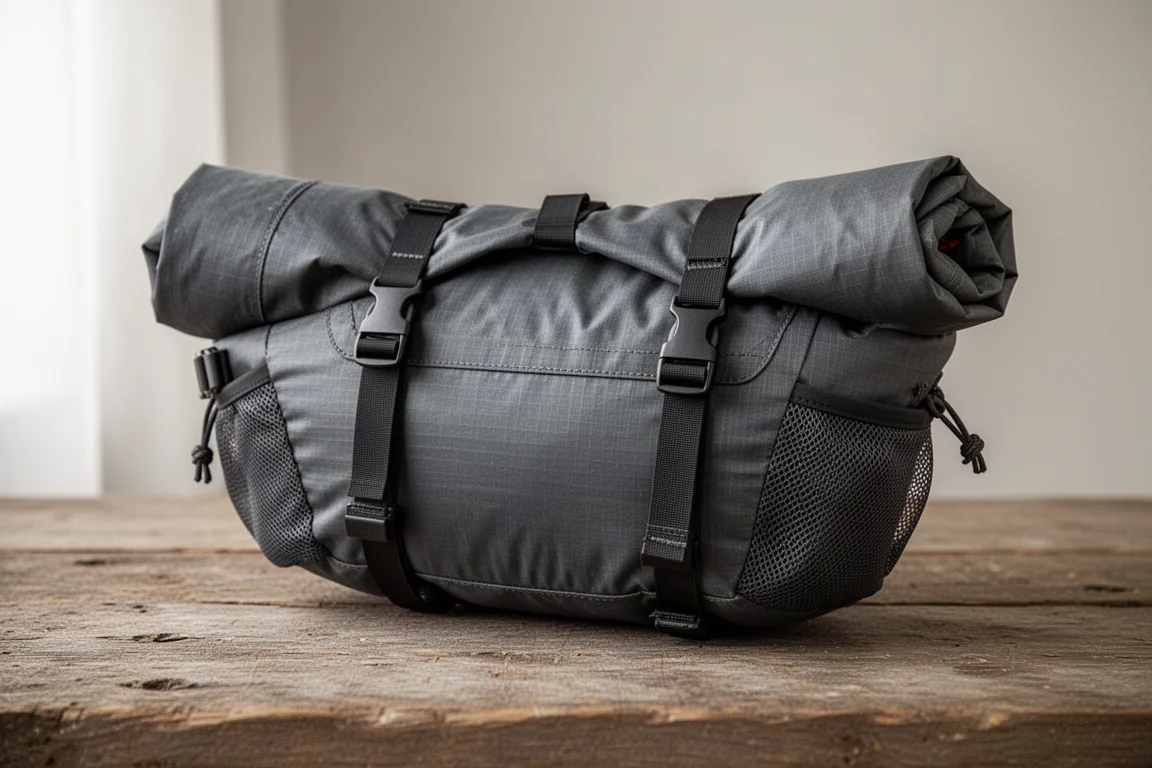
Most of the luggage on the build is from Apidura’s Racing Series, chosen for its minimal, lightweight design and small pack size. The saddle bag is the exception: an Apidura Expedition Saddle Bag was used instead because the Racing Series bag could not fit a full sleep system.
That sleep system includes a bivy, a down quilt and a fairly thick mat, which matters on a route where nights can get cold. The Expedition bag earns its place with a couple of smart details. There is a screw-in light mount on the underside for the rear light, and small pockets on the sides for extra snacks and drinks. The frame does not have down tube bolts, so tools and spares go into a small supplementary bag instead of a bottle-cage-mounted caddy.
For riders planning multi-day events who need to carry sleeping kit, the Expedition bag is the practical choice over Apidura’s lighter Racing Series bags.
Buying Advice
Not every part of this build applies to every rider. The frame and the wide tires are the two decisions that shape everything else, so they deserve the most thought.
If you want a single endurance bike that can handle a very wide road tire, the Synapse 4 is currently one of very few frames that will fit a 40 mm tire. Pairing it with the P Zero Race TLR in 40 mm is a deliberate choice to trade some traditional road feel for comfort and grip, and it will not suit everyone. Riders who want a more familiar road ride may be better served by a narrower tire.
For gearing, the GRX crankset change is worth considering if you regularly ride loaded or climb steep gradients. Just budget for the matching front derailleur. And for lighting on long events, the Revo 5’s combined lighting and charging capability changes what you need to carry.
Conclusion
A long-distance endurance road build is really a set of compromises made in favour of finishing comfortably. Wide tires, low gearing, electronic shifting, a curved saddle and a dynamo light that doubles as a charger all point in the same direction: less strain, fewer things to worry about.
Whether the 40 mm tire choice turns out to be the right call will only be answered out on the road. What is clear from this build is that the endurance road category is moving steadily toward wider rubber, lower gears and more integrated capability, and the Synapse 4 sits at the front of that shift.
Further reading
Related Reviews
Cycling Components
A 20,000-Mile Budget Race Bike Build: Five Parts Worth Knowing
A rim brake race bike assembled from low-cost components and ridden for 20,000 miles. Here is what delivered real speed, what caused problems, and what to weigh before copying the formula.
Cycling Components
7 Bike Fit Products Fitters Avoid: What to Check Before You Buy
Seven bike components that regularly cause knee, foot and saddle problems, with the specific concerns behind each one and what to look for instead.
Cycling Components
Four Affordable Bike Upgrades That Improve Ride Feel
Four low-cost cycling products that make a real difference to ride feel, plus the free setup changes worth trying first.