Power Amplifiers
Emotiva XPA HC-1 Review: Power, Control, and a Monoblock That Makes Sense
A 300-watt monoblock pairing a Class AB amplifier section with a Class H power supply, judged by what it does at background volumes as much as at full output.
Introduction
Shopping for a more powerful amplifier usually ends in the same place: more watts cost more money. The Emotiva XPA HC-1 is built to interrupt that logic. It is a monoblock rated at 300 watts into 8 ohms and 600 watts into 4 ohms, housed in one of Emotiva’s smaller XPA chassis, and aimed at listeners who want a genuine increase in drive without moving into five-figure territory.
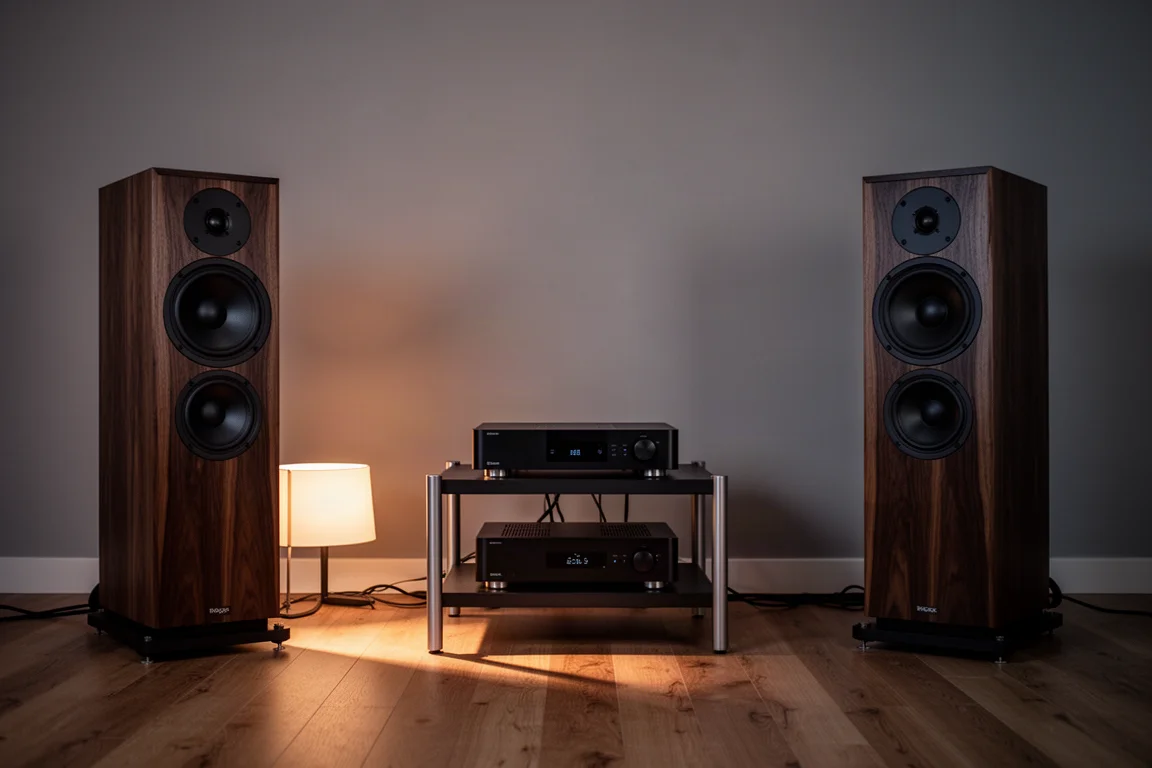
The premise is simple. Give a demanding pair of speakers a serious reserve of current, keep the circuit quiet, and let the speakers do what they were designed to do. The HC-1 is not a statement piece, and it does not try to add character to a recording. It is a power amplifier, and the case for it rests on what that power does at ordinary listening levels rather than at show-off volumes.
What the XPA HC-1 Is
The HC-1 is a hybrid by design. Its amplifier section is a discrete, dual differential Class AB circuit, mated to a Class H power supply. The Class H supply improves efficiency while preserving the sound quality most listeners associate with Class AB designs, which is the balance Emotiva is aiming for here.
Connections are flexible. The amplifier can be fed from a stereo preamp, a home theater processor, or the preamp outputs of an AV receiver, using either balanced or unbalanced inputs. Output power is identical whichever input you choose. A balanced connection does deliver a better signal to noise ratio, so it is the stronger option when your preamp supports it.
Who This Product Is For
The HC-1 makes the most sense for listeners whose speakers seem to want more than their current amplifier can give. Some speakers, including the Polk Audio Reserve series, ask a fair amount of an amplifier, and a monoblock with this much output removes that limitation rather than working around it.
It also suits anyone running a separates system who wants to keep an existing preamp or AV receiver and improve only the amplification stage. There is a caveat worth stating plainly: very efficient speakers do not need this. A speaker rated at 102 dB at one watt and one meter will behave much the same on a 25 or 50 watt amplifier as it would on a 300 watt monoblock. The HC-1 is aimed at the other 90 percent of the market, the speakers where more power is usually a good thing.
Design, Connections, and Setup
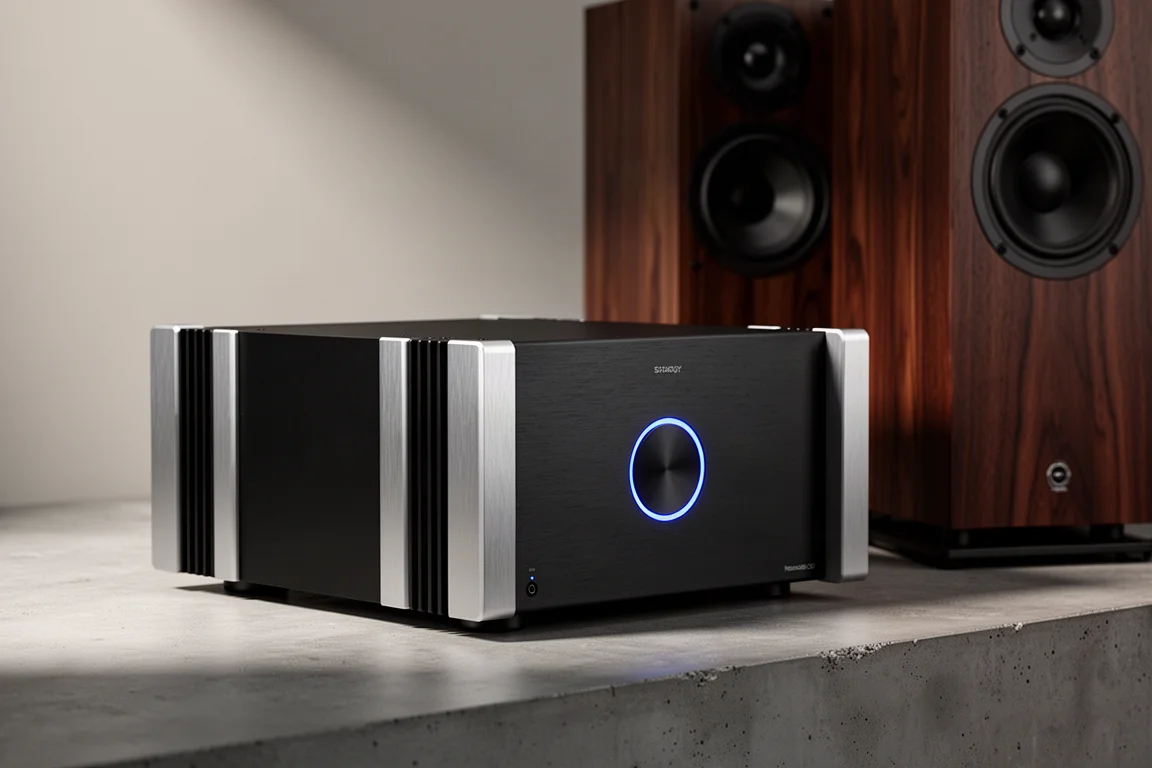
The chassis is all black, with Emotiva’s familiar metal rails running top to bottom along the outer edges. The indicator lights, including the large standby power button with its blue globe, follow the brand’s established look, and they can be defeated if you prefer a dark front panel. The footprint is relatively compact, though the amplifier still reads as substantial in a rack. At 21 pounds it is not difficult to handle.
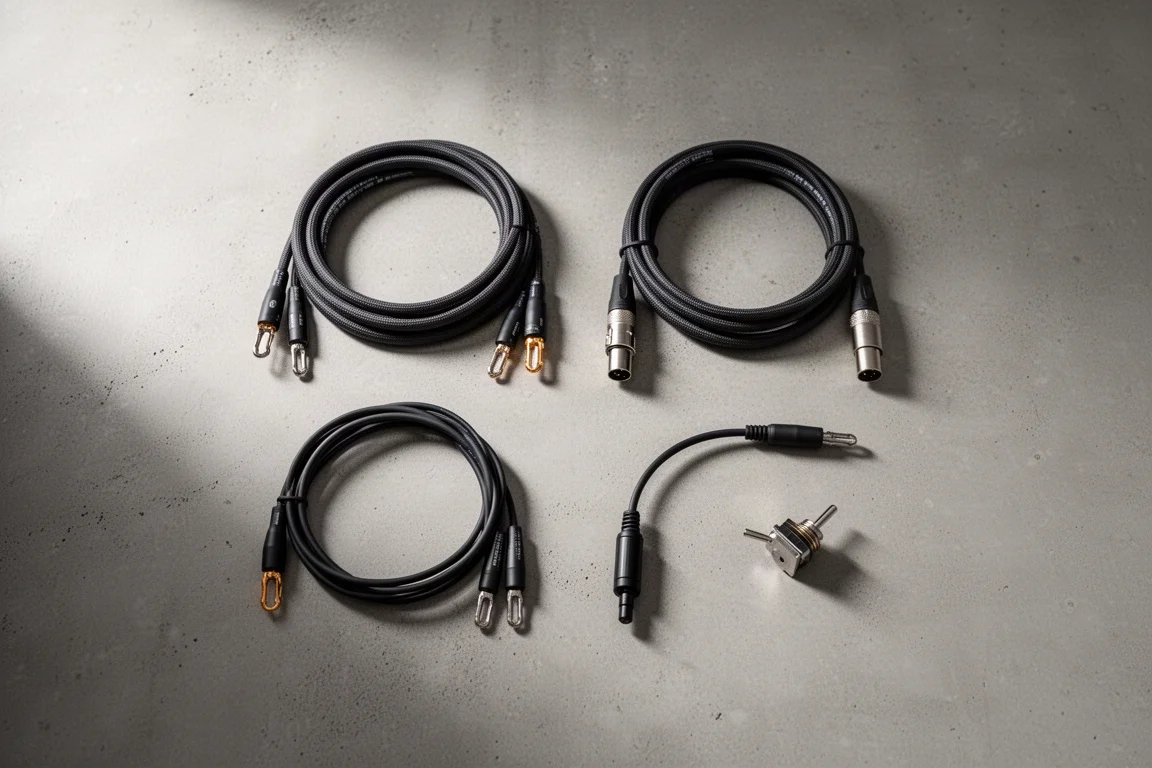
Around the back you will find a robust pair of binding posts, balanced and unbalanced inputs selected with a small toggle switch, a couple of trigger ports, and a removable power cord.
Setup is straightforward, with one important detail: this is a true monoblock, so you need one amplifier per speaker. In practice that means two HC-1s for a stereo pair. During evaluation they were used to drive Polk Audio R700 tower speakers, with a Marantz 8015 AV receiver acting as the preamp in its strict preamp mode and running in pure direct mode to keep the signal path as clean as possible.
Main Strengths: Control Rather Than Volume
The most useful way to think about amplifier power is not volume but control. A good amplifier does not add bass, midrange or treble. It cannot create information that is not already in the signal. It can only amplify what it is given, and when a recording sounds more open, more dynamic or more articulate, that is the amplifier unlocking potential the speakers already had.
The practical result is that at any volume, with a clean amplifier, you should hear the same detail, intelligibility, tone and separation. Only the scale should change. That is exactly what the HC-1 delivered. At background levels between roughly 35 and 50 dB it was immediately convincing. With less capable amplifiers there is often a threshold you have to cross before the amplifier and speakers seem to agree with each other, and that threshold can sit at a volume that is simply too loud for everyday listening. The HC-1 did not have one.
On “Seville” from the Mission: Impossible 2 soundtrack at around 50 dB, the presentation was three-dimensional and holographic, with a wide, well-appointed soundstage. Footsteps moved front to back and left to right with precision, and the points of impact landed exactly where they should. Turning the volume up added weight to each strike, but detail and separation stayed constant. The same held for a live recording such as Tori Amos performing “Cornflake Girl” from Live in Kansas, and for harder material such as Korn’s “Freak on a Leash”.
Even at peaks well above the mid 90s in dB, the HC-1 showed no strain and no distortion. It never sounded forward or fatiguing, and it was not warm, bass heavy or bloated. The amplifier does not appear to have a sound of its own, and Emotiva’s published specifications are competitive with some considerably more expensive designs.
Listening Notes: What Headroom Does for Dynamics
Most of the time an amplifier is idling. At any given moment you are probably using only about 20 to 25 watts, and in many systems far less. That changes in an instant when a passage becomes complicated or dynamic. If a full orchestra is playing loudly and the timpani crash in, the level can jump from 60 dB to 90 dB almost instantly. That is the moment an amplifier needs reserve.
Think of it as torque rather than horsepower. A car with low torque will not pull when you ask it to, while a car with torque available throughout the rev range responds at any speed. A powerful amplifier has that pull in reserve, whether it is working from a standing start or already running hard. A 50 watt amplifier that is already near its limit can clip when the demand spikes, and when an amplifier clips, that energy is sent to the speakers, where it can damage drivers. More power, even with efficient speakers, is a form of protection for the rest of the system. It also keeps crescendos clean and pristine instead of gritty, grainy or messy.
Things to Consider Before Buying
Monoblocks double both the cost and the shelf space. One amplifier per speaker means two chassis for a stereo pair, and more again for a multichannel setup. That is a real trade-off, and it is the main reason many listeners still prefer the simplicity of an integrated amplifier over separates.
Emotiva’s industrial design is another consideration. The look is well established and consistent across the range, which helps keep costs down, but it has not changed in years and buyers who want their equipment to look different will notice.
It is also worth being clear about what the HC-1 will not do. It will not add warmth or extra bass to a system that lacks them. If you are shopping for a particular character, this is not the amplifier that supplies it.
Buying Advice: Where the HC-1 Sits Against the Alternatives
Set against the wider market, the HC-1 is difficult to argue with on value. High-end monoblocks from established brands have sold for many thousands of dollars per channel, and a pair of Parasound Halo JC 1+ amplifiers runs close to $17,000. That pair offers somewhat more power, but the rest of the specification, aside from amplifier class, is not dramatically different.
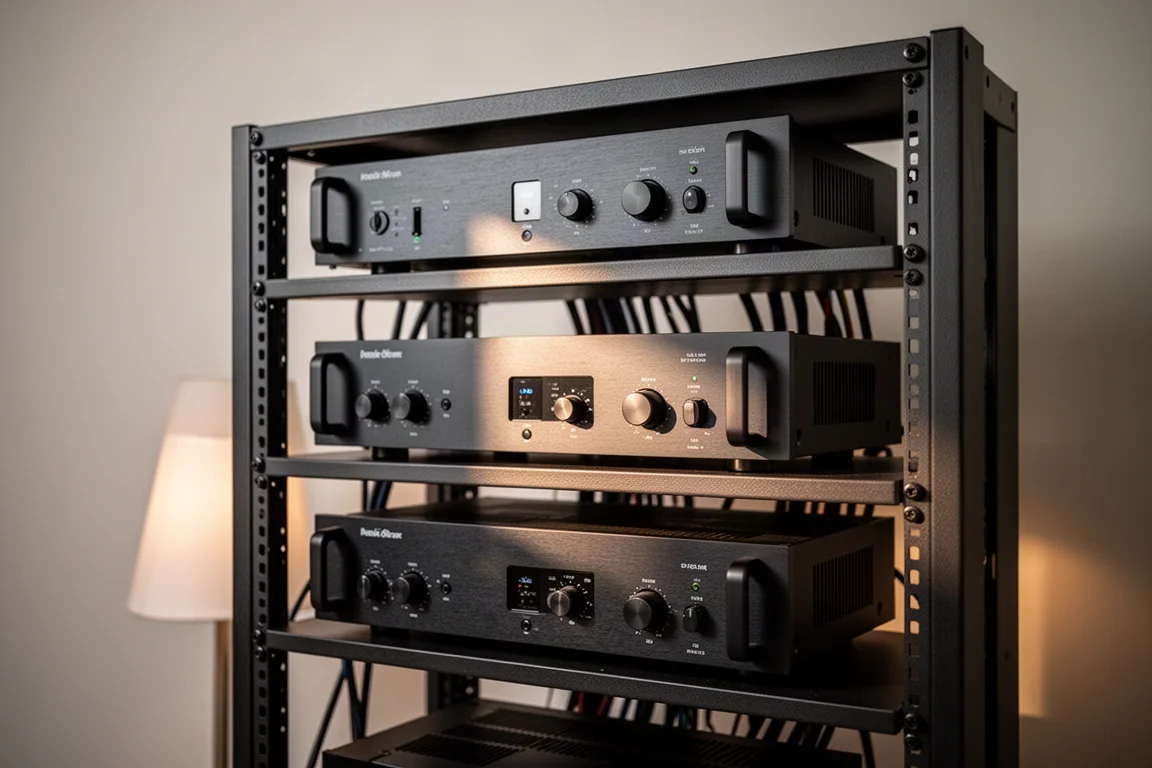
The XTZ Edge A2400 is a stereo amplifier that can be configured as a mono unit with output similar to the HC-1, using a Class D design. It has more gain out of the box, which means level matching before any fair comparison, and it is noisier: hiss from the Polk tweeter was audible from the listening position during quiet passages, where the HC-1 stayed silent. Separation between instruments and the scale of the soundstage were also a touch more reserved and linear with the XTZ. Both amplifiers sound fine tonally, but notes and instruments were less clearly defined. A pair of XTZ amplifiers also costs more than a pair of HC-1s.
The Crown XLS DriveCore 2 1002 is the value benchmark. A pair costs $770, substantially less than the HC-1. In mono configuration the 1002 produces 700 watts, more than double the HC-1, although a single 1002 or the 1502 at $499 is the closer match in power. Like the XTZ it is noisier, with hiss audible unless the gain is dialed back, and still audible at the 12 o’clock position. That is a reasonable trade for the performance on offer, but hiss can be a deal breaker for some listeners. Noise aside, the two amplifiers sound more similar than different, which is a compliment to both. The DriveCore design is strong enough that Harman, Crown’s parent company, has used variations of it in its Lexicon and Mark Levinson products.
If the priority is raw performance per dollar, the Crown is hard to beat. If you want the better overall amplifier in the ways that are not always easy to hear, the HC-1 is the one to consider. Emotiva and several other amplifier brands offer in-home trials, which makes it possible to find out whether your speakers have more to give without replacing the rest of the system.
Conclusion
The XPA HC-1 is an honest amplifier. It does not colour the sound, it does not run out of composure, and it gives demanding speakers the control they need at every volume rather than only at the loudest ones. Among its audiophile peers it is a genuine bargain, and it is worth an audition before spending considerably more elsewhere for gains that may turn out to be marginal.
For listeners whose speakers seem to be holding something back, one HC-1 per channel is a sensible place to find out how much is left.
Product link
View more details for Emotiva XPA HC-1
This product is mentioned in the review. Check the specifications, options, and compatibility before buying.
View more details for Emotiva XPA HC-1Further reading
Related Reviews
Power Amplifiers
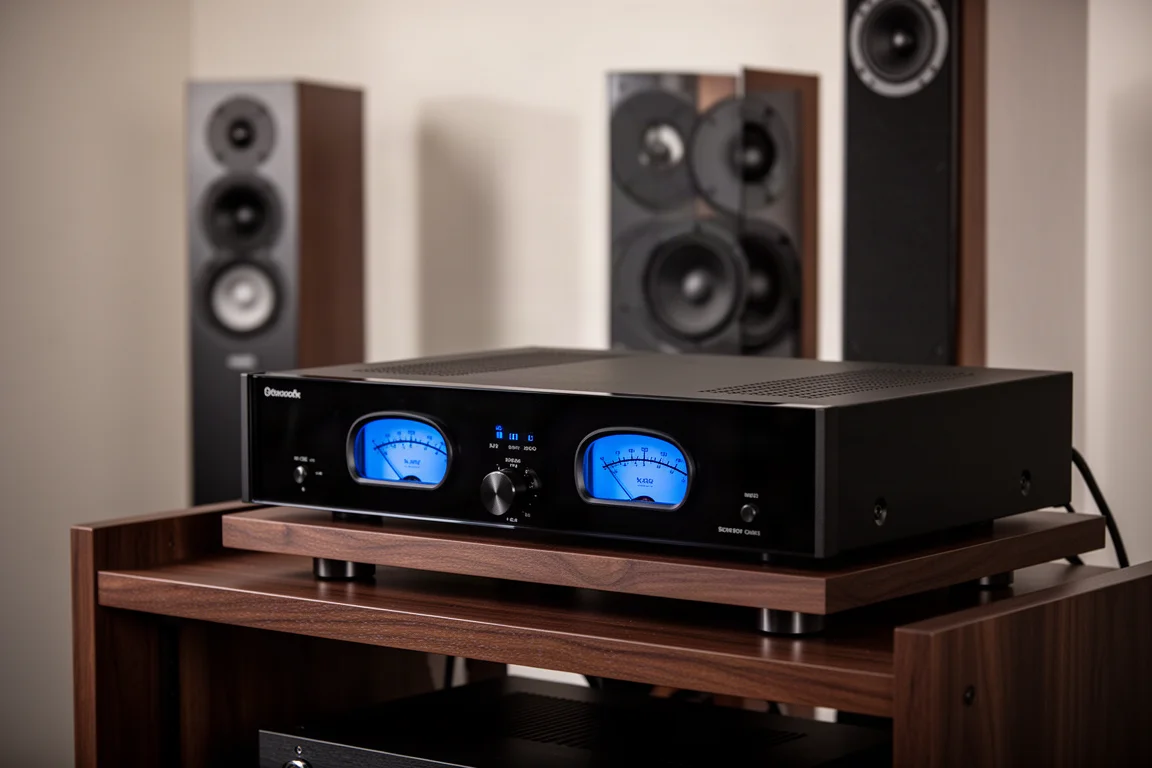
Advance Paris X-A160 EVO Review: A Focused Power Amplifier Built to Last
A $1,999 stereo power amplifier with selectable class A bias, 160 watts per channel, blue VU meters, and a build designed to be serviced for decades.
Power Amplifiers
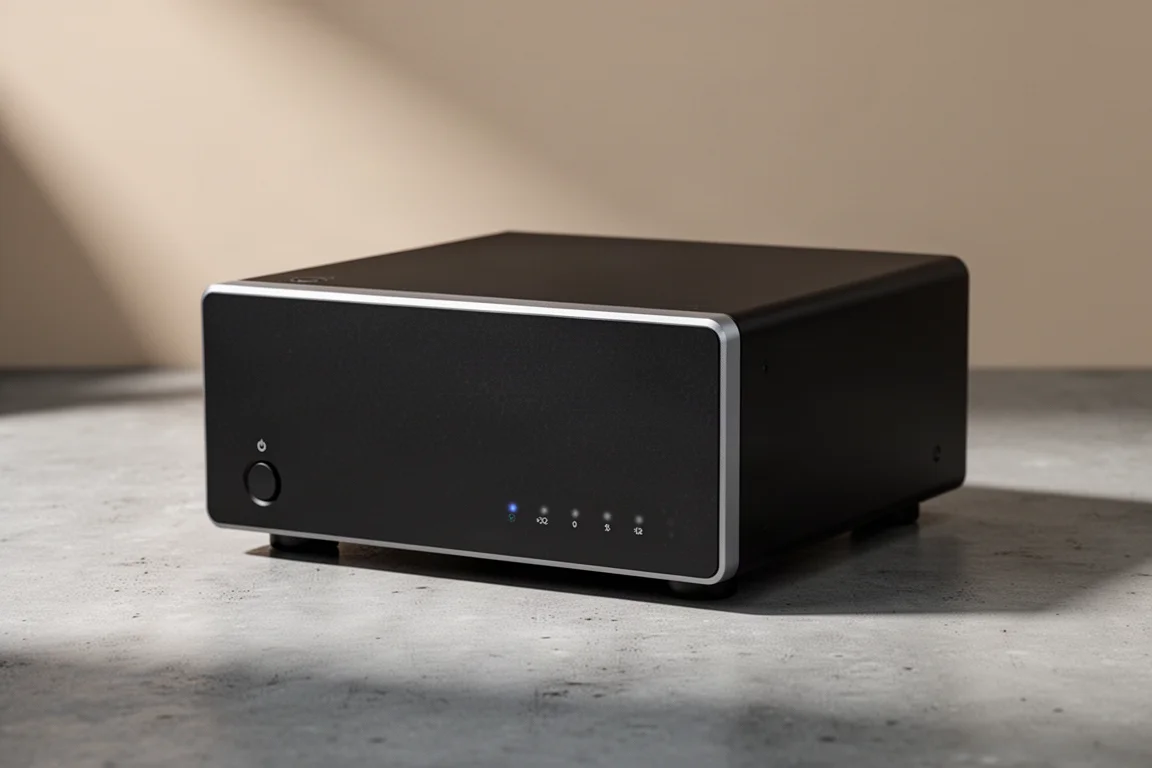
Benchmark AHB2 Review: A Compact Power Amplifier Built Around Transparency
A compact reference-oriented power amplifier with THX-patented feed-forward error correction, balanced-only inputs, and the current to drive low-impedance speakers.
Power Amplifiers
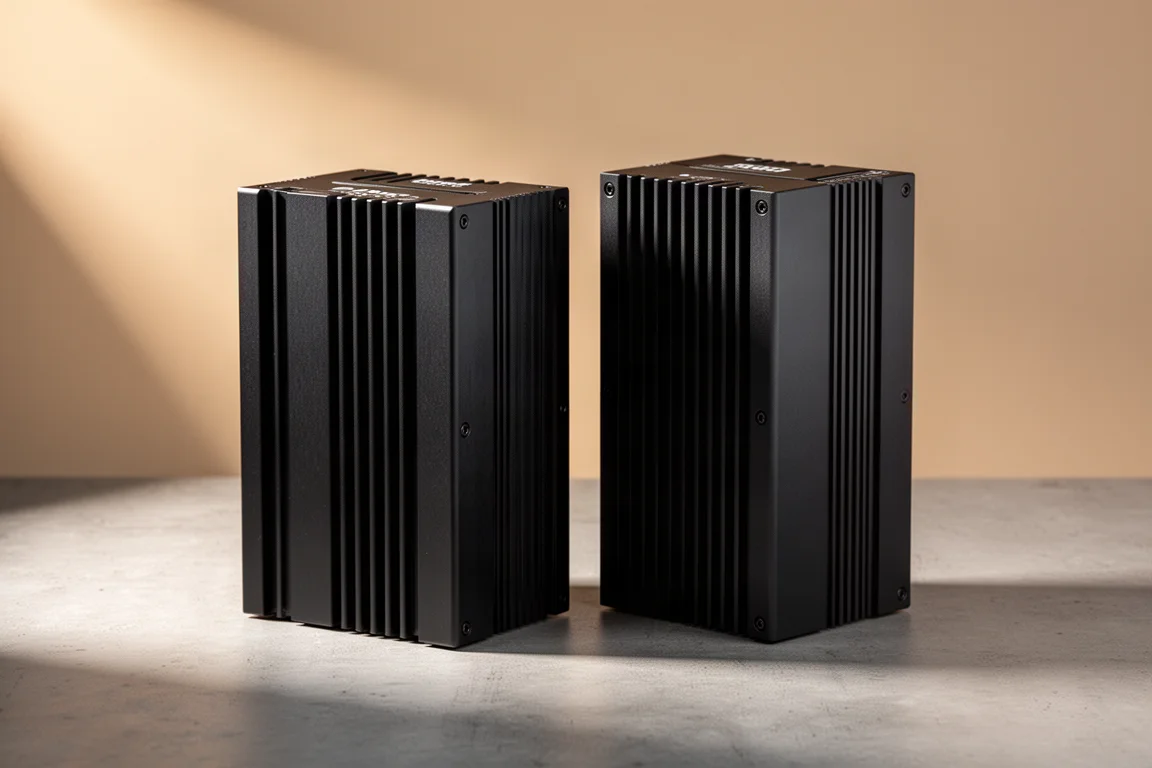
Burson Timekeeper 3X GT Review: Class A Character in a Compact Monoblock
A compact flagship monoblock with the first 30 watts in Class A, 110W into 8 ohms, pinpoint imaging, and an unusually large soundstage.