Digital-to-Analog Converters
Emotiva XDA-3 Review: A $699 Converter That Keeps Analog Analog
The Emotiva XDA-3 pairs a high-resolution converter with a real preamplifier and a built-in headphone amp, and its analog inputs never touch a digital stage.
Introduction
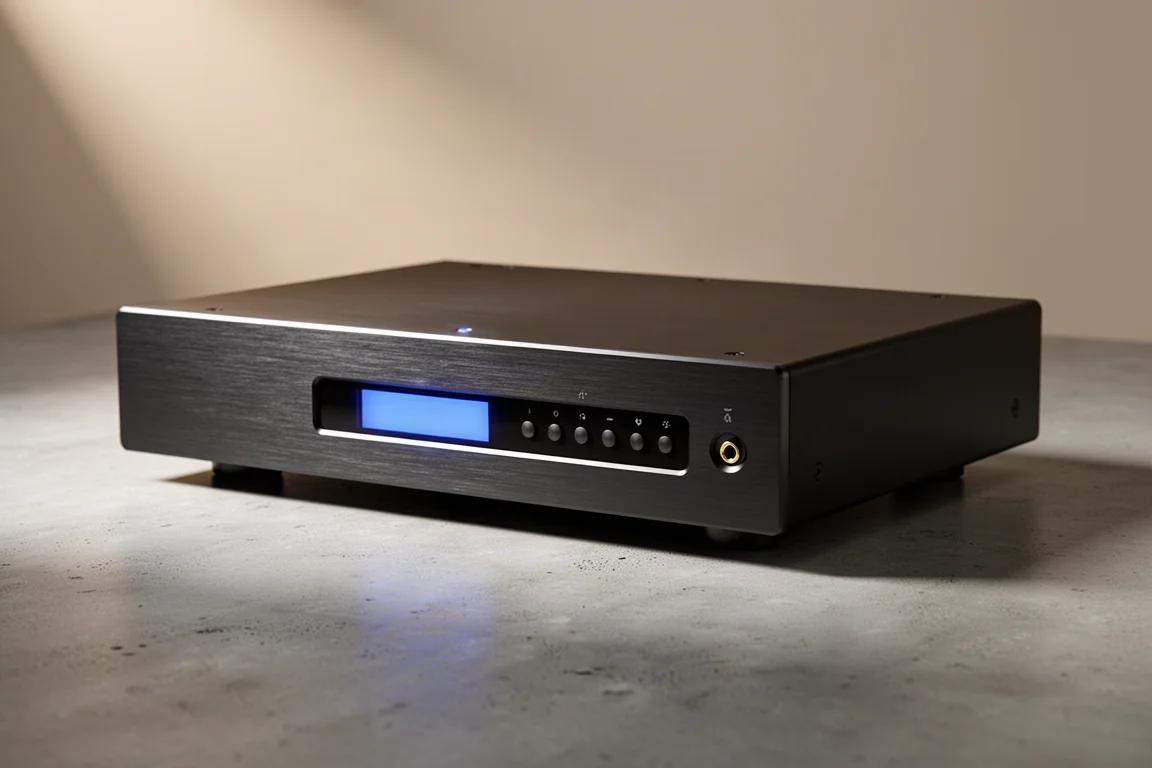
Most digital-to-analog converters do one job. They take a digital signal, convert it, and hand an analog signal to the rest of the system. The Emotiva XDA-3 is built around a different idea. It is a converter first, but it also carries a volume control, a fully balanced circuit, and two sets of analog inputs, one pair of RCA and one pair of XLR.
The unusual part is what happens to those analog inputs. They remain analog from input to output, with no digital conversion anywhere in the signal path. That is a genuinely rare thing to find at this price, and it shapes everything else about the product.
At $699 in the US, the XDA-3 can serve as the hub of a complete two-channel system, and it still handles very high resolution digital files: PCM up to 32-bit/768kHz and native DSD up to DSD 512.
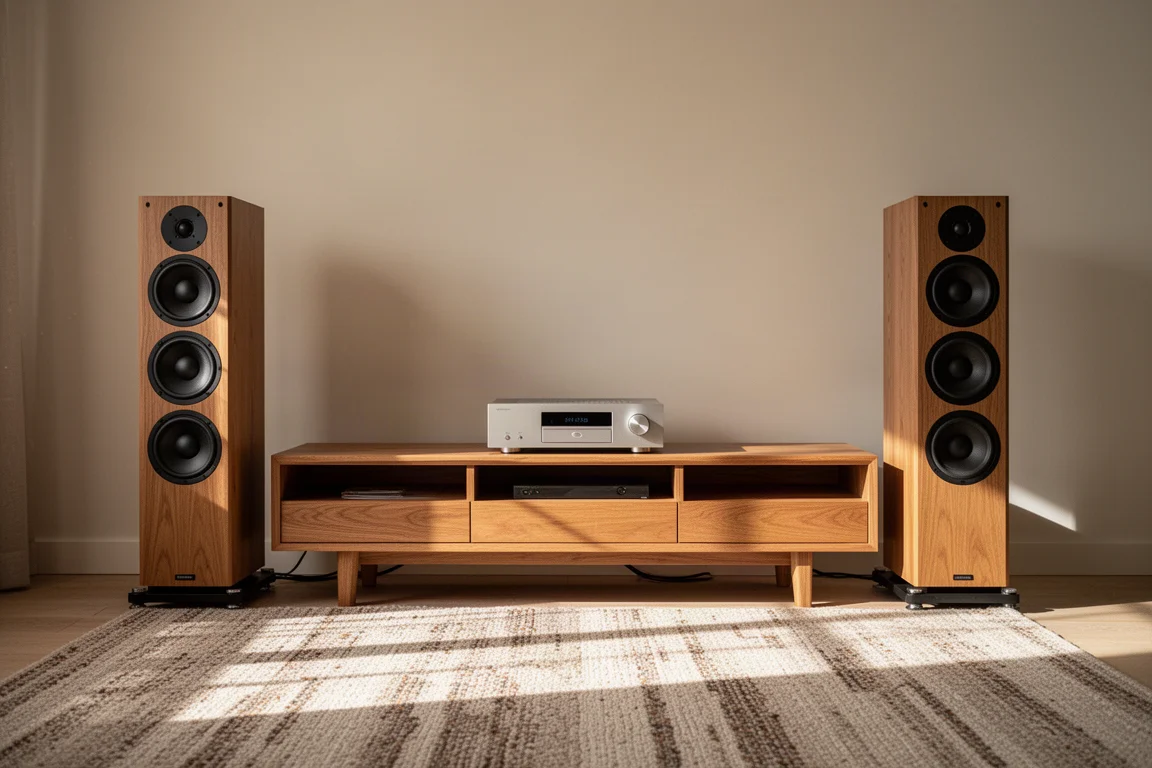
This review covers what the XDA-3 does well, where its limits appear, and who will get the most out of it.
Who This Product Is For
The XDA-3 makes the most sense for listeners who want a single component to act as both converter and preamplifier. That includes people running a digital front end who also want to connect an analog source without handing it over to an analog-to-digital stage first.
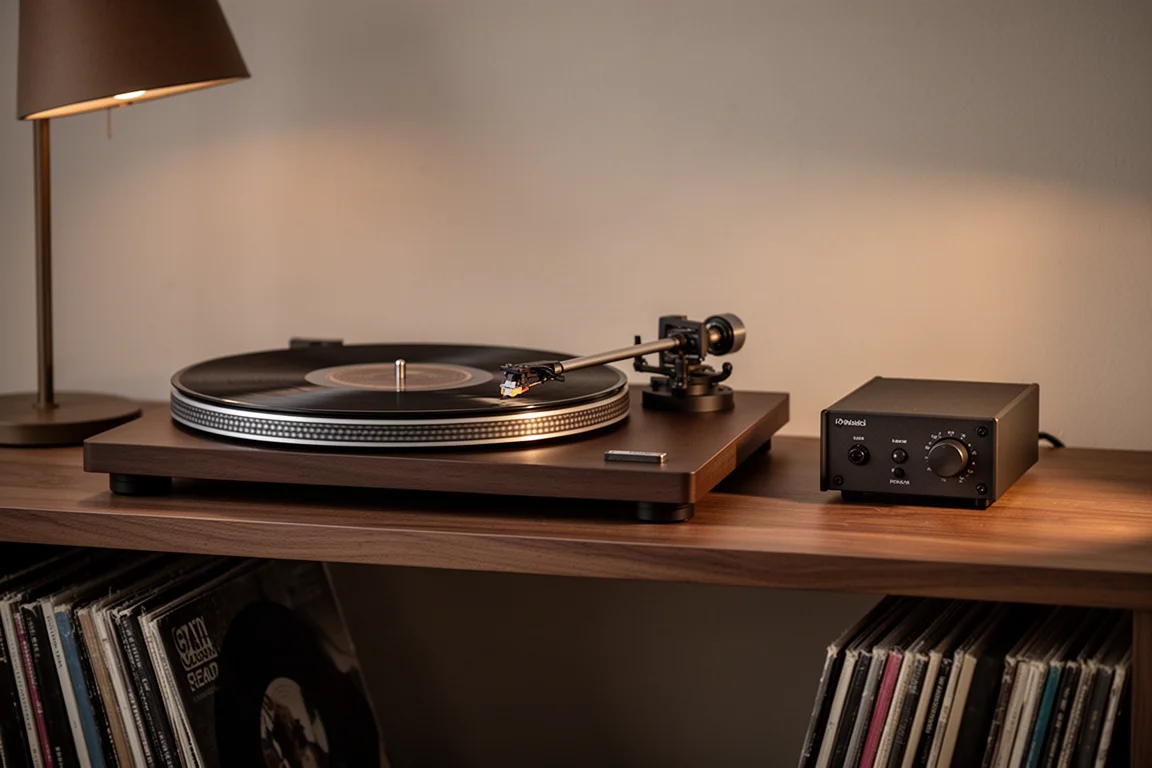
It is a natural fit for anyone who listens to vinyl and digital in the same system. Records stay analog through the XDA-3, while streaming and file playback run through the digital inputs. It also suits casual headphone listeners, since a 6.3mm headphone jack sits on the front panel and the built-in amplifier is designed to drive full-size headphones directly.
Emotiva is an American company that sells direct in the US and works through distributors in many other countries. Buying direct in the US includes a 30-day return window, so the decision is reversible, along with a 5-year warranty that transfers to a second owner if the unit is sold on within that period.
Main Strengths: An Analog Path That Stays Analog
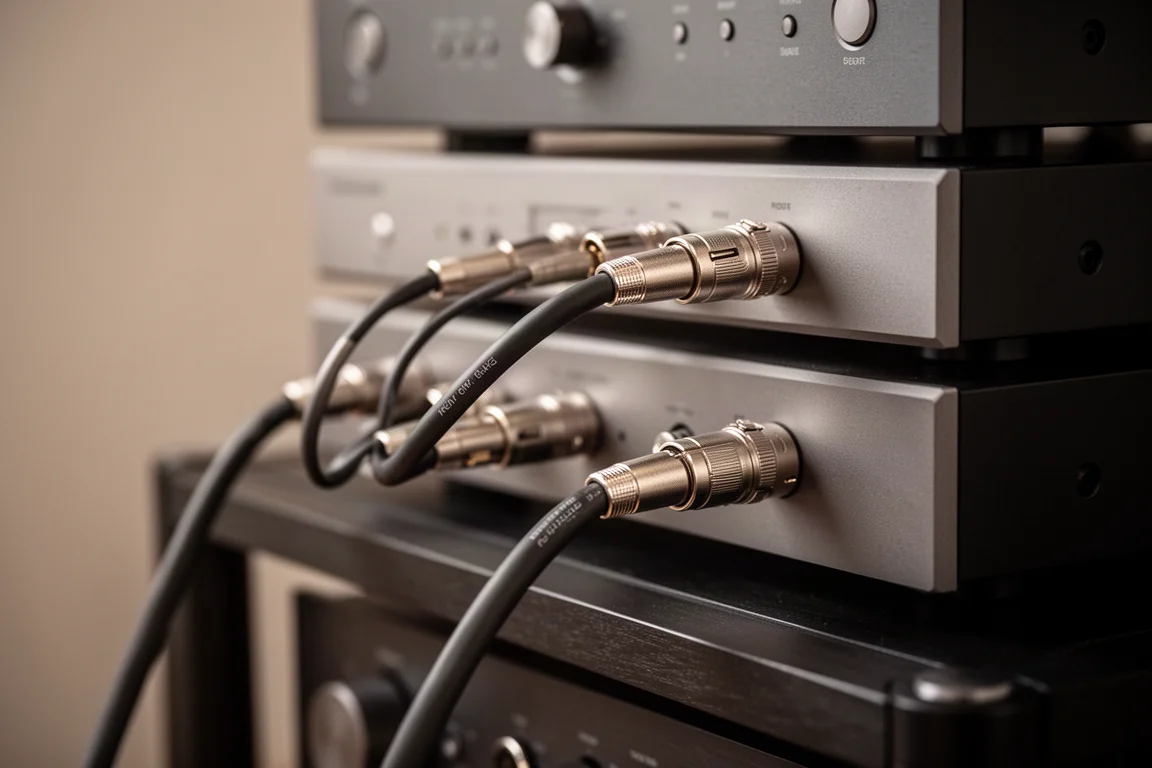
The headline feature is the analog signal path. Two sets of analog inputs, RCA and XLR, feed a fully balanced design that stays analog from input to output. Nothing in that chain digitizes the signal. In a market where many converters would convert an incoming analog signal so it can pass through the digital volume control, keeping the path analog is a meaningful design choice.
The second strength is flexibility. Alongside those analog inputs, the XDA-3 offers a full digital connectivity suite: two coaxial inputs, two optical inputs, one USB input, and HDMI ARC. That last one matters more than it looks, because it lets the audio output from a television feed a two-channel system directly.
Third, the XDA-3 functions as a real preamplifier, not just a converter with an output level. It can sit at the center of a system and drive a power amplifier, which is how the bulk of the listening time was spent.
Judged purely as a converter, the XDA-3 holds its own against a long-standing reference model that has served as a budget benchmark for years. That reference converter was a touch more dynamically alive, and its bass had slightly more punch, but the difference was not large. Going back and forth often enough made it difficult to say which was playing. As a preamplifier, the XDA-3 was excellent for the money, and it kept its composure across long listening sessions.
Digital Connectivity, Filters, and Headphone Performance
The XDA-3 includes a choice of seven digital filters for digital sources, selectable while music is playing. Filter six was the setting that kept drawing attention back. Because there is no knob on the front panel, the included remote does the work, and it is a solid piece of metal that feels good in the hand without being heavy. That remote also makes it easy to step through the filter options from a listening chair.
The chassis follows Emotiva’s classic low-slung proportions, and this generation is more restrained than earlier designs, with the bright blue indicator lighting kept firmly under control. Black is the only available finish.
The built-in headphone amplifier handled a pair of open-back full-size headphones, a comfortable and affordable reference model, with an open and powerful character that was dynamic, easy to listen to, and low in fatigue. With a far more transparent and open flagship headphone, the amplifier still communicated a good deal of that headphone’s quality, though listeners who own headphones at that level will likely want a dedicated headphone amplifier. For casual headphone listening, the built-in stage is comfortably up to the job.
Source material ranged widely during listening. A classic live rock album with a large band, brass, backing singers, and a famously crowded mix stayed coherent and lively. A high resolution chamber recording accompanied by birdsong came through as both relaxing and engaging. A contemporary reggae album with a dense mix and superb bass was easy to hear into, with individual elements separating cleanly.
Things to Consider Before Buying
The analog input count is the first thing to check against your system. There are two sets, one RCA and one XLR, and that is the full complement. If you need to connect a turntable, a tape deck, and a second analog source at the same time, this is not the component for that.
There is no front-panel knob, so volume and input selection run through the remote. If you prefer physical controls within reach of your seat, factor that in.
Black is the only finish, which keeps the buying decision simple but leaves no alternative for a silver or wood-toned system.
The built-in headphone amplifier is genuinely capable, but it is not the last word for owners of highly transparent, hard-to-drive headphones. Those listeners should plan on a separate headphone amplifier.
Finally, the XDA-3 is not an absolute statement product, and it does not pretend to be. A dedicated preamplifier costing roughly four times as much sounded clearly better, with more dynamic life, more shading, and a more three-dimensional presentation. That is not a fair comparison on price, but it is a useful reminder of what sits above this tier.
None of these points undermines the core value. They simply describe where the XDA-3 draws its boundaries, and those boundaries are sensible for the price.
How the XDA-3 Compares With Dedicated Components
Against a single-purpose reference converter, the XDA-3 gives up a small amount of dynamic liveliness and a little bass punch. What it adds in return is a volume control, a balanced analog path, analog inputs, and a headphone output. The reference is a specialized component that does one thing. The XDA-3 replaces three boxes with one.
Against a dedicated preamplifier in a much higher price bracket, the XDA-3 is outclassed, and it should be. The comparison is worth making anyway, because it frames the value on offer. A $699 component that can stand in as a system preamplifier, convert high resolution digital files, and drive headphones is doing a lot of work for the money.
The practical question is not whether the XDA-3 beats dedicated separates. It does not, and it is not priced to. The question is whether one well-built box covers enough of what you need, and for a two-source analog and digital system, the answer is often yes.
Buying Advice
If you are building a two-channel system around a digital front end and you want to keep an analog source genuinely analog, the XDA-3 is one of the few ways to do it at this price. The combination of a balanced analog path, a working preamplifier stage, a headphone output, and HDMI ARC covers a lot of real-world setups.
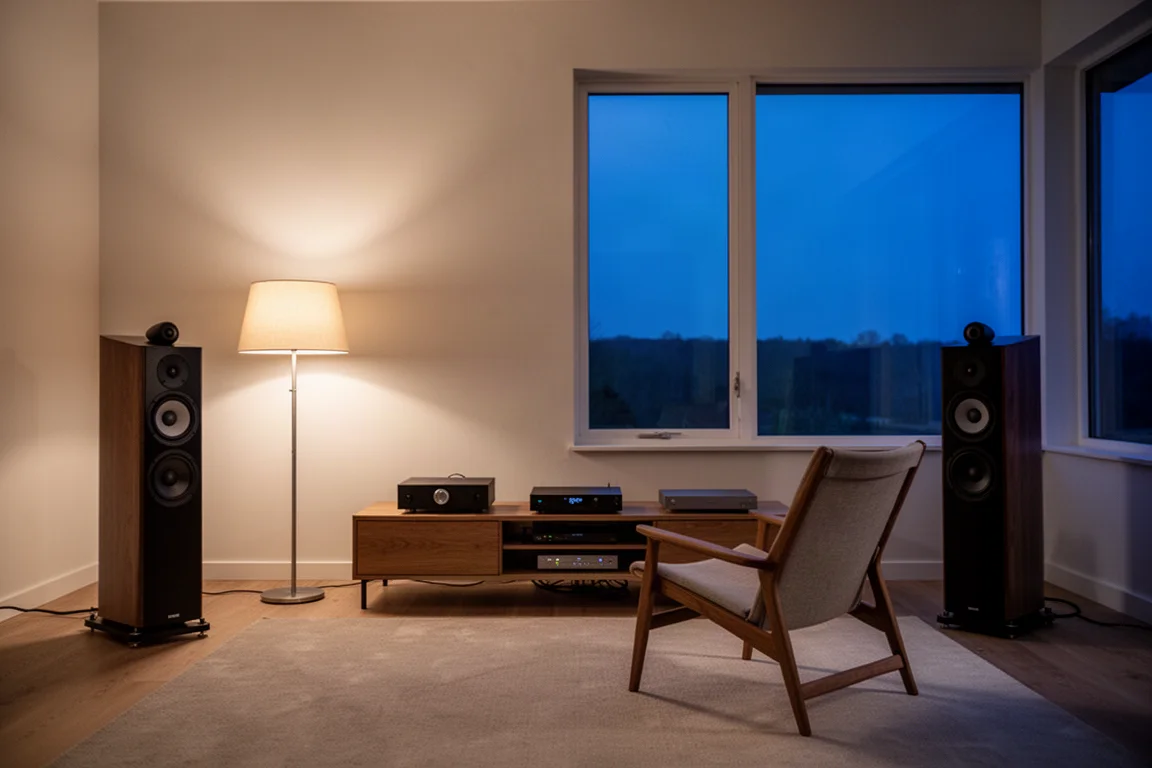
Buy it if you want one component to handle conversion, volume control, and headphone listening, and if two analog inputs are enough for your sources. Pair it with a power amplifier and a pair of speakers and you have a complete system with a small footprint.
Look elsewhere if you need four or five analog inputs, if you insist on a front-panel volume knob, or if your headphones demand a dedicated amplifier. Those are specific needs, and there are specific products for them.
For buyers in the US, the direct-sale structure helps. The 30-day return window means the risk of trying it is low, and the 5-year warranty that transfers to a second owner supports resale value if you move up later.
For most listeners weighing a converter and preamplifier in this range, the XDA-3 is a straightforward recommendation rather than a compromise.
Conclusion
The Emotiva XDA-3 earns its place by refusing to be just another converter. Keeping analog inputs analog from input to output, adding a fully balanced design, a volume control, a capable headphone amplifier, and a full digital suite with HDMI ARC, all for $699 in the US, is a serious piece of engineering at a price that rarely offers this much.
It is not the ultimate in any single category. It gives up a little to a dedicated reference converter, and it gives up more to a preamplifier costing several times as much. But it does not lose by much where it matters, and it replaces several components with one clean, restrained chassis.
If your system needs a converter that can also be its center, and you want analog to stay analog, the XDA-3 is easy to recommend.
Product link
View more details for Emotiva XDA-3
This product is mentioned in the review. Check the specifications, options, and compatibility before buying.
View more details for Emotiva XDA-3Further reading
Related Reviews
Digital-to-Analog Converters
Lab 12 DAC One Reference Review: A Tube Converter Built for Ease and Body
A non-oversampling tube DAC from Greece with eight multi-bit converter chips, a heavy chassis, and a 5-year warranty. Here is what its relaxed, spacious sound does well and what it asks you to give up.
Hi-Fi Audio
Accuphase C-57 vs Allnic H-7000V: Two High-End Phono Stages Compared
A fully balanced solid-state phono stage with a pitch-black noise floor meets a tube design built for well-loved records. Here is how to choose between them.
Hi-Fi Amplifiers
Accuphase E-280 Review: Entry-Level Accuphase With Flagship Attention to Detail
A close look at the Accuphase E-280 integrated amplifier, covering its champagne build, AAVA volume control, sound quality, and the speakers and sources that suit it best.